


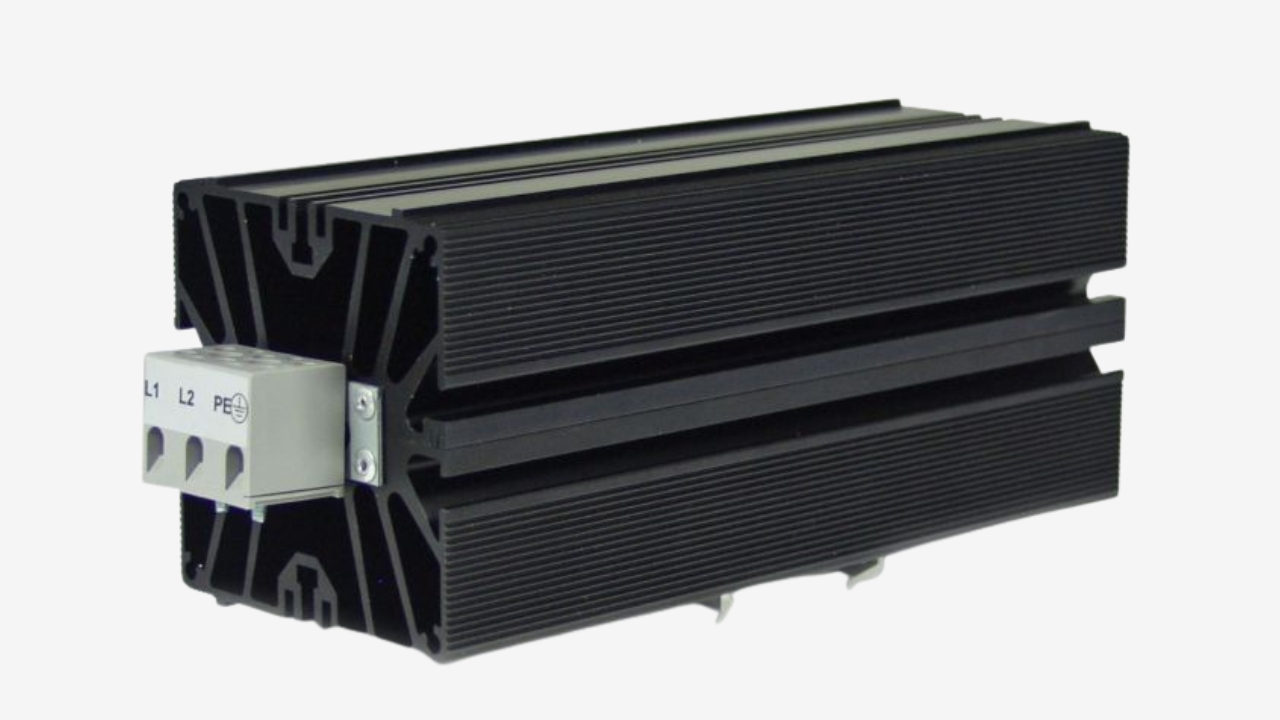
Electrical enclosures are often exposed to environmental conditions that can affect the performance of components inside. Enclosure heaters help maintain a stable internal temperature and prevent the buildup of condensation inside the enclosures. This article introduces 6 benefits of enclosure heaters to help you select the most suitable heating solution and ensure reliable operation of your electrical enclosures.
What Are Enclosure Heaters?

An enclosure heater is a small heating device installed inside an electrical control enclosure. It is used to maintain the temperature inside the enclosure above the dew point, preventing condensation caused by temperature differences, low temperatures, or moisture ingress, which protects your equipment from short circuits, corrosion, and malfunctions.
6 Core Benefits of Enclosure Heaters

Condensation Prevention
In high-humidity and low-temperature environments, electrical enclosures are exposed to a higher risk of moisture buildup. Day and night temperature changes can also create large temperature differences inside and outside the enclosure. Condensation forms when the internal temperature drops below the dew point. Over time, moisture accumulation can corrode metal and may eventually lead to short circuits when it enters the electrical enclosure.
Electrical enclosure heaters help maintain a stable temperature inside the enclosures, reducing the risk of moisture condensation on electrical components and metal surfaces. This protection is especially important for outdoor enclosures and equipment installed in high-humidity environments, such as water treatment plants and coastal areas.
Protection of Electrical Components
Key components inside the electrical enclosure, such as PLCs and relay control panels, may fail to operate correctly when exposed to moisture or low temperatures over time.
With the enclosure heater, the humidity inside the enclosure remains stable, allowing the electrical components to operate reliably without damage. If you are involved in industrial automation, we recommend equipping your electrical enclosures with heaters; this measure reduces the risk of unexpected downtime that results from production interruptions caused by electrical failures.
System Reliability in Cold Environments
In cold environments, electrical enclosures are affected by low temperatures, and certain components may exhibit sluggish response times, signal instability, or even fail to start properly.
For enclosures deployed in cold environments, the enclosure heater is essential. The heater helps keep the internal temperature stable, supporting the normal operation of the equipment. Therefore, they are widely used in outdoor electrical enclosures and communication infrastructure.
Extend Equipment Service Life
When an electrical control enclosure is exposed to high humidity for a long period, corrosion and oxidation can occur inside the enclosure. These conditions affect both the enclosure structure and the internal electrical components. The damage can reduce the overall service life of the equipment.
For customers who require product durability and service life, installing heaters within the enclosure serves as a helpful method for extending the equipment’s operational service life.
Reduced Maintenance and Downtime
Problems caused by moisture are often difficult to detect at an early stage. Condensation and excessive humidity can gradually affect electrical components without obvious warning signs. Once a failure occurs, you will face extensive troubleshooting, resulting in additional maintenance costs.
Enclosure heaters ensure a stable operating environment for your enclosure, which helps lower maintenance frequency and reduces failure rate. A more stable enclosure environment also helps avoid unexpected downtime and supports higher production efficiency.
Standards Support Compliance
If you need to operate power systems under complex or harsh conditions, enclosure heaters help maintain stable temperature and humidity levels, ensuring that the system meets relevant industrial requirements and project specifications. In many practical applications, they show exceptional adaptability to diverse environmental conditions.
Applications of Enclosure Heaters

Industrial Automation Systems
Electrical control enclosures in industrial automation systems are required to operate continuously. These enclosures contain control components such as PLC electrical panels, relays, and sensors. If your power system operates in a factory, production line equipment and automated control systems expose electrical enclosures to moisture and temperature changes. Condensation inside the enclosure may lead to signal instability, relay failure, or even unexpected production line shutdowns. Enclosure heaters can help reduce the impact of moisture and low temperatures on the operation of automated equipment and reduce the risk of production interruptions caused by electrical failures.
Energy and Power Industry
Many modern new energy devices, such as distribution enclosures and substation control systems, are usually installed outdoors or in semi-open locations. The temperature difference between day and night can create condensation inside the enclosure, which can corrode the enclosure or cause power system failures.
For power distribution systems, solar inverter enclosures, transformer control enclosures, and wind power control enclosures involved in the new energy field, we usually recommend that you equip them with enclosure heaters to improve system reliability and support more stable operation in outdoor and high-humidity environments.
Oil and Gas Industry
When you need to equip your power system in the oil and gas industry, the enclosure will be located in a complex outdoor environment. The normal operation of monitoring systems, instrumentation equipment, and critical control components all require an enclosure heater to help create a stable environment. With enclosure heaters, you can confidently use equipment in demanding industrial conditions that require high system reliability, such as drilling platforms, pipeline monitoring stations, offshore platforms, and hazardous-area control enclosures.
Water and Wastewater Treatment Plants
Electrical systems in water treatment and wastewater treatment plants face extremely high-humidity environments. These environments increase the risk of condensation forming inside electrical enclosures, which can corrode the enclosure and affect system operation. This risk is higher compared with many other industrial applications.
If your project involves pump enclosures or water quality monitoring systems, enclosure heaters can help alleviate your concerns.
Telecommunications Infrastructure
Telecommunications infrastructure is usually installed in outdoor enclosures or remote base stations, where the temperature and humidity are highly susceptible to fluctuations in the external environment. Temperature fluctuations can cause a large accumulation of condensate, which can lead to equipment failure and can also disrupt communication signals. To avoid this, telecommunications enclosures, signal control boxes, fiber optic distribution boxes, and outdoor network infrastructure are equipped with enclosure heaters to control moisture at the source and support more reliable communication system operation.
Enclosure Heater Pre-Selector
Screen whether an enclosure heater and humidity control should be included in the preliminary specification.
Preliminary planning only: a selector cannot size the heater. Use measured temperature/humidity and the full dew-point and heater calculator before final selection.
Enclosure Heater Selection Guide

Environmental Conditions That Require Heating
If your installation is located in an area with large temperature fluctuations or a large diurnal temperature range, the temperature difference between the inside and outside of the electrical enclosure may lead to condensation, which will increase the likelihood of equipment failure. Therefore, given your specific environment, it is necessary to install enclosure heaters within your electrical enclosures to safeguard your power system.
Another situation involves the use of electrical enclosures in cold environments. In such settings, the temperature disparity between the enclosure’s interior and exterior is often pronounced; we also recommend the installation of enclosure heaters.
In addition, it is suitable for power systems that need to be installed in outdoor areas. If your electrical enclosure is situated in an environment with consistently high atmospheric humidity, prolonged exposure can lead to moisture-induced corrosion of the enclosure. Over time, this compromises the enclosure’s ability to seal out moisture ingress. This will affect the performance of the electrical components inside the enclosure and delay the efficiency of the power system.
Signs Your Enclosure Needs a Heater
Faults caused by condensation or temperature fluctuations are often identified only after they occur. However, there are methods available to assess these risks in advance. The appearance of any of the following signs indicates that the internal environment of the electrical enclosure is no longer safe or stable.
The presence of water droplets or mist inside the enclosure; the onset of rust on terminals or metal surfaces; equipment experiencing occasional, unexplained restarts or malfunctions; unstable signals from PLCs or sensors; or a need for frequent maintenance where the underlying cause remains elusive. If you find any of these situations, it is a strong indication that your electrical enclosure is in urgent need of a heater.
Key Selection Factors
After evaluating the operating environment of your electrical enclosure and analyzing system requirements, you can align your specific enclosure usage requirements with the selection criteria for the heaters.
If you find that the operating environment poses a risk of condensation to your electrical enclosure—for instance, due to large diurnal temperature fluctuations or prolonged exposure to high humidity—we recommend selecting a more robust enclosure heater capable of maintaining continuous condensation protection over the long term. Such options include enclosure heaters equipped with thermostats, PTC heaters, or systems featuring closed-loop temperature control.
For power systems intended for use in harsh environments, solutions that are less prone to failure or malfunction are your preferred choice. To ensure operational stability and resilience against environmental fluctuations, we recommend selecting enclosure heaters that feature overheat protection and are designed for continuous, long-duration operation. This type of solution is particularly well-suited for unattended equipment.
For heaters installed for temporary or low-risk scenarios—such as providing interim moisture protection or serving non-critical equipment—a basic heating solution is sufficient. The advantage of this type of enclosure heater lies in its high cost-effectiveness.
FAQ

Do All Electrical Enclosures Need a Heater?
Not all electrical enclosures require enclosure heaters. The risk of condensation mainly exists in outdoor installations, high-humidity environments, locations with large day-night temperature differences, or low-temperature conditions. These environments create conditions where moisture can form inside the enclosure. In these cases, an enclosure heater is often necessary.
Electrical enclosures installed indoors usually operate in a more stable environment. Low humidity and stable temperatures reduce the need for additional heating. However, industrial automation systems and power systems often require higher reliability. These systems may still include anti-condensation protection to reduce potential risks, even when the environmental conditions are relatively stable.
Where Should an Enclosure Heater Be Installed Inside the Enclosure?
It is generally recommended to install the enclosure heater in the lower area of the electrical enclosure. Heated air rises inside the enclosure. This natural airflow helps create a more even temperature distribution. This also helps reduce the formation of local condensation.
The installation position should keep a safe distance from sensitive electronic components. Direct heat exposure can affect the normal operation of nearby devices. A correct installation position improves heating efficiency. It also improves overall protection performance inside the enclosure.
Can I Use a Heater Only in Winter?
In some non-critical or low-risk applications, users may choose to operate enclosure heaters only during winter. This approach follows seasonal temperature changes. The heater is activated when temperatures drop.
Critical applications such as industrial automation systems and power systems require higher reliability. These systems should not rely on winter-only protection. Condensation is not only caused by low temperatures. Condensation is also caused by daily temperature changes and humidity fluctuations. Moisture problems can still occur outside of winter.
For this reason, many industrial users maintain year-round protection. Continuous protection helps ensure stable operating conditions inside the electrical enclosure.
Do Enclosure Heaters Consume a Lot of Electricity?
Generally, enclosure heaters are low-power devices. Their power level is usually selected based on electrical enclosure size and environmental conditions. The heater does not operate at full load continuously.
In most cases, a thermostat controls the heater. The heater only turns on when the internal temperature drops below the set level. This control method keeps energy consumption low. It also supports long-term operation in industrial environments.
Industrial systems often prioritize operational stability over small energy savings. The cost of downtime caused by equipment failure is usually much higher than the electricity consumption of the heater.
Final Thoughts

Enclosure heaters are essential for ensuring the stable operation of electrical enclosures in variable environments. KDM Steel specializes in industrial electrical enclosures and related custom solutions, providing enclosure systems and heating protection solutions designed for different applications. If you have any related project needs, please contact us to discuss the best selection advice based on your specific requirements.
 English
  Arabic
  French
  Spanish
  Russian
  Japanese
  Korean
  Portuguese
  Indonesian
  Chinese