


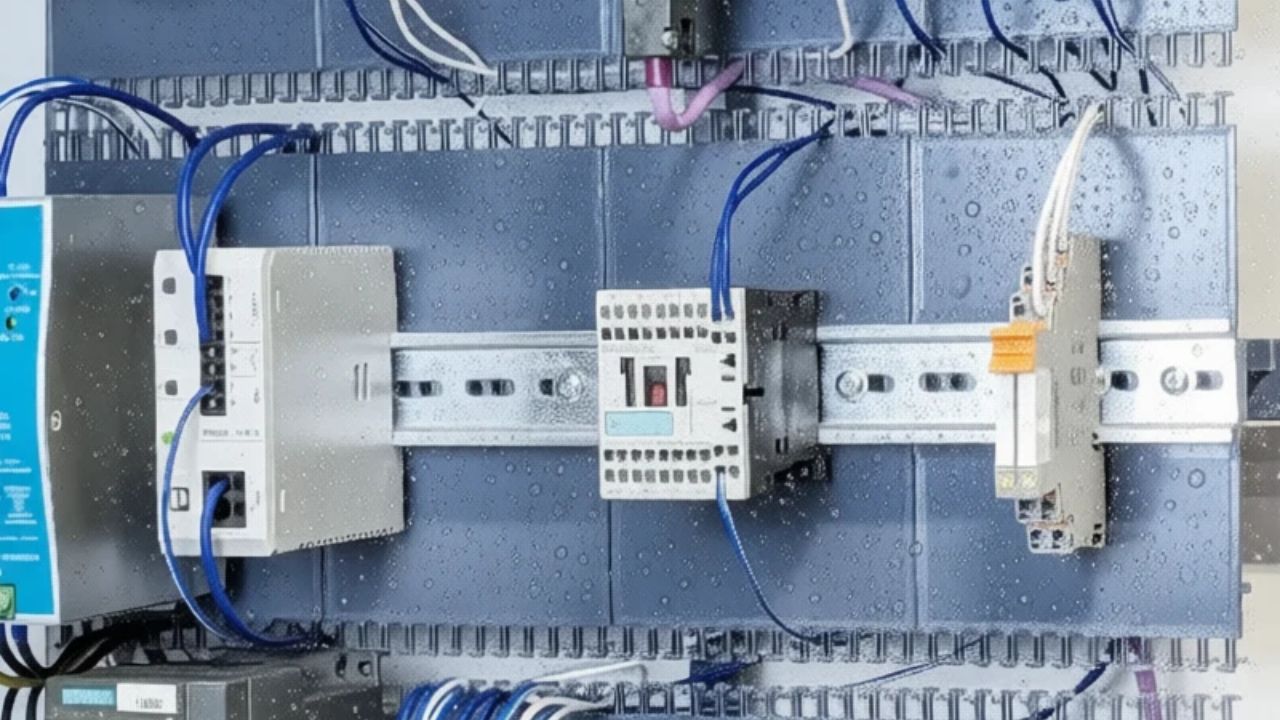
Preventing condensation is vital to protect the electrical enclosure. This article details the causes, how to reduce condensation, and how to choose the right condensation solution for your facility. If you are engineers or system integrators, this article can provide you with long-term condensation prevention solutions.
Why does Condensation Happen in Enclosures?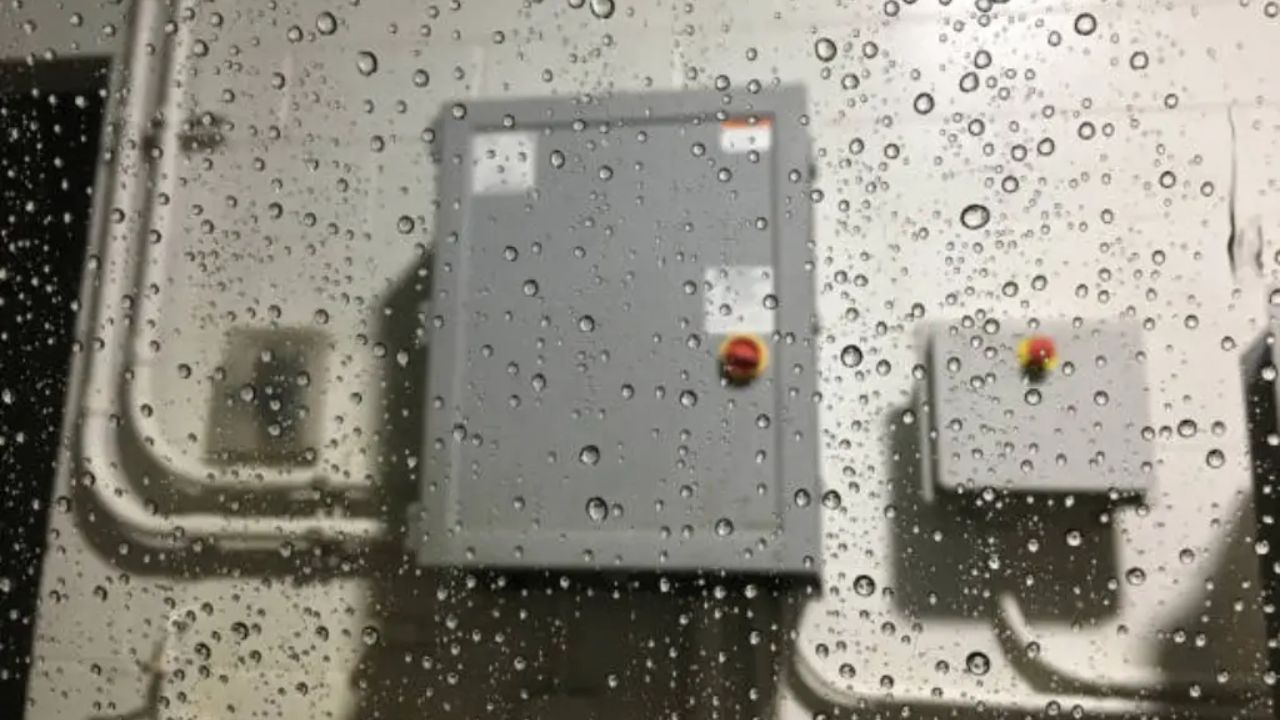
In the sealed electrical enclosure, moisture cooled to the dew point, causing water vapor to condense into liquid water on the internal surface. Why is the sealed electrical enclosure prone to condensation?
The fluctuating temperature of the enclosure, the thermal ‘breathing’ effect, improper design, and trapped humidity during installation all cause condensation formation. Besides, electronic components generate heat during operation, which can also lead to condensation when the temperature drops. If your electrical enclosure is installed in a high-humidity environment, it is more likely to form condensation.
At what temperature does condensation occur?
Condensation usually occurs when the surface temperature is lower than the dew point temperature of the surrounding air. Condensation does not have a fixed temperature; it depends on air temperature and relative humidity.
At what relative humidity does condensation occur?
When the relative humidity reaches 100%, the air is completely saturated and cannot hold more moisture. At this point, when the temperature drops, condensation will occur.
How to Prevent Condensation in Your Electrical Enclosures?
No enclosure can completely avoid condensation, even if it has a high IP or NEMA rating. Therefore, preventing electronic devices from moisture is an urgent problem that needs to be solved. The following are practical methods to reduce condensation:
Manage the Fluctuating Temperature
You can install a heater at the bottom of the enclosure to keep the internal temperature above the dew point. Common types of heaters include convection heaters, PTC heaters, and fan-assisted heaters. The heated air rising can promote adequate air circulation inside the enclosure.
The heater size needs to be selected based on the enclosure volume and the lowest ambient temperature. This temperature control method is highly reliable, easy to install, and has lower maintenance costs.
For important applications, you can choose a smart thermal control system. It mainly activates heating when the temperature or humidity exceeds the set threshold through a thermostat and a hygrosat, thereby providing precise regulation. This temperature control method enables energy-efficient operation and keeps an optimal internal climate.
Besides installing fans, air conditioners, etc., you also need to place enclosures in a location that avoids direct sunlight. Besides, the plastic enclosure can better insulate and has lower heat generation. In other words, the plastic enclosure can adapt to environmental changes more quickly, thereby reducing condensation.
Humidity Control
You need to proactively manage humidity when it is impossible to prevent moisture from entering the enclosure. For small electrical enclosures, you can use desiccants such as silica gel, clay-based dryers, or molecular sieves to absorb the excess moisture within the sealed enclosure.
However, this method is only applicable to small enclosures, low-maintenance environments, and provides short-term protection. It also requires you to replace it regularly.
For larger enclosures and cabinets in high-humidity areas, you can choose to install dehumidifiers or refrigerant systems. This humidity control method is very suitable for telecommunication cabinets and outdoor control systems in tropical climates.
Ventilation&Air Circulation
Appropriate airflow can reduce moisture accumulation and eliminate stagnant air. Also, good ventilation prevents overheating and reduces electrical failures.
Louver vents mainly rely on internal pressure changes for natural ventilation. They are more suitable for mild environments and non-critical equipment.
What’s more, you can install pressure compensation devices on the outer enclosure that is exposed to rapid temperature changes. These devices can balance internal and external pressures, prevent moisture from entering, while allowing for air exchange.
More efficient ventilation systems are forced ventilation systems, such as filter fans. It can help you circulate internal air, remove moisture, and keep a uniform temperature distribution.
Proper Seal and Insulation
Make sure that your enclosure has IP and NEMA ratings, and regularly check for wear on the seals. The enclosure’s waterproof gasket/sealant (silicone) can provide excellent waterproof protection for the enclosure. A well-sealed enclosure can prevent the humid air infiltration.
Besides, you can also use insulating materials (closed-cell foam, thermal lining panels) to reduce rapid temperature changes and prevent the cold surfaces from forming. It is suitable for outdoor fences exposed to cold nights or metal cabinets in cold climates.
Drainage Solutions
Even if you take precautions, some moisture will form in the enclosure. You can install a drain plug and condensation drains at the lowest point of the enclosure. This helps to escape the accumulated moisture and prevent it from pooling. You can apply this in high-humidity areas and outdoor cabinets.
Combined System Approach
Generally speaking, the most reliable method for reducing condensation is to combine a heater, a humidifier, a pressure compensation device, etc. And verify the correct seal and drain plug of the enclosure. This strategy can provide reliable protection when the temperature drops, humidity spikes, and pressure fluctuates.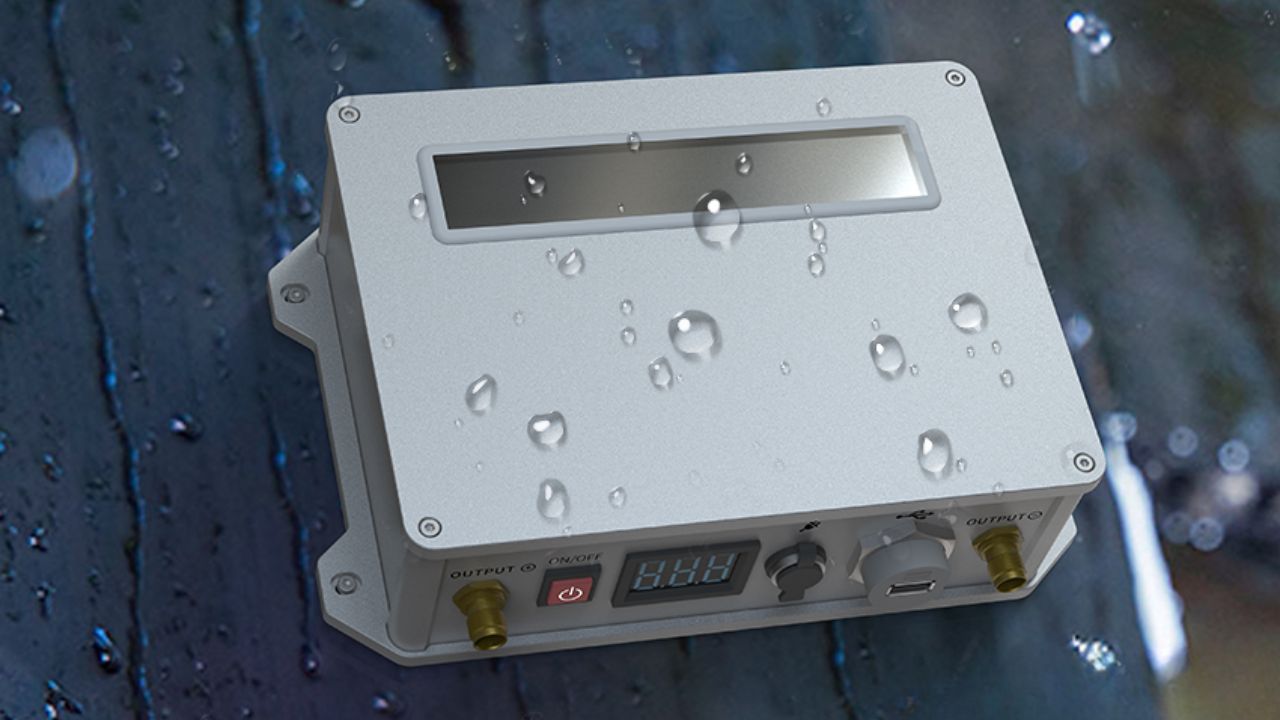
Choose the Best Protection Solution for Your Enclosures
Evaluate Your Installation Environment
You need to examine the maximum temperature variation range of the installation environment, including both indoor/outdoor areas, and daily temperature fluctuations. You can evaluate the condensation risks due to temperature swings.
Humidity detection is also necessary. Especially when installed in high-humidity environments, indoor flushing areas, and seasonal humidity variations. Besides, water and pollutant exposure (industrial dust, chemical vapor, salt spray) are also important test objects.
Choose the Required Protection Level
Fully consider the installation environment, industry standards, and then select the enclosure protection rating that suits your application.
Choose the Proper Protection Components
You can use heaters and hygrostats for condensation control. Filter fans, exhaust filters, and air conditioners help you in thermal management. The stainless steel enclosures, corrosion-resistant coatings, and high-grade gaskets are more suitable for your application in coastal areas or food processing industries.
Consider Design and Installation Factors
Finally, determine your enclosure size, the installation location, and the internal heat load, and decide on the component layout. Finally, seal the cable entry. All your choices need to consider long-term reliability to verify the highest cost-effectiveness.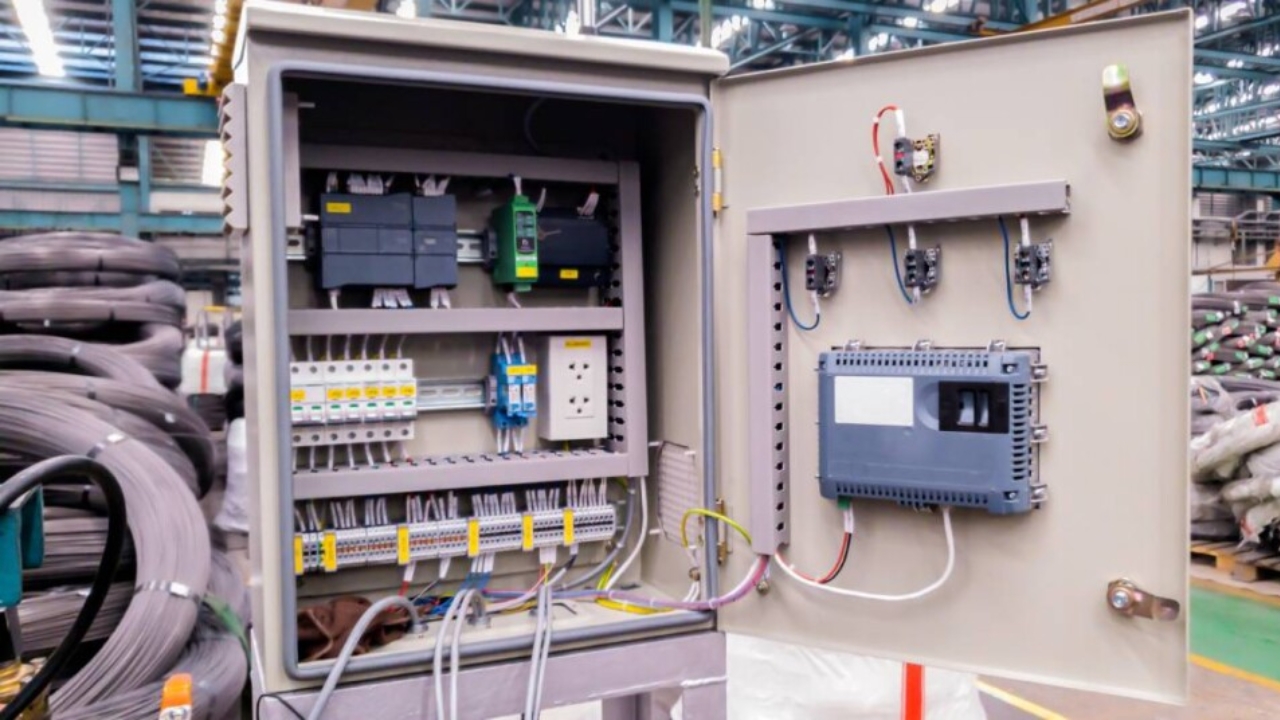
FAQ
Does a Higher IP Rating Prevent Condensation?
No. High IP rating enclosures can only prevent water and dust from entering. The trapped moisture during installation will still form condensation when the temperature drops. Higher IP rating prevents moisture from escaping, and this may intensify condensation as the temperature fluctuates and pressure changes.
Are Breather Vents Effective for Condensation Control?
Yes. It helps to reduce condensation, but cannot eliminate it. It is only suitable for outdoor enclosures with moderate humidity, condensation due to pressure imbalance, and daily temperature fluctuations. If in a high-humidity environment, without internal temperature control, and with large temperature drops at night, it is not the most effective solution.
What Size Heater Do I Need for My Enclosure?
To prevent condensation, you need to keep the internal temperature above the dew point (usually 5-10°C higher than the ambient temperature). The heat loss can be calculated using the formula: power (W) = surface area * heat transfer coefficient * temperature difference. Usually, a 10%-20% margin needs to be added and controlled through a thermostat or hygrostat.
What Industries are Most Affected by Enclosure Condensation?
The industries most susceptible to condensation are those involving outdoor installations, high humidity, or frequent temperature fluctuations. For instance, industrial manufacturing, telecommunications, renewable energy, food and beverage processing, and marine applications. Enclosures in these industries are installed in constantly changing environments, therefore prone to accumulating moisture.
Final Thought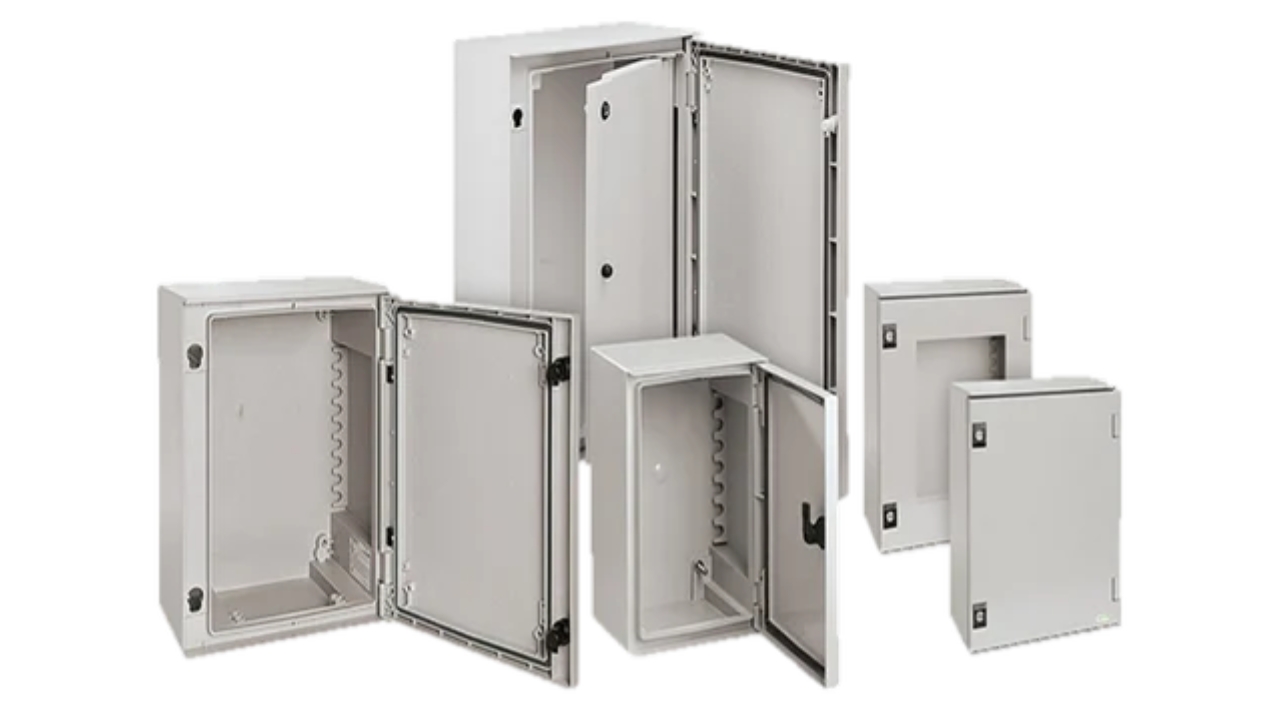
As a professional enclosure manufacturer, KDM can produce various enclosures with IP and NEMA ratings to protect your electronic components. We will also take different measures to reduce condensation depending on your installation environment. If you have any customization requirements, we can also provide you with a one-stop customized service.
 English
  Arabic
  French
  Spanish
  Russian
  Japanese
  Korean
  Portuguese
  Indonesian
  Chinese