


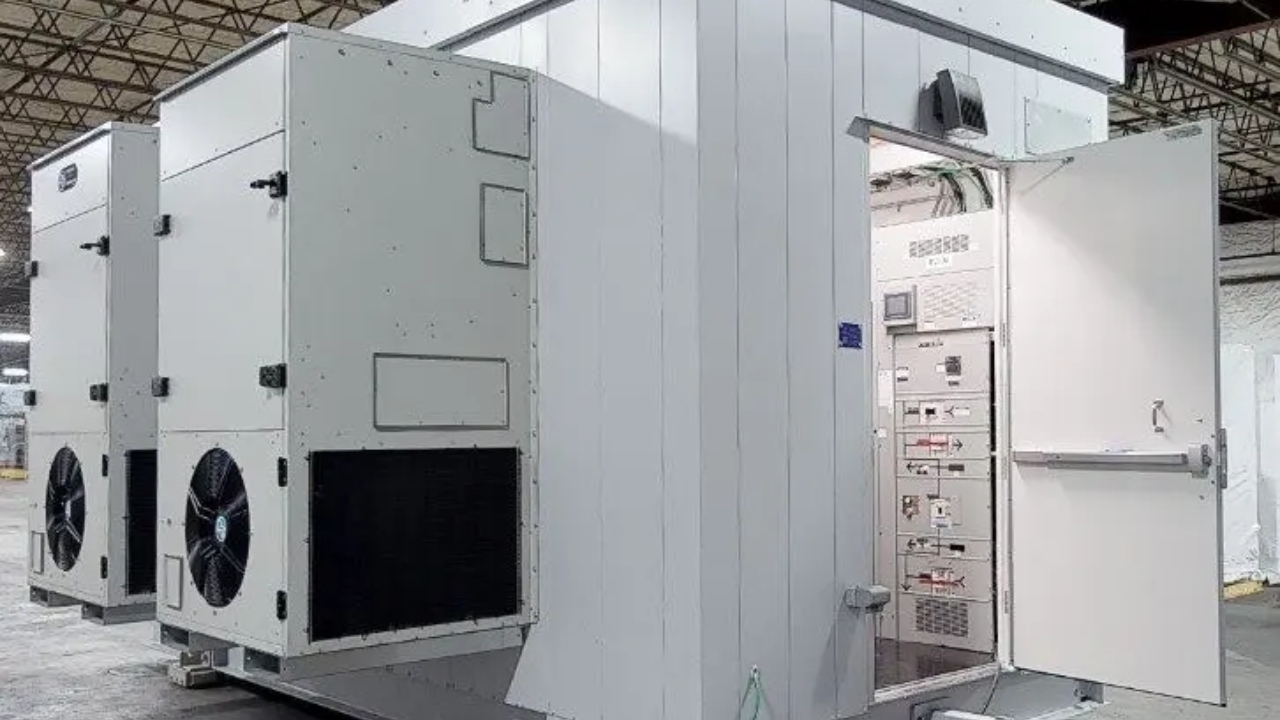
Choosing the right method for distributing power is an important choice. When you’re in charge of huge buildings or industrial projects, you need ways to save time without skimping on quality. That’s exactly what prefabricated substations offer. This article gives complete details about Prefabricated Substation.
What Is a Prefabricated Substation?
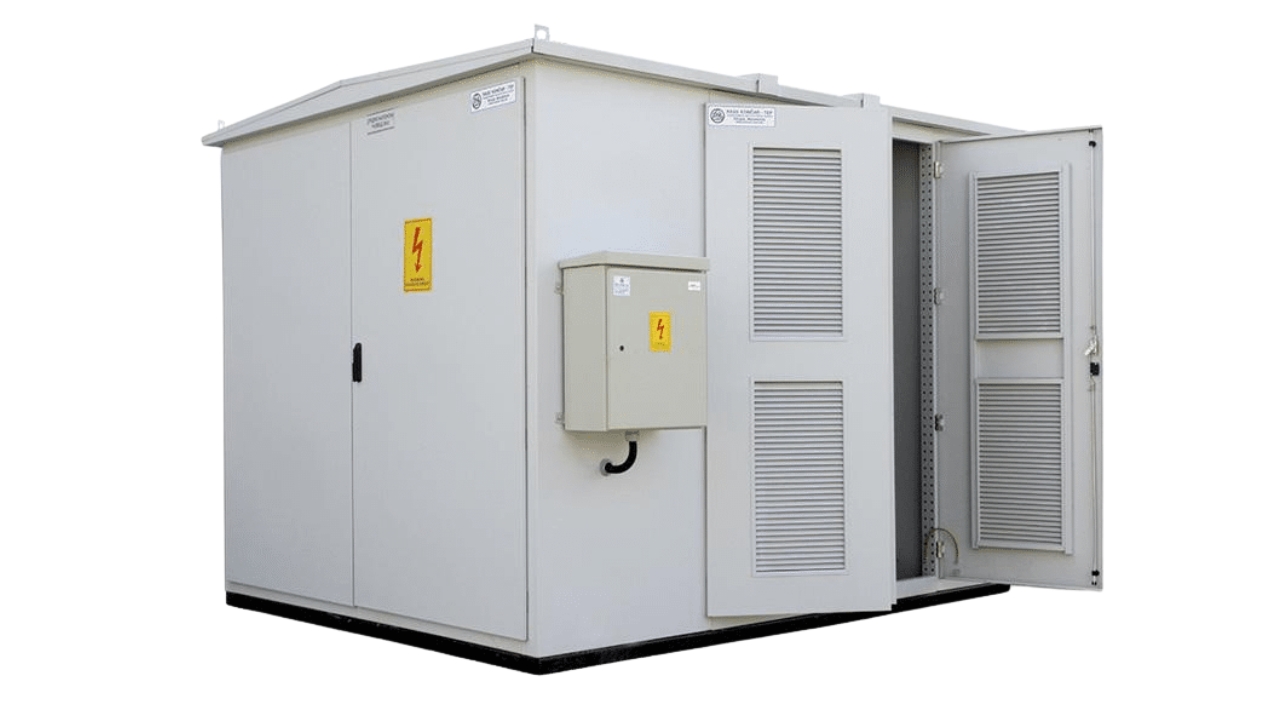
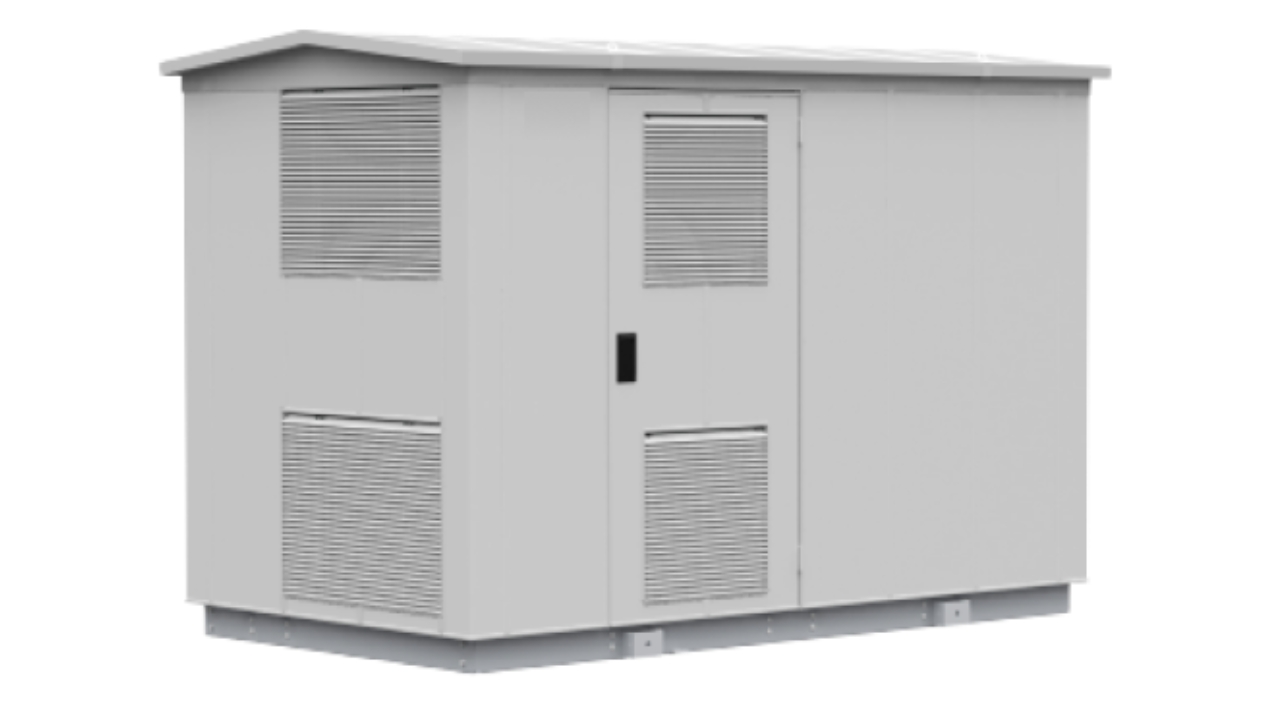
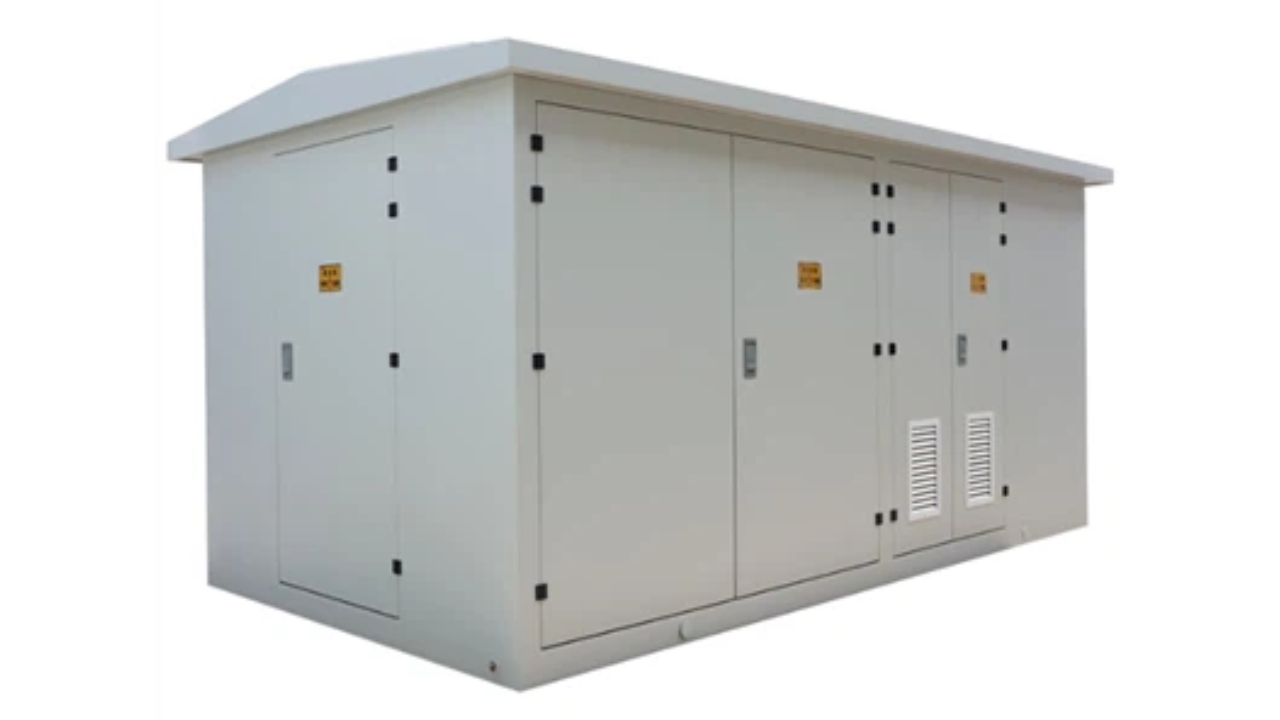
A prefabricated substation is an enclosed, factory-built group of electrical parts that are meant to change voltage levels and safely transfer power. These units are different from standard stick-built substations because they come to your site already set up. For companies that want to be more efficient, they mean switching from building things on-site to making things more quickly and with better quality control.
How Prefabricated Substations Work (Step-by-Step)
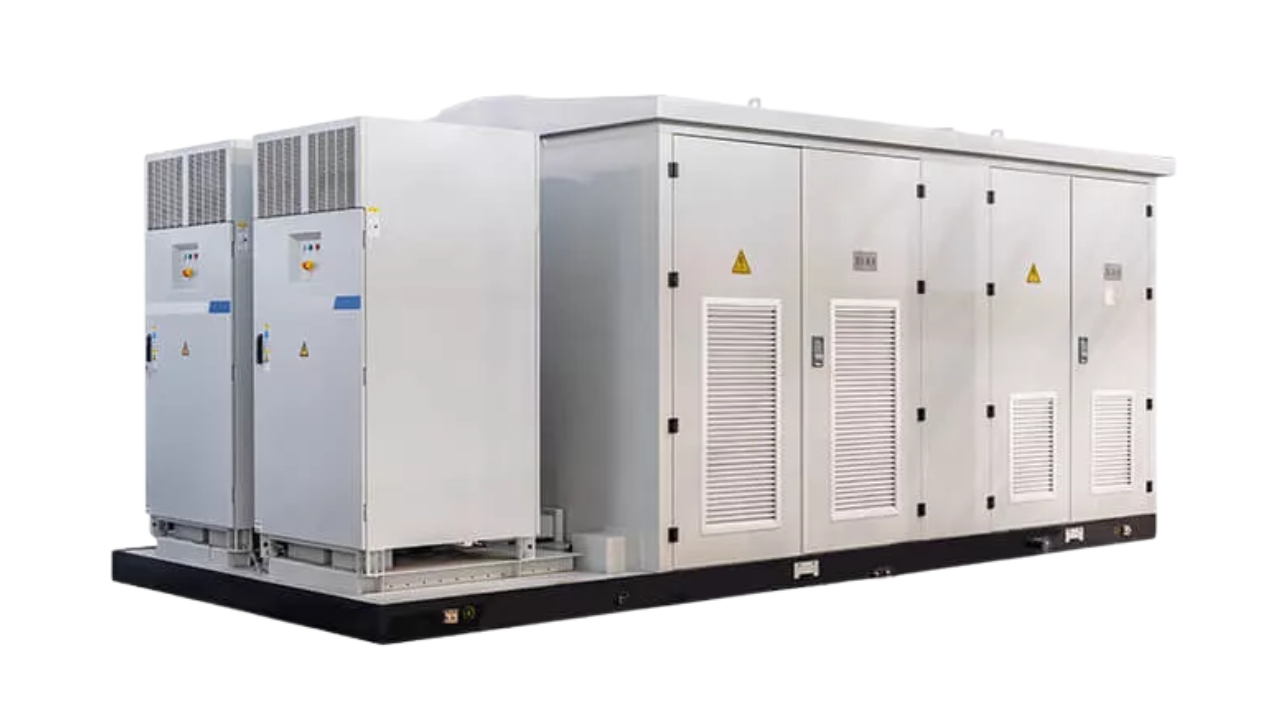
Factory Design & Assembly
Everything starts with your needs. The layout is planned by engineers at KDM Steel, who put generators and switchgear inside a strong case. Before a part leaves the plant, it is put together, wired, and tested on the factory floor.
Transportation to Site
After being put together, the unit is carefully loaded onto a truck. It comes either as a single block or in flexible pieces, depending on the size. This method cuts down on problems with logistics and makes sure the substation gets to the next step whole and ready to go.
Installation & Commissioning
When you get there, the setup process goes by incredibly quickly. The installation is finished when the crews place the unit on a foundation that has been made and connect the incoming and outgoing cables. Most of the time, commissioning only takes days instead of months because the hard work was done in the factory.
Operation & Monitoring
Once it is set up, the substation can run on its own. Integrated safety systems keep an eye on faults, load, and temperature all the time. This lets your team control power sharing from afar, so they don’t have to be on-site all the time.
Key Components of Prefabricated Substations
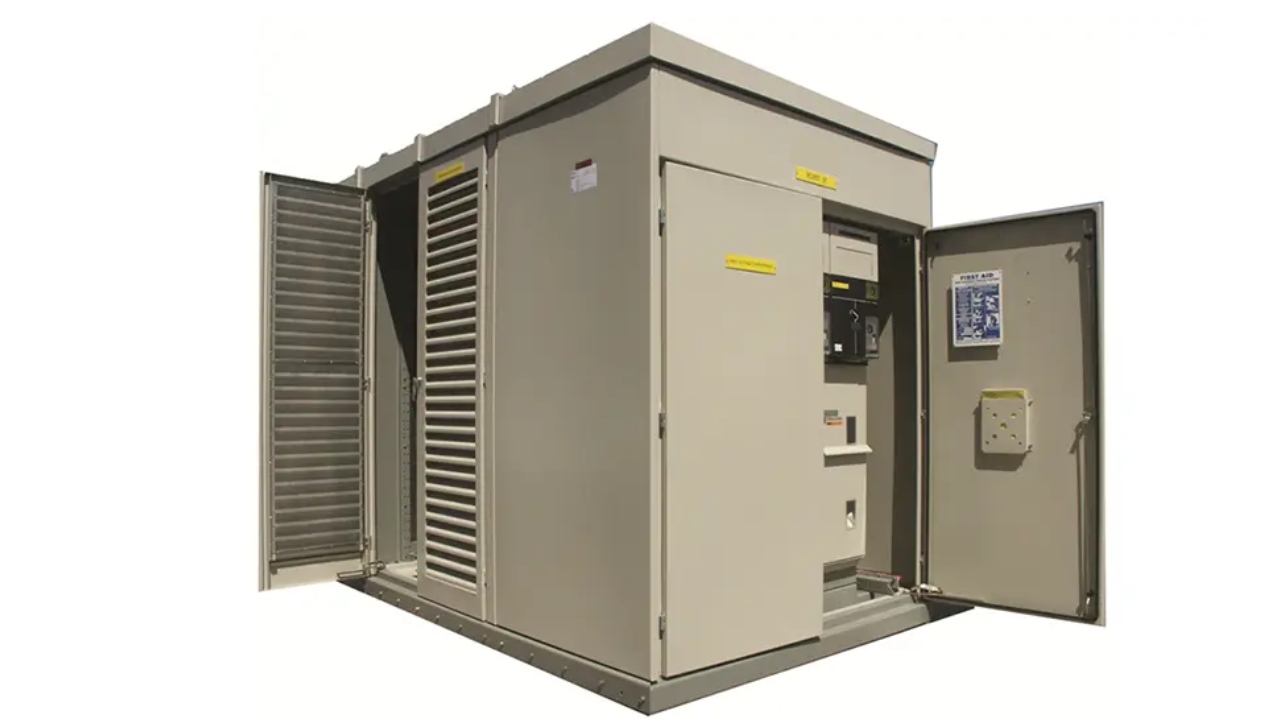
How reliable a built substation is depends on how well its main parts are made. Here is a list of the most important parts that work together to make sure that power stays on all the time.
| Component | Description |
| Power Transformer | The core unit that steps up or down the voltage. It is sized specifically to match your load requirements and cooling needs. |
| High-Voltage Switchgear | Controls and protects the incoming power supply. It allows operators to safely isolate circuits for maintenance or in emergencies. |
| Low-Voltage Distribution Panel | Distributes power to downstream circuits. It houses circuit breakers and metering to manage outgoing feeder lines efficiently. |
| Protection & Control System | Acts as the brain of the substation. Relays and automation devices detect faults and trigger breakers to protect equipment. |
| Enclosure & Cooling System | A heavy-duty housing, often made from steel that shields components from weather and vandalism. It includes ventilation or HVAC to manage internal temperatures. |
Types of Prefabricated Substations
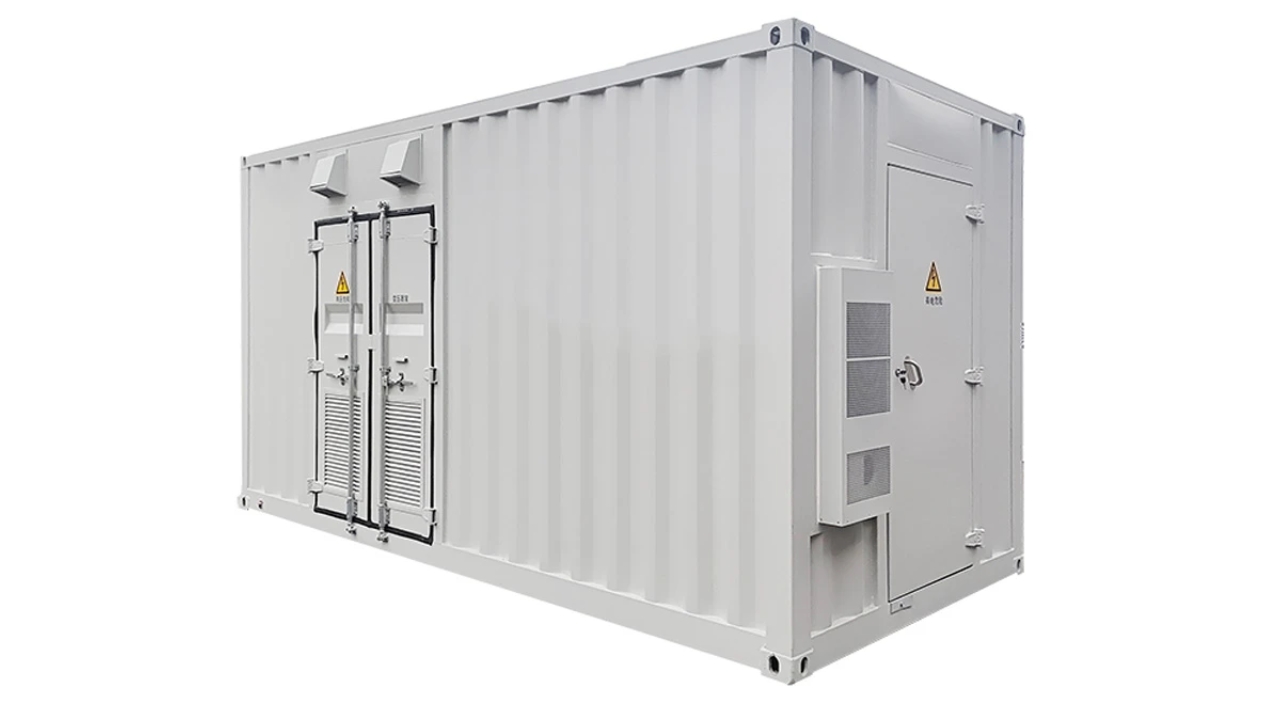
A prefabricated transformer is not always built the same way. Which type is best for your project relies on things like how mobile you need it to be, how much space you have, and how much voltage it needs. This is a list of the most popular configurations that you can get today.
Pad-Mounted Substation
These units sit on a concrete pad and are completely sealed. They are made to be installed on the ground. They’re popular in neighborhoods and business parks where overhead lines wouldn’t look good or aren’t useful for safety or practical reasons.
Compact (Unitized) Substation
This has a single box that holds the transformer, electric switchgear, and distribution panels. As a result of its small size, the design makes it perfect for use in cities or retrofits where space is at a premium.
Modular Prefabricated Substation
Modular substations are flexible for bigger projects because they are made up of several parts that are put together in a factory. Their flexible design makes them easier to move and allows for future growth without having to do major repairs. They can be set up to meet complex power needs.
Mobile Substation
When put on a trailer or skid, movable substations can provide power temporarily or in an emergency. They are very useful for planned maintenance, unplanned power outages, or building projects that need to move power from one place to another.
High-Voltage Prefabricated Substation
Because they are made for voltages at the transmission level, these heavy-duty units can handle large amounts of power. Stepping down from high-voltage electric power transmission lines is a common task that is used for utility applications and big industrial sites.
Comparison Table
| Type | Best For | Footprint | Mobility | Typical Application |
| Pad-Mounted | Permanent ground installation | Medium | Low | Commercial, residential distribution |
| Compact | Space-constrained sites | Small | Low | Urban infrastructure, retrofits |
| Modular | Scalable power needs | Large | Medium | Industrial plants, data centers |
| Mobile | Temporary or emergency use | Variable | High | Disaster recovery, construction sites |
| High-Voltage | Utility and heavy industry | Large | Low | Substation yards, transmission links |
Key Benefits of Prefabricated Substations
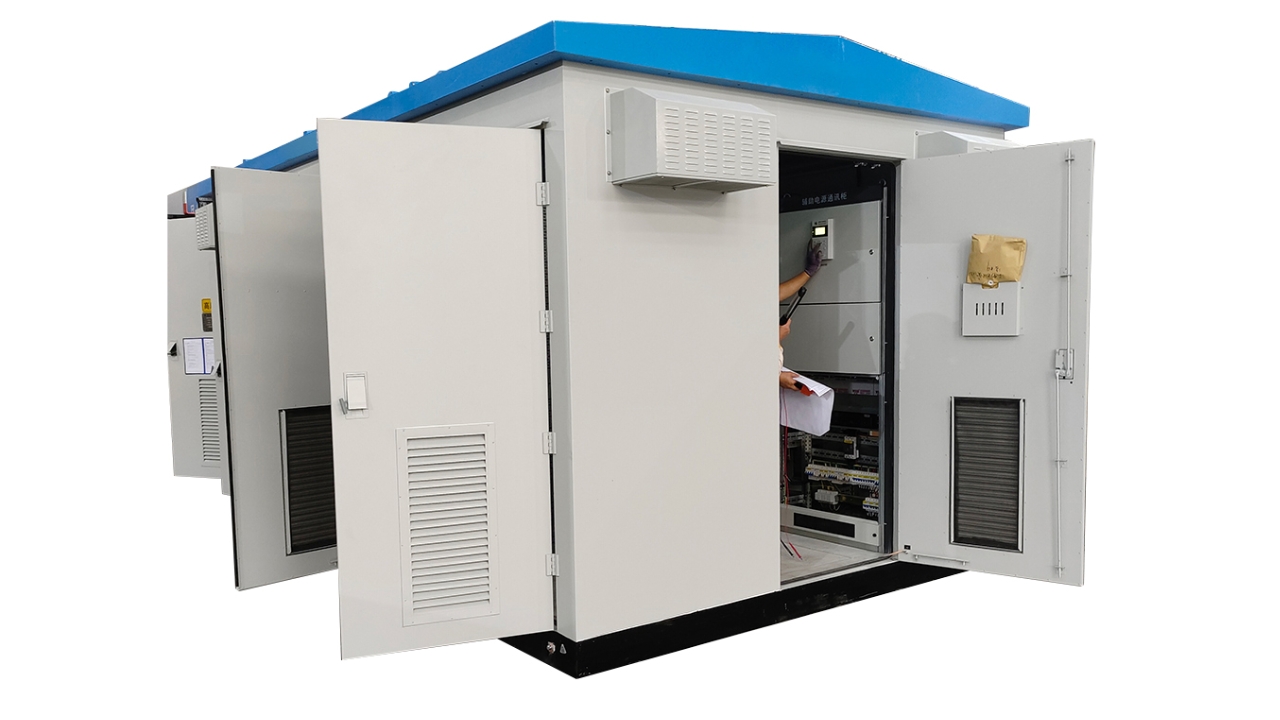
Faster Installation
You are not waiting for on-site construction to be completed because manufacturing will occur concurrently with site preparation. On average, it can be installed in a few days or weeks, compared to months of time, as is the case with normal constructions.
Cost Efficiency
The production in the factories helps in reducing the expenditure of labor, garbage, and loss of time due to poor weather. Another time-saving aspect is engineering design since the solution provided by one supplier is a complete-engineered package.
Space Saving Design
These substations are designed in the most convenient way possible, considering the space they are located in, and yet offering all the required functions. Projects within crowded cities or within existing buildings have a major advantage with this utilization of the space.
Factory-Tested Reliability
The plant undertakes a lot of tests on each unit before it is left. By doing so, the potential issues are identified and corrected in a managed environment as opposed to being detected and corrected in a stress-filled launching environment on-site.
Safety and Environmental Protection
The heavy-duty enclosure prevents people to accidentally touching the live parts. It is also able to keep dust, water, and animals off the tools that are inside it, thus able to work in any weather.
Scalability & Flexibility
In modular designs, you can begin with what is required and add space later if required. This flexibility to the future is particularly convenient in the industrial processes that are expanding or green energy projects that might expand with time.
Applications of Prefabricated Substations
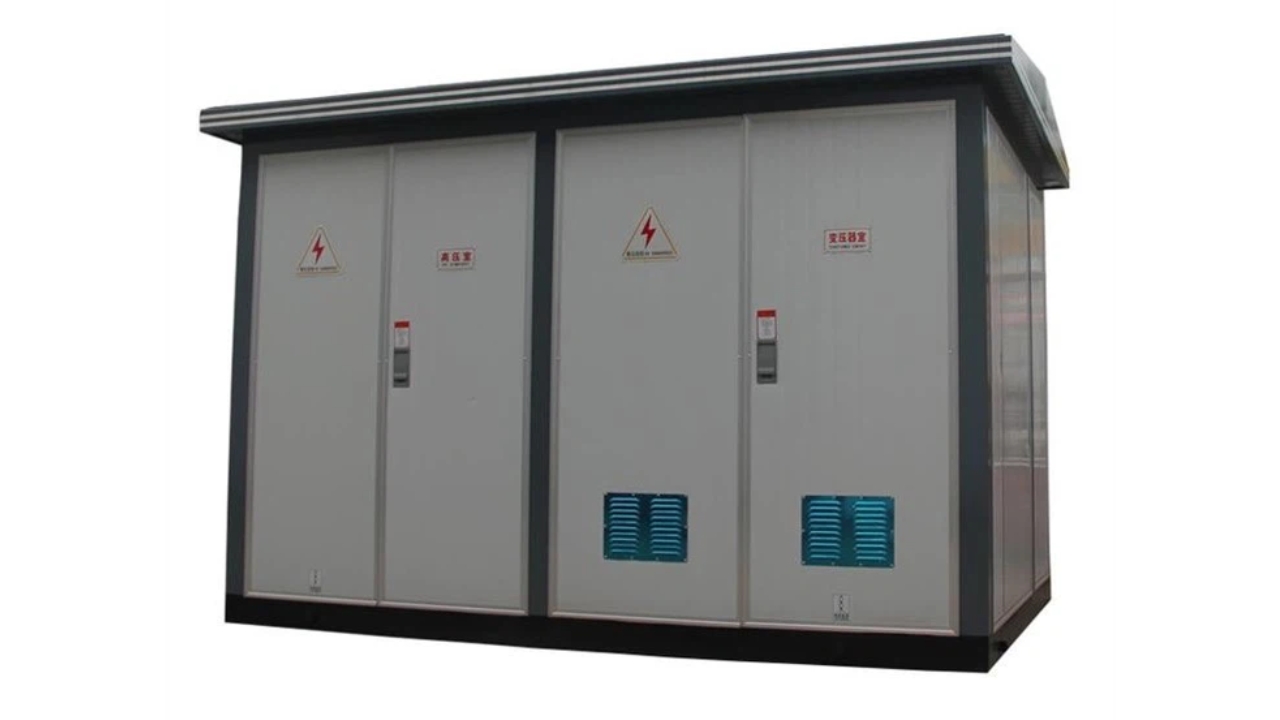
Industrial Plants
Factories require reliable power that can be relied upon to continue running their production lines. At prefabricated substations, the utility power is reduced to amounts that heavy machinery can work with, and important equipment is automatically shielded.
Renewable Energy (Solar, Wind)
Wind farms and solar farms produce electricity that must be transformed to a different level of voltage before it is transmitted to the grid. The capacities of these substations can be altered, and these can be installed within a short time to take up project requirements.
Urban Infrastructure
These units are used by the planners in the cities to energize things such as subways, hospitals, and water treatment plants. Their small size allows them to be placed in areas where the regular substations would have been ineffective.
Construction Sites
Temporary power distribution is required in large construction works. Mobile or skid-mounted substations are reliable to give service and can be transported with a shift in the project to a new stage.
Mining and oil fields
To work remotely, you require devices that will be effective in extreme conditions. Extractive industries usually have dust, temperature variations, and corrosive environments. These issues are covered by heavy-duty enclosures.
Commercial Complexity
Enclosed substations are a suitable choice in a shopping center, office park, and mixed-use project because they look clean and operate without noise. They conserve the values of the land and offer stable power.
Prefabricated Substation vs Traditional Electrical Substation
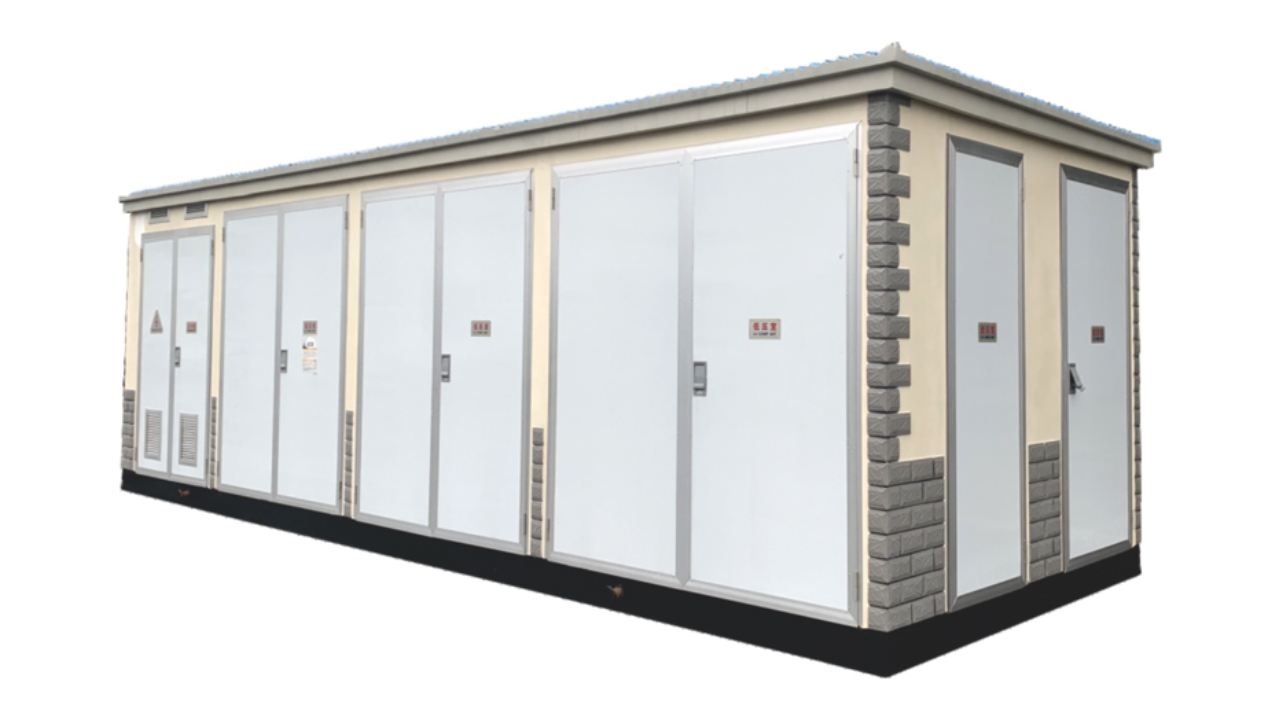
The main differences between these two methods are usually time, room, and being able to plan ahead. Usually, building a traditional substation takes months, involves many workers, and can be delayed by bad weather. Getting prefabricated units from the factory already built and tested cuts project timelines by a huge amount. This is how they stack up on some important scales.
| Feature | Prefabricated Substation | Traditional Substation |
| Installation Time | Days to weeks | Months to over a year |
| Footprint | Compact, optimized | Larger, spread out |
| Quality Control | Factory-tested before shipping | Tested on-site |
| Weather Dependency | Minimal | Significant delays possible |
| Scalability | Modular expansion available | Requires new construction |
| Initial Cost | Predictable, all-inclusive | Variable, subject to change orders |
How to Choose the Right Prefabricated Substation
Voltage & Capacity Requirements
Start with how much power you need. Find the main and secondary voltage levels and the total load. This tells you what size transformer and switchgear you need for your purpose.
Installation Environment
Think about where you want the unit to go. Coatings that don’t rust are needed near the coast, and strong cooling systems are needed in the desert to deal with the high temperatures.
Space Availability
Carefully measure the limits of your spot. Designs that are small or unitized work well in limited areas, while modular layouts are better for bigger sites that can grow in the future.
Safety & Compliance Standards
Make sure the substation follows the rules set by your city’s electrical code and foreign organizations such as IEC and IEEE. Getting permits and running a business safely depend on following the rules.
Customization Needs
Think about specific needs, like special metering, the ability to watch from afar, or different enclosure colors to match the look of existing buildings.
Cooling & Ventilation System
Transformers make heat that needs to be controlled. Check to see which of natural airflow, forced air, and liquid cooling works best for your load profile and the environment.
Supplier Reliability
Work with a company that has a history of doing good work. Look for companies that have knowledge in your field, clear lead times, and full support after the sale.
Get Your Customized Prefabricated Substation by KDM Steel
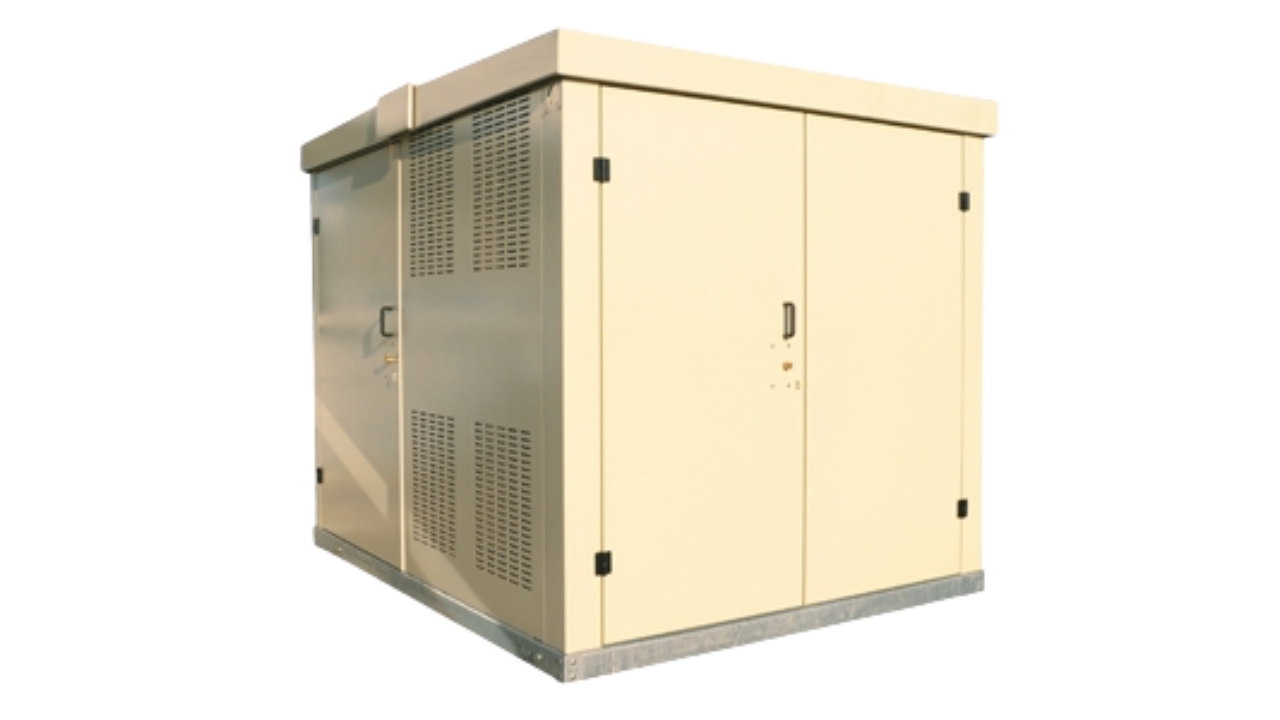
We at KDM Steel know that each job has its own needs. Our team works together with you to plan, build, and deliver prefabricated substations that are exactly what you want. We offer full help, from the first consultation to the final commissioning. Contact us to get your personalized quotes.
FAQs
How long does installation take?
Once the site is ready, most premade substations are set up and ready to go in one to two weeks. In the past, most projects took at least six months.
Can prefabricated substations be relocated after installation?
In particular, types that are movable and made up of separate parts. Pad-mounted units can also be moved, though, as long as the right plans and tools are used.
Do prefabricated substations require a foundation?
Most of the time, you need a strong, level concrete pad. Needs for the base depend on how heavy the unit is and what kind of soil you live on.
Are prefabricated substations safe?
Yes. Arc-flash protection, locked cages, and grounding systems are built into them to keep them safe. All parts are checked in the workshop to make sure they work right before they are sent out.
What is the lifespan?
It should last between 25 and 40 years if you take good care of it. Operations last longer when parts are checked often and replaced before they break.
Can they be customized?
Yes. If you need to, you can ask the makers to change the voltage ratings, the materials used for the enclosure, the cooling systems, and the tracking options.
What maintenance is required for prefabricated substations?
The transformer should be inspected, thermally imaged, tested for breakers, and have its oil analyzed at least once a year, or more often if the manufacturer says so.
Are they suitable for renewable energy projects?
Yes. These substations are used by many solar and wind farms to handle changing power flows and raise voltage so that they can connect to the grid.
 English
  Arabic
  French
  Spanish
  Russian
  Japanese
  Korean
  Portuguese
  Indonesian
  Chinese