


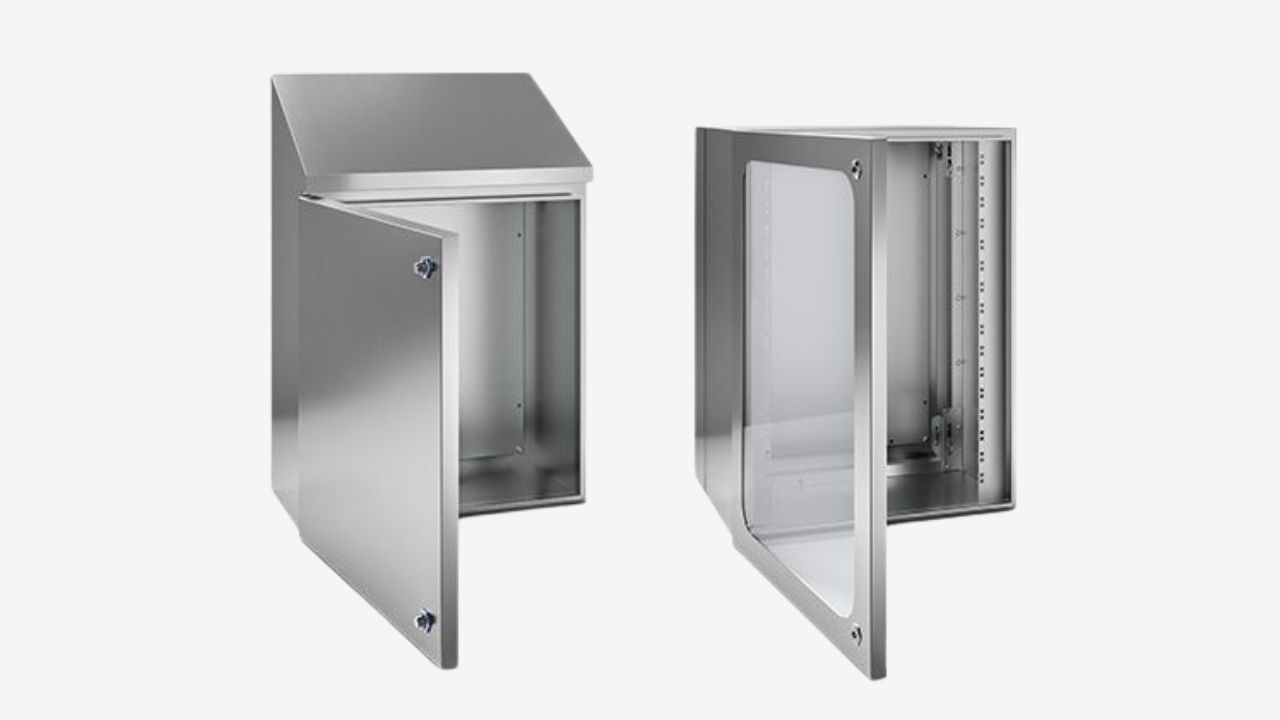
Proper enclosure sealing is essential for ensuring safety, keeping performance, and prolonging the equipment’s lifespan. Sealing can prevent contamination, reduce the short-circuit risk, and help enclosures meet industry standards. This article details the entry points requiring sealing for the electrical enclosure, key components, and sealing procedures. Adhering to the best practices can improve your system reliability and protect your valuable equipment.
Electrical Enclosure Sealing Inspection Checklist
Review the sealing details that commonly determine whether the finished enclosure meets its protection target.
Reference planning checklist only: sealant or a gasket alone does not prove an IP or NEMA rating; finished configuration and test evidence matter.
Why Does Sealing Electrical Enclosures Matter?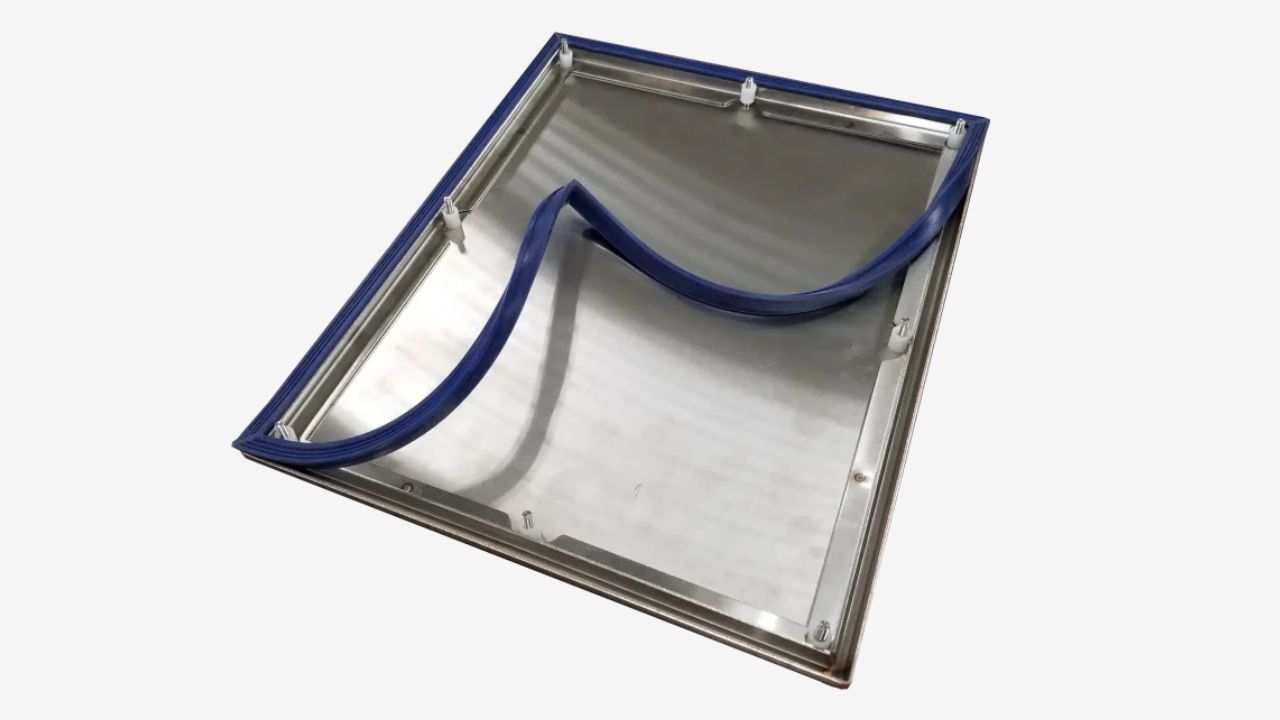
The electrical enclosure protects key electrical and electronic components, such as circuit breakers, PLCs, terminals, and power supplies. The prerequisite for effective protection is a good seal.
A good seal can prevent moisture and water from entering, prevent dust and solid particles from contaminating, and also prevent corrosion. Besides, a good seal can keep thermal performance, mechanical integrity and service life, and reduce maintenance and downtime. This is also a basic requirement to meet industry standards.
 English
  Arabic
  French
  Spanish
  Russian
  Japanese
  Korean
  Portuguese
  Indonesian
  Chinese