


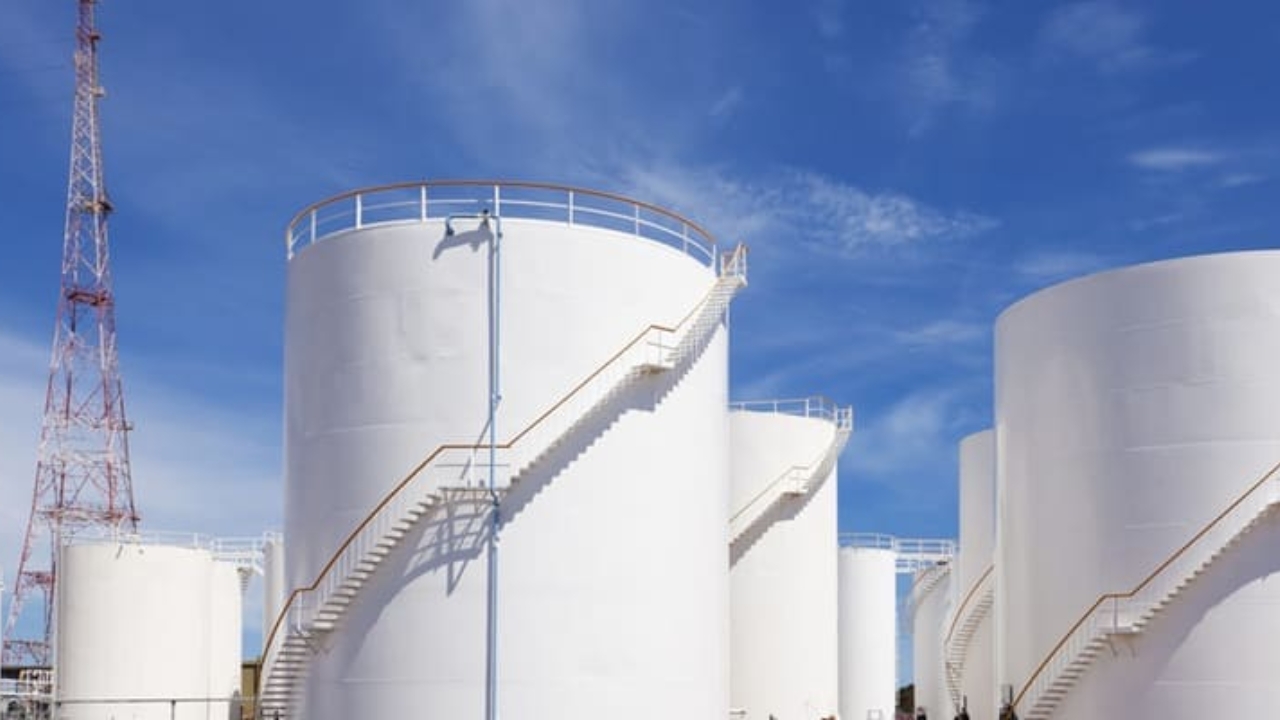
Industrial storage tanks directly affect operational safety, emissions control, product integrity and lifecycle cost. Engineering procurement managers, refinery planners and compliance officers have to select between fixed roof and floating roof tanks. Incorrect selection can lead to increased vapor losses, inspection frequency and regulatory exposure. This article provides a technical comparison to support specification procurement and purchase decisions.
What Is a Fixed Roof Tank?
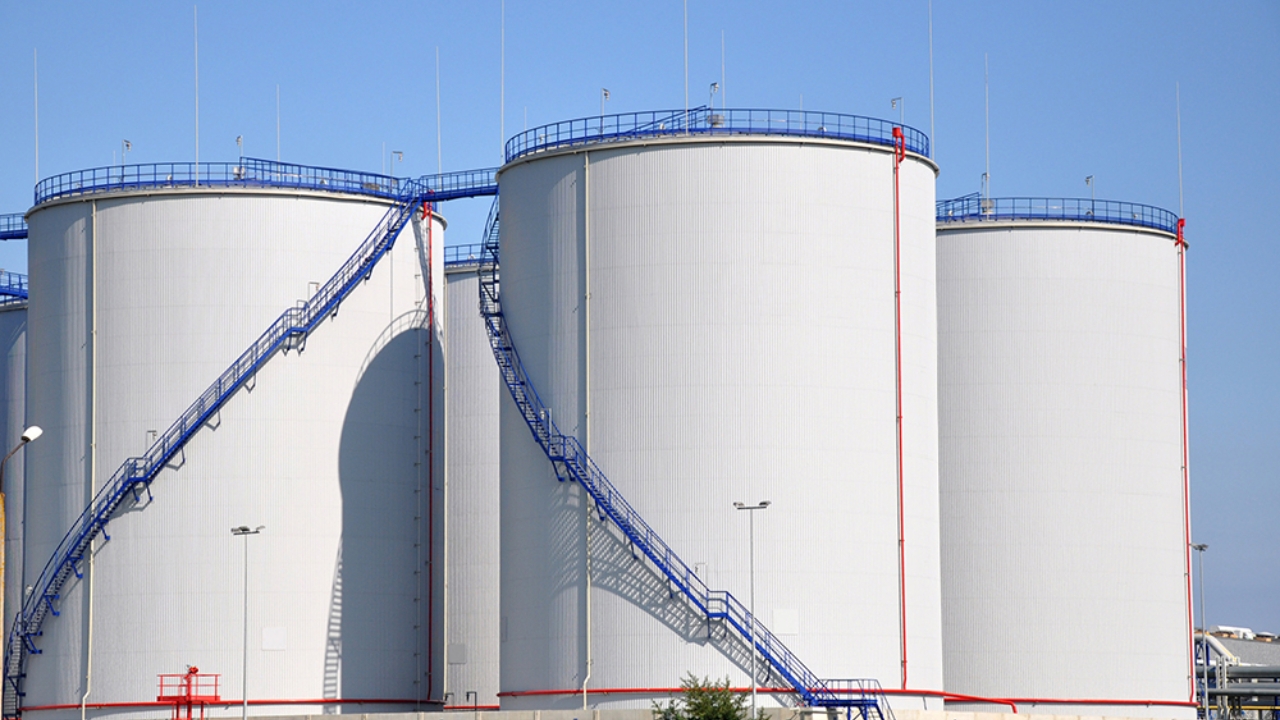
A fixed-roof tank is a vertical steel storage tank whose roof is attached permanently. It holds low-volatility liquids like diesel, water, chemicals and intermediate process liquids. The roof is not moving and forms a vapour space over the product to be stored. Fixed roof tanks are applicable to the atmospheric storage where there is little control of emissions and lower capital expenditure.
What Is a Floating Roof Tank?
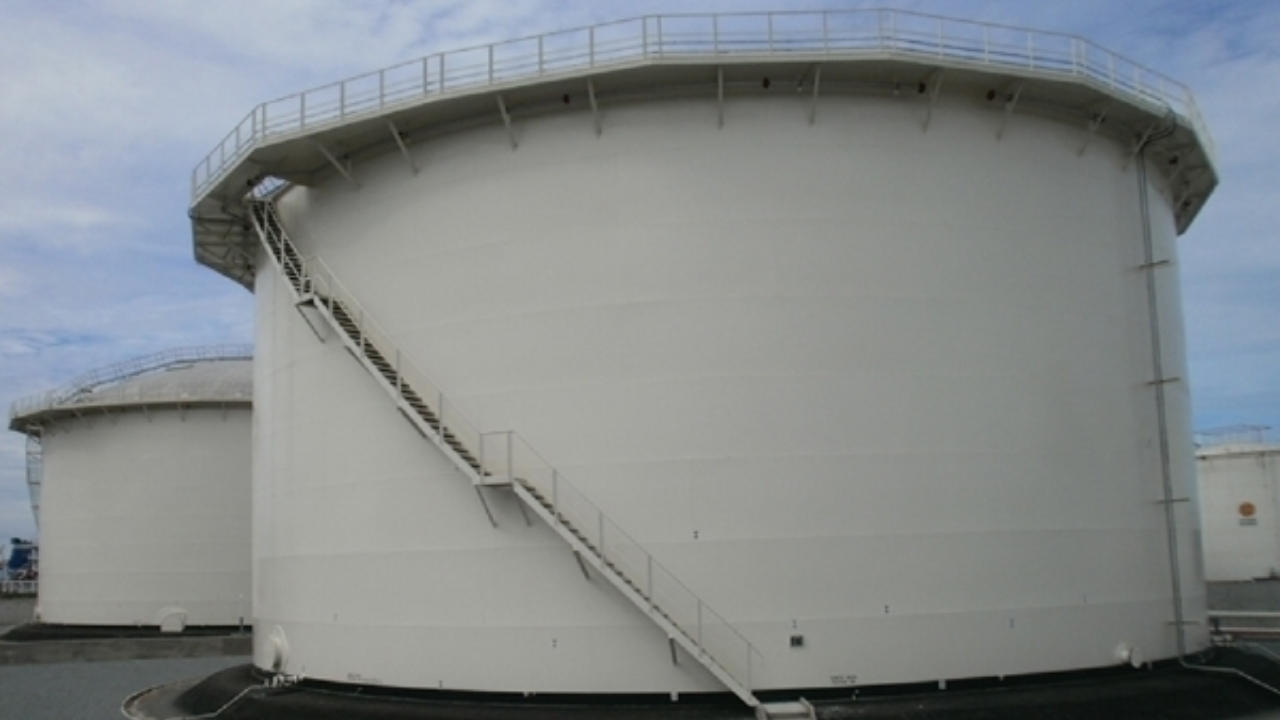
A floating roof tank uses a deck that floats on the surface of the liquid stored.
The deck rises and falls with the liquid level and minimizes vapor space to minimize the amount of evaporation wasted. At the shell rim, seal systems contain the vapors and help to choose between a Fixed Roof and a floating roof tank.
Top 10 Key Differences between Fixed Roof and Floating Roof Tanks
· Roof Mobility & Design
- Fixed Roof Tanks
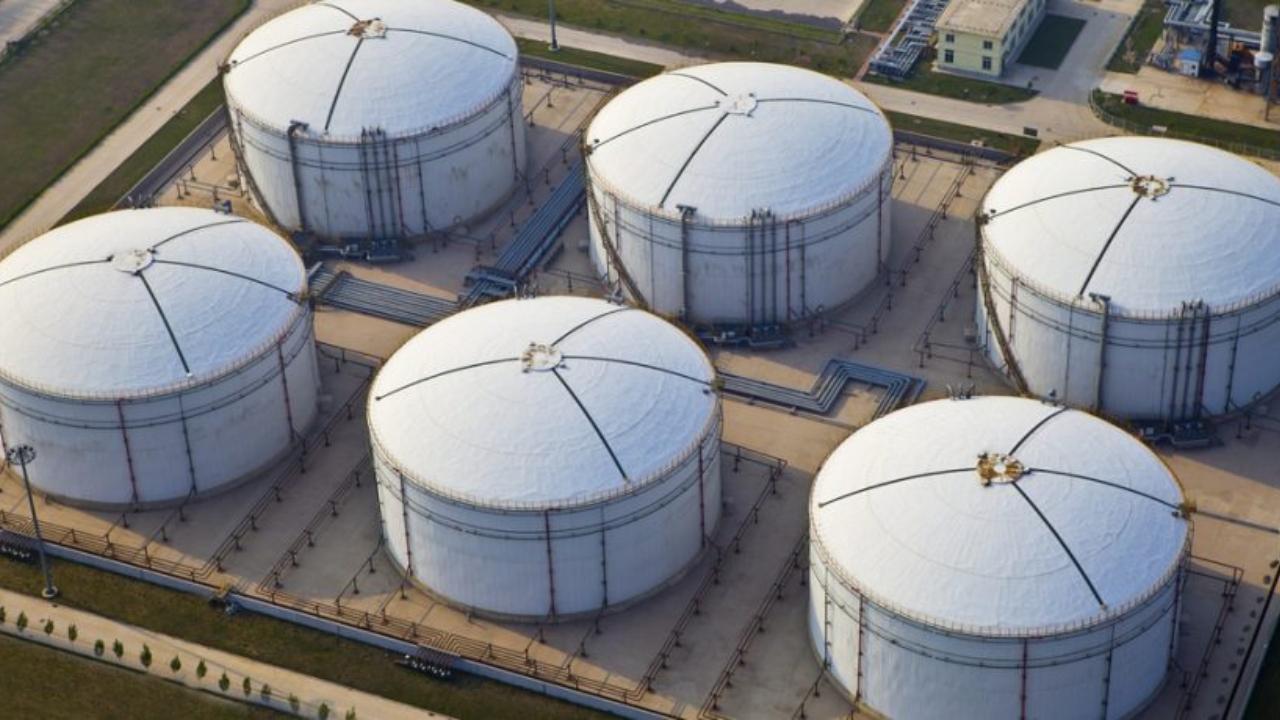
The fixed roof tanks are those tanks in which a rigid roof is attached to the tank shell, per API 650 design. When filling, emptying and thermal expansion are taking place, the roof does not move. This is a design in which the vapor space over the stored liquid remains constant. The control of vapor relies on vents, pressure vacuum valves and external emission systems.
- Floating Roof Tanks
Floating roof tanks have a floating roof that is placed directly on the surface of the liquid. This is made up of a moving roof that is used to respond to product-level changes whenever there is a tank operation. This motion reduces the development of vapor space within the tank. The seal systems regulate rim emissions and minimize the losses of evaporation in atmospheric storage conditions.
· Vapor Space & Emissions Control
- Fixed Roof Tanks
Fixed roof tanks keep the liquid that is stored in permanent contact with a vapour space above. This vapor space is enlarged and decreased with the changes in temperature and liquid flow. Breath-filling, emptying cycles cause the release of vents through emissions. There is a need to use additional vapor recovery equipment to control the emission of volatile organic compounds.
- Floating Roof Tanks
Floating roof tanks remove the vapour space by putting the roof at the surface of the liquid. This design will help in avoiding the vapor buildup within the tank during normal use. In evaporative losses, the losses vastly decrease when there is storage and transfer between storage and transfer. Primary and secondary seal systems are designed to meet regulatory emission limits under EPA and API guidelines.
· Maintenance Requirements
- Fixed Roof Tanks
Fixed roof tanks are less complex in their mechanical form and have fewer moving parts. Maintenance aims at checking the integrity of welds in roof plates, corrosion inspection, and vent system inspection. Vapor control equipment needs testing and calibration. Internal inspections per API 653 occur at extended intervals due to unobstructed access.
- Floating Roof Tanks
Floating roof tanks are hard to maintain since their roof assemblies and seal systems move as well. Primary and secondary seals have to be checked and adjusted regularly every 5 to 10 years, depending on service. Continuous monitoring is required in roof pontoons, drains, and guide poles. Mechanical wear is costly to maintain, as well as more frequently inspected, as compared to fixed roof tanks.
· Emissions & Environmental Impact
- Fixed Roof Tanks
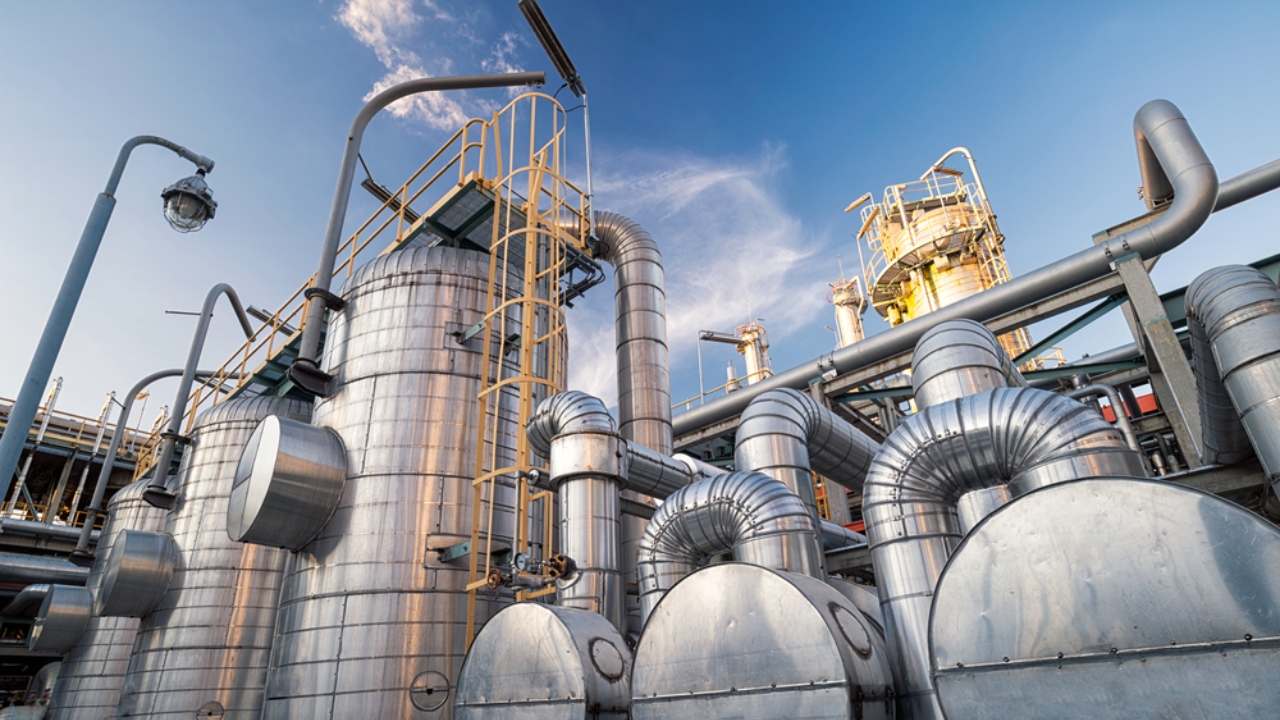
A fixed roof tank has greater evaporative emissions because of the continuous space of vapor above stored liquids. The breathing losses with changes in barometric pressure and thermodynamic expansion are caused by vents. Working losses are greatly increased by filling and emptying operations. Vapor recovery units or closed vent systems are usually necessary as a way of compliance. The environmental effect increases with the storage of volatile organic compounds or light hydrocarbons.
- Floating Roof Tanks
Floating roof tanks are one of the most effective in reducing emissions, since the internal vapor space is removed. The top of the roof comes in direct contact with the surface of the liquid and inhibits the formation of vapor. The sources of emissions are still restricted to rim seals and deck fittings. Well-constructed seal systems obtain significant cutbacks in volatile organic compound emissions.
· Safety Considerations
- Fixed Roof Tanks
Fixed roof tanks leave a permanent vapour space which is capable of holding flammable hydrocarbon mixtures. During filling or thermal expansion, vapor concentration may approach or exceed the lower explosive limit, typically between one and ten percent by volume, depending on the product. Having overpressure or vacuum conditions makes roofs more likely to be damaged.
- Floating Roof Tanks
Floating roof tanks help in enhancing safety because the tanks do not have an internal vapour space in their normal states of operation. The liquid in direct contact with the roof is inhibiting the creation of vapours within the shell. The risk of explosion also decreases as opposed to the fixed roof design. The major safety issues include rim seal fire, roof tilt, and failure of drains. Pontoon, guide, and seal mechanical integrity is critical. Stable and safe operation is ensured by proper inspection and roof drainage systems.
· Ventilation & Pressure Management
- Fixed Roof Tanks
Fixed roof tanks need active ventilation where the internal pressure variations during the usual storage processes are handled. Pressure in the vapor space increases during filling and thermal expansion. The pressure vacuum valves are normally used in the ±2.5 mbar to ±15 mbar range. Smaller vents enhance deformation and shell stress risk in the roofs. Large breath wastages are experienced in frequent pressure cycling. The design of ventilation has a direct influence on the safety of emissions and structural integrity.
- Floating Roof Tanks
Floating roof tanks operate near atmospheric pressure and require minimal venting. The pressure is almost equal to atmospheric pressure when the system is working normally. The amount of venting is less than that in fixed-roof tanks. The abnormal situations that are taken care of by emergency vents include abnormal rim seals or roof landing. The pressure loads are discharged to the roof mechanical parts and not the vapour volume.
· Product Quality & Contamination Risk
- Fixed Roof Tanks
Fixed roof tanks allow oxygen ingress during breathing cycles. The dissolved oxygen is frequently above six milligrams per liter. Free water added above 0.1 percent is introduced by roof condensation. Oxidation enhances the rate of polymer creation and degradation of fuels without nitrogen blanketing.
- Floating Roof Tanks
Floating roof tanks do not have a vapor space, and limit the oxygen diffusion to the liquids stored. The dissolved oxygen is normally kept to a minimum of two milligrams per liter. Moisture condensation will be reduced. Oxidation rates drop. Seal efficiency regulates residual pollution and maintains the long-term stability of the product.
· Size & Operational Suitability
- Fixed Roof Tanks
Small to medium storage capacities, which are normally less than 60,000 cubic meters, are technologically aligned with fixed roof tanks. They work well with true vapor pressures less than 14 kPa liquids. Large diameters increase breathing losses, roof plate stress, and vent sizing requirements. These tanks allow frequent filling and emptying without the mechanical restrictions of the roof. Operation suitability is biased towards utilities, chemicals, diesel, and intermediate products, where the sensitivity of emissions is moderate, and the flexibility of layout is needed.
- Floating Roof Tanks
Floating roof tanks are made in large-diameter and large-capacity storage tanks that are normally larger than 60,000 cubic meters. They deal with liquids that have high vapor pressure, such as crude oil, gasoline, and naphtha. Roof mobility has large-scale variations during continuous throughput operations. Elimination of the vapor space results in large surface areas being controlled in its emission.
· Typical Applications
- Fixed Roof Tanks
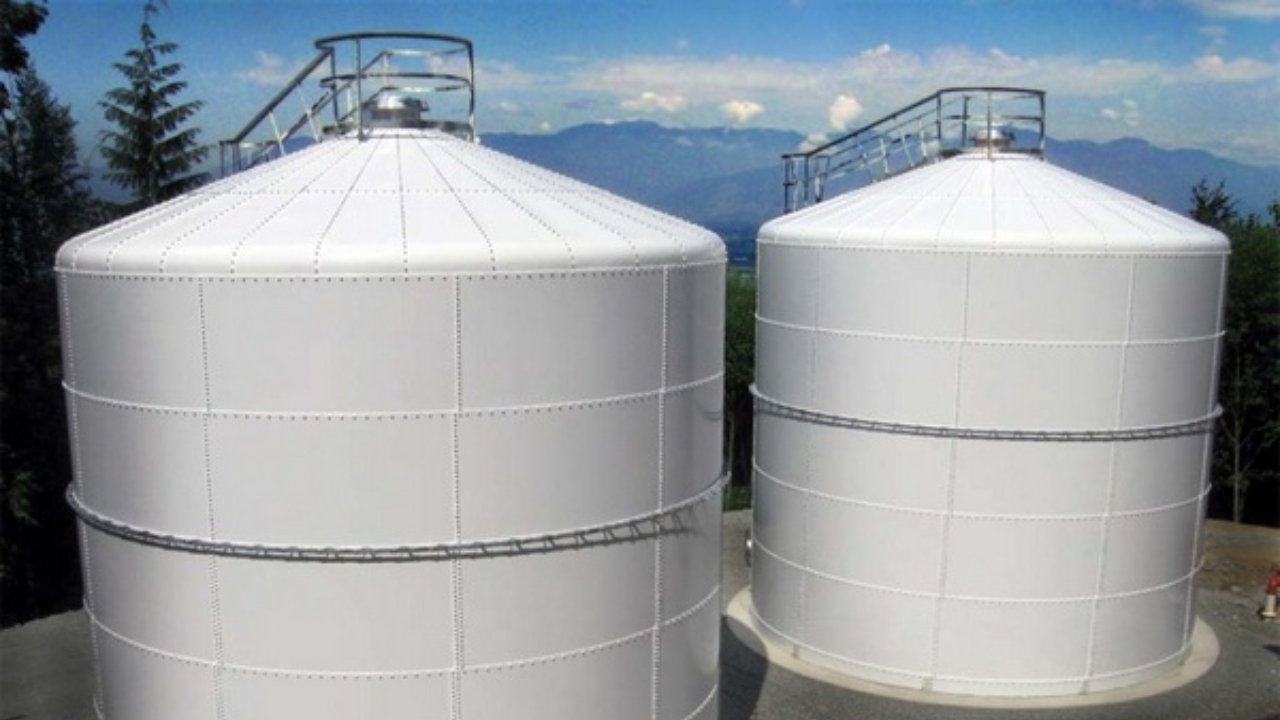
Liquid with a low vapor pressure, less than 14 kPa, is stored in fixed-roof tanks. The common ones are process intermediates and water-diesel chemicals. Utility service and batch frequent operations are supported by a static roof design. These applications are moderate in terms of emission control needs.
- Floating Roof Tanks
High vapor pressure liquids of over 14 kPa, such as crude oil, gasoline, and naphtha, are stored in floating roof tanks. Common uses will be found in refineries, terminals, and bulk fuel storage farms. Scaled evaporation losses are regulated with movable roofs. These tanks are highly emission-reducing and environmentally compliant.
· Cost & Complexity
- Fixed Roof Tanks
Fixed roof tanks consist of plain roof plates and conventional vent systems. Normal capital cost is twenty to thirty percent lower than that of floating roof tanks. The design calculations are concentrated on the limits of the static loads of wind uplift and pressure that were estimated with +/-15 millibars. Complex engineering is kept down.
- Floating Roof Tanks
Floating roof tanks have movable primary and secondary seals, guide poles, and decks. Depending on the type of seals and their diameter, capital cost rises between 20 and 40 percent. Design comprises calculations of buoyancy, stability, rim seal efficiency, and roof sinking prevention. The engineering complexity remains high.
| Parameter | Fixed Roof Tank | Floating Roof Tank |
| Roof Mobility & Design | Rigid roof permanently attached to the shell | Movable roof floats on a liquid surface |
| Vapor Space | Permanent vapor space present | Vapor space is eliminated during operation |
| Emissions Control | Relies on vents, PVRVs, and vapor recovery | Controlled by primary and secondary seals |
| Evaporative Losses | High breathing and working losses | Significantly reduced evaporation losses |
| Maintenance | Lower complexity, fewer moving components | Higher maintenance for seal roof drains and guides |
| Environmental Impact | Higher VOC emissions without controls | Lower VOC emissions are compliant with regulations |
| Safety Risk | Full vapor space, fire, and explosion risk | Reduced explosion risk, rim seal, fire dominant |
| Ventilation Requirement | Active venting ±2.5 to ±15 mbar | Minimal venting near atmospheric pressure |
| Product Quality | Higher oxygen and moisture contamination risk | Better quality retention, lower oxidation |
| Typical Applications | Low-vapor-pressure liquids, utilities, chemicals | Volatile hydrocarbons, crude gasoline, naphtha |
| Cost & Complexity | Lower CAPEX, simpler engineering | 20–40% higher CAPEX, higher design complexity |
Fixed Roof vs Floating Roof Tank – Which One Should You Choose?
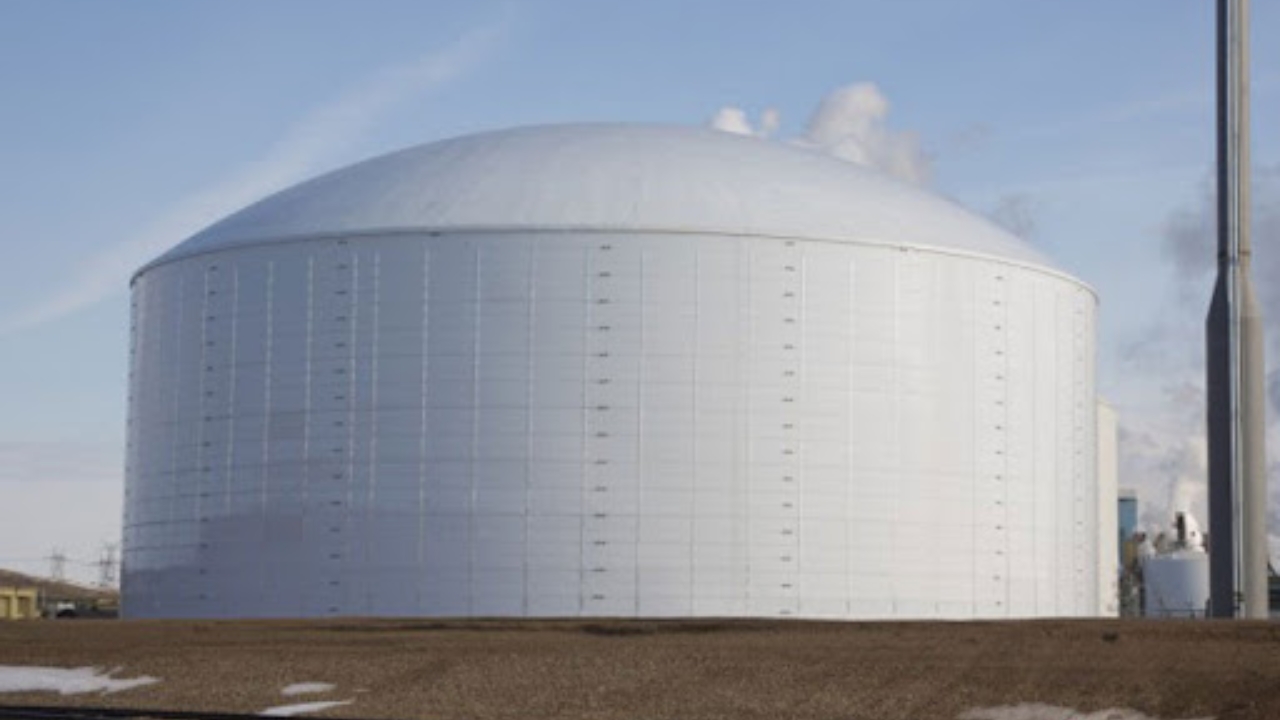
The choice of fixed roof vs floating roof tank is determined by the product vapor pressure, storage capacity and emission limits. Fixed roof tanks are used with liquids with a pressure of less than fourteen kilopascals and a smaller storage capacity. They work in areas where the control of venting and the blanketing of nitrogen are permissible. The floating roof tanks are applicable in the case of volatile hydrocarbons with high diameters and the presence of stringent regulations.
These minimize evaporative losses and scale fire. Choosing engineering will require taking into account API standards, throughput frequency, maintenance capability and environmental compliance targets.
FAQs
Are internal floating roof tanks safer than external ones?
Inside floating roof tanks preclude weather effects and reduce degradation of rim seals. They reduce fire hazards to that of an external floating roof in adverse climates.
Do floating roof tanks require auxiliary equipment?
Yes. Floating roof tanks need seal systems, roof drainages, poles that direct the emergency vents, and guide poles in order to have safe and stable operation.
Can fixed roof tanks be designed to minimize vapor emissions?
Yes. Fixed roof tanks are fed with the use of pressure vacuum valves, nitrogen blanketing, and vapor recovery units, which manage the emissions.
How do evaporation losses compare between fixed and floating roof tanks?
In the volatile products, floating roof tanks minimize the loss of evaporation by up to ninety percent as compared to the fixed roof tanks.
Are floating roof tanks better for large storage volumes?
Yes. At large diameters, floating roof tanks are superior when compared to fixed roof designs, where vapor losses become extremely high.
How does tank size influence roof type selection?
Floating roofs are preferred in larger tanks that hold volatile liquids. Fixed roofs are suitable for smaller tanks that carry less pressure products that are low in vapor pressure.
Can floating roofs support walkways or equipment?
Yes. When designed correctly, floating roofs can accommodate light walkways, gauges and firefighting gear.
Get Your Customized Fixed Roof and Floating Roof Tanks by KDM Steel
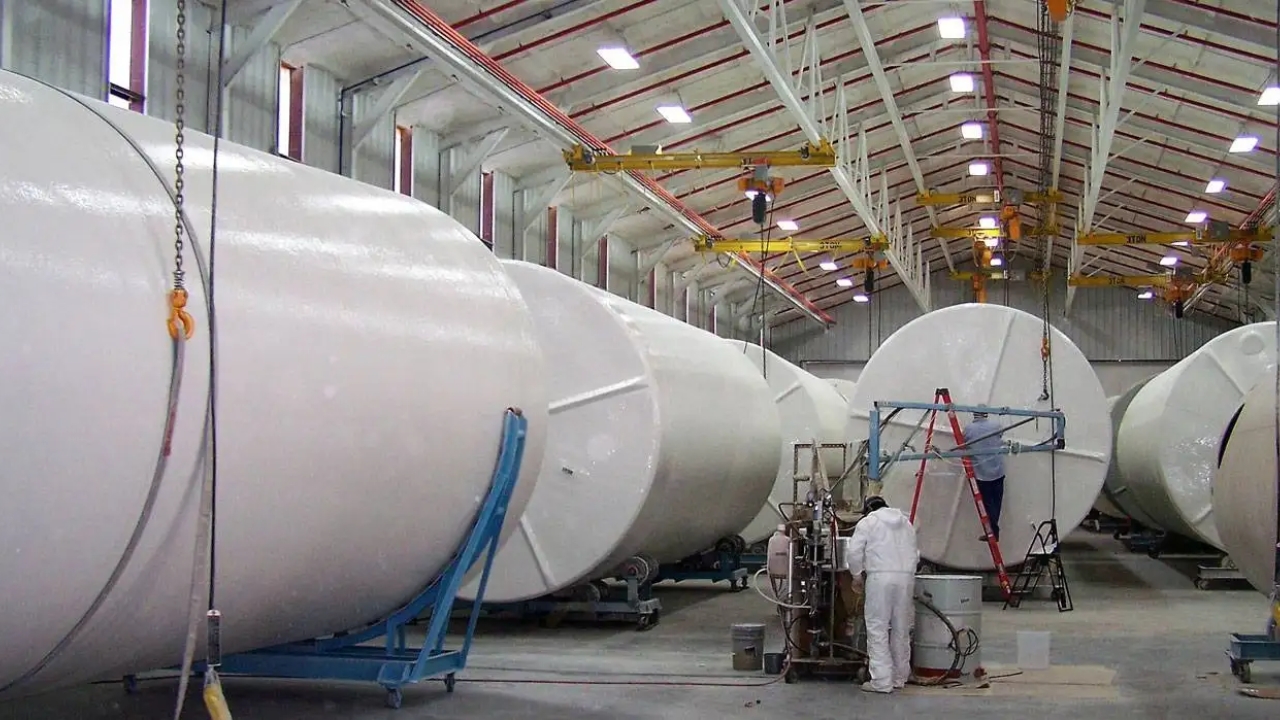
Selecting the right tank design requires accurate engineering and fabrication expertise. KDM Steel designs and fabricates personalized fixed roof tanks and floating roof tanks, manufactured in full compliance with the API specifications. Our engineering team works closely with you to understand operating conditions, characteristics and site requirements. Contact us and talk about specifications and have a custom-designed engineering solution.
 English
  Arabic
  French
  Spanish
  Russian
  Japanese
  Korean
  Portuguese
  Indonesian
  Chinese