


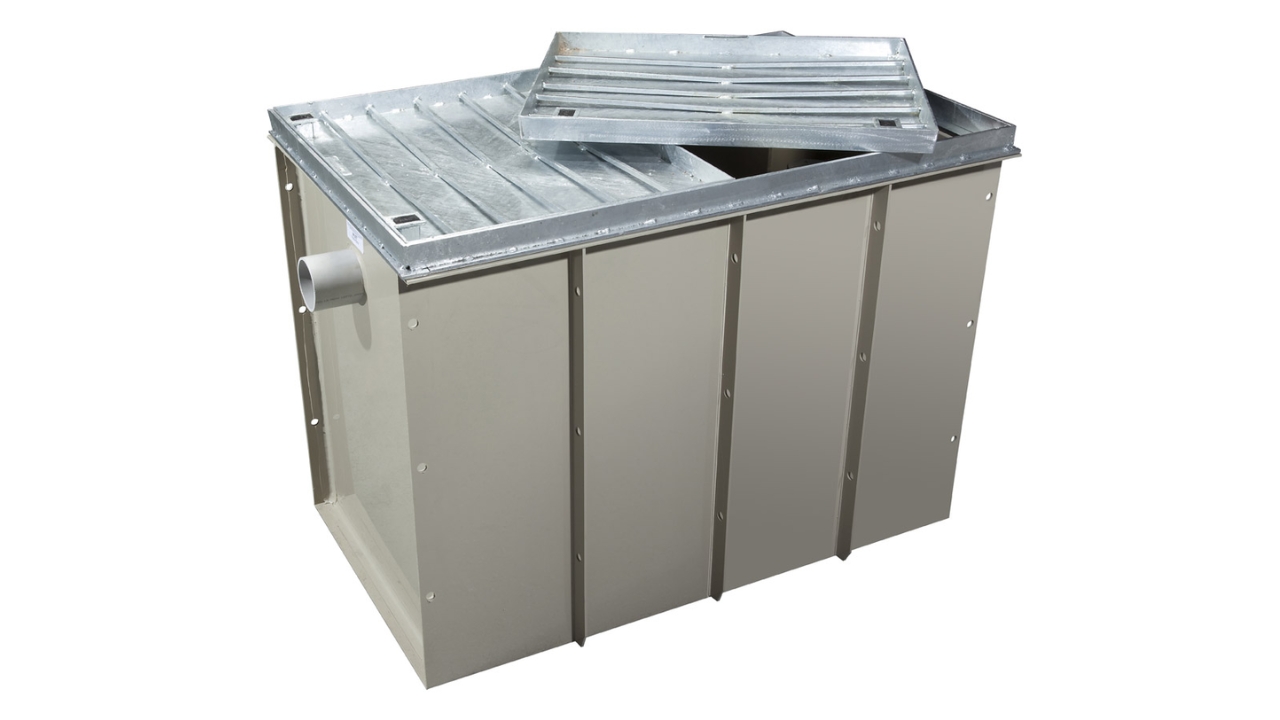
In the municipal and industrial treatment plants around the world, settling tanks are used to remove suspended solids. They are employed by municipal authorities, engineers, and contractors to fulfill discharge requirements and guard equipment. Ineffective choice of tanks contributes to increased costs of compliance and inefficiency of the system. This article describes what a settling tank is in real-life situations. You will get to know about the various benefits and applications to make precise system choices and investment choices.
What is a Settling Tank?
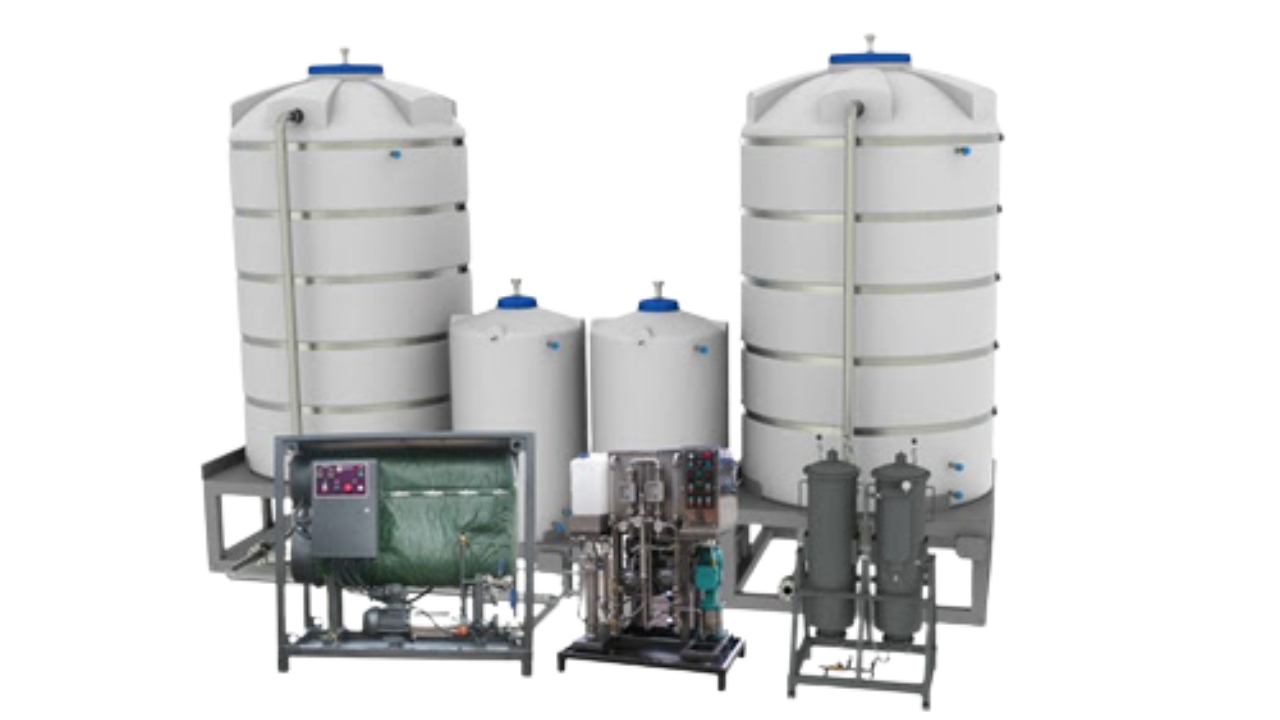
A settling tank is a solid-liquid separation vessel that is based on gravity. It lowers the velocity of wastewater in order to enable the heaviest particles to be naturally settled. You apply this unit in the treatment of water and waste water treatment systems. The tank enhances the quality of effluents prior to filtration, disinfection, or biological treatment. Design is concerned with the surface loading rate of detention time and sludge removal.
How Settling Tanks Work
· Flow Distribution
Flow distribution is associated with the movement of the influent to a settling tank. Inlet structures evenly distribute the water across the tank width to ensure equal velocity. Hydraulic loading is balanced to avoid short-circuiting and dead zones of the turbulence. There is stability in the removal of solids and the performance of the downstream process.
· Sedimentation Mechanics
Mechanics of sedimentation are based on gravity to divide suspended solids and wastewater. When the velocity of flow slows down, the coarse particles will be deposited at the bottom of the tank, as the cleared water ascends. Settling is affected by particle size, density, and shape. Correct tank geometry guarantees the expected separation efficiency.
· Retention/Detention Time
The definition of retention time is the length of time during which the wastewater is stored in the settling tank. Sufficient suspension permits solids suspended to settle without disruption through gravity. The designers compute detention time based on the influent flow rate and effective tank volume. Lack of time decreases the effectiveness of removal and treatment reliability.
· Sludge and Scum Extraction
Removal of sludge and scum ensures the maintenance of the capacity and the performance of the settling tank. Solids that have settled at the bottom of the tank are removed by a mechanical scraper to hoppers. Surface scum layers are made up of oils and light materials. Skimmers are used to eliminate scum to cushion the effluent.
Types of Settling Tanks
Classification by Function
There are settlement tanks according to their purpose in the treatment systems. The primary units take out the solids that can be settled in advance of biological treatment. Secondary units divide solids of biological nature following the processing of aeration. The classification assists engineers in matching tank choice with treatment goals and discharge regulatory guidelines.
- Primary Settling Tanks
Influent from raw water and wastewater treatment plants is treated in primary settling tanks. They eliminate suspended solids of large gravity with controlled flow under gravity. The effect of this process is a reduction in organic loading on the subsequent units and an enhancement in the overall efficacy of the treatment process and stable sludge management.
- Secondary Settling Tanks
The use of secondary settling tanks follows biological treatment systems like activated sludge systems. Quiescent settling zones are used to extract biological flocks in the treated water. Cleared effluent is released through the tank, and settled biomass facilitates the process of recycling or wasting under control.
Tanks by Shape and Flow Pattern
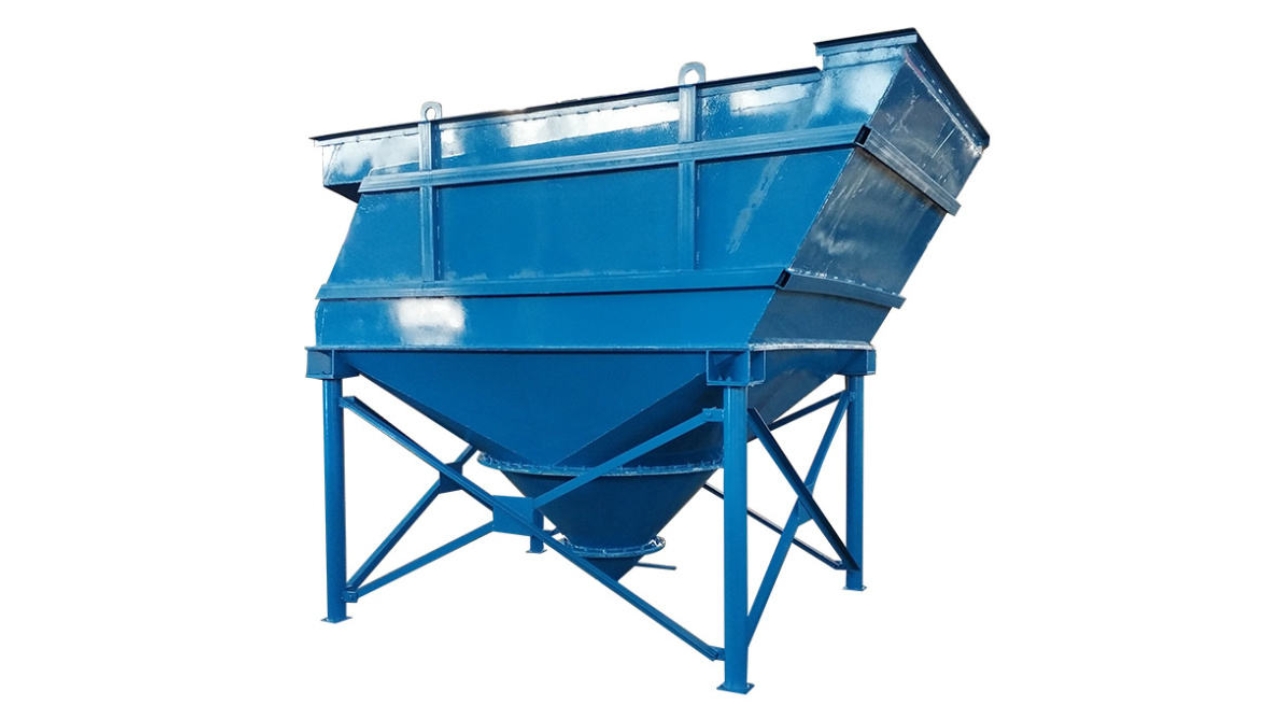
The tanks that are settled are also categorized in terms of structural shape and internal flow pattern. Design has an effect on hydraulic behavior, solids removal effectiveness, and footprint necessities. General arrangements would allow horizontal flow, vertical flow, or downslope solids movement.
- Rectangular Settling Tanks
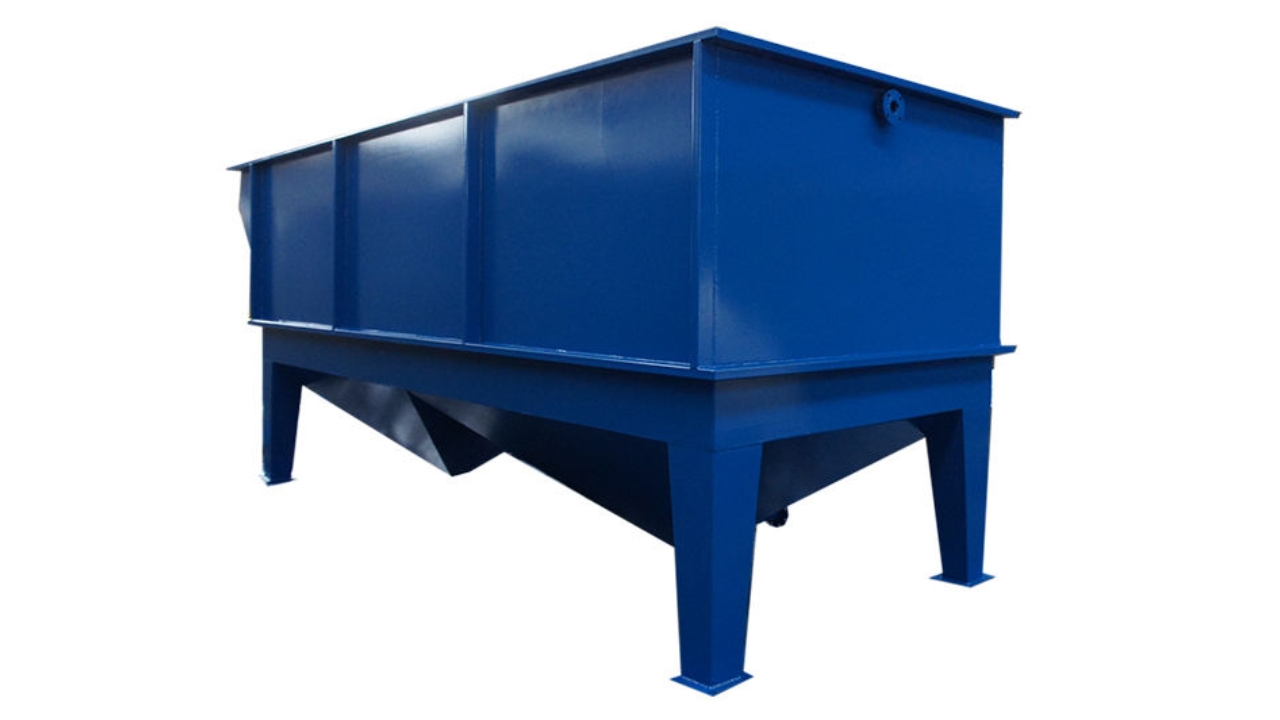
Horizontal flow between the inlet and outlet zones is used in the rectangular settling tanks. They facilitate even-distributed velocity in the long flow paths. Solid contents are carried to the sludge collection points by mechanical scrapers.
- Circular Settling Tanks
Circular settling tanks have radial flow in the center inlet and peripheral outlets. Rotary systems pump up sludge to a central hopper. Even distribution in hydraulic and compact land use is achieved in this geometry. Circular tanks are effective where there are changes in the flow and solids.
- Hopper Bottom Tanks
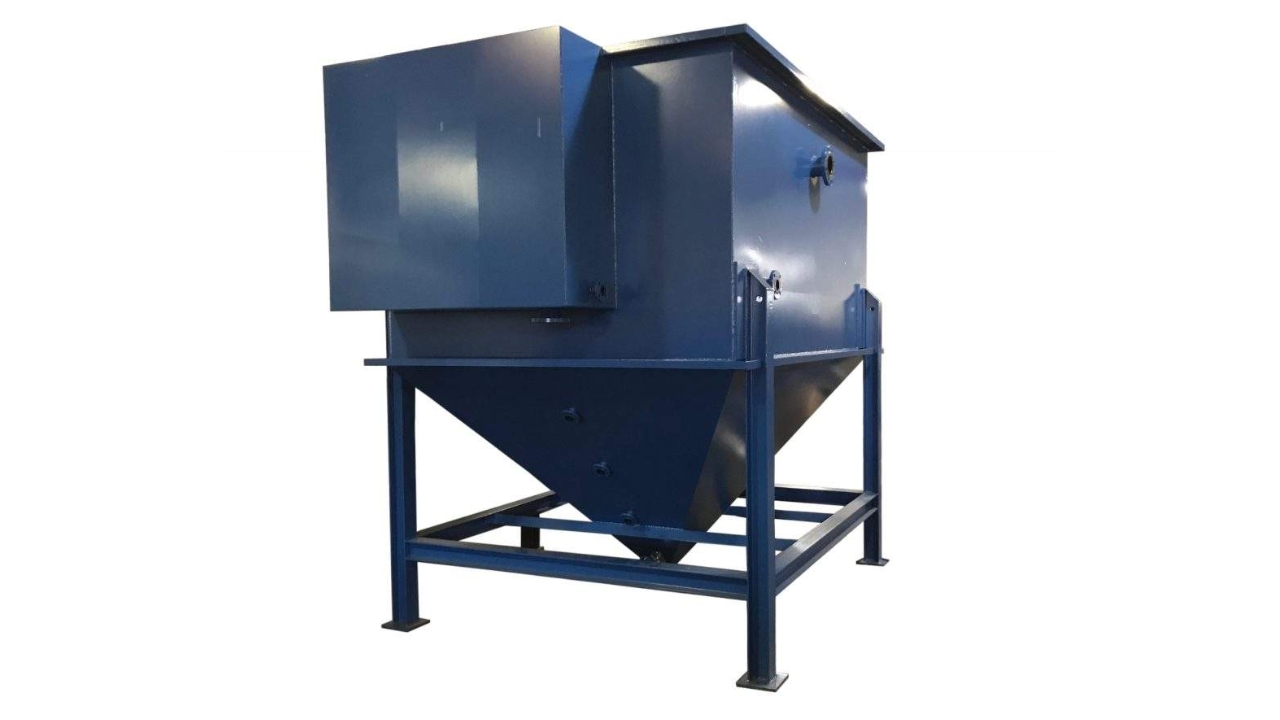
The hopper bottom tanks have sloping walls that produce a bottom discharge point. This design helps to concentrate the sludge quickly and remove it continuously. Industrial plants like this design favor the fact that high solids wastewater streams need to be handled efficiently and have fewer chances of being detained.
Advanced Settlers and Variants
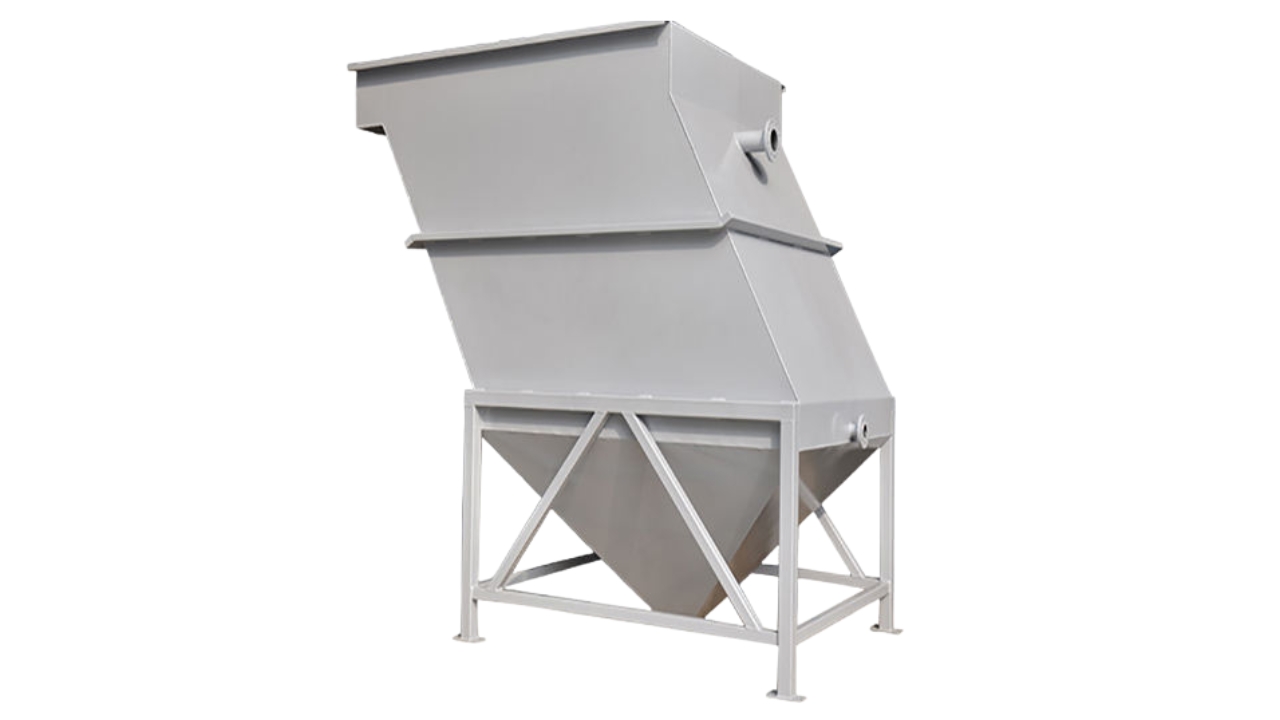
In further development of settlers, there is an enhancement in clarification performance in a space-limited environment. They expand the successful settling area with interior parts. These systems handle increased hydraulic loading without having to enlarge the tanks. You choose the innovative settlers in retrofits and high-capacity upgrades treatment.
- Tube Settlers / Inclined Plate Clarifiers
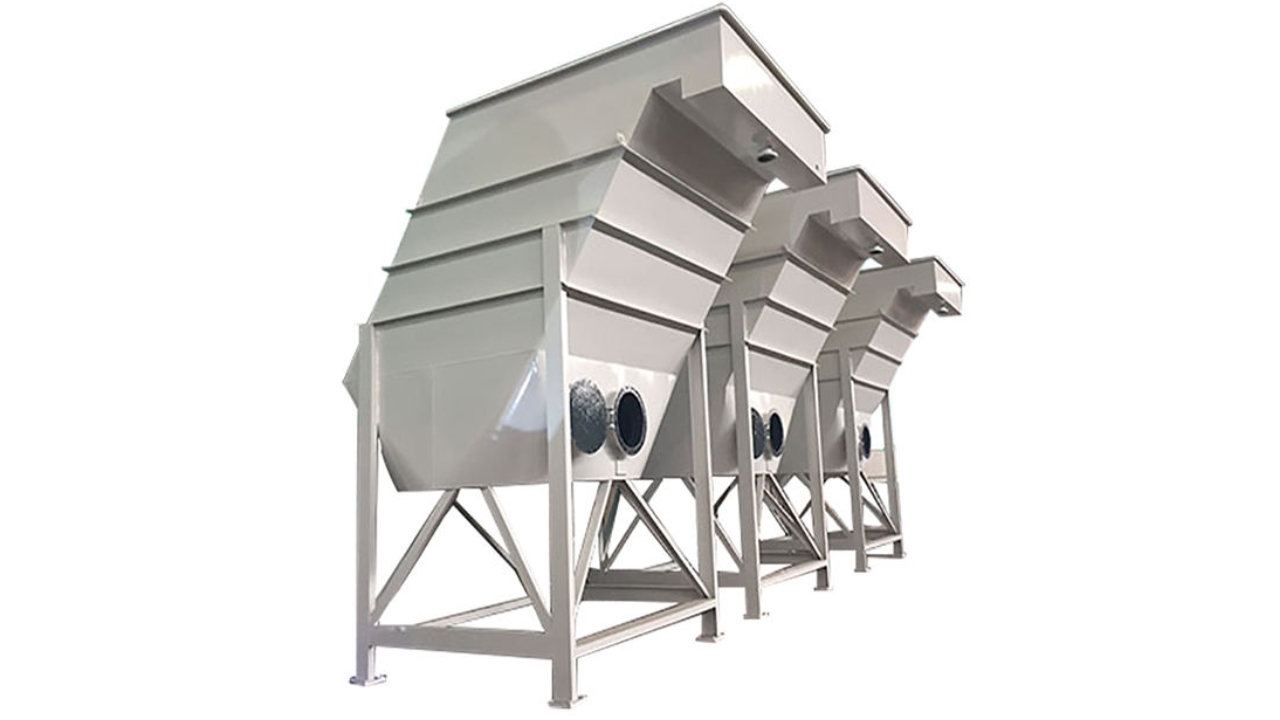
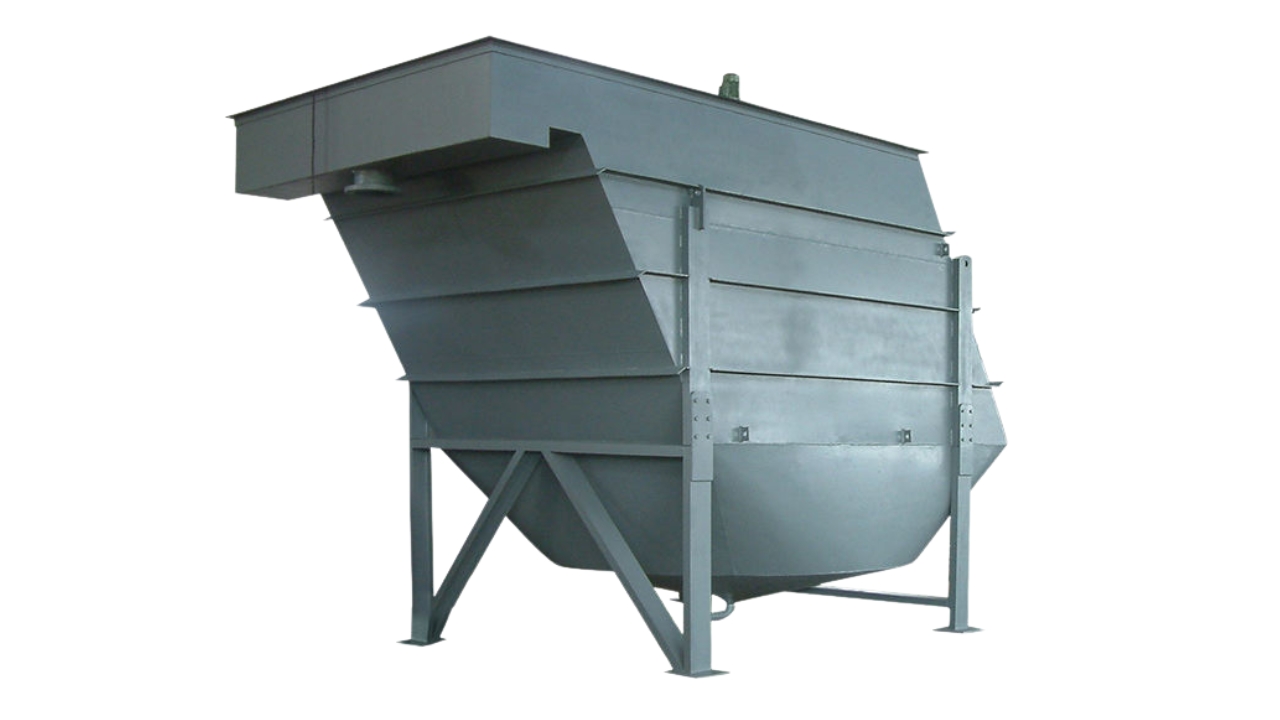
Tube settlers are based on inclined channels to reduce the distance of settling particles. This design expands the interior surface of the current tanks. The removal of solids is increased with increased flow rates. Tube settlers aid in small design and cost-effective capacity enhancement projects.
- Lamella Settling Tanks
Lamella settling tanks apply a series of inclined plates, which are positioned in parallel layers. Plates induce laminar flow conditions, which favor rapid settling. It is a design that is applicable to potable water and industrial clarification. Lamella systems are also efficient when used in a space-restricted installation due to their high efficiency.
- Imhoff Tanks
Imhoff tanks are made to perform the functions of sedimentation and digestion of sludge in a single construction. The solid mass of the food descends to the upper chamber, with the digestion process taking place below. This structure is appropriate with small communities and decentralized systems. Easy operation diminishes energy consumption and the complexity of the operation.
| Type | Purpose | Key Feature | Best Use |
| Primary | Remove solids before biological treatment | Gravity separation | Reduces load, stabilizes sludge |
| Secondary | Separate biological solids | Quiescent zones | Clarifies effluent, supports recycling |
| Rectangular | Horizontal flow design | Mechanical scrapers | Even flow, scalable |
| Circular | Radial flow design | Central hopper | Compact, handles variable flow |
| Hopper Bottom | Efficient sludge discharge | Sloped floor | High solids, industrial use |
| Tube/Inclined Plate | Increase the settling area | Inclined channels | Compact, higher removal |
| Lamella | High efficiency | Parallel plates | Space-limited, potable/industrial |
| Imhoff | Sedimentation + digestion | Two chambers | Small communities, simple operation |
Benefits of Settling Tanks
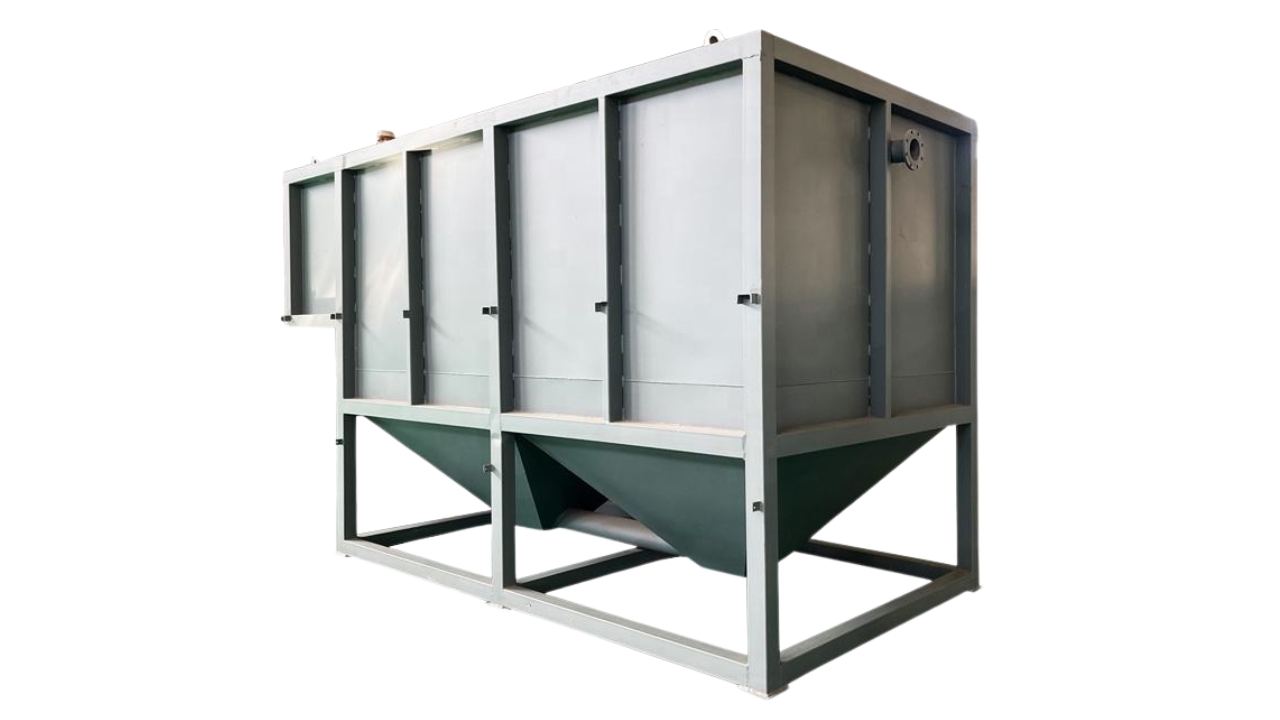
· Water Quality Improvement
Settling tanks enhance the water quality because solids and particulate matter are eliminated. They minimize turbidity and organic load, followed by filtration or disinfection. Good operation guarantees the steady clarity of effluent and prevents clogging and damage to the downstream equipment. You are able to achieve regulatory compliance with consistency.
· Operational Efficiency
Settling tanks improve operation within the system; the tanks stabilize flow and the solids load to the downstream systems. Regular cleaning of settable solids reduces the chemical requirement and energy consumption. Sludge and scum are better managed, and the operators ensure the constant performance of treatment even under different flow conditions.
· Cost Efficiency
Settling tanks minimize treatment expenses, such as minimizing energy, chemical, and maintenance demands. They inhibit early life cycle decadence on pumps, filters, and membranes. Solid removal is efficient, leading to sludge management and disposal costs. You can make long-term savings and still be in compliance with the regulations.
· Modular & Scalable
Settling tanks offer a portable and extending solution to different treatment capacities. The expansion or retrofitting in terms of design does not require significant structural modifications. Tank configuration can be changed to accommodate future increases in the flow by the engineers.
Uses and Applications
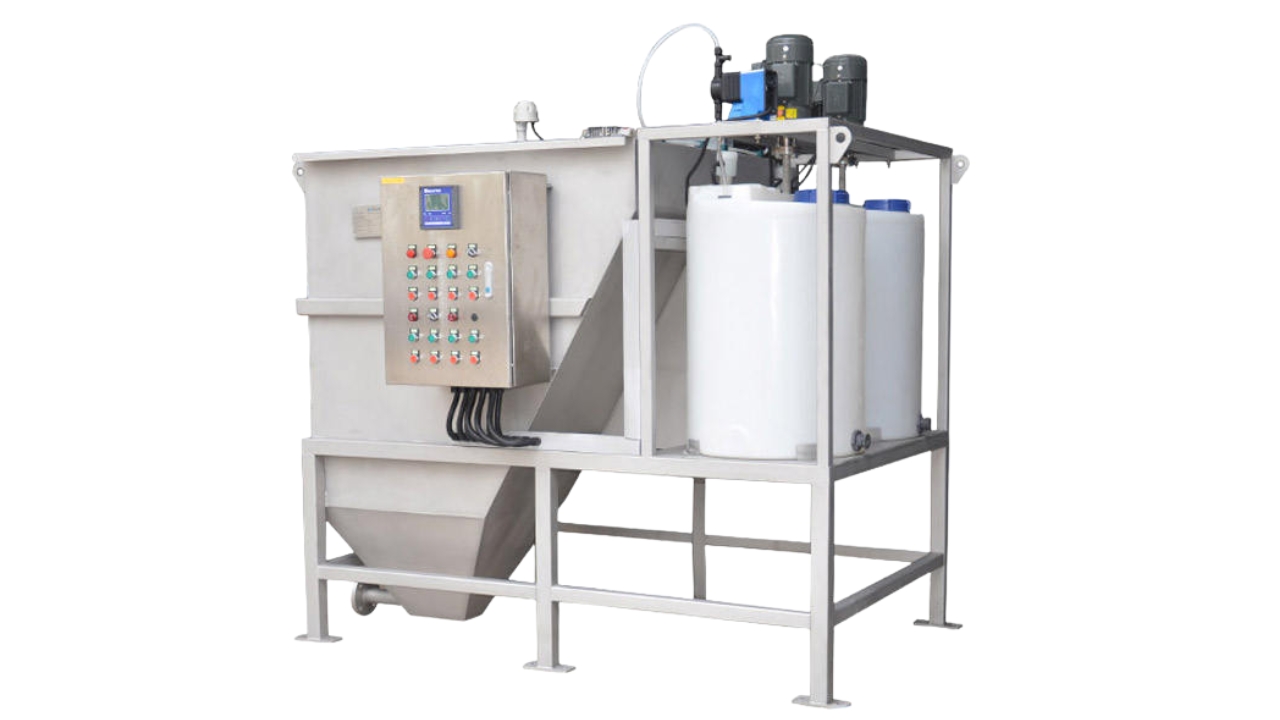
· Municipal Wastewater Treatment
The presence of settling tanks is crucial in municipal wastewater treatment plants. They are used to filter out solids that can be treated by biology. This minimizes organic load and preserves downstream filters and pumps.
· Industrial Wastewater
Settling tanks are used to treat process water and effluents in industrial facilities. They are used to separate suspended solids, oils, and heavy debris. Well-designed equipment will ensure that the equipment is not damaged and that the downstream chemical treatment effectiveness is enhanced.
· Potable Water Treatment
The use of settling tanks makes raw water clear, and then filtration and disinfection of potable water systems take place. They eliminate turbidity and particles. The process lowers the chemical demand and increases the efficiency of filtration. You get clean drinking water that is of consistent clarity and quality.
· Agricultural and Stormwater Systems
Settling tanks control the runoff of agricultural and stormwater systems. They eliminate sediment, nutrients, and rubbish and discharge or reuse them. Good installation eliminates erosion and safeguards the downstream waterways.
Key Design and Selection Criteria
· Treatment Objective
The construction of a settling tank would start by formulating the purpose of treatment. You determine the objective of solids removal, reduction of organic loads, or thickening of sludge.
· Flow Rate and Loading
The size and configuration of the tank depend on flow rate and hydraulic loading. Peak and average flows are calculated by engineers to avoid short-circuiting. Correct loading promotes adequate retention time in which the particles settle, and the quality of effluent remains constant regardless of the varying conditions.
· Particle Characteristics
Settling tank design takes into account particle size, shape, and density. Greater mass and bulkier particles fall more quickly than smaller and lighter particles. Knowledge of influent properties permits the use of appropriate geometry and surface area of a tank to obtain the desired solids removal efficiency.
· Space & Footprint Considerations
Tank type and layout are dependent on the available space of the site. Rectangular tanks are applicable in long spaces, whereas circular tanks are effective in small spaces. The engineer’s trade land limitations and treatment goals to choose an effective tank footprint.
· Sludge Handling Requirements
The sludge and the way it is removed affect the design of the tank. Effective sludge management guarantees constant operation of the system and the avoidance of obstruction or hydraulic upheavals in the settling procedure.
· Cost and Maintenance
Tank selection checks the cost of construction, the cost of operation, and maintenance requirements. Plans that reduce energy use as well as manpower enhance affordability in the long run.
Common Challenges and How to Overcome Them
· Short‑Circuiting and Poor Flow Distribution
Short-circuiting is represented by a situation where water is passed around the settling zone, diminishing the removal of solids. The even velocity distribution is provided by the proper inlet design baffles as well as flow equalization channels. Preventing turbulence and dead zones contributes to you having efficient sedimentation and constant quality of effluent.
· Sludge Accumulation and Odor Issues
The deposition of sludge may lead to the development of anaerobic conditions and the production of odors. Build-up is prevented by frequent scraper hopper removal or periodic desludging. Efficient sludge management ensures the efficiency of tanks, lessens maintenance requirements, and lowers the levels of odor.
· High Suspended Solids Load
The presence of excessive suspended solids congests the settling tank, shortening the time of detention and clarity. Load control can be done with pre-screening, grit removal, or staged sedimentation. Effective solids separation and constant effluent performance are ensured by proper design and operation modification.
FAQs
What’s the difference between settling tanks and clarifiers?
Settling tanks and clarifiers are both used to remove solids by the use of gravity. Settle tanks are general units of water and wastewater treatment used in sedimentation. Clarifiers are also advanced with a built-in mechanism, such as a mechanical scraper or inclined plates, to make them efficient and space-saving.
How does a settling tank improve water quality?
Settling tanks eliminate suspended solids, particulate material, and some organic load. This decreases turbidity and safeguards further downstream procedures such as filtration, disinfection, or biological treatment to produce a more transparent and compliant effluent.
Which settling tank type is best for small wastewater plants?
Imhoff tanks or small rectangular/hopper bottom tanks are usable in the case of small plants. They are a combination of simple, low-energy requirements and reliable solids separation that is effective at lower flow volumes.
How often should a settling tank be cleaned?
Cleaning is a process that relies on the rate of sludge. Periodical inspection normally suggests monthly or quarterly desludging. Plants in the industry might be in need of regular maintenance
Can settling tanks handle industrial effluent?
Yes. High solids, oils, and heavy particles can be treated in industrial settling tanks. The effective separation and safeguarding of the downstream equipment is achieved through proper design.
Setting Tank by KDM Steel
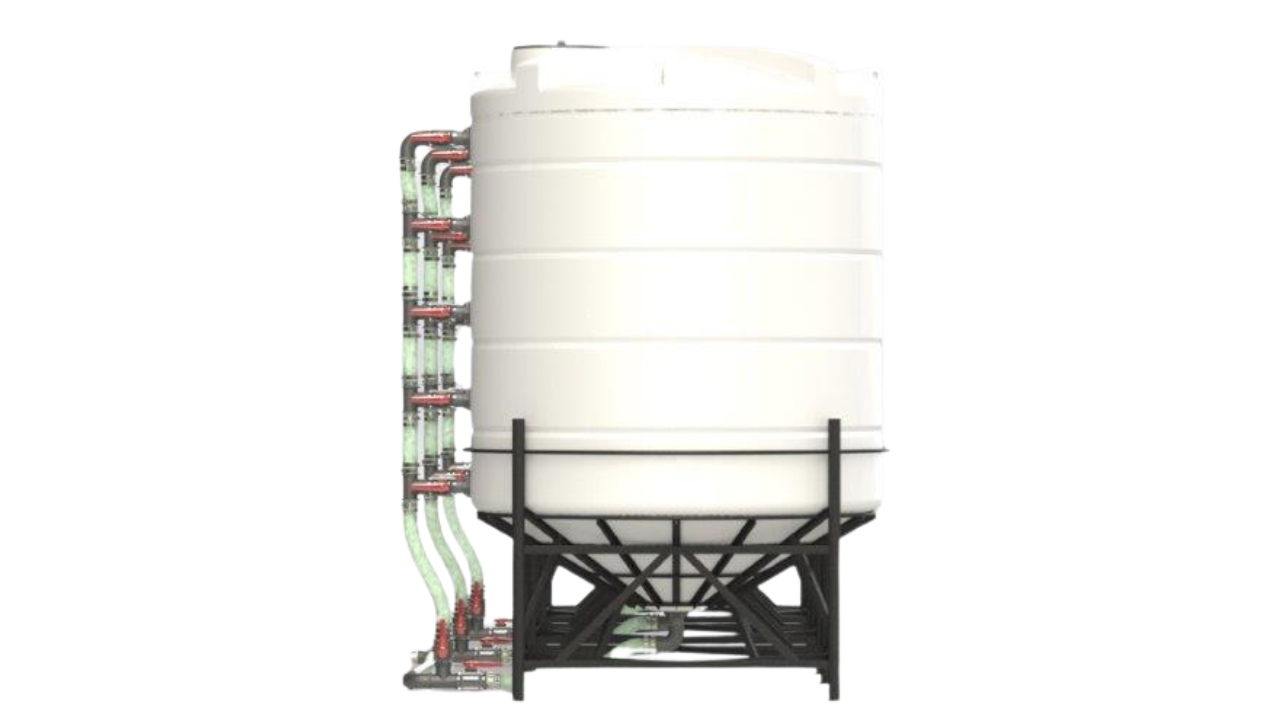
KDM Steel is a manufacturer of high-quality settling tanks that are used for municipal and industrial purposes. Their tanks offer effective solids removal, consistent operation, and a high service life. You enhance the reliability of water and wastewater treatment, and decrease maintenance and operation expenses. Learn more about KDM Steel solutions and contact us to talk about your project needs or order an individual quote.
Related resources:
 English
  Arabic
  French
  Spanish
  Russian
  Japanese
  Korean
  Portuguese
  Indonesian
  Chinese