


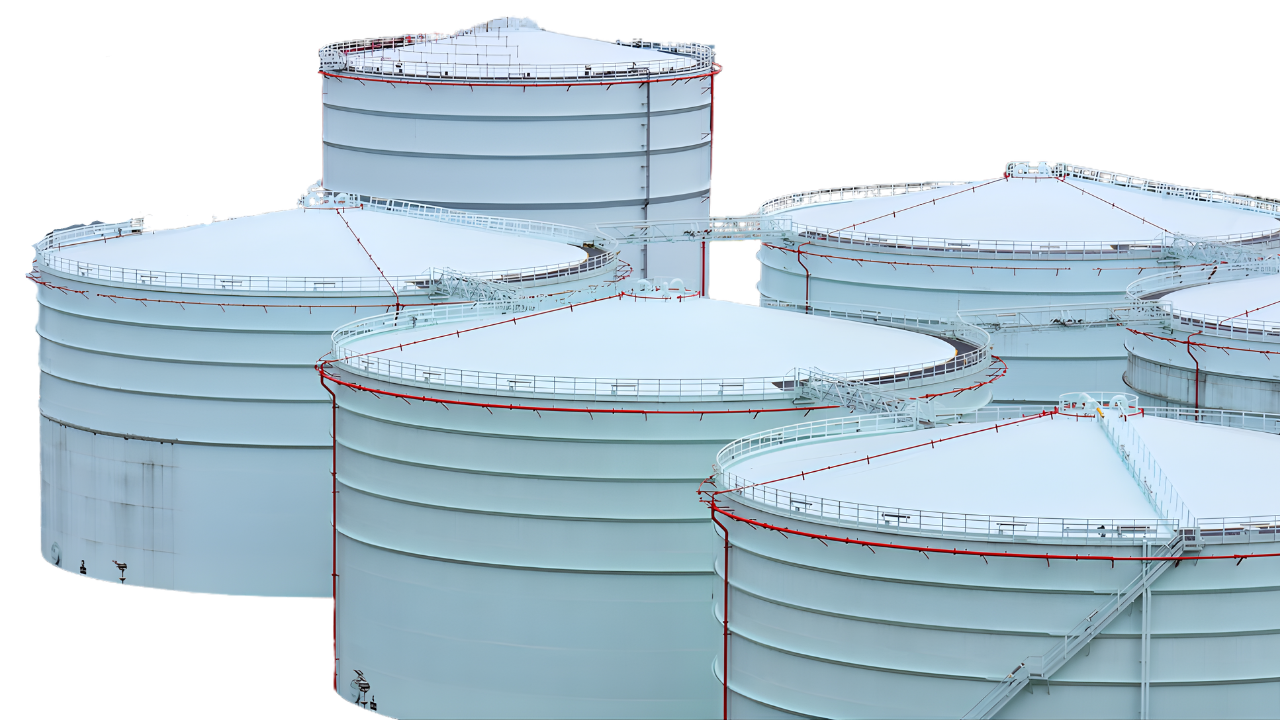
API 650 vs. API 620 is often the question that comes up when choosing a welded steel holding tank for oil, gas or chemical service. Both standards come from the American Petroleum Institute and tell you how to build a tank, but they are for different temperatures and pressures. Making the right choice will protect your budget, safety and processes for a long time.
What Is API 650 Standard?
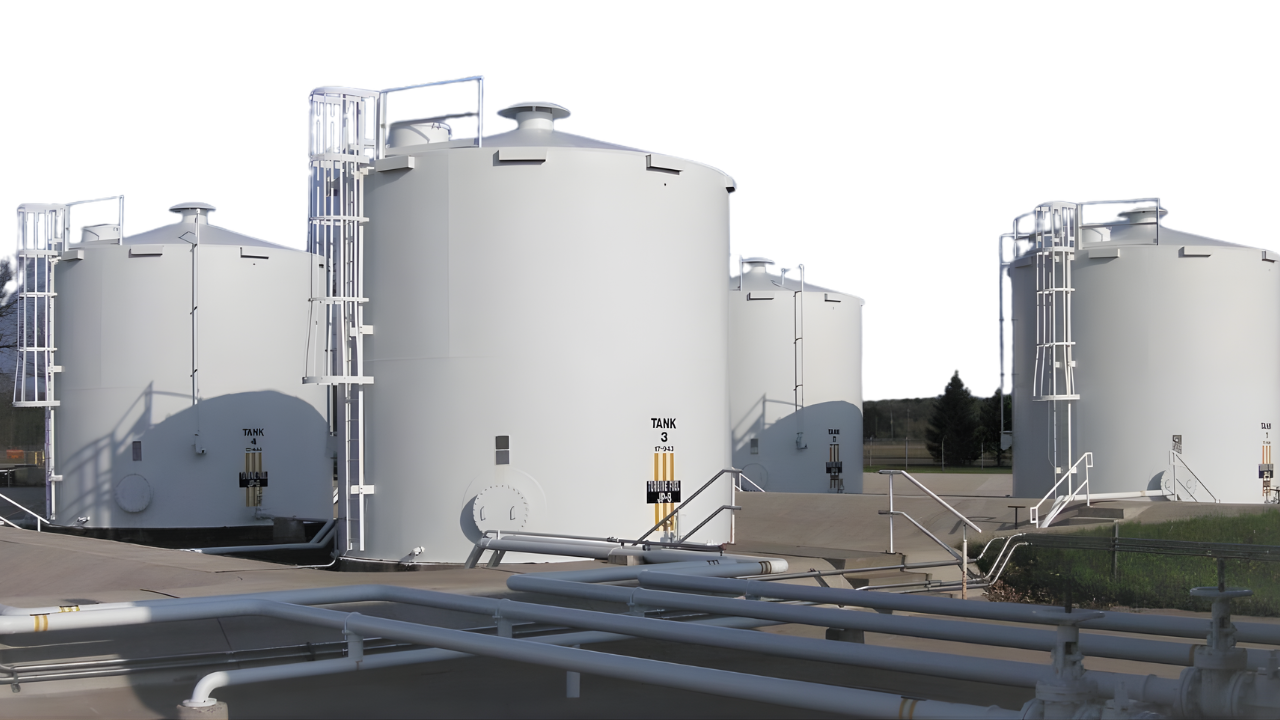
API 650 is a standard for how to plan and build welded storage tanks that work at pressures close to atmospheric. It mostly refers to tanks that are above ground and hold crude oil, water and finished goods. The standard is mostly about choosing the right materials, making sure the products are safe to store when the internal pressure is low, inspecting them and testing them.
What Is API 620 Standard?
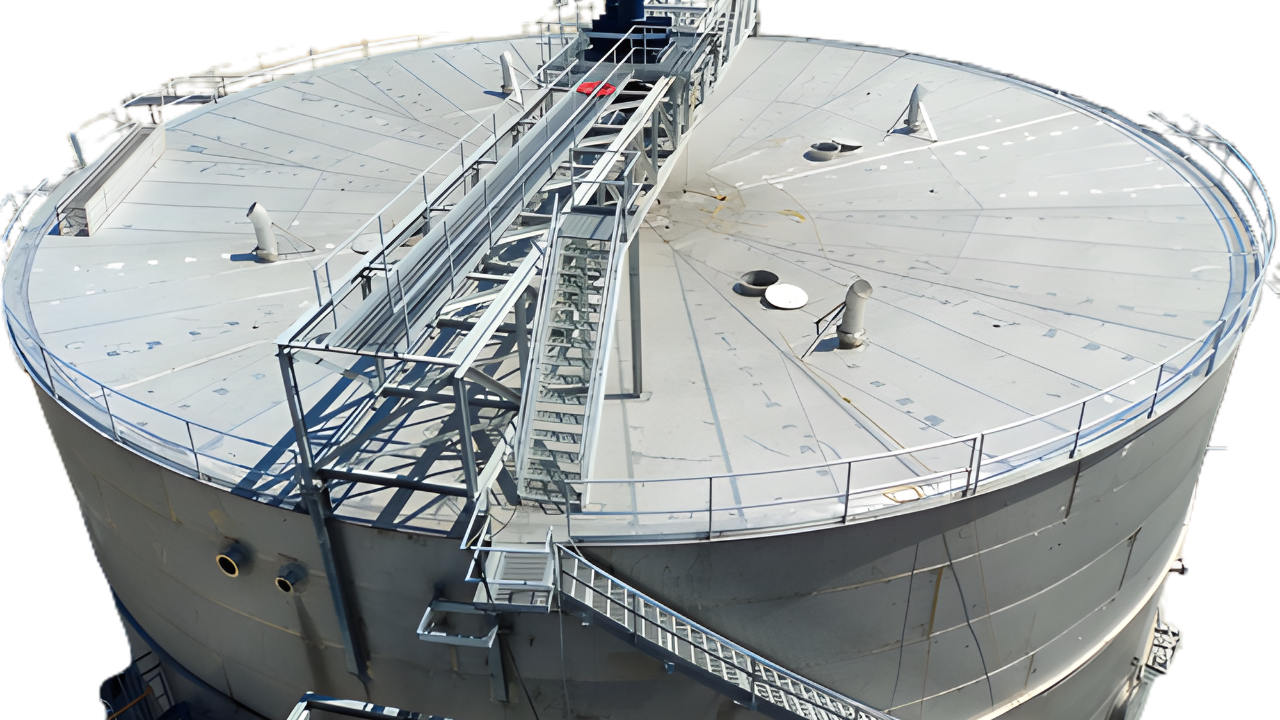
API 620 tells us how to plan and build big, welded stainless steel tanks that work with low to moderate pressures inside. It is often used to store things that need to be kept cold or frozen, like LPG and LNG. It can handle higher design stresses and harsher temperature conditions than API 650.
Side-by-Side Comparison: API 650 vs API 620
Applicable Pressure Range
API 650
API 650 is designed to be used for holding at atmospheric or very low pressures. It is made for tanks that work from normal air pressure up to about 2.5 psig. A lot of refineries and bulk storage sites use these tanks to store liquids without letting too much pressure build up inside. API 650 is a cost-effective and industry-accepted option for water, diesel, crude oil and other similar products. It does not add extra complexity to the pressure design process.
API 620
API 620 can be used in tanks with low to moderate internal pressure, usually above 2.5 psig and up to 15 psig or higher, based on the needs of the design. It is usually chosen for volatile or pressurized fuels like LPG. The standard allows for higher membrane stresses, stronger shell plates and better structural strength, which ensures that the system can safely work when the internal pressure is high.
Temperature Range
API 650
API 650 tanks are usually made to work in temperatures that are normal for the area. Although they can handle slightly higher temperatures, the standard is not good for uses that need to be cryogenic or very low temperatures. When temperatures drop a lot, the toughness and fracture resistance of a material become very important. API 650 is not good for places that get very cold because of its limitations.
API 620
API 620 is made to handle uses that need to store things in cold or frozen conditions, such as LNG and other liquefied gases. There are strict rules about low-temperature toughness, impact tests and using certain materials. API 620 offers important metallurgical protections for facilities that work in sub-zero temperatures to keep structures from breaking or becoming brittle.
Scope and Purpose of Standards
API 650
API 650 is all about planning, building, inspecting, and testing big atmospheric holding tanks that are above ground. It sets standards for building techniques for storing oil and liquids around the world. API 650 is widely used in refineries, terminals and industrial storage facilities because it is accepted around the world and has simple standards.
API 620
API 620 includes vessels that work at higher pressures and lower temperatures in addition to air tanks. It adds more advanced methods for stress analysis, tighter rules for joint efficiency, and better quality controls. Because of this, API 620 can be used in petroleum plants and gas processing plants that have to work in harsher conditions.
Tank Configuration & Geometry
API 650
Most API 650 tanks are straight, cylindrical, and have flat bottoms, which makes them easy to set up in the field. Depending on the instability of the product, roof designs may include fixed roofs, floating roofs, or open-top designs. The shape focuses on keeping things simple, making the design work well and keeping costs low for storing a lot of air in the atmosphere.
API 620:
Tanks that are built to API 620 standards usually have dome roofs or pressure-resistant tops that are made to handle the pressure inside the tank. Most of the time, shell plates are larger and stronger, so they can handle higher stresses. To make cryogenic tanks work at low temperatures, insulation systems and special layers are built into the shape of the tank itself.
Typical Tank Sizes
API 650
API 650 tanks can hold a lot of different amounts of oil, from small process tanks to very big crude oil storage tanks that hold more than 100,000 barrels. Because they can be made bigger or smaller, they are perfect for refineries and bulk storage centers that need to store a lot of air without having to pay extra for pressure-related design costs.
API 620
These tanks are also built to be very big, but they are chosen when you need a lot of storage space along with internal pressure or cold service. For these reasons, API 620 is the best standard for building LNG and LPG tanks, which need to be both big and strong.
Fabrication & Erection
API 650
Fabrication under API 650 is usually done on-site with steel plates that have been soldered together. The process of putting up a tank is well-known and used by most tank builders. Standardized inspection and testing methods help speed up the building process, keep track of project schedules and lower the total cost of fabrication.
API 620
For API 620 fabrication, stricter welding methods, better quality control, and more thorough inspections are needed because of the higher pressures and stresses that are involved. A lot of the time, erection requires more engineering control and more advanced testing methods. This makes things more complicated, but it also makes them safer and more reliable in the long run.
Materials Allowed
API 650
API 650 mostly allows carbon steel products that can be used in service at room temperature and pressure. The choice of material is based on how well it can be welded and how tough it needs to be for everyday use. But there are not as many choices when low temperatures or special service needs come up.
API 620
API 620 lets a wider range of products be used, such as steels that are tougher at low temperatures. This wider range of materials is very important for uses that need to be kept cold or frozen. The standard makes sure that materials stay strong, flexible and not easily broken, even when temperatures are high.
Inspection and Testing Standards
API 650
Based on joint classification, API 650 requires proper inspection, hydrostatic testing and limited radiographic testing. The inspection program is useful and does not cost a lot of money, so it can be used for atmospheric tanks and still follow safety rules in the petroleum business.
API 620
API 620 requires stricter non-destructive testing standards and more extensive radiographic testing, especially in pressure-retaining zones. These better checking methods give you more faith in the strength of the welds and the way the structure will work under pressure and low temperatures.
Roof & Closure Types
API 650
API 650 works with different types of roofs, such as fixed roofs, moving roofs, and open-top designs. Fixed-roof and floating-roof tanks are often used for volatile fuels to keep emissions and vapor loss to a minimum. The different roof choices make it possible to adapt to different types of storage and environmental needs.
API 620
API 620 usually uses dome roofs that can withstand pressure and are part of the pressure limit of the tank. These roof systems are made to safely hold up air loads inside. When LPG and refrigerated gases are stored, the roof construction is very important for keeping the containment intact.
Application & Industry Use
API 650
API 650 is used in a lot of places, like refineries, fuel ports, water treatment plants, and factories. It is the best way to store water, diesel, gasoline, crude oil and other similar things at air pressure. It is still the most popular storage tank standard because it is easy to use and accepted around the world.
API 620
In LNG ports, LPG storage facilities, petrochemical plants and gas processing units, API 620 is the best choice. When storing liquids under pressure or in the fridge, this standard gives the structure the power and material dependability it needs to work safely for a long time.
API 650 vs API 620 – Quick Comparison Table
| Parameter | API 650 | API 620 |
| Applicable Pressure Range | Atmospheric to ~2.5 psig | Above ~2.5 psig, low to moderate pressure |
| Temperature Range | Ambient temperatures | Low and cryogenic temperatures |
| Scope & Purpose | Atmospheric storage tanks | Pressurized and low-temperature tanks |
| Tank Configuration | Vertical, cylindrical, flat-bottom | Reinforced shells, dome roofs |
| Typical Tank Sizes | Large-volume atmospheric storage | Large-volume pressurized or refrigerated |
| Fabrication & Erection | Standard field welding | Stricter welding and controls |
| Materials Allowed | 1066 Carbon steel | Broader low-temperature materials |
| Inspection & Testing | Limited radiography | Extensive NDT and radiography |
| Roof & Closure Types | Fixed or floating roofs | Pressure-resistant dome roofs |
| Application & Industry Use | Refineries, terminals, water storage | LNG, LPG, petrochemical facilities |
API 650 vs API 620 – Which One Is Best?
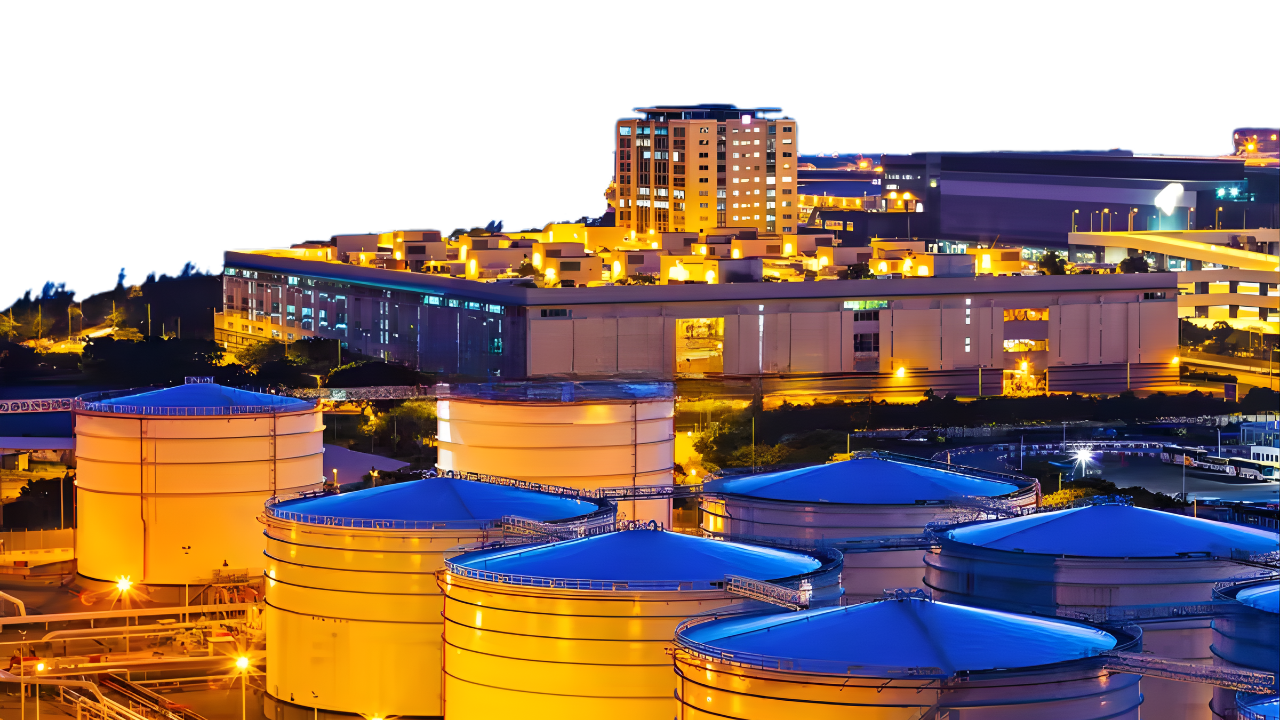
There is no one choice that is always “best.” API 650 is great for storing things at room temperature and air pressure. For liquids that are under pressure or very cold, API 620 is the safer choice. The right standard relies on the type of product, the temperature, the pressure, and the long-term conditions of use. By evaluating early, you can escape expensive redesigns.
FAQ
Can API 650 tanks be used for cryogenic storage?
Not at all. API 650 tanks are not made to be used in cold conditions. They can only be used in situations where the temperature is close to room temperature.
Can API 620 tanks work when the pressure outside is normal?
It is possible for API 620 tanks to work at normal air pressure. But they are mostly chosen when higher internal pressure is predicted.
API 620 or API 650? Which costs less?
Most of the time, API 650 tanks are cheaper. This is because the standards for design, materials, and inspections are less strict.
Is it possible to change an API 650 tank to an API 620 tank?
It is not easy to change from API 650 to API 620. It generally needs a lot of structural redesign and strengthening.
How are inspections done for API 620 and API 650 the same?
No, the rules for inspection are different for each norm. API 620 needs more thorough testing that does not damage anything.
Can API 620 and API 650 be used together?
No, you cannot use these standards instead of each other. The design pressure and working temperature are the only things that matter for selection.
Do radiography tests have to be done for API 620?
Yes, radiography tests are required by API 620. Most of the time, the standards are stricter than API 650.
Does temperature play a role in choosing between API 620 and 650?
Yes, the weather is a very important factor in choosing a standard. Applications that need to work at low or cold temperatures usually need API 620.
Get Customized Storage Tanks from KDM Steel
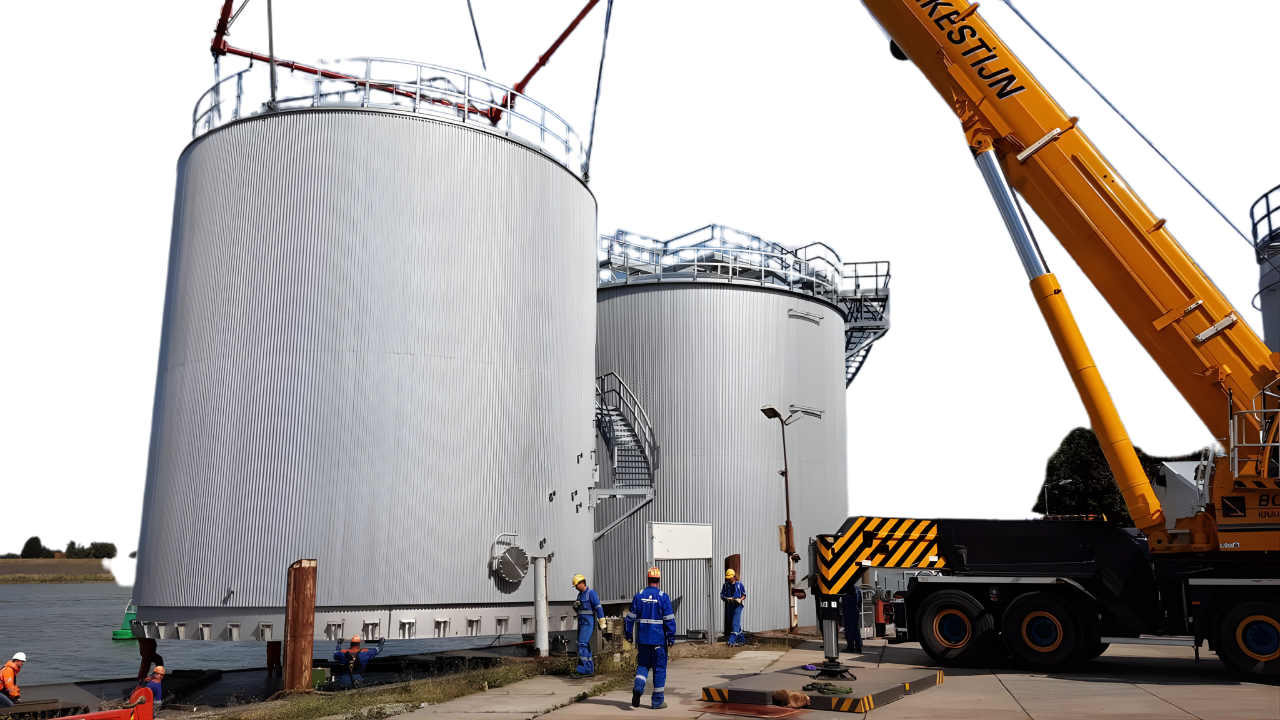
Depending on the needs of your project, Acier KDM can build designed storage tanks to API 650 or API 620 standards. To start your project, check out our Storage Tank Solutions, Steel Fabrication Services, Quality Control Process services, and Contactez-nous today to get your customized quotes.
 French
  English
  Arabic
  Spanish
  Russian
  Japanese
  Korean
  Portuguese
  Indonesian
  Chinese