


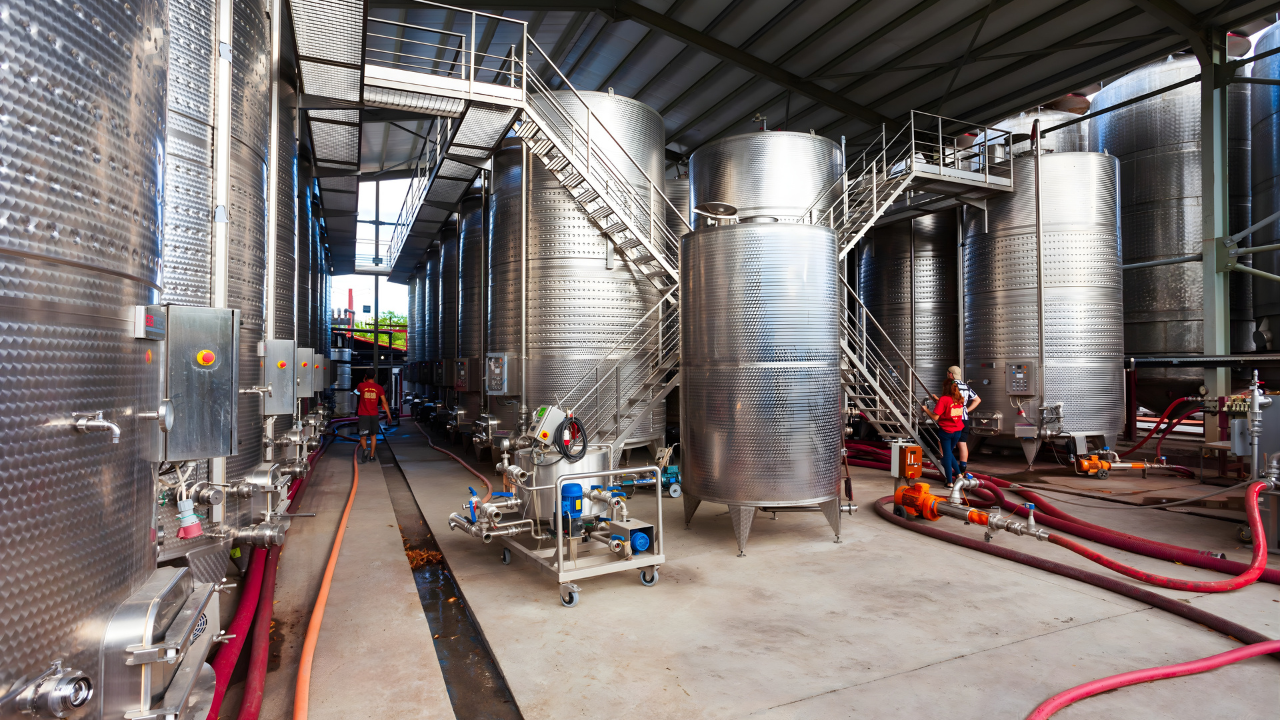
Are storage tanks and reactors truly the same, or do they have distinct design purposes? There is a big difference between the two, not just in size or shape. When you choose equipment, it has a direct effect on safety, process speed, compliance, and cost over time. If you know about these differences, you can choose the right ASME-compliant option for EPC projects and plant expansions.
What Is a Storage Tank?
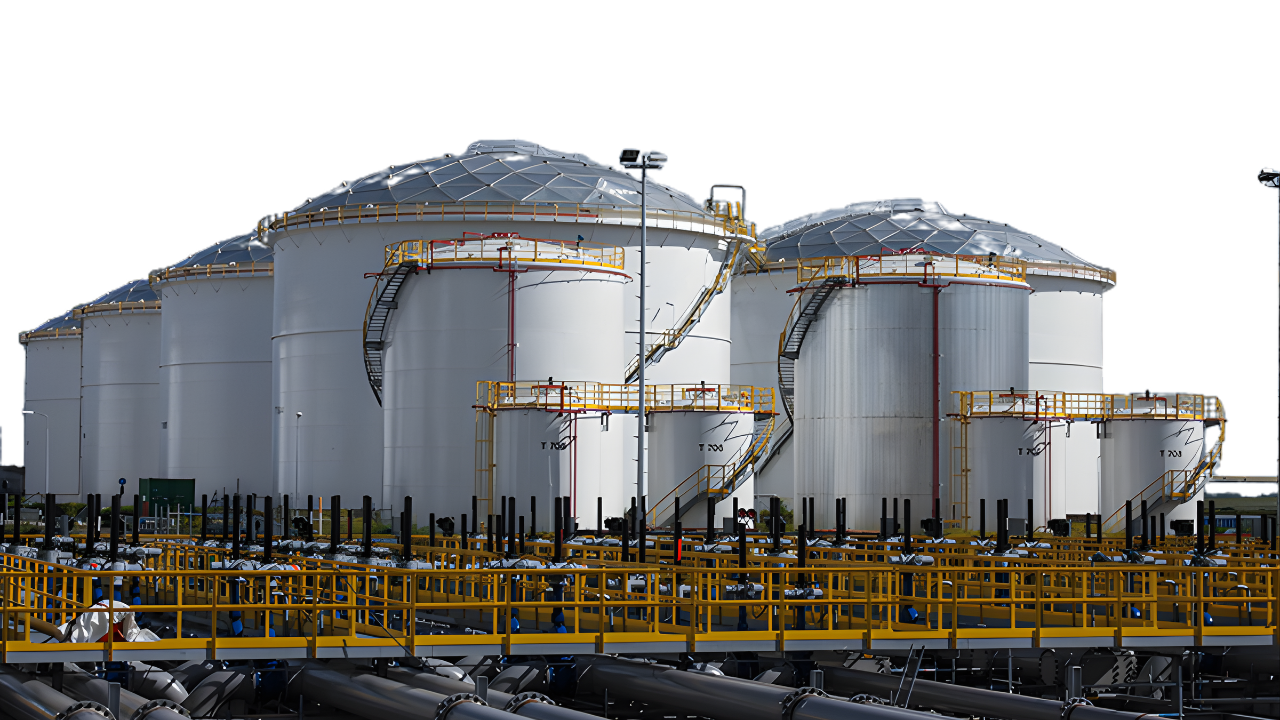
UN storage tank is mainly designed to safely hold liquids, gases, or bulk objects. It keeps the purity of the product, whether it’s being processed or not. Most tanks work at low or air pressure and must meet standards such as API 650. It is used in chemical plants, water treatment plants, and oil mills.
What Is a Reactor?
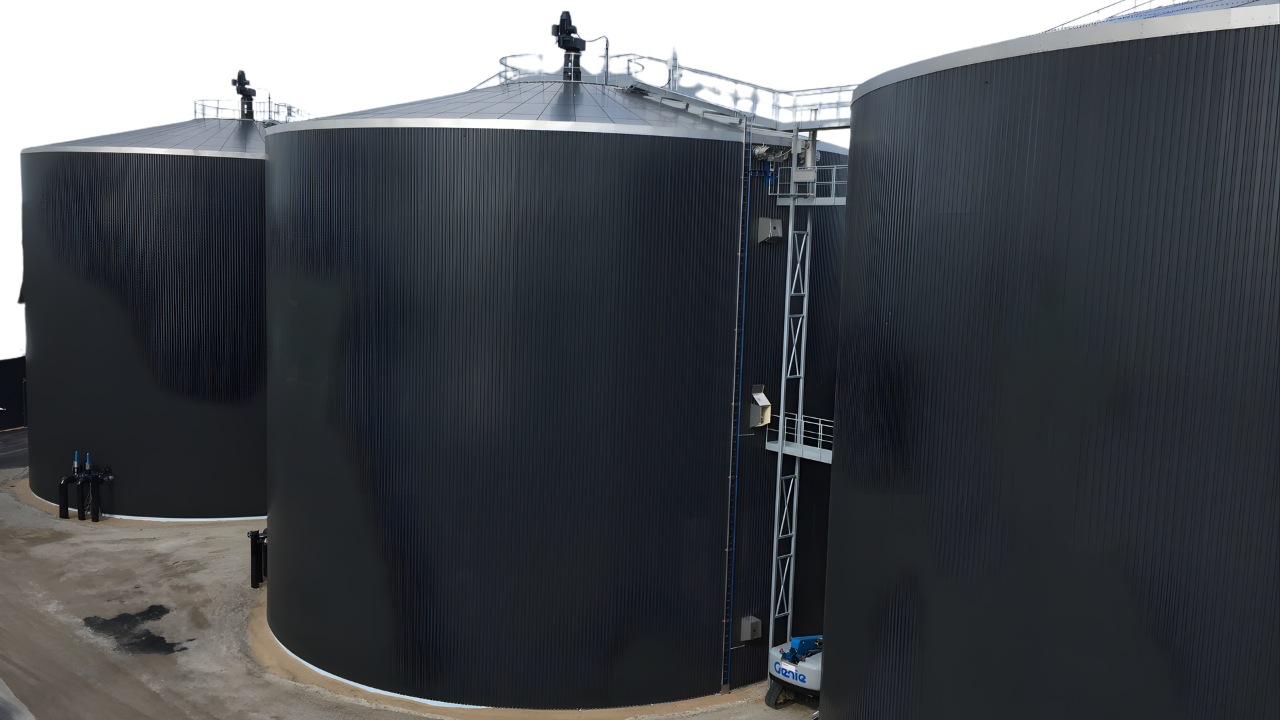
UN reactor is a special kind of process tank that helps chemicals react while keeping the temperature and pressure optimum. It allows you mix things, move heat around, and fine-tune the speed of reactions. A lot of people in the chemical, pharmaceutical, and petrochemical businesses use reactors, which are usually built to meet the standards set by ASME Section VIII.
Key Design Differences between Storage Tank vs Reactor
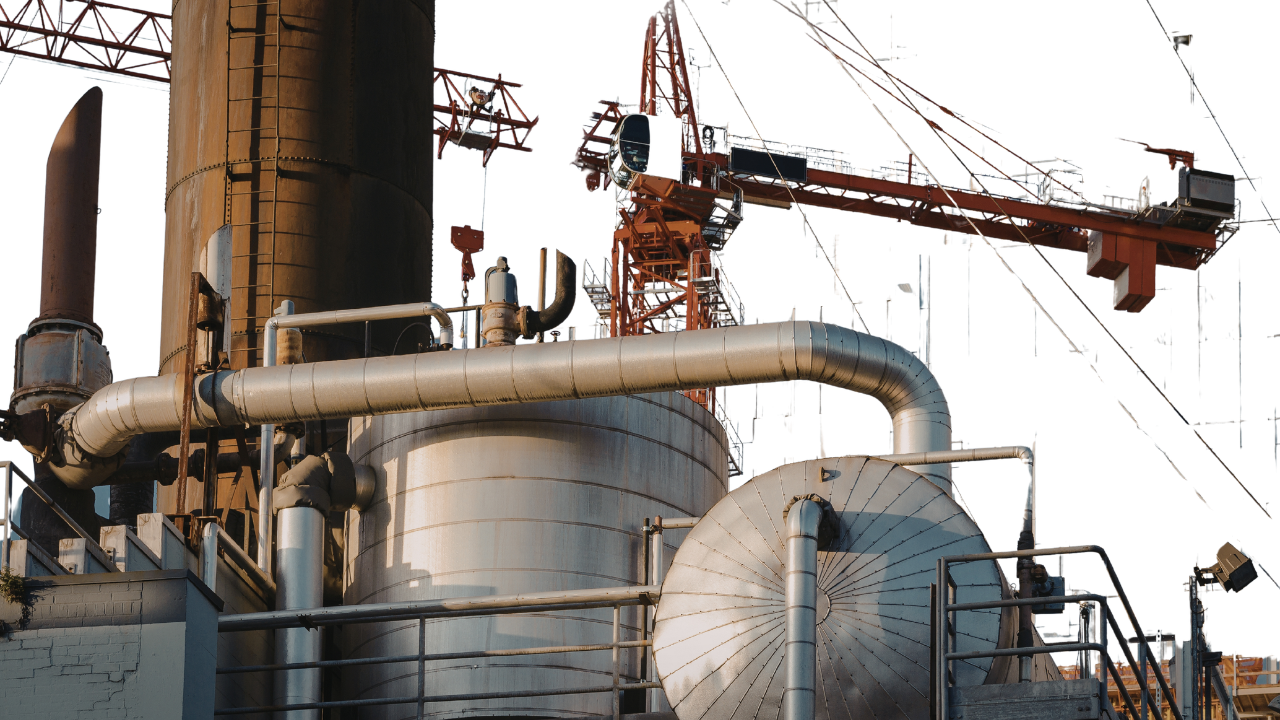
Primary Function & Process Role
Storage Tank
UN storage tank is used to store materials. It’s used to hold raw materials and finished things, blend them, settle them, or buffer them. In most places, tanks keep the flow of process between the equipment upstream and equipment downstream stable. They are more of a logistical asset than an involved part of the process. A storage tank is the best choice if your project needs to handle capacity instead of reaction control.
Reactor
Transformation is driven by a reactor. Under certain working conditions, the raw materials inside it change chemically or physically. You rely on it for quality, conversion, and getting the best yield. In contrast to holding tanks, reactors are essential to the operation of a process. They are designed in a way that affects safety, selectivity, and response rate directly.
Pressure & Temperature Design Envelope
Storage Tank
Most storage tanks work with either atmospheric pressure or a small amount of internal pressure. If it’s not used for hot bitumen or thermal fluids, the temperature ranges are normal. Design factors are set by standards like API 650 and API 620. Unless there is pressure inside the building, you should usually avoid thick walls. Stability of the structure and resistance to wind loads are more important than keeping the air inside.
Reactors
It is common for reactors to work at high temperatures and pressures. As much as 50 bar and several hundred degrees Celsius are reached in some pharmaceutical and industrial reactors. To ensure safety, they follow ASME Section VIII design rules. Reactors need a bigger design space and a more thorough check for mechanical soundness than storage tanks.
Vessel Geometry, Sizing & Head Design
Storage Tank
A lot of the time, storage tanks are tall, cylindrical vessels with flat sides and cone- or dome-shaped roofs. Tanks with a large diameter are shorter and hold more. Flat or shallow conical heads are often used for low-pressure service. You focus on optimizing space and making structures as efficient as possible. The shape helps with stable storage instead of mixing or response dynamics.
Reactors
Most reactors have heads with depressions, like ellipsoidal or torispherical shapes. Pressure control is helped by cylindrical shells with high length-to-diameter ratios. Stress distribution is directly affected by the shape of the head. You might also see spherical or special shapes for certain response systems. When compared to tanks, reactor geometry puts pressure resistance and the way the process works inside the reactor ahead of volume.
Agitation, Mixing & Internal Hydrodynamics
Storage Tank
Most storage tanks don’t have a lot of space inside. Some have simple mixers that can mix things or keep them from settling. Flow patterns aren’t designed to make reactions work better. Your main goal is to keep things the same or stop division. If they aren’t used for large mixing, hydrodynamics stays in the background.
Reactors
Reactor mixing is very important. A lot of the time, you need magnetic agitators, air tubes, impellers, or baffles. When you mix things the right way, the temps and reactants are spread out evenly. Hotspots or partial conversion can happen if there isn’t enough agitation. One of the main differences between a Storage Tank and a Reactor is how they are designed in terms of hydrodynamics.
Heat Transfer & Temperature Control Systems
Storage Tank
Tanks normally only have simple heating coils or insulation that can move heat around. The goal is not to change the rate of the reaction but to keep the result at the same temperature. You can use power heaters or steam tracing. In standard storage service, however, temperature control loops that are very complicated are not typical.
Reactors
Reactors need to actively control the temperature. Jackets, half-pipe coils, or internal coils control processes that give off heat or take it away. To stop responses from going too far, you need precise control. Sensors and automatic control valves are built into more advanced systems. Thermal control is a key part of keeping a reactor safe and productive.
Internals, Nozzles & Ancillary Equipment
Storage Tank
Basic nozzles are built into storage tanks for releasing, filling, and measuring the level. There aren’t many internal systems. For different uses, you can add floating tops or linings on the inside. Maintenance entry is easy to get to. Simplicity lowers the cost of making something.
Reactors
Reactors have many ports for feeding, adding a catalyst, taking samples, and connecting instruments. Trays, packing, or agitator units may be inside. A lot of the time, you combine safety valves, rupture plates, and manways. Reactors have more complicated technical parts than storage tanks.
Materials of Construction & Corrosion Protection
Storage Tank
For general storage, carbon steel is often used. You can use stainless steel storage tanks or protective coatings for work that is likely to rust. Choices of materials are based on how well they work together and how much they cost. In atmospheric work, the corrosion allowance is usually very low.
Reactors
Higher-grade metals like SAE 316L, duplex steel, or rare materials are often needed in reactors. The choice of material is based on the reaction medium and the pressure settings. Both mechanical strength and resistance to corrosion are important. You need to test compatibility over a range of temperatures and pressures.
Instrumentation, Control & Automation
Storage Tank
Level monitors, temperature sensors, and pressure vents are common types of instruments found in storage tanks. There aren’t many uses for automation. Instead of active process factors, you monitor storage conditions.
Reactors
Reactors need high-tech instruments. Control systems, temperature probes, flow meters, and pressure sensors all work all the time. It is normal to integrate a Boîtier PLC or DCS. When it comes to safety and efficiency, reactors need more technology than storage tanks.
Safety, Relief & Regulatory Requirements
Storage Tank
Storage tanks have to follow API and local environmental rules. Ventilation systems control the pressure of vapors. In places where hydrocarbons are stored, fire protection devices are often needed. The main focus of regulations is on keeping spills under control and protecting the environment.
Reactors
Reactors need strict pressure relief devices and must follow the ASME codes for pressure vessels. You need to look at overpressure situations and response risks. Most chemical plants have to do risk and operability tests. The standards for safety design are much higher.
Cost, Fabrication Complexity & Maintenance
Storage Tank
Most of the time, storage tanks cost less. It’s easier to make things, especially for air service. Maintenance is easy, and it only needs to be checked every so often. The lifecycle cost stays the same. If all you need is to hold something, tanks can save you money.
Reactors
It costs more to buy a reactor because of its pressure grade, internals, and instruments. Fabrication needs skilled welders and careful checks. As part of maintenance, you may need to plan a shutdown and repair internal parts. When you compare Storage Tank vs. Reactor, your budget needs to take into account how complicated the project is and what rules need to be followed.
Summary Table: Storage Tank vs Reactor
| Parameter | Storage Tank | Reactor |
| Primary Function | Stores materials without changing composition | Facilitates chemical or physical reactions |
| Pressure Rating | Atmospheric or low pressure | Moderate to high pressure |
| Temperature Range | Moderate operating temperatures | Often high or controlled temperatures |
| Geometry | Large diameter cylindrical, flat, or conical bottom | Cylindrical with dished heads for pressure resistance |
| Mixing Requirements | Minimal or optional blending | Engineered agitation systems required |
| Heat Transfer | Basic coils or insulation | Jackets, coils, or advanced thermal systems |
| Instrumentation | Level and basic monitoring | Advanced pressure, temperature, and flow controls |
| Safety Systems | Venting and overflow protection | Pressure relief valves and rupture disks |
| Fabrication Complexity | Relatively simple construction; fabrication en acier inoxydable | Complex fabrication and code compliance |
| Coût | Lower capital cost | Higher due to pressure and process design |
Storage Tank vs Reactor – Which One Should You Choose?
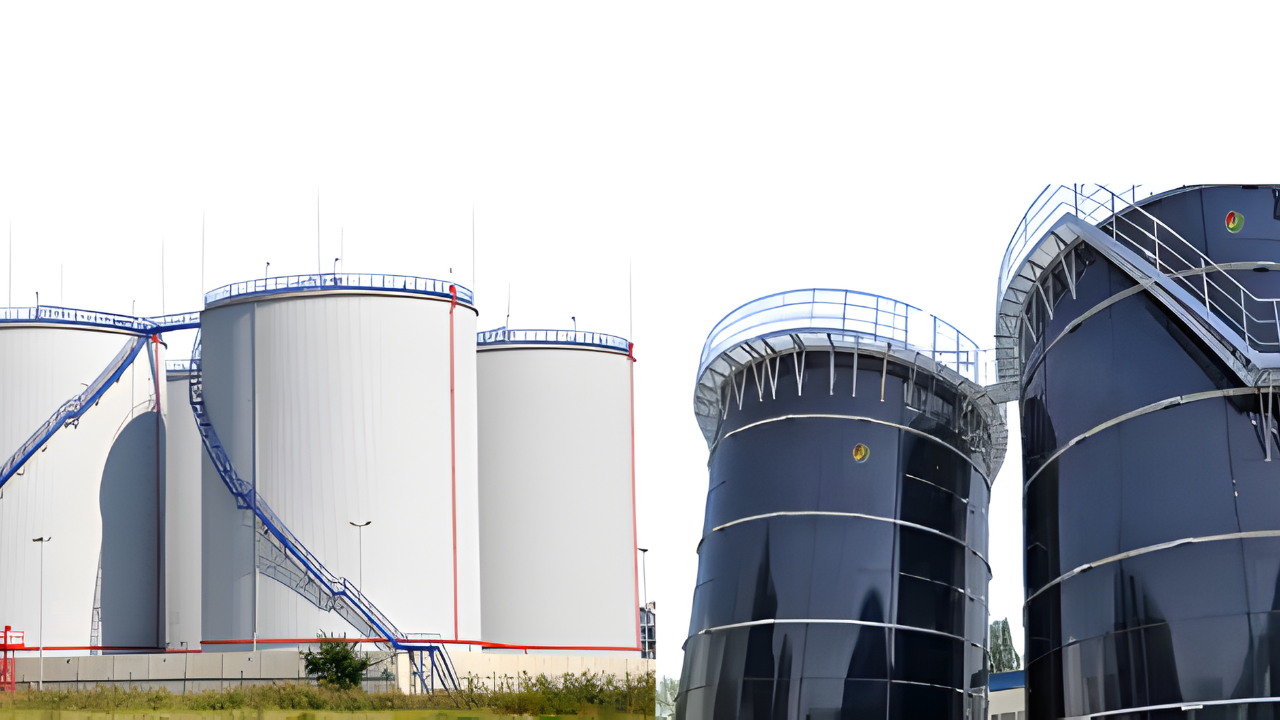
Your choice will depend on what it’s for. Choose a tank if you need to protect or store something. Choose a reactor if you need to change chemicals in a controlled environment. Before you finalize the specs, you should look at the pressure, temperature, process criticality, and compliance requirements.
FAQ
Are all reactors also considered storage tanks from a design point of view?
No. Reactors are process vessels designed to change chemicals in a controlled way. The way they are designed mechanically and thermally is very different from passive storage tanks.
Can I use an ASME pressure vessel as a storage tank operating at atmospheric pressure?
It is technically possible to use one in normal weather. But it is generally too complicated and costs more than a regular API storage tank.
Can plastic or FRP tanks be used as reactors?
They can be used for processes that happen at low temperatures and low pressures. Before choosing, you should carefully look at how well the materials work together and what their limits are.
How do venting and pressure relief philosophies differ between a storage tank and a reactor?
Most storage tanks have atmospheric vents or conservation vents that stop the flow of gas. For reactors to work, they need rupture disks or relief valves that are made to work in the worst possible pressure settings.
Why do reactors carry more instrumentation than storage tanks?
Temperature, pressure, level, and flow must always be checked on reactors. Accurate control stops unsafe situations and makes sure that the standard of the product stays the same.
In which industries is the distinction between a storage tank and a reactor most critical?
In chemical, pharmaceutical, petrochemical, and specialty manufacturing companies, this difference is very important. Process safety and response control have a direct effect on compliance and profits in these areas.
How often should storage tanks and reactors be inspected?
The frequency of inspections relies on the service conditions and the requirements of the code. Usually, stricter and more frequent checks are needed for pressure-rated reactors than for atmospheric tanks.
Get Your Customized Storage Tanks and Reactor by KDM Steel
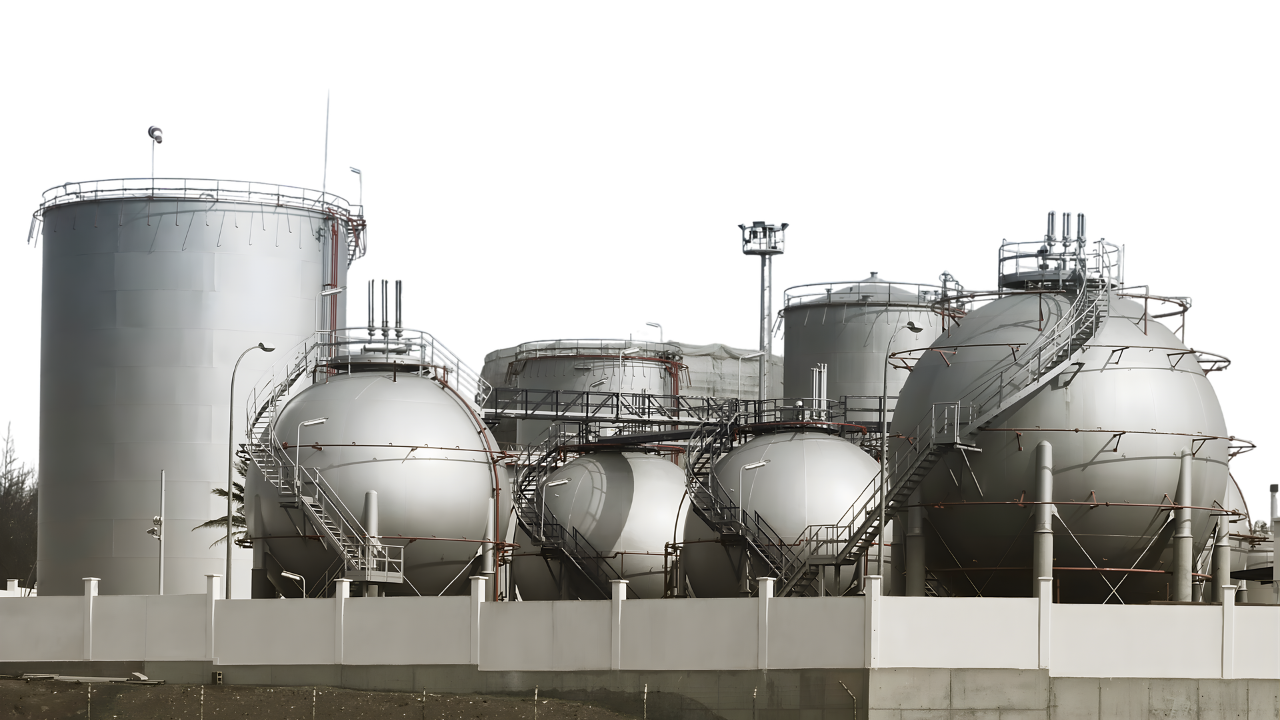
Acier KDM has reactors that meet ASME standards and storage tanks that meet API standards. These are made to work well in industry settings. KDM Steel provides engineered solutions that fit the needs of your project, whether you need a custom pressure vessel, a big tank, or full fabrication support. Contactez-nous to discuss your project requirements and get a tailored fabrication solution that fits your industrial needs.
 French
  English
  Arabic
  Spanish
  Russian
  Japanese
  Korean
  Portuguese
  Indonesian
  Chinese