


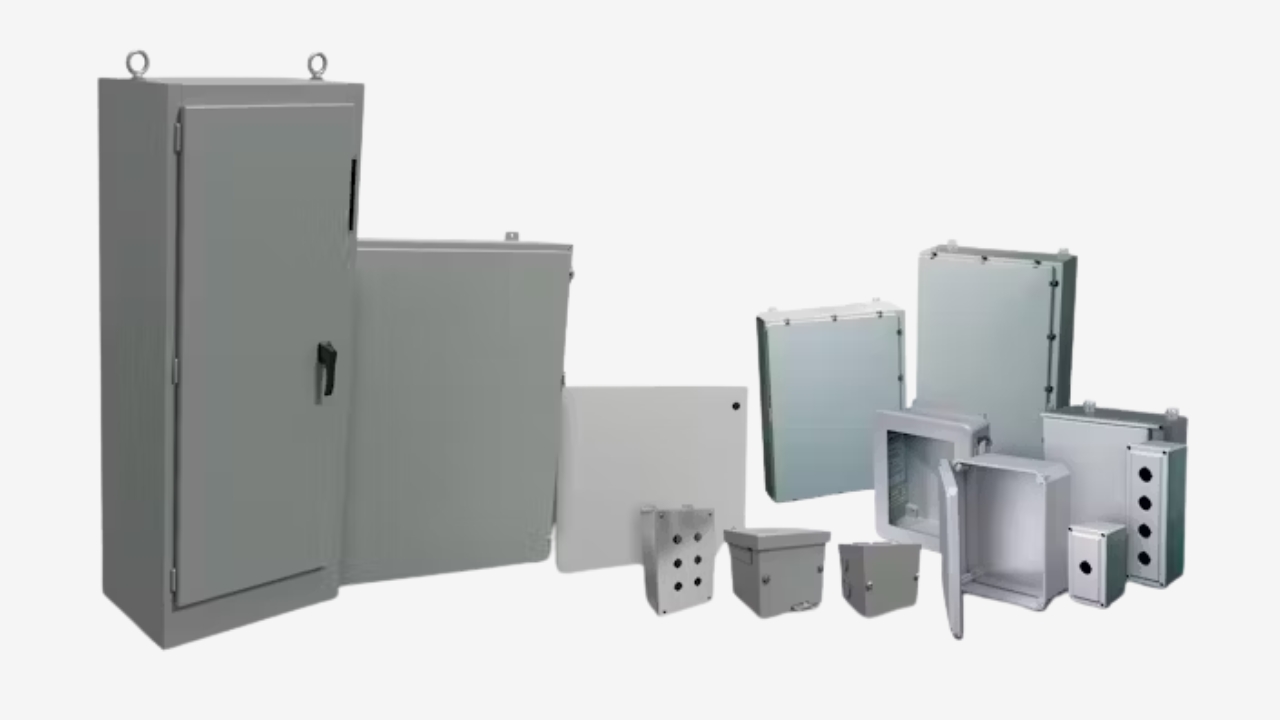
Outdoor enclosure systems are essential infrastructure for industrial projects. Poor selection quickly creates materials that are prone to corrosion failures, lost time due to down equipment, project delays, etc. This article covers the key selection criteria which would help you avert various risks and select a durable, reliable and long-lasting solution.
Environmental Conditions and Material Choice
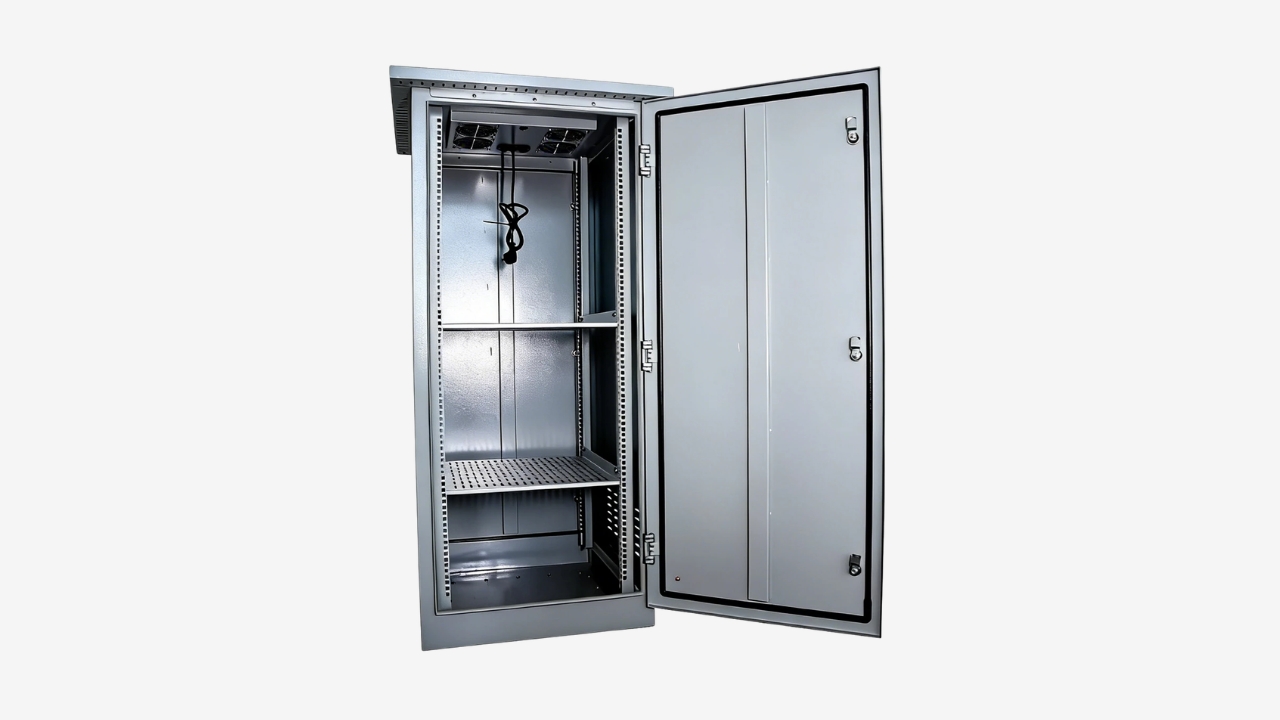
First rule of outdoor enclosure material choice. Know the operating environment. Corrosion failure is caused by the environment, not the cost of the metal.
Corrosion-resistant materials for outdoor use
Choose the material by its installation environment, not by its price. 304 stainless steel is fine inland. Drop it within five kilometers of salt water, and it peters out—usually within two years.
Quick comparison of environments:
- Coast—316L, GRP. Galvanising with a heavy coating buys you time, not a whole service life.
- Chemicals—GRP or polycarbonate. Don’t rely on any metal if you can’t identify the chemicals present in the air.
- Tropical, high humidity—304 stainless with anti-condensation coating and resistant gaskets.
- High UV, high temperature extremes—304 or 316, outdoor powder coat, >1,000 hours of QUV.
Two other points that don’t appear on spec sheets: Bolt a stainless box to a carbon steel frame, and you’ve created a corrosion cell. There’s no isolation, no protection—even if the enceinte is suitable.
IP Ratings vs Real-World Protection Performance
The protection rating is merely a reference value derived from laboratory testing. It does not indicate whether your outdoor enclosure system will remain dry inside after a full year of exposure to alternating hot and cold temperatures and humid conditions.
Three things that actually matter:
- Thermal breathing –heat causes the air inside to expand, and when the air cools and contracts at night, it draws moisture into the sealed gaps. This problem can be solved by installing a vent.
- Gasket life – EPDM works for most outdoors. If the temperature range in your environment is extreme, please choose a silicone material.
- Internal drip –Moisture can condense into droplets on cold walls and drip onto equipment surfaces. You can resolve this issue by installing insulation, adding heaters, or installing drainage channels.
Outdoor enclosure systems are rated for protection only in their product specifications. What truly determines their moisture and dust resistance are the ventilation structure, the material of the sealing gaskets, and the overall ventilation and humidity control design of the enclosure.
Structural Design and Mechanical Strength
Capacité de charge
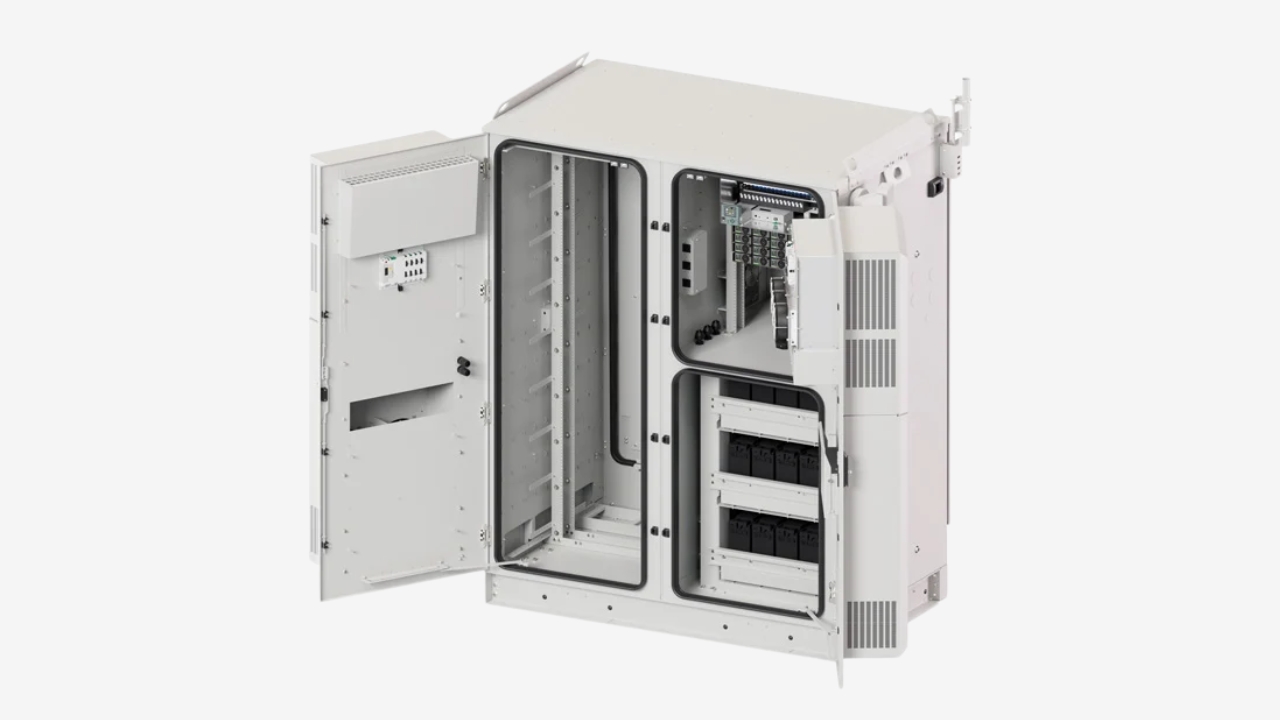
Thicker panels aren’t necessarily better. What you need is an enclosure that remains distortion-free under snow accumulation, strong winds, and impacts.
Strong winds can easily bend cabinet doors, compromising IP protection. Melting snow from the top can also seep into the enclosure through gaps. On-site impacts are common; for standard conditions, select IK08, and for high-risk areas, opt directly for IK10.
When reviewing the system, you should prioritize the layout of the reinforcing ribs. Don’t blindly focus on thickness. Besides, you can conduct a test to measure the door’s load-bearing capacity when fully loaded. If the door gap shifts under load, it means the hinge design is flawed. The losses caused by seal failure will be your own responsibility.
Modular vs Welded
Choosing the wrong design for your outdoor enclosure system can impact your logistics budget, installation timeline, and the ease of future equipment expansion.
Welded outdoor enclosure systems offer superior stability and minimize potential issues with seals. Transporting the entire unit as a single piece carries lower upfront risks. They are suitable for projects with smooth road conditions that do not require subsequent modifications. But, fully integrated cabinets are more expensive to ship and difficult to move.
Modular outdoor enclosure systems are compact, easy to transport, and can be assembled on-site. They can be easily installed even in confined spaces and are suitable for deployment across multiple locations. While they can save you significant shipping costs, they require on-site assembly by personnel. Expanding capacity later is also convenient—simply connect additional units to increase usable space.
Installation and Scalability
Prefabrication and Installation Efficiency
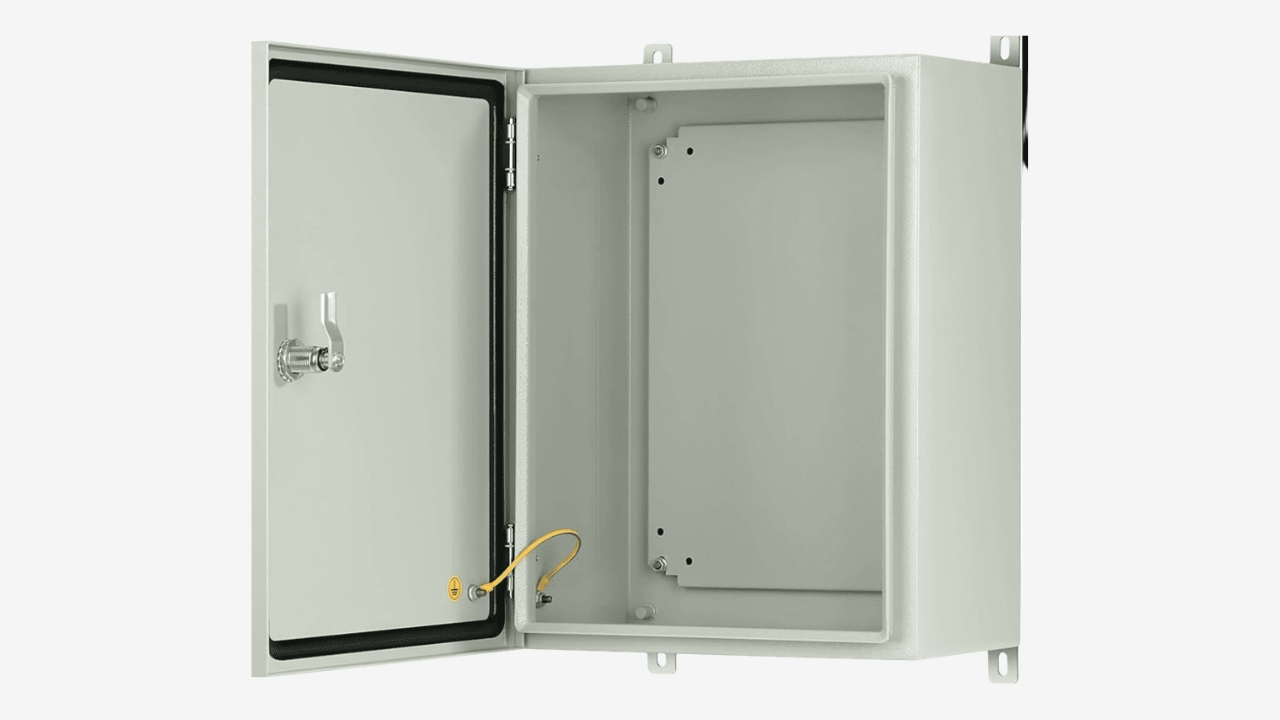
On-site assembly will consume the labor hours allocated for your project. Prefabricated outdoor enclosure systems can be wired and cut to size in advance at the factory. Once delivered to the site, all you need to do is position them and complete the wiring, and they’re ready to use.
While the unit price for these outdoor enclosure systems is slightly higher, they can help reduce your overall construction costs in the long run. They are a wise choice when you’re managing projects across multiple locations.
Modular System Planning
The initial batch of outdoor enclosure systems is subject to a standardized set of specifications. Modular design ensures that the appearance, specifications, and accessories of future products remain consistent.
When expanding the project in the future, you can simply add additional cabinets without the need for custom manufacturing.
This eliminates the need for redesign and recertification when placing repeat orders. Additionally, the use of consistent materials ensures more reliable delivery times.
Cost and Lifecycle Value
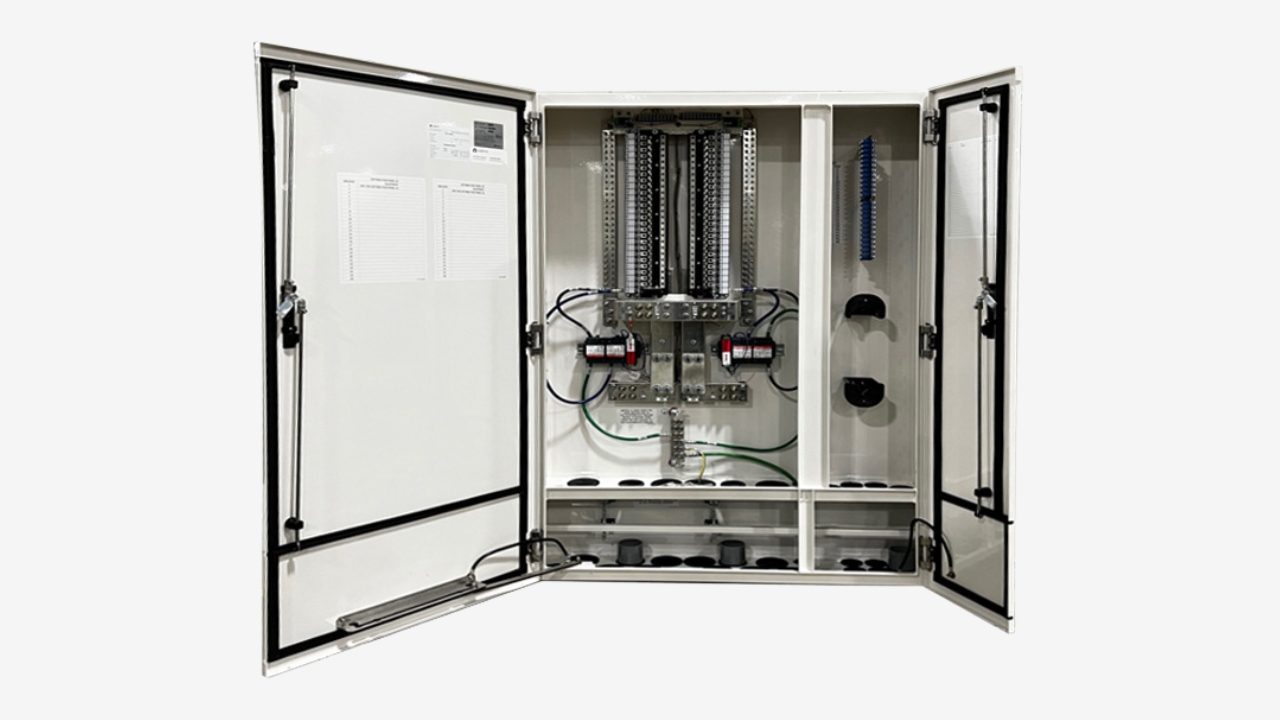
Full-cycle Comprehensive Cost Analysis
When evaluating an outdoor enclosure system, don’t focus solely on the quoted price—that’s just the base cost. You’ll also need to account for logistics, customs clearance, installation, and the costs associated with rework and downtime resulting from substandard products.
Low-cost cabinetry may require on-site repairs. If there are delivery delays, your entire project schedule could be thrown off track.
Therefore, when making a purchase, consider the total cost of ownership rather than relying solely on the unit price. Blindly chasing the lowest price isn’t cost-effective.
Maintenance and Downtime
Routine maintenance costs are easy to manage. Replacing gaskets and conducting regular inspections can all be factored into your budget in advance.
Unexpected malfunctions have the greatest impact on reputation. Issues such as water leakage into the cabinet or doors that don’t close properly, caused by aging parts, can disrupt normal operation and erode customer trust.
While the cabinets themselves are not expensive, the hidden costs resulting from equipment downtime are extremely high. Therefore, choosing cabinets with high-quality materials and craftsmanship is crucial. This can significantly reduce various types of breakdowns and maintenance costs.
How to Choose the Right Outdoor Enclosure System Supplier?
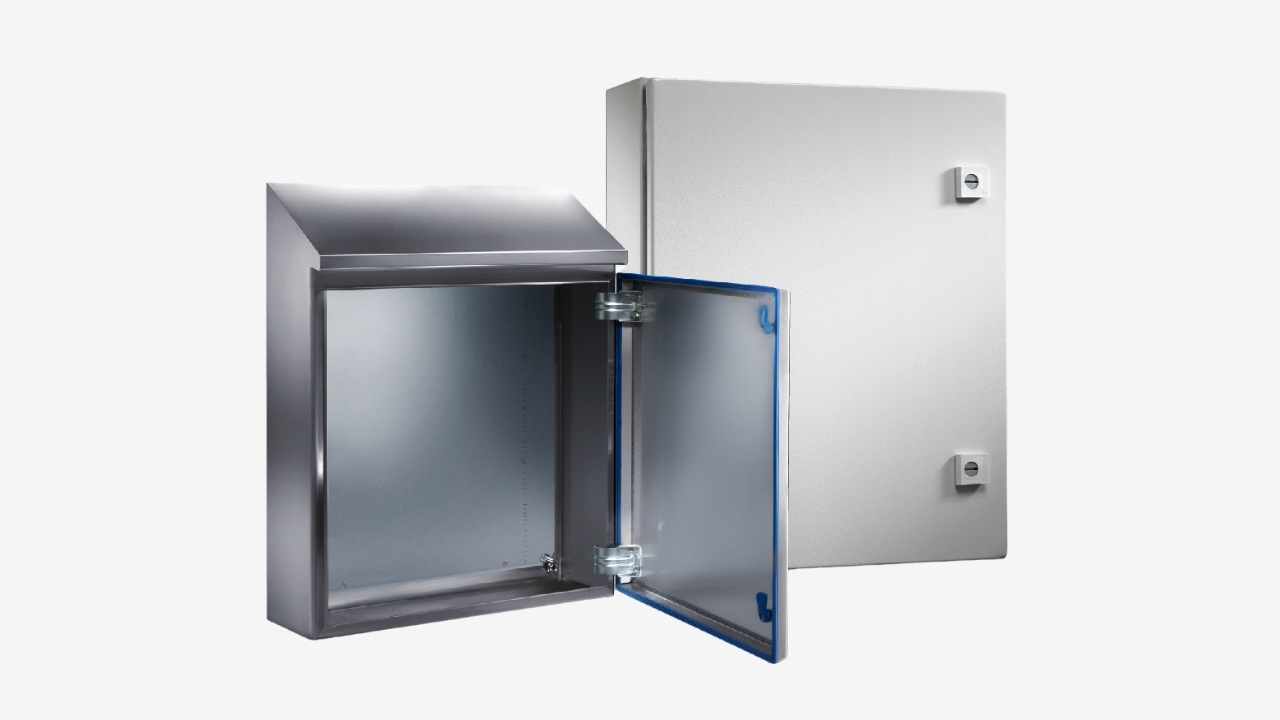
No matter how rigorous the industry standards are, they can only be effectively implemented with reliable suppliers. When selecting the right manufacturing partner, keep these three points in mind:
- Product performance must be verifiable, either through actual testing or by providing official test reports.
- Stable and reliable supply. Don’t just look at the delivery dates on paper; prioritize manufacturers with ample inventory and a long-term track record of on-time delivery to avoid delays in your project schedule.
- Support for customization and modifications. They should be able to adjust the appearance and layout to incorporate your brand design, rather than offering generic off-the-shelf products.
Meeting these criteria can effectively mitigate various project risks. In the long-term development of a project, stable and timely supply of your outdoor enclosure system is far more important than minor product differences.
FAQ
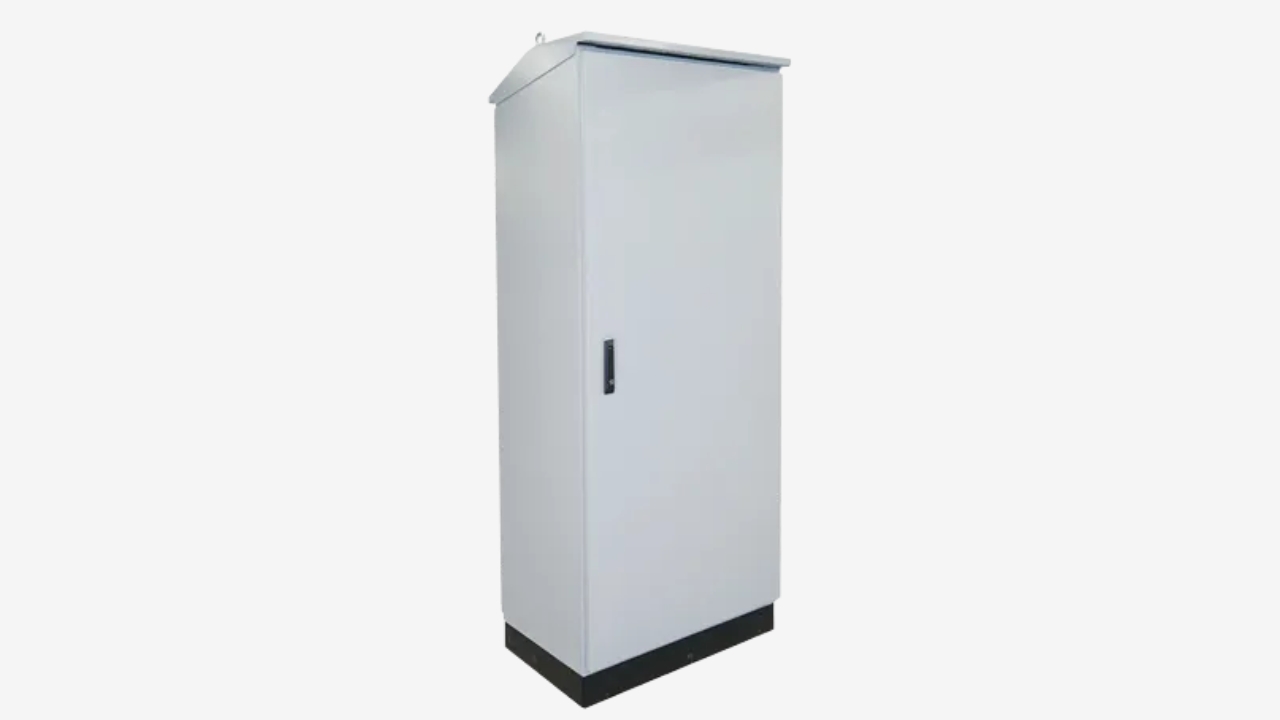
Is A Higher Ip Rating Always Better For Outdoor Enclosures?
Higher ratings aren’t more practical. IP ratings are merely laboratory testing standards. In actual use, ventilation design, sealing materials, and anti-condensation features are more effective than a high protection rating alone for long-term, stable operation of the enclosure.
How Long Does An Outdoor Enclosure Normally Operate?
The longevity of the product depends on the materials used and the operating environment. In typical inland environments, high-quality enclosures can last for more than 10 years; in coastal salt-fog environments, they can last 6–8 years with appropriate material selection; in harsh chemical or intense sunlight environments, the useful life will be correspondingly shorter.
What Factors Should Be Confirmed In Advance When Exporting Outdoor Enclosures?
You need to standardize product manufacturing standards and component specifications in advance. Prepare the relevant testing documentation to facilitate customs clearance overseas. Confirm that the manufacturer can adapt to local installation practices, ensuring that replacement parts remain compatible and delivery schedules remain consistent.
What Are The Restrictions On Protective Structures For Outdoor Equipment In Chemical Industrial Parks?
Do not blindly use ordinary stainless steel or other metallic materials. Since the air in the industrial park contains unknown chemical substances, the use of all-metal enclosures is prohibited. Also, do not rely solely on simple galvanized anti-corrosion treatment, as it cannot withstand long-term exposure to chemical gases.
What Are The Key Points To Consider In Selecting Outdoor Enclosure Enclosures Specifically Designed For Photovoltaic Projects?
You should prioritize materials that are resistant to extreme temperatures and strong UV radiation. The enclosure must pass long-term UV aging tests and be equipped with an anti-condensation coating and weather-resistant seals. It should also feature a ventilation and temperature-control design suitable for long-term outdoor use.
Dernière réflexion
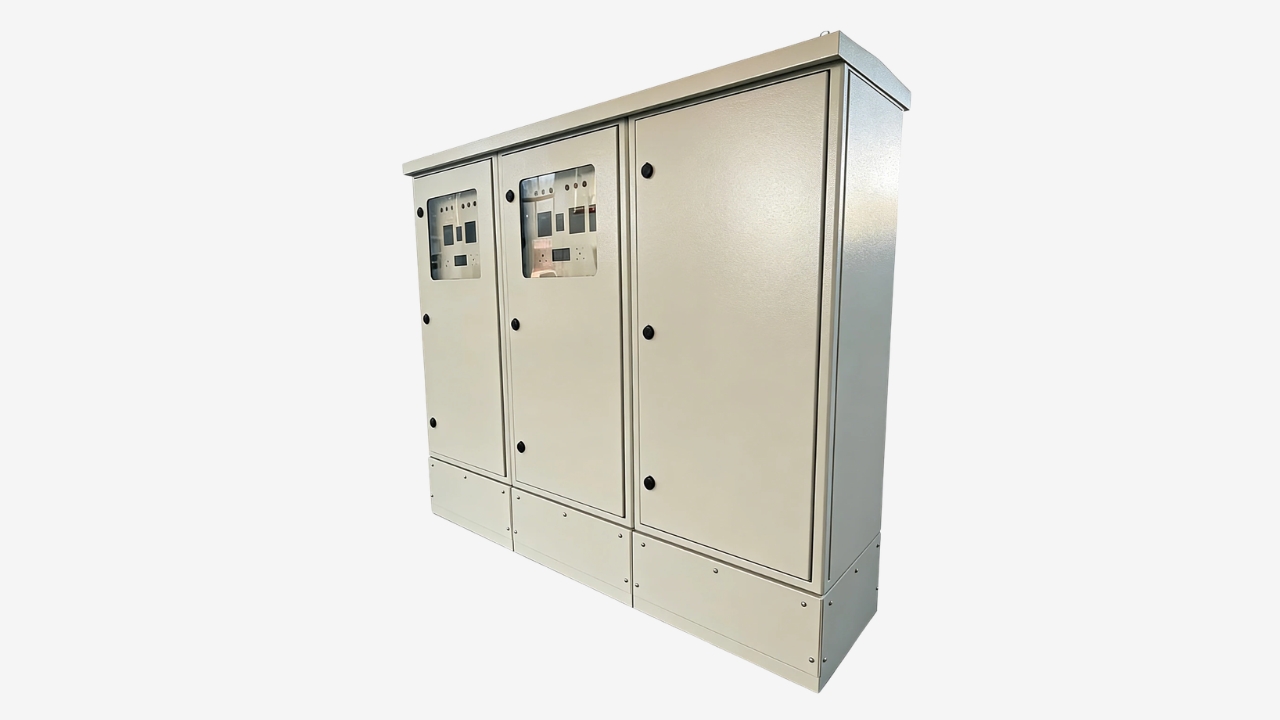
Choosing a reliable outdoor enclosure system helps you effectively manage various risks over the long term. KDM has years of industry experience and offers proven material selection processes and modular designs. We balance quality, cost, and customization needs to ensure the successful implementation of all types of industrial projects. Contact us anytime.
 French
  English
  Arabic
  Spanish
  Russian
  Japanese
  Korean
  Portuguese
  Indonesian
  Chinese