


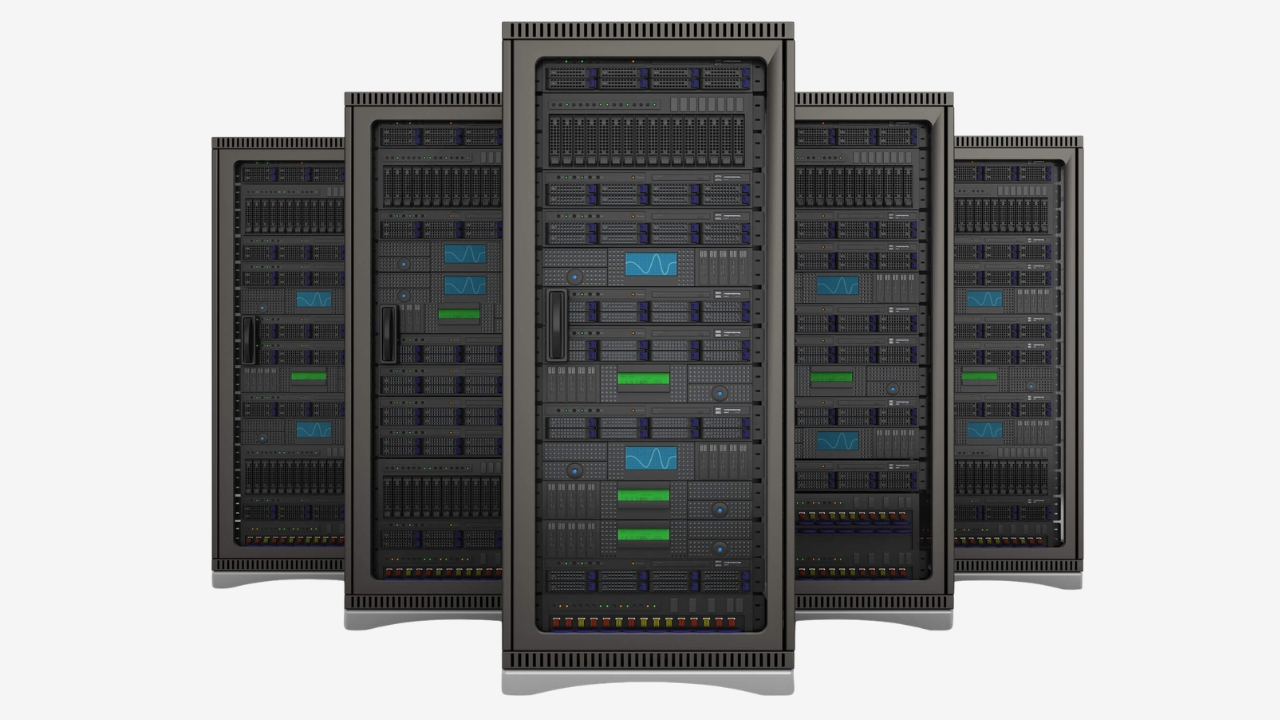
Rack servers are built for standard 19-inch racks. But do they really need a rack-mount to function properly? The answer isn’t always yes. Rack mounting may be an unnecessary expense. This article helps you understand when rack mounting is necessary so you can make better choices based on the project’s needs.
What Is a Rack Server?
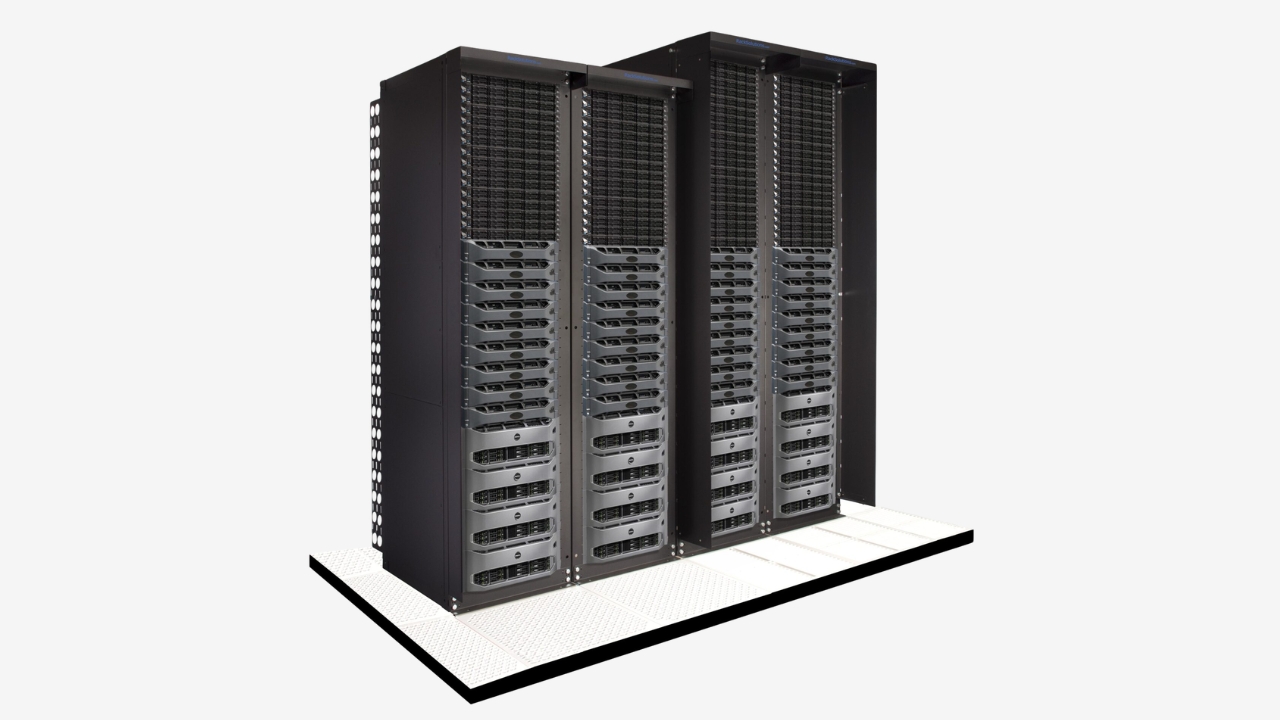
Rack servers are hardware designed for standard server racks. They are typically 19 inches wide and measured in U-units in height (1U, 2U, 4U).
Unlike tower servers, rack servers are long and compact. You can stack multiple servers vertically, which can help you save space and facilitate centralized management.
What Is Rackmount?
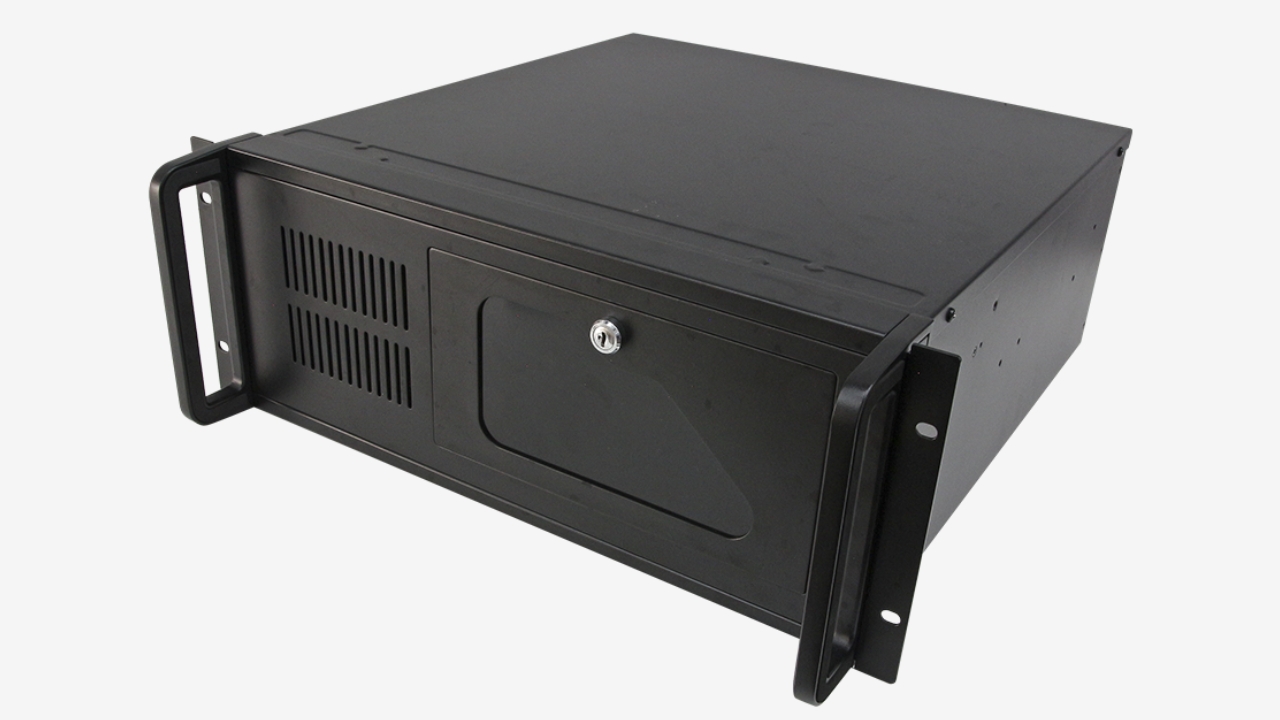
Rack mounting refers mainly to the methods and accessories used to secure rack servers into standard cabinets. Typical installation methods include rails, screws, etc., to secure the server to the cabinet’s uprights. The rack provides structural support, airflow management, and cable organization for your servers.
Do Rack Servers Always Need Rack Mounts?
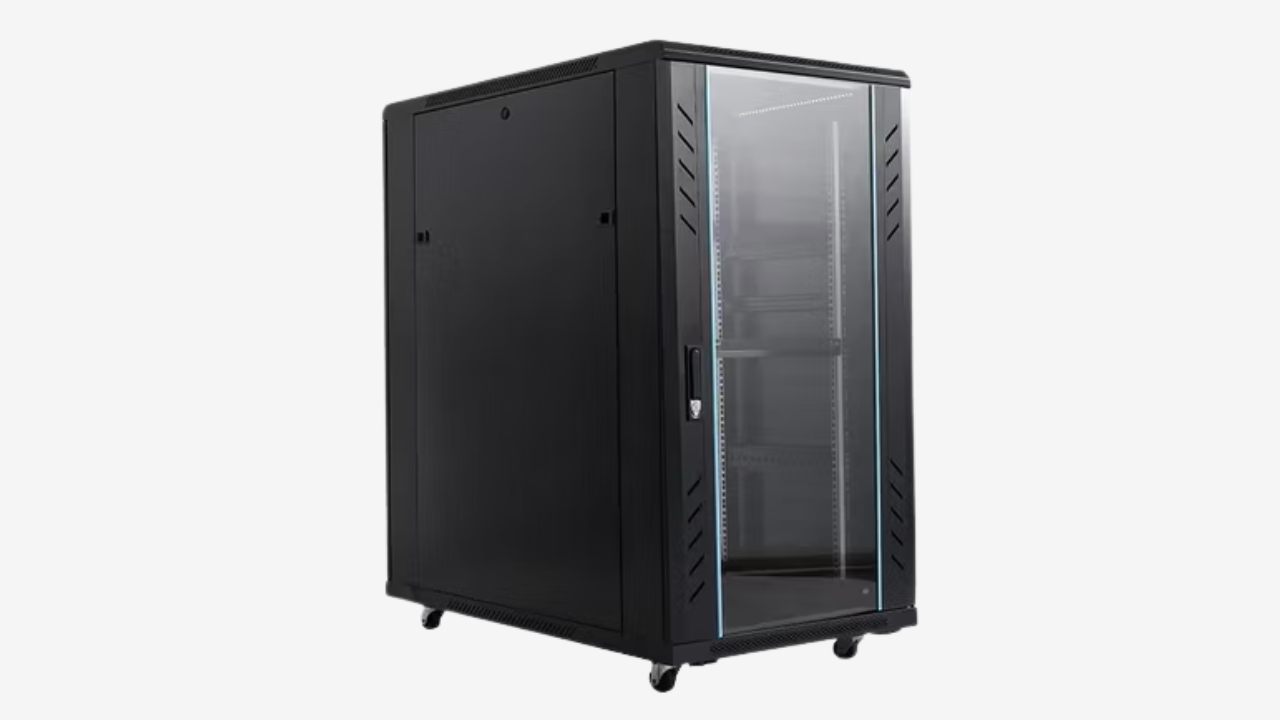
Rack servers don’t always require rack mounting to operate. But in most professional environments, we strongly recommend using a rack-mounted server. Rack servers are mounted on racks, which facilitate both high-density and organized deployments.
However, if your budget is limited, or you are conducting a temporary deployment, or using it for a test environment, rack mounting may be unnecessary or cost-ineffective for the application.
Next, we will analyze in detail under what conditions rack mounting is necessary, and when it is not necessary:
Rack Mounts are Essential:
Centres de données et salles de serveurs: If a server is installed in a high-density environment, you should use racks to organize multiple servers. Rack mounting guarantees a structured layout and optimized airflow. And this will benefit future maintenance and expansion.
Mission-Critical Applications: For high uptime systems, such as telecommunications networks and industrial automation, rack mounting can provide more stable physical support for the server. And it also reduces the risk of accidental damage to the server.
High-performance or Heat-Intensive Workloads: In such an environment, mounting servers on the rack guarantees consistent airflow and avoids mixing of hot and cold air.
Scalable IT Infrastructure: If servers and other hardware have expansion plans, using a rack mount is recommended. This will help with standardized deployment and cable management.
Rack Mounts are Unnecessary:
Small and Low-Density Deployments: This condition is more common in small offices. If you only have one or a small number of servers, using a rack mount will increase costs.
Lab and Testing Environments: In a development lab or temporary environment, you may prioritize flexibility over fixed structure. Servers may need to be moved or reconfigured frequently. Therefore, rack mounting is unsuitable here.
Temporary or Edge Installations: If a server is used for short-term projects or remote edge deployments, your space or budget will limit rack usage. In such conditions, the lightweight setup can be run without rack mounting.
Why Rack Servers Are Usually Rack-Mounted?
Optimisation de l'espace
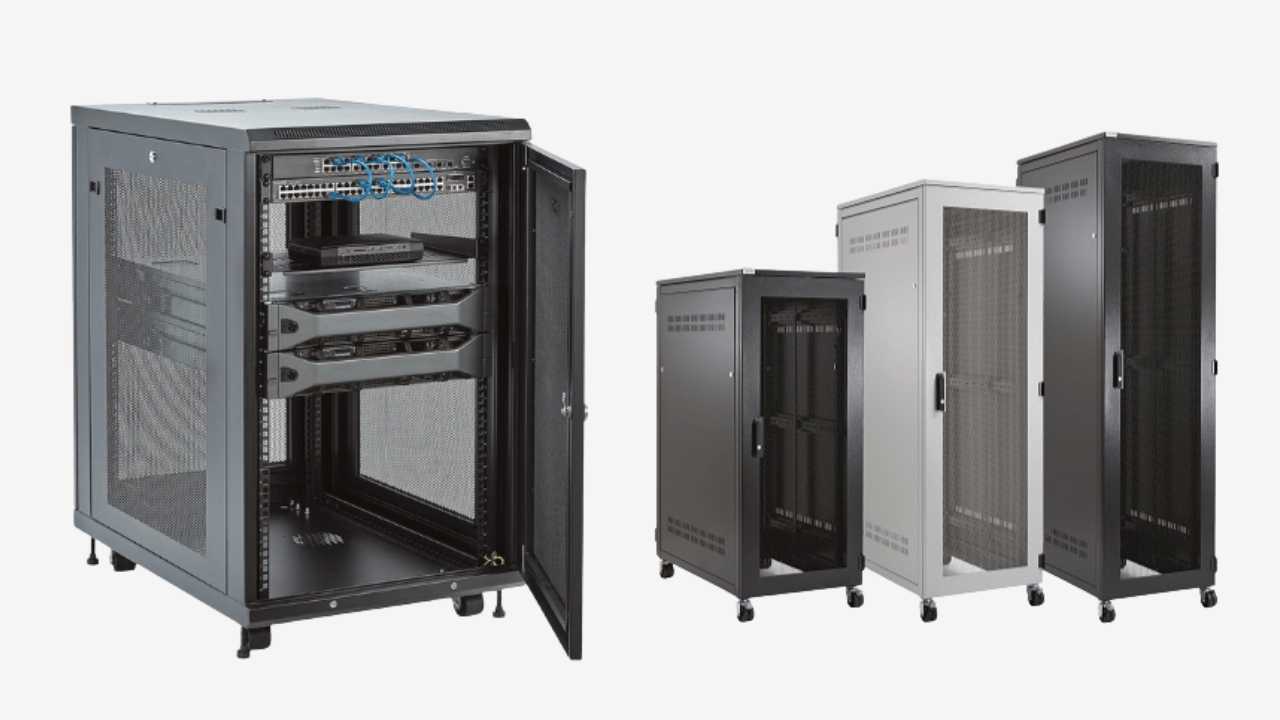
Rack mounting allows for maximizing the use of physical space. By stacking servers in standardized racks, more servers can be fitted in less space. For limited floor space, a rack-mounted server is advisable.
Évolutivité et flexibilité
Installing servers on the rack allows adding or removing servers without interrupting the entire system. And standardization guarantees a wide range of compatibility. If your business needs grow, you can do modular growth.
Better Airflow & Cooling
Rack-mounted servers guarantee that the front-to-back airflow of your equipment is consistent with the rack design. And the rack mounting is compatible with your hot aisle/cold aisle containment strategy. All of this improves cooling performance, which is beneficial to extending the service life and operating performance of the server.
Enhanced Equipment Protection and Stability
Rack mounting can provide secure physical support for servers. By using rails or brackets, the risk of accidental movement and damage to the server is greatly reduced.
Improved Cable Management
Rack mounting also supports structured and orderly wiring. You can use a dedicated cable manager to reduce cable clutter. This not only facilitates your troubleshooting but also helps improve operational efficiency and professional image.
How to Set Up a Rack Server Without a Rack Mount?
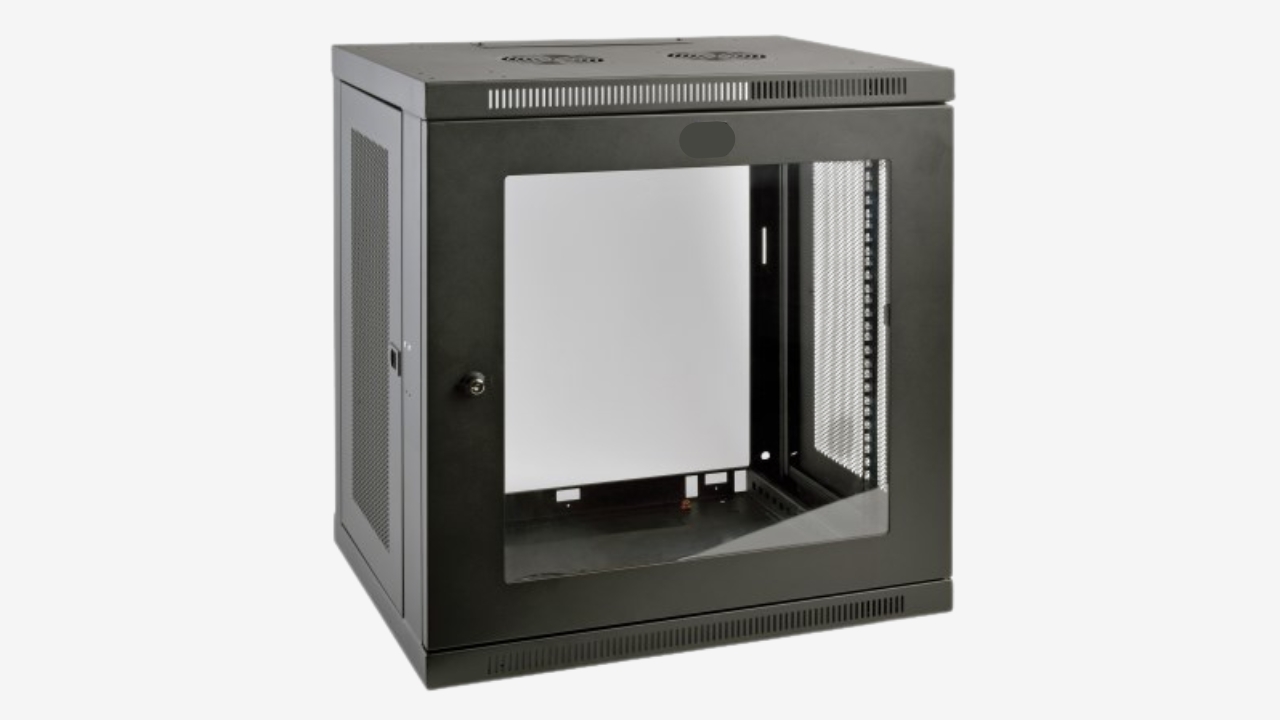
Running a rack server without a rack is often applied in temporary, low-density, or experimental environments. You need to provide support, airflow, organization, and protection to the operating environment.
Choose a Stable and Load-Bearing Surface
Rack servers are not as freely placed as tower PCs. It is usually long, flat, dense, and very heavy. Therefore, you need to use a sturdy, level surface, such as a metal shelf or open frame brackets.
Avoid placing servers on the ground or under tables, which can cause dust buildup or accidental damage to your servers. What’s more, the server should be placed away from high-traffic areas and vibrating environments.
Keep Proper Airflow Direction
Rack servers rely on front-to-back airflow, which is important for the server to cool internal components. Guarantee that the rack server is placed in a position where the front and rear airflow paths are unobstructed.
Leave sufficient space on both ends of the rack server. And, avoid placing rack servers against walls or in closed cabinets. Place your server in a well-ventilated room. When necessary, you can use an external fan and monitor the temperature of the rack server regularly.
Manage Cables Carefully
Without a rack, cable management can become disorganized. You can manage the cables using cable strips, clips, or brackets. If possible, you can separate power and data cables. Using labels also makes your server maintenance easier.
Besides, actively monitor the rack temperature and airflow of your servers and check for unusual noise or overheating.
Alternatives to Rack Servers
While rack servers are an ideal choice for high-density, scalable environments, they may also not be suitable for your business. Depending on your space, budget, and deployment needs, here are a few alternatives that can provide similar functionality.
Tower Servers (Best for Small Offices and Businesses)
Tower servers are similar to desktop PCs. As a standalone unit, it doesn’t need a rack mount and has lower initial cost. It can provide quieter operation in the office and is convenient for you to install and maintain.
Blade Servers
A blade server is a compact server module installed in a blade chassis. It provides you with shared power, heat, and network resources to support you in achieving high-density, centralized deployments. The setup of a blade server is more streamlined compared to a traditional rack server, with less cabling per blade.
Therefore, blade servers are ideal for use in virtualization-intensive environments or data centers with strict space constraints.
Wall-Mounted/Compact Enclosure Systems
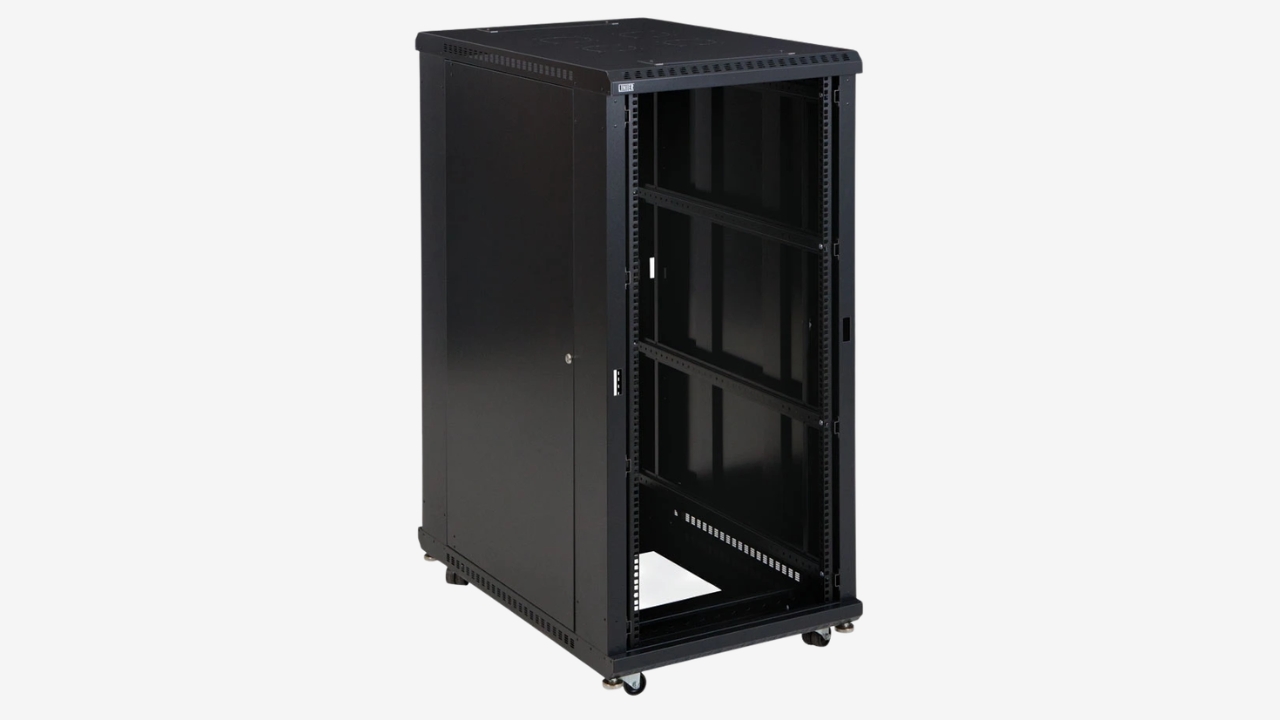
Small cabinets can hold your lightweight server equipment without a full rack. This type of cabinet saves space and reduces costs. It is more suitable for distributed deployment. So you can apply it to small network hubs or edge installations.
FAQ
Are Rack Mounts Necessary for Small Businesses?
Rack mounting is not necessary for small businesses. But as the business grows, it is usually beneficial. Small businesses with limited IT equipment can operate using tower servers or standalone devices. This can reduce upfront costs and simplify initial setup.
But as a business expands its infrastructure, rack mounting can help you improve space efficiency, cable organization, and airflow management.
What Happens If Equipment Is not Properly Rack-Mounted?
This can cause poor airflow and create hot spots. Cable maintenance becomes more difficult. And this may cause vibration damage due to unstable installation. In short, poor rack mounting can cause degraded device performance, difficult maintenance, and increased risk of hardware failure.
Is Rack-Mounted Equipment More Expensive?
Yes. Rack-mounted equipment is generally more expensive than non-rack-mounted equipment. But rack-mount equipment has better space utilization, easier maintenance, more reliability, and scalability. Rack-mounted equipment often has better long-term value in professional environments.
Can Rack-Mounted Equipment Be Used Outside of Data Centers?
Yes. It is commonly applied in environments such as telecommunications sites, industrial facilities, security systems, and edge computing locations. These setups typically use smaller racks or armoires murales. In these environments, equipment reliability requires appropriate environmental controls, including cooling, dust protection, and power stability.
What Size Rack Do I Need for My Equipment?
Rack size depends on the total height, depth, and future expansion needs of your equipment. You can calculate the U-position height of all the equipment you plan to install. Besides, you should leave 20-30% of the space for future expansion.
How Do You Decide If Rack Mounting Is Worth the Investment?
Simply put, if you need scalability, reliability, and efficient infrastructure management, rack mounting is worth the investment. Conversely, if you use it for temporary deployment or basic installation, rack mounting is not necessary for you.
Are Blade Servers Obsolete?
No. Blade servers are still valuable in high-density enterprise data centers where centralization, space efficiency, and power optimization are very important. However, many companies have shifted to hyperconverged infrastructure (HCI) and cloud-based solutions. These alternatives are more flexible and easier to scale.
Réflexions finales
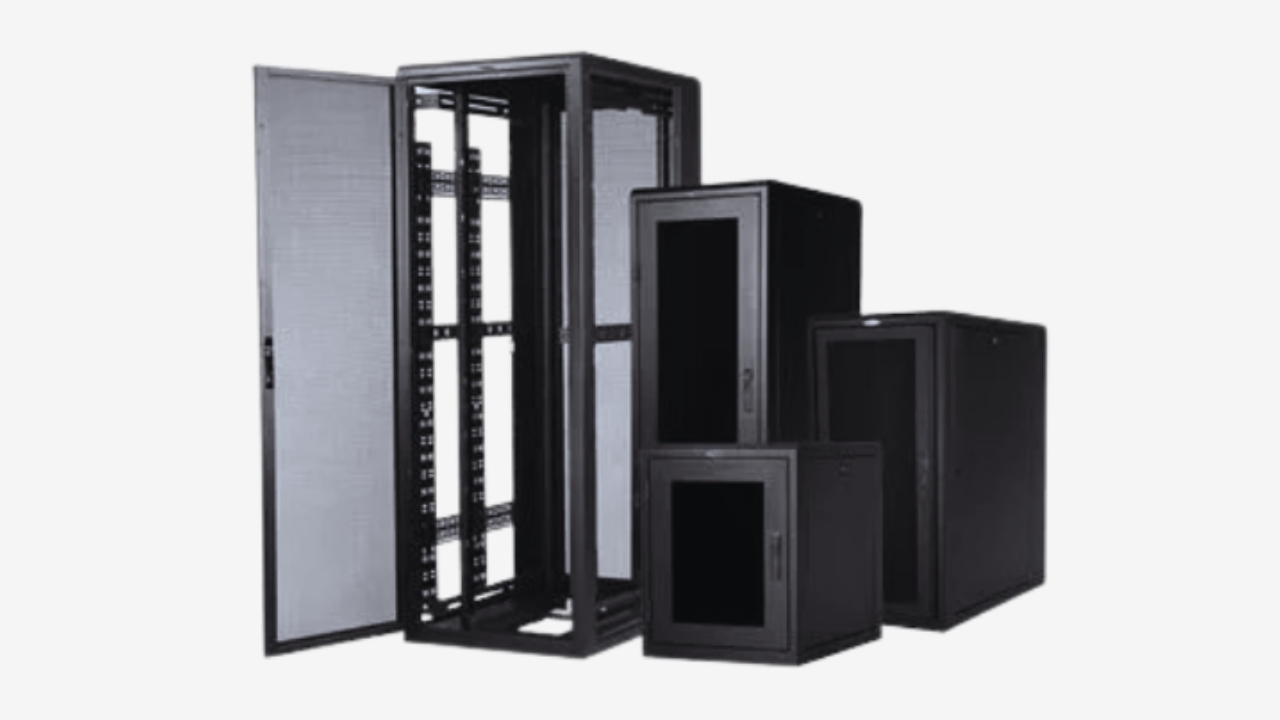
Rack mounting still has high long-term value for many businesses. As a professional electrical enclosure manufacturer, KDM can provide you with high-quality server racks and various boîtiers électriques. We also have a professional team to provide you with customized solutions if needed. Looking forward to serving you.
 French
  English
  Arabic
  Spanish
  Russian
  Japanese
  Korean
  Portuguese
  Indonesian
  Chinese