


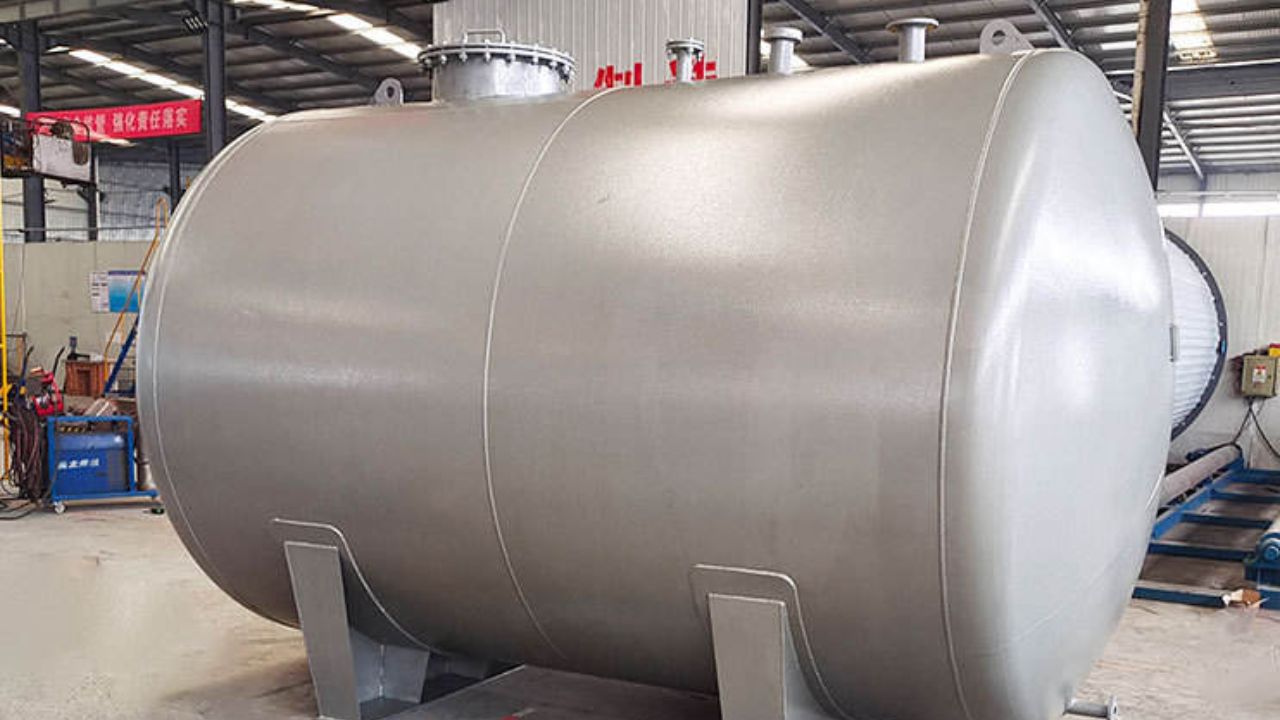
Choosing the wrong tank can cause safety problems, cost money to maintain, and even stop production. This article will explain the different types of oil storage tanks and what makes them special. It will also suggest when to use. This will help you choose the right tank for you.
Types of Oil Storage Tanks
Classified by oil product category:
Crude Oil Storage Tanks
Tanks for storing crude oil are usually found at oil fields or refineries. These places are where oil is produced and stored. These tanks often need special designs to deal with problems like temperature changes, rust, and wax build-up during storage. For example, many storage tanks have heating systems to keep the crude oil liquid. Most tanks are made of materials that don’t rust, which makes them last longer and prevents rust from damaging them. These storage tanks are also often designed with features that prevent oil spills from contaminating the environment.
Fuel Oil Tanks
Fuel oil storage tanks are usually used to store industrial oils or fuels for cars. Their design is simple. They focus on storage capacity and safety to hold a lot of fuel. Many tanks have special features to prevent leaks and monitor the water level. These systems help prevent fuel leakage and other safety issues.
Waste Oil Tanks
Waste oil storage tanks are used to contain waste oil from industrial production, vehicles, and other sources. It’s very important to consider the environment when designing these tanks. It’s crucial that they prevent waste oil from leaking to protect the environment. These tanks are usually made from strong, rust-resistant materials so they can last a long time without rusting. To make sure that waste oil is stored safely and protect the environment, these tanks need to be checked regularly.
Classified by structure and usage:
Aboveground Oil Tanks (AST)
Installing and maintaining aboveground storage tanks is actually quite straightforward, with relatively low initial investment costs. But these tanks need a lot of space and must meet strict fire safety standards. They are best used in large industrial sites like manufacturing plants. These places have a lot of space and strict rules about preventing fires.
Underground Oil Tanks (UST)
Underground fuel tanks save space because they are buried underground, so they don’t take up any space on the ground. They are also less affected by temperature changes and offer better protection against fire. However, if there are problems, maintenance is more difficult and expensive because they are located underground. Underground tanks are perfect for places that don’t have a lot of space, like airport fuel stations and areas that are important to the environment. Airports are usually located near densely populated areas and environmentally sensitive regions, which means there are special rules to protect the environment. Underground tanks use underground space to store fuel safely and efficiently, and they don’t look as bad as other tanks. They also protect against extreme weather and accidental damage. Airports must follow strict environmental rules. Underground tanks help prevent leaks and contamination, so they meet these requirements.
Single-Wall Oil Tanks
Single-walled tanks are relatively low-cost and easy to install. But for safety reasons, you must use them with external bunds. These tanks are good for places where there is little risk of accidental leakage. For example, in places with little risk of accidents, single-walled tanks are a cheap way to store oil.
Double-Wall Oil Tanks
Double-walled oil tanks have an inner protective wall and an external isolation layer. There is a void between the two layers. This void is designed to detect leaks. This construction effectively prevents contamination of the soil and groundwater. Double-walled tanks are a great choice, especially in areas that are important to the environment. They meet strict safety standards and keep oil and gas secure, for a total of two layers of protection.
Modular / Skid-Mounted Oil Tanks
These oil tanks combine the tank body, pumps, piping, and control systems into one unit. This makes installation up to 60% faster. This makes them perfect for short-term projects, quick growth, or emergencies. They can also be set up in different places quickly to meet different needs. They can be used for temporary oil storage or emergency situations. This helps businesses save time and money.
Vertical Oil Tanks
Vertical oil tanks are great for spaces that don’t have much room on the ground. They can store a lot of oil (usually more than 5,000 gallons), but they don’t take up much space. Their vertical design makes the best use of the land. In cities or other areas where space is limited, vertical tanks can help store fuel more efficiently without using valuable floor space. This means that they can be used in small spaces.
Horizontal Oil Tanks
Horizontally positioned oil tanks are easy to install and can be moved at any time. This makes them great for storing medium amounts of petroleum products, like at gas stations or fuel transfer stations. Their flexible design makes them a practical choice for storing petroleum products, especially in places where space is limited and things are moved around a lot.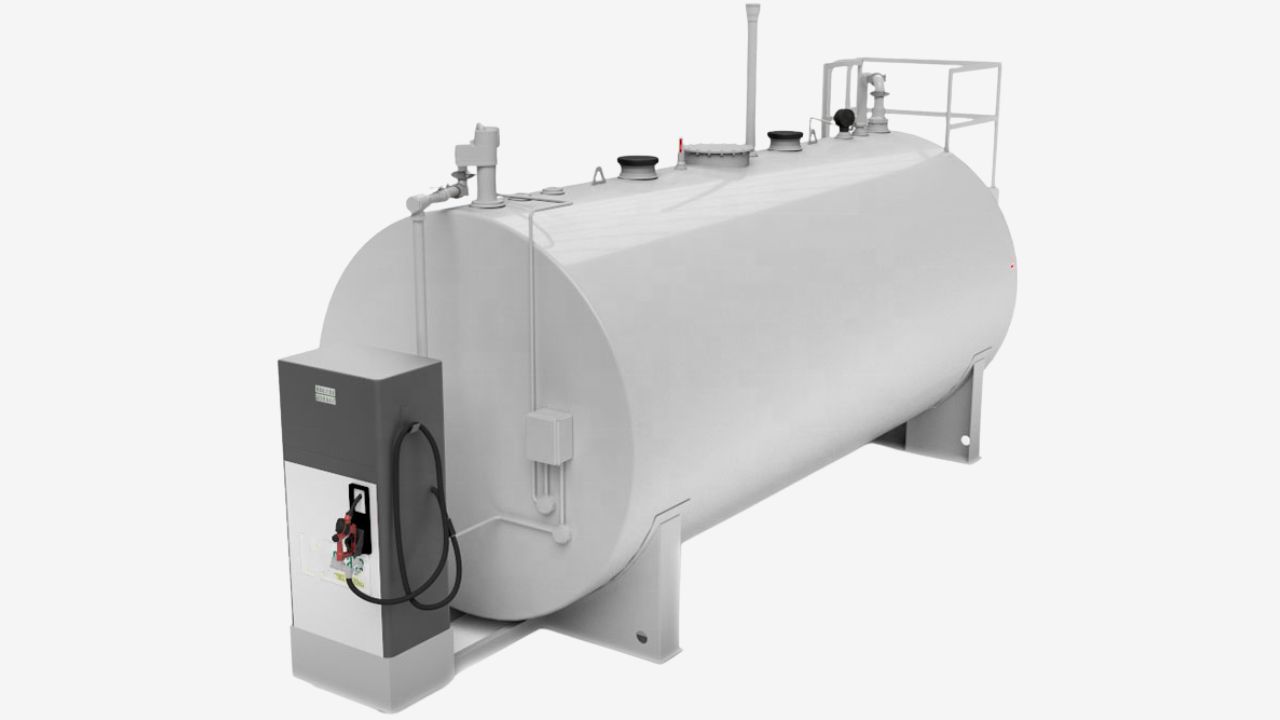
Defining Your Oil Storage Tanks Project Detailed Requirements
What type of oil will you store?
The type of tank material and internal coating depends on the oil’s properties, like how easily it can be damaged, how thick or thin it is, and how easily it evaporates. For example, if you’re storing biodiesel or waste oil, you might need stainless steel or special coatings to keep things safe and lasting.
Capacity Planning
When choosing storage tanks, you should think about how much you need to store, how often you will use them, and if you will need more in the future. For high-turnover operations, choose tanks with optimised diffusers and efficient extraction systems. When it comes to strategic reserves, the most important thing to consider is the cost per unit of capacity. This makes sure that storage needs are met while keeping operational costs low.
Location Considerations
Where you choose to put your oil tank is very important. You should think about where you’re going to put it. Will it be indoors or outdoors? What is the weather like? Is it near water? And is it in an area where there are a lot of earthquakes? These factors all influence the tank’s design and safety. For example, if it is in a damp or highly corrosive environment, it may need a special coating to protect it. If it is in an area where there are a lot of earthquakes, the tank must be made stronger to ensure safety.
Key Selection Factors
Caractéristiques de sécurité
Safety is very important. Overflow protection devices keep things from leaking and spilling, which helps keep things safe. At the same time, fire suppression systems help prevent fires. These measures make storage tanks last longer and help find leaks faster. This reduces environmental risks and ensures smooth daily operations.
Conformité réglementaire
It is essential that storage tanks meet environmental standards, fire safety regulations, and local building codes. In these situations, it is usually necessary to use materials that can resist fire, along with systems that ensure the safe shutdown of the equipment in an emergency. Industry certifications, such as API or UL, show that your tanks meet the necessary safety and quality standards.
Maintenance & Lifespan Optimisation
A good maintenance plan can make storage tanks last longer. High-quality protective coatings reduce the need for maintenance, and tanks designed for easy inspection and repair minimize downtime. Investing in durable, high-performance tanks from the start can save money in the long run.
Cost Analysis Framework
When buying a fuel tank, you should think about the initial costs of buying and installing it. You should also think about long-term costs, such as how much energy it will use, how much maintenance it will need, and how much insurance will cost. When figuring out how much it will cost to remove the tank, you also need to consider how much it will be worth when you’re done using it.
Although the initial investment may seem expensive, this approach actually saves money over time. If you choose durable and efficient tanks from the beginning, you can reduce future repairs, replacements, and breakdowns, which will lead to a better return on investment.
FAQ:
1. What safety monitoring systems are required for an oil storage tank?
A complete system should include continuous leak detection, spill containment, and corrosion monitoring, as well as pressure and temperature sensors. Double-walled tanks with an intermediate monitoring system provide the highest level of protection.
2. What should be considered for routine oil storage tank maintenance?
Routine maintenance includes checking things periodically, stopping corrosion, checking valves and seals, and adjusting monitoring systems.
3. For routine oil storage tank maintenance, what are the most common oversight points that lead to failures?
Some common problems are not checking the inside of the equipment, not testing the leak detection system, or not cleaning the ventilation systems well enough.
4. What is the lifespan of a steel oil storage tank?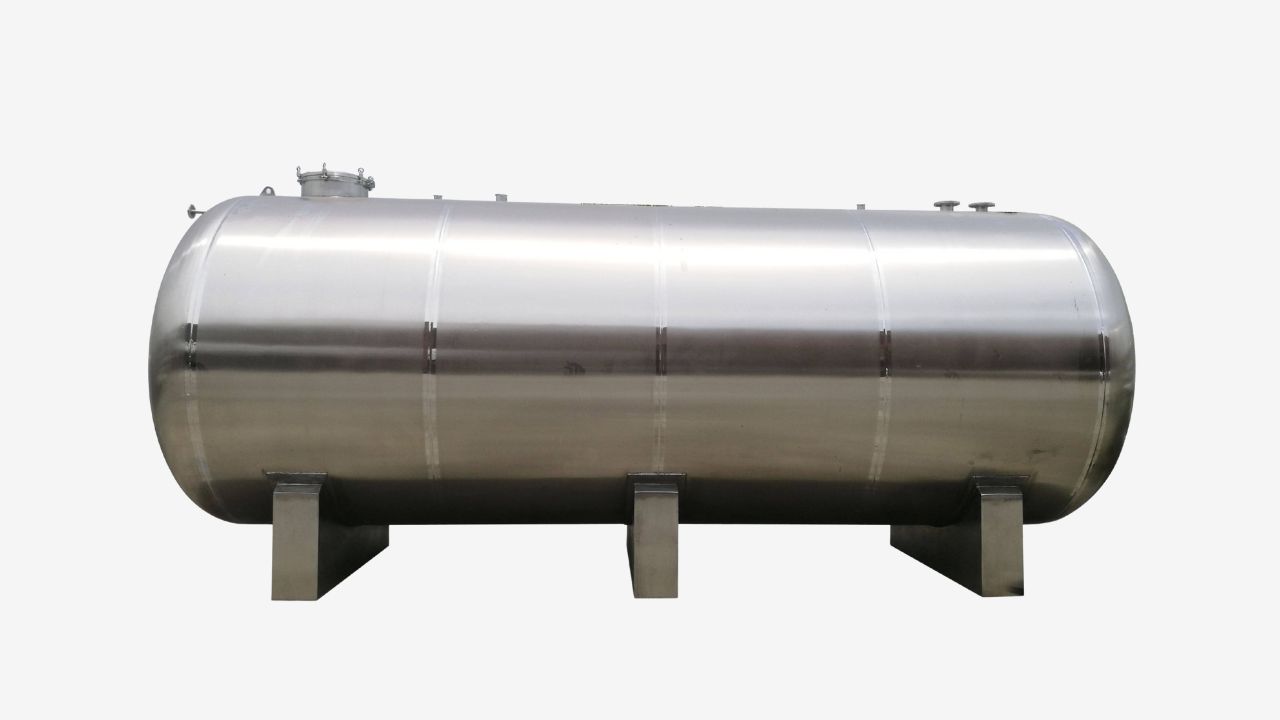
The typical service life of steel oil tanks above ground is 20 to 30 years, whilst underground tanks generally last 15 to 20 years. This depends on routine maintenance, environmental factors, and the adequacy of anti-corrosion measures. With regular inspection and upkeep, the operational lifespan of oil tanks can be extended.
5. Difference between bolted and welded oil tanks?
The main difference between these two types of oil tanks is how they are built. Bolted tanks are made up of individual panels that are put together on-site using bolts. Welded tanks are made by welding steel plates together to form a single, whole structure.
6. How do waste oil storage tanks differ from regular oil storage tanks?
Tanks used to store waste oil usually need to be made stronger to protect against rust, because waste oil can contain chemicals that can cause rust. In addition, such tanks must meet environmental regulations to prevent pollution. On the other hand, standard oil storage tanks are used for unused petroleum products and have less strict requirements.
7. Where are waste oil storage tanks used?
Waste oil storage tanks are used in many industries. For example, industrial plants use them to collect waste oil from production equipment and machinery. Automotive workshops use them to store used engine oil and lubricants. And power stations use these tanks to store waste oil generated during equipment operation. In addition, these storage tanks are used at waste oil recycling centers to collect and reuse waste oil. These storage tanks are important because they prevent waste oil leaks and protect the environment.
Réflexions finales
This article will explain what oil tanks are and how they are used. Oil tanks are very important for storing energy and making sure that oil production is safe and efficient. So, when storing fuel for industrial or agricultural machinery, or stockpiling petrochemicals, picking the right oil tank not only makes things run more smoothly but also saves money.
KDM provides professional and reliable tank solutions for many industries, including refineries, chemical plants, power stations, fuel depots, airports, edible oil processing facilities, and agricultural production. We use proven manufacturing processes and strict quality control to make sure our tanks are strong and safe. We also offer custom design services to make sure your tanks meet your specific needs, like size, materials, and where you want to put them.
If you have any problems while selecting, using, or maintaining your storage tanks, please contact us. We will provide solutions that meet your needs and ensure the smooth operation of your industrial processes.
 French
  English
  Arabic
  Spanish
  Russian
  Japanese
  Korean
  Portuguese
  Indonesian
  Chinese