


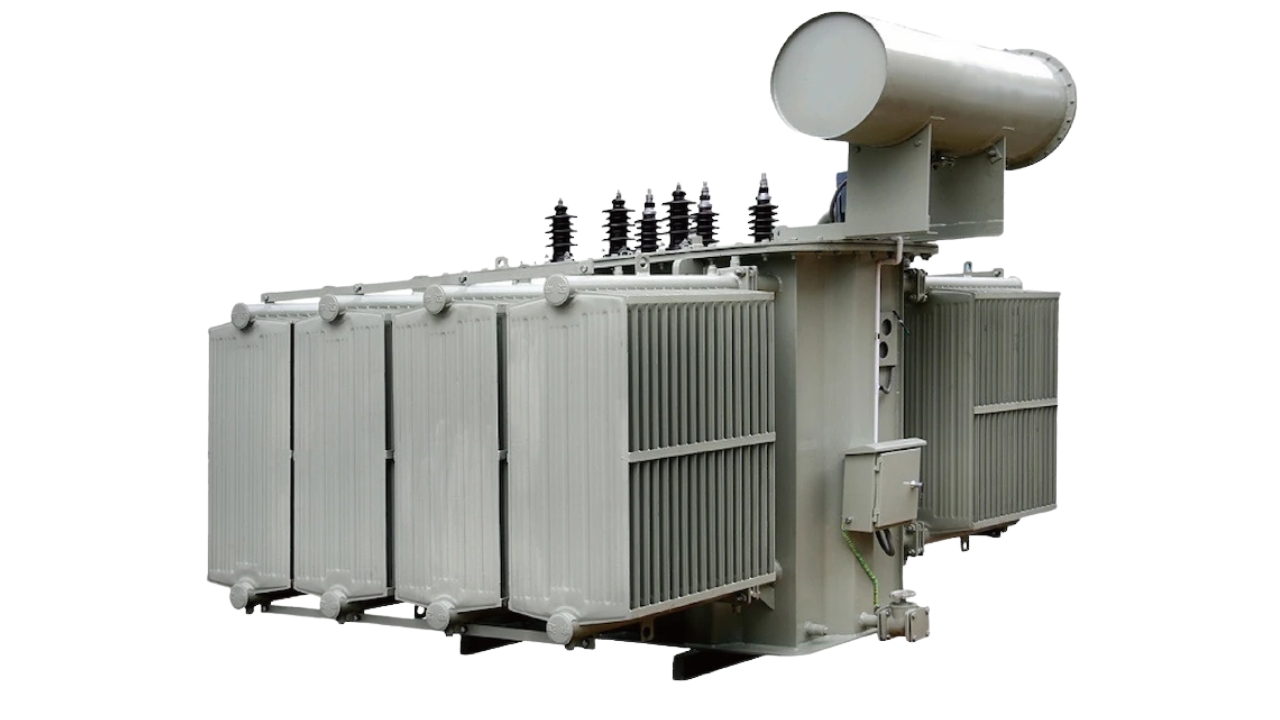
Dans les réseaux électriques modernes, les transformateurs triphasés jouent un rôle essentiel pour garantir une conversion de tension stable et efficace. Cet article explique aux ingénieurs électriciens et aux intégrateurs de systèmes le fonctionnement, les configurations et les différents types de transformateurs triphasés, afin de les aider à faire les choix les plus adaptés à leurs projets.
Qu'est-ce qu'un transformateur triphasé ?
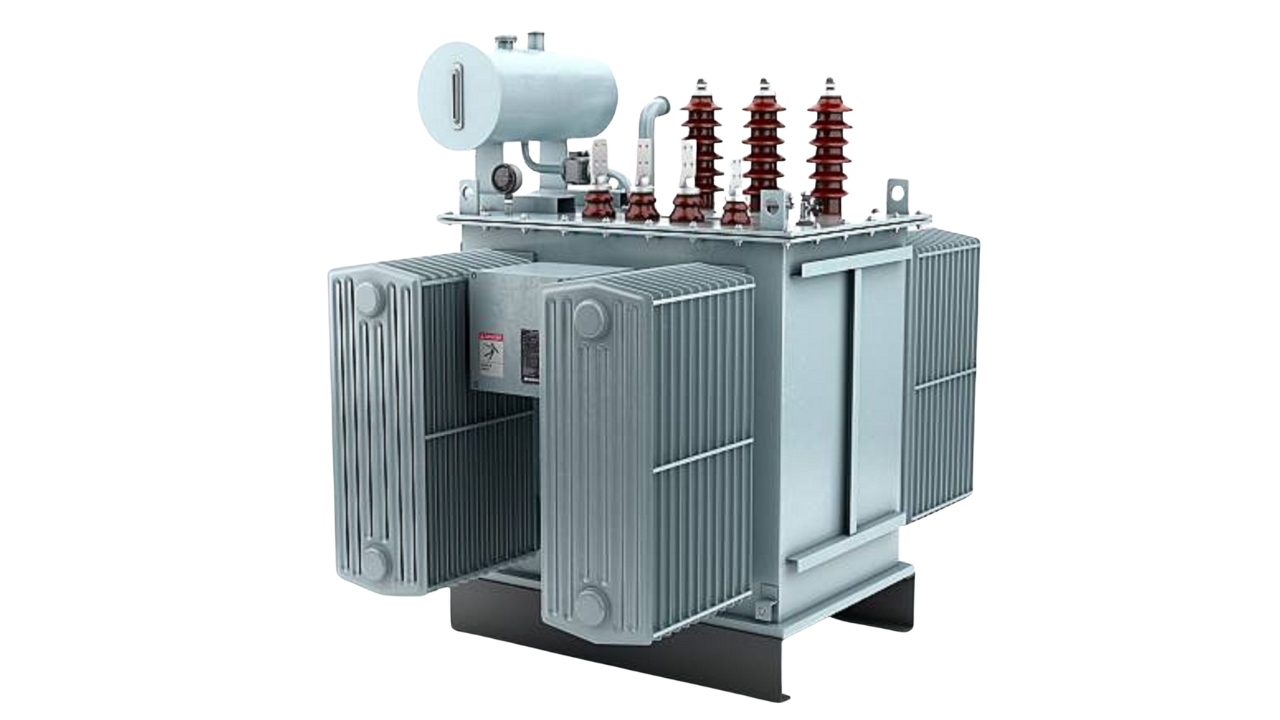
Un transformateur triphasé est un appareil électrique utilisé dans un réseau triphasé à courant alternatif pour transmettre l'énergie électrique entre deux ou plusieurs circuits. Son fonctionnement repose principalement sur le principe de l'induction électromagnétique. L'énergie est transférée de l'enroulement primaire à l'enroulement secondaire par l'intermédiaire du champ magnétique, ce qui permet d'élever ou d'abaisser la tension.
Il peut gérer simultanément trois courants alternatifs, chacun déphasé de 120° par rapport aux autres. Les transformateurs triphasés sont largement utilisés dans la production, le transport, la distribution et la consommation industrielle d'électricité.
Composants d'un transformateur triphasé
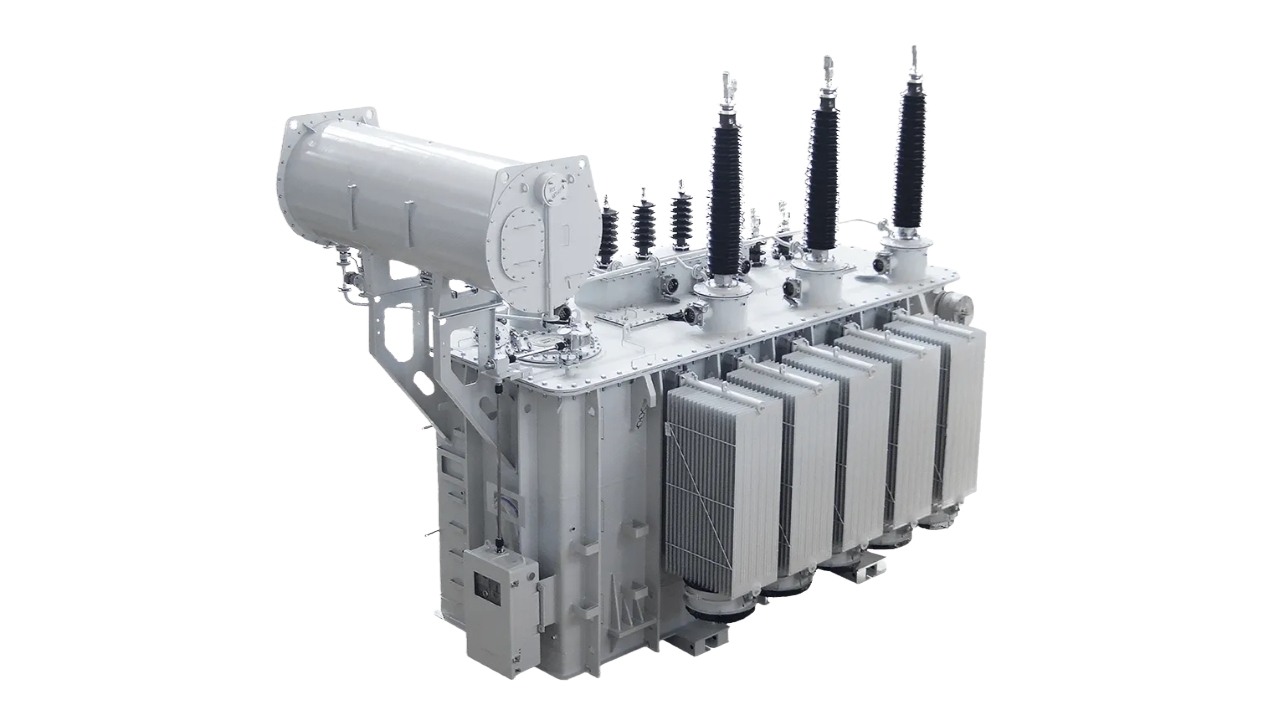
IsolationIl sert principalement à isoler l'enroulement et le noyau, empêchant ainsi les courts-circuits. Les matériaux isolants sont principalement l'huile, le gaz et le papier.
CœurLes noyaux sont généralement constitués d'acier au silicium laminé afin de réduire les pertes d'énergie et de permettre la circulation du flux magnétique. On distingue deux types de noyaux : les noyaux à noyau et les noyaux à enveloppe.
EnroulementL'enroulement, généralement en cuivre ou en aluminium, sert à convertir l'énergie électrique en tension. Il permet d'obtenir une conversion de tension grâce au rapport de spires.
RéservoirIl sert à stocker l'huile isolante et à protéger les enroulements et les noyaux du transformateur contre les influences extérieures.
Pause : Il permet à l'air d'entrer et de sortir pour égaliser la pression, tandis qu'un diffuseur en gel de silice empêche l'humidité de pénétrer dans le transformateur.
Circuit de refroidissementLe système de refroidissement fait circuler un fluide caloporteur (eau/huile) dans des tubes afin de dissiper la chaleur de l'huile, qui retourne ensuite au noyau et aux enroulements. Les principaux procédés de refroidissement utilisés sont ONAN, ONAF, AN et AF.
Capteurs de températureCes capteurs surveillent les températures des enroulements et de l'huile afin de garantir un fonctionnement sûr.
Types de transformateurs triphasés
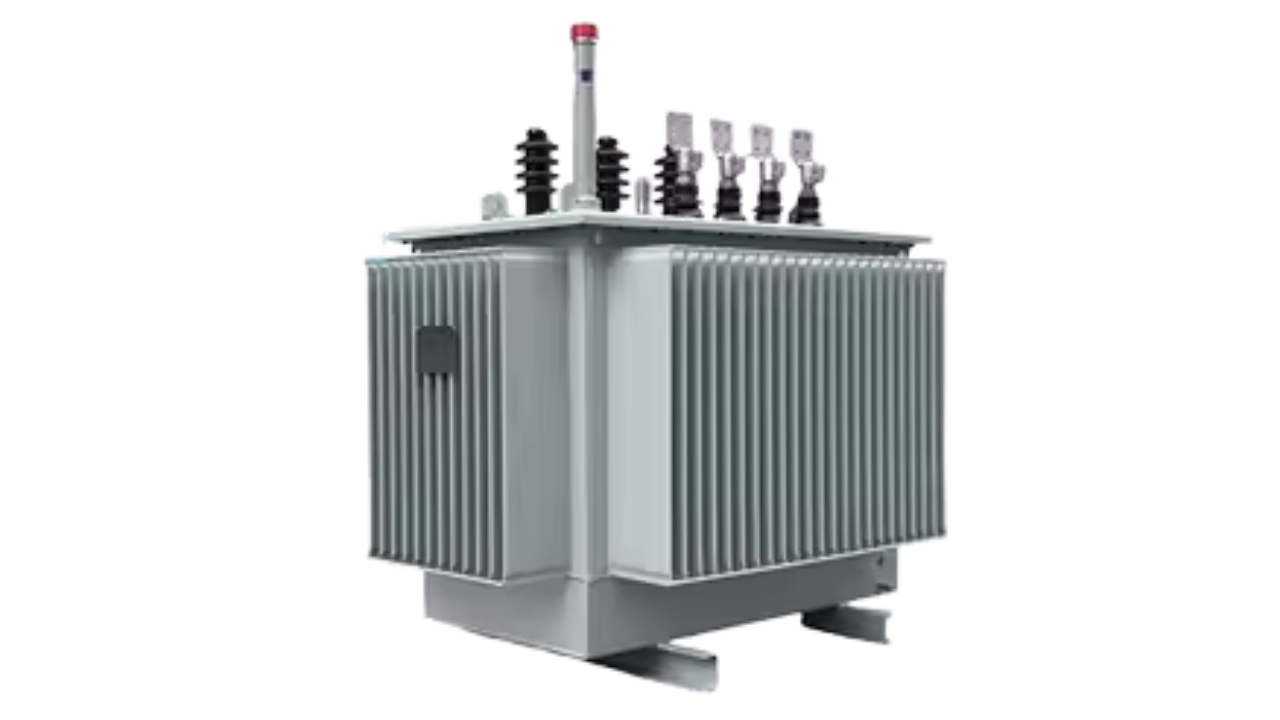
Les transformateurs triphasés peuvent être classés selon leur construction, leur câblage, leur mode de refroidissement et leur application. Comprendre les différents types de transformateurs triphasés est essentiel pour choisir celui qui convient le mieux à votre projet.
Transformateur triphasé à noyau
Le noyau comporte trois branches. Les enroulements primaire et secondaire sont répartis uniformément sur chaque branche. Ceci permet au flux magnétique triphasé de partager un chemin de retour à travers les branches extérieures. Il s'agit également d'une conception simple pour la distribution d'énergie haute tension. De plus, elle facilite la dissipation thermique et la maintenance.
Transformateur triphasé de type coque
Les transformateurs triphasés à noyau tubulaire possèdent un noyau qui entoure les enroulements. Ils utilisent souvent une structure à cinq colonnes pour assurer une meilleure résistance mécanique et une répartition optimale du flux magnétique.
De plus, son noyau étant majoritairement exposé au refroidisseur, il offre de meilleures performances de refroidissement. Par ailleurs, sa résistance aux courts-circuits réduit les courants de fuite. Il peut être utilisé dans des systèmes industriels exigeants ou des applications basse tension.
Transformateur sec
Les transformateurs triphasés à sec se distinguent par leurs méthodes de refroidissement et d'isolation. L'isolation des enroulements est assurée par l'air ou par des matériaux solides (résine ou vernis). Parmi les types courants, on trouve les transformateurs à résine coulée et les transformateurs imprégnés sous vide (VPI). Le refroidissement peut être assuré par convection naturelle ou par ventilation forcée.
Les transformateurs triphasés à sec ne présentent aucun risque de fuite d'huile ni d'incendie. Écologiques et nécessitant peu d'entretien, ils sont parfaitement adaptés aux environnements intérieurs ou critiques pour la sécurité.
Comparés aux transformateurs à bain d'huile, les transformateurs secs ont une efficacité de refroidissement inférieure et une capacité limitée pour les applications à très haute puissance.
Comment fonctionne un transformateur triphasé ?
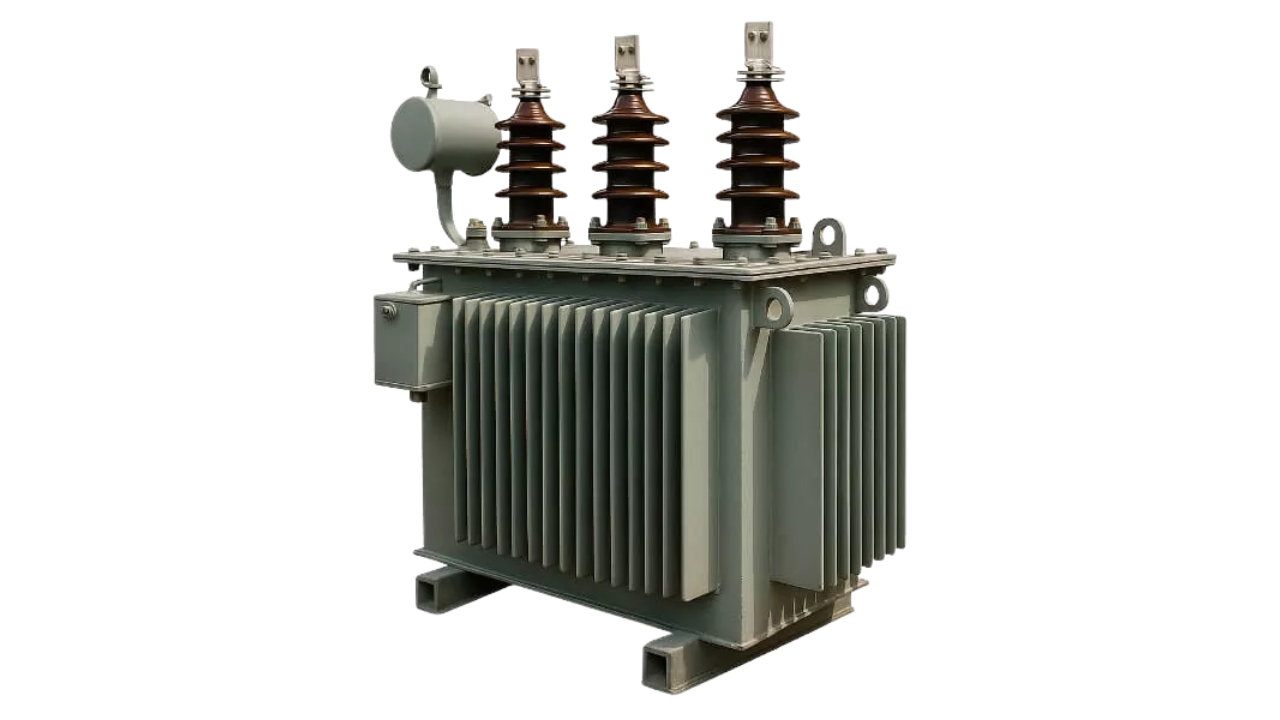
Le transformateur triphasé fonctionne selon le principe de l'induction électromagnétique. Lorsqu'un courant alternatif triphasé traverse l'enroulement primaire, chaque phase transporte une puissance alternative. Ces courants sont déphasés de 120° entre eux.
Le courant génère un flux magnétique alternatif dans le noyau du transformateur. Ce flux magnétique induit une tension dans l'enroulement secondaire, permettant ainsi le transfert d'énergie de l'entrée à la sortie sans contact électrique direct.
Le niveau de tension d'un transformateur triphasé varie selon le rapport de transformation entre l'enroulement primaire et l'enroulement secondaire. Si l'enroulement secondaire comporte plus de spires, il s'agit d'un transformateur élévateur. Si l'enroulement secondaire comporte moins de spires, il s'agit d'un transformateur abaisseur.
Un transformateur triphasé génère un champ magnétique tournant. Son flux magnétique total reste quasiment constant et présente un déphasage de 120°. Par conséquent, un transformateur triphasé permet d'obtenir une alimentation électrique plus stable et continue. De plus, il réduit les vibrations et les pertes. Les transformateurs triphasés sont plus efficaces que les transformateurs monophasés. transformateurs monophasés.
Avantages des transformateurs triphasés
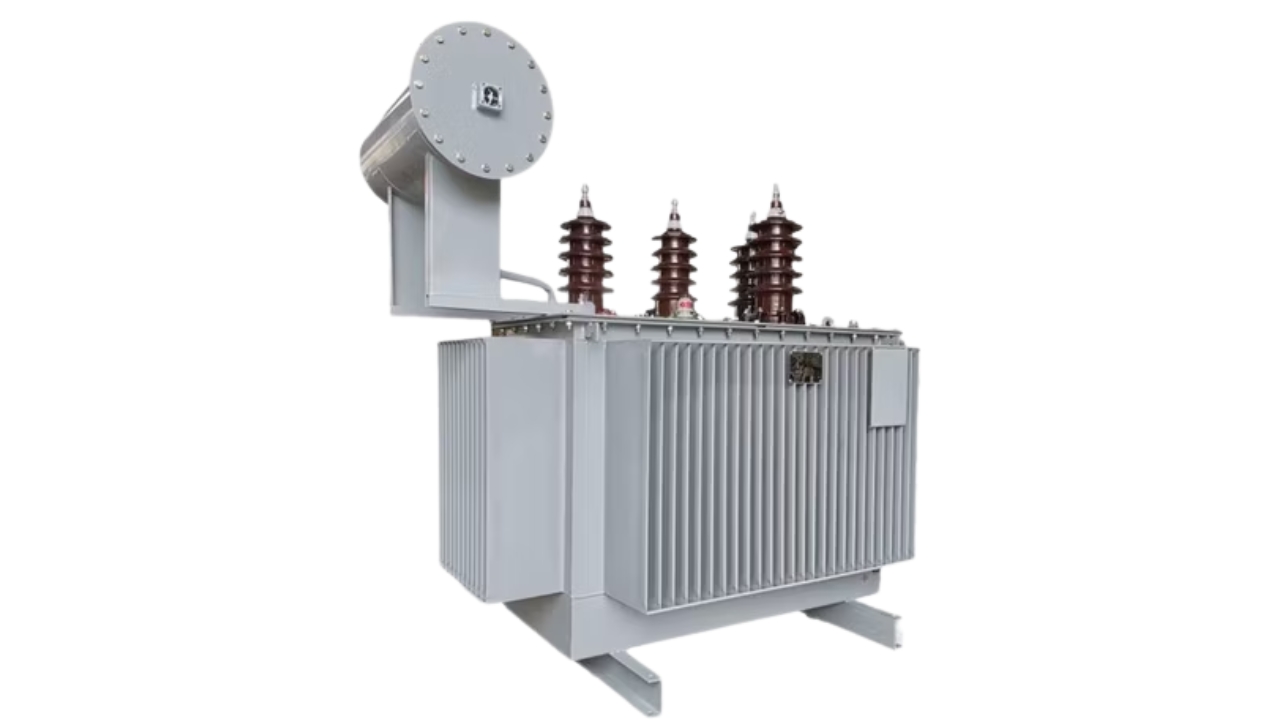
une efficacité énergétique accrue
La transmission de puissance du transformateur triphasé est plus stable et sans fluctuations notables. Il en résulte un transfert d'énergie plus fluide et une efficacité globale du système améliorée. Le transformateur triphasé présente également des pertes d'énergie réduites en fonctionnement. Il est parfaitement adapté aux opérations continues et à grande échelle.
Puissance de sortie continue et stable
Le déphasage de 120° garantit une alimentation électrique continue, sans coupure. L'utilisation d'un transformateur triphasé permet de réduire les fluctuations de tension et d'améliorer les performances des appareils sensibles et énergivores. De plus, elle diminue les risques d'interruption de production.
Capacité de gestion de puissance plus élevée
Les transformateurs triphasés sont conçus pour les applications exigeantes. Ils supportent efficacement les fortes charges électriques et garantissent un fonctionnement fiable même sous charge continue. De plus, ils peuvent alimenter des équipements industriels de forte puissance. Pour les secteurs de la production et de l'énergie, les transformateurs triphasés constituent un équipement essentiel.
Flexibilité dans la configuration du système
Il est possible de réaliser différents types de connexions (étoile, triangle et combinaisons) sur un transformateur triphasé. Ces différentes options de connexion permettent de répondre aux besoins spécifiques de votre système. Cette configuration flexible facilite son intégration dans divers réseaux électriques. De plus, le transformateur triphasé s'adapte également à différentes exigences en matière de tension et de mise à la terre.
Équilibrage de charge amélioré
Le transformateur triphasé répartit uniformément la puissance entre les trois phases, réduisant ainsi le risque de surcharge monophasée. Il contribue également à améliorer la stabilité de votre système et à prolonger la durée de vie de votre appareil.
Coûts d'installation et d'exploitation réduits
Le transformateur triphasé réduit la quantité de matériaux utilisés pour le noyau, l'enroulement et le boîtier. Comparé aux batteries de transformateurs, il est plus simple et moins coûteux à installer, et nécessite moins d'entretien.
Connexions du transformateur triphasé
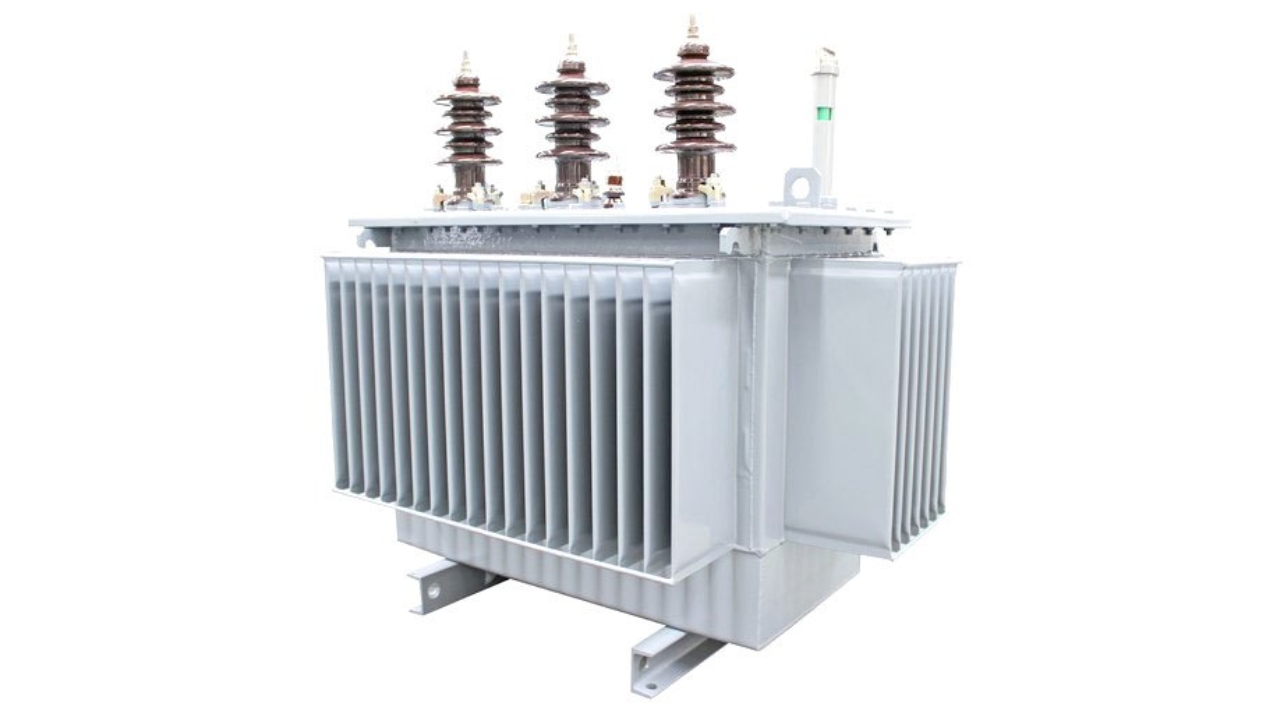
Le raccordement d'un transformateur triphasé concerne principalement la connexion électrique entre les enroulements primaire et secondaire. Différents types de raccordement influent directement sur les niveaux de tension et de courant, la protection de la mise à la terre du système et les systèmes associés.
Star Connection
Le montage en étoile comprend quatre bornes et trois enroulements. Ces trois enroulements forment un circuit triphasé. Une extrémité de chaque enroulement est reliée à la quatrième borne, qui constitue le point neutre commun. Ce montage permet d'alimenter chaque enroulement en basse tension, ce qui réduit les exigences en matière d'isolation.
Ce mode de connexion convient aux applications haute tension et peut alimenter des charges monophasées et triphasées. Cependant, il est plus sensible aux déséquilibres de charge et nécessite une mise à la terre pour un fonctionnement stable.
Delta Connection
Le couplage en triangle est un circuit fermé formé par la connexion bout à bout de trois enroulements. Ce type de couplage ne comporte pas de point neutre et permet de gérer efficacement les charges déséquilibrées.
De plus, en cas de défaillance d'une phase, le circuit peut continuer à fonctionner. Cependant, il exige alors une isolation renforcée. Surtout, sans modification du circuit, il est impossible d'alimenter directement des charges monophasées.
Types de connexion courants pour transformateurs triphasés
Connexion étoile-étoile
Les circuits primaire et secondaire sont tous deux connectés en étoile. Chaque circuit possède un point neutre. Ce type de connexion est couramment utilisé dans le transport d'énergie à haute tension. Cependant, il exige une mise à la terre du neutre rigoureuse afin d'éviter toute instabilité. Cette méthode peut être employée dans les systèmes de transport d'énergie.
Connexion Delta-Delta
Ce mode de connexion est très fiable, mais ne comporte pas de point neutre. Il offre d'excellentes performances sous charges déséquilibrées et peut être utilisé pour les moteurs à forte charge dans les systèmes industriels.
Connexion étoile-delta
Le primaire est câblé en étoile et le secondaire en triangle. Ce type de câblage est fréquemment utilisé pour l'abaissement de tension. Il supporte parfaitement les charges industrielles importantes et peut être appliqué dans les installations industrielles et pour les moteurs.
Connexion Delta-Star
Le primaire est connecté en triangle, et le secondaire en étoile. Un point neutre est disponible côté secondaire. Ce type de connexion est le plus courant. Il est généralement utilisé pour élever la tension et fournir une tension de sortie stable. On peut l'appliquer aux réseaux de distribution d'énergie ou aux systèmes d'alimentation électrique commerciaux et industriels.
Tensions et courants triphasés
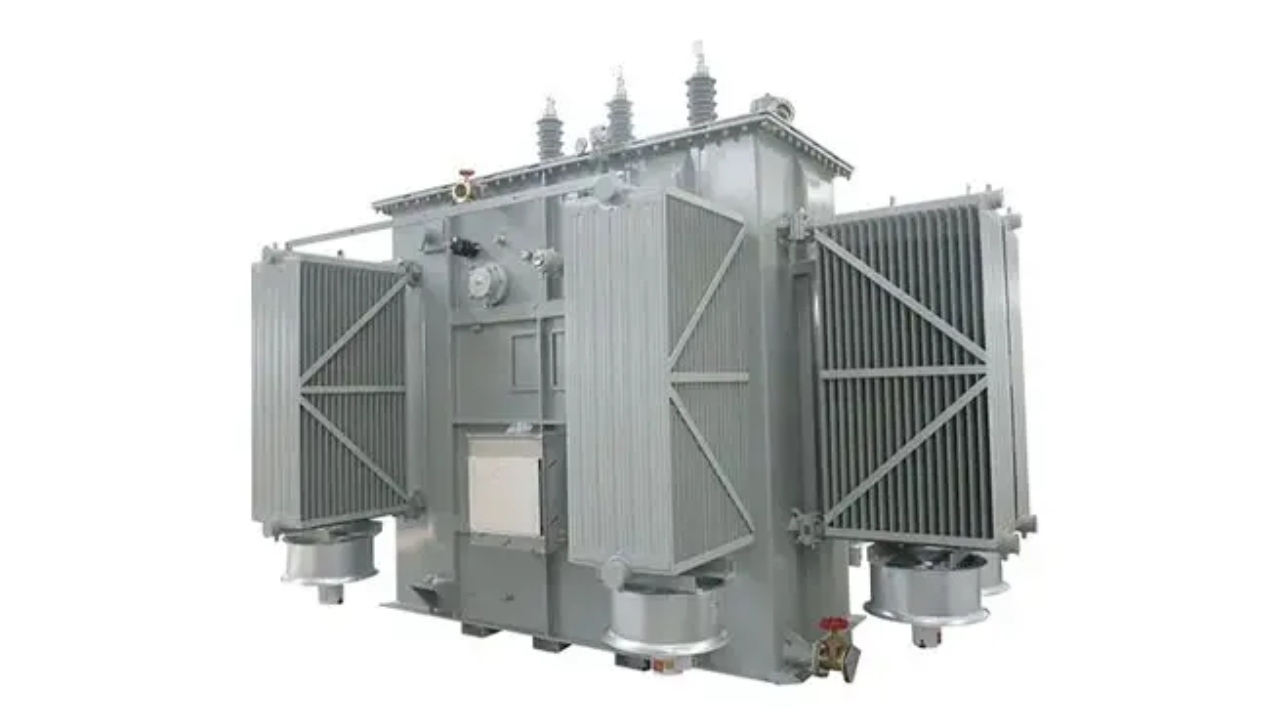
Dans un transformateur triphasé, la tension et le courant sont principalement déterminés par le mode de connexion des enroulements. Il est donc essentiel de bien comprendre la relation entre la tension (VP) et le courant (IP) de phase, ainsi qu'entre la tension (VL) et le courant (IL) de ligne, pour concevoir correctement le système.
Dans un couplage en étoile, la tension de ligne est généralement égale à √3 fois la tension de phase, et le courant de ligne est égal au courant de phase. En pratique, ce couplage est plus adapté aux applications haute tension. Son point neutre permet la mise à la terre ou les configurations à charges mixtes.
Dans un couplage en triangle, la tension de ligne est égale à la tension de phase, mais le courant de ligne est √3 fois supérieur au courant de phase. Ce couplage est plus adapté aux applications à courant élevé et basse tension.
Applications des transformateurs triphasés
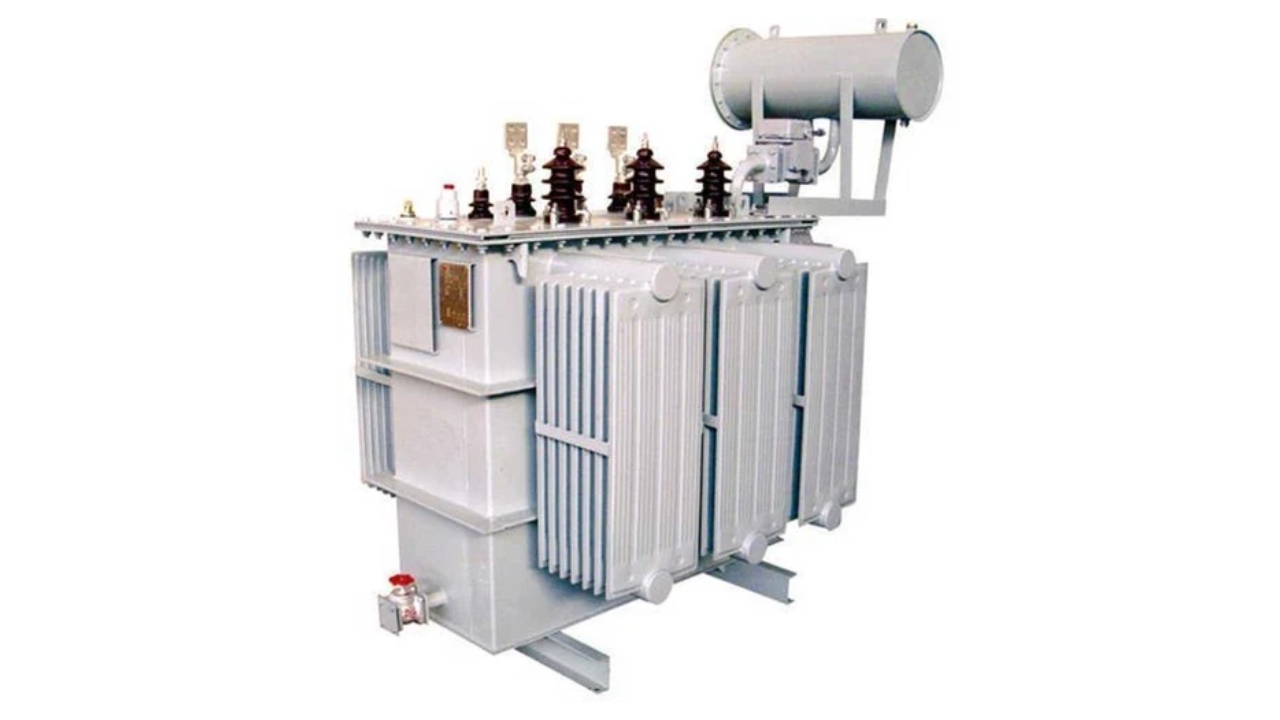
Les transformateurs triphasés permettent une transmission, une distribution et une utilisation efficaces de l'énergie dans les réseaux électriques modernes. Ils sont devenus un équipement indispensable dans de nombreux secteurs industriels.
Production et transport d'électricitéÀ la centrale électrique, des transformateurs triphasés sont utilisés pour le transport sur de longues distances afin d'élever la tension. sous-stations pour distribuer et abaisser la tension en toute sécurité.
Installations de fabrication industrielleUn transformateur triphasé peut alimenter vos équipements à forte consommation, notamment les moteurs, les compresseurs et les pompes.
Systèmes d'énergie renouvelableLe transformateur triphasé peut être utilisé dans les centrales solaires/électriques. Il permet d'adapter la tension à la demande du réseau, améliorant ainsi la qualité et la stabilité de l'alimentation électrique.
FAQ
Un transformateur triphasé peut-il être raccordé à des systèmes de tension différents ?
Oui. Mais il doit être correctement configuré pour les différentes tensions. Les transformateurs triphasés peuvent utiliser le rapport de transformation pour élever ou abaisser la tension. Différents types de connexions sont compatibles avec différentes tensions et exigences de mise à la terre. Les changeurs de prises permettent également d'ajuster la tension selon les besoins de votre système.
Quelle est la différence entre les transformateurs à bain d'huile et les transformateurs secs ?
Les principales différences entre les transformateurs à bain d'huile et les transformateurs à sec résident dans le mode de refroidissement, la sécurité et l'application.
Les transformateurs immergés dans l'huile utilisent principalement de l'huile isolante pour l'isolation et le refroidissement, mais ils nécessitent un entretien important. De plus, ils présentent des risques de fuite d'huile et d'incendie. Ils conviennent aux applications extérieures et industrielles.
Les transformateurs secs utilisent de l'air ou des isolants solides. Ils offrent une sécurité accrue et nécessitent moins d'entretien. Ils sont généralement utilisés dans des environnements intérieurs et des environnements exigeants en matière de sécurité.
Comment choisir le transformateur triphasé de la bonne taille pour votre projet ?
Choisir la bonne taille de transformateur triphasé nécessite d'adapter sa capacité à la demande de charge. Il faut d'abord calculer la puissance de l'équipement (kW), puis la convertir en kVA. Ensuite, il est conseillé d'ajouter une marge de sécurité (20-30%) pour éviter toute surcharge lors d'extensions ultérieures.
Ensuite, vérifiez que les tensions primaire et secondaire sont compatibles avec votre système. Si vous utilisez des moteurs et des variateurs, une capacité supérieure peut être nécessaire. Enfin, assurez-vous que la taille est adaptée à votre environnement d'installation.
Vaut-il mieux utiliser un transformateur triphasé ou trois transformateurs monophasés ?
Pour la plupart des projets, un transformateur triphasé est généralement préférable. Il est plus compact, plus économique, plus performant et ses coûts d'installation et d'exploitation sont moindres.
Si la fiabilité et la flexibilité sont vos priorités, les batteries de transformateurs sont à privilégier. En cas de panne d'un transformateur, le système peut continuer à fonctionner.
Dernière réflexion
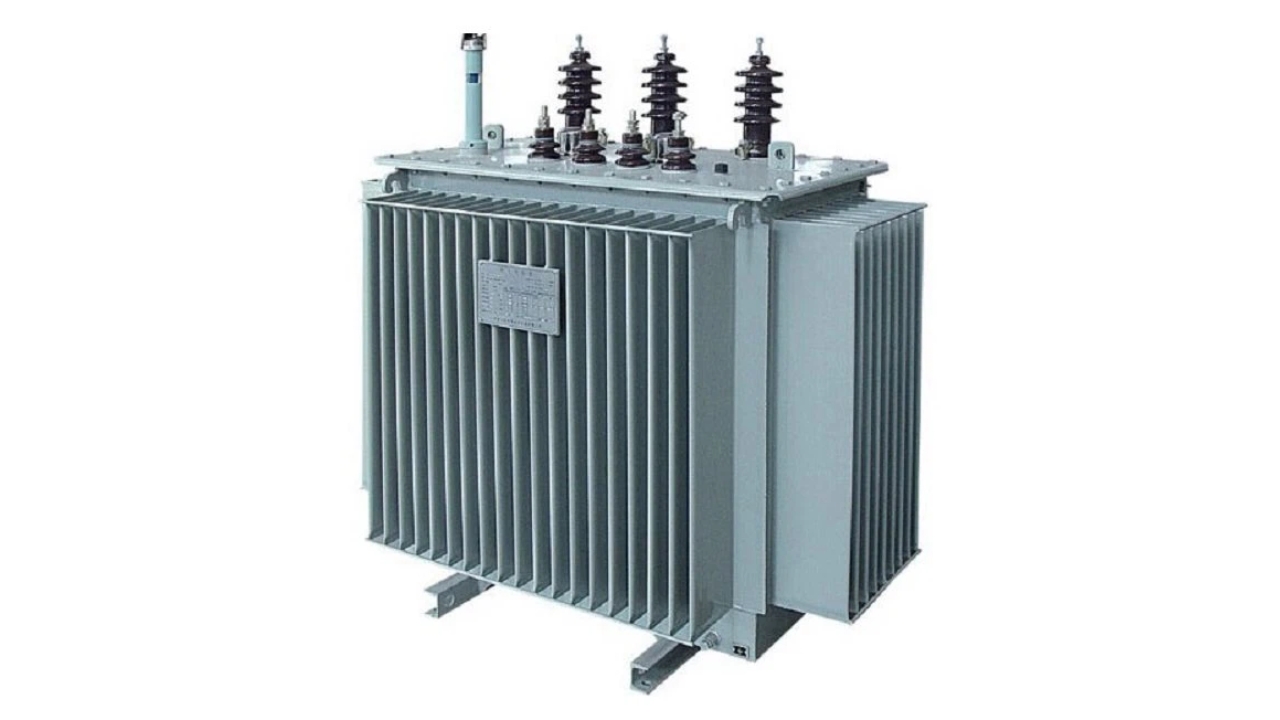
KDM est un fabricant fort d'une longue expérience dans la personnalisation d'armoires électriques. Nos produits utilisent des matières premières de haute qualité et des techniques de production avancées pour vous fournir des transformateurs triphasés et des armoires électriques de haute qualité. enceintes. De plus, notre équipe de professionnels est à votre disposition pour un service personnalisé. KDM se réjouit de vous servir.
 French
  English
  Arabic
  Spanish
  Russian
  Japanese
  Korean
  Portuguese
  Indonesian
  Chinese