


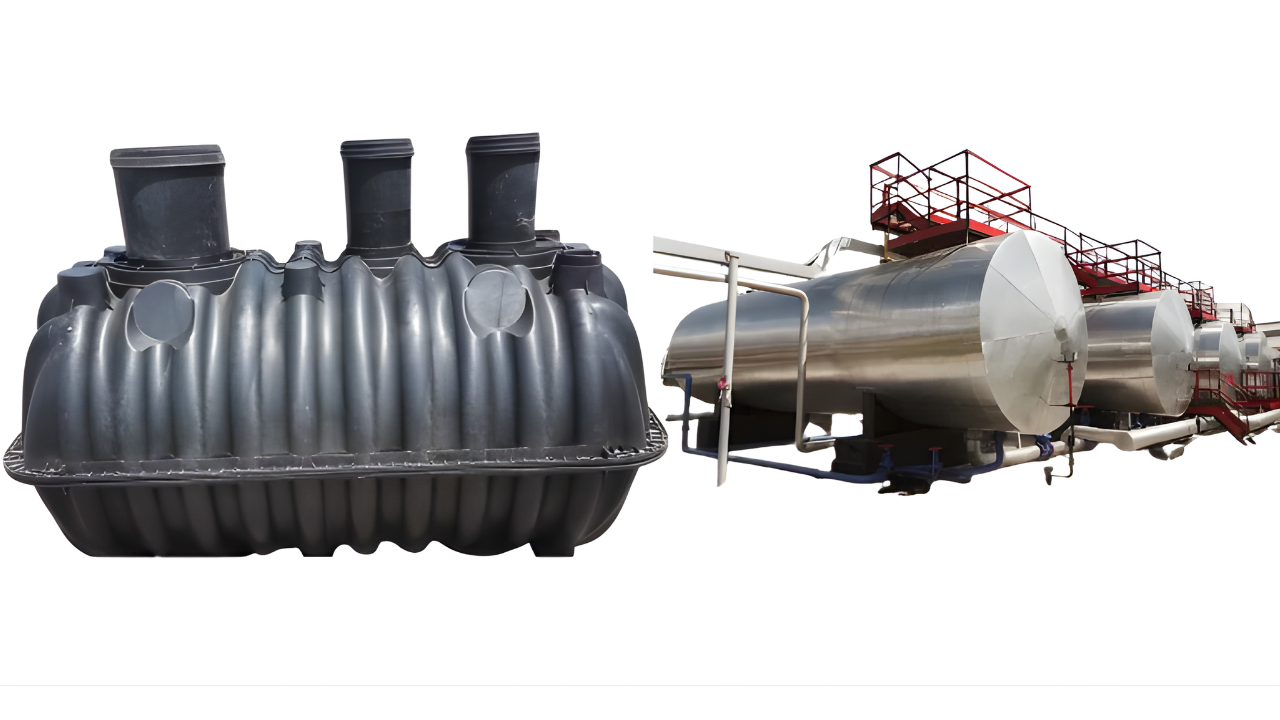
¿No está seguro del tipo de tanque que necesita? ¿Es un tanque industrial o de aguas residuales? Ambos parecen ser tanques de almacenamiento de acero inoxidable. Si instala el tanque incorrecto, podría reprobar una auditoría de la FDA o pagar más por funciones que su empresa química no necesita. Esta guía compara ambos tipos de tanques para asegurar que seleccione el adecuado según sus necesidades.
¿Qué es un tanque sanitario?
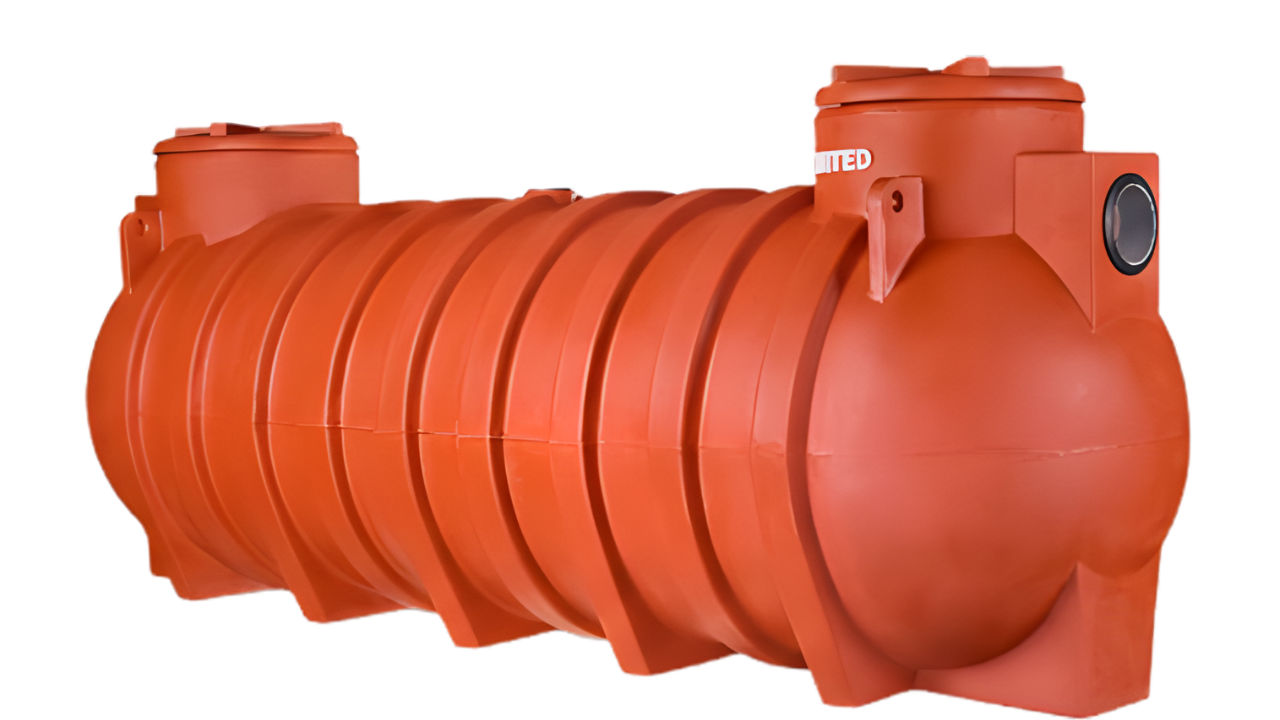 Los tanques sanitarios son contenedores cerrados diseñados para el bioprocesamiento y el almacenamiento de alimentos y bebidas. Cuentan con soldaduras lisas, acabados internos con Ra <0,8 µm y drenaje completo. El hecho de que cumplan con las normas sanitarias 3A o ASME-BPE garantiza que no retendrán gérmenes. Se utilizan para leche, cerveza, vacunas y bebidas de consumo oral.
¿Qué es un tanque industrial?
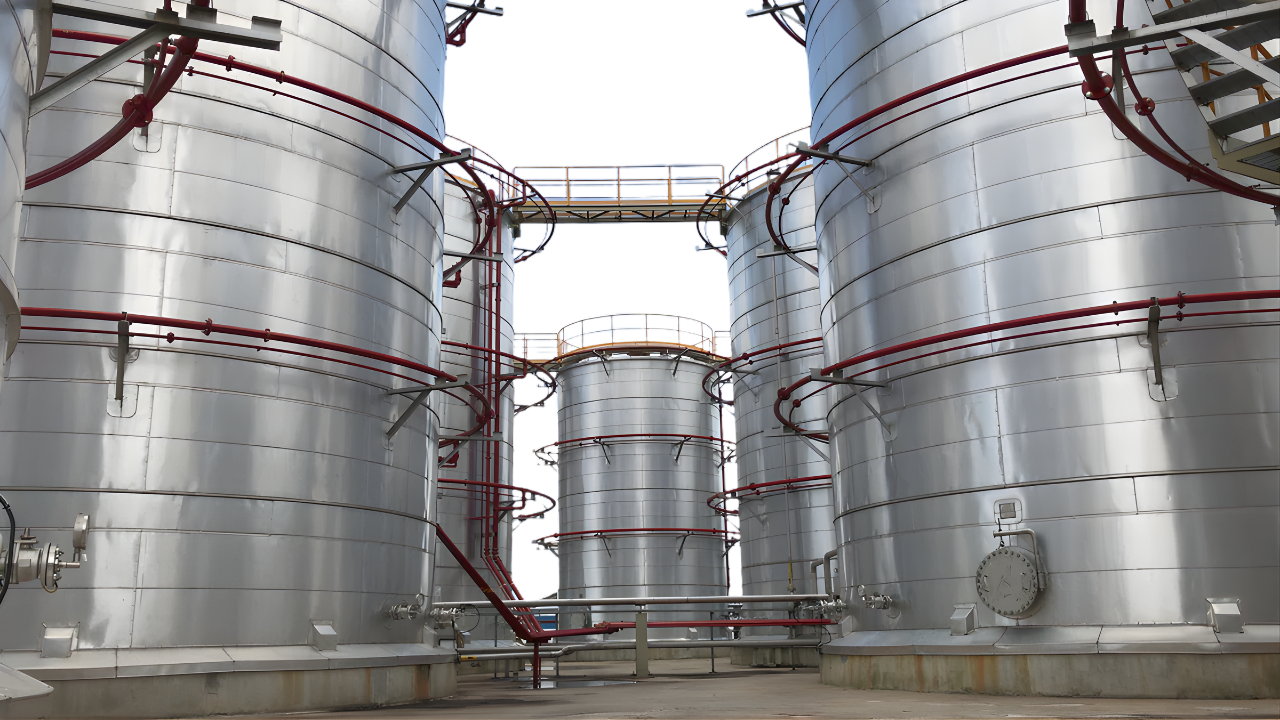
Un tanque industrial es un contenedor robusto diseñado para almacenar o manipular productos químicos, agua, aceite o productos intermedios. La esterilidad ya no es tan importante como la resistencia y la protección contra la corrosión. Se suele utilizar acero al carbono o acero inoxidable 304/316, más resistente, y el electropulido no suele ser necesario. Piense en lugares para almacenar ácido, mezclar aguas residuales o almacenar combustible.
Las 10 principales diferencias entre un tanque sanitario y un tanque industrial.
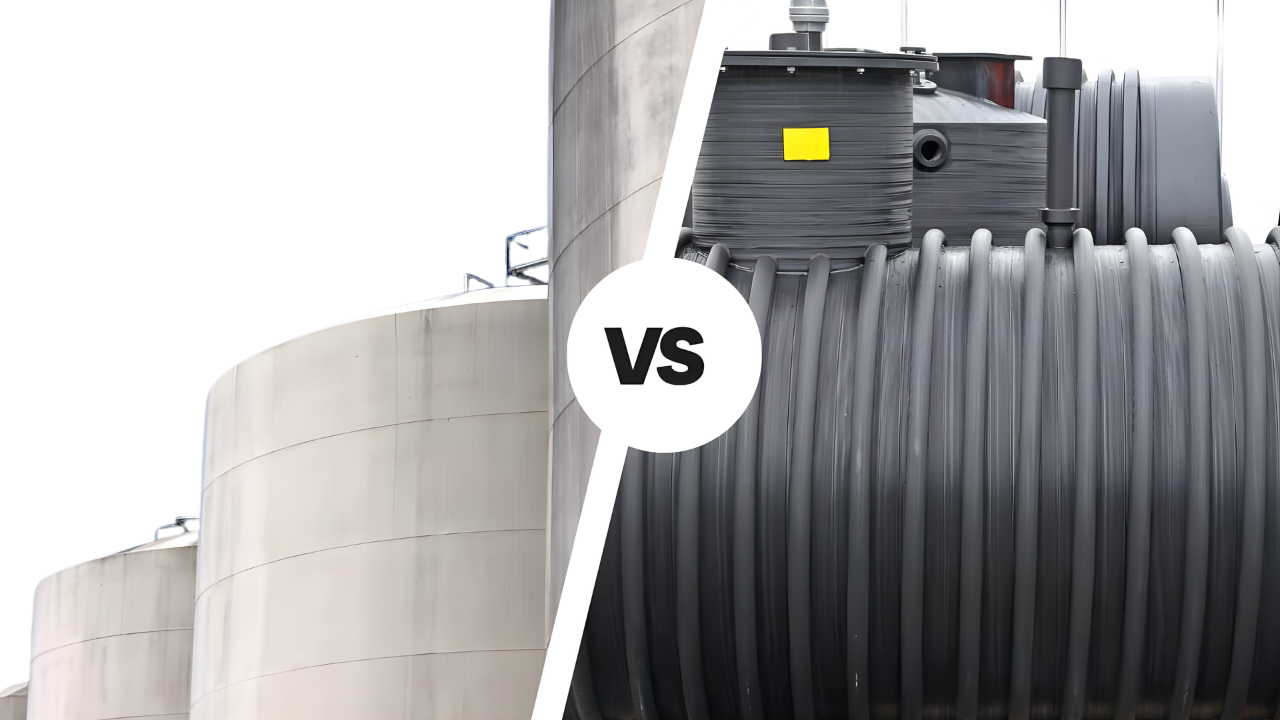
1. Propósito y aplicación
Tanques sanitarios
Destinados al consumo humano o al contacto parenteral. Se utilizan para biorreactores, WFI (agua para inyección), fermentación y tanques CIP o SIP. Para prevenir el crecimiento microbiano, todas las soldaduras interiores se lijan hasta quedar al ras.
Tanques industriales
Diseñado para resistir el desgaste. Aquí se almacenan productos químicos crudos, aceite o agua de proceso. Dado que el riesgo de formación de biopelículas no es un factor al trabajar con hidróxido de sodio o aceite líquido, el acabado superficial suele ser de fábrica (2B o 2D).
2. Requisitos de higiene y facilidad de limpieza
Tanques sanitarios
Para ello, se requiere que no haya zonas muertas ni círculos de radio definidos. Las gotas deben poder salir por la conexión de salida sin acumularse al inclinar el tanque. La presencia de grietas es inaceptable. Todas las superficies internas deben ser accesibles para los productos de limpieza.
Tanques industriales
Suelen tener paredes planas, bocas de acceso atornilladas y refuerzos exteriores que acumulan polvo. Esto no supone un problema en una fábrica, pero sí en una sala limpia. El drenaje estructural para el mantenimiento es más importante que la limpieza microbiológica.
3. Selección de materiales
Tanques sanitarios
Generalmente, se utiliza acero inoxidable 304L o 316L. Su bajo contenido de carbono preserva la pureza de la soldadura y la hace resistente a la corrosión. Se requiere una aprobación del material que permita rastrear su origen hasta la fábrica. Para proteger al cliente de la contaminación por metales, se elige el grado adecuado.
Tanques industriales
A menudo se utiliza acero al carbono revestido de caucho o resina. Para protegerlo contra el agrietamiento por corrosión bajo tensión por cloruros, se suele usar acero inoxidable dúplex. También se podría usar 316L, pero la elección depende de su resistencia a los productos químicos y de la presión que pueda soportar, no de las normas de seguridad alimentaria.
4. Acabado de la superficie
Tanques sanitarios
Las mediciones de rugosidad media (Ra) indican que los espacios sanitarios deben pulirse mecánicamente hasta alcanzar una rugosidad inferior a 0,8 µm. Numerosas normas exigen un electropulido hasta un nivel de 0,4 µm. La presencia de bacterias en zonas rugosas facilita su limpieza. El pulido elimina estos escondites para las bacterias.
Tanques industriales
Por lo general, mantienen un acabado de laminación 2B o superior, lo que significa que tienen un espesor natural de aproximadamente 0,5 µm debido al laminado. No te preocupes por los gérmenes. Lo que te preocupa es el caudal, la acumulación de incrustaciones y la velocidad de corrosión a lo largo de muchos años de uso.
5. Integración de sistemas de limpieza y saneamiento (CIP/SIP)
Tanques sanitarios
Se añaden puertos sanitarios para férulas, bolas de pulverización y laterales inclinados específicamente para la limpieza in situ (CIP). La industria biofarmacéutica siempre tiene la opción de utilizar la limpieza con vapor in situ (SIP). Desde el principio, el tanque se diseñó teniendo en cuenta el sistema de limpieza.
Tanques industriales
En ocasiones, se pueden incluir dispositivos de pulverización integrados. Durante los turnos, se puede usar una manguera para acceder al interior del tanque o introducir manualmente un limpiador de chorro giratorio. Para garantizar la uniformidad del proceso, estos tanques priorizan el drenaje sobre la limpieza estéril entre lotes.
6. Normas reglamentarias y de seguridad
Tanques sanitarios
Las normas 3-A, EHEDG y ASME-BPE son las que debes consultar. Estas especifican la longitud máxima de la sección muerta, el radio permitido y las formas de fijación. El objetivo es proteger a los consumidores. Para la venta de alimentos, bebidas y medicamentos, el cumplimiento de estas normas es obligatorio.
Tanques industriales
Las normas que debe seguir son ASME Sección VIII, API 650 o UL 58/142. Estas normas abarcan aspectos como la seguridad contra incendios, el control de la presión y la ventilación. Si bien no protegen al consumidor final, sí protegen su edificio y a su personal contra explosiones o fallas catastróficas.
7. Características de diseño
Tanques sanitarios
Fíjese en las patas exteriores. Se solicitan patas tubulares lisas y pulidas, sin refuerzos horizontales. No se permiten refuerzos transversales, ya que acumulan suciedad. El fondo del tanque tiene una pendiente pronunciada hacia la salida. En cada detalle, el drenaje tiene prioridad sobre los elementos estructurales.
Tanques industriales
Las patas, fabricadas con vigas en I o perfiles en C, suelen estar atornilladas o soldadas con refuerzos transversales sólidos. Estas pueden soportar grandes cantidades de peso en pie. Los objetivos del diseño son soportar fuertes movimientos, cargas de viento y estabilidad sísmica. No importa si las patas tienen fosos de tierra.
8. Válvulas, accesorios y conexiones
Tanques sanitarios
Se utilizan casquillos Tri-Clamp (TC) junto con juntas de cierre rápido. No hay roscas ni conexiones de presión. El sellado se produce entre el casquillo y la pared del frasco. La válvula se puede desmontar, limpiar y volver a colocar en minutos sin necesidad de herramientas.
Tanques industriales
Dependes de juntas ranuradas, puertos roscados NPT o conexiones bridadas (ANSI 150#). Las bridas son buenas para transportar productos químicos a alta presión, pero no se pueden limpiar internamente sin desmontar todo el tramo de tubería.
9. Mantenimiento e inspección
Tanques sanitarios
Para detectar picaduras y grietas en las soldaduras, es necesario examinarlas con un endoscopio. Para restaurar la capa inactiva, se pulen los arañazos de inmediato. Si el acabado interior se desgasta demasiado como para repararlo, hay que adquirir un recipiente nuevo. El aspecto de la superficie es fundamental.
Tanques industriales
Se comprueba el grosor de los materiales con ondas ultrasónicas y se busca óxido. Las grietas se pueden reparar con masilla epoxi o recubrimiento metálico. El tanque se mantiene en funcionamiento hasta que se agota el límite de corrosión.
10. Consideraciones sobre la instalación y los costos
Tanques sanitarios
La construcción de estos tanques requiere mucho trabajo. El uso de soldadura orbital y acabado manual encarece considerablemente el precio por galón. Otros, en cambio, suelen ser más pequeños, se montan sobre plataformas y ya vienen con las tuberías instaladas. No solo se paga por las materias primas, sino también por los acabados de alta calidad y el cumplimiento de la normativa.
Tanques industriales
Se pueden utilizar soldaduras masivas de campo para instalarlas en el campo. El costo por unidad de producción es mucho menor. Se mueven placas, no recipientes. El dinero en su presupuesto es para cimientos y aparejos, no para electropulido y Soldadura de cajas eléctricas papeleo.
Tanque sanitario vs. tanque industrial
| Característica | Tanque sanitario | Tanque industrial |
| Uso principal | Alimentación, Farmacéutica, Biotecnología | Productos químicos, agua, aceite |
| Acabado interior | Ra <0,8 µm (Pulido/EP) | 2B Fresado o sin acabado |
| Soldaduras | Limpieza del suelo, orbital | Refuerzo aceptable |
| Drenaje | Fondo inclinado, sin tramo muerto. | Planos o inclinados; las patas muertas son comunes. |
| Guarniciones | Casquillos Tri-clamp | Con brida o roscado |
| Limpieza | Integración CIP/SIP | Pulverizador manual o manguera |
| Estándares | 3-A, ASME-BPE, EHEDG | ASME VIII, API, UL |
| Costo | Alto ($/galón) | Moderado ($/galón) |
| Material | Acero inoxidable 304/316L | Acero al carbono/inoxidable/revestido |
Tanque sanitario vs. tanque industrial: ¿Cuál debería elegir?
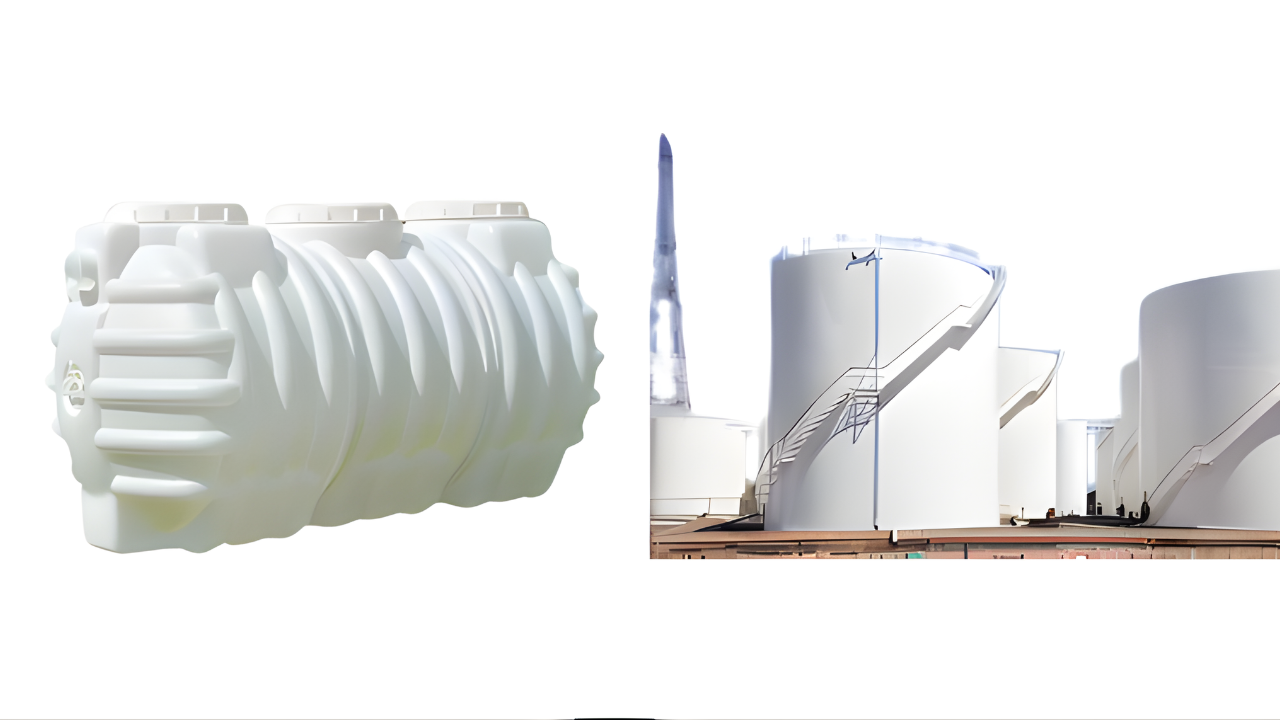
Si su producto se inyecta, se ingiere o se aplica sobre la piel de personas o animales, la ley exige que cuente con un tanque limpio. Sin excepciones. Para obtener el mejor rendimiento, adquiera un tanque industrial si maneja gasolina, agua sin tratar, precursores químicos o aguas residuales. Existe una zona gris entre los productos de maquillaje limpios y los productos químicos de alta pureza. En este caso, se puede optar por un diseño sanitario híbrido para fines de control de calidad, incluso si la FDA no interviene.
Preguntas frecuentes
¿En qué se diferencia un tanque sanitario de un tanque de almacenamiento general?
Para evitar el crecimiento de bacterias, los tanques sanitarios deben tener soldaduras enjuagadas, superficies electropulidas y conexiones drenables. Para mantener el mayor espacio posible, los tanques de almacenamiento Por lo general, tienen fondos planos y puertos roscados que no se pueden limpiar.
¿Los tanques sanitarios son lo mismo que los tanques de proceso higiénicos?
Sí. La palabra “higiénico” se usa generalmente para productos lácteos (3-A), mientras que la palabra “sanitario” se usa generalmente para medicamentos (ASME-BPE). Ambos deben tener extremos lisos y poder soportar CIP, pero tanques farmacéuticos de acero inoxidable’ Las especificaciones suelen ser más estrictas en lo que respecta a las piernas inactivas.
¿Se pueden fabricar los depósitos industriales con los mismos materiales que los sanitarios?
Sí, el acero 316L se puede usar para ambos. Sin embargo, el acabado de la tela y los materiales de soldadura son diferentes. Para tanques sanitarios, se requiere soldadura orbital certificada con material de aporte de bajo contenido de carbono.
¿Existen normas universales para los depósitos industriales?
No existe una única norma aplicable a todos los casos. Depende de si el líquido está bajo presión (ASME), almacenado a temperatura ambiente (API 650) o es inflamable (UL). Es importante elegir el código que corresponda a su zona y al medicamento en cuestión.
¿Se pueden utilizar los depósitos sanitarios como depósitos industriales?
Sí. Limpiar el tanque cuesta mucho más. Técnicamente es posible usarlo como agua para la torre de refrigeración, pero no sería una buena inversión.
¿Es posible convertir los tanques industriales en tanques sanitarios mediante modificaciones?
No. Hay que quitar mucho material para corregir un acabado de laminación tosco. Las soldaduras mantienen las patas fijas en su lugar. Casi siempre, es más económico comprar un tanque sanitario que modificar un barril industrial.
¿Son adecuados los tanques sanitarios para productos químicos peligrosos?
En la mayoría de los casos, los tanques sanitarios no tienen el espesor de pared ni la capacidad de presión necesarios para productos químicos de alto riesgo, a menos que se construyan específicamente de acuerdo con la Sección VIII de la ASME y la BPE al mismo tiempo.
¿Pueden los depósitos de agua industriales ser higiénicos?
Si el agua es potable (para consumo) o para inyección (WFI), debe estar limpia. El agua industrial, como la que se usa para refrigeración, extinción de incendios y procesos, no es potable y no necesita ser limpiada.
Tanques sanitarios e industriales personalizados de KDM Steel.
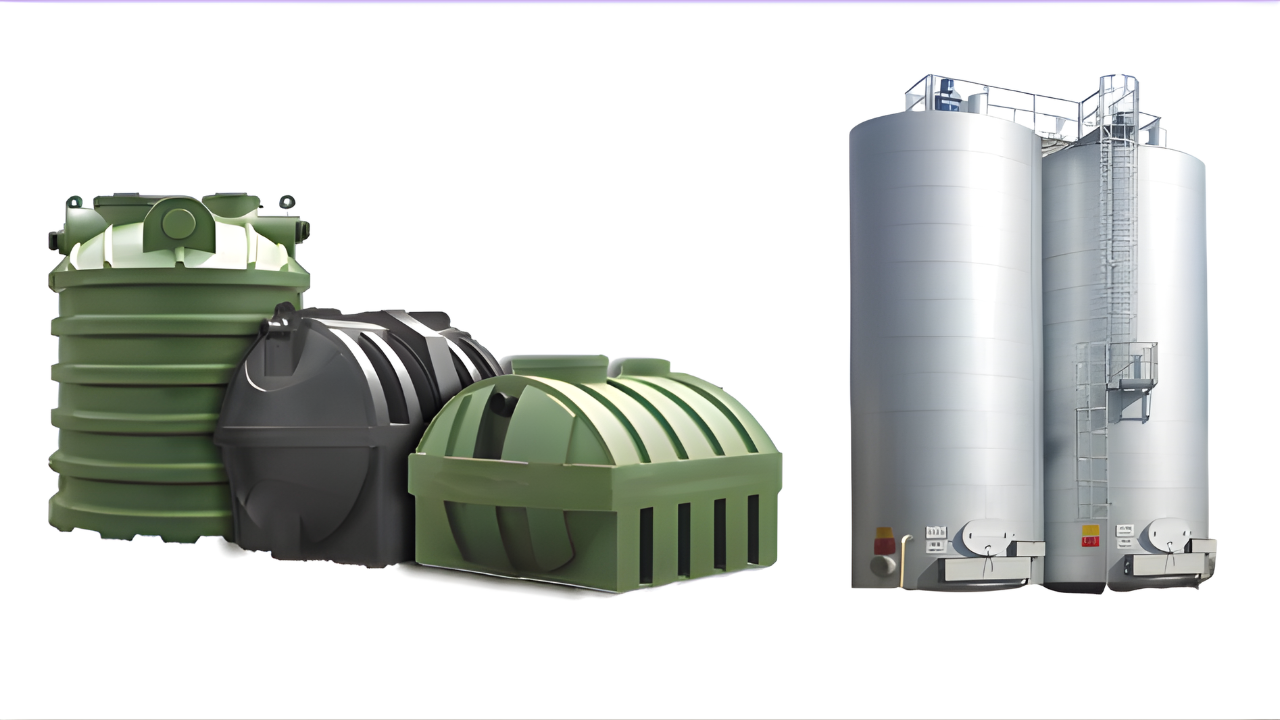 Acero KDM Diseñamos internamente ambos tipos de acero. Podemos fabricar cualquier cosa que necesite, desde un fermentador ASME-BPE con interior electropulido hasta un tanque químico de 50 000 galones revestido con epoxi. Podemos fabricar tanques únicos de acero inoxidable e integrar completamente su sistema. Contáctenos y le ayudaremos a encontrar el tanque adecuado para su negocio.
 Spanish
  English
  Arabic
  French
  Russian
  Japanese
  Korean
  Portuguese
  Indonesian
  Chinese