


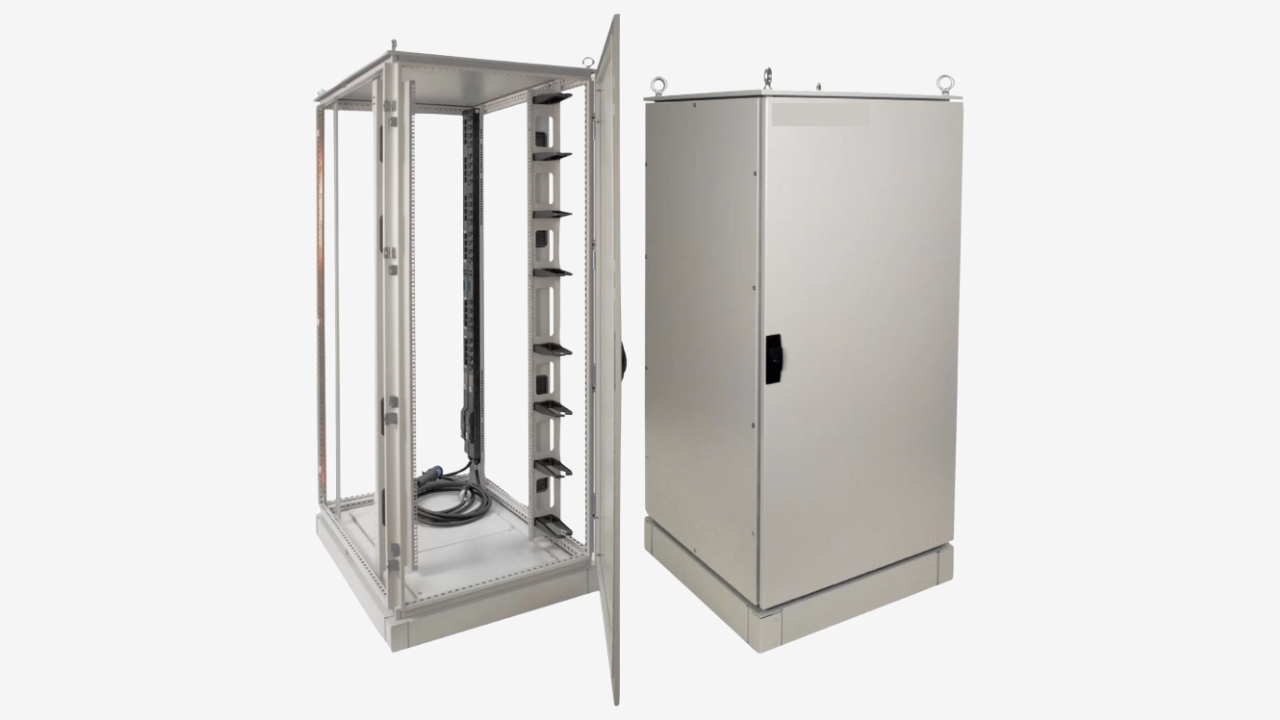
Les boîtiers modulaires et non modulaires sont les plus couramment utilisés dans l'automatisation et les centres de données. Ils protègent les composants électroniques des risques environnementaux et opérationnels, mais diffèrent par leur structure, leur flexibilité et leurs applications. Cet article vous aide à comprendre ces différences et vous conseille sur le choix du boîtier le mieux adapté à votre projet.
Que sont les boîtiers modulaires ?
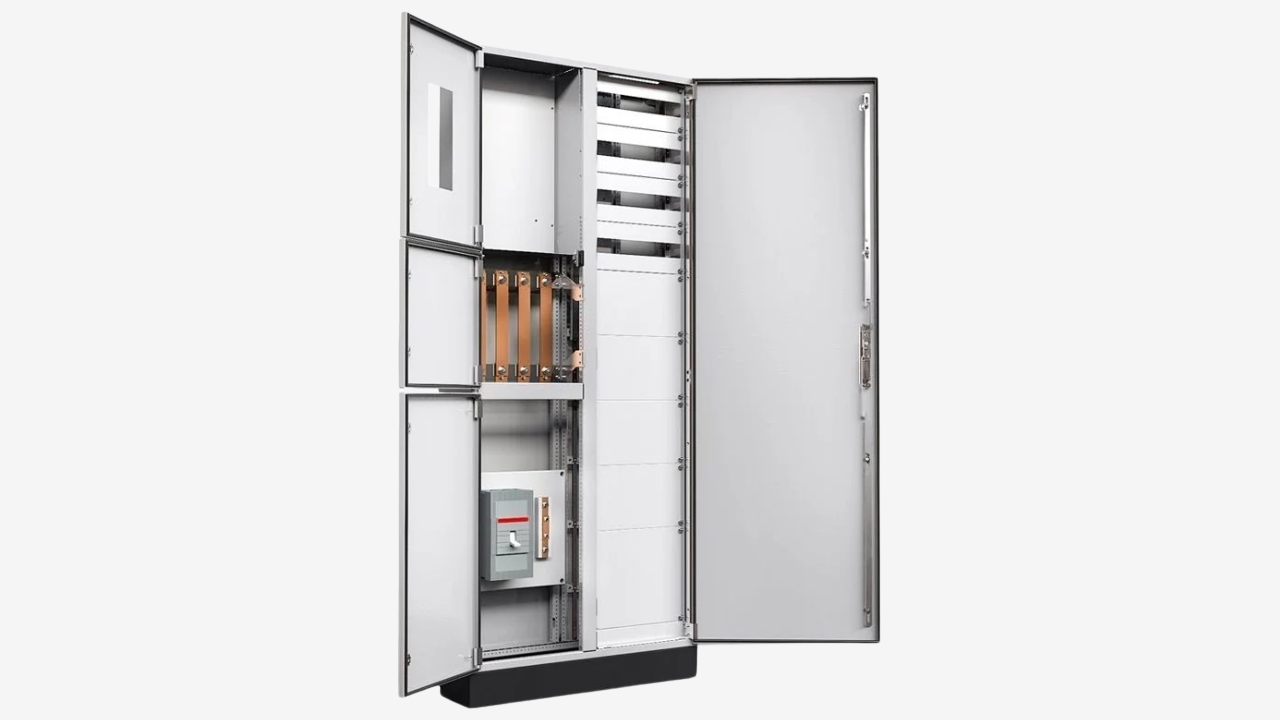
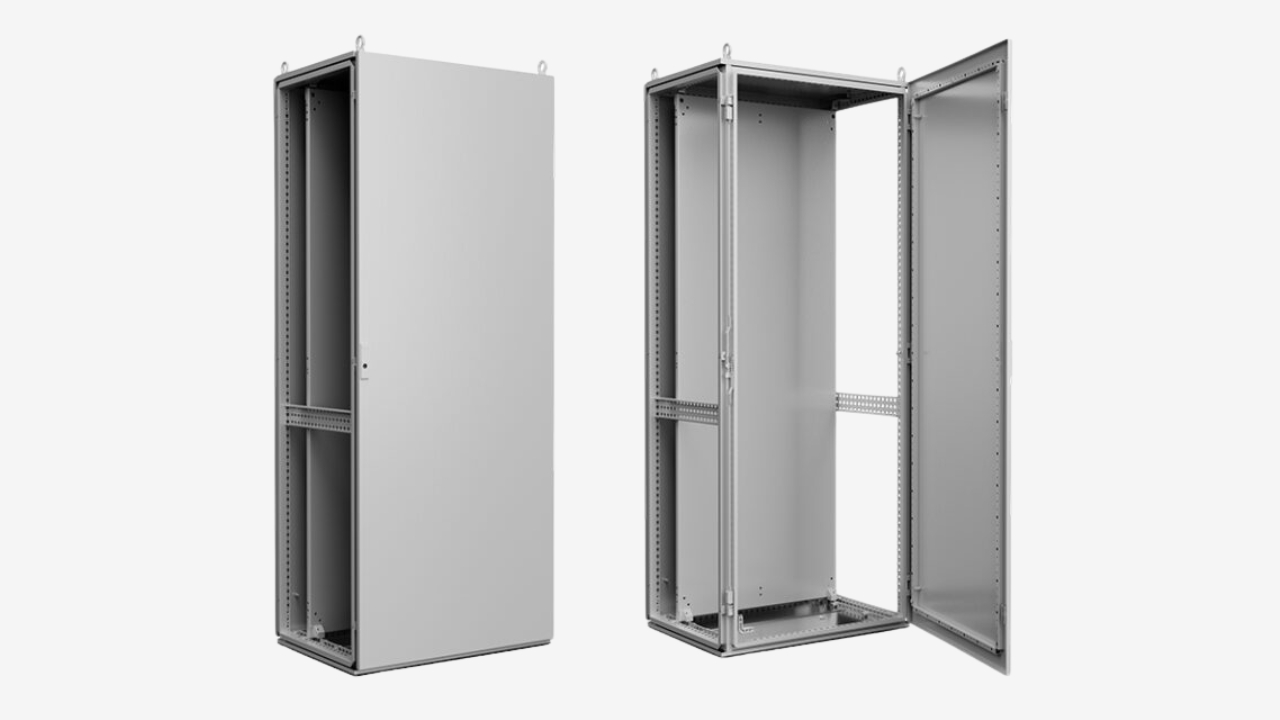
Boîtiers modulaires Contrairement aux boîtiers monoblocs, les boîtiers modulaires se distinguent par leurs panneaux amovibles et leur châssis robuste. Ils peuvent être assemblés, agrandis ou reconfigurés selon les besoins de votre projet. Ce type de boîtier est flexible et offre une excellente évolutivité.
De plus, l'armoire modulaire est généralement conditionnée à plat, ce qui simplifie son transport et son installation. Elle offre également de nombreuses possibilités de personnalisation. La plupart des systèmes modulaires utilisent des pièces standardisées, permettant ainsi un remplacement plus rapide des pièces endommagées et des accessoires intégrés.
Que sont les boîtiers non modulaires (monoblocs) ?
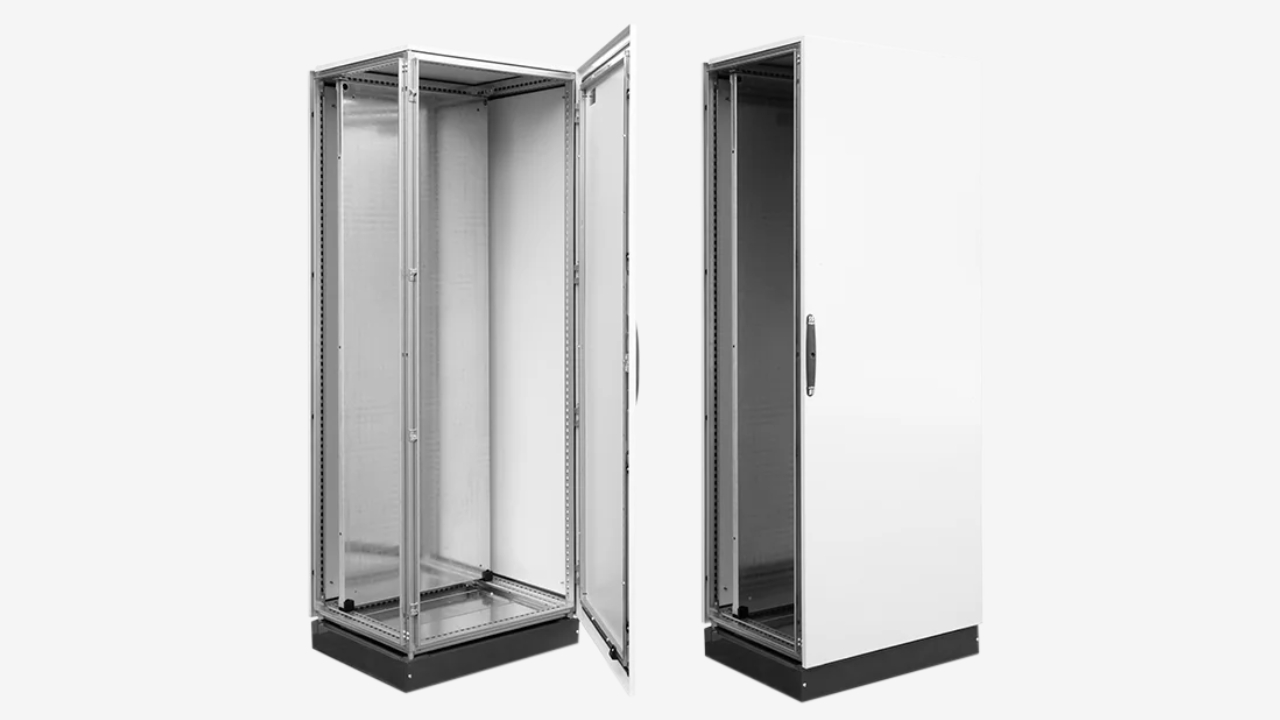
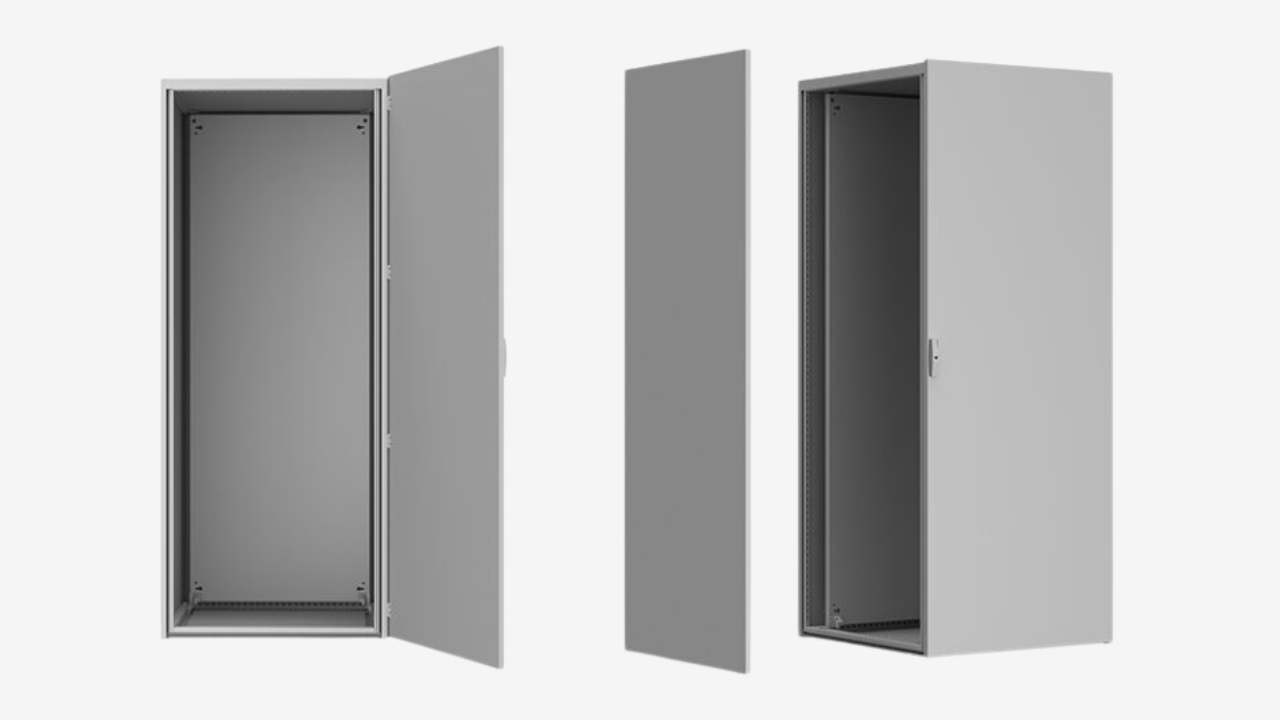
Les boîtiers non modulaires sont également appelés boîtiers monoblocs. Ils sont généralement entièrement soudés ou moulés d'une seule pièce. Cela signifie également que le boîtier monobloc est une structure rigide et unifiée, sans panneaux amovibles.
De plus, un boîtier non modulaire ne peut être agrandi, mais il est possible d'y installer des composants. Grâce à ses joints réduits, il offre une meilleure étanchéité et permet d'atteindre plus facilement un niveau de protection supérieur. Enfin, sa structure robuste assure une meilleure résistance aux chocs et aux vibrations.
Quelles sont les différences entre les boîtiers modulaires et non modulaires ?
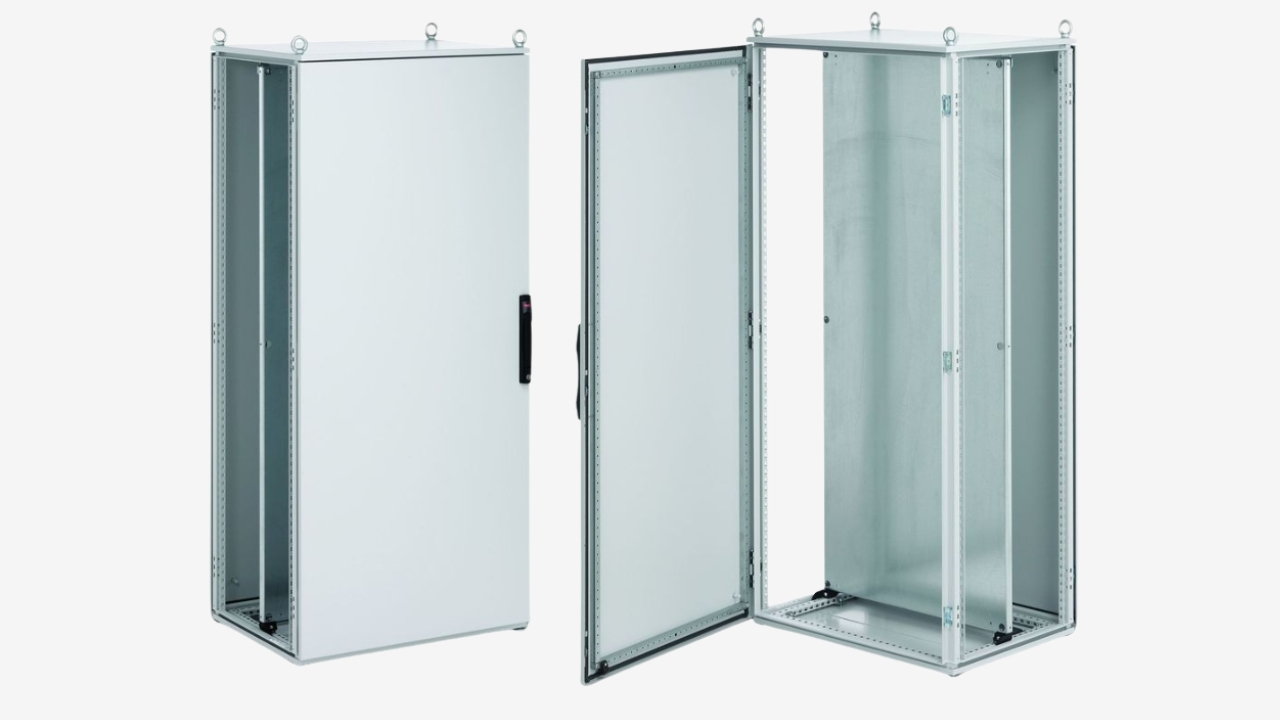
Les boîtiers modulaires et non modulaires servent tous deux à protéger votre équipement. Cependant, leur conception engendre des différences en termes de structure, de flexibilité et de robustesse. Voici une explication détaillée des différences entre les boîtiers modulaires et non modulaires :
Conception de la structure
Les armoires modulaires sont généralement fabriquées en matériaux métalliques, tels que l'acier à faible teneur en carbone, l'acier inoxydable ou l'aluminium. Elles se composent généralement d'un châssis et de panneaux amovibles. Les fabricants produisent généralement des composants standardisés qu'ils assemblent ensuite.
Les boîtiers non modulaires sont généralement fabriqués d'une seule pièce de métal ou de plastique. Ils sont cintrés, soudés puis mis en forme. Ils ne comportent pas d'éléments structurels séparables. On peut les utiliser comme boîtiers fixes et permanents.
Flexibilité et évolutivité
Les armoires modulaires offrent une flexibilité bien supérieure aux armoires non modulaires. Le châssis modulaire peut être étendu horizontalement ou verticalement. Il est également possible d'ajouter les compartiments ou sections nécessaires après l'installation. En fonction des besoins de votre projet, vous pouvez facilement configurer l'agencement interne de l'armoire.
Il est beaucoup plus difficile de modifier un boîtier non modulaire. On ne peut pas simplement en changer la forme et la taille. De plus, il n'est pas extensible. Pour le mettre à niveau, il faut remplacer l'intégralité du boîtier ou le ressouder.
Transport et installation
L'armoire modulaire se compose de plusieurs éléments distincts. Lors du transport, elle peut être démontée en pièces plates ou en profilés, ce qui simplifie et réduit les coûts d'expédition. Toutefois, l'assemblage des composants sur site est nécessaire et allonge le temps d'installation.
Le boîtier non modulaire est livré entièrement assemblé et généralement transporté en une seule pièce. De ce fait, il occupe plus d'espace lors du transport, ce qui augmente également vos frais d'expédition. En revanche, son installation est plus simple.
Force
Les boîtiers non modulaires offrent une résistance mécanique supérieure aux boîtiers modulaires. Leur conception monobloc leur confère une grande intégrité structurelle. Le nombre réduit de joints leur assure une meilleure rigidité, ce qui les rend plus résistants aux vibrations et aux contraintes mécaniques.
Le boîtier modulaire présente une bonne résistance. Cependant, sa rigidité est légèrement inférieure à celle d'un boîtier monobloc soudé. En cas d'utilisation dans un environnement vibrant, les boulons de fixation peuvent se desserrer avec le temps.
Étanchéité et protection
Les boîtiers non modulaires offrent une meilleure étanchéité que les boîtiers modulaires. Ils comportent moins de joints, ce qui facilite l'obtention d'un niveau de protection supérieur et assure une meilleure protection contre la poussière et l'eau. Les boîtiers modulaires, quant à eux, possèdent de multiples joints et points de connexion. Leur étanchéité dépend alors de la qualité et de l'efficacité des joints d'étanchéité.
Capacité de personnalisation
Vous pouvez personnaliser en profondeur l'armoire modulaire, notamment sa taille, ses dimensions et son système d'installation interne. Les accessoires sont également personnalisables. Pour les systèmes complexes, une armoire modulaire sur mesure est la solution idéale.
En revanche, la personnalisation d'un boîtier non modulaire est limitée. Elle nécessite souvent d'importantes modifications sur site, voire le remplacement complet du boîtier.
Coût
Les armoires modulaires nécessitent généralement un investissement initial important, incluant l'assemblage et l'installation. Cependant, leur réutilisabilité et leur évolutivité permettent de réduire les besoins de remplacement et les coûts associés à long terme.
Les armoires non modulaires présentent un coût initial inférieur. Cependant, toute extension ou remplacement de votre système engendre souvent des frais supplémentaires. Par conséquent, à long terme, les armoires modulaires s'avèrent plus rentables.
Entretien
Les armoires modulaires offrent une maintenance simplifiée. Le remplacement de pièces individuelles et l'accès aux autres composants sont aisés. La mise à niveau du système est également relativement simple.
En revanche, la maintenance des armoires non modulaires présente de nombreuses limitations. Il peut s'avérer nécessaire de remplacer l'armoire entière en cas de pièces endommagées. De plus, l'accès peut être limité par la conception même de l'armoire.
Applications
Les armoires modulaires sont fréquemment utilisées dans les systèmes complexes et évolutifs, tels que les systèmes d'automatisation industrielle, les réseaux de distribution électrique, les centres de données et les infrastructures informatiques. Si votre projet est en phase de développement, une armoire modulaire constitue également une solution pertinente.
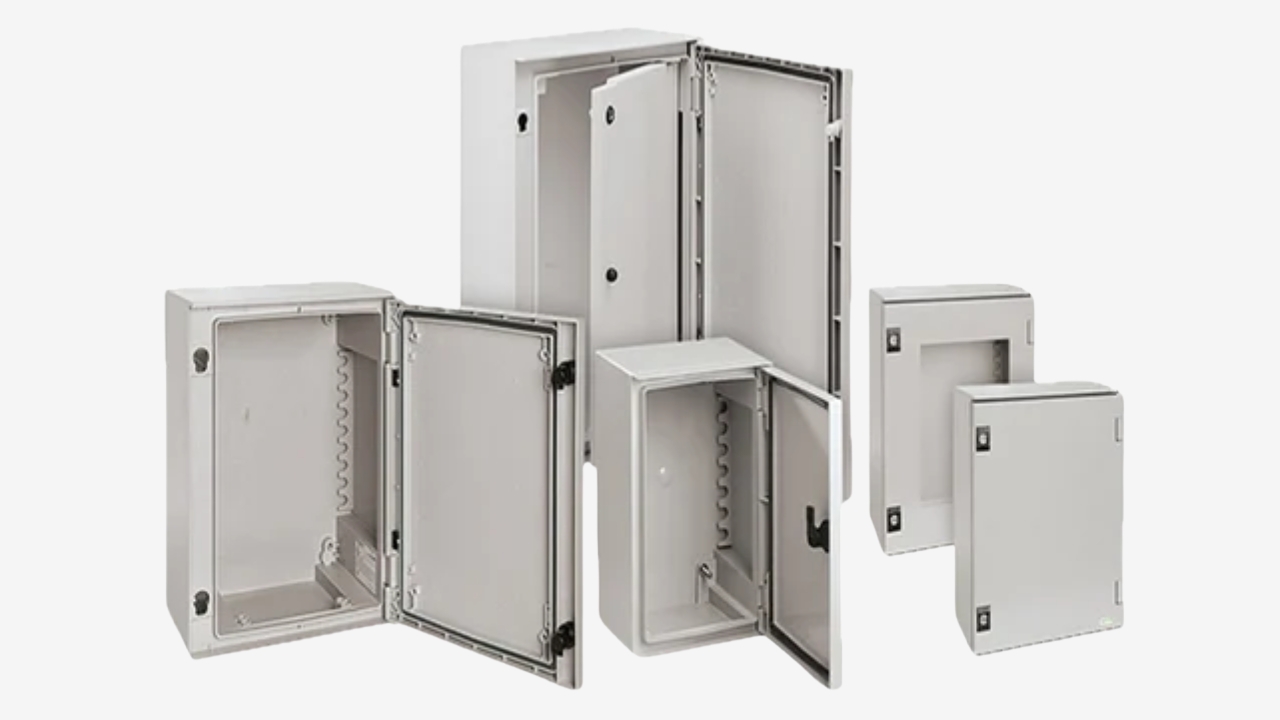
Les boîtiers non modulaires peuvent être utilisés pour vos applications simples et fixes. Par exemple, les petits Panneaux de contrôle, des boîtiers muraux et boîtes de jonction extérieures. Selon vos besoins, vous pouvez également utiliser les deux types dans différentes parties d'un même projet.
Avantages et inconvénients des boîtiers modulaires/non modulaires : résumé
| Boîtier modulaire | Boîtier non modulaire | |
| Avantages | Flexible
Entretien facile Valeur à long terme plus élevée Personnalisation élevée Facile à transporter |
haute résistance structurelle
Meilleure étanchéité coût initial plus faible Construction monobloc installation simple |
| Limites | Nécessite un assemblage sur site
L'étanchéité dépend des joints |
Lourd et difficile à déplacer
Difficile à modifier |
Quels facteurs faut-il prendre en compte lors du choix du bon boîtier ?
Taille et complexité du projet
La taille et la complexité de votre projet déterminent généralement la flexibilité dont vous avez besoin. Pour un système vaste et complexe, il est généralement nécessaire d'avoir plus d'espace interne et une gestion des câbles structurée. Les armoires modulaires répondent parfaitement à ces besoins. Les armoires non modulaires, quant à elles, manquent de flexibilité pour s'adapter à des agencements internes évolutifs ou complexes.
Pensez à votre expansion future
Dans un contexte industriel ou d'infrastructure, votre projet est susceptible d'évoluer. Il est donc essentiel d'anticiper ses besoins futurs. Faut-il ajouter des équipements ? Envisager une extension ou une mise à niveau du système ? Ces questions détermineront le choix entre une armoire modulaire et une armoire non modulaire.
Environnement d'installation
L'enceinte est-elle installée à l'intérieur ou à l'extérieur ? Sera-t-elle exposée à d'importantes quantités de poussière, d'eau ou de produits chimiques ? Par ailleurs, la température et l'humidité du lieu d'installation doivent également être prises en compte. Si elle est installée dans une usine, l'effet des vibrations et des contraintes mécaniques sur l'enceinte doit également être évalué. Les conditions environnementales auront un impact sur la durabilité et la sécurité de votre enceinte.
Contraintes budgétaires
Pour les projets de courte durée, un boîtier non modulaire est plus économique. Pour les projets évolutifs ou à long terme, les boîtiers modulaires offrent un meilleur retour sur investissement. Il convient d'évaluer le coût total de possession du boîtier.
Limitations de transport et d'espace
Vos conditions de livraison et l'espace disponible pour l'installation peuvent limiter vos options. Avant tout achat, il est donc important d'évaluer votre espace d'installation et vos capacités de montage sur place.
FAQ
Les boîtiers non modulaires nécessitent-ils une manipulation particulière lors de leur installation ?
Parfois. Les unités non modulaires peuvent être livrées entièrement assemblées en une seule pièce. Cependant, lorsque l'équipement est très lourd, le transport nécessite généralement un engin de levage. Il se peut aussi que le boîtier soit trop volumineux pour passer dans des espaces restreints. Par ailleurs, le revêtement du boîtier doit être protégé. Ces situations exigent une manutention spéciale.
Les systèmes modulaires sont-ils adaptés au déploiement de projets par phases ?
Oui. Vous pouvez installer et exploiter les systèmes modulaires par étapes. Vous pouvez également ajouter de nouveaux composants ou sections à différentes étapes. C'est idéal pour les projets à budget limité et dont les plans d'expansion future sont incertains.
Les boîtiers modulaires sont-ils aussi durables que les boîtiers soudés ?
En général, pour la plupart des applications industrielles, les boîtiers modulaires sont très résistants. Cependant, les boîtiers non modulaires sont mieux adaptés aux environnements extrêmes ou soumis à de fortes contraintes. Ils peuvent résister à des chocs et des vibrations importants.
Les boîtiers modulaires sont-ils compatibles avec les accessoires et composants standard ?
Oui. La plupart des armoires modulaires possèdent des systèmes de montage et des dimensions standardisés. Elles peuvent être intégrées à des projets comprenant des rails, des panneaux, des unités de refroidissement et d'autres accessoires courants.
Dernière réflexion
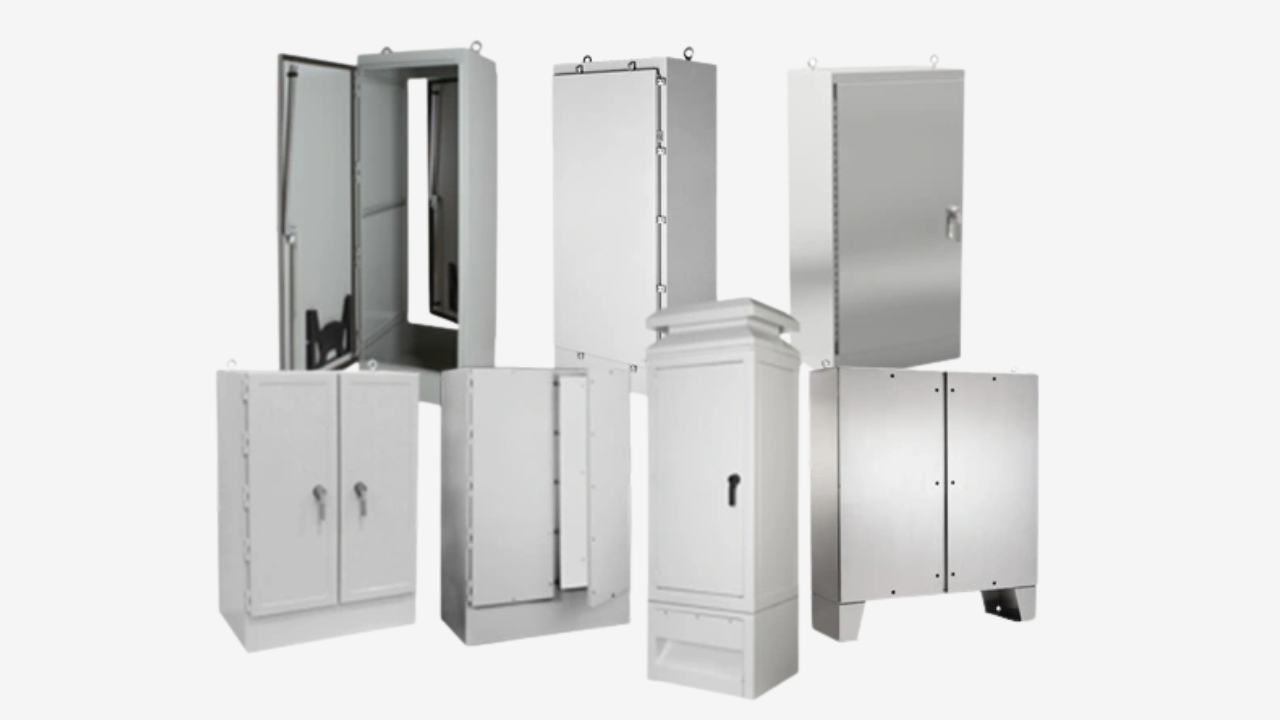
KDM est un fabricant professionnel de boîtiers électriques sur mesure Forts de nombreuses années d'expérience, nous nous engageons à vous fournir une vaste gamme d'armoires électriques de haute qualité. De plus, nous proposons des services sur mesure pour répondre à vos besoins spécifiques. N'hésitez pas à nous contacter pour votre solution d'armoire personnalisée.
 French
  English
  Arabic
  Spanish
  Russian
  Japanese
  Korean
  Portuguese
  Indonesian
  Chinese