


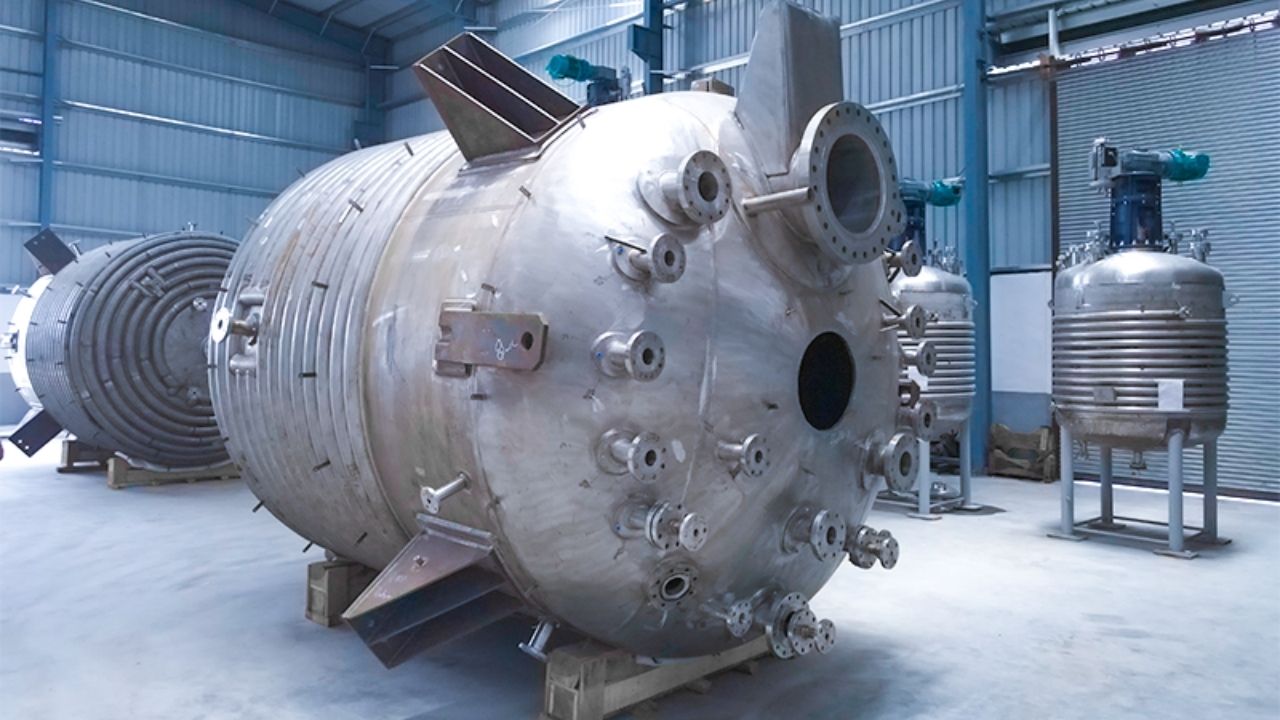
It is important to choose the right reactor, whether you are making active pharmaceutical ingredients or processing food items. Reactors made of stainless steel are long-lasting, do not rust, and can be used in a lot of different ways. This guide helps you how to use them in the most common ways so you can make a smart investment choice.
What Is a Stainless Steel Reactor?
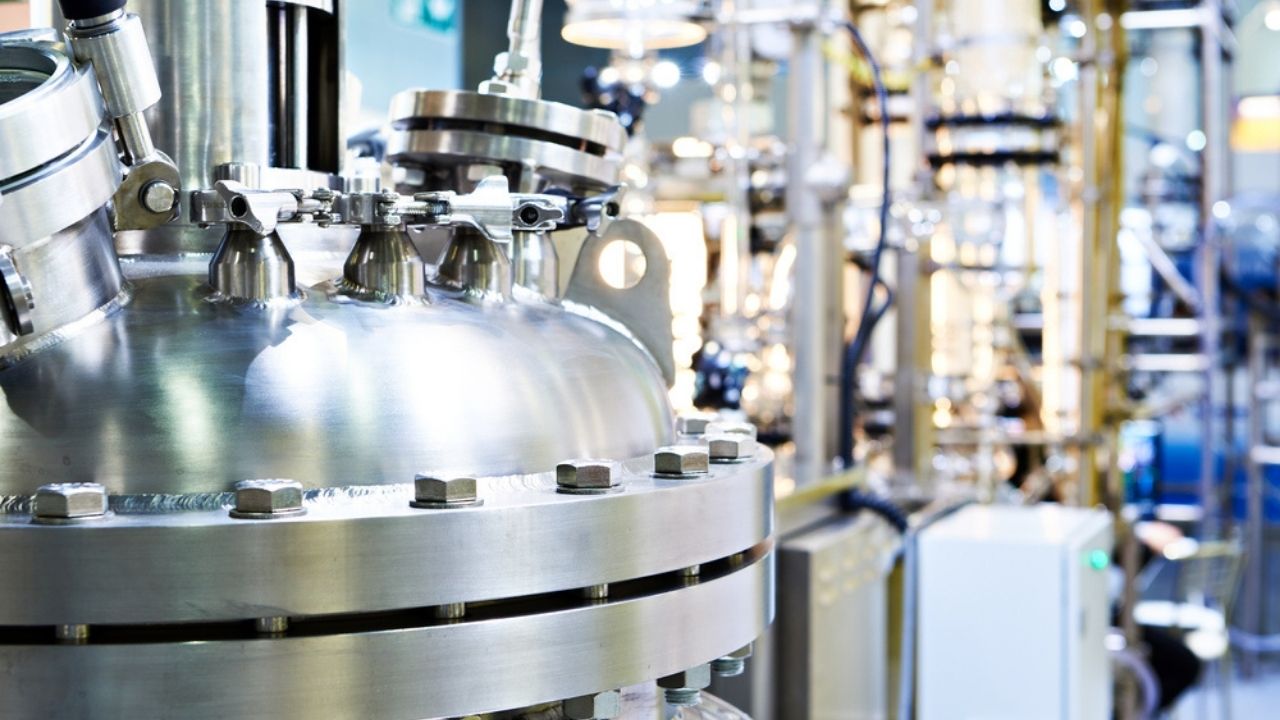
A stainless steel reactor is a pressure tank made to keep chemical reactions, mixing, or biological processes inside and under tight control. These complex systems control temperature, pressure, and movement to make sure that results are always of high quality in food, chemicals, and pharmaceuticals.
Key Industrial Uses of Stainless Steel Reactors
Chemical Manufacturing & Processing
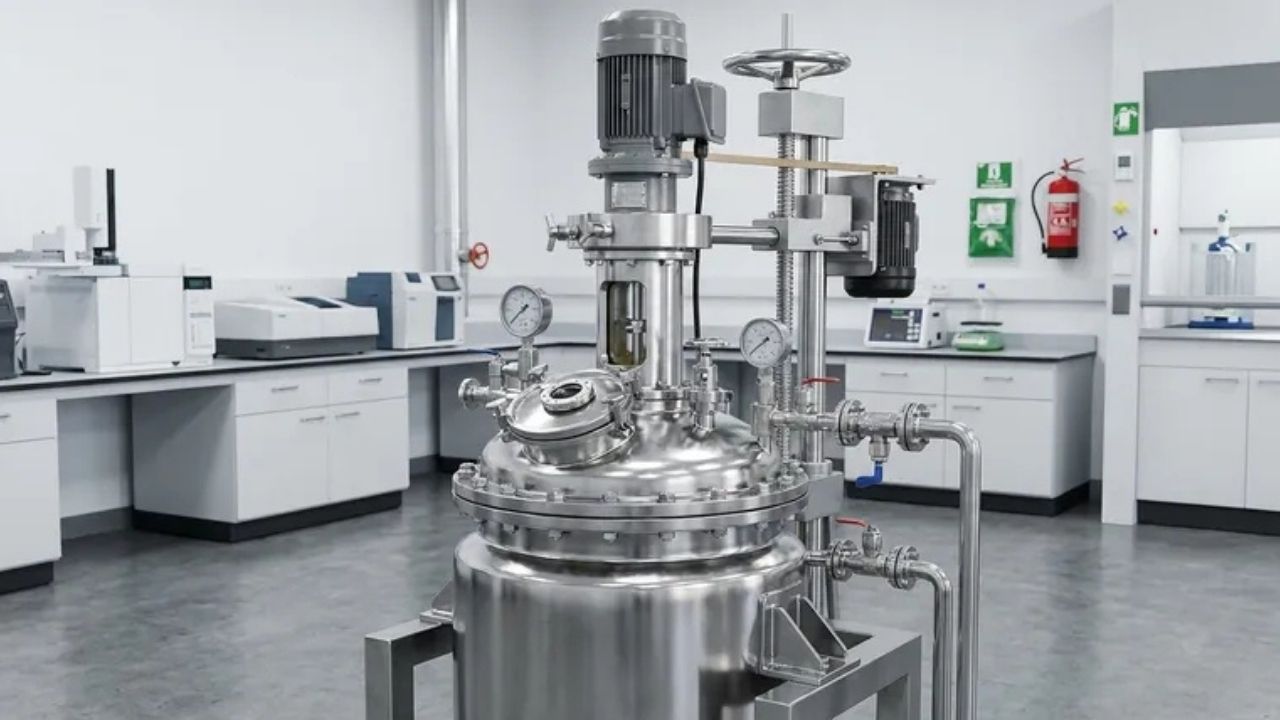
Reactors made of stainless steel do all the work in chemical making, from oxidation and crystallization to polymerization and distillation. They can stand up to high temperatures and pressures, as well as organic solvents and poisons that are not too strong. These reactors give you the strong, dependable performance you need, whether you are making unique chemicals or fine chemical intermediates.
Industria farmacéutica
For companies that make medicines, the quality of stainless-steel pharmaceutical tanks is a must. Active pharmaceutical ingredients (APIs), drug synthesis, and vaccine development can all be done in sterile settings inside stainless steel reactors. The best material for this job is Grade 316L with electro polished sides, which keeps it clean between batches and stops contamination. These vessels meet the strict rules of Good Manufacturing Practice (GMP) that your quality standards require.
Food and Beverage Processing
In the food business, stainless steel reactors are used to make everything from beer to dairy products and sauces. Their smooth surfaces meet strict hygiene standards, and the fact that they do not react with anything means that no flavor or color will transfer to your goods. Because they are clean-in-place (CIP) compatible, they are perfect for places that need to clean up a lot between production runs.
Petrochemical & Refining Industry
For tough jobs like pyrolysis, polymerization, and catalytic breaking, the petrochemical industry uses reactors made of stainless steel. In these conditions, you need materials that can keep their shape in harsh conditions like high temperatures and high pressures while also not corroding when exposed to strong fuels. For these tough jobs, higher-grade metals and duplex stainless steels are often the best choices.
Biotechnology and Bioprocessing
In biotechnological uses, stainless steel reactors help grow cells, ferment substances, and make biological products. While controlling the surroundings precisely, these systems keep the sterile conditions that living things need. More and more, modern facilities are combining these reactors with high-tech automation systems to make output consistent and scalable.
Specialized Uses and Innovative Applications
Advanced Polymerization and Materials Synthesis
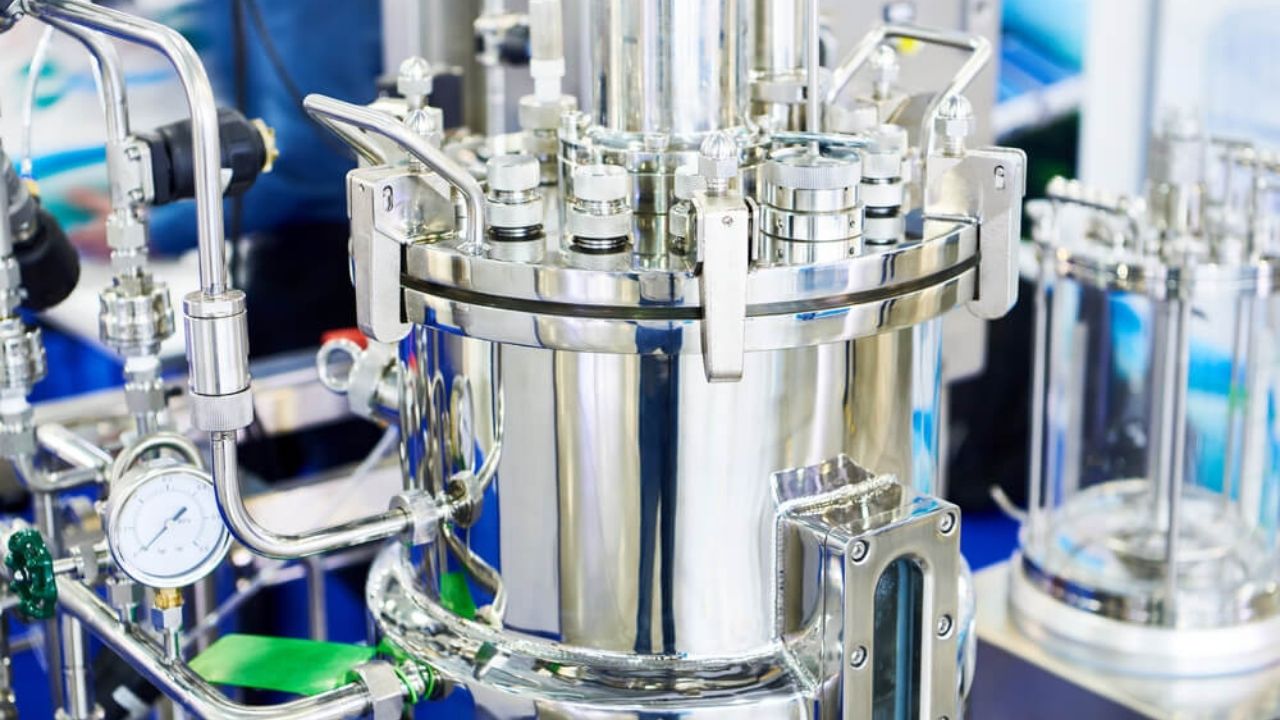
The exact temperature control and mixing that these processes need are provided by stainless steel reactors when making advanced polymers or engineered materials. The tubes are good at moving thick substances while keeping the clean environment needed for making high-purity polymers.
Environmental & Waste Treatment Applications
Stainless steel reactors are being used more and more in environmental uses, such as to treat wastewater and turn trash into energy. Their ability to resist corrosion is useful when dealing with aggressive waste streams, and their durability means they will last for a long time in tough circumstances.
Research, Development & Laboratory Applications
Stainless steel reactors are versatile and can be used for anything from small-scale research in the lab to large-scale production in factories. These days, systems combine several technologies into one unit, such as microwave, ultrasonic, and pyrolysis powers. This shortens the time it takes to do research.
Benefits of Stainless Steel Reactors in Modern Industries
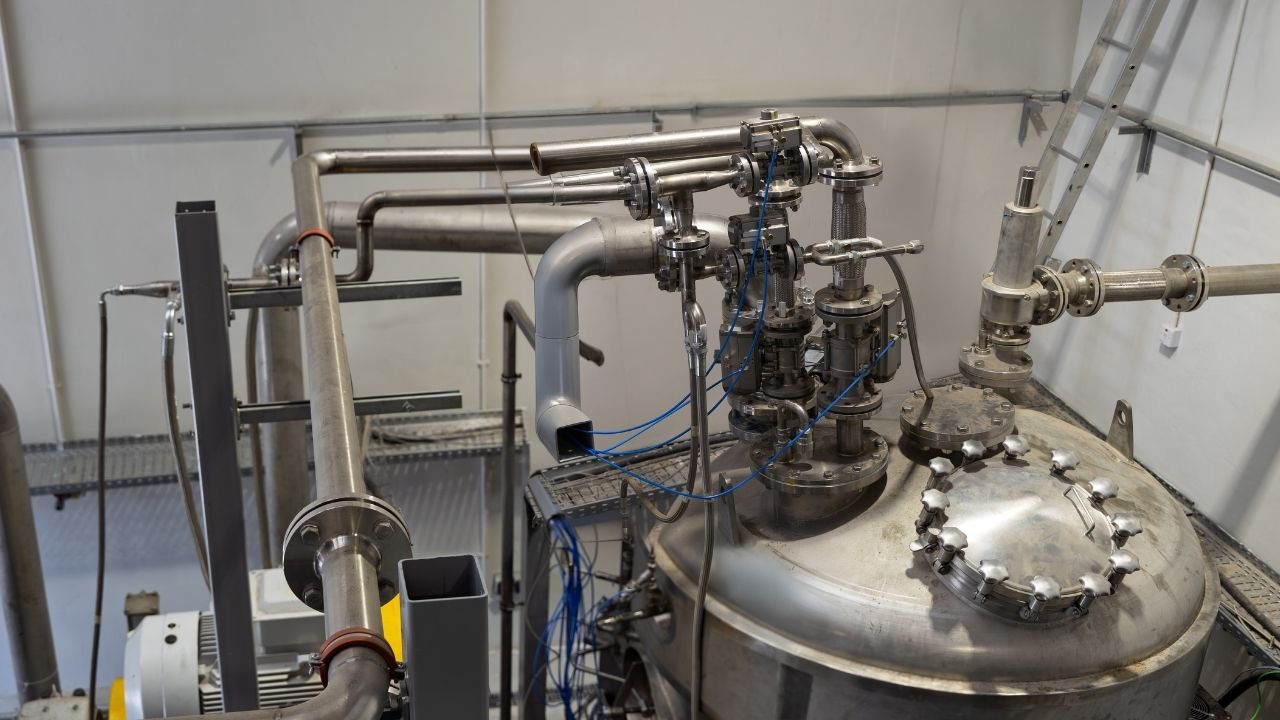
Corrosion Resistance and Purity Assurance
When scratched, the chromium oxide passive layer fixes itself, which stops rust and makes sure your goods stay clean during processing.
Durability, Longevity & Low Maintenance
The mechanical strength of stainless steel makes it safe to use under high pressure or gas. It also lasts for decades without needing much maintenance.
Hygiene and Compliance Advantages
Surfaces that are not porous do not let bacteria grow and can handle harsh CIP/SIP routines with the help of SIP/CIP tanks. They also meet strict FDA, GMP, and food-grade standards.
Customizability and Scalability
From small 5-liter lab units to huge 300-ton tanks, reactors can be customized with different types of jackets, agitation systems, and surface finishes.
Sustainability & Economic Efficiency
Even though it costs more up front than carbon steel, it is more valuable in the long run because it uses less energy, costs less to own, and makes less trash.
Preguntas frecuentes
Why is stainless steel preferred over other materials for reactors?
Stainless steel has a unique mix of corrosion protection, mechanical strength, thermal performance, and ease of cleaning that not many other materials can match. It maintains a good mix between durability and cost-effectiveness for a wide range of uses.
What are the most common stainless steel grades used in reactors?
Stainless steel Type 304 is used for general things, while stainless steel Type 316L (with molybdenum) is better at resisting salt and acid for use in food and medicine. Duplex grades are good for needs that require a lot of power.
How do stainless steel reactors ensure product purity?
The self-healing chromium oxide layer keeps the surface from getting dirty, and the smooth electropolished finishes get rid of places where bacteria can hide. Chemical harmony is ensured by choosing the right grade.
What’s the difference between batch and continuous stainless steel reactors?
Batch reactors are perfect for sites that make more than one product because they can process small amounts at a time. Continuous reactors can make a single product in large quantities 24 hours a day, seven days a week.
Can stainless steel reactors be customized?
Yes. To fit your process, manufacturers can change the size, pressure rating, jacket type, agitation system, surface finish, and amount of automation.
Can stainless steel reactors be used for pharmaceutical API production?
Yes, the standard for making APIs is 316L stainless steel with electropolished surfaces, which meets all GMP requirements for clean production.
Are there size limitations for stainless steel reactors?
Reactors come in a range of sizes, from small 5-liter lab units to huge tanks up to 8 meters in diameter, 50 meters long, and 300 tons heavy.
Is automation commonly integrated with stainless steel reactors?
For consistent, efficient output, modern reactors usually have PLC controls, AI-optimized operation, and the ability to connect to facility management systems.
Customized Stainless Steel Reactors by KDM Steel
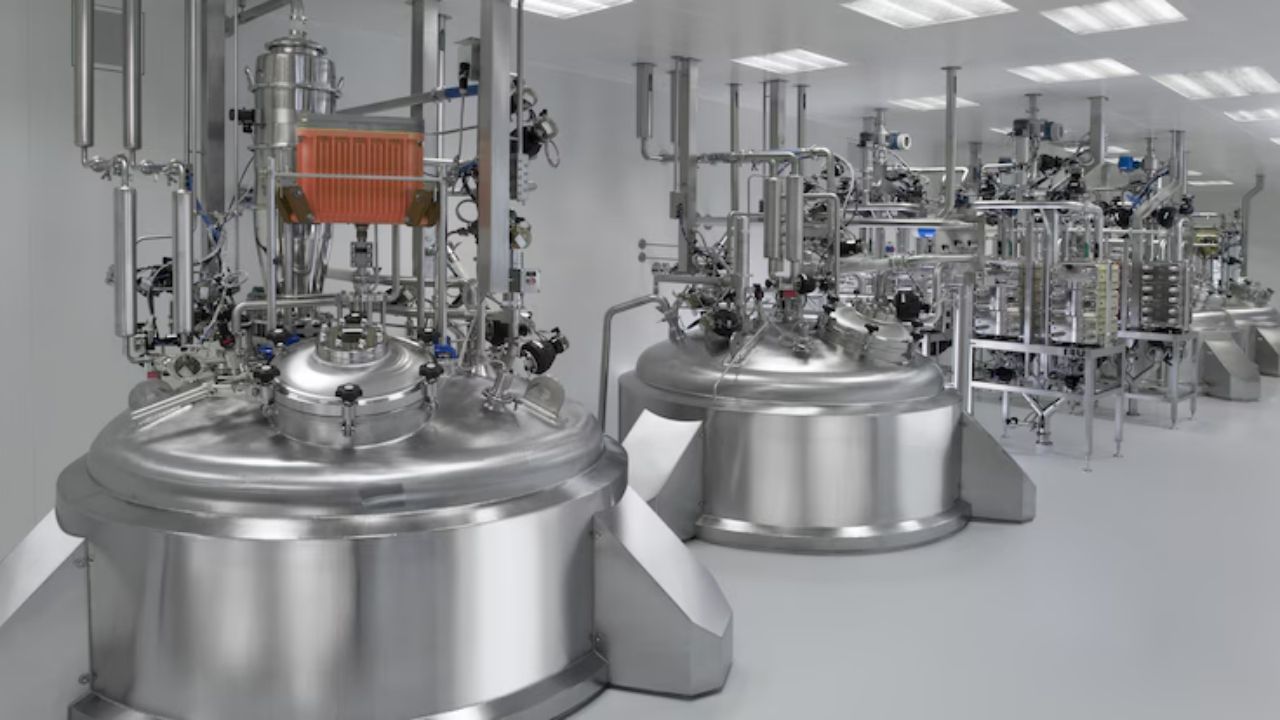
We at Acero KDM know that the way you work is different from that of other users. You and our engineering team work together to make sure that the reactors we build meet all of your exact needs, from choosing the grade and surface finish to integrating automation. Contáctenos to elaborate on your needs, whether you need pharmaceutical-grade purity or tough chemical processing dependability.
 Spanish
  English
  Arabic
  French
  Russian
  Japanese
  Korean
  Portuguese
  Indonesian
  Chinese