


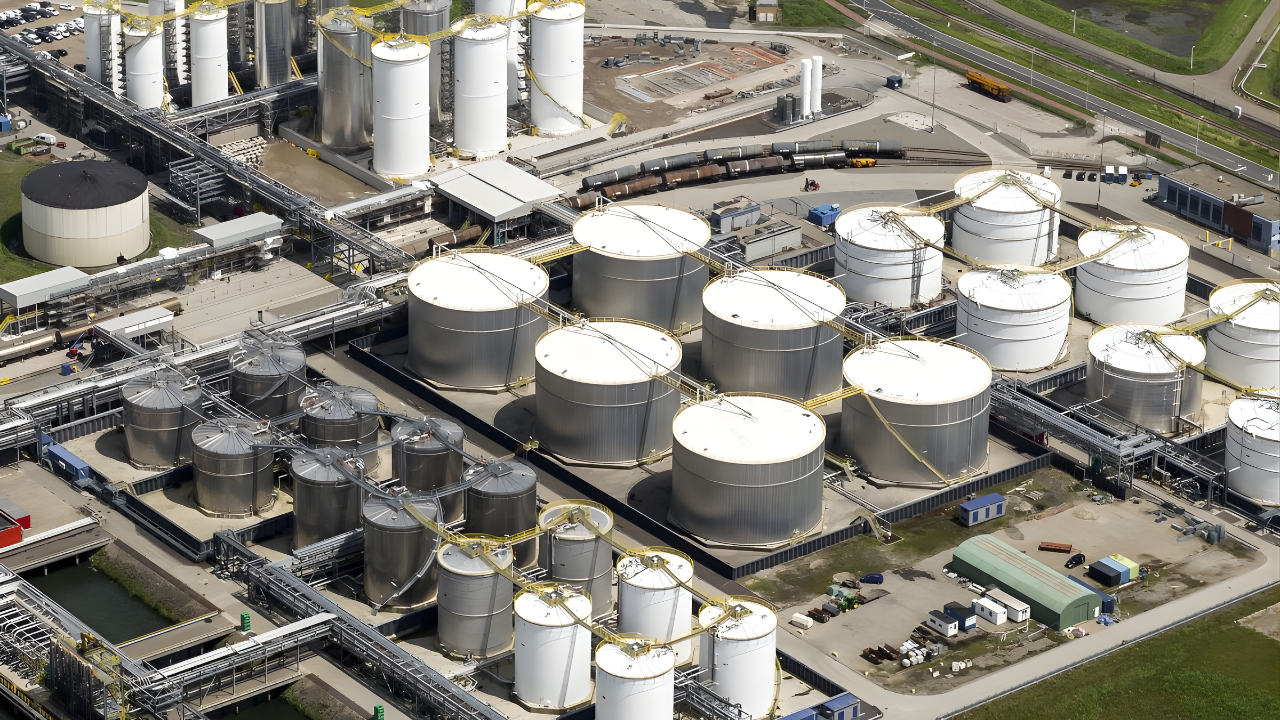
It is very important to know the difference between a tank and a vessel when planning storage or process equipment for an industrial building. People often use the two words to refer to the same thing, but they have different technical uses. This guide helps you to know about the tank and vessel, and also which one to choose according to your needs.
What Is a Tank?
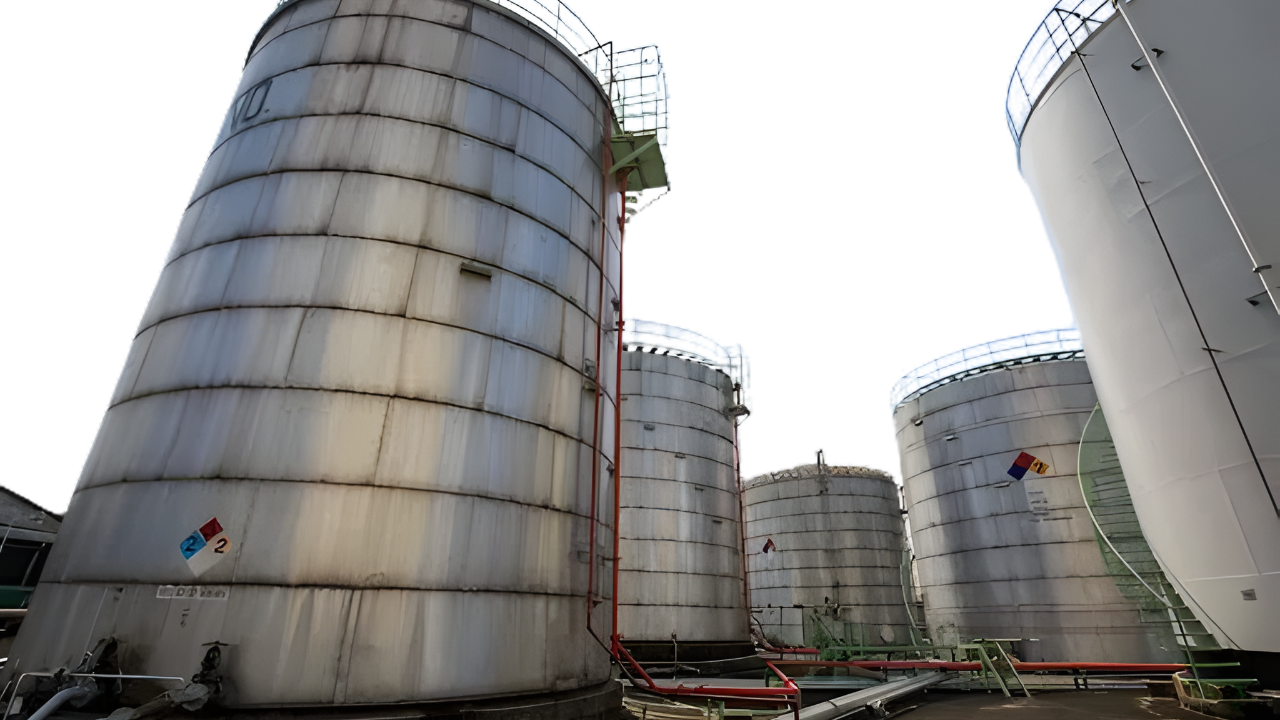
A tank is usually a large container that is used to store gases or liquids, generally at room temperature or low pressure. Tanks can be found in chemical plants, water treatment plants and oil companies. Their main purpose is to store things, not to process or deal with high internal pressure.
What Is a Vessel?
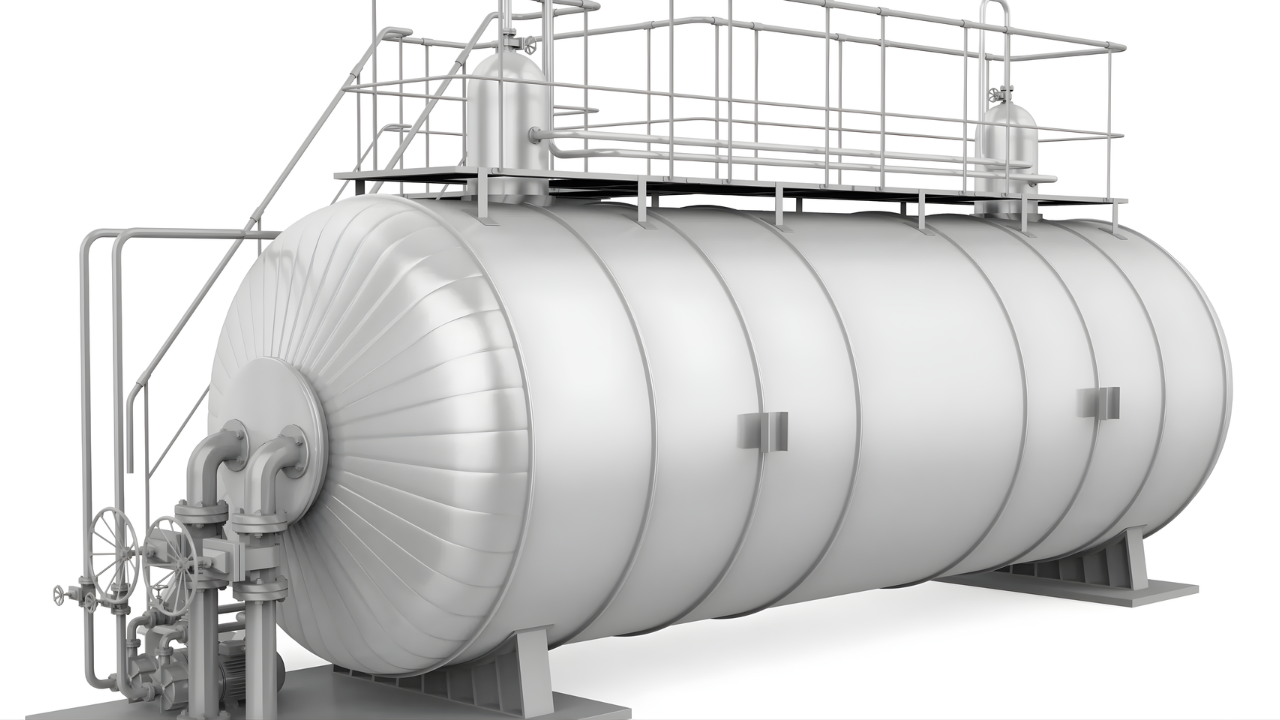
A vessel, which is also sometimes called a “pressure vessel,” is designed to keep gases or liquids under pressure. Vessels are different from regular storage tanks because they are made to handle pressure loads from the inside or the outside. They are widely used in process industries like petrochemicals and power generation.
Key Differences between Tank and Vessel
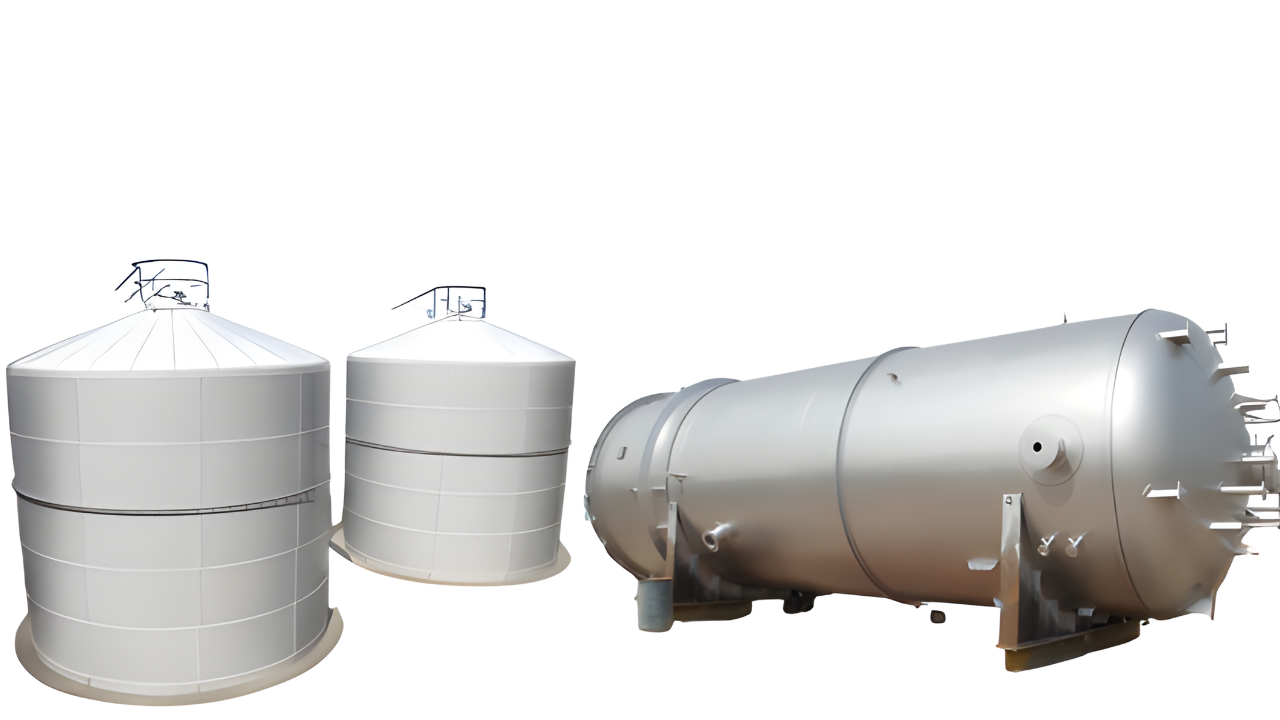
1. Design Purpose and Primary Function
Tanks
A tank is often the best way to keep a lot of water, oil, chemicals, or other things. How much it can hold, how easy it is to keep up, and how stable the frame is all play a role in the design. We make wheat storage tanks at KDM Steel that are great for large-scale industrial storage where the pressure loads are low. Tanks are great when you just want to keep things inside and not worry about reaction or pressure.
Vessels
It is built so that vessels can work in certain settings. If you want to heat, cool, or split things under pressure, you need a vessel. It is safe for these units to handle stress, changes in temperature, and changes in internal pressure. Process factors that are good for performance can be used to make pressure vessels. Vessels often have extra parts like nozzles and supports to make them work better in real life.
2. Pressure Handling Capability
Tanks
Most tanks have very low pressure or the same pressure inside as outside. The walls of these tanks are not as thick as those of pressure tanks because they are not meant to withstand a lot of stress. The American Petroleum Institute made rules that atmospheric holding tanks must follow. These rules are called API 650. If the process does not need to keep the pressure up, a tank is generally less expensive and easier to build than a pressure vessel.
Vessels
Vessels are built to handle strong forces both inside and outside of them. There are strict rules for construction, materials, and tests that are put out by the American Society of Mechanical Engineers in codes like ASME Section VIII. The width of the wall, the quality of the weld, and the stress analysis are all carefully chosen. When safety under pressure is very important, a vessel has just the right amount of power.
3. Design Standards and Codes
Tanks
Tanks are often built to standards like API 620 or 650, which are based on the pressure and temperature. These rules make sure that buildings are safe to use while they are being stored and that they are in good shape. Designing tanks based on standards that are known all over the world makes it easy to meet the rules in many places and industries.
Vessels
When pressure tanks are sold in Europe, they have to follow stricter rules, such as ASME Section VIII or PED. Follow these rules to pick the right materials, join them, do non-destructive testing, and test their strength with water. In businesses that are regulated, ships must follow the rules and can be checked out by people who are allowed to do so.
4. Construction Complexity
Tanks
Most of the time, making a tank is easy. The majority of the time, they are round with flat or cone-shaped ends. This is where the main things that are done are plate rolling, soldering, and finishing. Large tanks need careful planning, but they can usually figure out how much stress they are under without too much trouble. This makes it faster to build and put tanks in place.
Vessel
It takes more work to make a tank. Most of the time, you need support pads, thick plates, and heads that are set back. Part of the process is a deep look at stress and advanced welding methods. For uses that involve a lot of pressure and cannot afford to fail, precision making is needed.
5. Safety and Inspection Requirements
Tanks
Every once in a while, tanks should be checked for leaks, rust, and base settlement. The Occupational Safety and Health Administration (OSHA) says that upkeep is very important. It is not always as strict with government rules and test times for tanks, though.
Vessels
Pressure tanks need to be carefully checked. Some of these checks are non-destructive examination and hydraulic tests. Before they can start working, regulatory groups need to get permission and fill out paperwork. Stress systems need to be checked more often because they might be more dangerous.
6. Shape and Configuration
Tanks
Most tanks are round, have flat sides, and tops that either stay in place or float. People often use horizontal tanks for smaller amounts. Their design puts a lot of weight on both how well they use space and how clean they are. As options for customizing, you can add insulation, linings on the inside, and protective coatings on the outside.
Vessels
Vessels usually have cylinder-shaped bases with hemispherical or elliptical heads so that the pressure is spread out over a large area. What matters is the needs of the process, not whether it is vertical or horizontal. The idea is not just about holding space, but also about keeping pressure in check.
7. Internal Components and Features
Tanks
Most of the time, tanks do not have a lot of parts inside them. They might have mixers, level signs, or heating fans built in so they can be used when needed. Since storage is the main goal and not processing, the interior layout stays simple.
Vessels
A lot of vessels have divisions, trays, agitators, or internal coils. These parts help move heat, make chemical reactions happen, and separate things. The internal design is specific to the job and requires a lot of complicated engineering math.
8. Material Selection
Tanks
Tanks are generally made of carbon steel, stainless steel, or materials that are covered. This depends on what is being stored, like a 1000-gallon stainless steel tank. When picking materials, it is very important that they do not rust and are cheap.
Vessels
The things that are used to build vessels need to be able to handle changes in temperature and high pressure. A lot of the time, alloys and special-grade steels that are very hard are used. Materials need to be certified and tracked to get governmental approval and ensure that operations are safe.
9. Typical Applications
Tanks
Tanks are used a lot in places like chemical storage yards, water treatment plants, and ports that store fuel. There are many things that are kept until they are sent or used in some other way. People own and share a lot of land with them.
Vessels
Drug stores, power plants, factories, and chemical plants all use them all the time. They are in charge of processes that divide things, reactions that happen under pressure, and jobs that need to share heat to make things.
10. Compliance and safety tanks for rules and laws
Tank
Protect the area around the tanks, stop any leaks, and make sure the building is strong to keep them safe. Rules are easier to understand than pressure tank codes, but not everywhere have the same rules. But it is still important to keep good records and look at them often.
Vessels
To be safe, pressure tanks around the world must follow rules and be checked by a third party. You need to get an ASME or PED mark most of the time. Getting in trouble for breaking the rules can stop you from working and put your safety at great risk.
Summary Table of Tank vs Pressure
| Parameter | Tank | Vessel |
| Primary Purpose | Used mainly for the storage of liquids or gases | Used for processing fluids, often under pressure |
| Pressure Handling | Operates at atmospheric or very low pressure | Designed to handle high internal or external pressure |
| Typical Name | Commonly called a storage tank | Often called a stainless steel pressure vessel |
| Design Codes | Follows standards like API 650 / API 620 | Follows strict codes such as ASME Section VIII |
| Wall Thickness | Generally thin walls | Thicker walls to withstand pressure |
| Construction Complexity | Simple construction, fewer calculations | Complex construction, detailed stress analysis |
| Internal Components | Minimal internals (level gauge, mixer) | Multiple internals (trays, baffles, coils) |
| Shape | Mostly cylindrical with flat or conical bottoms | Cylindrical with elliptical or hemispherical heads |
| Inspection Requirements | Periodic inspection, less strict | Frequent and strict inspections, certification required |
| Typical Applications | Fuel storage, water tanks, chemical storage | Refineries, chemical plants, power plants |
Tank vs Vessel – Which One Is Best?
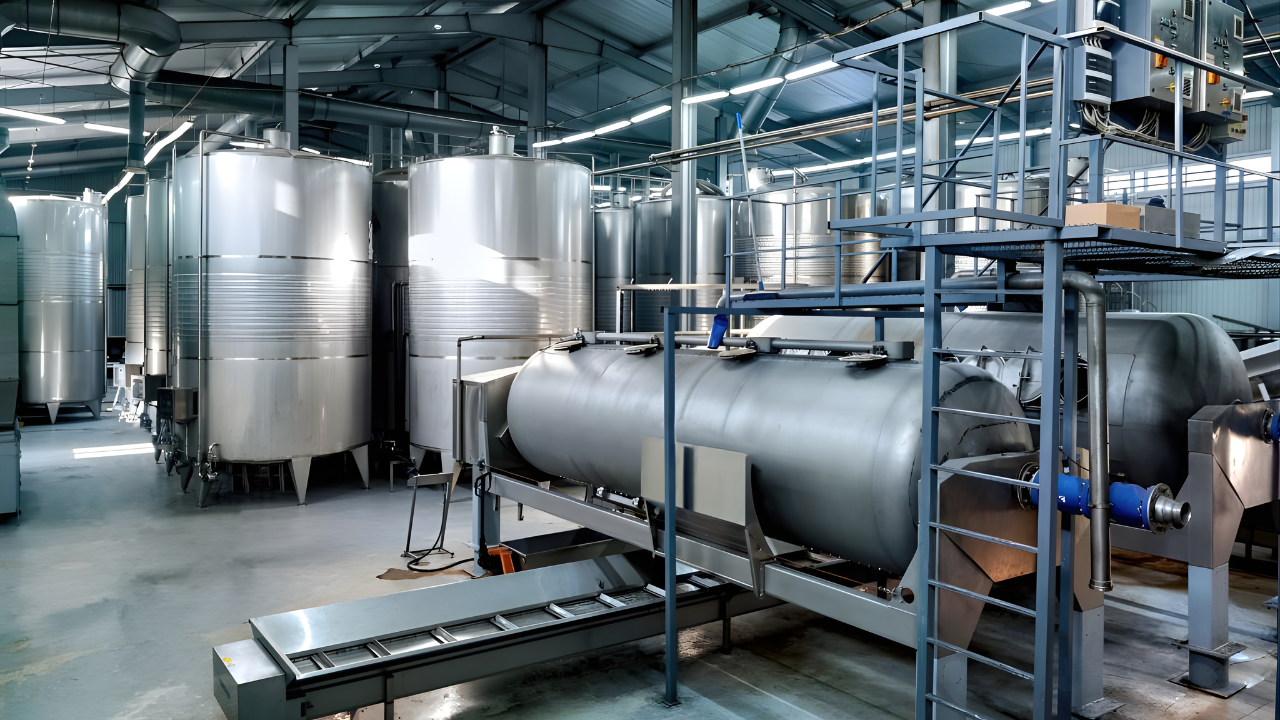
What you need to do will determine which choice is best for you. A tank is usually all you need to store a lot of things safely and cheaply. For any process that involves changes in pressure, temperature, or chemical reactions, you need a tank. It is best to look at load conditions, regulatory standards, and operational goals to find the best choice for your job.
Preguntas frecuentes
Is a tank a kind of vessel?
A tank is a type of box that is usually used to store liquids or gases. But not every object is a tank; many of them do work with pressure or processes.
Are tanks always stationary structures?
Most tanks used in industry are fixed in place and do not move. But tanks that can be moved are also used to move things and store things for a short time.
Are all tanks meant to work like pressure vessels?
No, tanks are made to work in high-pressure scenarios. A lot of containers are made to keep things at room temperature, mix them, or split them.
Should the walls of tanks be thicker than those of pressure vessels?
Store tanks do not need thick walls because they do not work under a lot of pressure. Thick walls are only used on tanks that are meant to handle high pressure or other special tasks.
Are ships controlled around the world?
Yes, many industrial ships follow rules from other countries, such as ASME and PED. These rules make sure that all places around the world are safe, that buildings are strong, and that people follow the rules.
Where do you usually find pressure vessels?
There are a lot of pressure tanks in refineries and petrochemical companies. They are also often used in places that make power and chemicals.
Do you choose different materials for tanks and vessels?
Yes, pressure tanks often need stronger metals that can stand up to high temperatures and stress. Some holding tanks are made of standard materials or carbon steel so they can be used for air service.
Get Your Customized Tanks and Vessels by KDM Steel
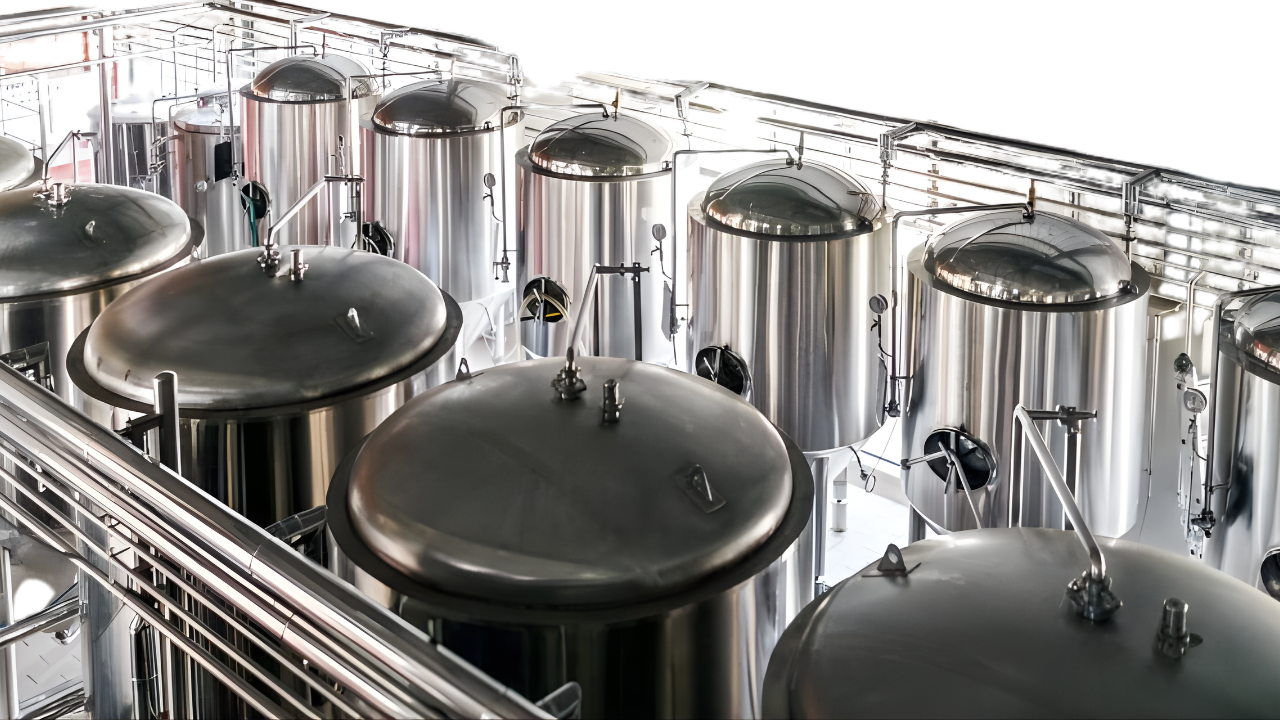
Tanks and vessels may look the same, but they are used for very different things in engineering and have very different laws and safety requirements. Knowing these differences will help you avoid making mistakes in design that cost a lot of money. Talking to experienced makers will help you make sure that your tools meet both legal and practical needs. If you want to get customized and personalized tanks or vessels, contacto KDM Steel and get your customized product and pricing.
 Spanish
  English
  Arabic
  French
  Russian
  Japanese
  Korean
  Portuguese
  Indonesian
  Chinese