


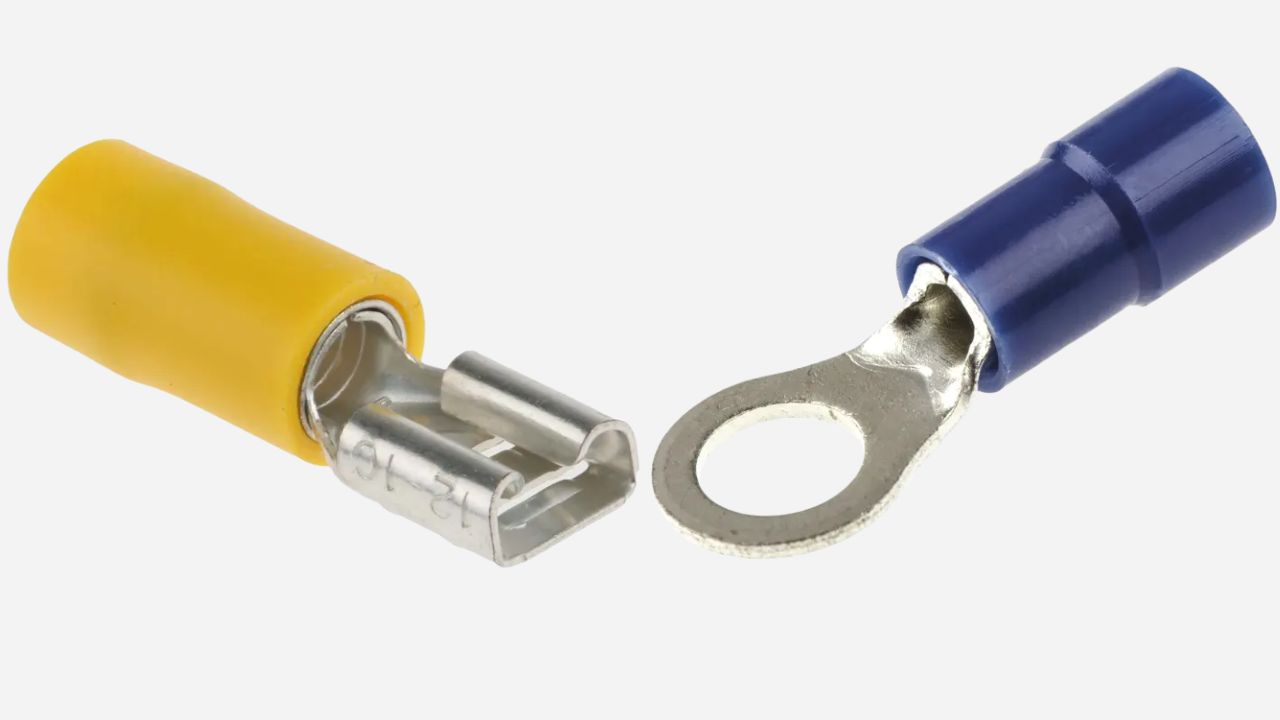
Los terminales de pala y los terminales de anillo cumplen la misma función de conexión, pero tienen propósitos diferentes. Elegir el terminal correcto influye en la eficiencia de la instalación y la seguridad a largo plazo. Este artículo ayuda a los ingenieros eléctricos e integradores de sistemas a comprender las diferencias entre ambos y a tomar la decisión correcta según los requisitos de cada proyecto.
¿Qué son los terminales de pala?
Los terminales de horquilla, también conocidos como terminales de pala, son conectores eléctricos que se utilizan para terminar cables y fijarlos de forma segura a tornillos o pernos. Tienen una abertura en forma de U. La horquilla, con su extremo abierto, se desliza alrededor del tornillo suelto hasta su posición correcta, lo cual resulta práctico en algunos casos.
Los terminales de pala están disponibles en versiones aisladas y no aisladas. Generalmente están fabricados en cobre y recubiertos con una capa antioxidante. Son compatibles con diversos calibres de cable, tamaños de pernos y entornos de aplicación.
¿Qué son los terminales de anillo?
Un terminal de anillo es un conector con forma de anillo circular cerrado. Se puede fijar firmemente a tornillos o espárragos. Una vez apretado, el terminal de anillo forma una conexión permanente y altamente segura.
Los terminales de anillo suelen ser de cobre y ofrecen una gran resistencia a la corrosión. Puede elegir terminales aislados o sin aislar. El tamaño depende principalmente de las especificaciones del cable y del diámetro del anillo.
Terminales de pala vs. terminales de anillo: explicación de la diferencia clave
Si desea comprender las diferencias entre terminales de pala y terminales de anillo, debe prestar especial atención a las variaciones en su rendimiento, estándares y aplicaciones. A continuación, se ofrece una explicación detallada de las diferencias entre ambos:
Seguridad de la conexión mecánica
El método de conexión es una diferencia muy obvia entre los terminales de pala y los terminales de anillo. Los terminales de pala tienen un diseño de extremo abierto, lo que facilita su desmontaje. Puede deslizar el conector hacia afuera cuando los tornillos se aflojan. Sin embargo, su conexión depende en gran medida del par de apriete de los tornillos. sujetadores para conservar.
El terminal de anillo utiliza un diseño de circuito cerrado para garantizar una conexión estable. Incluso si los tornillos están ligeramente flojos, aún así garantiza una conexión estable.
Resistencia a la vibración
Los terminales de pala utilizan terminales de extremo abierto, que son propensos a moverse y soltarse tras vibraciones prolongadas. No son adecuados para entornos dinámicos o con vibraciones.
Por el contrario, los terminales de anillo tienen puntos de conexión de 360°, lo que permite mantener mejor la conexión durante vibraciones prolongadas.
Fiabilidad eléctrica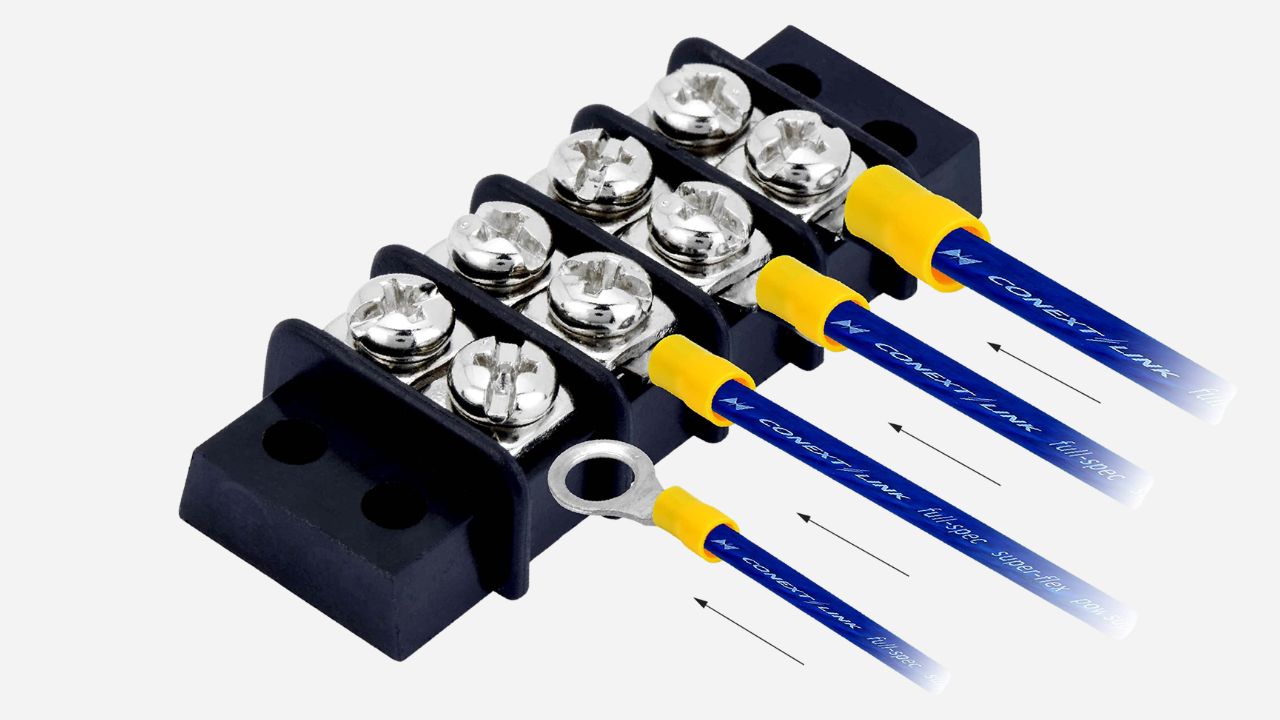
Los terminales de anillo tienen, sin duda, más ventajas que los terminales de pala. Tras apretar el tornillo o perno, el anillo metálico del terminal de anillo lo rodea y lo fija.
Aunque la vibración o la dilatación térmica provoquen que la tuerca se afloje ligeramente, el terminal de anillo mantendrá un circuito continuo.
Esta función es ideal para su uso en equipos que operan a largo plazo o sin supervisión. Además, proporciona una conexión continua y estable.
En cambio, la fiabilidad eléctrica de los terminales de pala depende del apriete del tornillo. Bajo vibraciones mecánicas continuas o tirones accidentales del cable, el terminal de pala puede salirse del tornillo, lo que provoca un aumento de la resistencia, calentamiento localizado y, finalmente, una desconexión completa.
Consideraciones de seguridad
Por motivos de seguridad, los terminales de anillo también ofrecen las mismas ventajas. La parte conductora metálica queda completamente encerrada dentro del anillo. Tras la instalación, quedan muy pocas superficies metálicas expuestas, lo que reduce el riesgo de cortocircuitos accidentales. Incluso los terminales adyacentes no entran en contacto con los conductores contiguos.
Por el contrario, la estructura en forma de U con el terminal de pala mantiene la chapa metálica siempre expuesta. Si se utiliza en bloques de bornes de varias filas o cajas de distribución densas, es probable que los bornes sueltos entren en contacto con los bornes adyacentes o con la carcasa de puesta a tierra, provocando así cortocircuitos.
En un sistema de alto voltaje o alta corriente, un cortocircuito provocado por un terminal de pala puede generar instantáneamente un arco eléctrico, lo que podría dañar el equipo o incluso provocar un incendio.
Instalación y mantenimiento
Los terminales de pala permiten su instalación y extracción simplemente aflojando o apretando el tornillo. Si necesita reemplazarlos o repararlos con frecuencia, el terminal de pala ofrece sin duda una mayor eficiencia operativa.
La instalación del terminal de anillo es más compleja. Es necesario retirar completamente la tuerca, insertar el terminal de anillo en el perno y, a continuación, volver a colocar y apretar la arandela y la tuerca.
Costo y disponibilidad
Las diferencias entre los terminales de pala y los terminales de anillo se reflejan principalmente en el coste de los materiales, la instalación y el mantenimiento a largo plazo.
Para un solo terminal, un terminal de pala suele ser más pequeño que un terminal de anillo cuando se utiliza el mismo material y calibre de cable. Esto se debe a que el proceso de estampado de metal del terminal de pala es más sencillo y requiere menos material.
Sin embargo, la principal diferencia entre el terminal de pala y el terminal de anillo radica en el costo de instalación. El terminal de pala permite realizar la conexión/desconexión sin necesidad de quitar los tornillos. Si necesita depurar o realizar mantenimiento con frecuencia, este terminal reduce considerablemente el tiempo de instalación y ofrece una clara ventaja en cuanto a eficiencia.
Los terminales de anillo tienen una baja eficiencia de instalación. Sin embargo, a largo plazo, pueden reducir considerablemente los costos ocultos derivados del tiempo de inactividad del equipo, la resolución de problemas o los accidentes de seguridad causados por conexiones sueltas.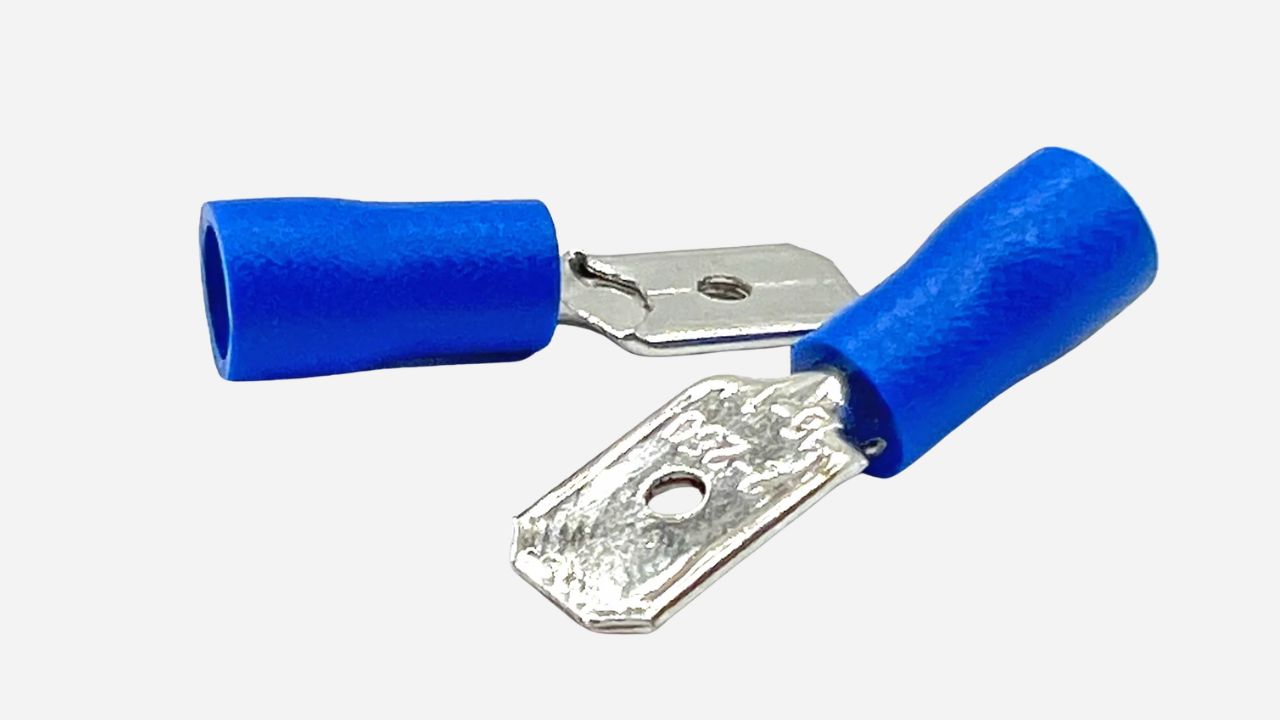
Aplicaciones
El terminal de pala y el terminal de anillo tienen diferentes aplicaciones. El terminal de pala se utiliza principalmente en situaciones de mantenimiento, en un entorno de vibración leve o controlable. Por ejemplo, se utiliza en los circuitos de control de cuadros de distribución, equipos de prueba en laboratorios o las tuercas de puesta a tierra de gabinetes de equipos.
El terminal de anillo se utiliza principalmente en campos que requieren una alta fiabilidad de conexión, como aeronaves, maquinaria pesada industrial, motores, etc. Además, en rutas de transmisión de alta corriente, equipos eléctricos para exteriores y dispositivos que requieren un funcionamiento sin mantenimiento a largo plazo, la estructura cerrada y la mayor resistencia sísmica del terminal de anillo lo convierten en la opción óptima.
¿Cómo elegir los terminales adecuados entre terminales de pala y terminales de anillo?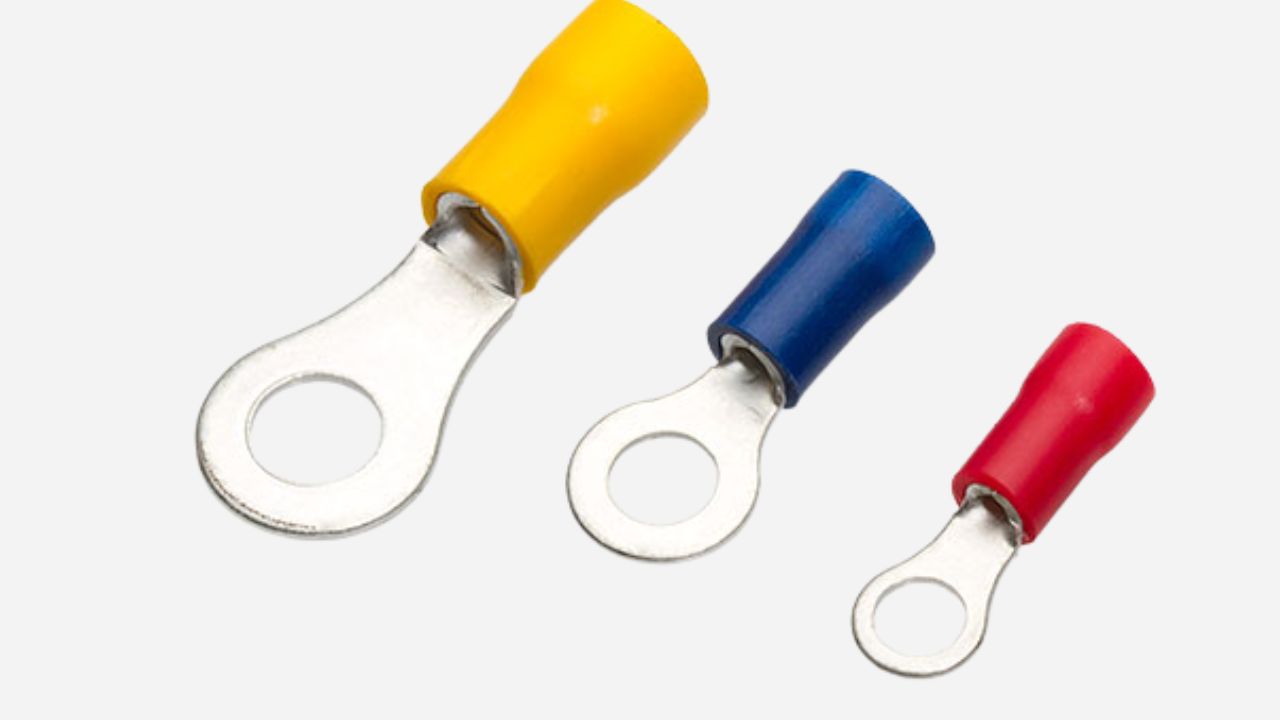
Evaluar el nivel de vibración
Si instala el equipo en un entorno con vibraciones constantes, como en sistemas automotrices, maquinaria pesada o motores, utilice terminales de anillo. Si el entorno de instalación es estable y presenta pocas vibraciones, puede considerar el uso de terminales de pala.
Considere los requisitos de seguridad.
Si la conexión implica alta corriente, alimentación principal o circuitos de control vitales, debe elegir terminales de anillo. Los terminales de anillo ofrecen una resistencia de contacto más estable, lo que reduce el riesgo de cortocircuitos. Los terminales de horquilla son más adecuados para circuitos no críticos o auxiliares, como el cableado de señales y las líneas de control de bajo riesgo.
Considere la frecuencia de mantenimiento
¿Necesita mantenimiento o reemplazo periódico? El terminal de pala es más adecuado para un mantenimiento frecuente, lo que le permite ser más eficiente en este aspecto. El terminal de anillo es más adecuado para instalaciones fijas a largo plazo.
Evaluar el espacio y las condiciones de instalación.
Si el espacio para la conexión es limitado y los cables deben insertarse lateralmente, el terminal de pala es la opción más adecuada. El terminal de anillo debe insertarse desde la parte superior de la columna de tornillos. Si no hay suficiente espacio alrededor o la longitud del cable es demasiado corta para levantarlo, no se podrá instalar. Por lo tanto, el terminal de pala es la mejor opción.
Además, también debes comprobar si el terminales Respete los estándares de la industria y las especificaciones del proyecto. Lo más importante es considerar el costo total. Generalmente, el costo del ciclo de vida de las terminales es más importante que el costo inicial.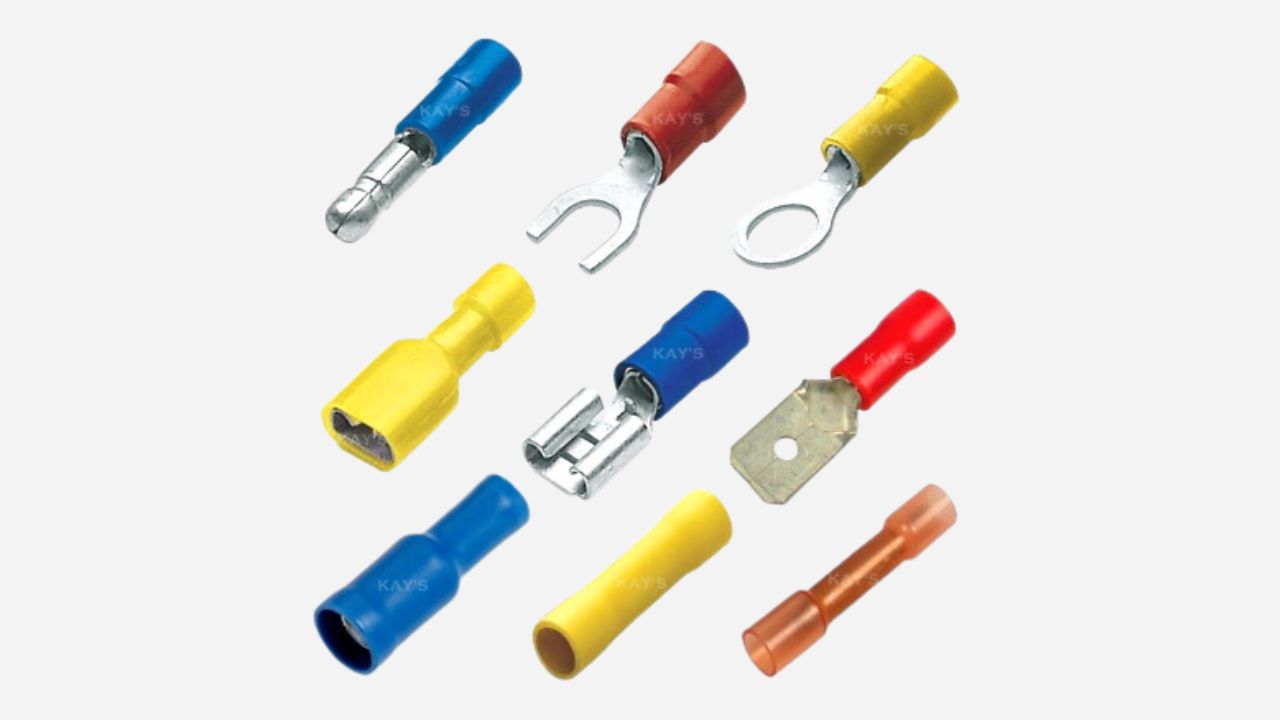
Preguntas frecuentes
¿Se pueden reutilizar los terminales de pala o de anillo después de retirarlos?
En general, no está permitido. Los terminales de pala y los terminales de anillo no deben reutilizarse después de retirarlos. Tras el engaste, el cuerpo metálico se deforma. La extracción y reutilización de los terminales puede reducir su fiabilidad y resistencia mecánica. Además, su reutilización puede aumentar la resistencia y provocar sobrecalentamiento.
¿Existen estándares de color para los terminales aislados?
Sí. Existen colores estándar para los terminales aislados, pero esto no es obligatorio a nivel mundial. En Estados Unidos, las normas UL suelen definir códigos de color para los calibres de los cables (AWG). Por ejemplo, el rojo representa 22-16 AWG, el azul representa 16-14 AWG y el amarillo representa 12-10 AWG. Sin embargo, los códigos de color pueden variar según el fabricante o el país.
¿Cómo afecta el medio ambiente a la esperanza de vida al final de la vida?
El entorno afecta a los conductores metálicos y al aislamiento, influyendo así en la vida útil de los terminales. La humedad provoca corrosión y aumenta la resistencia de los terminales. Las temperaturas extremas pueden degradar el aislamiento y causar fatiga del metal. La exposición a productos químicos y sales puede acelerar la corrosión y la descomposición del material.
Puedes elegir los materiales, el aislamiento y el sellado adecuados para los terminales con el fin de prolongar su vida útil en entornos hostiles.
¿Se pueden usar indistintamente los terminales de pala y los terminales de anillo?
No. Los terminales de pala y los terminales de anillo no son completamente intercambiables. Sus requisitos de diseño son diferentes. Los terminales de pala priorizan la instalación rápida y el desmontaje sencillo. El terminal de anillo proporciona una conexión más segura y resistente a las vibraciones. Solo se pueden sustituir en aplicaciones de bajo riesgo y baja vibración. En entornos de alta carga, no se permite la sustitución.
Reflexión final
Como fabricante profesional de gabinetes eléctricos, podemos proporcionarle terminales y Cajas eléctricas. Nuestro producto ha sido probado muchas veces para garantizar su alta calidad. Contamos con un equipo profesional para brindarle un servicio personalizado. Si tiene alguna necesidad de personalización, no dude en contactarnos. Contáctenos.
 Spanish
  English
  Arabic
  French
  Russian
  Japanese
  Korean
  Portuguese
  Indonesian
  Chinese