


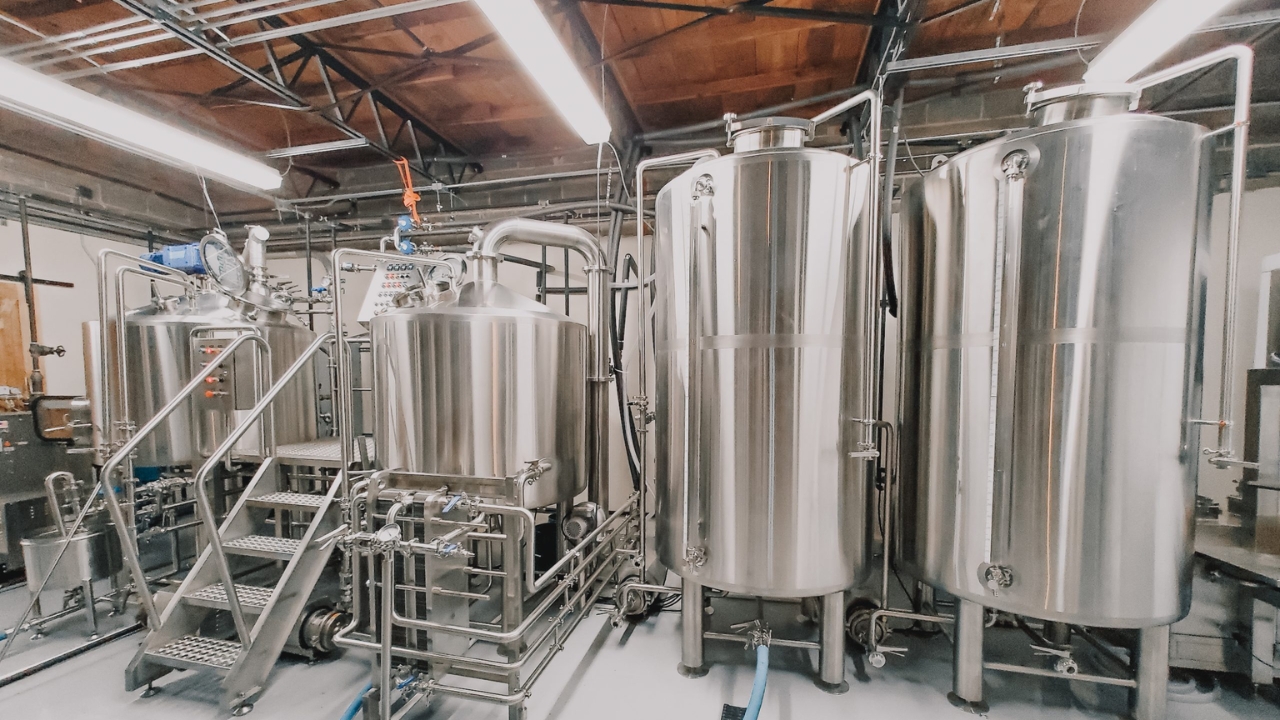
Garantir a temperatura correta não é apenas importante para produzir uma ótima cerveja, mas também essencial. Você quer produzir mais cerveja ou a temperatura da sua água subterrânea não é constante? Se sim, aprender a usar um tanque de resfriamento rápido (CLT) pode mudar sua forma de trabalhar e a qualidade da sua cerveja. Neste artigo, discutiremos como os sistemas CLT podem ajudá-lo a produzir lotes consistentes de cerveja, economizar energia e resfriar a água com precisão.
O que é um tanque de água fria (CLT)?
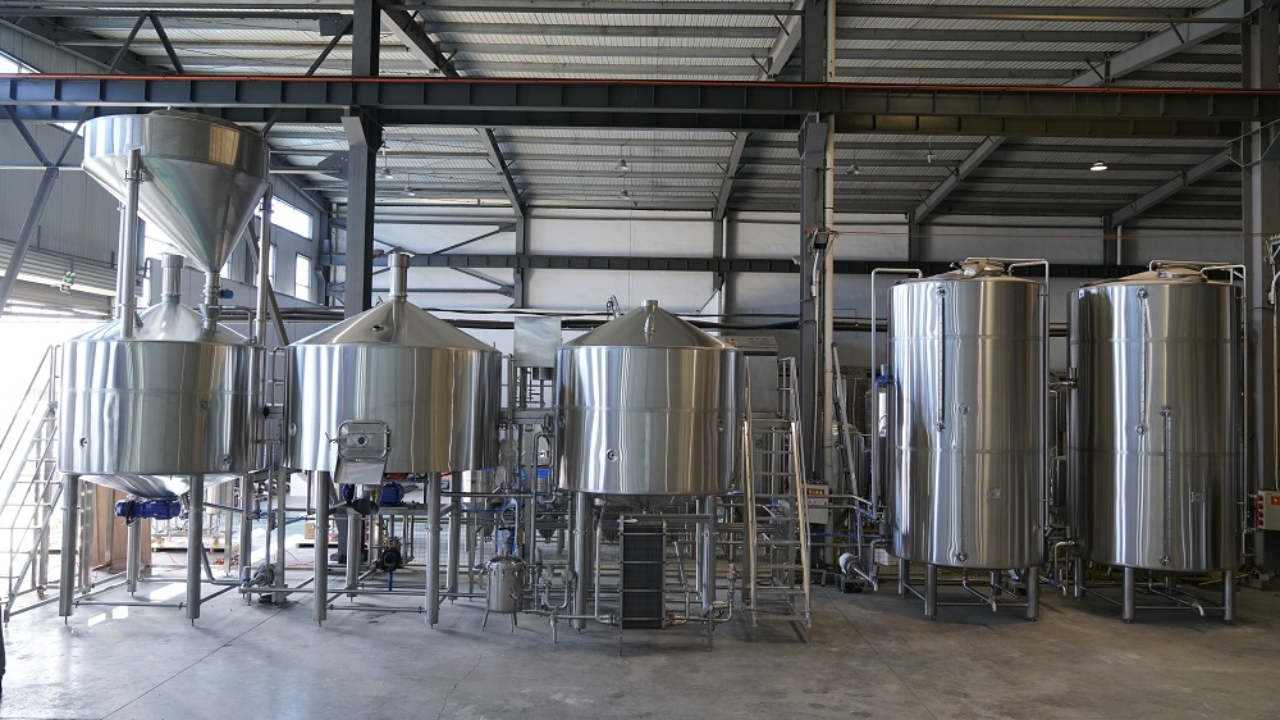
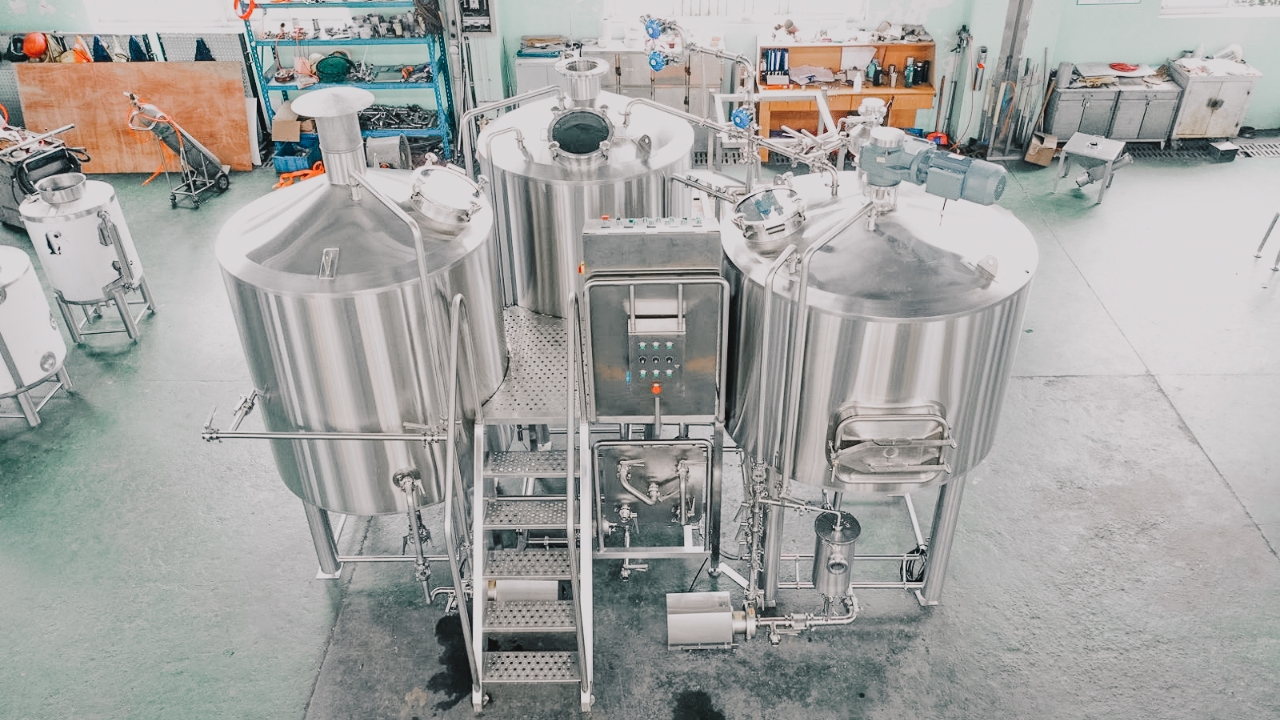
UM tanque de bebida fria É como um local especial para armazenar a água quase congelada (33–35 °F) da sua cervejaria. Ele armazena água fria que deve resfriar rapidamente o mosto quente durante a centrifugação. Se você não quiser depender da água da rede, que varia com as estações do ano, seu tanque de refrigeração por líquido (CLT) fornece água gelada o ano todo.
Processo de fabricação de cerveja em tanque de licor frio — Passo a passo
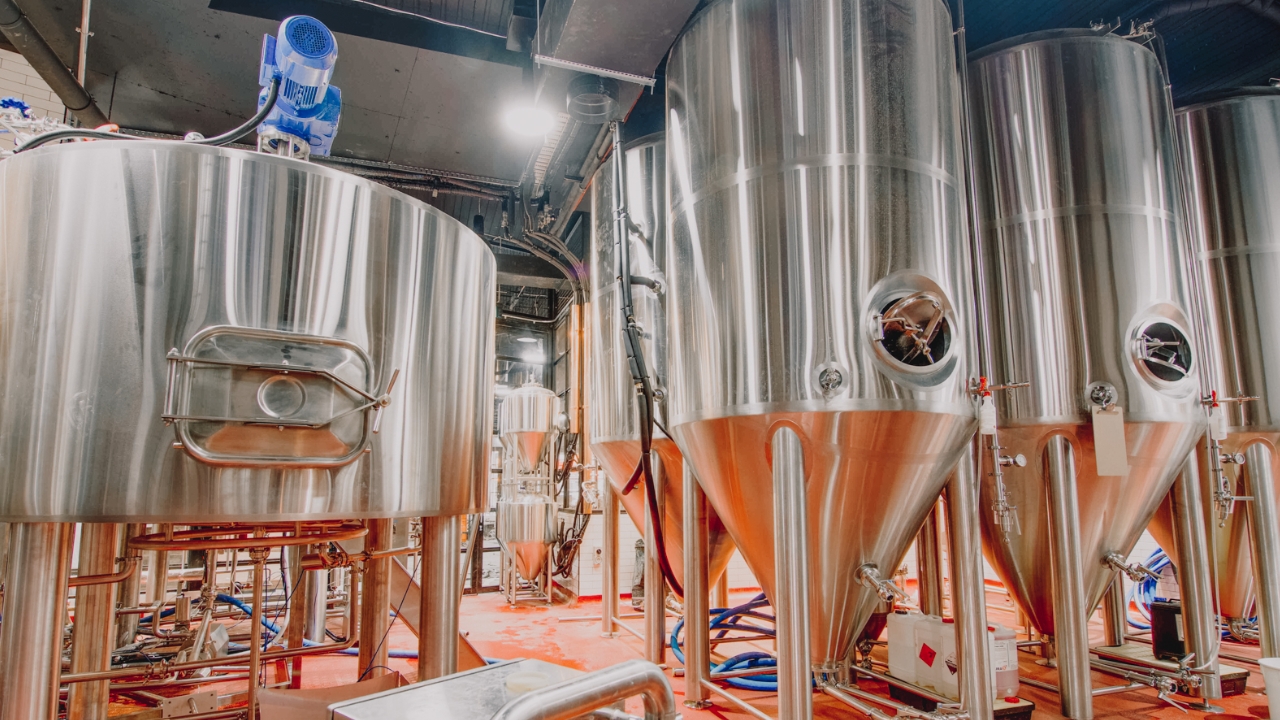
Enchimento e resfriamento do CLT
Pelo menos 12 a 24 horas antes do dia da brassagem, você deve encher o tanque de água gelada. Com esse tempo de antecedência, o sistema de glicol terá tempo para baixar lentamente a temperatura da água até o nível ideal, sem sobrecarregar o resfriador. Se você resfriar a carne pouco antes do início da brassagem, não precisará se apressar para encontrar uma maneira de resfriá-la.
Separação do mosto e troca de calor
Quando o mosto aquece, ele passa por um trocador de calor de placas e, em seguida, sai do recipiente. O líquido frio também fluirá contra o fluxo do mosto quente. Você pode adicionar o fermento muito rapidamente após a adição do líquido. CLT A água absorve o calor. Leva apenas um curto período de tempo. Como os compostos químicos voláteis esfriam de forma tão rápida e constante, não há possibilidade de formação de sabores indesejáveis.
Reutilização e reciclagem de bebidas alcoólicas
Criar tanques de bebidas frias é fácil aqui. A água quente que passa pelo trocador de calor não é desperdiçada. Ela é enviada para o tanque de bebidas quentes, que agora está pronto para receber mais líquido. Este método de circuito fechado utiliza muito menos energia elétrica e água.
Tipos e modelos de tanques de água fria
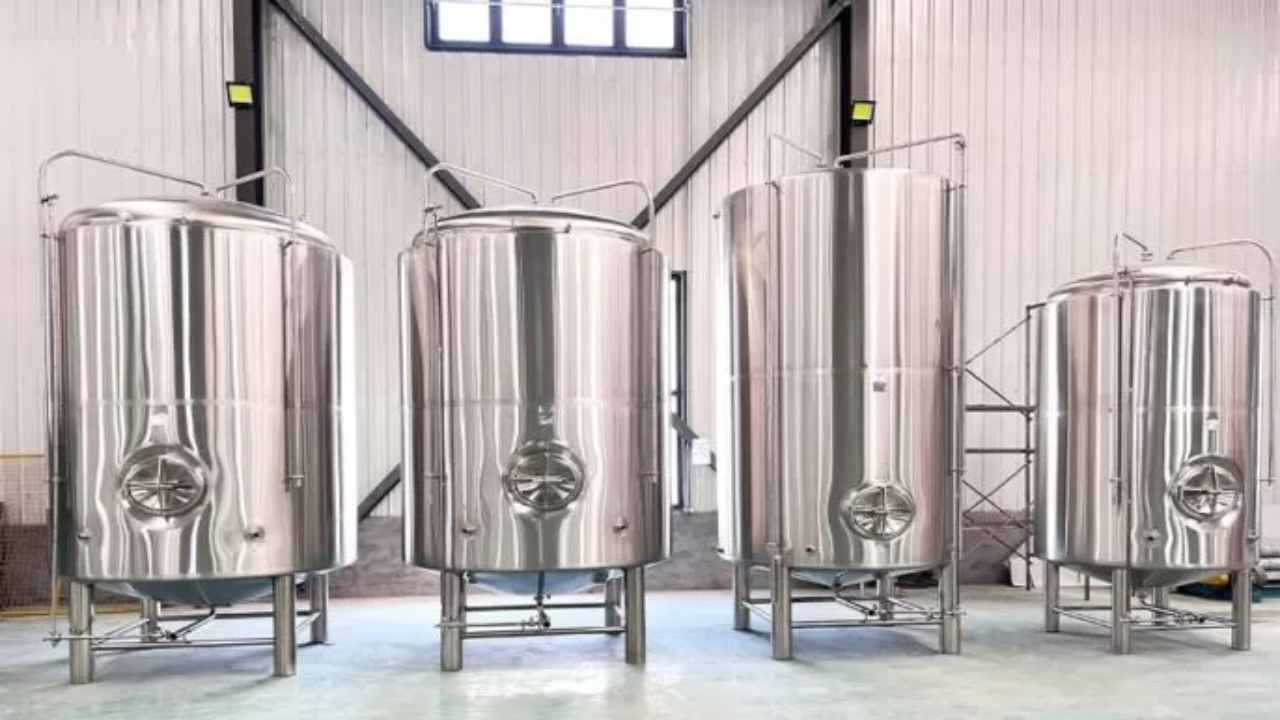
CLT padrão
A maioria das bebidas geladas tanques de aço inoxidável São de camada única. Geralmente, são colocadas diretamente em uma câmara fria para que se resfriem sozinhas. Se você já possui uma câmara fria, essa é uma maneira boa e barata de utilizá-la.
Tanques isolados/com parede dupla
Tanques de parede dupla’ As paredes são feitas de aço inoxidável protegido e foram projetadas especificamente para esta função. Incluem também serpentinas ou camisas de resfriamento com glicol embutidas. Não necessitam de locais frios para serem instaladas, permitindo sua colocação em qualquer lugar. Graças ao isolamento, não aquecem excessivamente, o que significa que o sistema de glicol não precisa trabalhar tanto.
Sistemas Integrados
Diferentes cervejarias utilizam seus CLTs de diversas maneiras. Esses tanques não servem apenas para armazenar líquidos. Outra função é tratar a água, já que é possível misturar água de osmose reversa com água filtrada por carvão ativado. Sistemas de alta tecnologia possuem sistemas completos de recuperação de energia integrados. Para obter calor do aquecedor na forma de névoa, o CLT envia água a 12°C para os trocadores de calor.
Tabela de comparação
| Recurso | CLT padrão | Isolante/Dupla Camada | Sistema Integrado |
| Construção | Aço inoxidável de camada única | Isolamento com revestimento de glicol | Multifuncional com controles |
| Localização | Dentro da câmara fria | Em qualquer lugar da cervejaria | Integrado ao processo |
| Fonte de resfriamento | câmara fria ambiente | Sistema de resfriamento com glicol | Glicol + recuperação de calor |
| Ideal para | Startups com orçamento limitado | Layout flexível das instalações | Operações de alta eficiência |
| Eficiência energética | Moderado | Alto | Máximo |
Principais vantagens de usar um tanque de água fria
Regulação consistente de temperatura
Do inverno ao verão, o solo pode aquecer ou esfriar em até 11°C. Com um sistema CLT, esse fator é eliminado de vez. Você não precisa mais depender do abastecimento de água da cidade ou das mudanças climáticas. Cada lote de produtos químicos é produzido com a mesma temperatura do meio de resfriamento.
Resfriamento do mosto mais rápido e eficiente
Em comparação com a água da rede pública a mais de 15°C no verão, o líquido frio a 4°C cria uma diferença de temperatura muito maior do que o mosto a 100°C. Seu trocador de calor de placas funciona melhor agora que a "abordagem de temperatura" foi aprimorada. Na verdade, você pode precisar de uma área de superfície do trocador de calor 37% menor do que os sistemas que usam apenas água da rede pública.
Redução da carga do sistema glicólico
Curiosamente, usar um tanque de resfriamento líquido (CLT) facilita o trabalho do seu chiller de glicol. Você pode resfriar o CLT lentamente ao longo de 12 a 24 horas, em vez de precisar remover uma grande quantidade de BTU durante o período de resfriamento rápido de 30 minutos. Isso distribui o trabalho de resfriamento, o que pode significar que você pode usar um chiller menor.
Economia de energia e água
O método de circuito fechado é excelente. O calor do mosto é transferido para a água fria, que então passa pelo trocador de calor e entra no tanque de água quente a uma temperatura entre 60 e 70 °C. Você simplesmente desperdiça energia aquecendo a água de lavagem para a próxima leva com antecedência. Alguns métodos recuperam calor suficiente da evaporação de 100 litros de mosto para aquecer 800 litros de água a 80 °C.
Previsibilidade operacional
Você controla o seu dia de brassagem quando controla a temperatura do seu meio de resfriamento. Não haverá mais mudanças de planos porque a água subterrânea aqueceu. Você não precisará mais adivinhar se atingirá a temperatura ideal para a mosturação. Você poderá prever, repetir e planejar a sua mosturação com perfeição.
Desafios e considerações ao usar tanques de água gelada
Custo inicial e requisitos de espaço
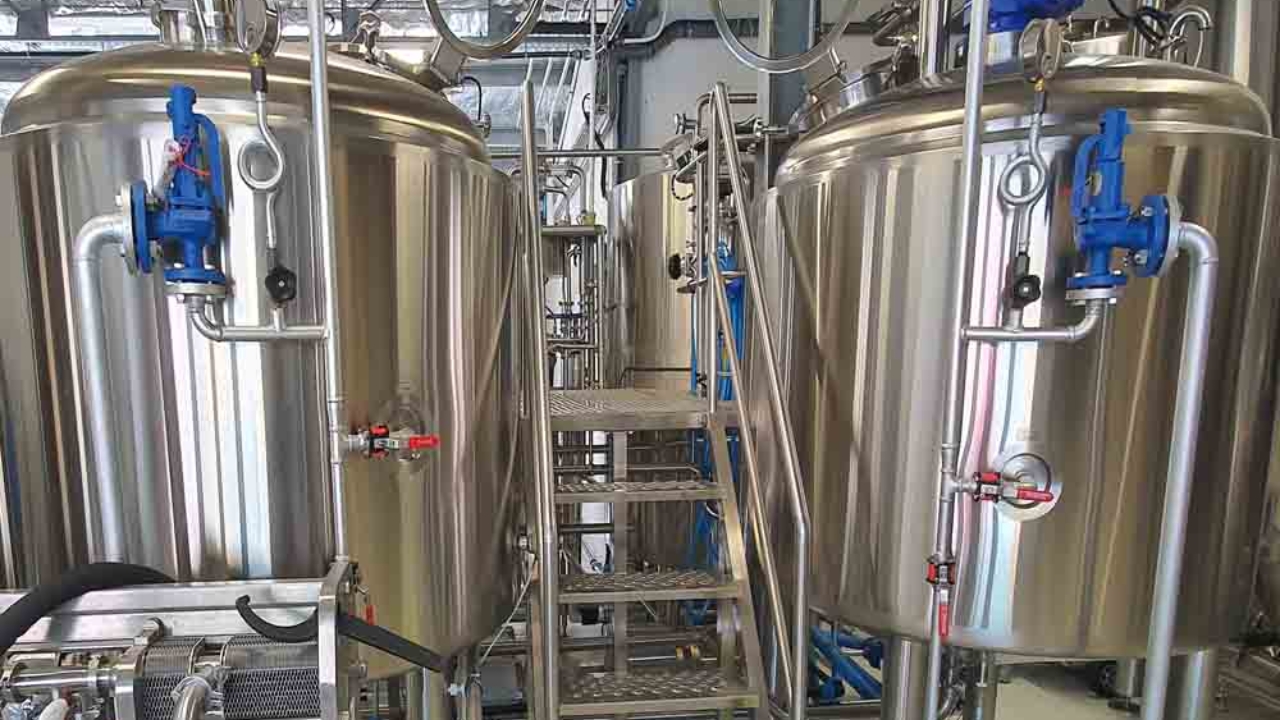
Adicionar um piso CLT requer custos iniciais e espaço. Você está comprando outro tipo de piso. silo de aço inoxidável juntamente com os controles e conexões para o glicol. Essa configuração custa mais do que um simples trocador de calor de dois estágios que usa água da rede pública.
Necessidade de planejamento
Hoje em dia, não é possível escolher ter cerveja gelada na hora da mosturação. Os tanques de mosturação precisam de 12 a 48 horas para atingir a temperatura ideal, e esse tempo aumenta quando a água é extraída de fontes subterrâneas quentes. Em locais tropicais como as Bermudas, os cervejeiros aprenderam a esperar mais tempo quando a temperatura da água estava acima de 30°C (86°F).
Dimensionamento e planejamento de capacidade
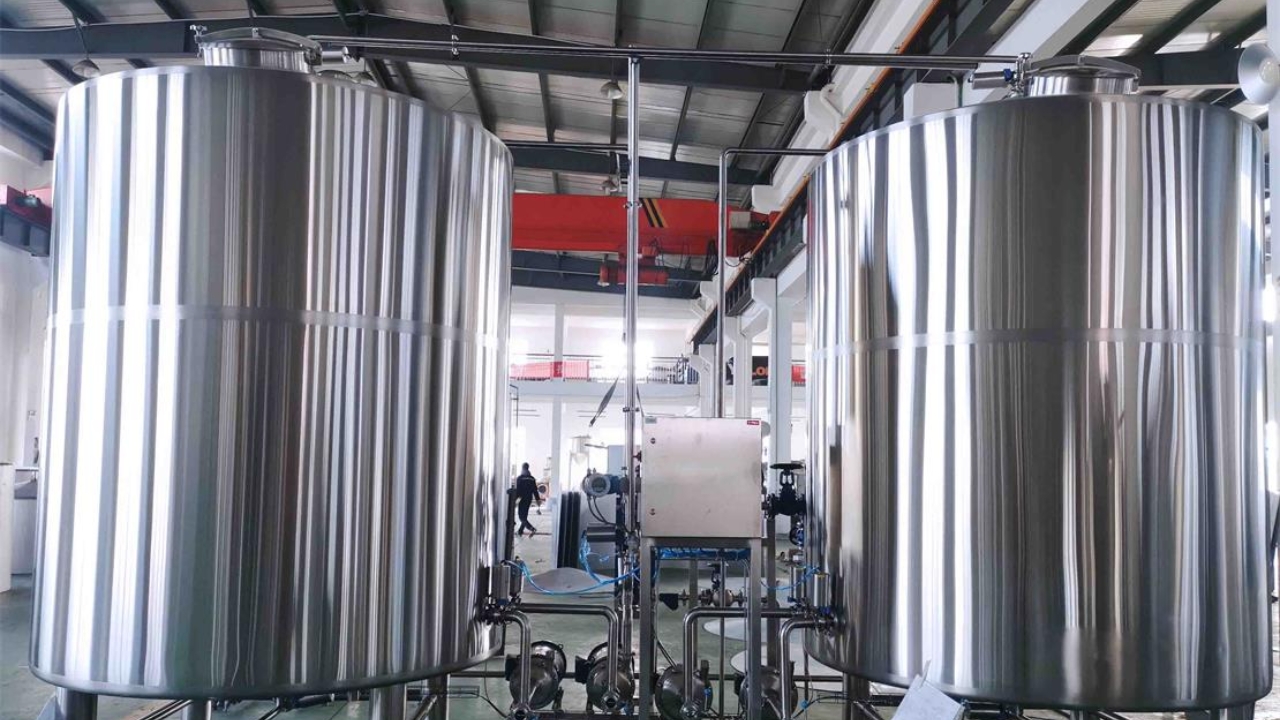
Como regra geral, seu tanque de fermentação contínua (CLT) deve ter aproximadamente o dobro do tamanho da sua sala de brassagem. Por exemplo, uma sala de brassagem de 500 litros deve ser combinada com um CLT de 1.000 litros. No entanto, você precisará aumentar a escala se estiver produzindo muitos lotes diariamente ou cervejas lager, que exigem temperaturas de resfriamento mais baixas.
Integração com sistemas existentes
Seu sistema de refrigeração por líquido (CLT) não funciona sozinho. Ele precisa operar em conjunto com a capacidade do seu chiller de glicol, o tamanho do seu trocador de calor de placas e as conexões do seu tanque de água quente. Quando a carga do CLT não é considerada, chillers subdimensionados podem apresentar problemas, e trocadores de calor superdimensionados podem gerar custos desnecessários.
Como escolher o tanque de água gelada ideal para sua cervejaria
Avalie o tamanho do lote e a frequência de produção.
Uma regra prática simples ajudará você a determinar o tamanho ideal do seu tanque de água gelada (CLT): planeje para aproximadamente o dobro do volume do seu lote de brassagem. Você precisará de um tanque de água gelada de pelo menos 20 barris para uma configuração de 10 barris. Mas não pare por aí. Pense em quantos lotes você produz por dia. Se você brassa duas vezes ao dia, precisará de água gelada suficiente para ambas as etapas de resfriamento, portanto, a capacidade ideal deve ser entre 2,5 e 3 vezes o volume do lote.
Considere os tipos de cerveja (Lagers vs. Ales)
A sua escolha de cerveja afeta diretamente as suas necessidades de refrigeração. As cervejas Lager precisam de temperaturas de congelamento entre 7°C e 13°C, enquanto as Ale precisam de temperaturas entre 20°C e 22°C. Isso significa que a sua bebida gelada precisa estar muito mais fria. Para manter as temperaturas mais baixas em várias levas, caso as Lagers representem a maior parte da sua produção, você pode precisar de mais espaço de refrigeração e/ou um tanque maior.
Equilibre custo-benefício.
Um sistema CLT exige um grande investimento inicial e oferece um espaço valioso no piso. Mas pense na desvantagem: sem ele, você terá que usar água subterrânea, que pode atingir temperaturas acima de 28°C no verão. Isso prolongará os dias de produção e sobrecarregará seu sistema de glicol. A recuperação de calor e os intervalos regulares de resfriamento podem ajudar sua empresa a se tornar mais eficiente, e o investimento geralmente se paga no primeiro ano.
Integração com resfriadores de glicol e trocadores de calor
Seu tanque de fermentação contínua (CLT) não é independente de nenhum outro componente. Ele precisa trabalhar em conjunto com a capacidade de refrigeração do seu chiller de glicol, dividindo o trabalho ao longo de 12 a 24 horas, em vez de operar em capacidade máxima durante a fase de centrifugação. Por exemplo, um sistema padrão de 7 barris pode exigir entre 30.000 e 35.000 BTU/h para resfriar tanto a fermentação quanto o CLT. Consulte especialistas para modelar essas cargas antes de tomar qualquer decisão.
Adquira seu tanque de bebidas geladas personalizado pela KDM Steel.
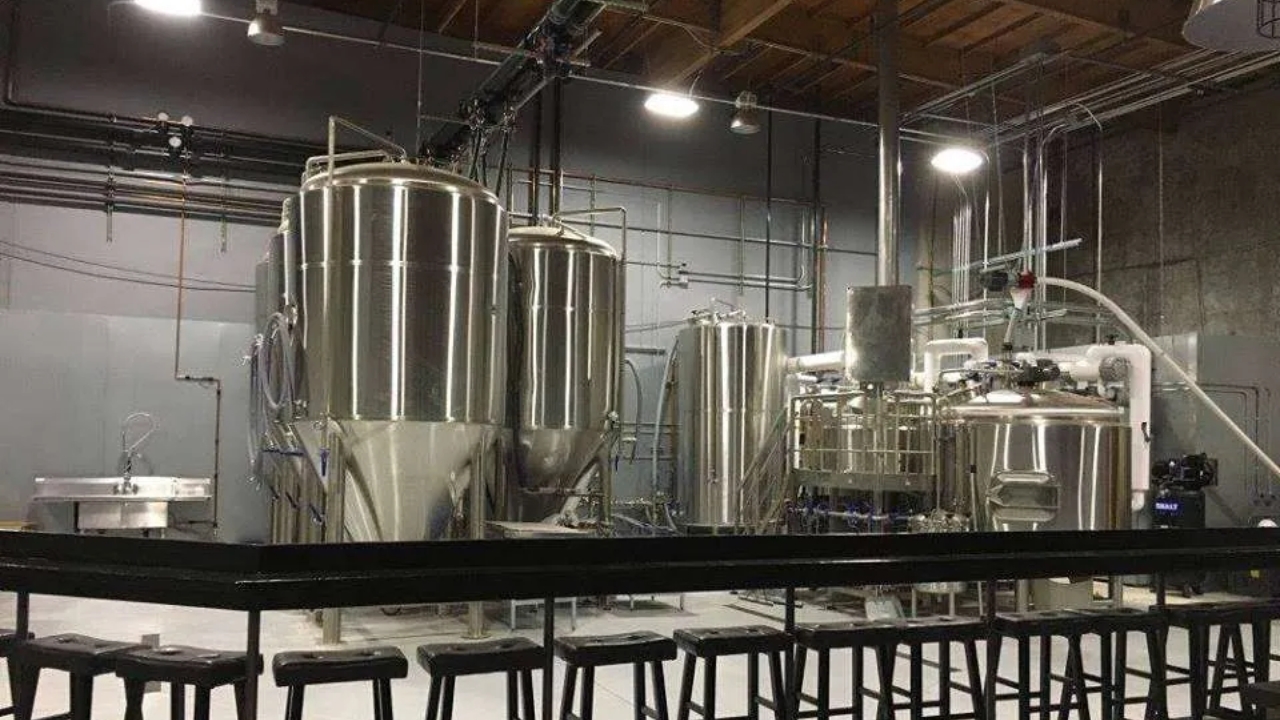
No Aço KDM, Sabemos que sua cervejaria tem necessidades específicas. Nossa equipe de engenheiros cria tanques de água gelada personalizados que funcionam perfeitamente com seus sistemas atuais, seja você um iniciante em nanocervejaria ou esteja expandindo uma unidade de produção regional. Entre em contato Entre em contato com nossa equipe para discutirmos seu volume de produção, espaço disponível e metas de produção. Desenvolveremos uma solução em CLT que atenda às suas necessidades e preserve a qualidade da sua cerveja por muitos anos.
Perguntas frequentes
Por que as cervejarias usam tanques de água gelada em vez de simplesmente água da rede para resfriar o mosto?
A temperatura da água subterrânea varia com as estações do ano, dificultando a manutenção de temperaturas baixas durante todo o ano. Com um sistema CLT, você sempre pode contar com água a 1,7 °C (35 °F), e o calor é reutilizado para a próxima leva.
O líquido frio de um tanque de fermentação de carvão (CLT) pode ser reutilizado após o resfriamento do mosto?
A água vai para o tanque de álcool quente, que fica a uma temperatura entre 60°C e 70°C. Usando a energia recuperada, você aqueceu com sucesso a água de lavagem para a próxima leva.
Existe alguma diferença entre um tanque de bebidas geladas e um tanque de água gelada?
Na produção de cerveja, "licor" significa simplesmente "água tratada", sendo, portanto, os termos intercambiáveis. No entanto, CLT refere-se especificamente à água que foi resfriada para arrefecer o mosto.
O líquido frio pode ser usado para outras tarefas de resfriamento em cervejarias além do resfriamento do mosto?
Algumas cervejarias usam água de tanques de refrigeração para resfriamento ou para abastecer condensadores. Apenas certifique-se de não ficar sem água de centrifugação.
Todas as cervejarias têm tanques de refrigeração para bebidas alcoólicas?
Na maioria das vezes, cervejarias menores usam trocadores de calor de dois estágios para economizar espaço. É uma boa opção quando não há muito espaço disponível.
Qual é o material normalmente usado para tanques de água gelada?
No mundo dos negócios, o padrão é o aço inoxidável (SS304 ou SS316). É seguro para contato com alimentos, não enferruja e dura décadas.
Quanto tempo leva para resfriar um tanque de fermentação antes do dia da brassagem?
Planeje com 12 a 48 horas de antecedência, dependendo da temperatura inicial da água. Para a maioria das cervejarias, é possível iniciar o processo com 24 horas de antecedência.
As placas de CLT são isoladas ou não isoladas?
Tanques sem isolamento térmico ficam dentro de câmaras frigoríficas, enquanto tanques com isolamento térmico ficam isolados. Você pode escolher de acordo com o espaço disponível e o orçamento.
Qual a diferença entre água fria e água quente na fabricação de cerveja?
A água de resfriamento usada para resfriar o mosto é chamada de água fria. A água quente usada para a maceração é chamada de água quente. Elas funcionam bem juntas em um circuito fechado.
Um tanque de resfriamento rápido (CLT) pode ser usado para resfriar rapidamente cerveja fermentada?
A água do tanque de resfriamento rápido (CLT) não é livre de germes, portanto, não deve entrar em contato direto com a sua cerveja. Para resfriamento rápido, utilize sistemas de glicol que passem por camisas de resfriamento do tanque.
 Portuguese
  English
  Arabic
  French
  Spanish
  Russian
  Japanese
  Korean
  Indonesian
  Chinese