


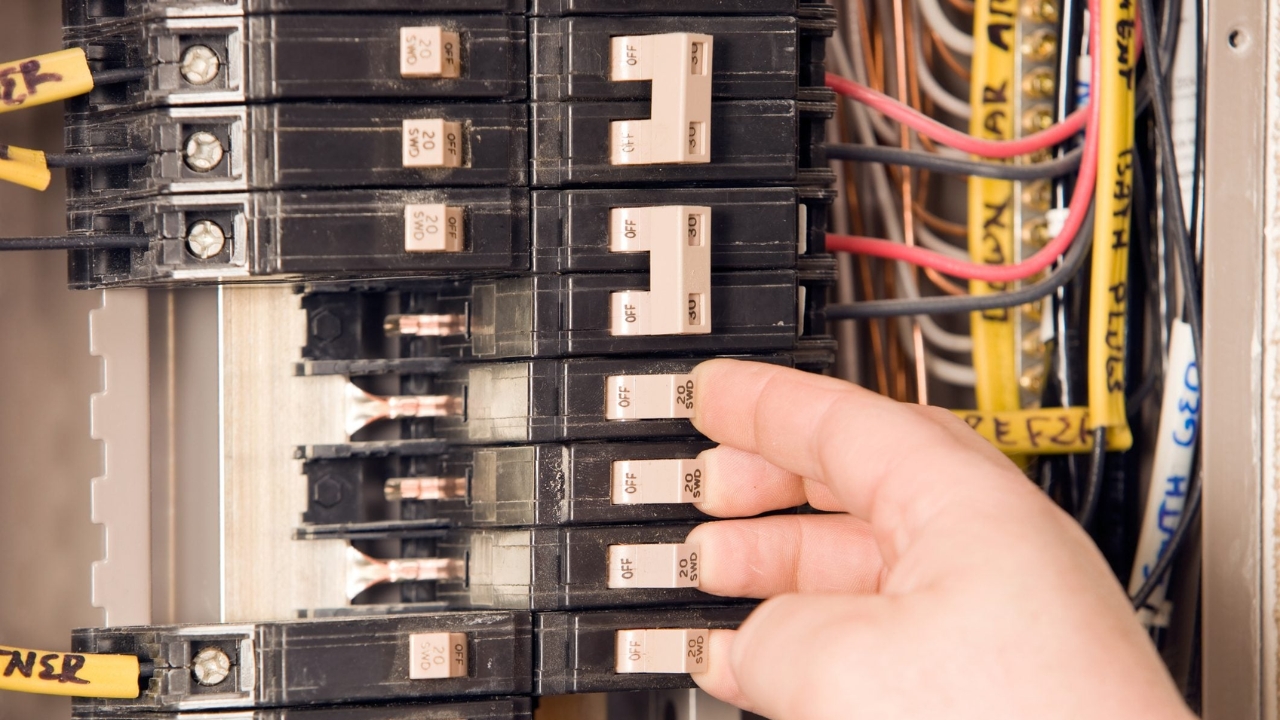
A circuit breaker that trips frequently may indicate potential risks in your system. Why does a circuit breaker trip? This article helps electrical engineers and system integrators understand circuit breaker tripping reasons and provides you with tips for diagnosing fault conditions.
Main Causes of Circuit Breaker Trips
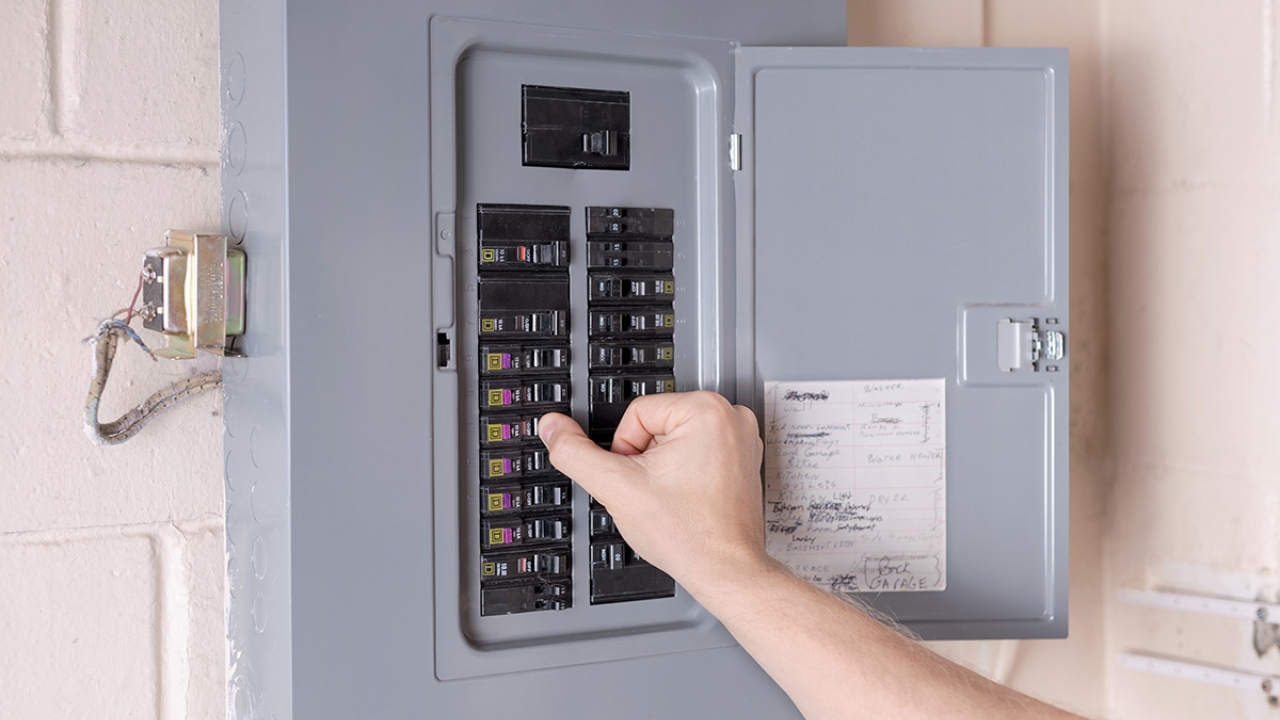
When the electrical conditions exceed the safe operating conditions, the автоматический выключатель will trip. There are various reasons for the circuit breaker to trip. Each type of situation has different causes, behaviors, and risks. The following is in detail the causes of the circuit breaker tripping.
Overloaded Circuit
Circuit overload is one of the most common reasons. Overload refers to the actual current in the circuit exceeding the rated current of the circuit breaker. The thermal element inside the circuit breaker heats up and bends, eventually triggering the tripping mechanism.
Common causes of circuit overload include:
- Connecting too many large pieces of equipment on the same line causes the total current to exceed the limit.
- During a production line upgrade, connecting high-power equipment directly to an old circuit without calculating actual load requirements.
- Continuous operation that approaches the electrical capacity limit.
- In a three-phase system, if the single-phase load is unevenly distributed, the current of one phase will increase sharply. Even if your total power does not exceed the transformer capacity, the circuit breaker of that phase may still trip due to overload.
- A mismatch between the rating of the circuit breaker and the cable can also cause tripping/fire.
Signs of Circuit Overload:
- Flashing lights
- Outlets or wires overheating
- Circuit breakers repeatedly trip
Risks of Circuit Overload:
- Frequent tripping can lead to heat accumulation in conductors and reduce insulation performance.
- Excessive heating of switchgear and cables may cause fires.
Short Circuit
A short circuit fault will create a low-resistance circuit between the live wire and the neutral wire, resulting in a sudden and extremely high surge of current. This will cause the electromagnetic latch in the circuit breaker to act instantly. A short circuit is the most dangerous fault and requires you to quickly locate and troubleshoot it.
Causes of Short Circuit:
- Insulation damage or degradation: If the cable is subjected to long-term mechanical compression or vibration wear, the phase wire and the neutral/ground wire may come into direct contact.
- Loose terminal connections that heat up and oxidize over time, eventually leading to phase-to-phase or ground faults. This trouble is very common in control cabinets.
- Internal equipment faults trigger immediate tripping upon equipment startup. For example, motor winding faults or ballast damage.
Signs of Short Circuit:
- The circuit breaker trips immediately after being reset.
- Outlets have a buzzing sound.
- Burnt marks or blackening on electrical components.
- There is a burnt or pungent smell near the socket.
Risks of Short Circuit:
- High fault energy causes severe equipment damage.
- It can lead to arc flash hazards, posing serious risks to personnel.
- In industrial environments, it will cause a fire or an explosion.
- It will cause production shutdown and costly downtime.
Ground Faults
A ground fault typically occurs when the current from an energized conductor flows to the ground. If you use a ground fault protection device(GFIC, RCD, RCCB, RCBO), it can detect the unbalanced current between the live wire and the neutral wire. Even a tiny leakage current can trigger the trip.
Tips: A regular circuit breaker will not trip due to a ground fault.
Common Causes of Ground Faults:
- Cable insulation is damaged
- Water ingress into the электрический корпус
- Equipment enclosure damage
- The equipment is contaminated by dust or chemicals
- The wire connection is not properly crimped or the insulation layer is pushed into the terminal.
Signs of Ground Faults:
- The circuit breaker trips intermittently(if you install GFCI) or unpredictably(for standard breakers)
- A humid environment may be more likely to cause grounding faults
- Tripping occurs when specific equipment is turned on
Risks of Ground Faults:
- Ground fault is highly likely to cause an electric shock to personnel.
- It will increase the level of environmental risk.
- It damages the cable insulation.
- It may escalate into a complete short circuit.
Additional Causes of Tripping Circuit Breakers
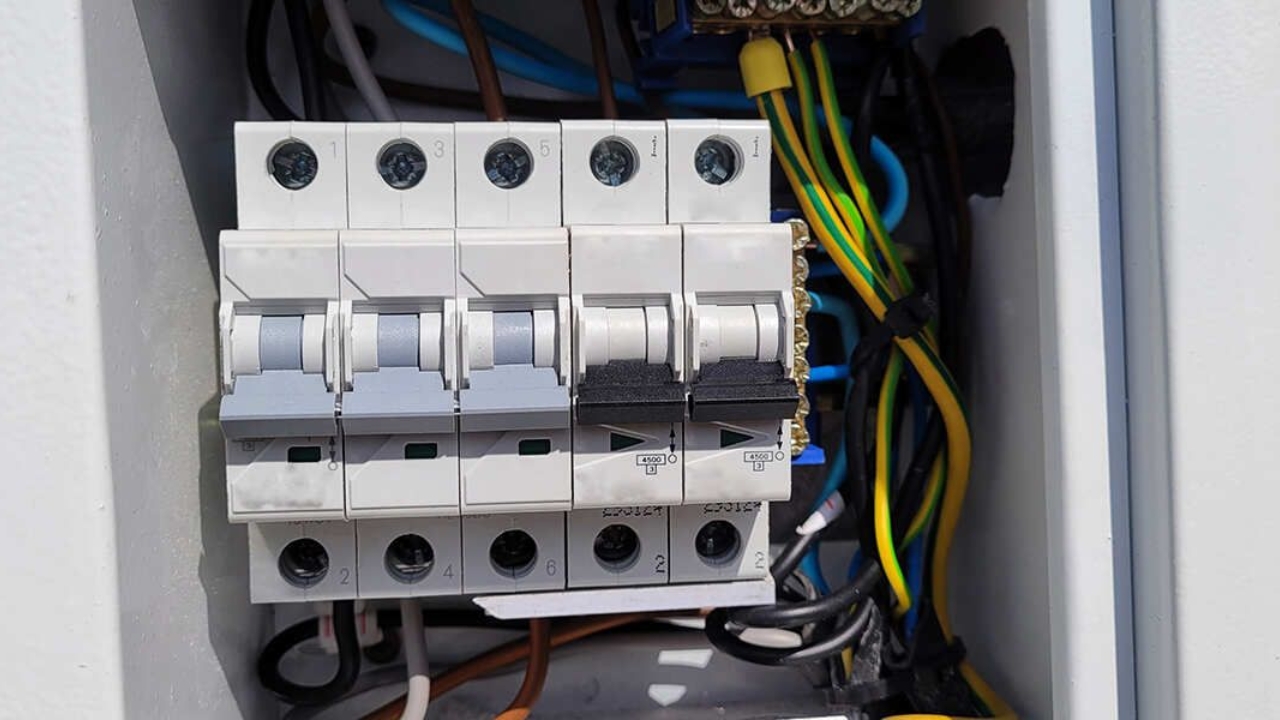
Equipment Failure
If a fault occurs inside the electrical device connected to the circuit, it can draw abnormal currents or create leakage paths.
Motor winding insulation faults, transformer faults, and aging industrial equipment are all key areas you need to screen. Prompt detection can prevent equipment damage and losses caused by unexpected shutdowns.
Power Surges
The power surge can cause the voltage to suddenly rise, leading to abnormal current flow and subsequently triggering the operation of the circuit breaker. The surge may be caused by lightning strikes, grid switching operations, or the opening/closing of large equipment. It causes the gradual degradation/failure of electrical components. Usually, you can install surge protection devices to alleviate this.
Aging or Poor Circuit Breaker
The reliability of circuit breakers decreases due to aging or mechanical wear. Repeated tripping, corrosion, contamination, and lack of maintenance all reduce circuit breakers’ reliability. A poor or aging circuit breaker has reduced protection accuracy and can lead to increased downtime.
Incorrect Breaker Selection
Underestimating current capacity, insufficient breaking capacity, or poor cooperation with other protective devices may be problems you often encounter. Using an incorrect circuit breaker will not match the actual operating conditions of your circuit. This can lead to unnecessary upstream tripping. Besides, it reduces your operational efficiency and causes system-wide downtime.
How to Diagnose a Breaker that Keeps Tripping?
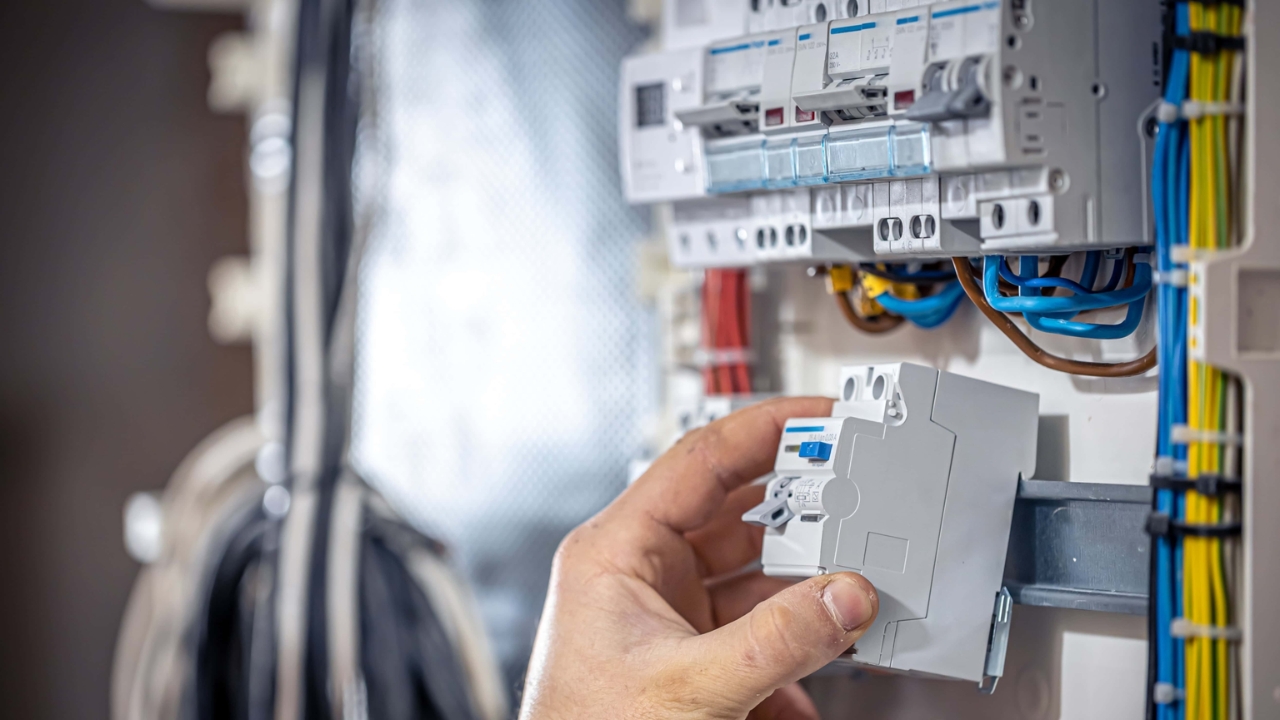
If you want to know why your circuit breaker keeps tripping frequently, you need to identify the root cause of the problem through a structured approach. Here is the diagnostic method provided for you:
Identify the Tripping Pattern
Watching when and how your circuit breaker trips can help you quickly find the cause. If it trips instantly, it could be a short circuit or high inrush current. If it is a delayed trip, it may be caused by overload. If it is intermittent tripping, this may be due to a ground fault, environmental issues, or equipment failure.
Verify Your Load Conditions
You should calculate the total connection load. Then compare the total load with the rated current of the circuit breaker. Has the load exceeded the capacity of the circuit breaker? Is the load balanced in the three-phase system? If yes, you need to redistribute the load or upgrade the circuit breaker.
Isolate the Circuit
Turn off all loads on the circuit, then reset the circuit breaker. Then reconnect the loads one by one. A faulty device can be identified if it trips when a specific device is connected.
Inspect Wiring and Connections
Check for any burn marks on the wiring. Find loose terminals or exposed conductors. Inspect the cable routing and any mechanical damage. If any issues are detected, it indicates that there might be a short circuit or overheating problem in your circuit.
Check for Short Circuit/Ground Fault
You can use an insulation resistance tester to check for wiring faults or internal equipment short circuits. Besides, test for low insulation resistance between live and ground, and between neutral and ground. If the grounding fault is confirmed, you can repair the insulation or replace the damaged components.
Once the general cause is identified, you can use professional tools to assess equipment condition, analyze inrush current, and inspect breaker type and installation environment. A thorough inspection will prevent nuisance tripping and guarantee your system stability.
Часто задаваемые вопросы
Can a Circuit Breaker Trip Even if There is No Obvious Fault?
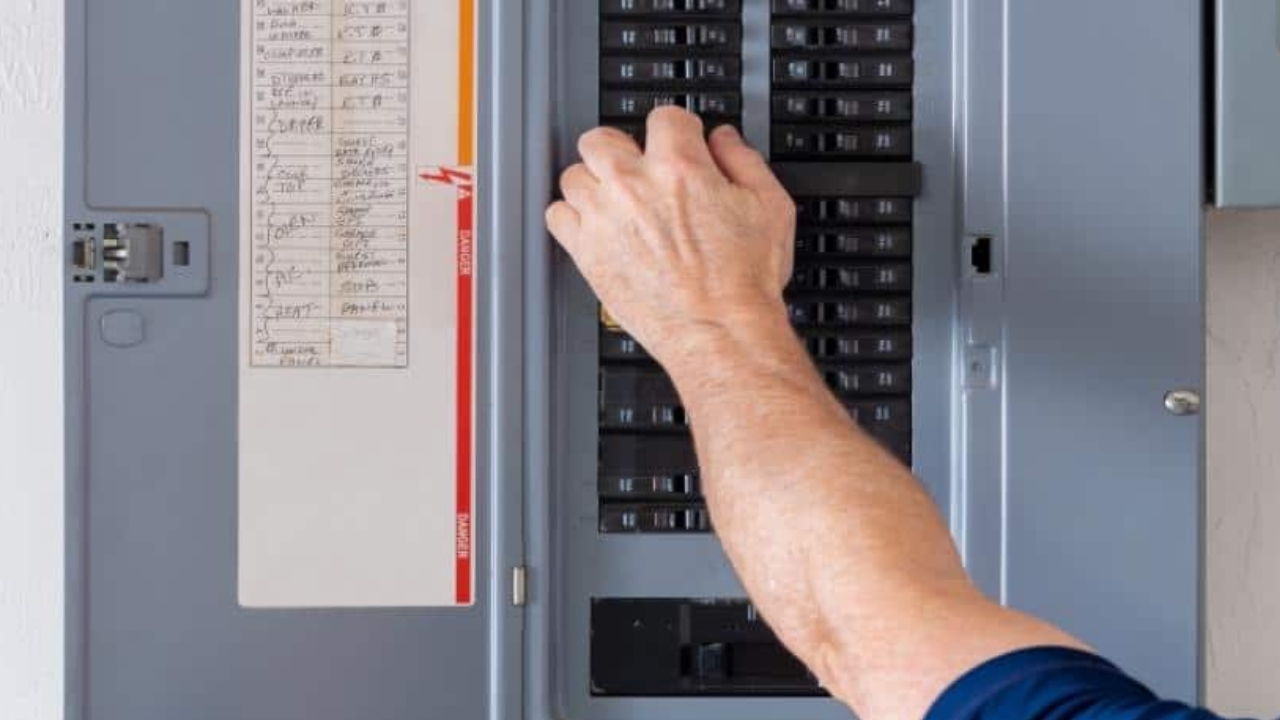
Yes. This is usually due to hidden or indirect problems. For example, tiny leakage currents caused by insulation deterioration, and surge currents during equipment startup. Besides, improper environment or aging circuit breakers can also cause tripping.
Is It Dangerous If a Circuit Breaker Keeps Tripping?
Yes. Frequent tripping usually indicates overload, short circuit or grounding faults. Ignoring the problem may lead to overheating, electrical fires, equipment damage or electric shock risks.
How Do You Prevent Nuisance Tripping in Industrial Systems?
You can choose the correct type and rating of the circuit breaker. Manage and balance the load to avoid unnecessary overcurrent. What’s more, you can use time-delay circuit breakers or VFDs to solve surge currents. These methods can help you reduce false tripping and keep the safety and reliability of the system.
Can a Faulty Appliance Cause a Circuit Breaker to Trip?
Yes. Faulty electrical appliances can generate abnormal currents, causing internal short circuits or resulting in leakage to ground. These can cause the circuit breaker to trip.
When Should You Replace a Circuit Breaker?
If your circuit breaker frequently trips, fails to reset, or becomes damaged without a clear reason, you should replace the circuit breaker. Or if your circuit breaker doesn’t meet current safety standards or needs an upgrade, you should replace it as well.
Final Thought
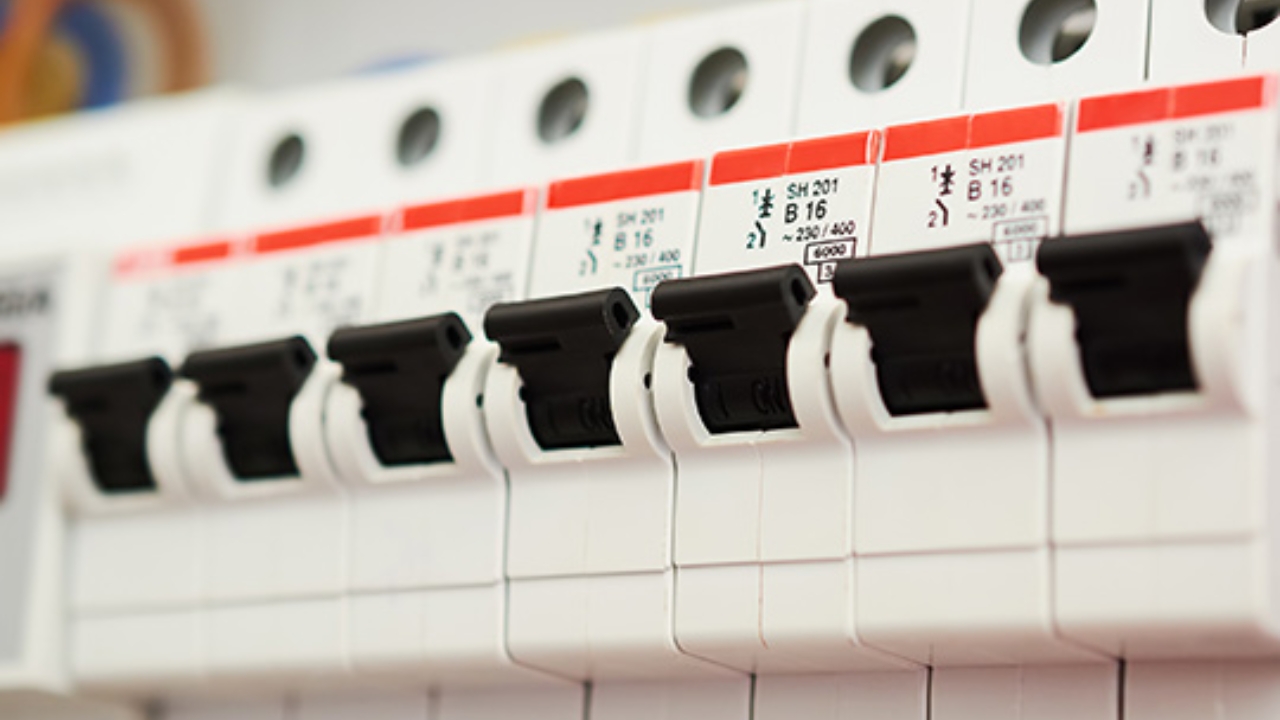
KDM can provide you with a variety of электрические шкафы and circuit breakers to meet your different application needs. Our products are inspected in multiple rounds to avoid product quality problems. We also provide you with customized services and reply to your demands in time.
 Russian
  English
  Arabic
  French
  Spanish
  Japanese
  Korean
  Portuguese
  Indonesian
  Chinese