


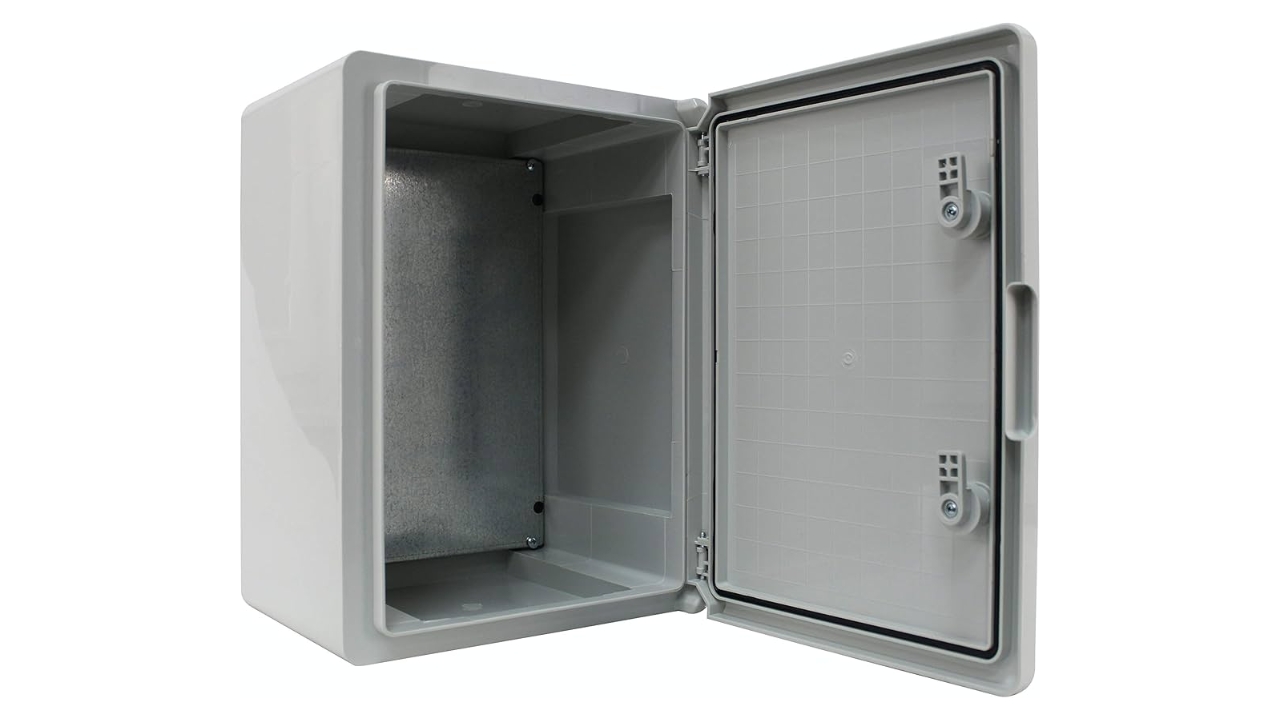
IP65 or IP44 on the electrical enclosure indicates their water and dust resistance. But, what is the difference between IP65 and IP44? This article helps electrical engineers and system integrators understand the specific differences between IP65 and IP44 and helps you choose the right IP-rated enclosure for your project.
What Does IP44 Mean?
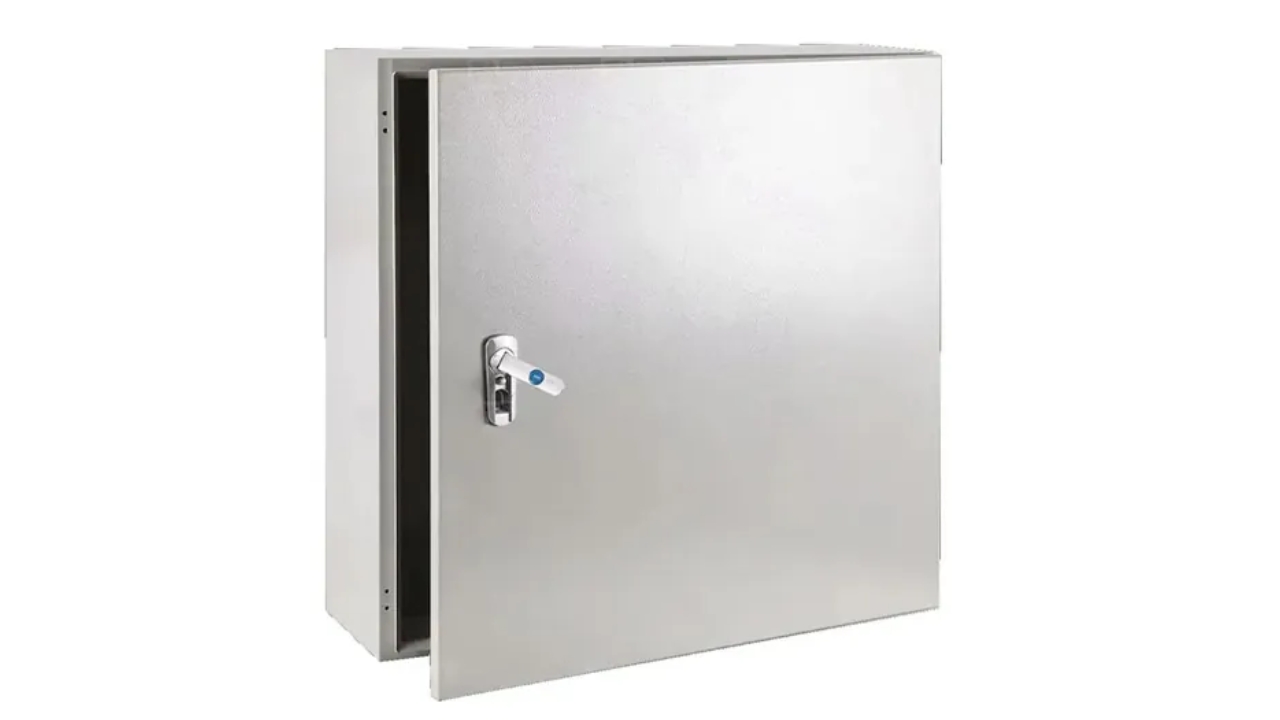
The IEC 60529 standard defines IP levels. It’s a global standard. The first digit 4 of IP44 means it protects against solid objects larger than 1 mm. It can prevent small objects from entering, including wires and screws. The second digit of 4 indicates that the IP44 enclosure can prevent water splashes from any direction.
Therefore, the Корпус IP44 is typically used in low-risk or semi-shielded areas. For example, you can use it for indoor electrical enclosures, shaded outdoor areas, and commercial lighting.
These devices require a certain level of water resistance, but not complete waterproofing.
Что означает IP65?
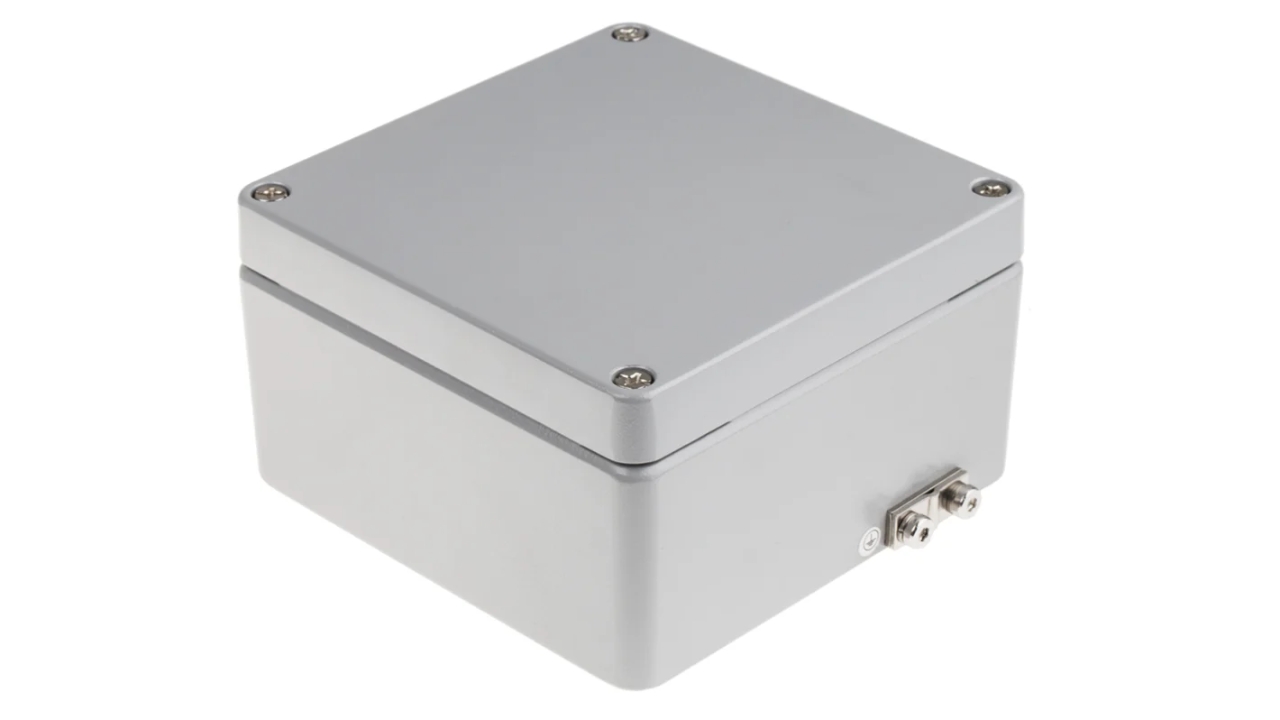
IP65 is also based on the IEC 60529 standard. The first digit 6 in IP65 represents the highest level of dust protection. This means that IP65 is dust-tight. Even if you apply it to a dusty or dry area, no dust or particles will enter the enclosure.
The second digit 5 in IP65 indicates that it can withstand water jets from any direction(total test duration typically up to 15 minutes for multiple directions). It is substantially more water-resistant than splash-proof.
Therefore, you can apply IP65 to environments that may be exposed to dust and water. For example, outdoor electrical enclosures, outdoor lighting and control panels, industrial machinery, etc.
IP65 vs IP44: Key Difference Explained
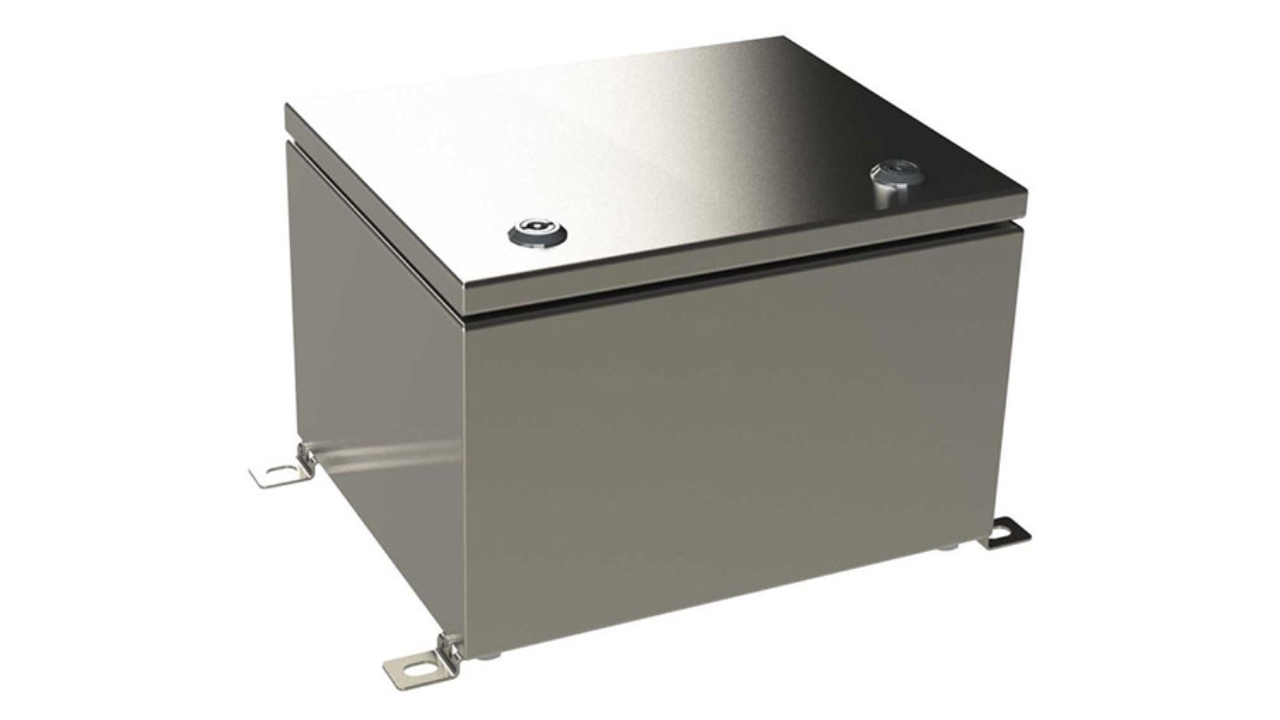
The difference between IP65 and IP44 lies in their dust and water resistance, which also directly affects their application range, durability and cost. The following is a detailed explanation of the differences between IP65 and IP44.
Защита от пыли
There is no doubt that IP65 is more dustproof than IP44. The dust-tight capability of IP65 has reached its maximum level. It can prevent all dust from entering. The inside of the enclosure is completely dust-free. You can use it in industrial, architectural and outdoor environments. IP65 guarantees long-term reliability of internal components.
The IP44 provides only level 4 dust protection. IP44 is not dust-tight. It can only protect against solids with a diameter greater than 1 mm. This can prevent accidental contact and tools. If the IP44 enclosure is used for a long time, dust will accumulate inside the enclosure. This will shorten the service life of your equipment.
Защита от воды
IP65 has a higher waterproof rating than IP44. IP44 can prevent water splashing in any direction (for 5-10 minutes). IP44 can only prevent ordinary splashing or light rain. It does not prevent high-pressure water flow, which can cause water seepage. Also, IP44 cannot be submerged in water.
IP65 protects against low-pressure water jets in any direction. You can use it in heavy rain or prolonged exposure. However, IP65 cannot withstand submersion or high-pressure cleaning. IP67/IP68 can effectively prevent water immersion.
Экологическая пригодность
From the above conditions, you can understand that the IP44 enclosure is suitable for low humidity, an indoor environment, or installed in a sheltered environment. While the IP65 can be applied in fully exposed outdoor areas, dusty industrial sites or water-exposed environments.
Installation & Maintenance Need
Compared with IP65, IP44 has simpler installation and maintenance requirements. IP44 enclosures have lower sealing requirements. It usually uses a common snap or a simple washer. Cable glands can use ordinary connectors. If you want to modify it, it is also relatively simple. IP44 is convenient for maintenance and can be cleaned in time.
IP65 has strict sealing requirements. Usually, it uses silicone sealing rings and waterproof connectors, etc. Modification is generally not recommended because it may compromise sealing performance. And, you need to check its seals regularly and replace broken gaskets.
Расходы
The IP44 products are usually cheaper than the IP65 ones. The low cost of IP44 makes it more suitable for your projects with a limited budget and low risk. The strict sealing requirements and accessories of IP65 require a higher price. If you apply it in harsh environments, IP65 may have a longer-term investment value.
Приложения
IP44 is typically used in indoor lighting fixtures, commercial distribution boxes, bathroom electrical equipment, or outdoor installation with covers. IP65 is usually used for outdoor/industrial electrical enclosures, industrial control panels or factory automation systems. Besides, outdoor lighting and monitoring systems may also use IP65 protection rating.
How to Choose the Right IP Rating for Your Application?
Assess Your Environment
First, you need to consider what environment your device is used in. If it is a clean, dry indoor environment, IP44 rating is sufficient. If installed outdoors or in dusty environments, you should select IP65.
Evaluate Application Risks
How much water does the equipment need to face? If it is a light splash, you can choose IP44 rating. If the device needs to be exposed to heavy rain or needs strong cleaning, the IP65 is the right one for you.
Also, dust in the air is a risk you need to assess. If the installation environment is little or no dust, you can choose IP44. If it is a dusty environment (factory, workshop or outdoors), you need to choose IP65.
In summary, if your installation environment is low risk, IP44 is enough. If it is a high-risk environment, you must choose IP65.
Consider Your Budget
The IP44 has a lower cost but has limited protection. The IP65 has a higher cost, but is more durable and reliable in demanding environments. By evaluating the installation environment, you need to make the most long-term beneficial choice within your budget.
Часто задаваемые вопросы
Can IP44 be Used in Industrial Environments?
Generally no. IP44 only provides basic protection. It is not suitable for most industrial environments where dust, debris and water are exposed. But you can apply it in clean, controlled industrial areas.
Can IP65 equipment be used long-term outdoors?
Yes. The IP65 device is dust-tight and can protect against rain and water flow. However, guaranteeing the IP65 rating and its long-term reliability still requires correct installation, including sealing, cable glands and materials.
What’s the Relationship Between IP and NEMA Ratings?
Both IP and NEMA are used to define the protection level of an enclosure, but they have different standards and systems.
The IP rating focuses on the performance of the enclosure in dust and water resistance and follows IEC standards. Apart from water and dust, NEMA ratings also include the corrosion protection, icing, and mechanical strength of the enclosure. What’s more, IP rating is a global standard. NEMA is mainly used in North America.
IP ratings and NEMA ratings are not equivalent, but some ratings are very similar. For example, IP65 is similar to NEMA4.
Final Thought
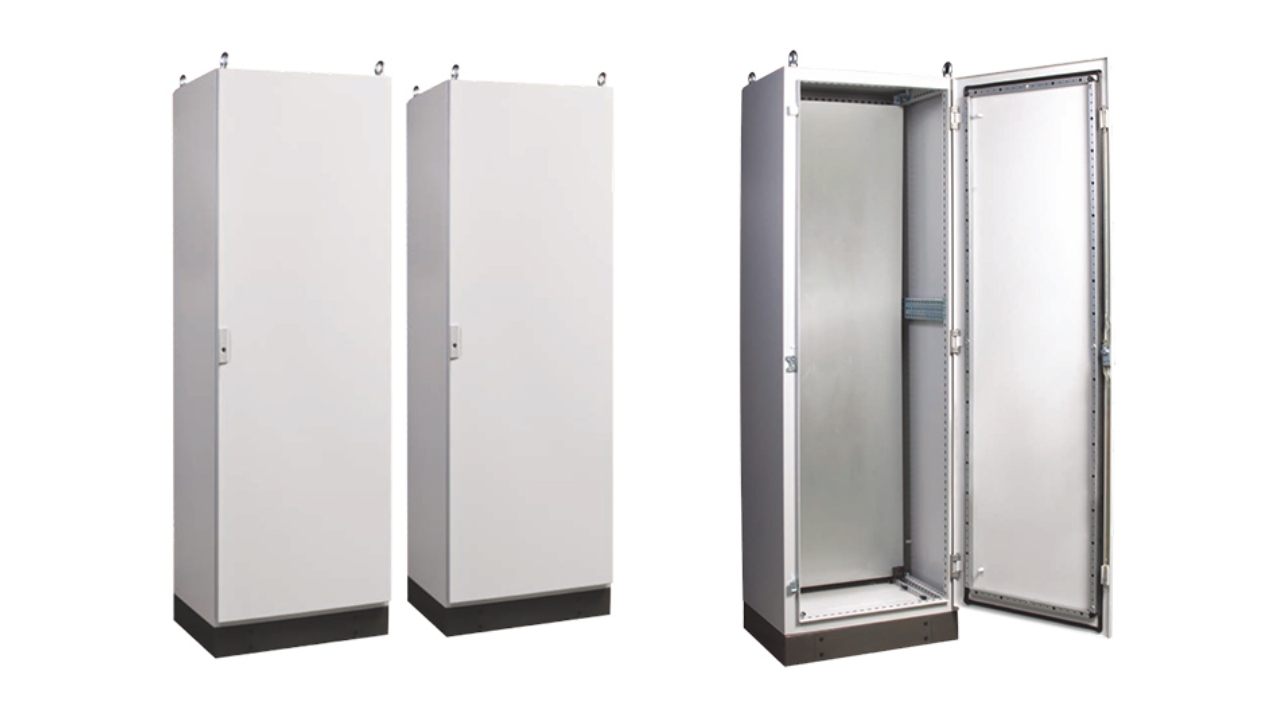
As a professional electrical enclosure manufacturer, KDM can provide you with different IP-rated enclosures to meet your application needs. Our корпуса have undergone multiple quality inspections to ensure high quality. We also have a professional team to provide you with customized services if you need.
 Russian
  English
  Arabic
  French
  Spanish
  Japanese
  Korean
  Portuguese
  Indonesian
  Chinese