


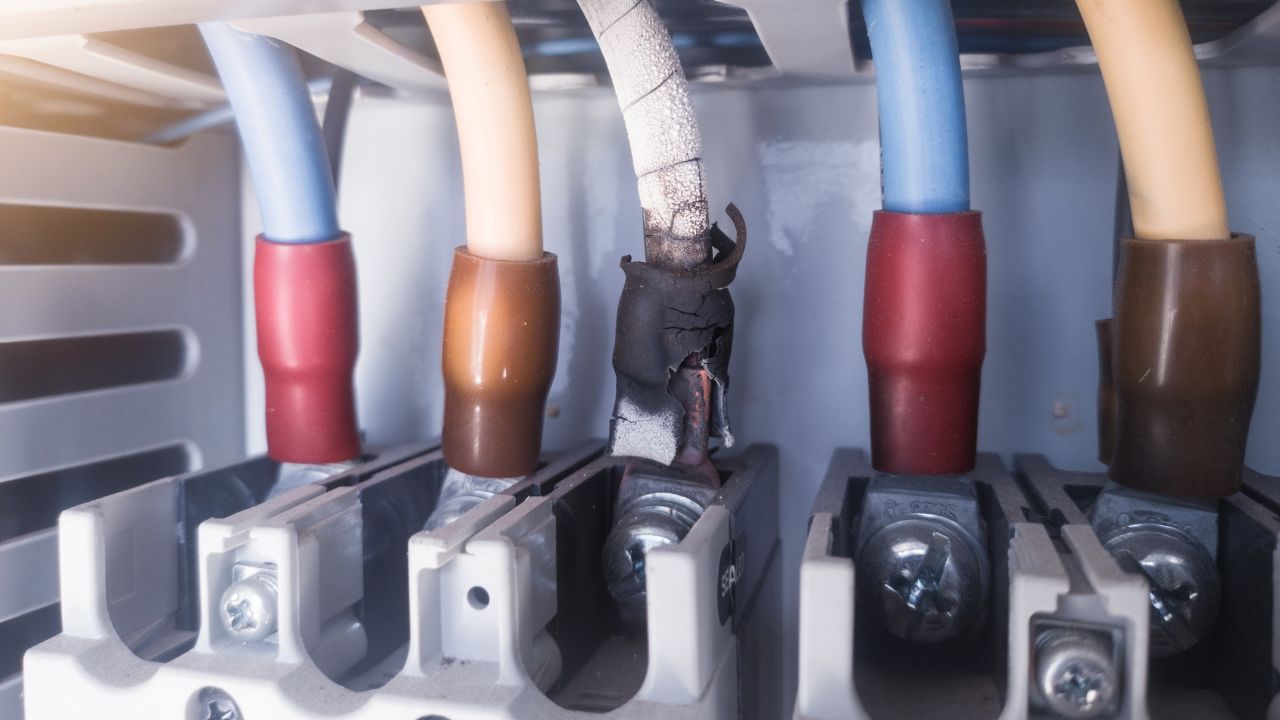
Electrical overload is a common risk in electrical systems. For industrial and commercial enterprises, understanding electrical overload is vital for maintaining operational continuity and protecting valuable assets. This article details the causes, warning signs, and provides you with practical solutions.
Electrical Overload
Electrical overload(circuit overload) occurs when a circuit carries more current than its safe design load for a period of time. Whether in commercial buildings or industrial facilities, the maximum current rating of each circuit is mainly determined by its wiring, protective devices, and connection equipment.
Exceeding this capacity can cause circuit overheating, potentially damaging wiring, reducing equipment performance, and increasing the risk of fire or operational disruption.
6 Signs of Electrical Overload
Timely detection of electrical overload is important for preventing equipment damage, downtime or fire hazards in commercial and industrial environments. Common electrical overload signs include:
- The автоматический выключатель frequently trips: This indicates that the current has exceeded the safety limit. This is also the most direct sign of overloading.
- Flickering or Dimming Lights: When operating high-power equipment, dim or flickering lights indicate that the circuit can’t handle the total load.
- Warm or Hot Outlets and Switches: Heating indicates excessive current flow and may also suggest insulation damage.
- Burning Smell/Smoke: Burning odor signals overheating wiring.
- Buzzing or Crackling Sounds: Arcs or buzzing noise from panels, outlets, or devices usually occur when the circuit is under excessive pressure due to excessive current.
- Unexpected Equipment Shutdowns/Malfunctions: This might affect your productivity and even damage the equipment.
What Are the Reasons for Electrical Overload?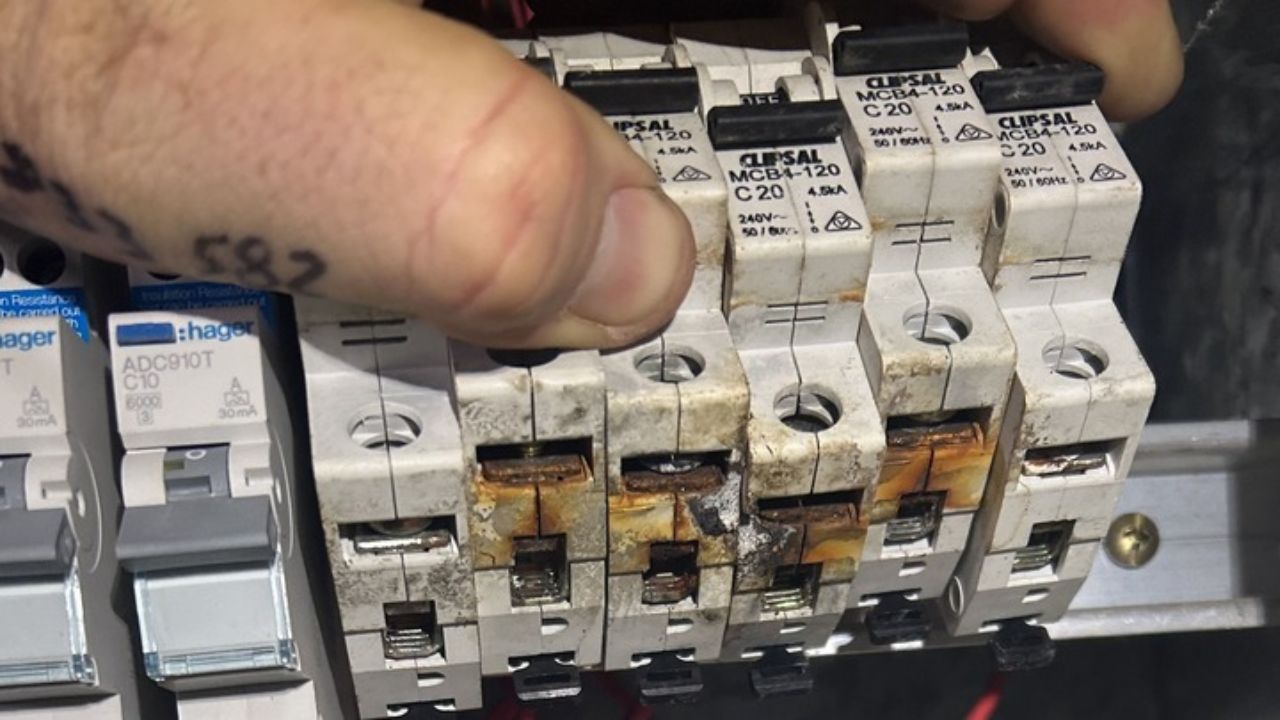
The following are common causes of electrical overload in commercial and industrial environments:
Undersized Circuit Design
Failure to accurately assess connected load circuits is the main cause of electrical overload. You might have underestimated the future expansion requirements during the electrical planning. The electrical demands increased due to equipment upgrades that do not match the old system, which might also be the reason.
What’s more, the operational demands you increase may cause the existing infrastructure to exceed the circuit’s safe capacity.
Add New Equipment Without Load Assessment
In many facilities, new machines, HVAC systems, or other production equipment are added without formal load calculations. When multiple high-power devices operate simultaneously on the same power distribution line, the total current will exceed the circuit’s rated value, which causes overheating and repeated breaker trips.
Aging or Degraded Infrastructure
The old wiring system cannot meet the power demands of modern equipment. Over time, the insulation layer of the wires ages, the connections become loose, and the resistance increases. This reduces the circuit’s effective capacity, making it more prone to overloading.
Faulty or Inadequate Load Distribution
Improper load balancing is a common but preventable cause of electrical overload in industrial facilities. Poor configuration of the distribution panel and unbalanced three-phase systems can lead to overloading in one phase or branch circuit.
Simultaneous Peak Demand
Peak operations occur when you launch multiple systems at the same time. If you don’t have proper load balancing or stagger the startup sequence, this can easily cause electrical overload.
Apart from the above reasons, improper use of extension cords or temporary wiring at construction sites or warehouses, as well as malfunctioning protective devices, can all be reasons for electrical overload.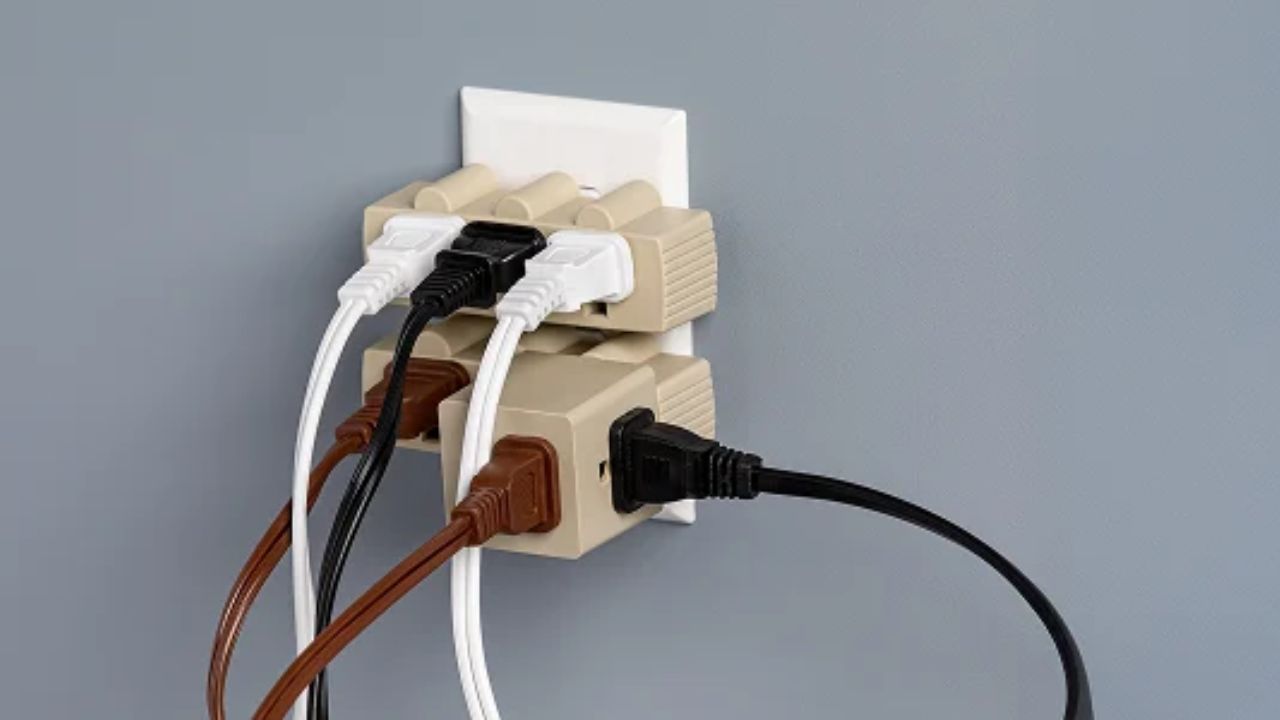
How Do You Prevent Electrical Overload Safely?
Correct Load Calculation
First, you need to list each device connected to the system and record the rated voltage (V), rated current(A) or power(kW/kVA), as well as the phase type and other parameters of each device. Then, you need to convert the power into current according to the different phase systems’ formula.
For single-phase systems: Current(A)=Power(W)/Voltage(V)*Power Factor. For three-phase systems, Current(A) =Power(W)/√3*Voltage(A)*Power Factor. Finally, you can obtain the total connected load.
You can use the appropriate demand factor based on the type of facilities, operation mode, and industry standards. You also need to consider the impact of continuous load and non-continuous load on the actual load. Besides, the safety margin should be considered. Usually, the size of conductors and circuit breakers is adjusted to 125% or more of the continuous load.
Also, you need to consider the motor starting current and evaluate the load balance. Finally, compare your required load with the circuit breaker rating, conductor ampacity, распределительный щит capacity, and transformer rating. Ensure there is sufficient margin to facilitate your future expansion.
Install Properly Rated Circuit Protection
Select and configure protective devices for your circuit, such as an appropriately rated circuit breaker, thermal-magnetic unit, and a properly sized fuse. The protective device should match the conductor size and the expected load curve to verify that overcurrent is interrupted promptly and the equipment is protected.
Dedicated Circuit for Large Equipment
Dedicated circuits for large machinery, HVAC systems, and industrial motor applications to avoid shared power distribution lines. This can prevent cumulative current draw from exceeding safety limits and reduce the risk of disruptive current flow or overheating.
Install Real-Time Monitoring Systems
Modern intelligent monitoring can help you monitor the current level, power factor, temperature of panels and conductors, as well as abnormal consumption. Detection can help you take corrective measures before equipment failures or fire risks occur due to overload.
Preventive Maintenance and Inspection
Preventive inspections and maintenance reduce potential overload conditions that may occur over time. The inspection items typically include: tightening electrical connections, checking for insulation degradation, detecting hot spots, and testing the circuit breaker performance.
Scalability and Future Expansion Plan
When you are planning the facilities expansion, you should reevaluate the panel capacity and upgrade the transformers. Infrastructure scalability can minimize long-term operational risk.
What Should You Do if an Overload Occurs?
Turn Off and Unplug Devices
Turn off and unplug unnecessary devices. Disconnect large power-consuming equipment, such as heaters or large motors. Make sure that the remaining load remains within the circuit’s rated capacity. This can prevent overheating and further damage to the electrical system.
Circuit Breaker or Protection Device Checking
Locate the distribution box and identify the tripped circuit breaker or protection relay. Recharge the circuit breaker after reducing the load. If tripping occurs repeatedly, it indicates that the overload problem has not been resolved.
Inspect Circuit and Devices
Quickly check electrical overload causes, such as too many devices connected in one circuit, overloaded high-power equipment, damaged or loosely connected cables, etc. Detects overloading causes and corrects them.
Cooling Components
Circuit overload can cause wires, equipment, and connectors to overheat. Therefore, there should be sufficient equipment cooling time to prevent insulation damage or equipment failure.
Professional Electrical Assessment
Repeated circuit overloading requires engineers to conduct a comprehensive assessment and propose appropriate solutions, such as installing additional circuits or upgrading the electrical distribution panel. To prevent future overloading, you can install appropriate overload protection devices, monitor the load level, and conduct regular maintenance and inspections.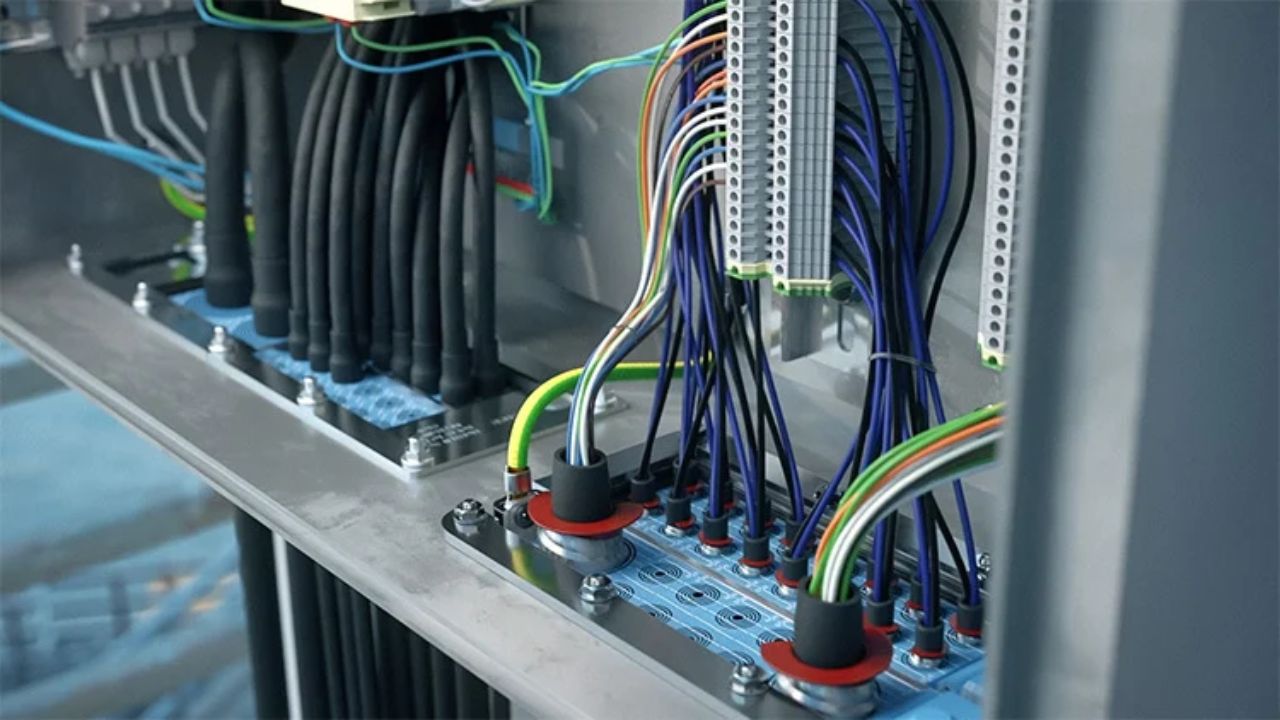
Часто задаваемые вопросы
Do All Circuit Breakers Trip Immediately During Overload?
No. Most circuit breakers have a time-delay mechanism. Under moderate overload conditions, it may take several seconds or minutes for the circuit breaker to trip to prevent unnecessary circuit interruptions when heavy equipment starts up. However, in the case of a severe short circuit, it will trip almost instantly.
Is There Any Detailed Distinction for Electrical Overload?
Yes. Electrical overload can be classified according to cause or duration. The main types include thermal overload (sustained), motor overload (harmless), temporary overload, and progressive overload.
What Is the Difference Between Electrical Overload and Overcurrent?
The two are related but not the same. Overcurrent refers to any current that exceeds the rated capacity of a circuit or device. It can be caused by overload, short circuit, or grounding fault. Electrical overload is caused by excessive load and usually lasts for a long time. Therefore, not all overcurrents are overloaded.
Final Thought
КДМ is a professional manufacturer of electrical enclosures, dedicated to providing high-quality enclosures. Our enclosures are equipped with various protectors according to the application to better protect your equipment. We also provide comprehensive custom production services for electrical enclosures. Contact us to obtain your customized solution.
 Russian
  English
  Arabic
  French
  Spanish
  Japanese
  Korean
  Portuguese
  Indonesian
  Chinese