



Choosing the right fermenter is a big investment that will affect the speed of your process, the amount of product you make, and your bottom line. If you are not sure which fermenter is right for your production goals? This guide will explore different types of fermenters and their industrial applications.
What are Fermenters?
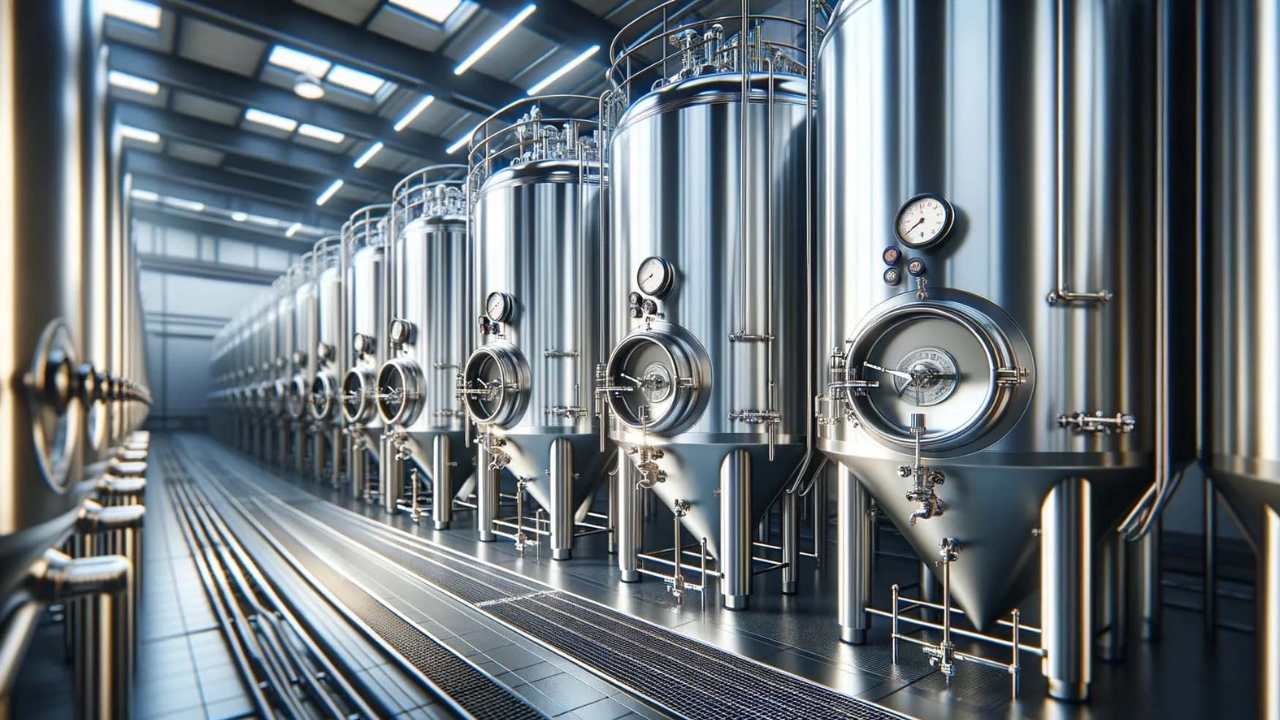
Bioreactors, which are also called fermenters, are carefully controlled containers that grow microorganisms like bacteria, yeast, or fungi to make biomass or byproducts. On a business scale, you use them to keep the temperature, pH, air flow, and stirring at the same level so that microbes can grow and products can be made.
Classification of Fermenters by Operational Mode
Batch Fermenters
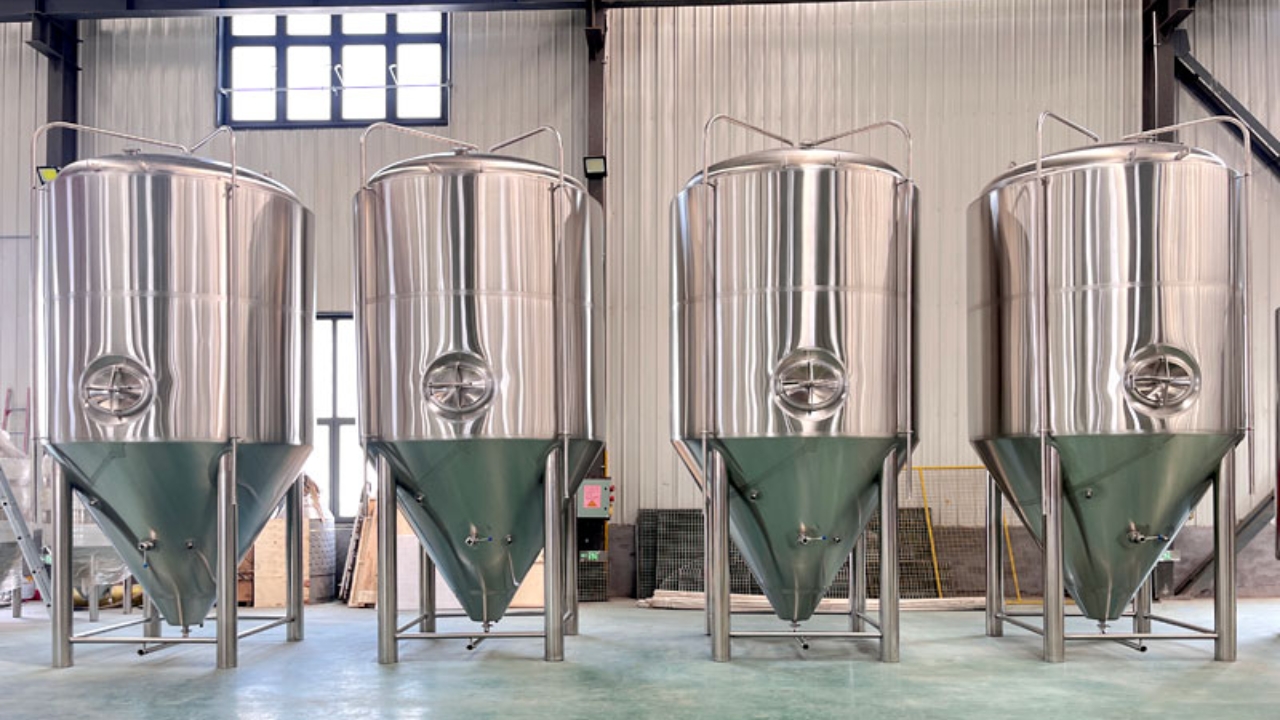
When batch fermentation is used, all the nutrients and the starter culture are added at the beginning. The process is then continued until it’s done, and everything is harvested. However, it has a lower volumetric output because it needs a lot of time between cycles to clean, sterilize, and set up. It also gives you only limited power over the process once it starts.
Common uses include making antibiotics like penicillin, some vaccines, unique alcoholic drinks, and chemicals that aren’t made in large quantities. Making baker’s yeast or many classic beer fermentations is a great example of this in the business world.
Continuous Fermenters
Continuous fermenters are open devices that allow you keep adding new medium and taking out product and used broth at the same time. The main problems are that there is a high chance of contamination or strain change over long runs, and the system design and process control are more complicated, which requires a lot of engineering up front.
This mode works best for high-volume, low-value items where the setup is fine with a steady output. Some important uses are making ethanol or biofuels for industry using climate controlled enclosures, making single-cell proteins (like Quorn mycoprotein), cleaning wastewater, and making some organic acids. As an example in the drinking industry, a “tower fermenter” is used to keep beer fermenting all the time.
Fed Batch Fermenters
В fed-batch, you start with a base amount and slowly add nutrients (feed) without taking away the culture broth until harvest. This allows you to get around substrate blockage or catabolite repression, manage metabolic pathways, and get very high numbers of cells and products. The drawback is that it still takes too long to give the outputs.
It’s the mode most often used in biopharma and high-value bioprocesses today. Recombinant protein production (for example, making insulin and monoclonal antibodies), most current antibiotics, and high-value enzymes are all common uses. Biopharma International says that fed-batch technology is used in more than 70% of industrial fermentation processes because it gives the best mix of control and yield.
Classification of Fermenters by Design
Stirred Tank Fermenters (STRs)
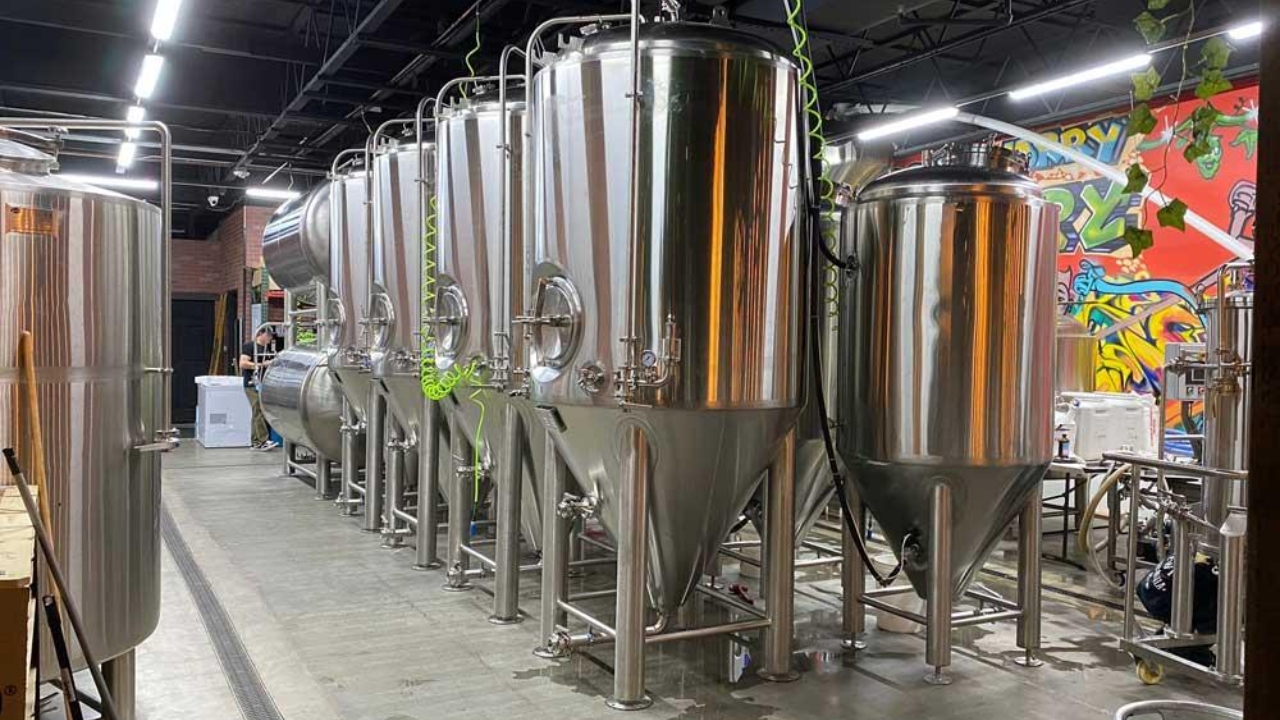
The most common type of reactor in the business is the Stirred Tank Reactor (STR). It uses mechanical impellers to stir and mix the culture. This allows for great mass movement (oxygen, nutrients) and even conditions, which makes it very useful for a wide range of viscosities and cell types. But the moving parts (seals, shaft) make it more difficult to use and keep up, and they also raise the risk of damaging sensitive cells through contamination or stress.
Because they are flexible, STRs are usually used to make antibiotics, produce recombinant proteins in mammalian cells, and ferment enzymes. As the American Institute of Chemical Engineers points out, most bioreactors and stainless steel pharmaceutical tanks are used in pharmaceutical and biotech processing are STRs.
Airlift Fermenters
Airlift fermenters move the culture around by injecting gas (usually air) at the bottom. The difference in density between the “upper” section, which is gassed, and the “bottom” section, which is degassed, makes a smooth, steady flow loop. This design gets rid of mechanical agitators, which lowers shear, the chance of contamination, and the amount of power needed.
One problem is that it doesn’t move oxygen as well as STRs do when there are a lot of cells, and it’s not as good at mixing very thick broths. They are also commonly used to treat large amounts of garbage and make single-cell proteins. Airlift systems are often used in industrial yeast production because they are efficient and can be scaled up.
Bubble Column Fermenters
A bubble column is a simple cylinder-shaped container that is filled with gas at the bottom. This creates rising bubbles that mix the culture and let air into it. It’s even easier to build than an airlift because it doesn’t need an internal draft tube. The drawback is that it’s hard to control the mixing, it can happen backwards, and it’s not good for high-viscosity or dense societies.
Some common uses are growing algae, some yeast fermentations, and making basic chemicals (like acetic acid) through fermentation. When light sources are added, they can also be used as photobioreactors. A lot of industrial ethanol plants use big bubble columns for the first stage of fermentation.
Packed Bed Fermenters
In a packed-bed fermenter, cells are stuck to a solid support matrix that is packed into a column. This support matrix can be made of gel beads or hollow fibers. Nutrients are slowly pumped through this flat bed. Some major problems with this method include the chance of channeling (uneven flow) and controlling the pH and oxygen levels in the thick bed.
They are special reactors that are perfect for making things over and over again with enzyme or cell systems that are fixed. Some common uses are making high-fructose corn syrup with fixed glucose isomerase and getting rid of nitrogen from wastewater.
Fluidized Bed Fermenters
In this case, cells are stuck to small, thick particles that are kept in the air by the flow of gas and/or liquid upward. This takes the best features of both a packed bed and a suspended device and combines them into one. Some problems with this method are that it requires a lot of energy to fluidize, particles may get lost, and the hydrodynamics are complicated, which makes it hard to scale up.
When you need strong touch and fast reaction rates with catalysts that are already in place, these reactors are what you need. It is used for improved wastewater treatments to get rid of BOD, some biocatalytic reactions, and some types of yeast fermentation.
Membrane Fermenters
Membrane fermenters have a filtering unit that separates products or by-products from the cell culture while keeping the cells in the reactor. This can be done using ultrafiltration or microfiltration. This makes it possible for very high cell counts, constant product removal (which can help with feedback inhibition), and the use of old cells again. Mucus builds up on the membranes; it costs more and is more complicated, and you need very advanced control systems.
This high-tech design is used for continuous, high-value tasks. Some of the most important uses are making lactic acid, making ethanol continuously with cell recycling, and growing perfusion mammalian cell cultures for unstable proteins.
Photobioreactors
Photobioreactors (PBRs) are made to grow creatures that use light to make food, like algae and cyanobacteria. They control the amount of light that gets in (through interior lighting or clear surfaces), move CO2, and mix it. Closed PBRs keep things clean and give you a lot of control, but they require a lot of money and can have problems with oxygen buildup and light gradient limits.
The main use is to grow a lot of microalgae to get valuable goods like biofuels, astaxanthin, beta-carotene, and omega-3 fatty acids. Bioplastics (PHAs) or colors made by cyanobacteria are also made in them. One example from the business world is the use of tube or flat-panel PBRs to make Spirulina for nutraceuticals.
Specialized & Emerging Fermenter Types
Single Use Bioreactors
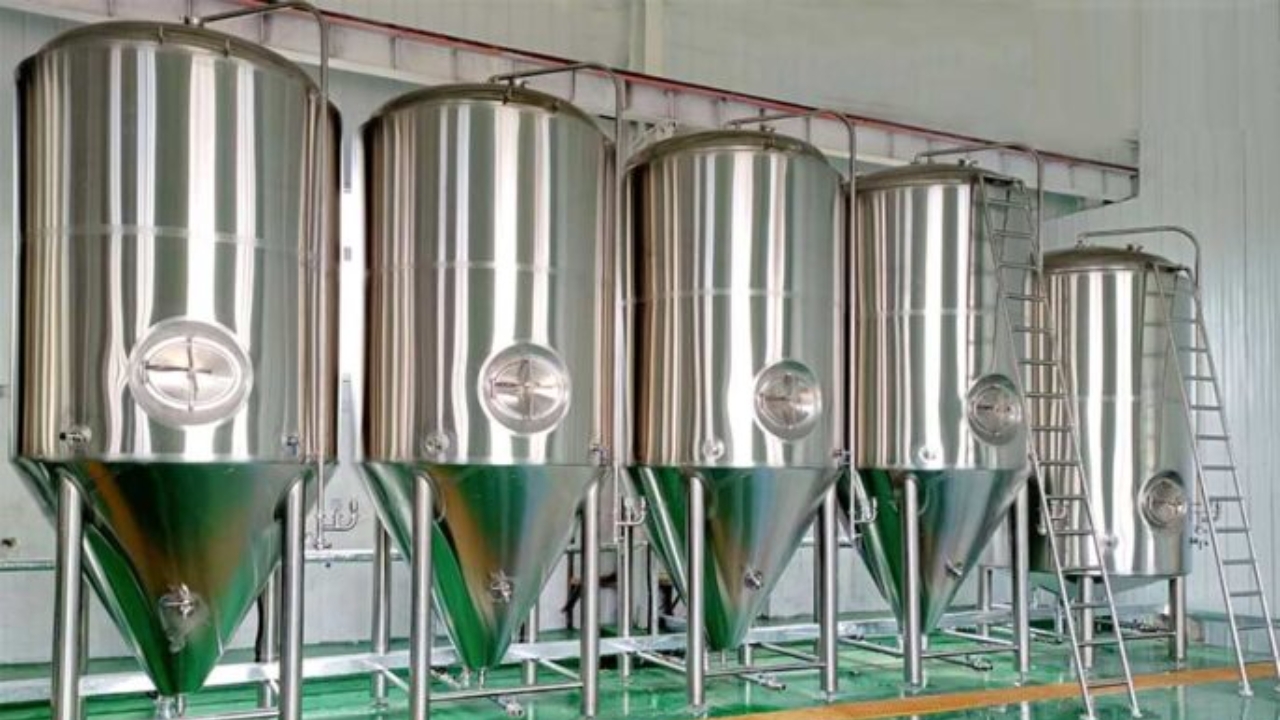
Single-Use Bioreactors (SUBs) use a throwaway, pre-sterile bag as the culture vessel inside a support and control jacket that can be used again and again. No validation of cleaning and sterilizing reduces reaction time and cross-contamination significantly. The main problems are higher ongoing costs for consumables, limited scale (though getting better), and environmental worries about plastic waste.
Because they are flexible, they are perfect for contract manufacturing organizations (CMOs) that work with a wide range of goods. Pall (Cytiva) and Sartorius are two of the biggest suppliers, and their systems can now handle up to 2,000 liters.
Scale Down Bioreactors
These are very small bioreactors with a working volume of about 1 mL to 1 L. They are highly instrumented and are meant to mimic the conditions of big production vessels. They allow you to do high-throughput process creation, optimization, and clone screening while using very little material.
They are very important for developing bioprocesses and conducting studies on how to scale up or down. Some common uses are optimizing media, coming up with new feeding strategies, and fixing problems in large-scale manufacturing processes used in drugs and industrial biotechnology. Systems made by Applikon Biotechnology and M2P-Labs are the norm in the field. Shear stress, oxygen transfer, and mixing in the stainless steel fermenter should match your organism and product’s metabolic route (e.g., aerobic/anaerobic).
Comparison Table: Single‑Use vs. Scale‑Down Bioreactors
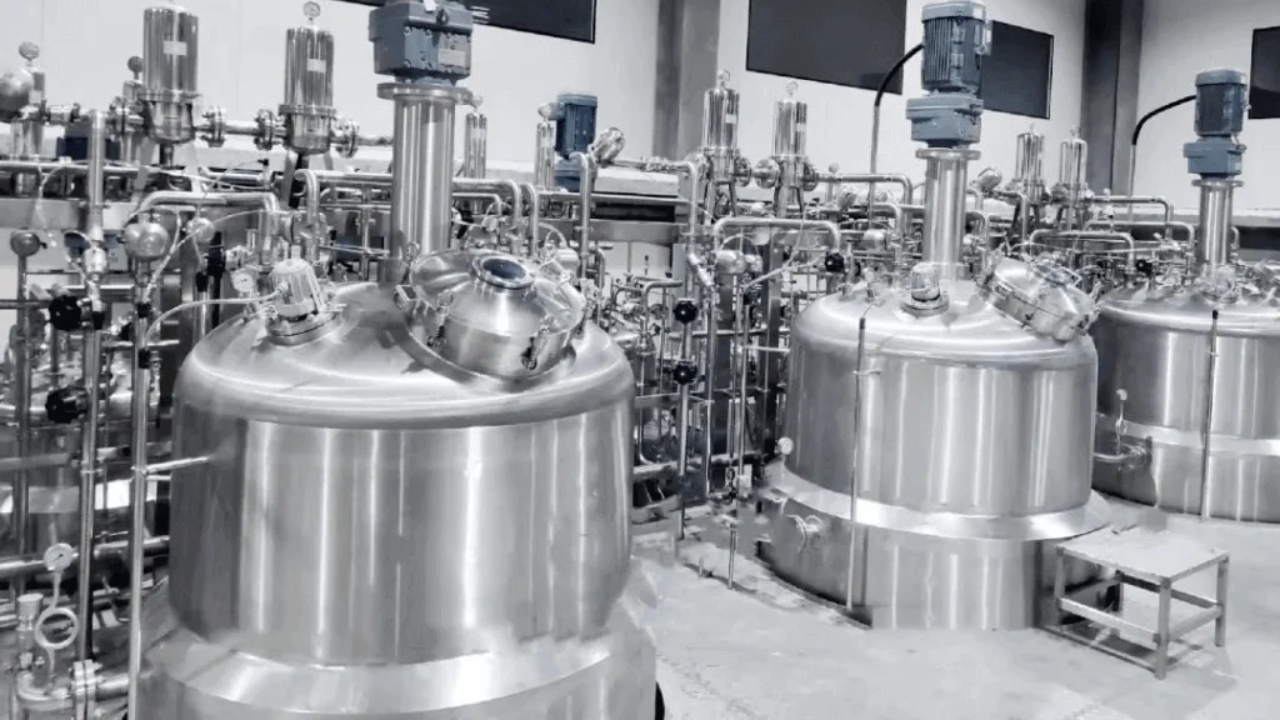
| Особенность | Single‑Use Bioreactor (SUB) | Scale‑Down Bioreactor (SDR) |
| Primary Purpose | Production of clinical/commercial batches | Process Development & Optimization |
| Key Advantage | Eliminates CIP/SIP; reduces cross-contamination | High-throughput screening with minimal resource use |
| Typical Scale | 50L – 2000L | 1 mL – 10L |
| Cost Model | High consumable (bag) cost, lower capital | High capital cost for the system, low per-run cost |
| Ideal User | Multi-product GMP manufacturing facility | Bioprocess R&D and development labs |
How to Choose the Right Fermenter
Consider Your Product & Microorganism
Scale of Production
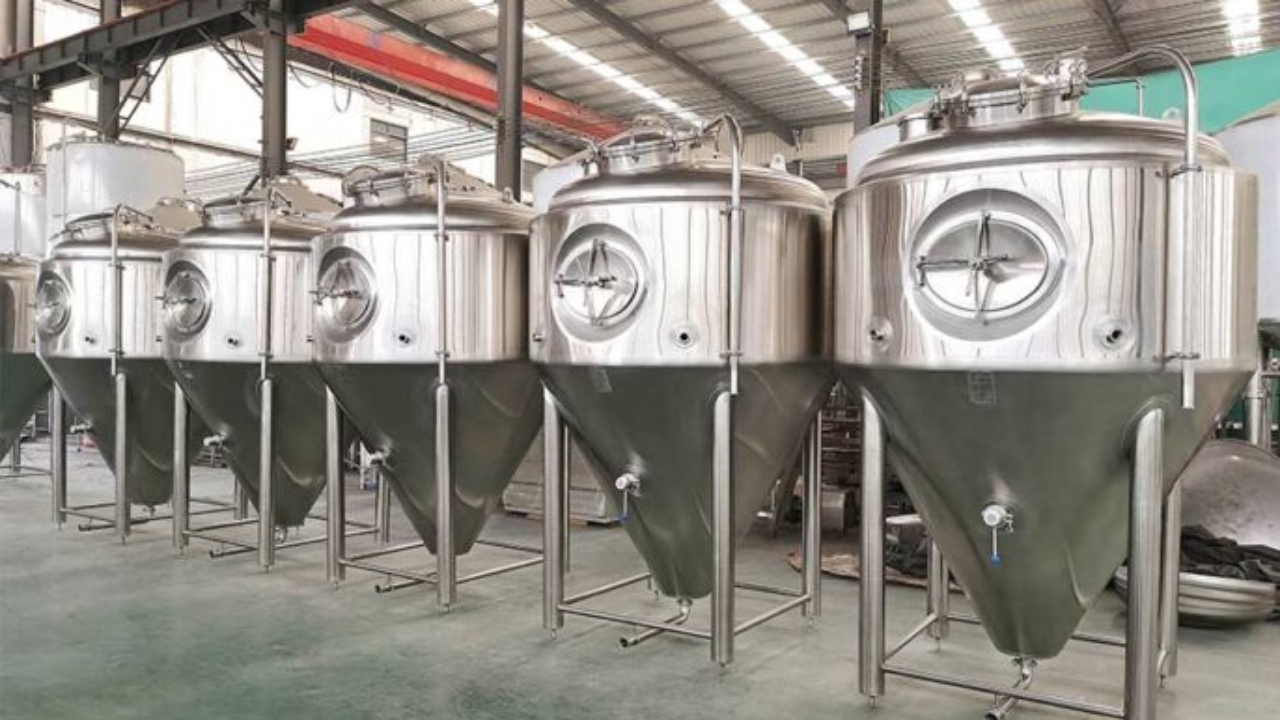
This is the bench-scale for research and development. Scalability data is needed for trial programs. Be reliable, efficient, and comfortable with KDM Steel’s forging skills for manufacturing.
Control & Automation Needs
For processes that need to be precise, like biologics, you need high-tech sensors and robotics. Basic control loops may be used for simpler processes, like some biofuels.
Budget & Operating Costs
Look at the total cost of ownership, which includes the initial investment, the installation, the services (like cooling and stirring), the upkeep, and the consumables (like one-time use bags or cleaning products).
Compliance & Clean in Place (CIP)/Sterilize in Place (SIP)
Industries that are regulated, like food and medicine, need fermenters that are made for validated CIP/SIP cycles and have smooth surfaces, sanitary fittings, and full paperwork packages.
Часто задаваемые вопросы
What is the simplest type of fermenter?
A basic batch-operated mixed tank fermenter is the most basic type. It’s popular in small-scale or beginner-level settings, like brewing and educational labs, and doesn’t need much automation.
Batch vs. continuous: which works better?
Continuous fermenters are better at using volume to keep output steady. Fed-batch systems, on the other hand, often make high-value goods more economically efficient by increasing yield and lowering risk.
What type of container works best for large-scale fermentation?
The Stirred Tank Reactor (STR) is the most common and useful. The choice of container will depend on the microorganisms, product, and output scale you use.
What size fermenter do I need?
The size you need relies on how much you want to produce each year, how concentrated the product is, and how often you make batches. Do an in-depth scale-up study and talk to a fabrication expert to figure out the best amount.
Are fermenters and bioreactors the same?
“Bioreactor” is a more general term for a number of different biological processes. “Fermenter” usually only refers to containers that are used to grow microorganisms like yeast and bacteria.
How much does a fermenter cost?
The price ranges from about $10,000 for lab units to millions of dollars for fully automated industrial systems. It depends on factors like the machine’s size, the materials used, the instruments used, and the amount of automation that is needed.
Can fermenters be automated?
Yes, most current industrial fermenters have high-tech automation for important factors like pH and dissolved oxygen. This automation ensures consistency, reduces manual work, and meets regulatory criteria.
Get your Customized Fermenter Solution from KDM Steel
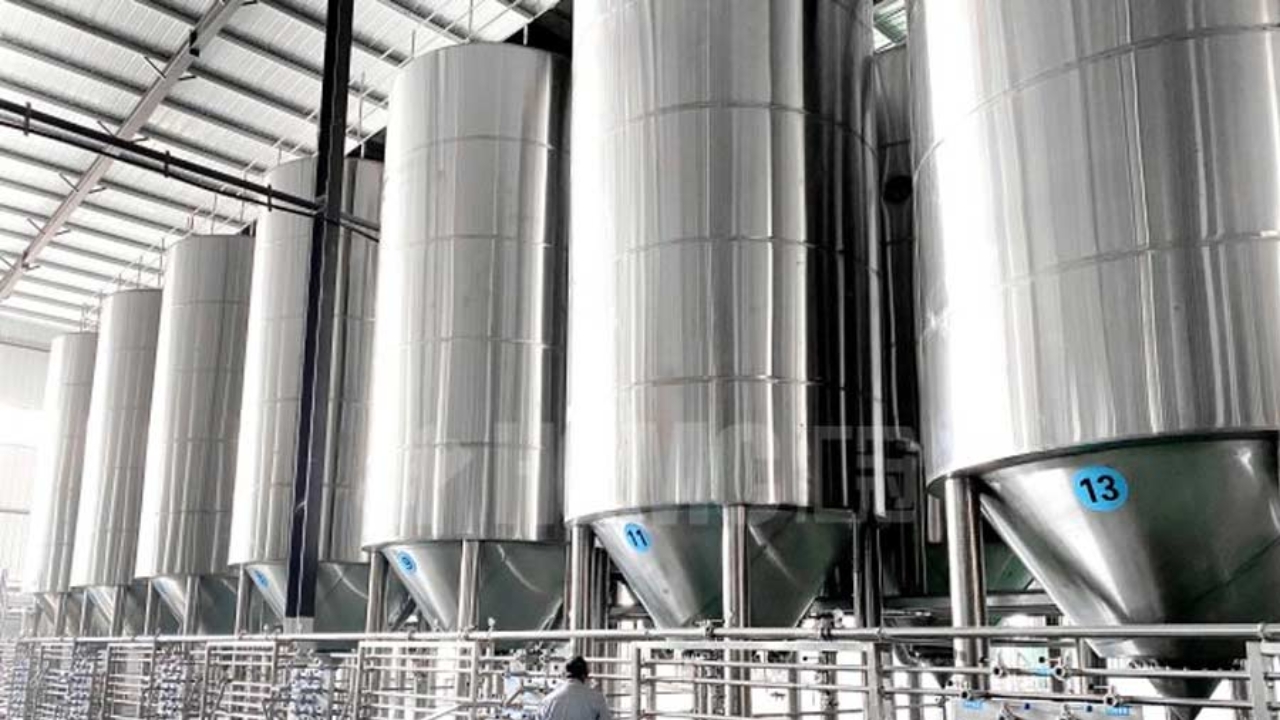
КДМ Сталь works with you to create and build strong, custom fermenters and bioprocess vessels that are perfect for your way of doing things, the design you choose, and your compliance needs. We design everything we make to work well and last a long time, from stirred tanks made of stainless steel to specialized systems. Связаться с нами and get your personalized quote.
 Russian
  English
  Arabic
  French
  Spanish
  Japanese
  Korean
  Portuguese
  Indonesian
  Chinese