


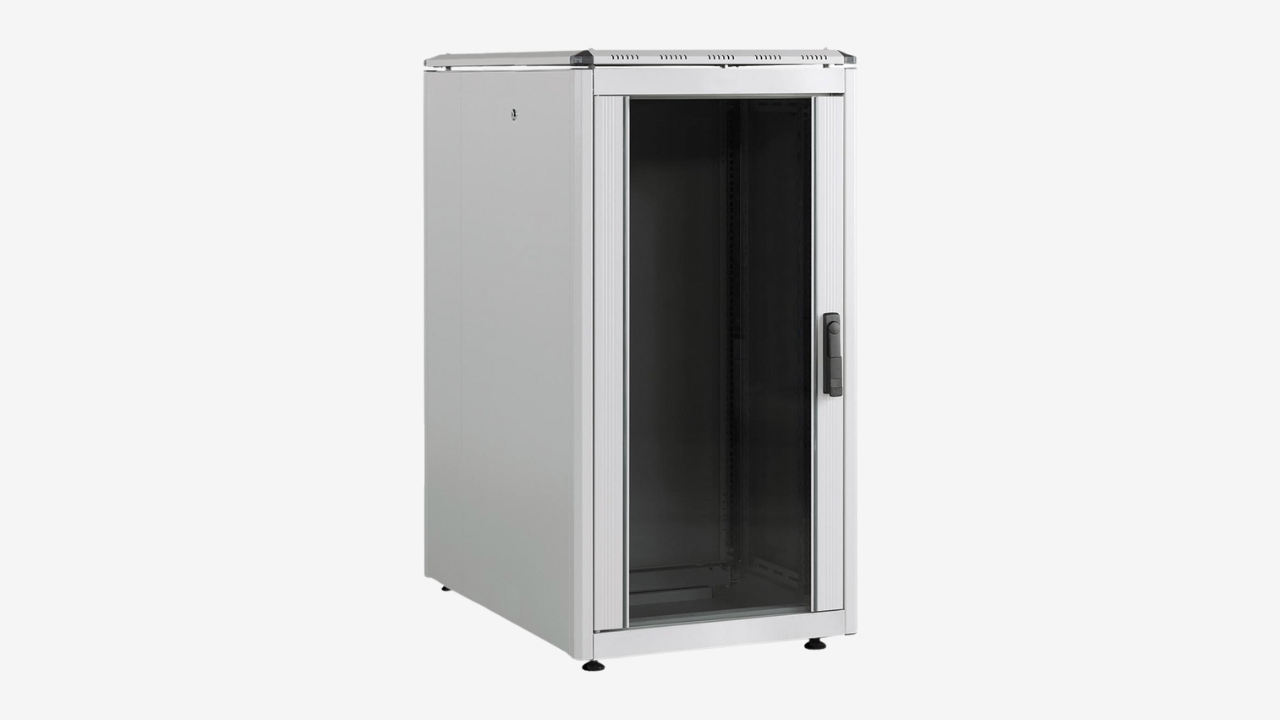
Электрошкафы в разобранном виде широко используются в инженерных проектах. Эти шкафы помогают снизить транспортные издержки и объем работ по монтажу, а также контролировать общие затраты. Эта статья поможет вам быстро понять основные понятия, ключевые преимущества, основные типы и области применения электрошкафов в разобранном виде. Если вы ищете подходящие электрошкафы в разобранном виде для своего проекта, пожалуйста, продолжайте читать эту статью.
Что такое сборные кухонные шкафы?

Электрические шкафы, поставляемые в разобранном виде, являются промышленные электрические корпуса Благодаря модульной конструкции, шкафы можно разобрать для транспортировки и собрать на месте. Они разработаны для снижения транспортных расходов. Разборная конструкция помогает экономить место при доставке и повышает эффективность логистики. Они также подходят для международных инженерных проектов и экспортных поставок.
Преимущества сборных шкафов
Снижение стоимости доставки
Транспортные расходы часто являются основной статьей затрат в инженерных проектах. Традиционные электрощиты обычно поставляются в полностью собранном виде. Во время транспортировки они занимают много места и не могут быть эффективно штабелированы или сложены друг на друга.
Электрические шкафы в разобранном виде позволяют разделить панели, рамы и комплектующие для транспортировки, а их штабелируемость и возможность складывания значительно повышают эффективность использования контейнеров, тем самым снижая затраты на доставку для ваших инженерных проектов.
Ускоренная сборка на месте.
Электрощиты в разобранном виде проходят предварительную перфорацию и проектирование перед отправкой с завода. Основные конструктивные работы выполняются на заводе, а для монтажа на месте требуется лишь сборка болтами рабочими. Этот процесс не требует использования тяжелой подъемной техники или сложных операций по выравниванию; он повышает эффективность монтажа на месте и помогает быстрее ввести проекты в эксплуатацию.
Более гибкие условия для экспортных проектов
Если ваш проект охватывает несколько стран, стандарты проекта будут различаться в зависимости от региона, включая различные требования к степени защиты IP, электрические характеристики и методы монтажа. Электрические шкафы в разобранном виде имеют модульную конструкцию и поддерживают сборку на месте, что позволяет инженерам адаптировать конфигурацию шкафов в соответствии с конкретными потребностями проекта в каждом регионе, что делает их особенно подходящими для зарубежных EPC-проектов и трансграничных промышленных применений.
Упрощенное хранение и обращение
Электрические шкафы в разобранном виде занимают меньше места для хранения до сборки, особенно в компактном виде, что повышает эффективность хранения. Кроме того, модульная конструкция упрощает погрузку и перемещение. Это помогает снизить нагрузку на склад и поддерживать порядок на строительных площадках.
Виды сборных шкафов

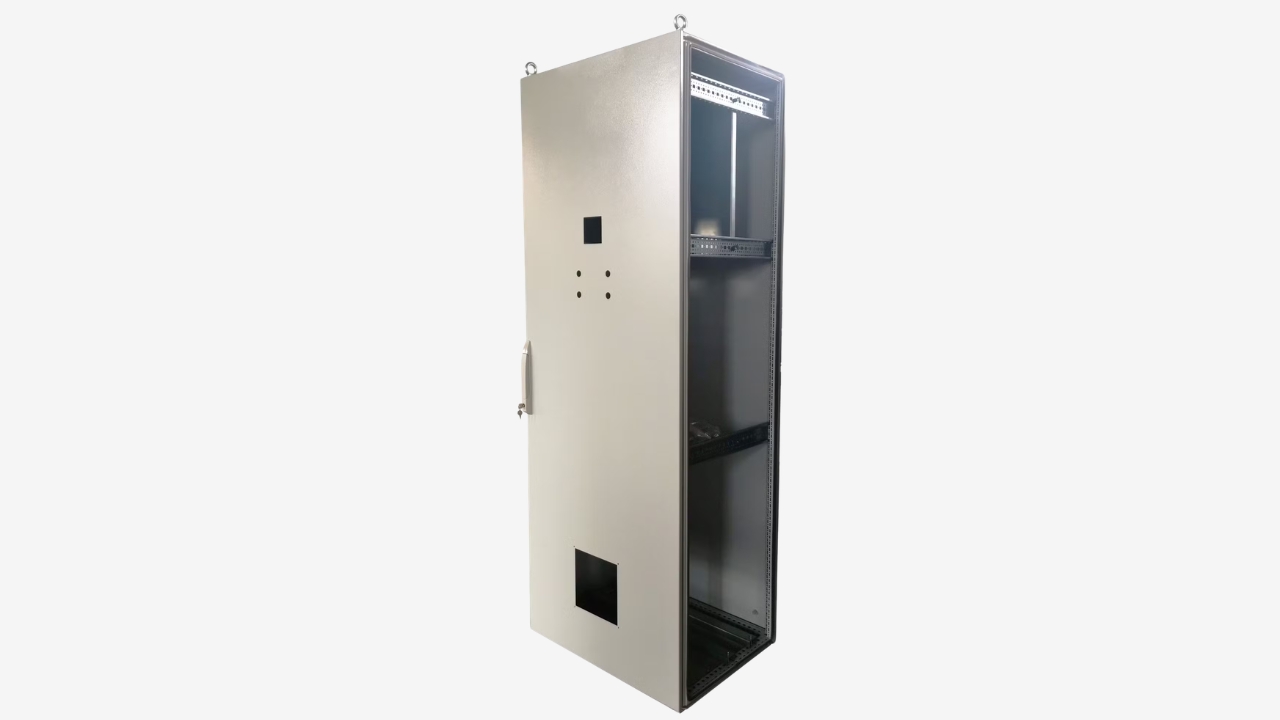
Напольные сборные шкафы
Напольный шкаф в разобранном виде имеет вертикальную конструкцию. Такая конструкция повышает несущую способность и обеспечивает большое внутреннее пространство для сложной компоновки проводки. Этот тип шкафа обычно используется в крупных системах распределения электроэнергии. Он также широко применяется в проектах промышленной автоматизации, требующих большей прочности и более надежной несущей способности.
Настенные сборные шкафы
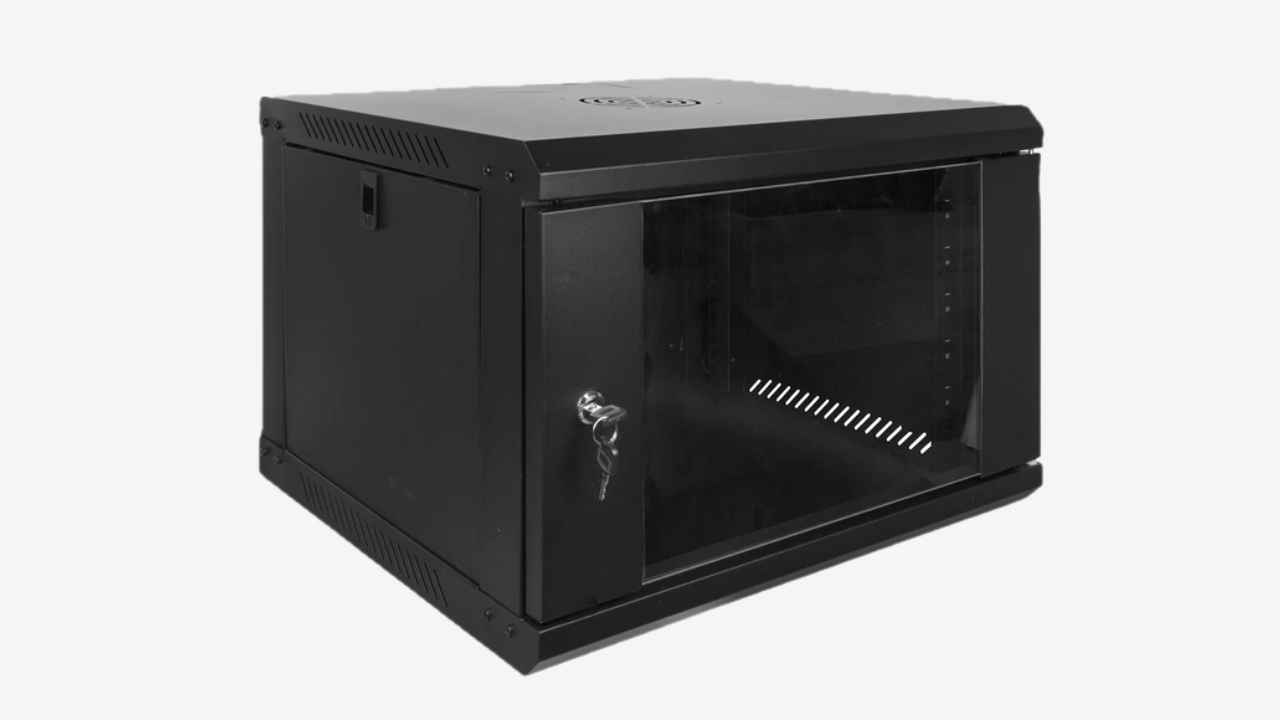
Этот тип шкафа обычно устанавливается на стену или монтируется на несущих конструкциях. Способ монтажа позволяет гибко организовывать размещение оборудования в различных проектных решениях. Такая конструкция подходит для помещений с ограниченным пространством или проектов, требующих минимизации занимаемой площади. Этот шкаф обычно применяется в распределенных системах управления и небольших электрических модулях. В практических приложениях он обеспечивает быструю установку и простоту обслуживания.
Уличные сборные шкафы
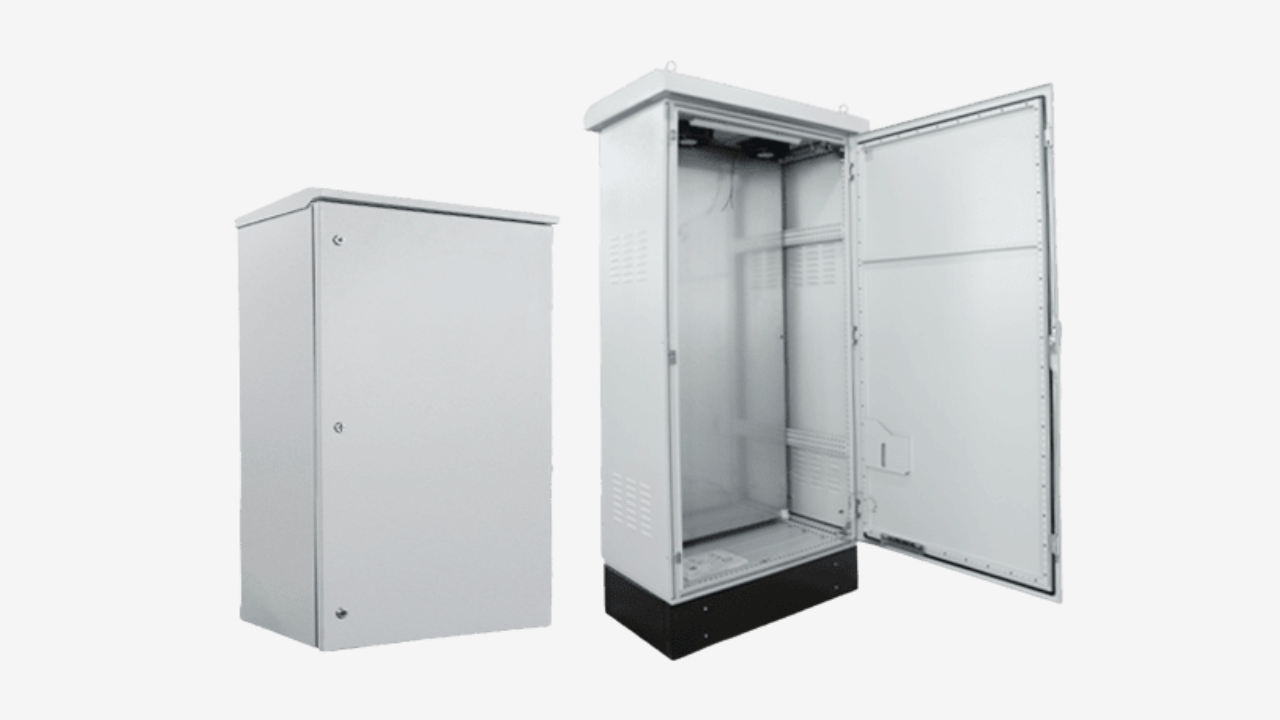
Этот тип предназначен для использования на открытом воздухе. Шкафы для наружного применения, поставляемые в разобранном виде, обеспечивают более высокий уровень защиты и выдерживают дождь, пыль и перепады температур. Распространенные степени защиты IP включают IP54, IP55 и IP65. Этот шкаф подходит для наружного применения со строгими требованиями к защите. Он часто используется в системах распределения электроэнергии на открытом воздухе, базовых станциях связи и инфраструктурных проектах.
Модульные хозяйственные шкафы
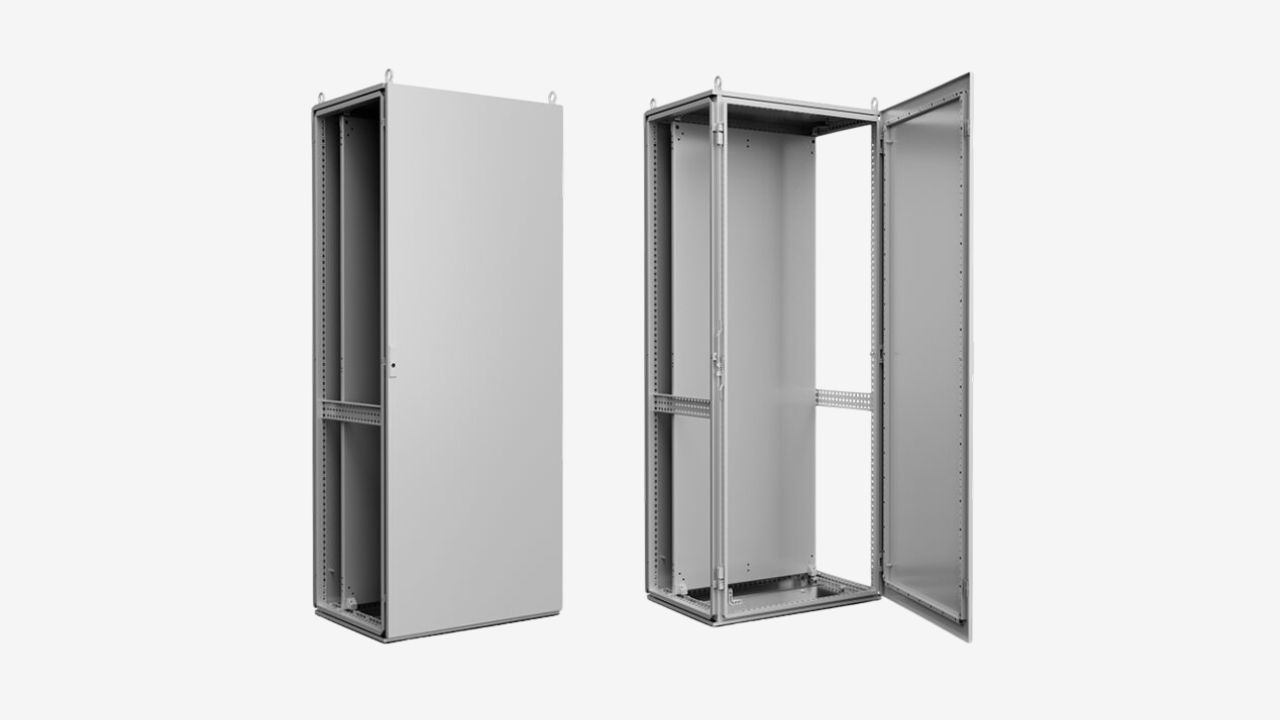
Преимущество этого типа шкафов заключается в их высокой масштабируемости. Модульный хозяйственный шкаф можно дополнить полками, чтобы разместить различное оборудование в зависимости от потребностей вашего проекта. Для проектов с частыми изменениями, таких как проекты автоматизации и управления энергопотреблением, модульный хозяйственный шкаф — хороший выбор.
Где используются сборные кухонные шкафы?
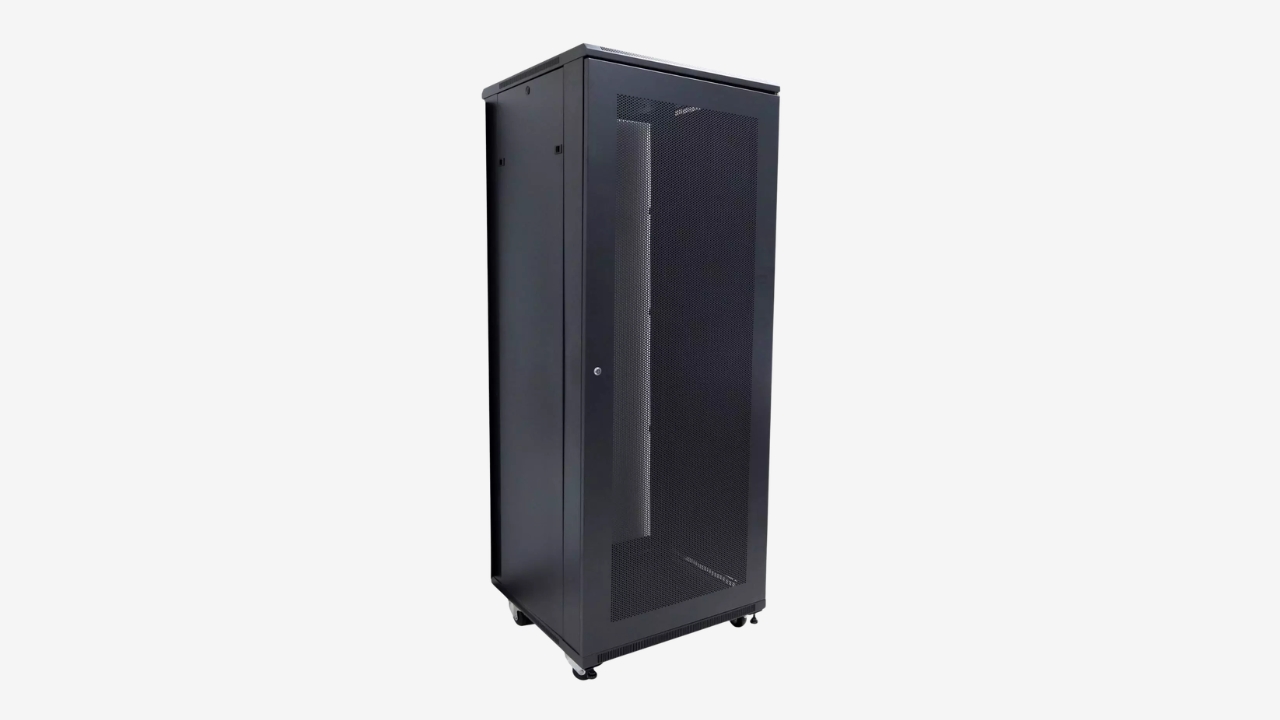
Системы распределения электроэнергии
При выборе распределительных шкафов для крупномасштабной системы электроснабжения неизбежно возникают вопросы, касающиеся транспортных расходов и условий монтажа. Плоские упаковки, благодаря возможности модульной транспортировки и возможности штабелирования, могут решить проблему высоких транспортных расходов в крупных проектах электроснабжения из-за большого количества шкафов. Кроме того, такая конструкция облегчает быструю сборку в сложных условиях монтажа, например, на заводах или электростанциях.
Проекты промышленной автоматизации
Проекты промышленной автоматизации обычно охватывают обширную географическую территорию и включают многоточечные системы управления. В результате шкафы управления часто размещаются в разных местах. Выбор конструкции шкафа в разобранном виде облегчает сегментированную транспортировку и перемещение шкафов в сложные монтажные помещения, что повышает эффективность установки на объекте.
Центры обработки данных и телекоммуникационные объекты
Для центров обработки данных характерны ограниченное пространство и высокая плотность размещения оборудования. Конструкция сборных шкафов улучшает использование пространства при транспортировке, что снижает общие затраты на развертывание проекта. Кроме того, поскольку такие проекты часто предполагают необходимость дальнейшего расширения, сборные решения хорошо подходят для масштабируемого роста.
В проектах глобального развертывания оборудование часто устанавливается в нескольких регионах, и шкафы в разобранном виде могут адаптироваться к различным региональным стандартам. Они также упрощают трансграничную транспортировку.
Временные электроустановки
На строительных площадках, выставках и мероприятиях часто требуется временное электроснабжение. Эти проекты, как правило, имеют короткую продолжительность и зависят от мобильных систем электропитания. Некоторые проекты длятся всего несколько дней или недель, что не позволяет проводить длительные монтажные работы. Плоские сборные конструкции, благодаря заводской сборке и быстрой сборке на месте, могут сократить время монтажа. Кроме того, такой корпус легко устанавливать и демонтировать. При необходимости его можно перемещать между различными строительными площадками.
Экспортные и EPC-проекты
Проекты EPC и зарубежные проекты требуют транспортировки на большие расстояния. Эти проекты обычно сопряжены с высокими логистическими затратами и строгими требованиями к срокам поставки. Сборные шкафы уменьшают объем перевозимых грузов и помогают снизить стоимость международных перевозок. Они также могут снизить риск повреждения при транспортировке.
Традиционные шкафы могут деформироваться во время транспортировки на большие расстояния из-за ударов или столкновений. Однако шкафы, поставляемые в разобранном виде, имеют модульную конструкцию, которая легко разбирается. Такая конструкция повышает безопасность транспортировки и позволяет более эффективно упаковывать шкафы во время доставки.
В проектах EPC особое внимание уделяется эффективности на объекте, а быстрый процесс монтажа сборных шкафов способствует ускорению выполнения проекта. Это также помогает проектам перейти к этапу ввода в эксплуатацию в более короткие сроки.
Как выбрать подходящие шкафы в разобранном виде

Выберите в зависимости от среды приложения.
При выборе сборных электрических шкафов первостепенное значение следует придавать условиям эксплуатации. Различные условия эксплуатации предъявляют разные требования к характеристикам шкафов. Условия эксплуатации определяют необходимый уровень защиты и тип шкафа.
Для стабильных условий, таких как заводские цеха или распределительные помещения, где пространство ограничено, а требования к защите менее строгие, подходят настенные или напольные шкафы-трансформеры.
Проекты по распределению электроэнергии на открытом воздухе, инфраструктурные проекты или временные строительные площадки сталкиваются со сложными условиями. В таких условиях необходима защита от пыли, воды и изменений погоды. Для этих применений рекомендуется использовать наружные сборные шкафы.
Выберите подходящий размер и грузоподъемность.
The размеры электрического шкафа При этом несущая способность должна соответствовать конфигурации оборудования. Выбор также должен учитывать потребности в расширении в будущем.
Для систем промышленной автоматизации, таких как производственные линии, подходят модульные шкафы для оборудования или напольные шкафы среднего размера, собираемые из готовых комплектов.
Для крупных промышленных проектов, включающих множество электрических компонентов или сложные схемы проводки, лучшим выбором будут более крупные или высокопрочные шкафы, такие как напольные сборные шкафы повышенной прочности, что позволит избежать ограничений на будущее расширение.
Проверьте степень защиты IP и уровень защиты.
Также можно выбрать соответствующий уровень защиты IP в зависимости от суровости условий эксплуатации проекта.
В помещениях или контролируемых средах, таких как центры обработки данных и диспетчерские, обычно наблюдаются стабильные условия эксплуатации. Стандартных напольных шкафов в таких условиях, как правило, достаточно. Они могут обеспечить базовые требования к защите без дополнительного усиления.
В условиях дождя и высокой влажности требуется более высокий уровень защиты. В таких случаях рекомендуется использовать наружные сборные шкафы. Степень защиты IP, например, такая, как... Корпус IP54 или Корпус IP65 помогает защитить оборудование и снизить риски, связанные с техническим обслуживанием.
Часто задаваемые вопросы
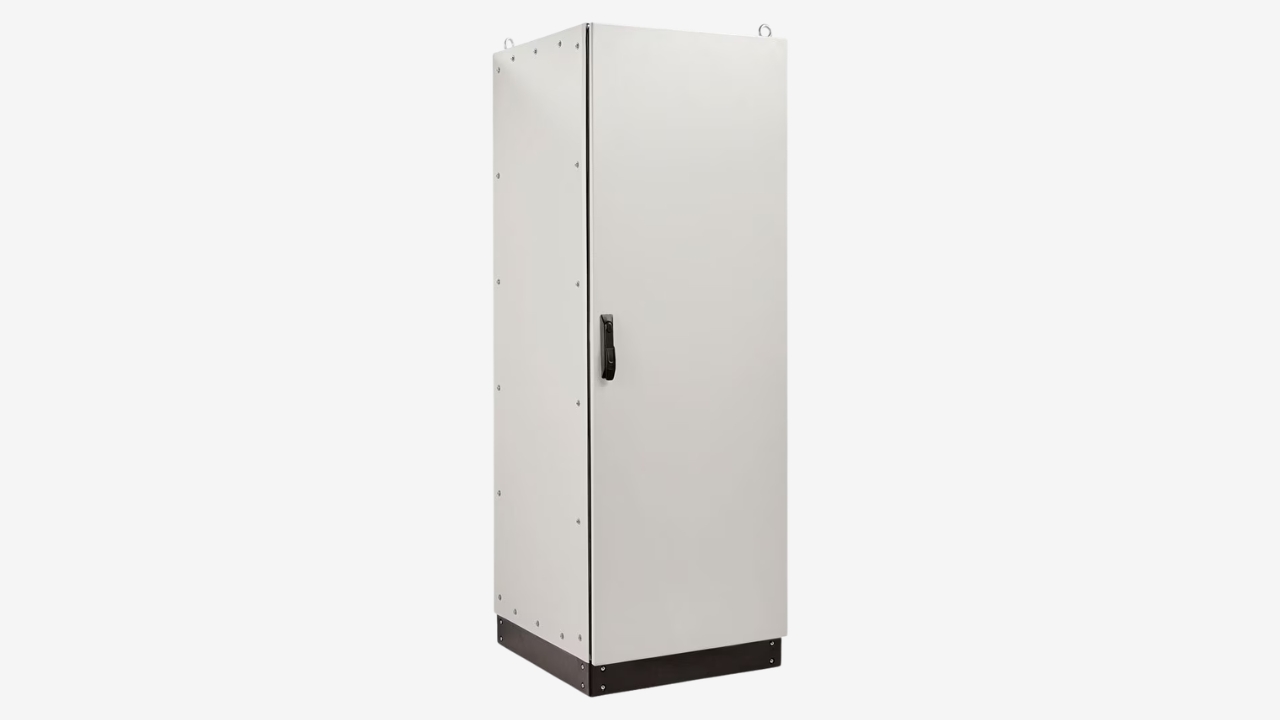
Сложна ли установка мебели в разобранном виде для рабочих на объекте?
Процесс установки несложен. Электрощиты в разобранном виде имеют предварительно разработанную конструкцию и перфорацию на заводе.
Монтаж на месте в основном включает в себя завинчивание болтов. Рабочие собирают шкаф в соответствии с техническими чертежами.
Этот процесс не требует сложных работ по изготовлению металлоконструкций. Он также не предполагает использования тяжелой техники. Стандартная строительная бригада может выполнить монтаж с помощью простых инструментов.
В целом, процесс установки прост и понятен.
Для сборки сборных кухонных шкафов требуются специальные инструменты?
Для установки, как правило, не требуются специальные инструменты.
Сборку на месте можно выполнить с помощью обычных инструментов, таких как гаечные ключи и отвертки. Эти инструменты широко доступны в стандартных условиях строительства.
Для установки больших напольных шкафов может потребоваться простое подъемное или погрузочно-разгрузочное оборудование. Это оборудование является базовым и не требует использования специализированной монтажной техники или профессиональных инструментов.
Как следует хранить шкафы в разобранном виде до установки?
Перед установкой компоненты следует хранить в сухом, хорошо проветриваемом и чистом месте. Такие условия хранения помогают сохранить качество поверхности и структурную целостность.
Компоненты не должны подвергаться длительному воздействию влажной или сильно коррозионной среды. Это снижает риск повреждения поверхности и разрушения материала.
Компоненты следует рассортировать и уложить по категориям. Проектная группа также должна принять меры по защите от пыли и влаги. Эти меры особенно важны для проектов с длительным хранением или поэтапным графиком монтажа.
Подходят ли сборные шкафы для долгосрочных инфраструктурных проектов?
Да. Электрошкафы в разобранном виде широко используются в долгосрочных инженерных проектах. К таким проектам относятся энергетические системы, телекоммуникации и промышленная инфраструктура.
Строительство таких проектов обычно осуществляется поэтапно. Кроме того, на более поздних этапах эксплуатации требуется расширение.
Модульная конструкция сборных шкафов способствует расширению системы. Она также позволяет вносить изменения на месте при изменении требований проекта. Это делает сборные шкафы подходящими для долгосрочного использования в инженерных проектах.
Заключительные мысли

Независимо от того, занимаетесь ли вы системами промышленной автоматизации, крупномасштабными проектами по распределению электроэнергии или зарубежными проектами EPC, выбор подходящего сборного электрического шкафа может повысить эффективность проекта и снизить эксплуатационные расходы. КДМ Сталь Мы не только предлагаем сборные электрические шкафы, соответствующие различным требованиям проектов, но и предоставляем комплексное обслуживание. Свяжитесь с нами, чтобы обсудить оптимальное решение для вашего проекта.
 Russian
  English
  Arabic
  French
  Spanish
  Japanese
  Korean
  Portuguese
  Indonesian
  Chinese