


Системы охлаждения влияют на срок службы оборудования центров обработки данных, эксплуатационные расходы и время безотказной работы. Какое решение для охлаждения больше подходит для небольших центров обработки данных? Эта статья поможет вам разобраться и выбрать эффективное решение для охлаждения вашего проекта, исходя из производительности, занимаемого пространства и бюджета.
Варианты решений для охлаждения центров обработки данных
Правильно подобранное решение для охлаждения может гарантировать стабильную работу, энергоэффективность и масштабируемость вашего небольшого центра обработки данных в долгосрочной перспективе. В зависимости от нагрузки на ИТ-инфраструктуру, ограничений по площади и бюджета, различные варианты охлаждения имеют разные преимущества и ограничения. Вот подробный обзор решений для охлаждения:
Решения для воздушного охлаждения
Воздушное охлаждение — наиболее традиционный и широко используемый метод охлаждения центров обработки данных. В основном, в качестве теплоносителя используется воздух. кондиционеры, фанаты, а также вентиляционные отверстия для поддержания стабильной температуры в центре обработки данных. Различные типы можно разделить в зависимости от расстояния между местом установки охлаждающего оборудования и шкафом:
Решение для охлаждения воздуха в помещениях (системы CRAC и CRAH).
Наиболее традиционным методом является охлаждение помещений воздухом. Охлаждающие установки обычно размещаются по периметру центра обработки данных для регулирования общей температуры в помещении. К распространенным системам охлаждения относятся кондиционеры для компьютерных залов (CRAC) и воздухораспределители для компьютерных залов (CRAH).
Как это работаетОхлаждающее устройство подает холодный воздух во всю комнату и обеспечивает его циркуляцию. серверные стойки. Горячий воздух возвращается в охлаждающий блок для охлаждения. В системах кондиционирования воздуха с прямым расширением обычно используются компрессоры. В системах охлаждения с прямым расширением используются компрессоры. змеевики с охлажденной водой для охлаждения воздуха.
Плюсы:
- Более низкие первоначальные инвестиции
- Простая конструкция и легкая установка.
- Подходит для переоборудования существующих помещений.
Минусы:
- Смешивание горячего и холодного воздуха приводит к снижению эффективности.
- Снижение эффективности для стоек высокой плотности
- Увеличение энергопотребления с течением времени.
- Сложно точно контролировать поток воздуха.
ПриложенияЭто решение для охлаждения идеально подходит для использования в небольших серверных комнатах, помещениях с низкой плотностью размещения оборудования или на объектах с ограниченным бюджетом.
Система внутрирядного охлаждения
Система внутрирядного охлаждения устанавливается непосредственно посередине или на обоих концах серверной стойки. Это позволяет разместить систему охлаждения ближе к источнику тепла, повышая эффективность охлаждения. Ее можно комбинировать с системами охлаждения/обогрева. ограждение прохода для использования.
Как это работаетУстройство охлаждения захватывает горячий воздух из соседних стеллажей и охлаждает его. Затем устройство возвращает воздух в холодный проход. Это помогает минимизировать смешивание воздуха.
Плюсы:
- Более высокая энергоэффективность по сравнению с системами, устанавливаемыми в помещении.
- Улучшенное управление воздушным потоком и поддержание стабильной температуры.
- Масштабируемая и модульная конструкция
- Сокращение количества очагов перегрева
Минусы:
- Более высокая стоимость по сравнению с традиционным воздушным охлаждением.
- Требуется тщательное планирование планировки.
- Занимает ценное место в стеллажах.
ПриложенияДанное решение для охлаждения подходит для помещений со средней плотностью размещения оборудования, небольших и крупных центров обработки данных. Если вам требуется более эффективное охлаждение без полной модернизации, вы можете использовать это решение.
Решение для охлаждения на основе стоек
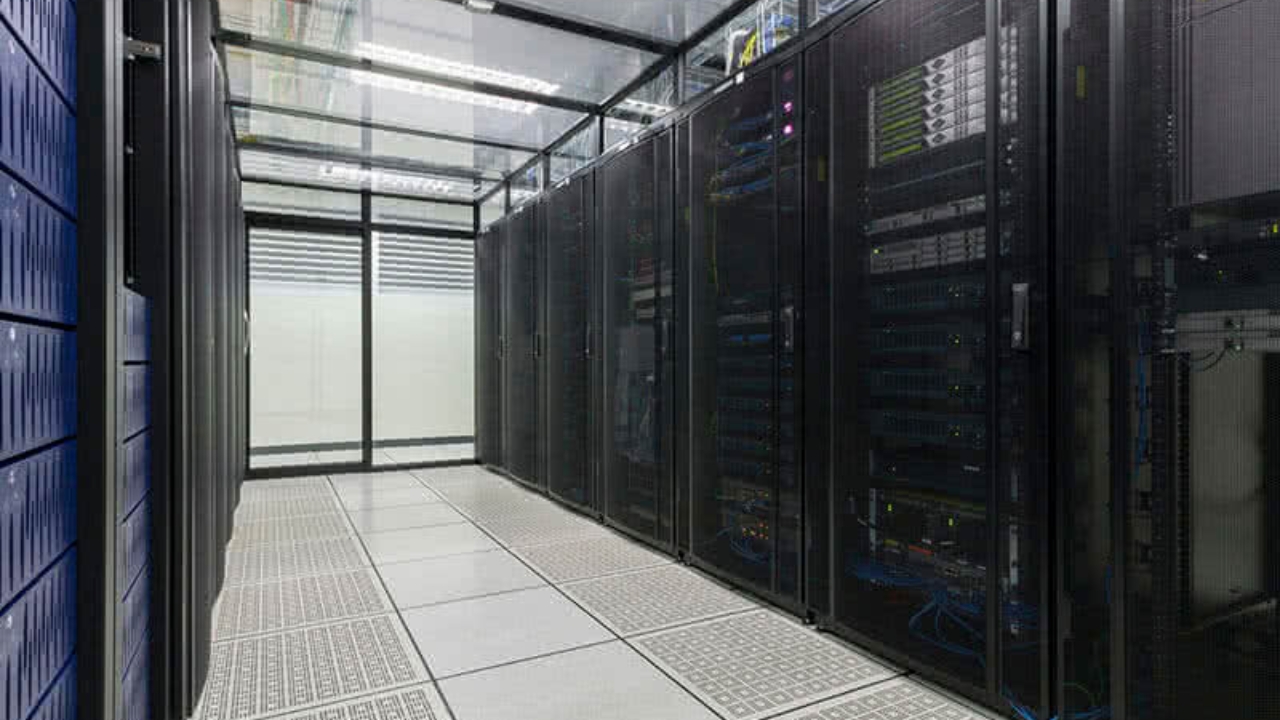
Системы охлаждения на основе стоек интегрируются непосредственно в один стоечный блок или подключаются к нему. В основном они обеспечивают локальное охлаждение конкретного оборудования. Этот метод охлаждения для центров обработки данных также называется замкнутой системой охлаждения.
Как это работаетСистема охлаждения работает на уровне стойки. Она отводит тепло от источника, прежде чем оно распространится по помещению.
Плюсы:
- Высокая эффективность охлаждения
- Точный контроль температуры
- Снижение сложности за счет управления воздушным потоком.
Минусы:
- Более высокие эксплуатационные расходы
- Ограниченная пригодность для крупномасштабного развертывания.
- Требуется техническое обслуживание нескольких распределенных блоков.
ПриложенияСистемы охлаждения на основе стоек подходят для применения в периферийных центрах обработки данных, микроцентрах обработки данных и в стойках высокой плотности в ограниченном пространстве. Для ограниченных модульных сред система охлаждения на основе стоек также является идеальным выбором.
Решения для жидкостного охлаждения
Жидкостное охлаждение основано на принципе, согласно которому жидкости обладают более высокой теплопроводностью и теплоемкостью, чем воздух. Жидкостное охлаждение имеет более высокую эффективность теплопередачи, чем воздушное. Оно обеспечивает эффективное охлаждение стоек высокой плотности. И это снижает потребность в воздушном потоке и высоком энергопотреблении вентиляторов в небольших центрах обработки данных.
Решение с теплообменниками для задних дверей (RDHx)
Как это работаетНеобходимо установить теплообменник с жидкостным охлаждением на задней дверце серверной стойки. Горячий воздух выходит из стойки и проходит через теплообменник, где циркулирующая охлаждающая вода отводит тепло.
Плюсы:
- Простая интеграция в существующие системы воздушного охлаждения.
- Внесение минимальных изменений в ИТ-оборудование.
- Снижение потребности в охлаждении на уровне помещения.
- Более низкий риск (по сравнению с системами прямого введения жидкости)
Минусы:
- Частично зависит от воздушного потока.
- Ограниченная эффективность (по сравнению с прямым охлаждением чипа)
- Требуется инфраструктура для охлажденной воды.
ПриложенияЭто решение для охлаждения идеально подходит, если в небольшом компьютерном зале центра обработки данных нет возможности изменить организацию воздушного потока. Также его можно применять в стойках средней и высокой плотности или в проектах, где время на доработку ограничено.
Решение для жидкостного охлаждения непосредственно на чипе/охлаждения с помощью холодной пластины
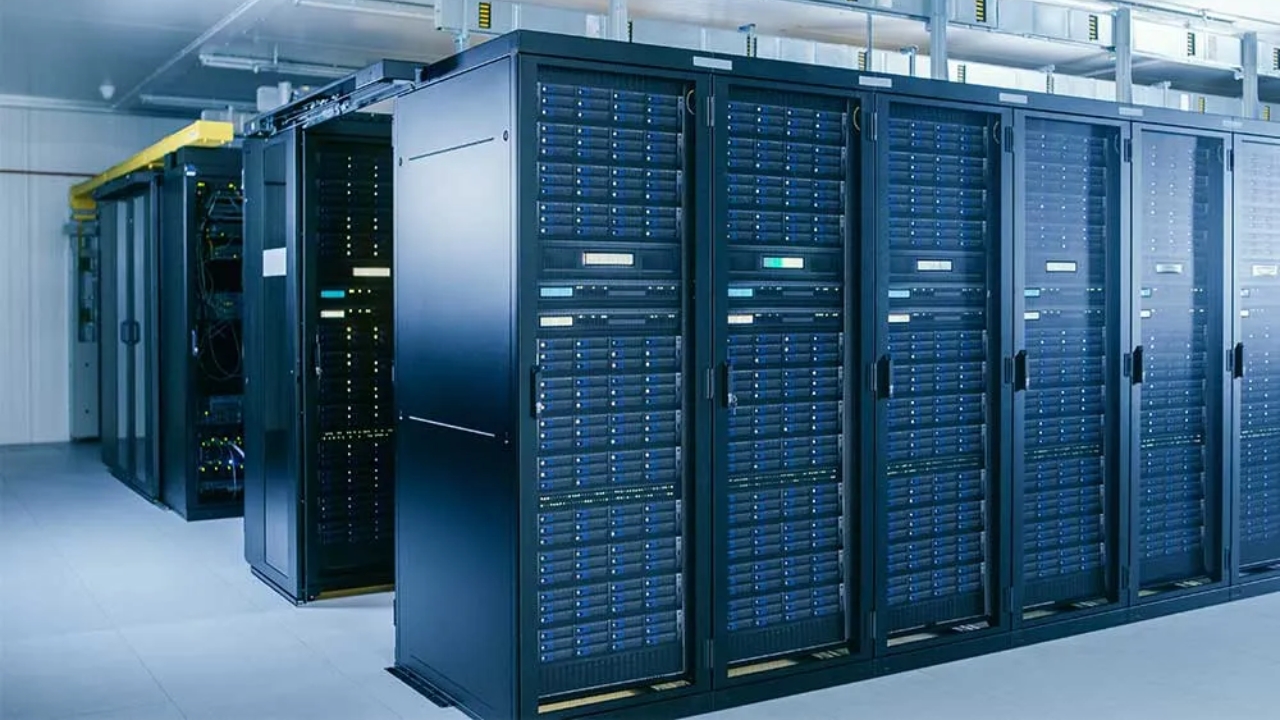
Как это работаетОхлаждающая жидкость подается непосредственно на охлаждающую пластину, установленную на компоненте, сильно нагревающемся (процессор, видеокарта). Тепло поглощается и отводится через замкнутую жидкостную систему. Для такой системы охлаждения обычно требуется распределительный блок охлаждающей жидкости (РЛЖ) для изоляции первичной и вторичной сторон.
Плюсы:
- Очень высокая эффективность и точное охлаждение
- Поддержка стойки очень высокой плотности
- Снижает использование вентиляторов сервера и энергопотребление.
- Более низкий показатель PUE
Минусы:
- Требуются модифицированные серверы
- Более высокая первоначальная стоимость
- Более сложная установка и техническое обслуживание
ПриложенияЭтот метод охлаждения подходит для задач искусственного интеллекта и кластеров графических процессоров. Он также может применяться в высокопроизводительных вычислениях и центрах обработки данных с высокой плотностью размещения оборудования.
Решение для погружного охлаждения
Как это работаетИммерсионное охлаждение предполагает погружение сервера в непроводящую жидкость. Тепло передается непосредственно от компонента к жидкости, которая затем охлаждается теплообменником. Иммерсионное охлаждение делится на однофазное (жидкость остается жидкой постоянно) и двухфазное (жидкость кипит и конденсируется, отводя тепло).
Плюсы:
- Максимальная эффективность охлаждения
- Способен выдерживать чрезвычайно высокую плотность.
- Отсутствие вентиляторов и системы управления воздушным потоком.
- Нет шума
Минусы:
- Высокая стоимость и специализированная инфраструктура
- Комплексное техническое обслуживание
- Высокие требования к серверам, созданным по индивидуальному заказу.
- Ограниченная совместимость со стандартным оборудованием.
ПриложенияЭтот метод охлаждения в основном применяется в передовых центрах обработки данных или центрах обработки данных с ограниченным пространством и высокой плотностью размещения оборудования. Для небольших центров обработки данных он может быть непригоден.
Решения для естественного охлаждения
Естественное охлаждение — один из наиболее энергоэффективных способов управления тепловым режимом в небольших центрах обработки данных. Естественное охлаждение не требует механического охлаждения, а использует воду или воздух, охлаждаемые естественным образом снаружи, для рассеивания тепла. Это снижает энергопотребление и эксплуатационные расходы вашего центра обработки данных. Однако его целесообразность зависит от местных климатических условий.
Решение для прямого воздушного охлаждения
Как это работаетВ центр обработки данных поступает холодный наружный воздух. После фильтрации этот воздух используется для охлаждения ИТ-оборудования. Затем теплый воздух удаляется из помещения.
Плюсы:
- Экономия энергии
- Низкие эксплуатационные расходы
- Компрессоры не требуются
Минусы:
- Требования к усовершенствованной фильтрации
- Сложный контроль влажности
- Риск внесения загрязняющих веществ
- Не применимо во всех климатических условиях
Решение для испарительного охлаждения
Как это работает: Охлаждение воздуха с помощью насыщенной водой среды. Испарение понижает температуру воздуха перед его поступлением в центр обработки данных.
Плюсы:
- энергоэффективный
- Очень эффективен (в сухом климате).
Минусы:
- Повысить уровень влажности
- Необходимость водоснабжения и водоочистки.
Естественное охлаждение больше подходит для небольших центров обработки данных в регионах с более холодным климатом или когда необходимо снизить затраты на электроэнергию. Также естественное охлаждение можно интегрировать с другими методами охлаждения для повышения эффективности охлаждения.
Ключевые факторы, влияющие на эффективность охлаждения
ИТ-нагрузка и плотность мощности
Более высокая плотность размещения оборудования требует более эффективных методов охлаждения. Низкая эффективность охлаждения/неравномерное распределение воздушного потока могут привести к образованию зон перегрева. Метод охлаждения должен соответствовать плотности размещения оборудования в стеллажах.
Проектирование и размещение системы охлаждения
Тип, компоновка и расположение охлаждающего устройства влияют на эффективность охлаждения центра обработки данных. Несоответствие типов и компоновок систем центра обработки данных может привести к снижению производительности.
Условия окружающей среды
Условия окружающей среды внутри и снаружи центра обработки данных влияют на эффективность охлаждения, включая температуру и влажность. Высокая температура наружного воздуха увеличивает потребность в охлаждении. А эффективность естественного охлаждения зависит от климата.
Возраст оборудования
Более старое оборудование в центрах обработки данных обычно выделяет больше тепла. Это увеличивает потребность в охлаждении. Поэтому при выборе вариантов охлаждения необходимо в полной мере учитывать энергоэффективность.
Как выбрать наиболее эффективное решение для охлаждения небольших центров обработки данных?
Оцените плотность ИТ-нагрузки
Необходимо рассчитать нагрузку на оборудование в стойке (кВт). Как правило, для стоек с низкой плотностью достаточно охлаждения в помещении. Для стоек средней плотности можно выбрать внутрирядное охлаждение. Для стоек высокой плотности можно выбрать охлаждение в стойке или жидкостное охлаждение.
Оцените пространственные ограничения
Небольшие центры обработки данных часто имеют ограниченное физическое пространство. Это напрямую влияет на циркуляцию воздуха для охлаждения и проектирование системы. Если в центре обработки данных ограничена площадь пола, можно рассмотреть решения для охлаждения на основе стоек или рядов. Если нет фальшпола, следует избегать систем, использующих циркуляцию воздуха под полом. В условиях ограниченного пространства лучшим выбором будет система охлаждения с замкнутым контуром.
Проанализируйте свой бюджет
Стоимость решения для охлаждения включает в себя как первоначальные затраты, так и эксплуатационные расходы. Если ваш бюджет ограничен, вы можете выбрать метод охлаждения с более низкими первоначальными затратами. Если же бюджет достаточен, следует больше сосредоточиться на долгосрочной выгоде.
Учитывайте местные условия окружающей среды.
Климат напрямую влияет на эффективность и производительность системы охлаждения центров обработки данных. В прохладном климате больше подходит естественное охлаждение. В жарком/влажном климате чаще используются гибридные системы или специальное охлаждающее оборудование.
План будущего роста
В будущем ваша система может расшириться. Следовательно, потребности центра обработки данных в охлаждении также соответственно возрастут. Учитывая будущие потребности в охлаждении, вы можете отдать приоритет модульным и масштабируемым системам, чтобы обеспечить стабильную эффективность охлаждения.
Подбор типа охлаждения в соответствии с вашими задачами.
Если вы выбираете решение для охлаждения небольшого серверного помещения, хорошим вариантом будет охлаждение внутри помещения с оптимизацией воздушного потока. А для растущего небольшого центра обработки данных можно выбрать внутрирядное охлаждение. В целом, ваше решение для охлаждения должно соответствовать потребностям вашего приложения.
Передовые методы повышения эффективности охлаждения
Во многих небольших центрах обработки данных можно снизить энергопотребление и улучшить эффективность охлаждения несколькими способами. Например, создание замкнутой системы горячего и холодного коридоров повышает эффективность системы охлаждения и предотвращает смешивание охлаждающего воздуха. Кроме того, можно использовать заглушку для регулирования воздушного потока.
Для небольших центров обработки данных также можно отслеживать и контролировать условия окружающей среды с помощью датчиков и программного обеспечения. Кроме того, можно повысить эффективность охлаждения, используя вентиляторы с регулируемой скоростью и интеллектуальное управление, улучшив организацию кабелей и проводя регулярное техническое обслуживание.
Часто задаваемые вопросы
Может ли улучшение циркуляции воздуха само по себе снизить затраты на охлаждение?
Да. Улучшение циркуляции воздуха может снизить затраты на охлаждение на 101-301 тонну на 3000 тонн. Улучшенная циркуляция воздуха устраняет зоны перегрева, предотвращает смешивание горячего и холодного воздуха и гарантирует эффективную подачу воздуха. Это помогает снизить энергопотребление и повысить эффективность охлаждения.
Слишком ли сложна система жидкостного охлаждения для небольших центров обработки данных?
Сложность жидкостного охлаждения зависит от конкретного применения. Например, современные системы жидкостного охлаждения с прямым подключением к чипу более модульны и проще в развертывании. Однако их внедрение все еще сложнее, чем у воздушного охлаждения. Для центров обработки данных с высокой плотностью размещения оборудования более высокая эффективность охлаждения важнее, чем сложность.
Какие инструменты мониторинга используются для оптимизации охлаждения?
В число инструментов мониторинга входят датчики температуры и влажности, датчики воздушного потока, программное обеспечение DCIM, системы управления зданием (BMS) и многое другое. Эти инструменты позволяют оптимизировать охлаждение на основе данных, повышая производительность и снижая энергопотребление.
Какие существуют современные экологически устойчивые технологии охлаждения для центров обработки данных?
Современные экологичные технологии охлаждения центров обработки данных в основном позволяют поддерживать производительность при одновременном снижении энергопотребления и воздействия на окружающую среду. Ключевые технологии включают в себя решения для охлаждения на основе искусственного интеллекта, модульные системы охлаждения, чиллеры с воздушным охлаждением и хладагентами с низким ПГП, гибридные системы охлаждения и многое другое.
Заключительная мысль
KDM — профессиональный производитель корпусов для электрооборудования, изготавливающий продукцию на заказ. Мы стремимся предлагать широкий ассортимент продукции. электрические шкафы а также сопутствующие аксессуары для создания вашего центра обработки данных и ИТ-инфраструктуры. Более того, мы предоставляем услуги по индивидуальному заказу. Свяжитесь с нами сегодня, чтобы обсудить ваши потребности в корпусах и системах охлаждения, разработанных специально для вас.
 Russian
  English
  Arabic
  French
  Spanish
  Japanese
  Korean
  Portuguese
  Indonesian
  Chinese