


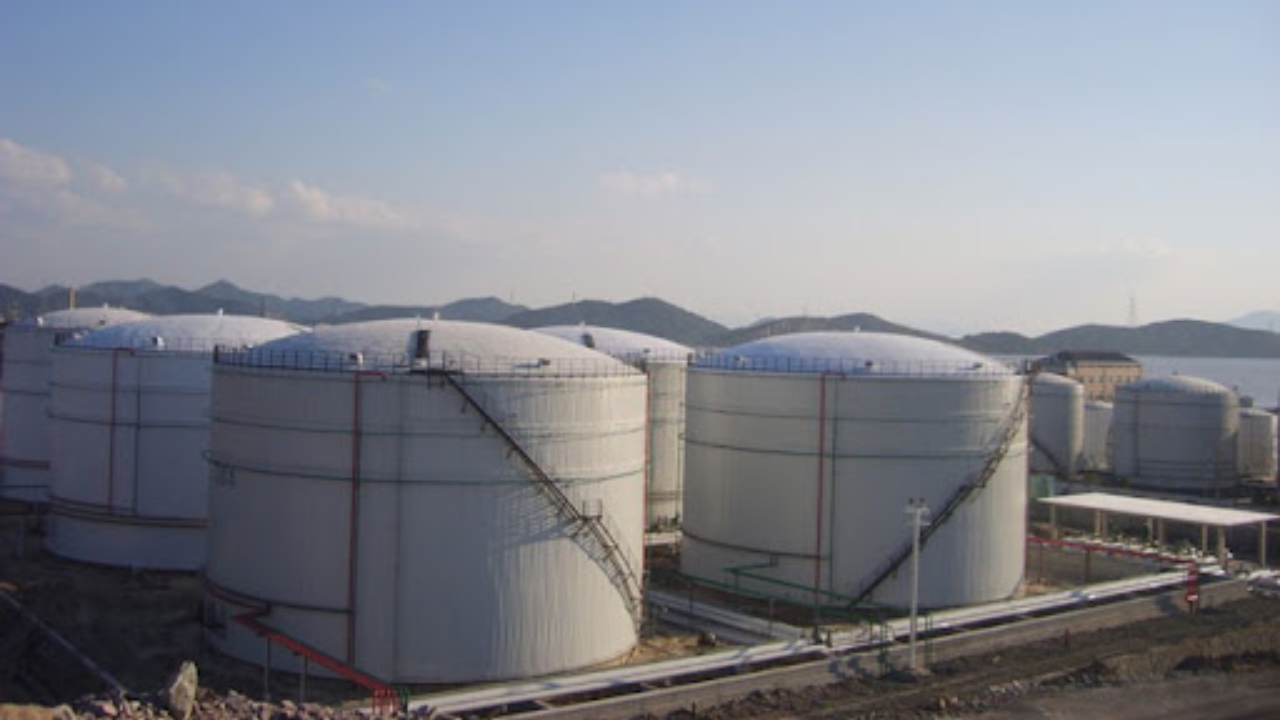
Choosing between a vertical and horizontal tank is a significant decision that will affect its performance, size, and the location of your business. Both are useful for storage, but their shapes make them better in certain ways. Confused about which one to choose between the vertical and horizontal tanks? This guide removes the confusion by giving you a clear comparison to help you choose the best tank for your business or industry use.
What Are Vertical Tanks?
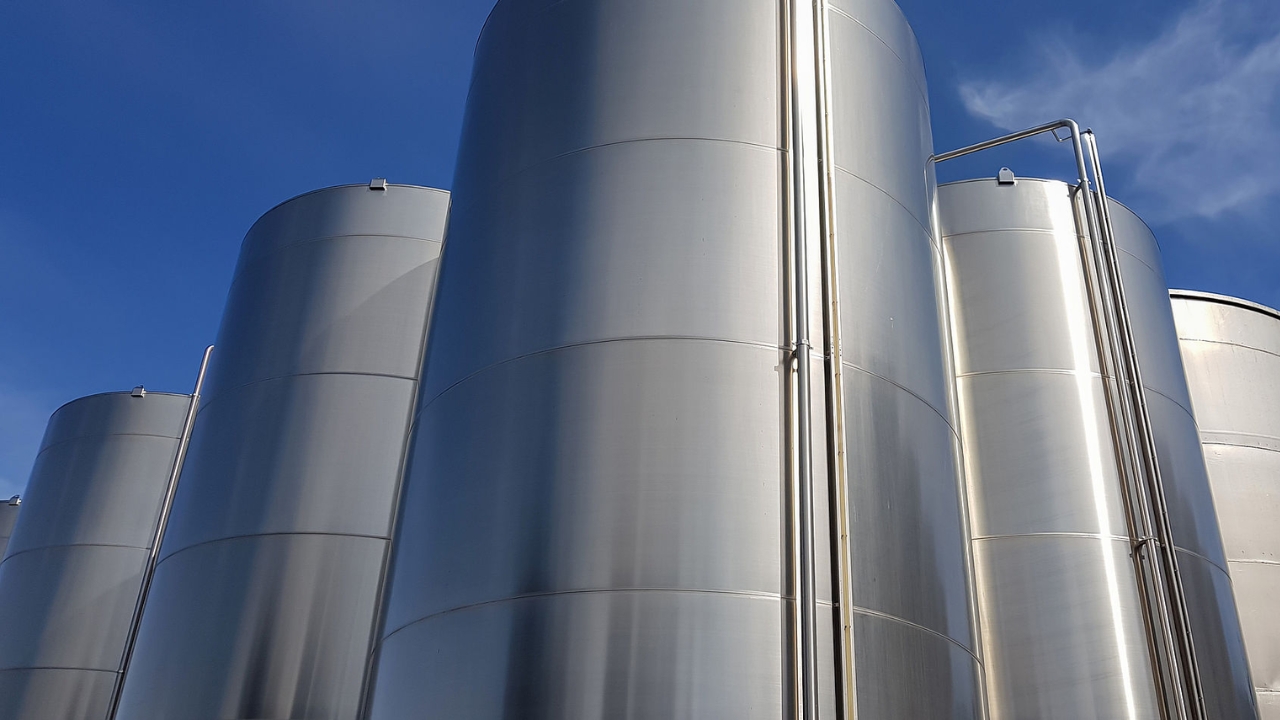
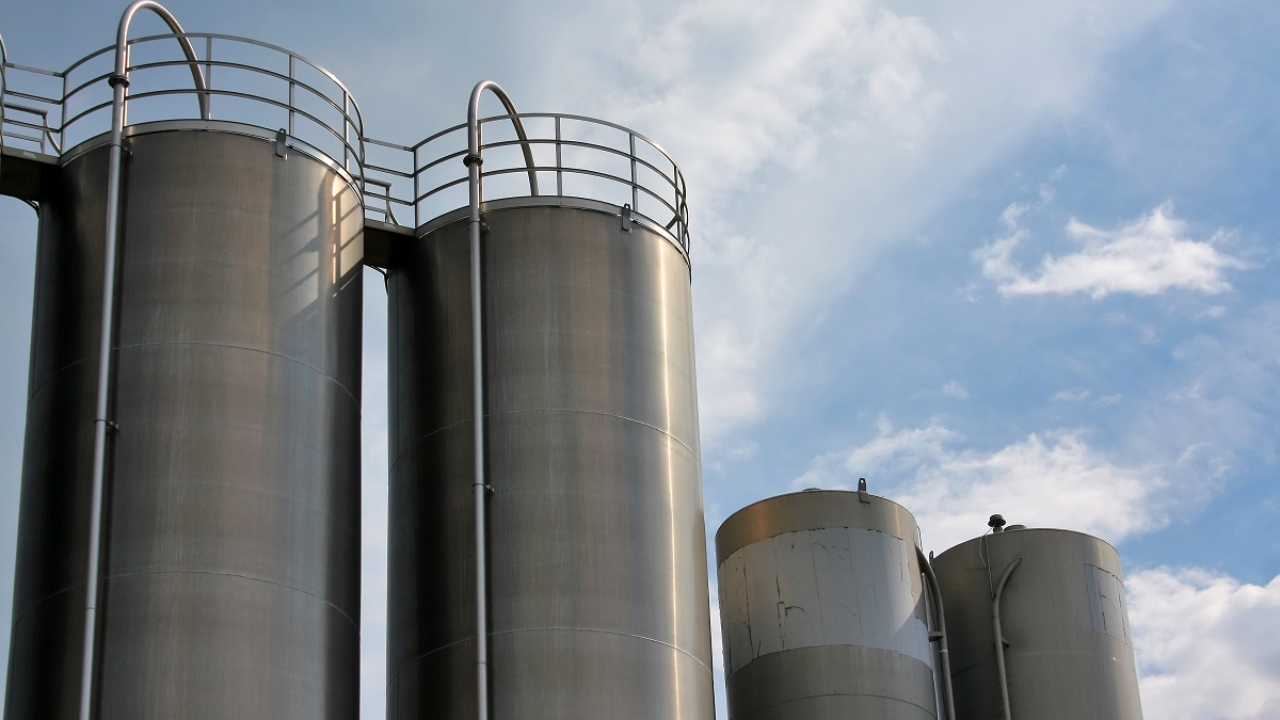
Vertical storage tanks are cylinder-shaped containers that stand upright. Usually, the height is bigger than the diameter. This design makes good use of space and is often used in places with limited floor space. They are often used to store water, oil, chemicals, fuels, and large amounts of material because they use gravity to move fluids and maintain pressure.
What Are Horizontal Tanks?
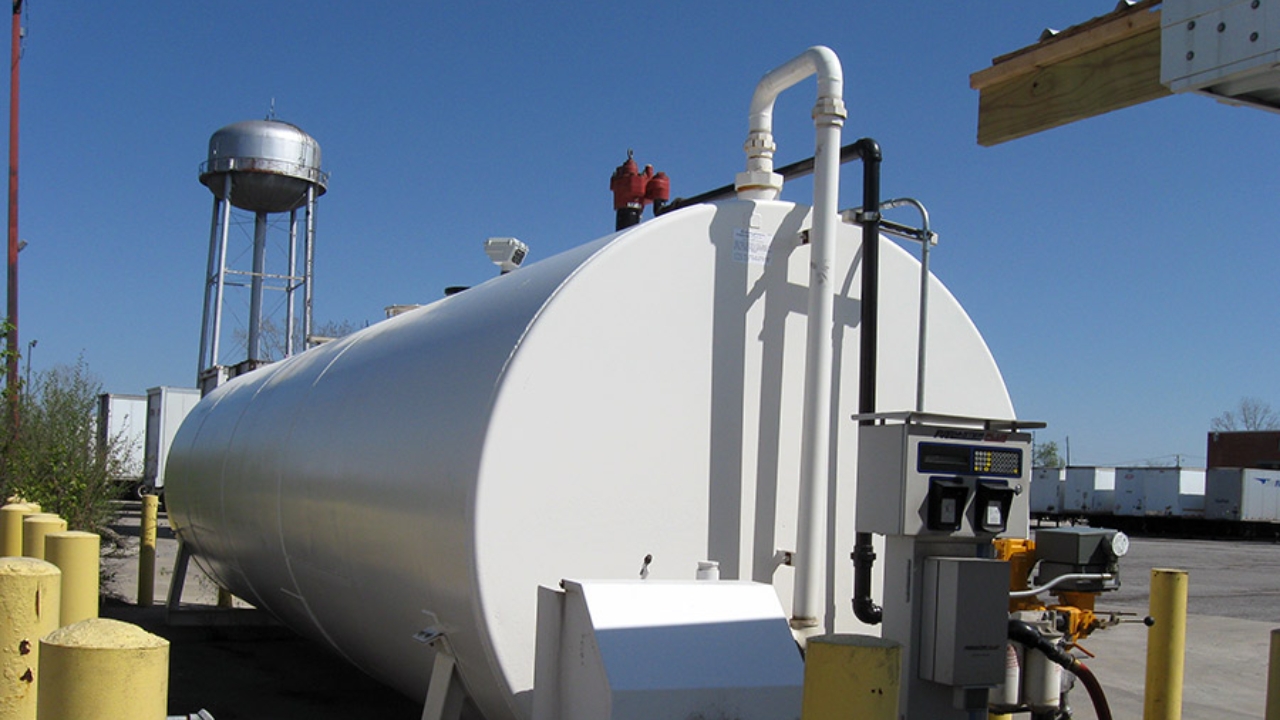
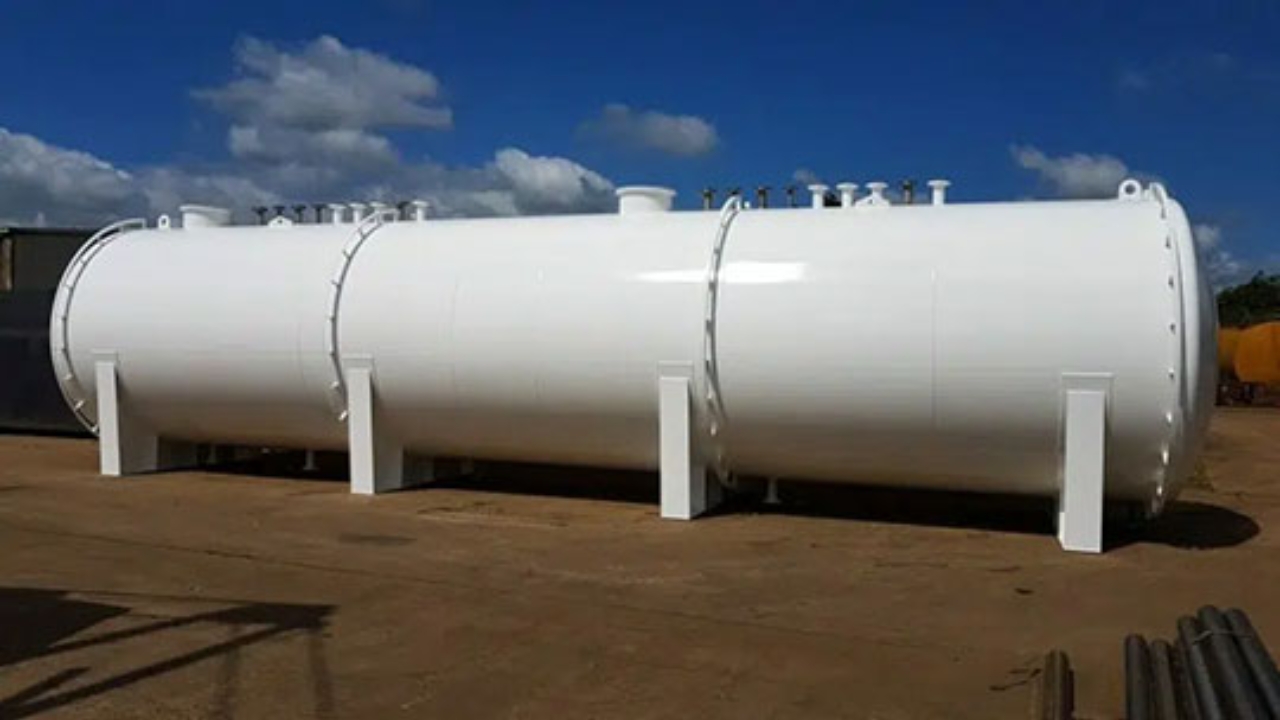
Horizontal storage tanks are cylinder-shaped containers that are placed on their sides. They are usually held up by steel saddles or concrete supports. Their low appearance makes them perfect for places where there are height limits. They are often used to store fuel, transport trailers, compressed gas, and other things that need easy entry from the inside or storage under pressure.
Top 10 Key Differences between Vertical Tank vs Horizontal Tank
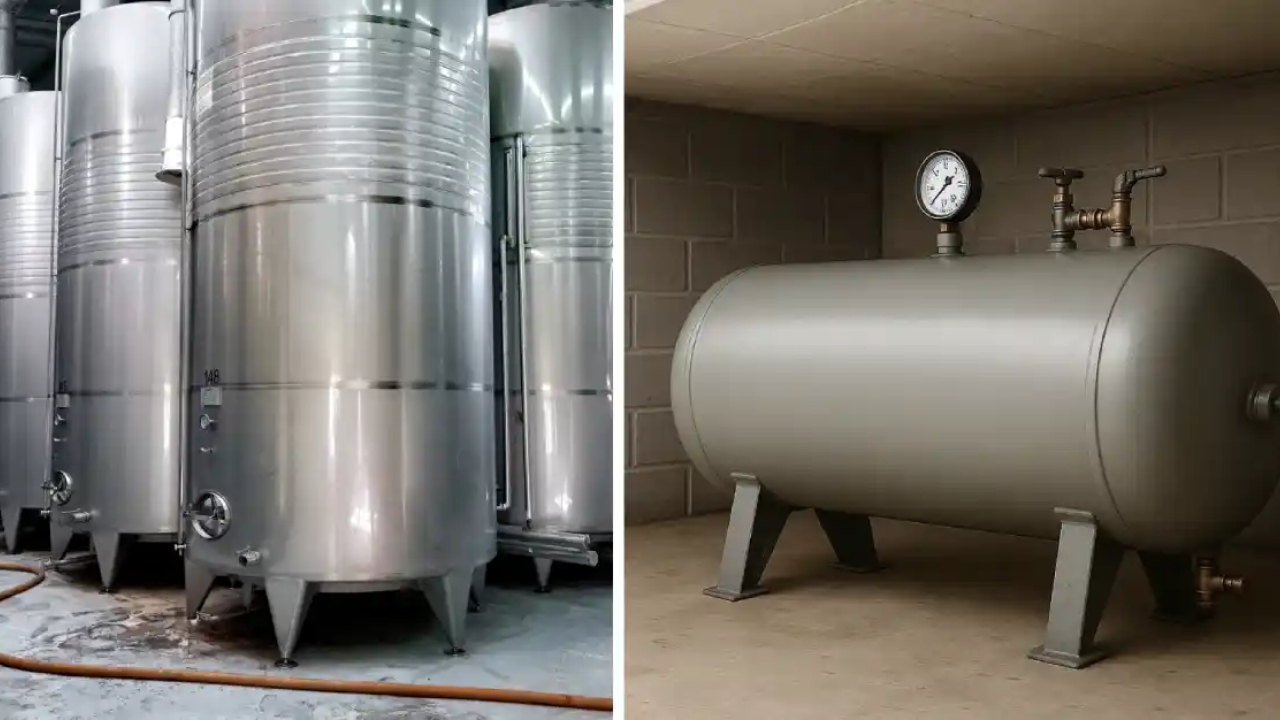
1. Orientation & Shape
Vertical Tanks
These tanks are standing straight up and have a small circular shape. They look like towers or big columns because the design puts a lot of emphasis on vertical space. In an industrial setting, the fact that they are much taller than they are wide makes them stand out visually and functionally.
Horizontal Tanks
On their sides, these tanks rest on steel seats or concrete supports. This low-profile cylinder shape looks like a long tube or pipe. Because they are much longer than they are tall, they have a smooth, close-to-the-ground look.
2. Height Restrictions
Vertical Tanks
Their significant height is the main thing that limits them here. They usually aren’t good for places with low bridges or power lines above, or for places inside with limited ceiling height. Clear vertical room must always be planned for when installing something.
Horizontal Tanks
This is their biggest benefit. Since they lie flat on their backs, they have a very low profile and can easily fit under things or into buildings with little space between them. They are the usual choice when there isn’t much room vertically.
3. Pressure Distribution
Vertical Tanks
The stored liquid exerts most of its pressure at the bottom, which puts a lot of stress on the lower shell courses along their length and width. Thicker lower plates make it easier to store large amounts of liquids that are not under pressure.
Horizontal Tanks
Because of how they are shaped, the pressure inside them is better spread out along the long axis. They are better built to hold pressure things like air, propane, or compressed gases because the stresses are spread out more evenly.
4. Natural Head Pressure & Flow
Vertical Tanks
At the outlet, the full height of the liquid column causes a lot of gravitational “head” pressure. This natural force can move fluids to processes further down the line without the ongoing need for pumps. This saves energy on its own.
Horizontal Tanks
Because the liquid isn’t very deep, they don’t make much natural head pressure. Almost always, you will need a pump to create enough system pressure to move liquid from these tanks. This makes operations more complicated and uses more energy.
5. Volume & Capacity Efficiency
Vertical Tanks
They are space-efficient. For the same amount of ground space, a tall tank can hold the most. Because of this, they are perfect for places in cities or buildings where land is expensive or hard to come by.
Horizontal Tanks
A horizontal tank needs a much larger area to hold the same amount of water. They are better for places where land is easy to come by and doesn’t cost much because they use less ground space per unit of capacity.
6. Material & Construction Cost
Vertical Tanks
For normal atmospheric storage, they often cost less per unit of volume. They need less space on the roof, and sometimes a simpler base is enough. Costs go up, though, if adding height means using different building methods or making the plates at the base thicker.
Horizontal Tanks
May incur higher costs for the same volume due to having more shell plates, larger roofs, and extensive support saddles or foundations. It may cost more at first if you need designs that can handle more pressure or parts that are more complicated.
7. Transportation & Installation
Vertical Tanks
Large, pre-built vertical tanks are hard to move because they are so tall, and they often need special road permits and route planning. When installing something on-site, a big crane is usually needed to move and lift things.
Horizontal Tanks
In general, they are easier to move by truck because their sizes fit better on standard trailers. To install them, they have to be rolled or lifted onto saddles that have already been prepared. They then have to be carefully leveled and anchored to the base.
8. Maintenance & Accessibility
Vertical Tanks
Internal access can be difficult. Ascending to a top manway is needed to get inside, and descending into a small space is needed to check or clean the tank bottom. Cleaning out the deep center sump of sediment can be a specialized job.
Horizontal Tanks
Offer superior accessibility. Side-mounted manways let people and things get in from the ground up. The bottom can be quickly inspected, cleaned, or fixed, which makes routine and corrective maintenance easier.
9. Sediment & Heat Distribution
Vertical Tanks
The small, center-bottom area settles evenly with sediment, concentrating it in one place to make it easier to remove. Heat can separate into layers, with hotter fluids climbing to the top and cooler fluids falling. This can be bad for some processes.
Horizontal Tanks
Along the whole length of the long bottom, sediment is spread out, which can make cleaning up more difficult. Side-mounted heaters, on the other hand, create better turbulent currents, which spread heat more evenly and consistently throughout the tank.
10. Application & Use‑Case Suitability
Vertical Tanks
The best way to store large amounts of water, chemicals, agricultural products, and grains is when space is tight. Tank implosions are dangerous and hazardous as they are also commonly used to store firewater, in city water towers (which use head pressure), and as process vessels in many fields.
Horizontal Tanks
The most popular way to store diesel and gasoline, as well as hauling trailers, compressed air receivers (air tanks), and liquefied gases (LPG). They are also the best choice for skid-mounted systems that need to have a low center of gravity.
Vertical Tank vs Horizontal Tank – Which One Should You Choose?
| Choose a VERTICAL Tank if you need: | Choose a HORIZONTAL Tank if you need: |
| To maximize storage capacity within a limited ground footprint. | To comply with strict height limitations or have ample ground space. |
| Gravity-fed flow or high natural head pressure is beneficial to your process. | The tank will be used for pressurized storage (e.g., compressed air, LPG). |
| Easier sediment collection from a single central point. | Easier internal access for maintenance and inspection. |
| Common applications: Municipal water, bulk raw materials, fire suppression water storage,and oil storage tanks. | Common applications: Fuel depots, transport trailers, industrial air receivers, modular industrial enclosures, skid-mounted systems. |
Perguntas frequentes
Can both types be used underground?
Yes, but because of their shape, horizontal tanks are usually buried because they can handle the weight of the dirt well. Both need to be built for underground service and have the right corrosion protection, such as cathodic protection.
Can all kinds of liquids go in vertical tanks?
Mostly, but think about how liquids behave. If the fluid is very thick or has a lot of solids in it, you might need a tall tank with a cone-shaped bottom. Certain codes may apply to fuels with a low flash point. Talk to an engineer all the time.
Can vertical tanks be used in places that don’t allow them?
This is the main problem with them. A horizontal tank is almost always the best choice when there isn’t enough room above it, like when it’s inside or under wires.
Are vertical tanks better for storing hot water?
Thermal stratification can happen to them, with hot water at the top and cooler water at the bottom. A horizontal tank with heaters on the sides usually does a better job of keeping the temperature stable, but interior baffles in vertical tanks can also help.
Can both types handle things that are dangerous?
Yes, as long as they are built and made according to the rules that say the liquid is flammable, toxic, or corrosive. Important things to look at are the building materials (like stainless steel tanks that don’t rust) and features (like additional containment). Always look at API (American Petroleum Institute) standards or state laws that apply.
Get Your Customized Vertical Tank and Horizontal Tank by KDM Steel
Aço KDM does more than just sell tanks; we also design ways to store things. Our team designs and builds to your exact specs, material grade, and compliance needs, whether you need a tall vertical tank or a slim horizontal unit. Contate-nos today and get a price from us right now.
 Portuguese
  English
  Arabic
  French
  Spanish
  Russian
  Japanese
  Korean
  Indonesian
  Chinese