


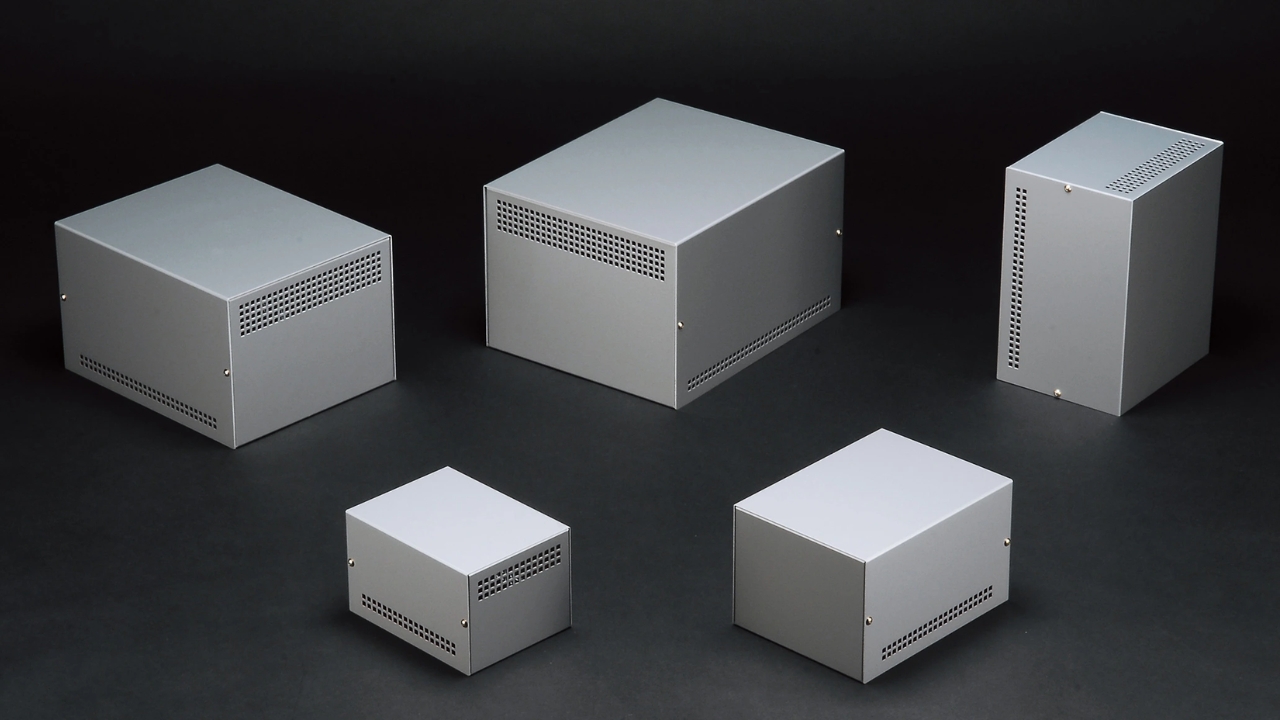
Choosing between a sealed and a ventilated enclosure isn’t just picking a box; it’s a smart choice that affects how long equipment lasts and how much it costs to run. To find the best fit for your application, you need to weigh the benefits of protecting the environment against the need for good heat performance. This article gives you a detailed differentiation between sealed and ventilated enclosures.
What Is a Sealed Enclosure?
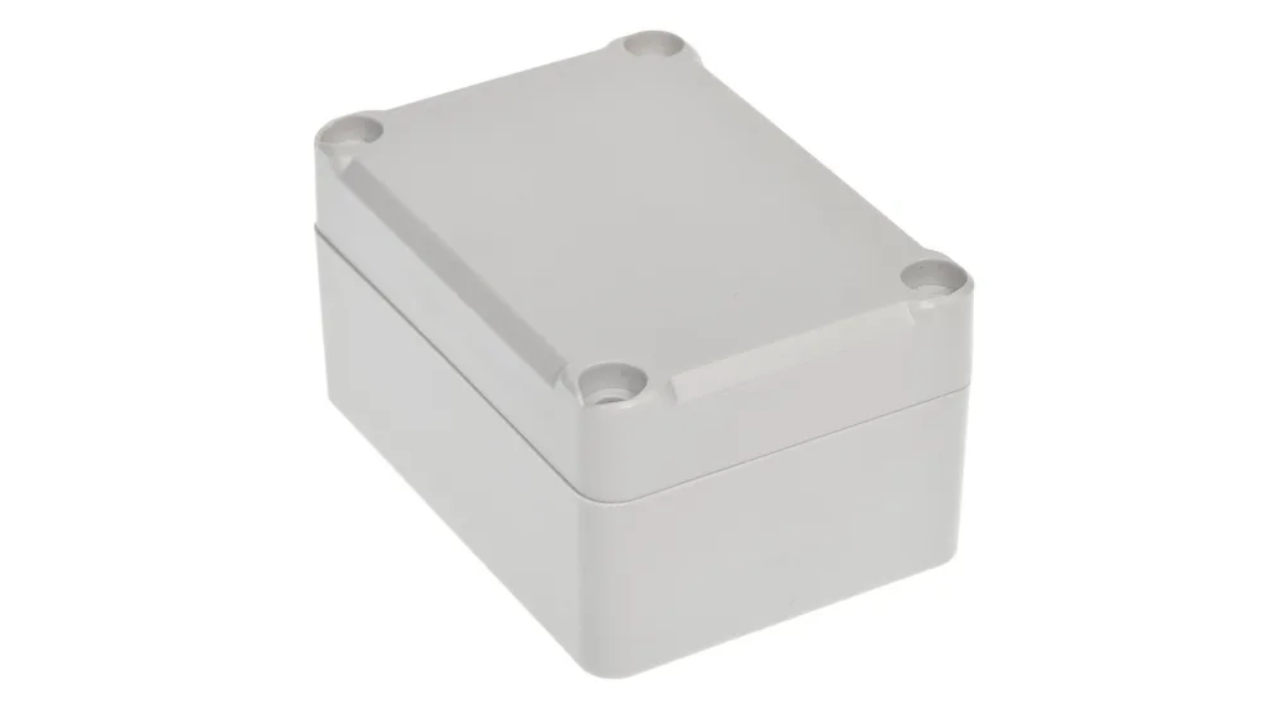
The purpose of a sealed enclosure is to keep air from moving between the inside and outside environments. It makes a barrier that protects by using continuous gaskets and welded edges. In harsh industrial settings, you depend on this design to keep sensitive gadgets safe from water, dust, and things that can damage them.
What Is a Ventilated Enclosure?
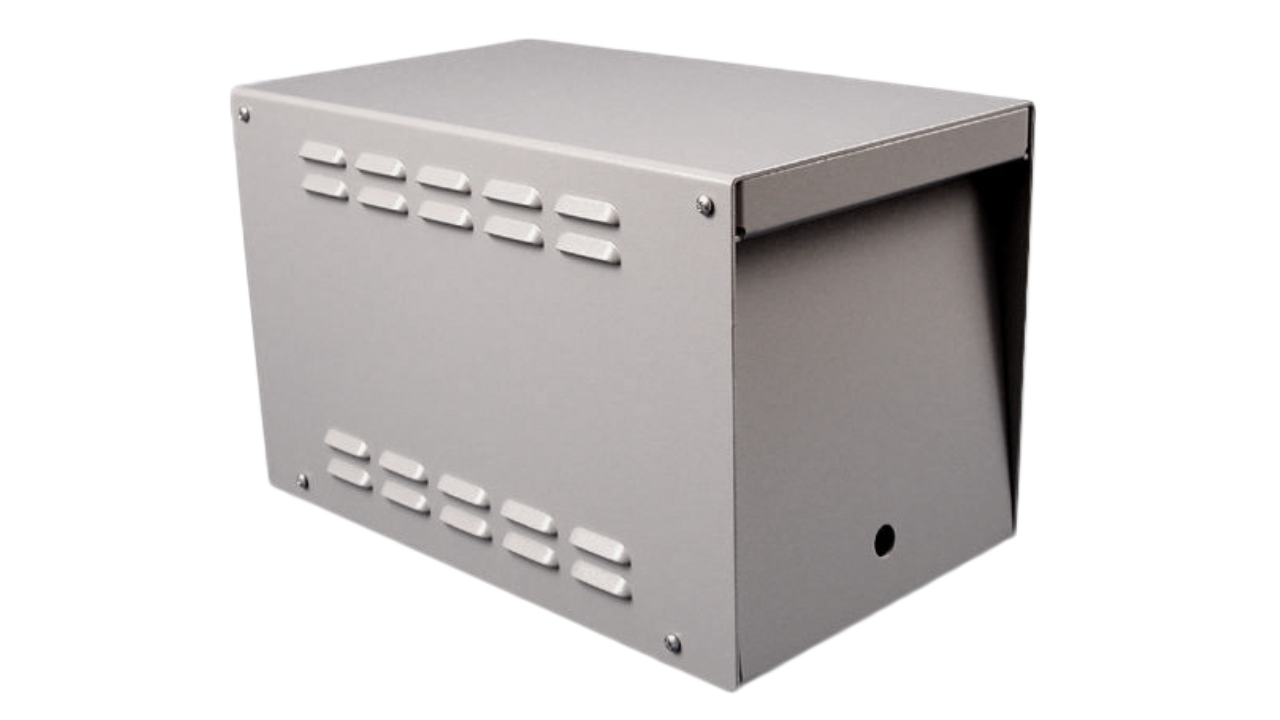
UM ventilated enclosure allows air flow through by using holes, louvers, or forced fans. It doesn’t keep heat inside; instead, it allows air from outside to flow through the cabinet. This is usually the best choice when controlling internal heat generation is the most important thing, as long as the area is mostly clean.
Top 10 Key Differences Between Sealed and Ventilated Enclosures
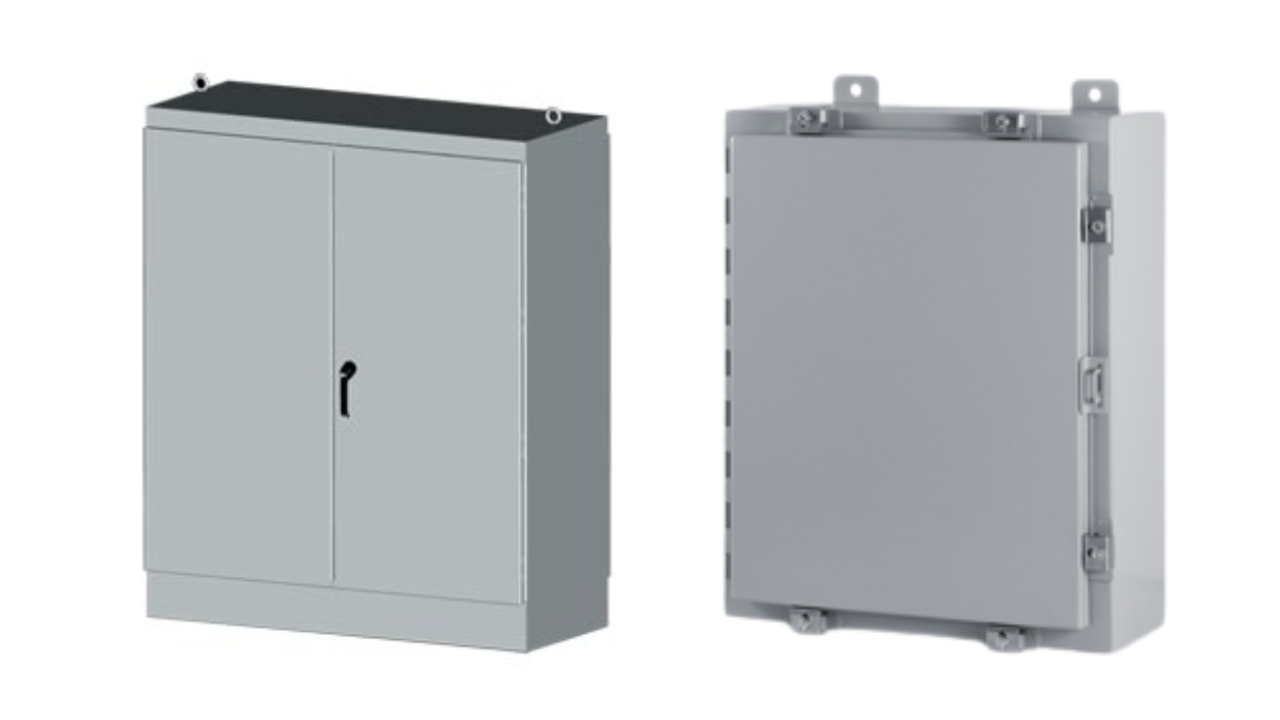
1. Environmental Protection (Primary Function)
Sealed Enclosures
These units protect against threats from outside. Contaminants like dust in the air, oil mist, and salt spray can’t get through because there is no wind path. This gives you peace of mind when putting up tools near machining centers or places near the coast. Due to the strength of the seal, the atmosphere inside stays safe from outside threats.
Ventilated Enclosures
By design, these barriers put airflow ahead of keeping things out. Actually, they do protect against solid items like stray tools or fingers, but microscopic dirt and germs can still get in. For your application, this means the internal components remain exposed to the ambient conditions of the facility.
2. Cooling Method (Thermal Management Strategy)
Sealed Enclosures
Passive conduction or active thermal transfer devices, such as air conditioners or heat exchangers, are used in sealed units. Because you can’t just blow air from outside in, these systems get rid of heat by moving it through the walls of the enclosure or cooling the air inside in a closed cycle. This method uses a lot of energy but is very well managed.
Ventilated Enclosures
To make “air changes,” these use forced fans or spontaneous convection. You basically flush out the hot air inside and bring in cooler air from outside. It is a direct-to-cool system that uses little energy, but it only works if the temperature outside is lower than the highest temperature at which your equipment can work.
3. Heat Dissipation Efficiency
Sealed Enclosures
The enclosure’s surface area and the steel’s ability to conduct heat make it hard for heat to escape. If there isn’t enough movement, heat can build up inside. In order to get enough heat to escape from high-density power components, a sealed container usually needs an extra cooling unit.
Ventilated Enclosures
This system has the best raw heat dissipation at the lowest cost. You can easily get rid of large heat loads by moving large amounts of air across the parts. This efficiency only works if the air coming in is cool and dry enough to keep secondary problems like humidity from happening.
4. Application Environment
Sealed Enclosures
In harsh places like chemical plants, offshore platforms, and dusty stores, sealed enclosures are the norm. When your equipment is going to be exposed to water spray, corrosive gases, or heavy particles, it has to be protected. It protects your sensitive gadgets or control systems from outside factors that could damage them or cause them to fail early.
Ventilated Enclosures
Ventilated units work best in controlled indoor environments, like electrical rooms or clean factory floors. If your building keeps its temperatures steady and has few airborne contaminants, this method will cool it down effectively without adding too much complexity. But you should think twice before putting them near places where they will be ground, where they will be exposed to the weather, or where there is a lot of humidity.
5. Moisture & Condensation Behavior
Sealed Enclosures
Sealed enclosures keep outside wetness out, but they can also trap humidity inside. If your equipment undergoes temperature cycling, condensation can form inside without a proper thermal management strategy. You might need to add breather drains or desiccant dryers to control the amount of wetness inside while keeping the protective seal intact.
Ventilated Enclosures
These enclosures allow the outside air in. You run the risk of condensation when warm, humid air comes in and hits cooler objects inside. On the other hand, when it’s dry, ventilation automatically keeps moisture from building up. The weather where you are will determine whether this habit helps or hurts your application.
6. Maintenance Requirements
Sealed Enclosures
When you maintain sealed enclosures, you should check the soundness of the gaskets, the cooling units, and the enclosures for corrosion. Internal parts stay clean for a long time because contaminants stay outside. But when maintenance is needed, entry can be a little trickier because the lid has to be properly resealed after being opened.
Ventilated Enclosures
Expect the filter to be changed and the fan to be checked often. If you ignore these, the wind will slow down, and the heat will build up faster. On the other hand, internal parts are easy to get to for regular checks, and most maintenance can be done with simple hand tools and no special training.
7. IP / NEMA Ratings
Sealed Enclosures
More protection grades, like NEMA 4, 4X, or 6P and IP66, IP67, or IP68, are often given to these. This means that it has been tested and shown to be resistant to water from a hose, immersion, and surroundings that are acidic or alkaline. When your specification requires complete weatherproofing, sealed designs are the only way to get these high scores.
Ventilated Enclosures
Some of the lower grades for cooled units are NEMA 1, 2, or 3R, and the Propriedade Intelectual20 to IP34 range. Even though some filtered designs can reach NEMA 3R or IP54, they still let air flow. If you think that ventilation means environmental protection, you should make sure that the rating matches the conditions of your place.
8. Internal Pressure Management
Sealed Enclosures
When your equipment heats up and cools down, sealed enclosures experience changes in the air inside. If this isn’t managed properly, it can lead to diaphragm pumping, which is when seals bend and may pull in water during cool-down processes. To lessen this effect, you usually need to list breather valves or pressure adjustment devices.
Ventilated Enclosures
There is no pressure difference to handle, so pressure management is naturally easy. The enclosures stay open to the air through vents or fans, so the pressure inside and outside balance out on their own. For you, this gets rid of the technical challenges that come with risks of seal fatigue or ingress caused by pressure.
9. Cost Structure (CAPEX vs OPEX)
Sealed Enclosures
Because of thicker materials, gasketing systems, and built-in cooling units, your initial capital costs will usually be higher. That being said, if cooling systems work well, maintenance costs may stay low. In the long run, you save money on cleaning costs inside, and your tools might last longer in harsh environments.
Ventilated Enclosures
Because the design is simpler, the initial cost of buying it is economical. But you should also think about the ongoing costs of running the business, like replacing filters and keeping fans in good shape, as well as the time it might take to fix a broken part because of pollution. The total cost of ownership usually favors ventilation in safe, clean places. On the other hand, sealed pays for itself in harsh places.
10. Reliability & Lifespan
Sealed Enclosures
When they are properly defined, sealed enclosures work very reliably in challenging environments. Your sensitive electronic devices are in a stable, germ-free microclimate, which directly increases their service life. Failures of the cooling system or wear and tear on the gaskets over time are the main risks, so regular inspections are a good idea for long-term performance.
Ventilated Enclosures
Your surroundings have everything to do with how reliable you are. When used in clean, climate-controlled areas, these shelters work well for years with few problems. But in dirty or humid places, the constant contact speeds up the aging process. You will see how to maintenance of filters and observations on the environment has a direct effect on how long they last.
Summary Table: Sealed vs Ventilated Enclosures
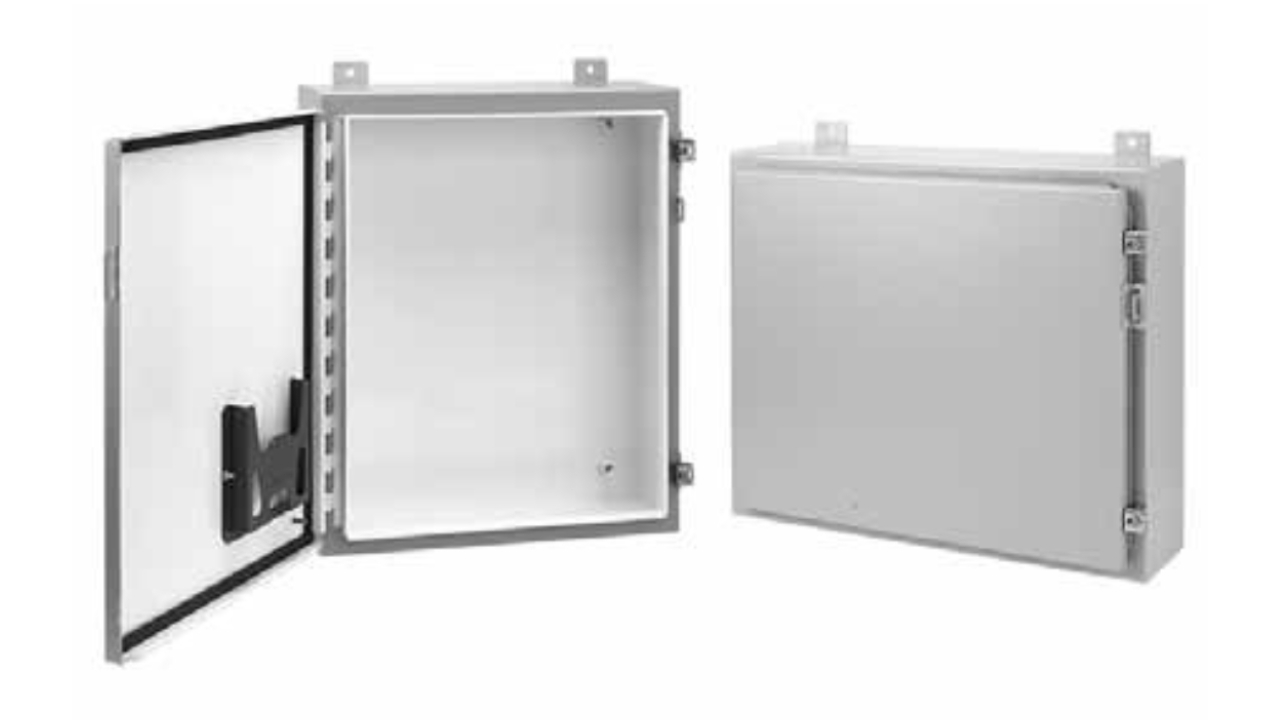
| Recurso | Gabinete selado | Gabinete ventilado |
| Primary Function | Isolate internal components from the environment | Exchange internal heat with outside air |
| Typical IP/NEMA Rating | IP66–IP68, NEMA 4/4X/6P | IP20–IP54, NEMA 1/2/3R |
| Cooling Method | Air conditioner, heat exchanger, passive conduction | Natural convection, forced fans |
| Heat Dissipation | Limited without active cooling | High, with low energy cost |
| Best Application | Harsh, dusty, wet, corrosive environments | Clean indoor environments with stable temperatures |
| Moisture Risk | Internal condensation during cycling | External humidity ingress |
| Maintenance Focus | Gaskets, cooling units, and pressure management | Filters, fans, airflow paths |
| Initial Cost (CAPEX) | Mais alto | Mais baixo |
| Ongoing Cost (OPEX) | Moderate (cooling energy) | Moderate (filter changes, fan replacement) |
| Lifespan in Harsh Conditions | Long | Short |
| Lifespan in Clean Conditions | Long | Long |
Sealed vs Ventilated Enclosures – Which One Is Best?
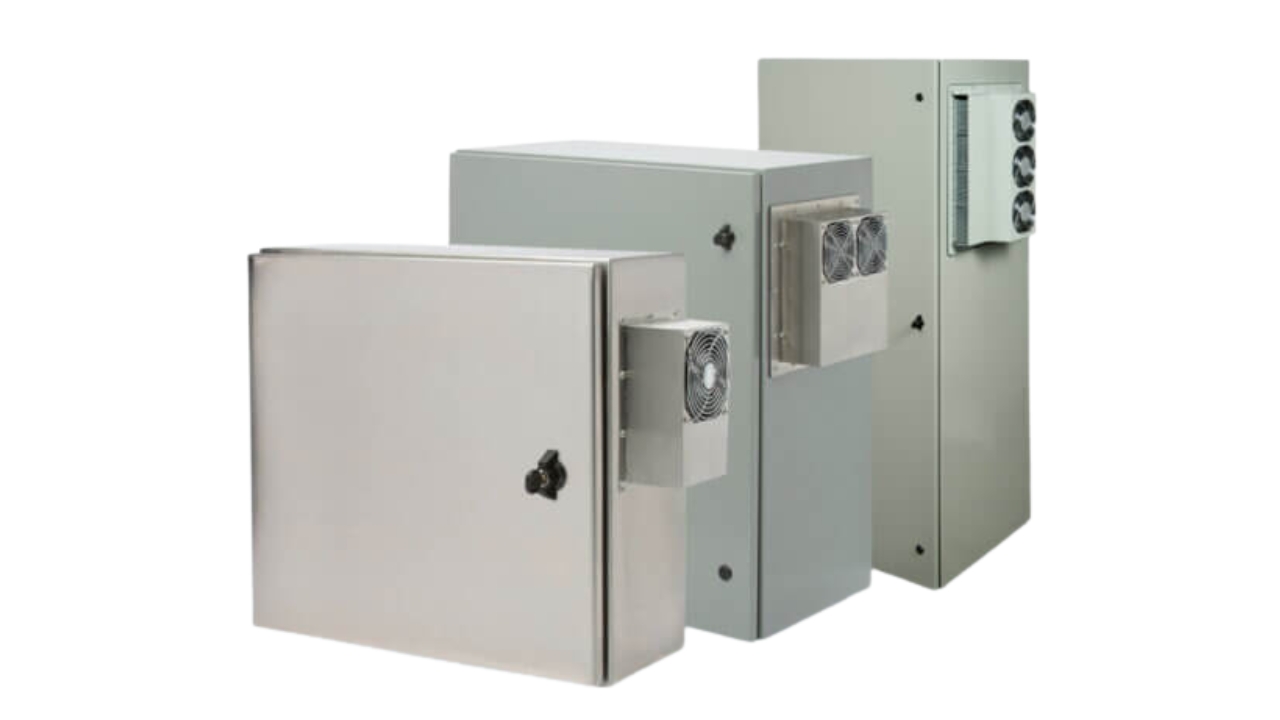
You can’t decide which is the best because it depends on your working environment and thermal load. If you have to deal with moisture, dust, or corrosive conditions, sealed spaces are the best choice, even if it means spending money on active cooling. Choose open designs for clean, climate-controlled areas where getting rid of heat is the most important thing, and the quality of the air won’t affect the reliability of the parts. If you’re not sure what to do, looking at the conditions of your site will help you find the best answer.
Get Your Customized Enclosure Type by KDM Steel
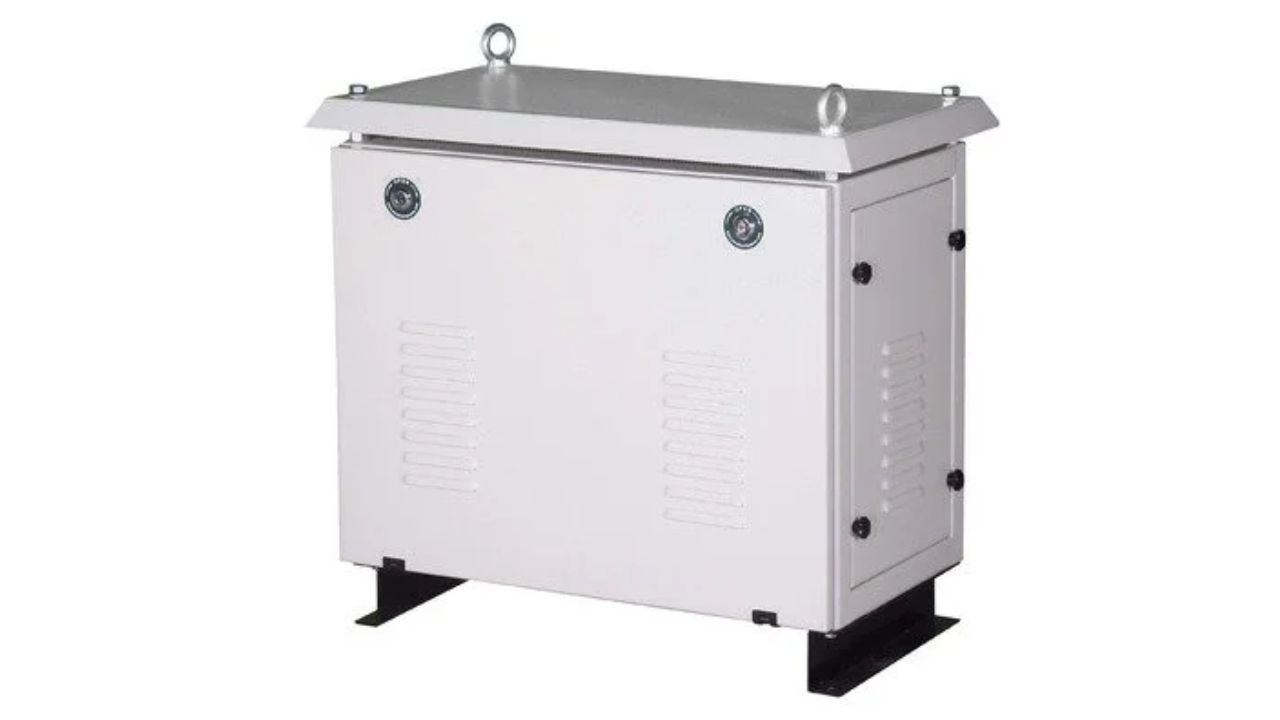
There are different needs for each application, and off-the-shelf containers don’t always work. At Aço KDM, we are experts at making enclosures that are specifically designed to meet your needs for temperature and environment. We provide precise construction that meets your exact needs, whether it’s sealed or ventilated. Contato us today to get your personalized quote.
Perguntas frequentes
Are enclosures with vents always better for getting rid of heat?
No. Ventilated enclosures are great at moving heat when the air outside is cooler than the inside, but they don’t work at all when the air outside is hotter than the working temperature of your equipment. In this case, it is better to use a sealed enclosure with active cooling for thermal control.
When should you not use open enclosures?
Ventilated designs shouldn’t be used in places where there are metal shavings, chemical vapors, or high humidity in the air. For outdoor systems that get wet from rain or condensation, sealed solutions are also needed.
How does the design of airflow affect how well a ventilated container works?
The right design for airflow, usually from bottom to top or front to back, prevents hot spots and makes sure that heat is removed efficiently. Even when there is enough total air volume, vital parts can overheat if the airflow isn’t designed well.
Can ventilated containers have filters that keep things from getting dirty?
Yes. A lot of ventilated shelters have filter fans or intake louvers with media that can be changed. You can get modest levels of protection, like IP54, while still letting air flow, but filters need to be serviced regularly to keep working.
Can sealed boxes have some air flow without losing their seal?
It’s not useful to have partial venting in a sealed system. If you need to equalize the pressure, you might want to look into breather valves or expansion chambers. These devices allow control of the pressure without lowering the overall protection grade.
Are ventilated enclosures good for setups outside?
No. When shelters are outside, they are exposed to rain, changing humidity, and extreme temperatures. If you have to use ventilation outside, NEMA 3R-rated models don’t offer much weather protection, but NEMA 4X models that are sealed are still the better choice.
Is it possible to use both types of enclosures in the same system?
Yes. A lot of complicated systems use a mix of sealed and ventilated parts, with sealed parts for sensitive controls and ventilated parts for hot parts like drives or power sources. This lets you get the best protection and cooling in the places that mean the most.
 Portuguese
  English
  Arabic
  French
  Spanish
  Russian
  Japanese
  Korean
  Indonesian
  Chinese