


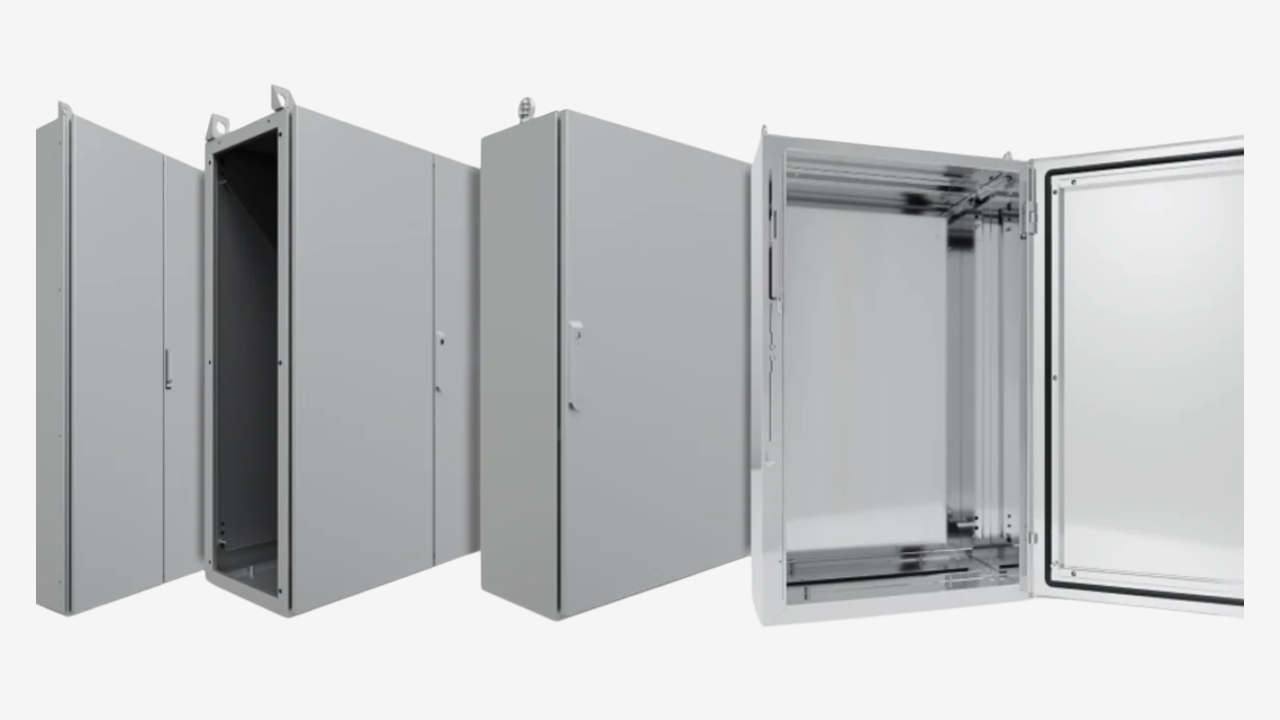
Electrical enclosures are often subjected to continuous vibrations and instantaneous impacts from equipment operation, transportation, handling, and complex working conditions. These forces come from different sources and act on the electrical enclosures over time. This article analyzes the impact of vibration and shock on electrical enclosures and provides methods to reduce vibration, aiming to help you choose a more reliable enclosure for your project.
Sources of Vibration and Shock
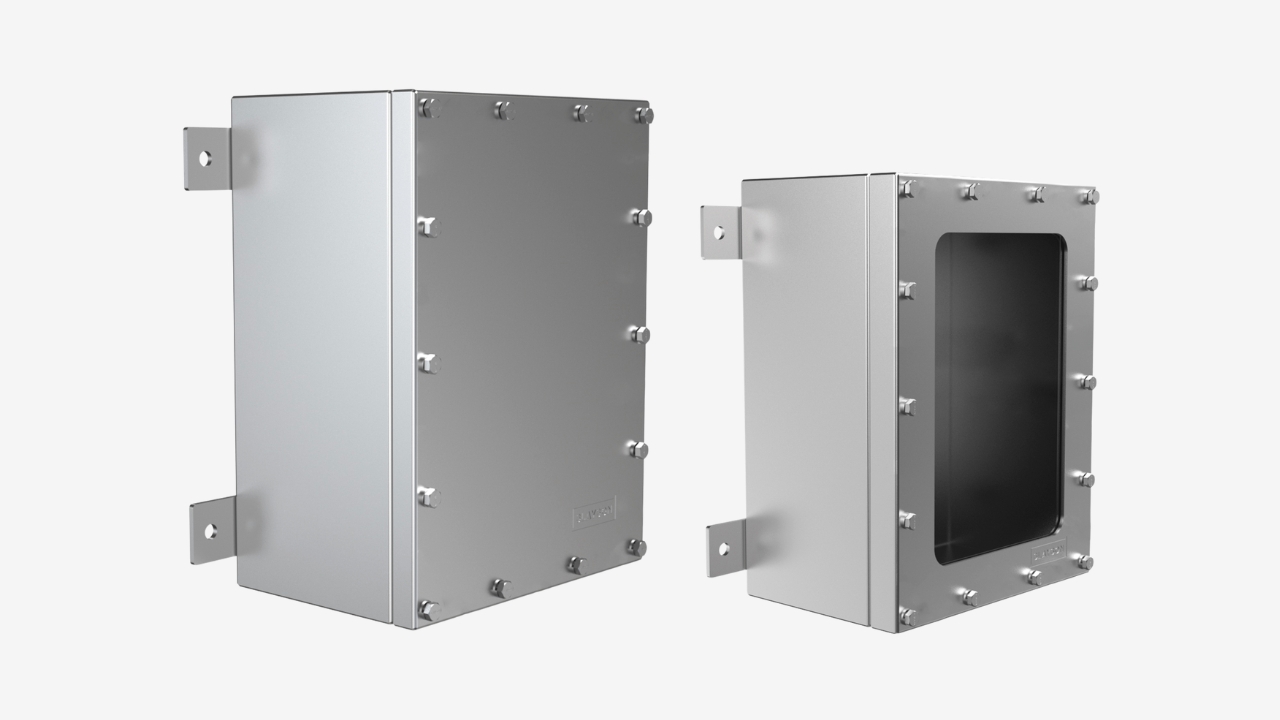
Vibration from Operating Machinery
Electrical enclosures are usually installed near large rotating equipment such as pumps, compressors, or motors. These devices generate continuous vibrations during operation, and the enclosure located nearby will be exposed to vibrations.
Over time, this continuous vibration may cause fasteners to loosen and lead to structural fatigue, thereby increasing the risk of enclosure failure.
External Environments
When you install your enclosures in heavy industrial environments, such as mines, rail transportation, and construction, the enclosures are exposed to continuous vibration or even an instantaneous shock. In extreme environments, repeated impacts may damage the structural integrity of the enclosure and pose a safety risk.
Shipping and Handling Vibration Risks
Electrical enclosures are also subject to bumps and collisions during on-site handling and transportation. These effects may cause internal fasteners to loosen or seal performance to deteriorate, resulting in user feedback regarding poor device performance.
Vibration and Shock Impact on Electrical Enclosures
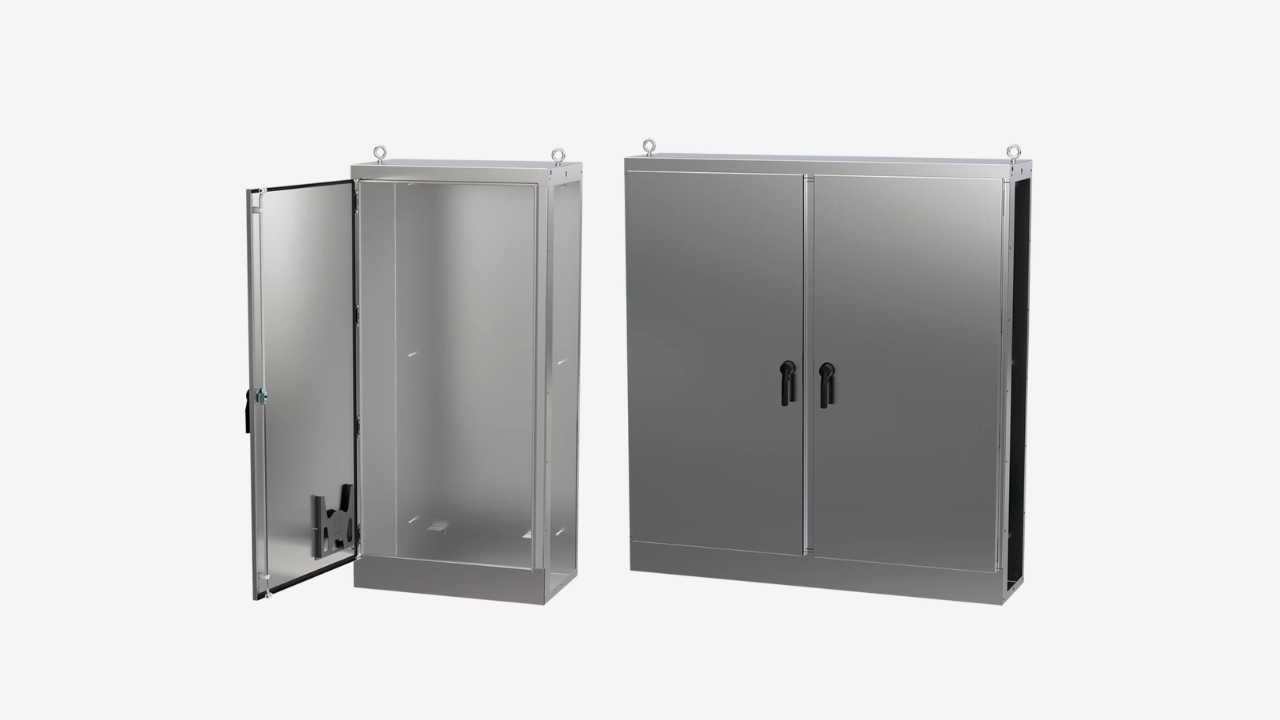
Structural Fatigue and Frame Deformation
The enclosure metal frame has multiple welding points and connections. These structural areas can experience slight deformation when exposed to vibration and impact. Then you may find that the estrutura de chapa metálica of the enclosure becomes loose or that door misalignment occurs during long-term use. This affects mechanical stability.
Fastener Loosening and Joint Failure
Continuous vibration can cause fasteners such as screws and bolts to gradually loosen. These kinds of problems usually don’t manifest immediately, and the risks escalate over time. Small movements at connection points can slowly accumulate, which will create a serious hidden risk for long-term operation and system stability.
Seal and Gasket Degradation
The tightness of the sealing strips in the enclosure structure affects the dustproof and waterproof performance of your electrical enclosure. If the enclosure is exposed to long-term vibration or shock, the door seal may gradually lose stability, which will reduce the protection level of the compartimento selado and affect the safety of the internal components.
Internal Component Damage
Vibration not only affects the enclosure structure but is also transmitted to internal electrical components such as terminals, relay control panels, and PLCs. Continuous vibration may cause wiring to loosen or develop minor breakage. In severe cases, this accumulation can cause signal instability or equipment shutdown, which will result in a significant after-sales maintenance cost for you.
Vibration-Resistant Design Features
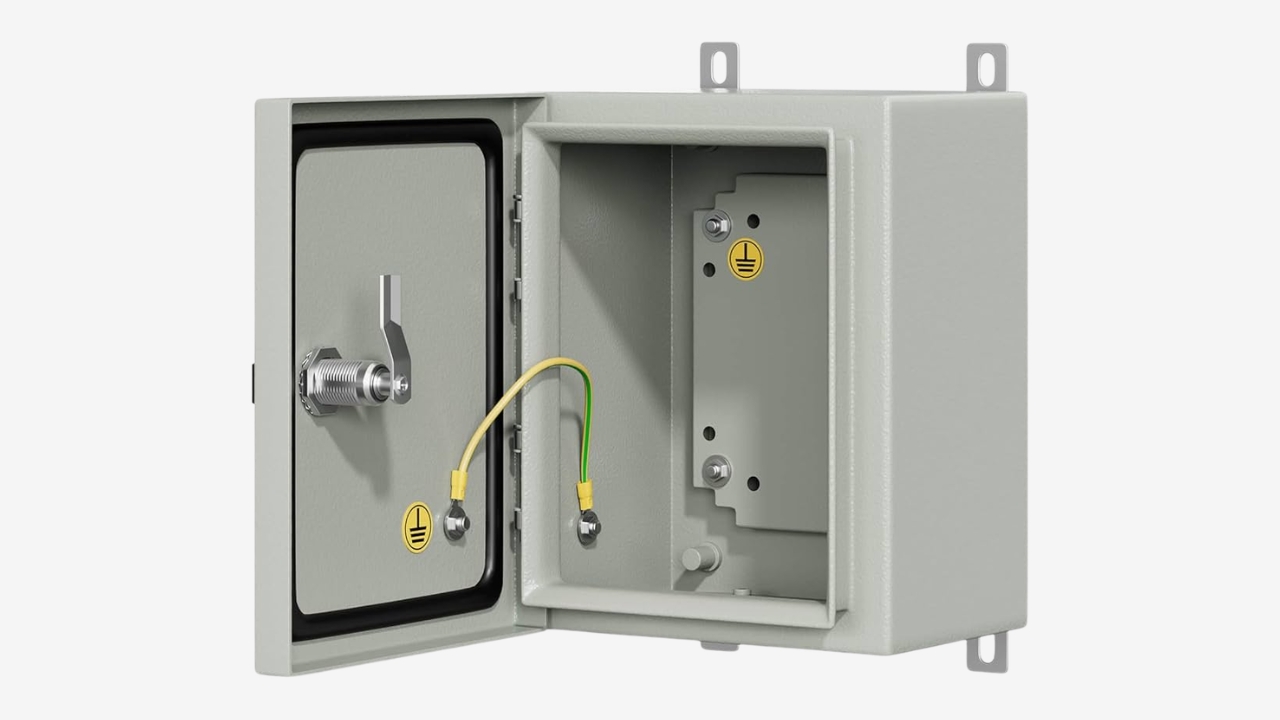
Reinforced Structure
To enable the enclosure to withstand deformation under vibration, strengthening its structure is the most direct approach. We recommend adding reinforcing ribs, optimizing structural connections, and improving force distribution.
Locking and Fastening Systems
If you are concerned that ordinary fastening structures may loosen over time, you can also use a locking design to maintain the long-term stability of the connection between the enclosure door and the interior. For instance, employing anti-vibration latches can improve door closure stability, while using anti-loosening fasteners like travas de gabinete elétrico reduces the risk of bolts loosening. This approach helps reduce maintenance frequency during long-term operation.
Sealing System
If the sealing surface of the enclosure no longer maintains a tight seal due to vibration, the reduced dustproof and waterproof performance will directly affect the user’s experience with the product.
To increase the stability of the sealing system under vibration, sealing materials with better compression recovery performance are recommended, which can slow down the performance degradation after long-term compression.
Anti-Vibration Mounting
If you choose a suitable installation method for your electrical enclosure, the external vibrations transmitted to the enclosure will be reduced. Vibration-damping bases or vibration-isolation mounting systems can reduce the impact.
Seleção de materiais
The material selection of the enclosure also affects its basic mechanical strength. Stainless steel materials exhibit better overall stability and service life in high-vibration environments, showing strong performance in both rigidity and fatigue resistance. Therefore, choosing appropriate materials based on project requirements and budget can improve long-term reliability.
Standards for Vibration and Shock Resistance
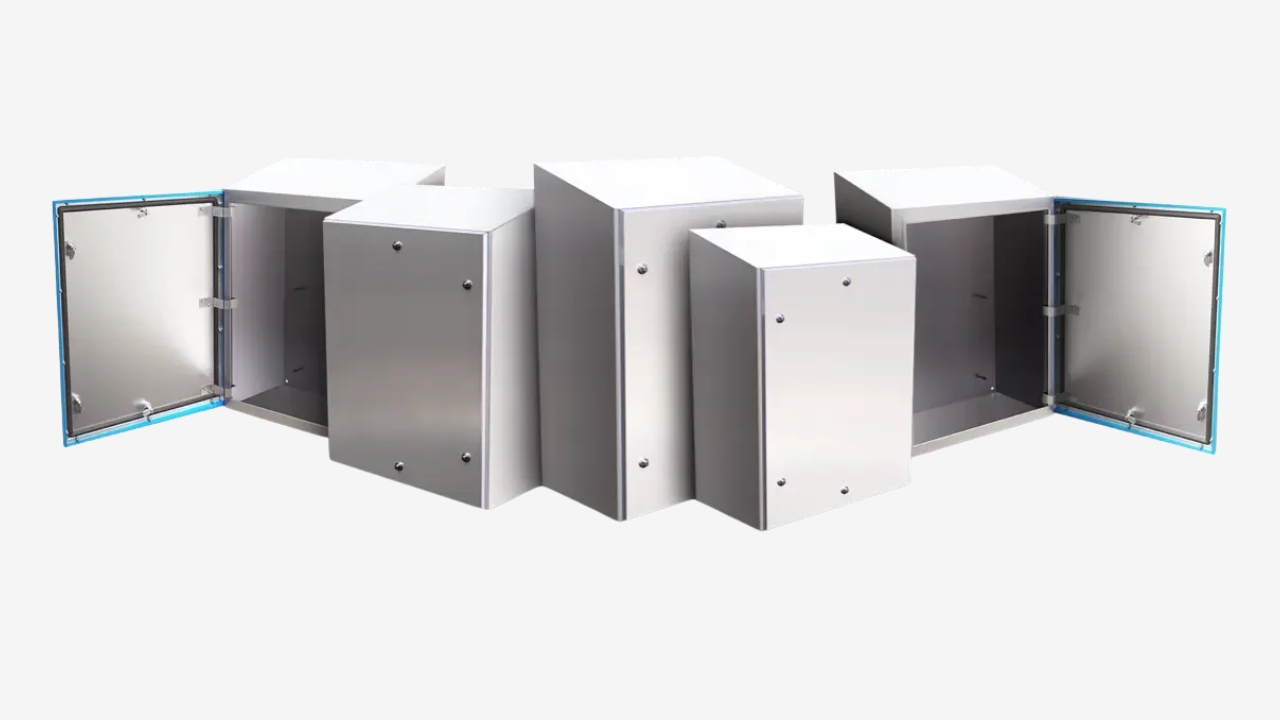
To determine whether an electrical enclosure can withstand long-term high-frequency vibration and impact, relevant testing standards and certifications are usually important references for assessing the enclosure’s reliability.
IEC 60068
IEC 60068 is a common testing standard used to evaluate structural stability and long-term reliability.
In IEC 60068, vibration and mechanical shock-related tests are used to evaluate the ability of equipment to withstand mechanical stress during transportation, installation, and operation. This test is essential for equipment operating in vibration and shock environments.
Classificação IK
If you need to use the enclosure in heavy industrial operations or outdoor environments, the Classificação IK is the standard for judging the mechanical protection capability of the enclosure.
IK Rating is primarily used to assess the protection of gabinetes de equipamentos against external forces such as collisions and impacts. This standard is essential if your electrical enclosure will be used in these applications.
NEMA
In addition to verifying environmental protection performance, such as dust and water resistance, NEMA standards also define enclosure performance in industrial environments with demanding operating conditions. Compliance with the relevant Classificação NEMA indicates that the enclosure is suitable for use in harsh environments, including conditions with long-term mechanical stress and vibration exposure.
How to Select Vibration-Resistant Enclosures
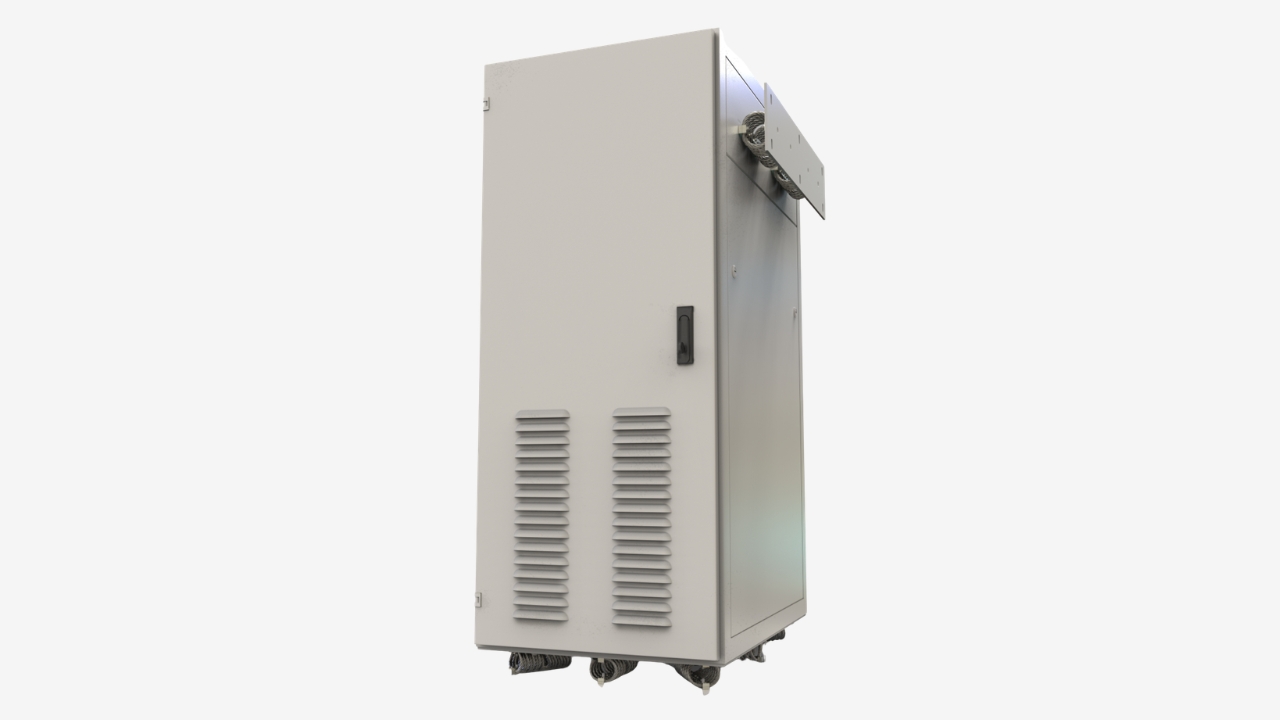
When selecting or customizing electrical enclosures, you should consider more than the basic protection rating; it is also necessary to evaluate the enclosure’s vibration resistance and structural reliability in conjunction with the actual application environment. These factors influence your customer experience, as well as the frequency of maintenance and after-sales service risks.
Application Environment Evaluation
The requirements for enclosures’ vibration resistance vary across different industrial environments.
Enclosures used in mining sites, rail transit systems, or near construction equipment are often exposed to high-intensity mechanical shock and continuous vibration. In these environments, you can choose enclosures with reinforced structures, higher-strength materials, and enhanced locking systems. For enclosures that need to be frequently transported or installed on mobile equipment, we will recommend you choose products with vibration resistance test records, higher welded structural stability, and stronger internal component fixation designs.
Check Certification and Test Reports
These certifications reflect the reliability and performance of the electrical enclosure under real operating conditions.
If the enclosure will be used in an outdoor environment with dust and humidity, it should also comply with IP or NEMA standards. These certifications help ensure long-term stable operation under complex conditions.
The stability of the enclosure during transportation, installation, and operation should also be considered. Choosing an enclosure with IEC 60068 vibration test or related mechanical shock test reports can provide you with rigorous verification, thereby ensuring superior performance for your products.
Installation and Mounting Considerations
Improper installation methods can still amplify the impact of vibration on the electrical enclosure. For example, installing it directly near the base of high-vibration equipment may accelerate structural loosening of the enclosure structure.
Even if the enclosure itself has good vibration resistance, choosing a reinforced base and vibration-damping installation structure according to the application will help you achieve the ideal usage effect.
Perguntas frequentes
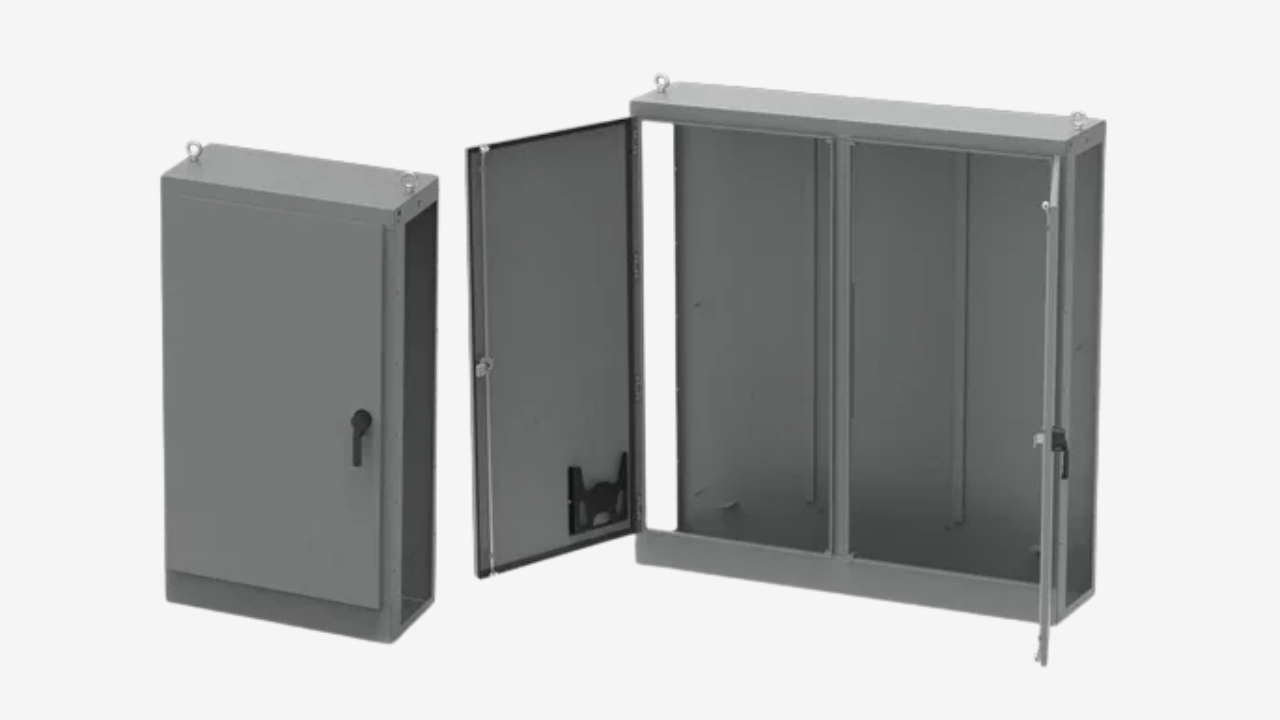
Which Industries Most Commonly Require Vibration-Resistant Enclosures?
Industries with continuous vibration or mechanical impact often require vibration-resistant enclosures. These industries include mining equipment, rail transit systems, oil and gas facilities, water treatment pumping stations, industrial manufacturing lines, and heavy machinery applications.
These environments usually involve high equipment operating loads and complex working conditions. Enclosures in these applications are exposed to long-term mechanical stress. As a result, the requirements for enclosure structural stability are much higher.
Is IP Rating Enough to Protect an Enclosure from Vibration and Shock?
IP ratings measure the dust and water resistance of enclosures. IP ratings do not evaluate mechanical vibration or impact performance. A high IP rating does not mean the enclosure has strong vibration resistance.
In high-vibration applications, you need to consider other factors. The enclosure structure, the locking system design, and mechanical impact test standards all affect overall reliability.
If you need testing references, IEC 60068 and IK Rating are both commonly used standards for evaluating vibration and impact performance.
How Do I Know if Vibration Is Already Affecting My Electrical Enclosure?
The effects of vibration on enclosures are often difficult to detect in the early stage. The changes usually develop gradually over time before they become visible.
Some signs can help you assess the condition of the equipment. These signs include slight enclosure door misalignment, loose fasteners, unstable internal wiring connections, and intermittent abnormal operation.
These conditions usually indicate that the enclosure has been exposed to long-term vibration. They may also develop into more serious structural or electrical faults over time.
Can a Standard Electrical Enclosure Be Upgraded for Vibration Resistance Later?
Ordinary enclosures are not designed for vibration environments during the structural design phase. It is usually difficult to achieve a significant improvement in vibration resistance through simple modifications after production.
Some improvements can be made by adding vibration-damping measures or replacing certain fasteners. However, the overall structural rigidity, material properties, and design of the enclosure remain the key factors that determine vibration resistance.
Considerações finais
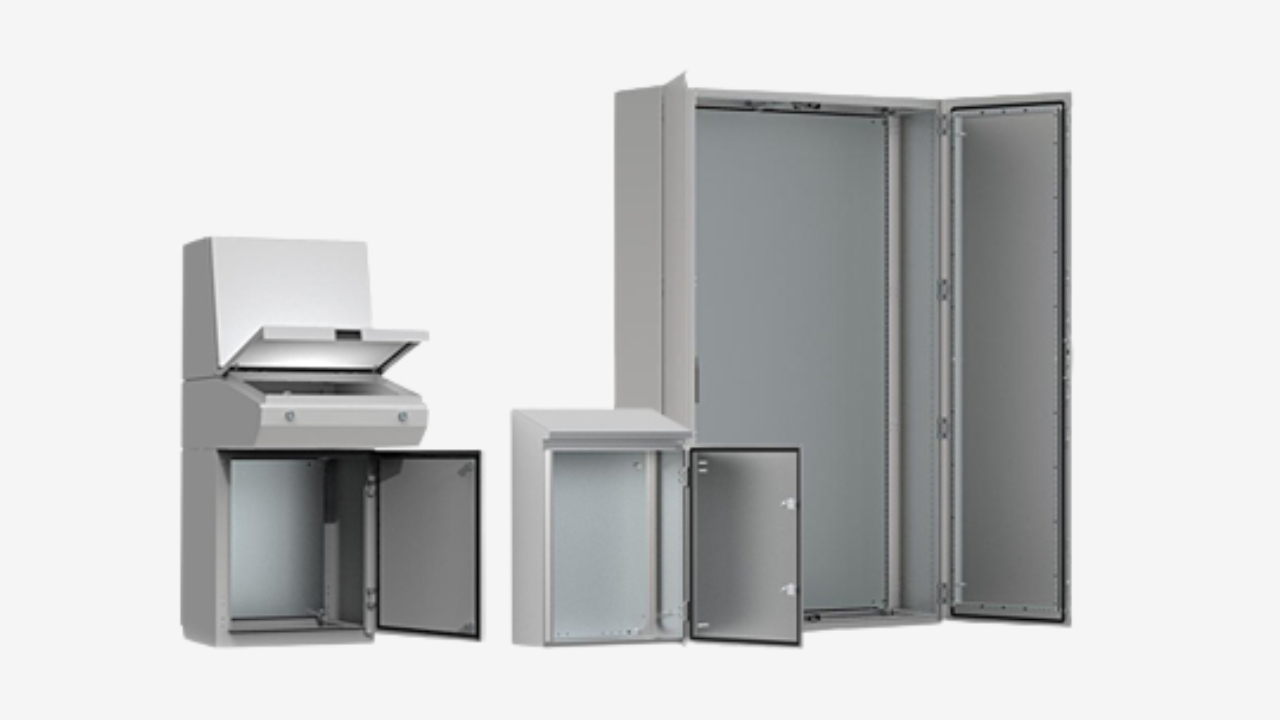
In practical applications, vibration and impact are unavoidable for electrical enclosures. Therefore, selecting appropriate designs and evaluating performance based on the actual environment during the early stage of a project can reduce later maintenance costs. If your project involves high-vibration conditions, KDM Steel can provide customized enclosures to meet your needs. Please Contate-nos for inquiries.
 Portuguese
  English
  Arabic
  French
  Spanish
  Russian
  Japanese
  Korean
  Indonesian
  Chinese