


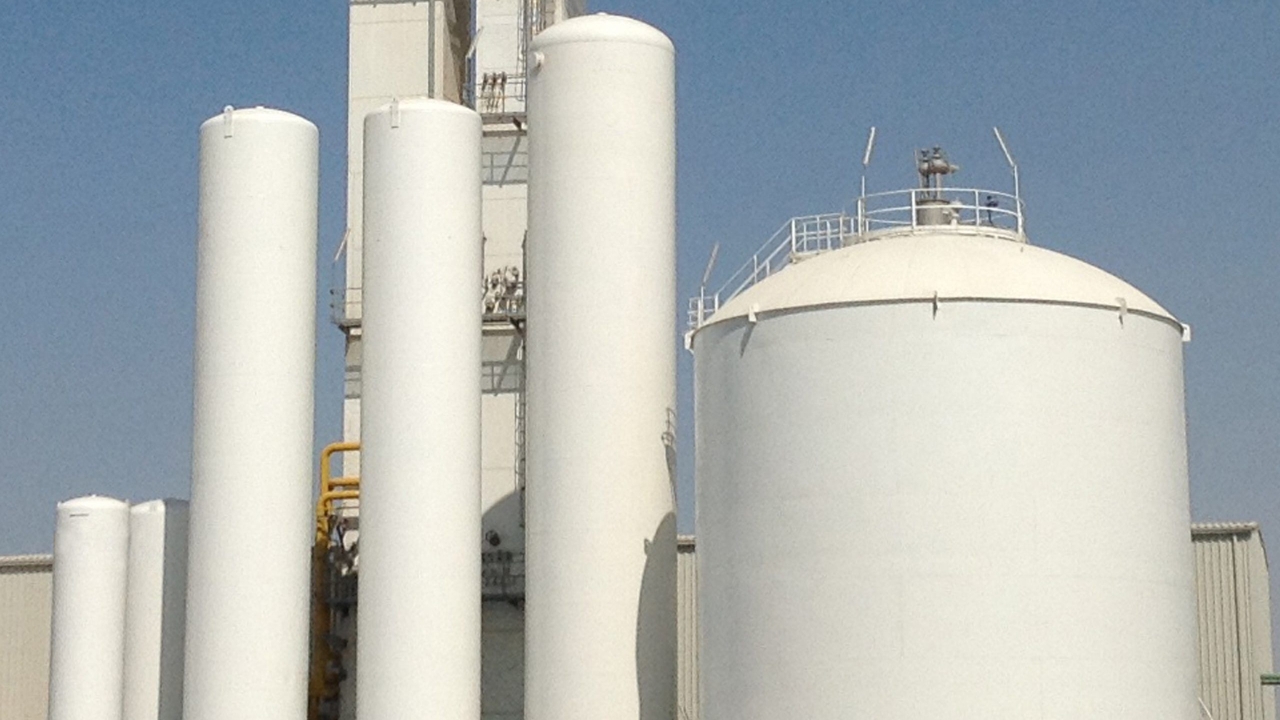
The storage of gases at -150°C or below is an important issue for the LNG, hydrogen or medical gas industry. This is achieved through the use of cryogenic tanks, which are efficient and safe. To manufacturers, suppliers and chemical processors, it is important to understand their operations in order to make informed decisions. This article will discuss the working principle of cryogenic tanks in a step-by-step manner so that you can have a practical application of such tanks in industries.
What is a Cryogenic Tank?

A cryogenic tank is a pressure vessel that is vacuum-insulated and contains liquefied gases at extremely low temperatures. It contains gases like liquid oxygen, nitrogen, argon, hydrogen and LNG in liquids that are below -150 °C. To ensure that the tank does not heat up quickly, it is designed to have double-wall construction and thermal insulation to ensure that the boil-off is not rapid.
Key Components of a Cryogenic Tank
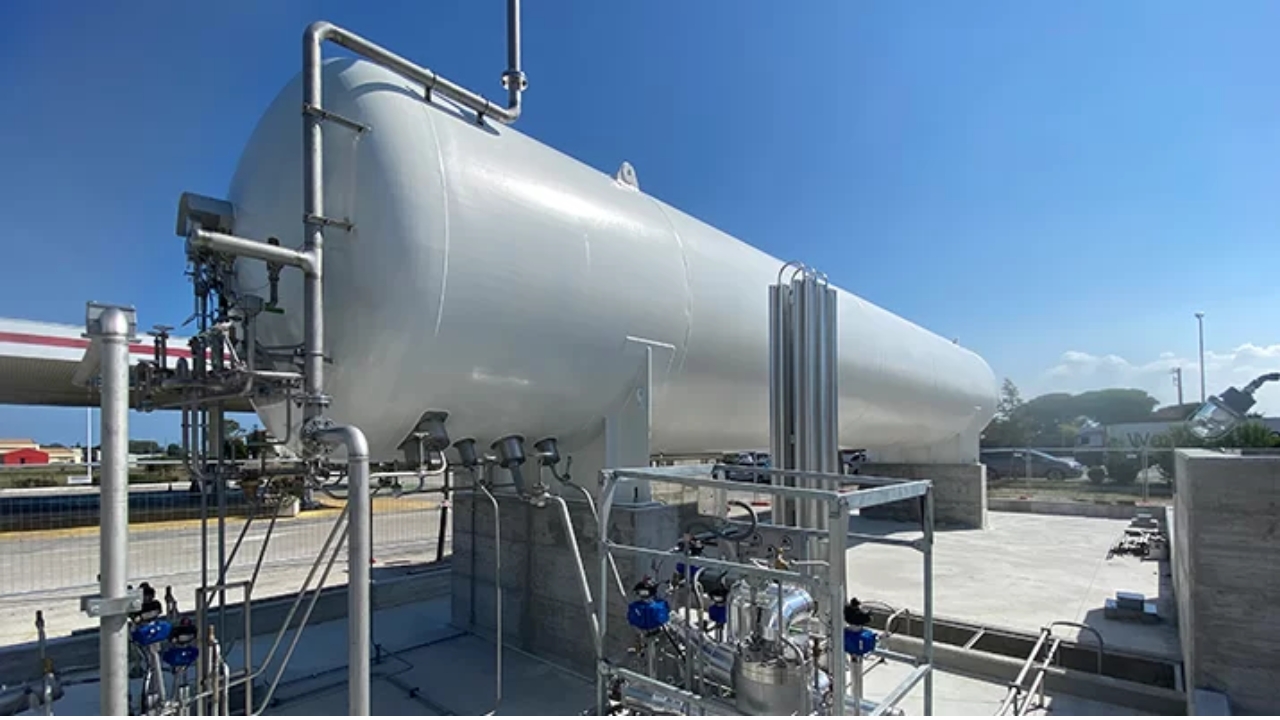
O cryogenic tank is made up of four major parts that make it safe when storing and transporting liquid gases.
·Inner Vessel
This is the major vessel that carries cryogenic liquids. It is typically constructed from materials resistant to low-temperature embrittlement such as stainless steel (e.g., 304L for LN2, LO2, LAr) or specialty alloys like 9% nickel steel for LNG. It is highly internally pressurized and holds its structure.
· Exterior/Outer Vessel
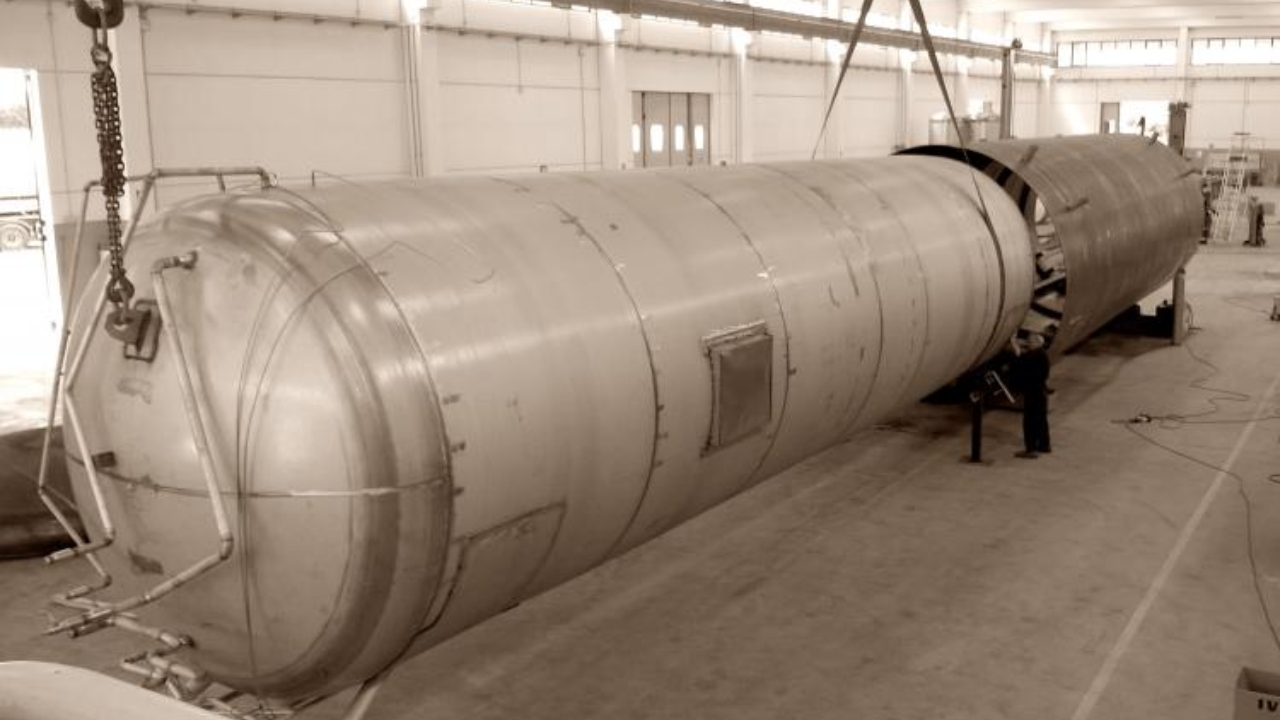
This is the outer vessel that encases the inner vessel, and it gives the mechanical strength. It is normally made of carbon or stainless steel. It also reinforces external loads and the vacuum insulation layer.
· Vacuum Insulation Layer
This is placed between the inner and the outer vessels to ensure that the heat transfer is minimized. It applies a vacuum environment together with insulating materials such as perlite or a multilayer reflective cover. This minimizes the boil-off and preserves the cryogenic temperatures.
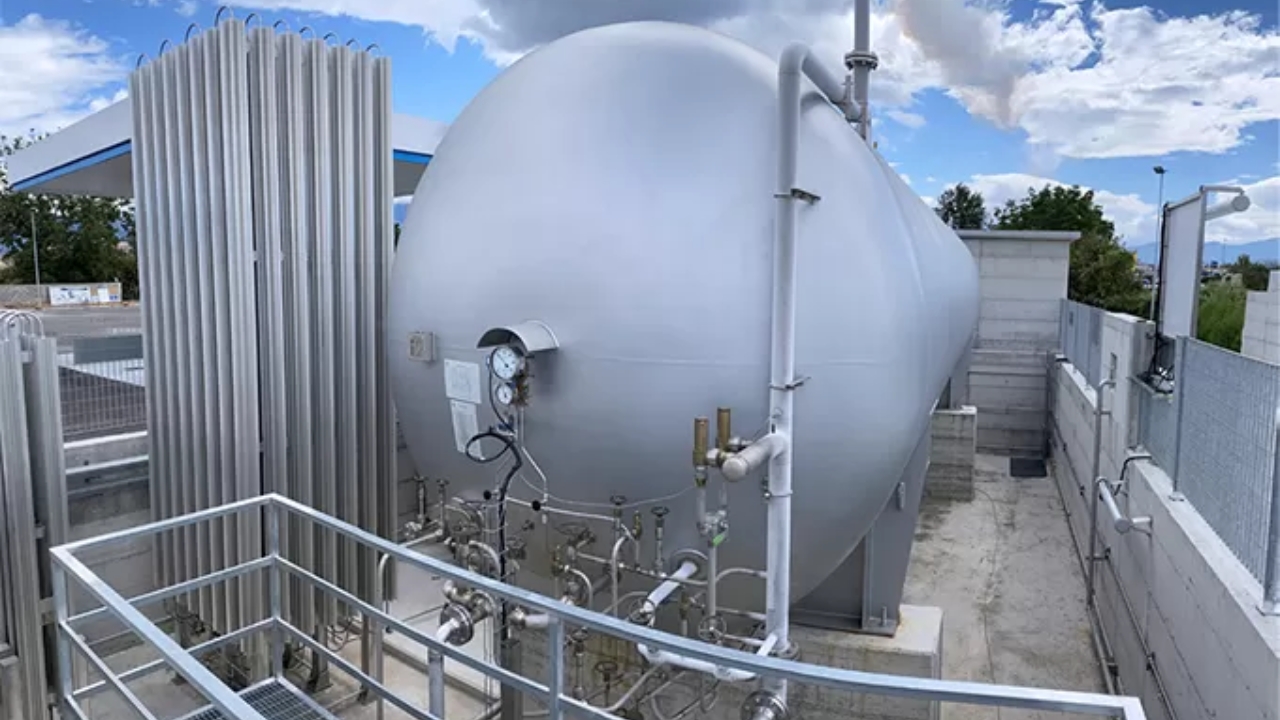
· Pressure Control & Safety Devices
The devices control interior pressure and ensure that it is not unsafe overpressure. They contain pressure relief, vacuum relief, burst discs and pressure-building to be able to operate safely.
| Component | Key Difference |
| Inner Vessel | Directly exposed to ultra-low temperature |
| Outer Vessel | Handles external loads and protection |
| Vacuum Insulation Layer | Prevents boil-off and temperature rise |
| Pressure Control & Safety Devices | Protects against overpressure events |
How Cryogenic Tanks Work: Step‑by‑Step Process
Step 1: Pre‑Operational Preparations
Check walls, valves, gauges and piping of tanks, inspecting them for damage, leakage, or corrosion. Make sure that all safety gadgets are working and that they are connected to supply devices. Before the cooling and filling processes start, purge air and moisture with inert gas.
Step 2: Pre‑Cooling the Tank
Add cold vapor or small amounts of cryogenic liquid to bring a slight decrease in tank temperature. This inhibits thermal stress and damage to the material. Before main filling, ensure that the temperature is uniform.
Step 3: Filling the Tank
Gradually pour the cryogenic liquid into the tank in order to prevent a sharp cooling shock. Measure pressure and liquid level constantly during filling.
Step 4: Maintaining Ultra‑Low Temperature Inside
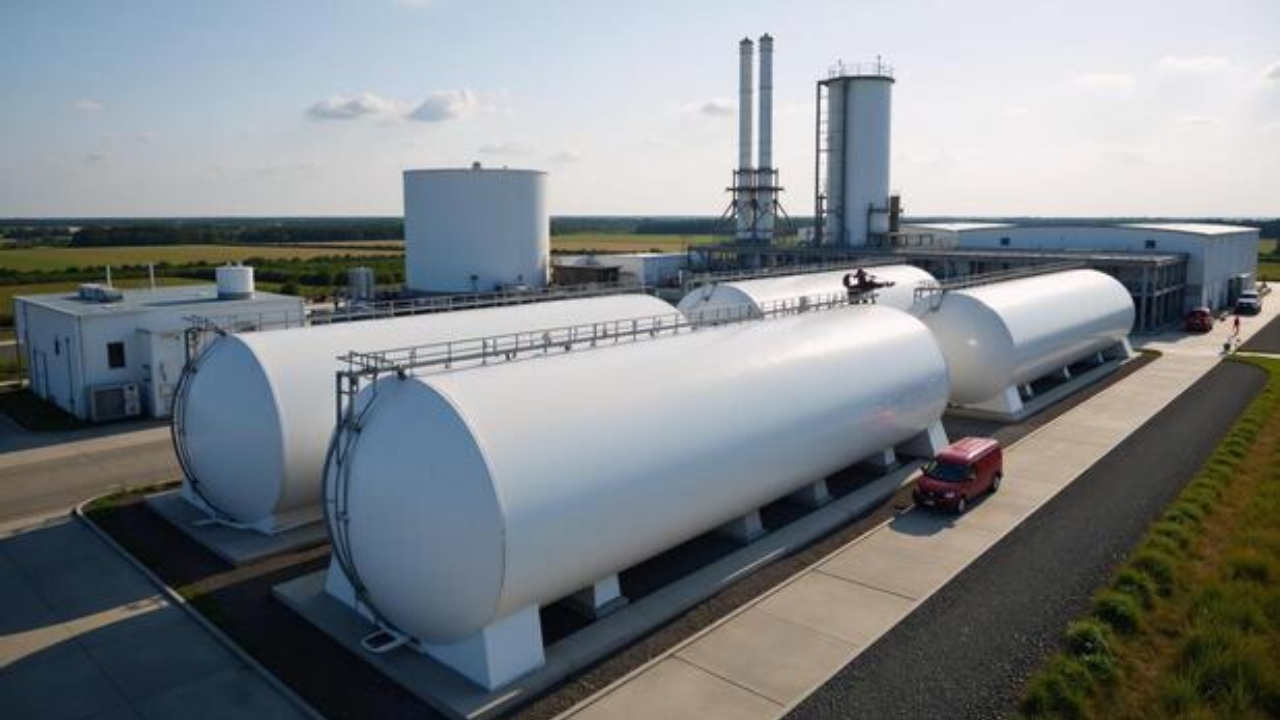
Use vacuum insulation and reflective barriers to minimize the transfer of heat. This maintains freezing liquid and maintains the temperature at the design point. Check vacuum and integrity monitoring insulation.
Step 5: Boil‑Off and Gas Management
The ingress of heat leads to low amounts of boil-off gases. Boil-off gas (BOG) is managed via vent lines, re-liquefaction systems or pressure build-up circuits to be safely vented, recovered or used as fuel/product.
Step 6: Discharge of Liquid or Gas
Have open specified liquid or vapor outlets to product process systems. Transform liquid into the necessary gas state to be used at the end by using a vaporizer or pressure builders. Make sure that there are controlled flow rates.
Step 7: Shut‑Down and Maintenance
Open no supply and delivery valves. Signalize and release residual gases. Carry out a vacuum jacket check, valve check and scheduled preventive maintenance prior to the start of the next operation.
Safety Protocols & Best Practices
· Personal & Site Safety Protocols
PPEs like insulated gloves and face shields, as well as cold-resistant suits, should be the cryogenic-rated equipment that operators should wear. Make sure that working spaces are ventilated to avoid the risks of asphyxiation and oxygen displacement. No ignition sources should be allowed around the cryogenic flammable substances like LNG or hydrogen. Carry out the required safety training on cryogenic risks and emergencies.
· Emergency Pressure Relief Systems
Install burst discs and relievers of all sizes in all cryogenic areas. Calibrate test pressure relief equipment on a regular basis and keep records of calibration. Should not disable relief equipment or alter it. Install emergency overflow routes and wells in which the trapped liquid volumes may accumulate.
·Leak Detection & Mitigation
Early detection of gases or liquid leaks is achieved by using fixed or portable sensors. Check valves, flanges, and connections with trace gas equipment and the eye. Leaks should be immediately isolated and sealed using cryogenic-rated seals or replacement parts. The design has relief piping that detects leaks and directs them into safe places.
· Routine Maintenance
You have to conduct regular checks of insulation jackets, vacuum integrity, valves and sensors. Calibrate the level and pressure scales at set intervals. Record all the maintenance processes and failures to remain compliant and trend. Corrosion or mechanical wear should be addressed in time to avoid failure.
Perguntas frequentes
What gases are commonly stored in cryogenic tanks?
Most common stores include liquid oxygen, nitrogen, argon, hydrogen, helium and LNG.
How do cryogenic tanks prevent excessive pressure buildup?
Safe internal pressure is ensured by pressure relief valves, burst discs and pressure building systems.
Can cryogenic tanks leak liquid at room temperature?
Nay, vacuum insulation does not allow rapid gain of temperatures, but bad seals may lead to local leakages.
Do cryogenic tanks require constant monitoring?
Yes, the level, pressure and temperature sensors guarantee the safe functioning and avoid the boil-off hazards.
Can cryogenic tanks store hazardous materials safely?
Yes, as long as tanks are compatible in terms of material, insulation and pressure relief.
Are cryogenic tanks the same as Dewar flasks?
No, Dewar flasks are small, portable, and low-capacity. Industrial cryogenic tanks are high-capacity and insulated tanks.
Can cryogenic liquids be converted to gas inside the tank on purpose?
Yes, liquid may be transformed into gas on purpose by pressure-building units and vaporizers.
What differentiates stationary and transport cryogenic tanks?
Fixed tanks, which are stationary, have higher capacity, whereas transport tanks are mobile and have reinforced frames.
Can cryogenic tanks be automated?
Yes, it can be filled, discharged and the pressure can be managed automatically with the help of sensors, valves and control systems.
Customized Cryogenic Tanks by KDM Steel
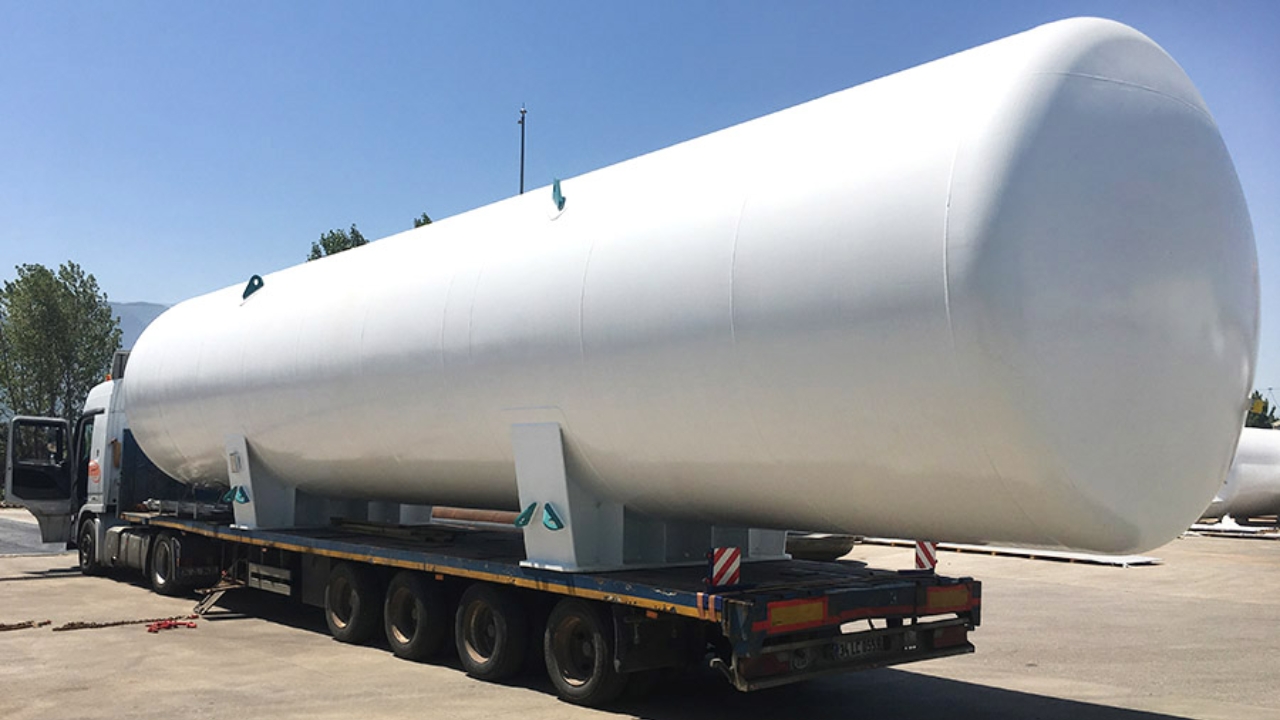
Aço KDM provides tailor-made, cryogenic tank designs in terms of double-wall stainless steel designs combined with high-performance insulation to assist in ultra-low temperature storage of industrial gases in LNG and other applications. These tanks are provided with high thermal performance and safety standards in order to operate in the chain of supplying industry gases. Call us now with special orders and quotations.
 Portuguese
  English
  Arabic
  French
  Spanish
  Russian
  Japanese
  Korean
  Indonesian
  Chinese