


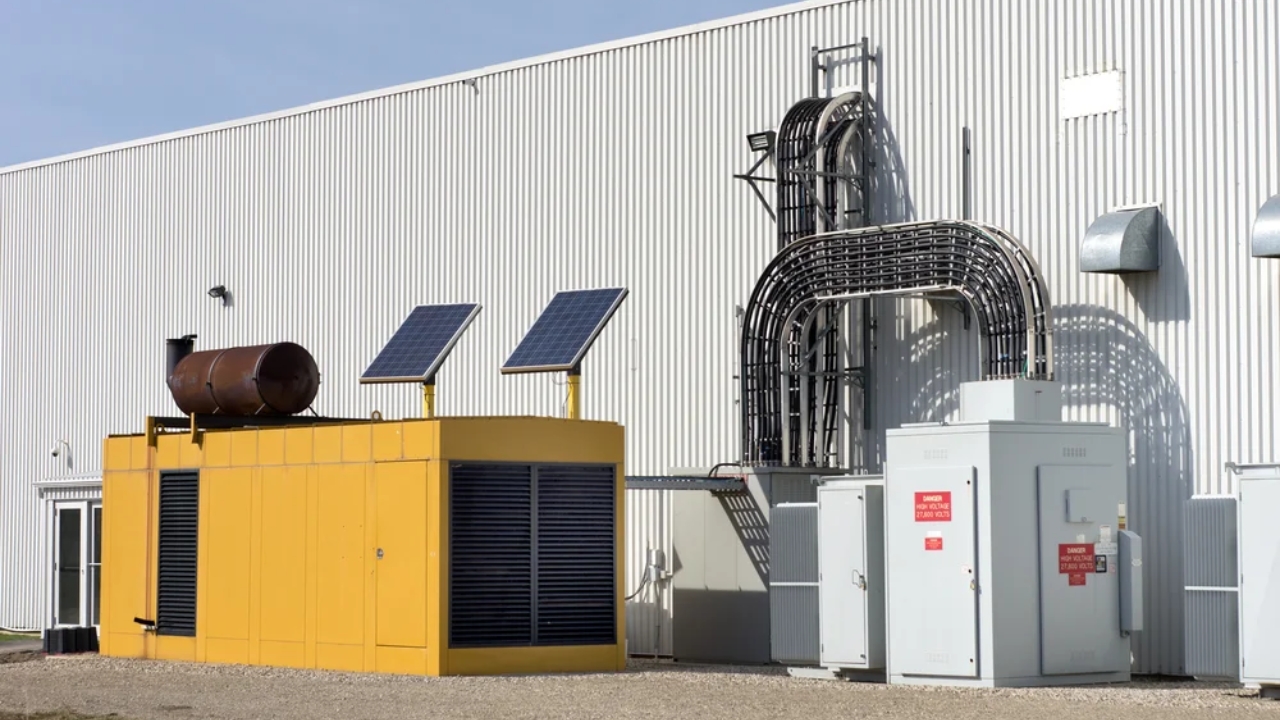
O gerenciamento térmico eficaz é vital para a confiabilidade e estabilidade do gabinete. Escolher o sistema de resfriamento correto pode otimizar a eficiência e o custo total de propriedade (TCO) do seu sistema. Este artigo ajuda engenheiros elétricos e integradores de sistemas a entender a diferença entre resfriamento ativo e passivo, e fornece dicas de seleção adequadas às necessidades do seu projeto.
O que é resfriamento ativo?
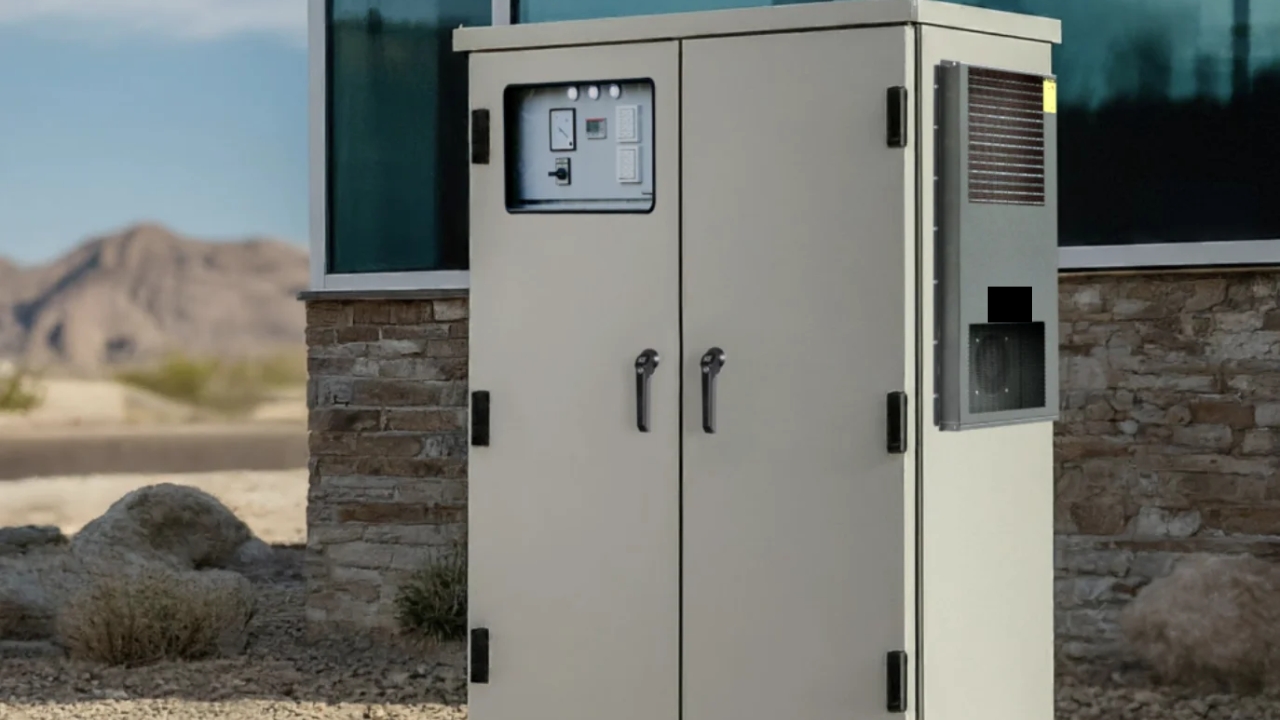
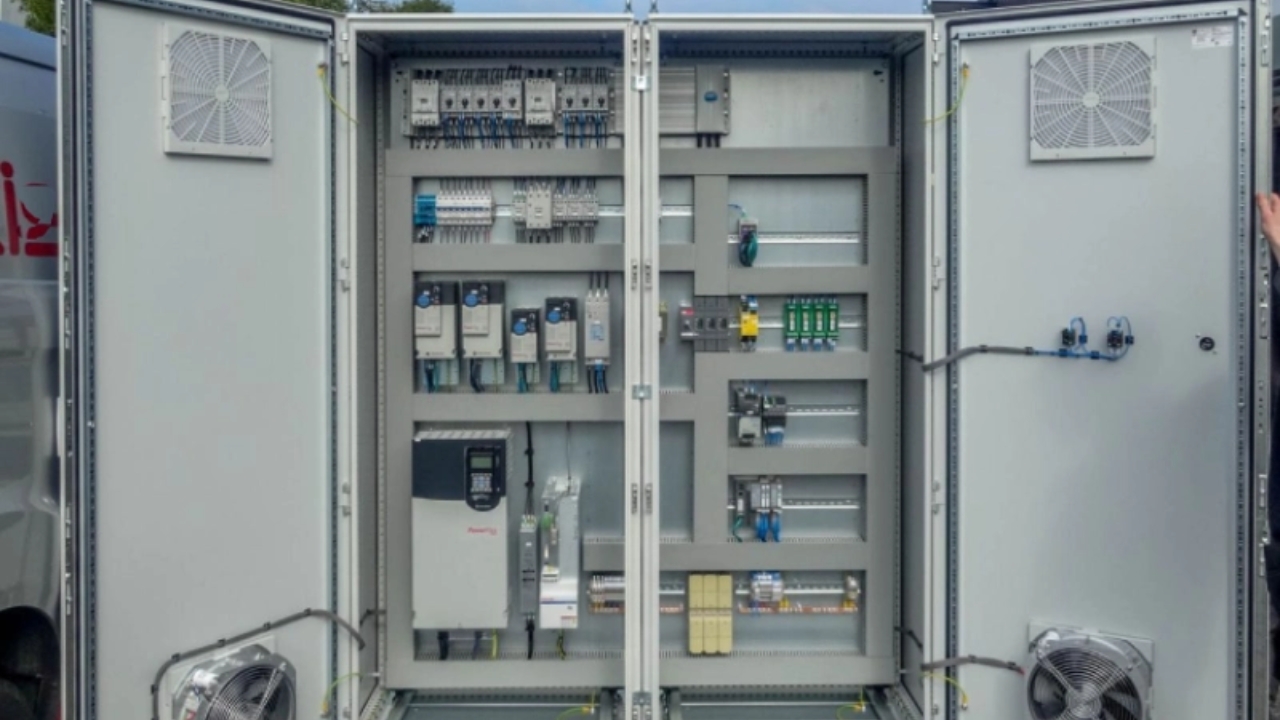
O resfriamento ativo utiliza ventiladores, condicionadores de ar e trocadores de calor para remover o calor do ambiente. gabinetes ou introduzir ar mais frio, proporcionando assim um controle de temperatura mais eficaz.
Os métodos de resfriamento ativo incluem o resfriamento a ar baseado em ventiladores e resfriamento líquido. O resfriamento ativo é vital em aplicações onde a temperatura ambiente aumenta ou o invólucro precisa permanecer selado. Ele permite um controle de temperatura mais preciso e um desempenho superior.
O que é resfriamento passivo?
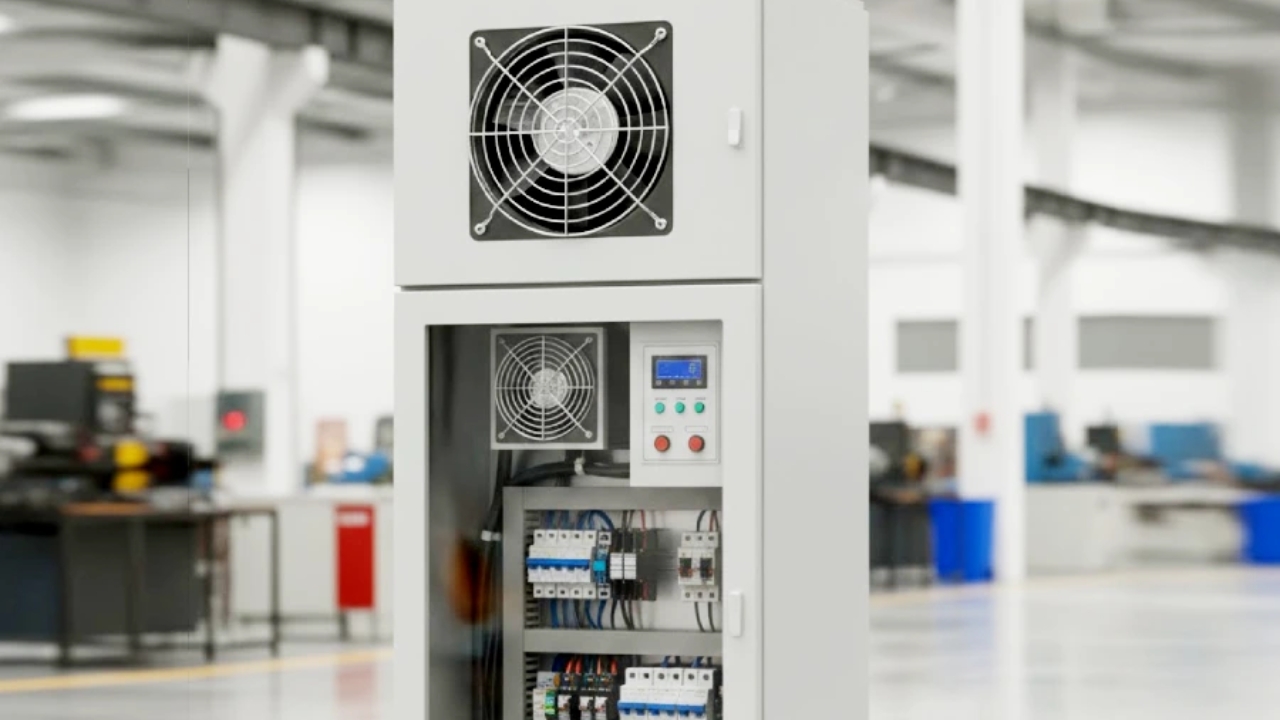
O resfriamento passivo dissipa o calor de um compartimento sem consumir energia ou usar dispositivos mecânicos. Ele se baseia inteiramente em processos naturais de transferência de calor, incluindo convecção, condução e radiação, para regular a temperatura.
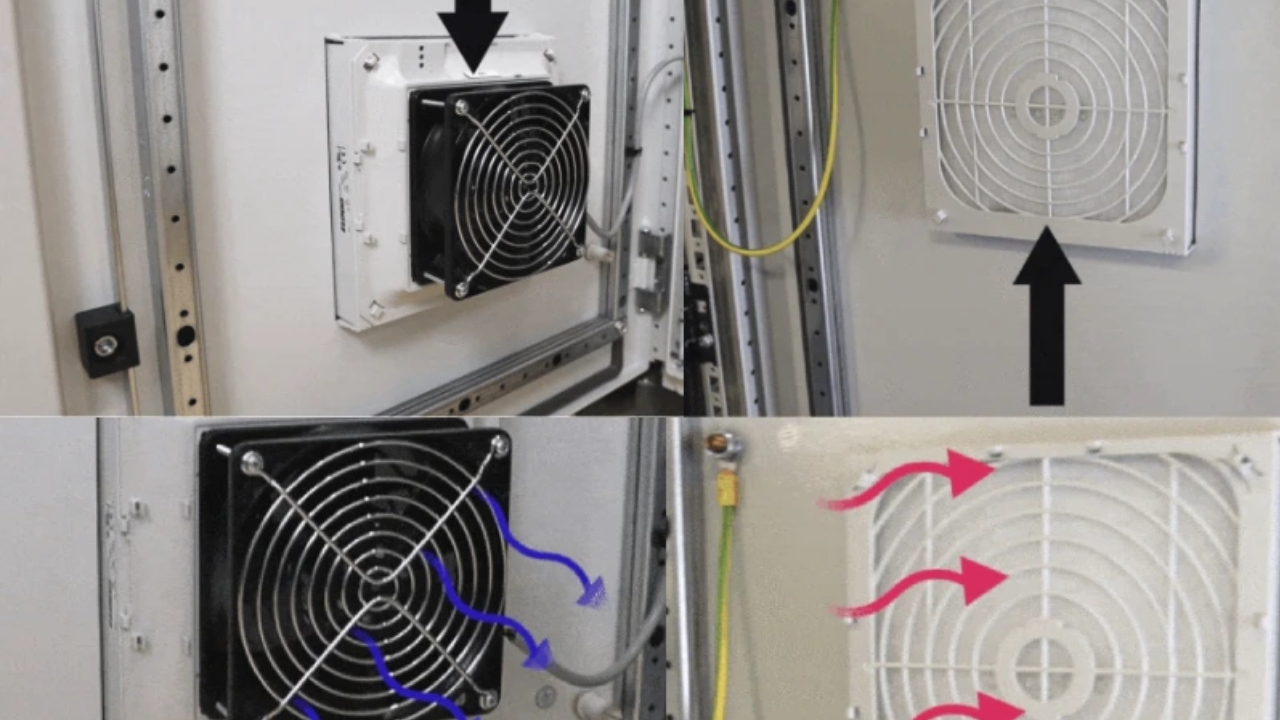
O resfriamento passivo utiliza aberturas de ventilação, radiadores e materiais termicamente condutores para transferir naturalmente o calor gerado pelos componentes internos para a superfície do gabinete ou para o exterior, sem consumir energia. Os métodos comuns de resfriamento passivo incluem dissipadores de calor por condução, convecção natural através de aberturas de ventilação, resfriamento por radiação e materiais de mudança de fase.
Resfriamento ativo versus resfriamento passivo: principais diferenças entre eles
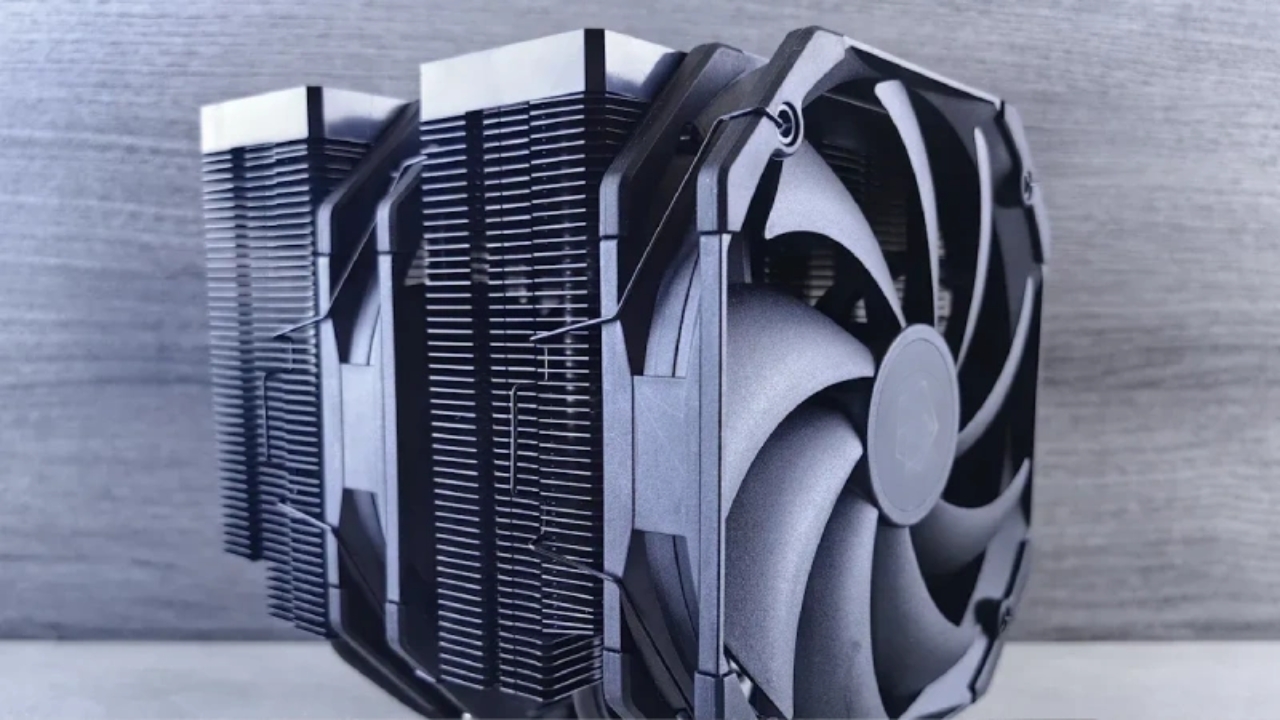
Capacidade de resfriamento
O resfriamento ativo possui uma capacidade de refrigeração superior ao resfriamento passivo. Ele pode lidar com cargas térmicas de várias centenas de quilowatts ou mais, dependendo do sistema. É altamente indicado para gabinetes com alta densidade de potência, layouts compactos ou componentes sensíveis que geram grande quantidade de calor.
No entanto, a capacidade de dissipação de calor do resfriamento passivo é limitada pela temperatura ambiente, área da superfície e condutividade térmica do material, sendo mais adequada para densidades de potência médias. O resfriamento passivo pode lidar com cargas térmicas moderadas se o invólucro tiver uma área de superfície muito grande ou utilizar materiais altamente condutores.
Controle de temperatura
Utilizando termostatos, sensores ou controladores inteligentes, o resfriamento ativo permite um controle preciso da temperatura e um ambiente interno estável. Isso é ótimo para proteger seus equipamentos sensíveis ou essenciais.
O resfriamento passivo não oferece controle preciso de temperatura. A temperatura interna do gabinete oscila de acordo com as condições ambientais e a geração de calor. Isso pode tornar o ambiente operacional do seu dispositivo menos estável.
Consumo de energia
O sistema de resfriamento ativo requer uma fonte de alimentação contínua para funcionar. fãs, compressores ou módulos eletrônicos. Isso resulta em consumo contínuo de energia. A longo prazo, isso leva a altos custos operacionais.
No entanto, o resfriamento passivo não consome energia elétrica. Ele pode operar sem componentes elétricos. Portanto, o resfriamento passivo é extremamente eficiente em termos energéticos e ecologicamente correto. Se você está considerando aplicações que visam a economia de energia, é uma ótima opção.
Barulho
Não há dúvida de que ventiladores e compressores usados para resfriamento ativo produzem ruído perceptível. No entanto, o resfriamento passivo não requer ventiladores ou bombas, e seu funcionamento é quase silencioso.
Complexidade de instalação
O resfriamento ativo geralmente é mais complexo de instalar do que o resfriamento passivo. O resfriamento passivo não requer integração elétrica. Sua solução normalmente inclui projetos estruturais, como aberturas de ventilação, dissipadores de calor ou seleção de materiais, e é mais fácil de implementar.
Em contrapartida, o resfriamento ativo apresenta um processo de instalação e integração mais complexo, incluindo conexões elétricas, instalação das unidades de refrigeração e projeto do fluxo de ar. A drenagem ou a vedação também podem precisar ser consideradas.
Requisitos de manutenção
Em termos de manutenção, o resfriamento passivo é muito mais simples do que o resfriamento ativo. O resfriamento passivo não possui partes móveis e não requer manutenção. Isso pode reduzir sua carga de trabalho e os custos relacionados.
O sistema de refrigeração ativa inclui muitos componentes móveis, por isso é necessário realizar manutenção regular. Pode ser preciso limpar ou substituir filtros, verificar os ventiladores e o sistema de refrigeração.
Custo
Em geral, o resfriamento ativo exige um investimento inicial maior, além de custos contínuos de energia e manutenção. Sua conta de luz também aumentará com o tempo de operação. No entanto, sua alta capacidade de resfriamento é necessária para equipamentos que geram uma certa quantidade de calor. O resfriamento passivo, embora tenha custos iniciais e operacionais menores, possui desempenho de resfriamento limitado.
Adequação Ambiental
O resfriamento ativo é mais adaptável do que o resfriamento passivo. O resfriamento passivo depende mais de condições ambientais favoráveis. A eficácia do resfriamento passivo será reduzida quando operando em ambientes adversos.
A adaptabilidade do resfriamento ativo permite que ele opere em altas temperaturas ambientes ou dentro de um compartimento selado. No entanto, geralmente é necessário utilizar medidas de proteção, como filtros e materiais resistentes à corrosão.
Confiabilidade
O resfriamento passivo é mais confiável do que o resfriamento ativo. O sistema de resfriamento ativo é vulnerável ao desgaste mecânico, falhas elétricas e degradação de componentes. Esses fatores podem causar potenciais mau funcionamento.
Em contrapartida, o sistema de resfriamento passivo é mais simples e não possui componentes mecânicos que possam falhar. Portanto, seu desempenho é mais estável e o risco de falha é menor.
Aplicações
Muitos dispositivos de alto desempenho e centros de dados utilizam resfriamento ativo. Por exemplo, os centros de dados empresariais tradicionais normalmente utilizam resfriamento ativo a ar. Alta densidade racks de servidores Utilizará refrigeração líquida ativa. No setor automotivo, a refrigeração líquida com bombas é uma configuração importante para motores de alto desempenho e sistemas de propulsão híbridos.
O resfriamento passivo pode ser aplicado a painéis de controle elétrico (com baixa potência), sistemas de automação residencial e armários de telecomunicações. Os equipamentos de telecomunicações são frequentemente instalados em áreas remotas e empoeiradas, onde os ventiladores de resfriamento ativo são propensos a mau funcionamento ou bloqueio. Portanto, o resfriamento passivo por meio de aberturas de ventilação e dissipadores de calor é preferível para reduzir o número de peças móveis e os riscos de falha.
Seletor de resfriamento ativo versus passivo para gabinetes
Utilize a carga térmica e o ambiente para identificar qual família de sistemas de refrigeração merece uma análise de engenharia.
Planejamento preliminar apenas: O projeto térmico final requer informações sobre a área da caixa de proteção, carga solar, fluxo de ar, altitude, limites dos componentes, redundância e curvas do fabricante.
Principais fatores a considerar ao escolher um método de resfriamento
Requisitos de carga térmica
Este é o primeiro passo para escolher o método de resfriamento correto. Determine quanto calor seu dispositivo gera. Para baixo consumo de calor, o resfriamento passivo é suficiente. Para alto consumo de calor, você precisará de resfriamento ativo.
Temperatura ambiente
O ambiente influencia sua escolha. O resfriamento passivo é mais adequado para ambientes internos controlados. Em áreas quentes, o resfriamento ativo é uma opção melhor.
Nível de proteção do invólucro
O método de resfriamento adequado também precisa ser compatível com o seu gabinete. Verifique se o seu gabinete é aberto ou selado. Gabinetes ventilados podem utilizar resfriamento passivo. Para gabinetes selados, especialmente para classificações IP elevadas, equipamentos de resfriamento ativo, como trocadores de calor e... condicionadores de ar Geralmente é necessário.
Restrições de espaço e instalação
O espaço disponível para instalação também é um fator importante que limita as opções de refrigeração. Se o seu gabinete tiver espaço limitado, a refrigeração passiva é mais adequada e fácil de instalar. Equipamentos de refrigeração ativa exigem um espaço de instalação maior.
Necessidades de controle de temperatura
Se você tem requisitos rigorosos de precisão no controle de temperatura, o resfriamento ativo é a melhor opção. Ele consegue manter a temperatura estável e controlada, enquanto o resfriamento passivo oferece controle limitado.
Você também deve avaliar o consumo de energia, as necessidades de manutenção e os custos totais. Ao realizar uma avaliação cuidadosa com base nesses fatores, você poderá escolher um método de refrigeração adequado para o seu equipamento.
Perguntas frequentes
É possível adaptar sistemas de refrigeração de gabinetes a instalações já existentes?
Sim. O gabinete existente pode ser adaptado com um sistema de refrigeração. No entanto, é necessário verificar o espaço disponível, o projeto do gabinete e a conexão de energia do dispositivo de refrigeração ativo. Além disso, considere se a modificação afetará a classificação IP ou a integridade estrutural do seu gabinete. Normalmente, é possível adicionar ventiladores com filtro e trocadores de calor, mas é fundamental garantir o funcionamento normal.
Existem normas ou diretrizes da indústria para o projeto de refrigeração de gabinetes?
Sim. Essas normas, incluindo IEC, NEMA e UL, definem a proteção ambiental, os limites de temperatura e os requisitos de segurança para invólucros. Isso também determina indiretamente seus métodos de resfriamento. Em aplicações práticas, você precisa seguir essas normas e realizar cálculos térmicos para selecionar a solução de resfriamento adequada.
Como calcular a capacidade de refrigeração exata necessária para um gabinete?
É necessário somar a dissipação de calor de todos os componentes internos. Em seguida, com base na temperatura interna máxima necessária e na temperatura ambiente esperada, determine o aumento de temperatura permitido. Dessa forma, você poderá calcular a capacidade de refrigeração necessária.
Converta a carga térmica em uma estimativa aproximada da capacidade de refrigeração necessária e mantenha a temperatura do gabinete dentro de uma faixa segura. Além disso, para avaliar a capacidade de refrigeração, você também precisa considerar o tamanho do gabinete, o fluxo de ar e as condições ambientais.
Existem estratégias de economia de energia para sistemas de resfriamento ativo?
Sim. Você pode instalar um termostato ou um controlador inteligente para reduzir o consumo de energia, e o sistema de refrigeração funcionará apenas quando necessário. Você também pode usar um ventilador de velocidade variável, que ajusta o fluxo de ar de acordo com a temperatura. Isso evita o desperdício de energia.
Considerações finais
Como fabricante profissional de gabinetes elétricos, a KDM oferece uma variedade de gabinetes elétricos e soluções de refrigeração compatíveis. Além disso, também oferecemos serviços de personalização e respondemos rapidamente às necessidades do seu projeto. Nossos produtos utilizam materiais de alta qualidade e processos avançados. Se você tiver necessidades personalizadas, Contate-nos agora.
 Portuguese
  English
  Arabic
  French
  Spanish
  Russian
  Japanese
  Korean
  Indonesian
  Chinese