


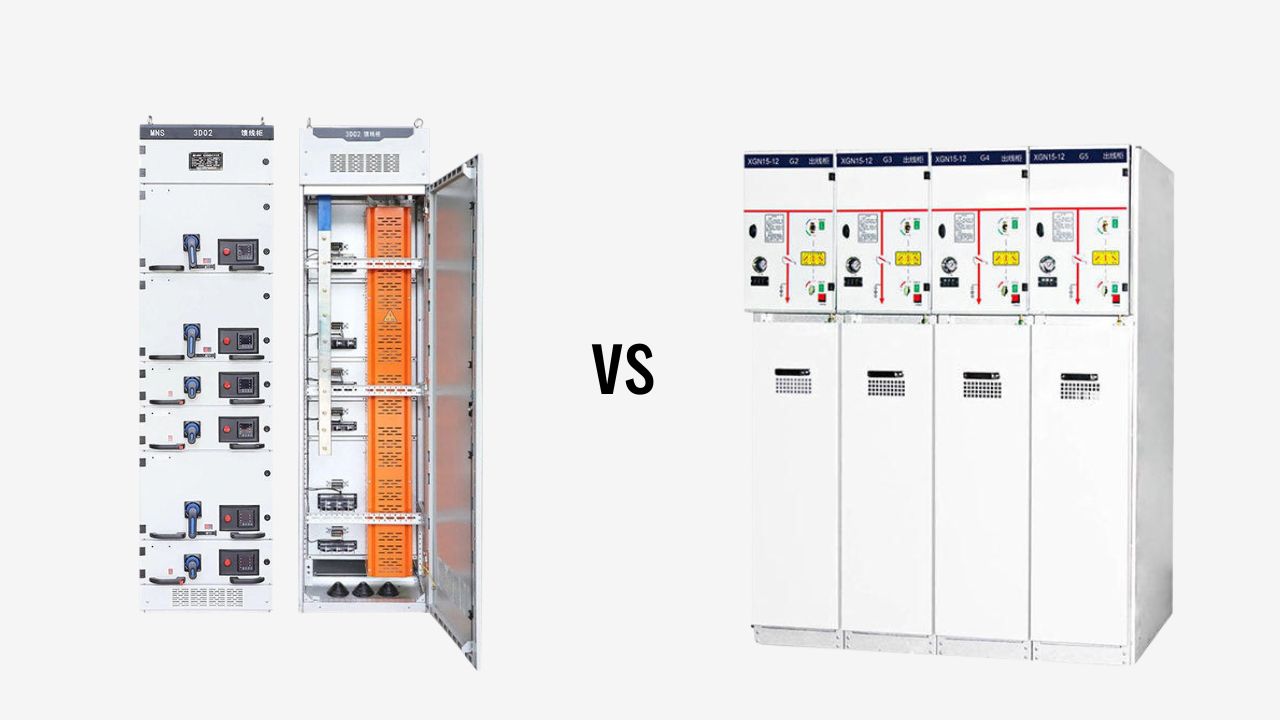
A escolha entre painéis de distribuição isolados a gás (GIS) e isolados a ar (AIR) não é apenas uma questão técnica, mas também estratégica. A sua decisão afeta os custos, o espaço necessário, o cronograma de manutenção e a confiabilidade do projeto a longo prazo. Dessa forma, você pode facilmente encontrar todas as informações necessárias e escolher os painéis adequados às suas necessidades, evitando erros que podem custar caro.
O que é um painel de distribuição isolado a ar (AIS)?
Os painéis de distribuição isolados a ar (AIS) são isolados principalmente pelo ar presente no ambiente. O AIS possui um design simples que facilita a inspeção e a manutenção. As partes energizadas são montadas de forma exposta e separadas por espaços de ar. Na maioria das vezes, são encontrados em subestações abertas com amplo espaço. Seu formato transparente facilita a localização de falhas, mas a exposição ao ambiente externo ainda é um fator a ser considerado.
O que é uma subestação isolada a gás (GIS)?
Todas as partes energizadas dos painéis elétricos isolados a gás (GIS) são encapsuladas em uma caixa metálica selada e preenchida com gás SF₆ ou gases mais modernos. Esse gás isola três vezes melhor que o ar, o que permite dimensões muito reduzidas. Você fica completamente protegido contra poeira, sal, umidade e outros poluentes naturais. Os painéis GIS são testados e montados na fábrica, o que significa que você terá muito menos trabalho quando eles chegarem ao local.
As 10 principais diferenças entre painéis elétricos isolados a ar e painéis elétricos isolados a gás.
Meio isolante
Painéis de distribuição isolados a ar (AIS):
Utiliza o ar atmosférico como dielétrico entre os condutores e o terra. É necessário espaço entre os estágios e componentes, pois o ar é um isolante ruim. Isso implica em áreas de equipamentos maiores. A localização, a temperatura e a poluição do ar afetam a eficácia do isolamento.
Subestação Isolada a Gás (GIS):
Neste caso, são utilizados gás SF₆ ou opções ecológicas. aparelhagem elétrica, que é encapsulado em recipientes metálicos. A rigidez dielétrica do SF₆ é três vezes maior que a do ar, permitindo uma montagem mais compacta. O sistema selado oferece proteção independentemente das condições climáticas, altitude ou poluição. Trata-se de um isolamento controlado em fábrica que não depende das condições do local da obra.
Projeto e Construção
Painéis de distribuição isolados a ar (AIS):
O AIS é composto por uma estrutura aberta com fios desencapados suportados por isoladores de porcelana. É possível observar edifícios de aço galvanizado com barramentos, seccionadores e disjuntores fixado a eles. Esse design flexível facilita a troca de peças e a visualização da localização dos contatos. É preciso considerar grandes vãos e dimensões maiores.
Subestação Isolada a Gás (GIS):
O sistema GIS utiliza um design coaxial e fechado com caixas de cobre ou alumínio aterradas e isolantes, preenchidas com gás, para os fios energizados. Seu design compacto e modular acomoda disjuntores, seccionadores e transformadores de corrente/potenciais transformadores em seções seladas. As peças, pré-montadas em fábrica, estão prontas para conexão, reduzindo a necessidade de estruturas de aço e fundações.
Custo do investimento inicial
Painéis de distribuição isolados a ar (AIS):
Geralmente, o AIS requer um investimento inicial 20–40% menor do que o GIS. Você pode economizar dinheiro porque a tecnologia é mais fácil de usar, materiais como porcelana e aço são fáceis de obter e os mercados de fornecedores são competitivos. Se você tem um orçamento pequeno para o início do projeto e bastante espaço disponível, o AIS é uma ótima maneira de economizar dinheiro.
Subestação Isolada a Gás (GIS):
Os sistemas de informação geográfica (SIG) exigem um investimento inicial maior, pois precisam ser fabricados com precisão, lidar com gás SF₆ e utilizar tecnologia de cobertura moderna. O preço pago é por produtos fabricados em série, embora o custo inicial seja mais alto. A economia de espaço urbano geralmente compensa essa diferença. Apesar do custo mais elevado, as ferramentas de SIG são adequadas para projetos de pequeno porte.
Tempo de instalação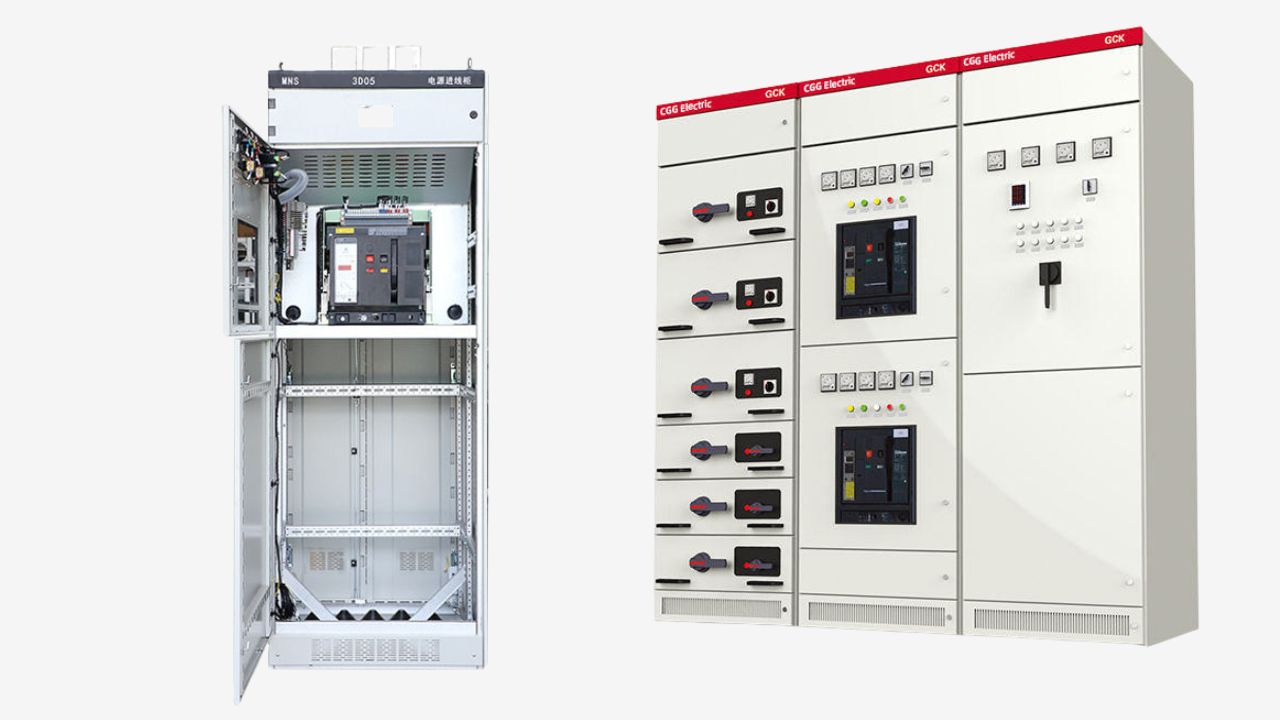
Painéis de distribuição isolados a ar (AIS):
Você precisará passar mais tempo no local. Para a instalação, são necessários trabalhadores qualificados e boas condições climáticas para montar diversas peças, posicionar isoladores, instalar barramentos e alinhar disjuntores. O tempo de instalação para projetos geralmente é de 30 a 50% maior do que para versões GIS.
Subestação Isolada a Gás (GIS):
O sistema GIS está disponível em módulos testados em fábrica que requerem apenas montagem em uma fundação e conexão. O tempo de construção é reduzido em semanas ou meses devido à menor quantidade de montagem necessária no local. Atrasos decorrentes de condições climáticas adversas são irrelevantes, pois o equipamento principal permanece desligado. A rapidez da instalação do GIS proporciona uma vantagem competitiva significativa em relação a outras empresas, principalmente para projetos que exigem conclusão rápida ou locais com janelas de construção limitadas.
Requisitos de manutenção
Painéis de distribuição isolados a ar (AIS):
Sua equipe de manutenção continuará trabalhando no AIS. As peças visíveis ao ambiente precisam ser limpas com frequência, principalmente em áreas poluídas ou próximas à costa. Será necessário limpar os isoladores, verificar os contatos e lubrificar as partes móveis regularmente. As peças expostas às intempéries se desgastam mais rapidamente e, portanto, precisam ser substituídas com mais frequência. Embora seja fácil fazer inspeções visuais, o trabalho se acumula ao longo de muitos anos.
Subestação Isolada a Gás (GIS):
Durante sua vida útil, você não precisará reparar o GIS com muita frequência. Todas as peças principais são mantidas limpas, protegidas da oxidação e secas pela construção selada. Os intervalos de manutenção variam entre 10 e 15 anos e geralmente incluem apenas a verificação dos mecanismos e o monitoramento do nível de gás. Sua equipe trabalha nos sistemas secundários, deixando as ferramentas principais em funcionamento. Custos operacionais mais baixos e menos paradas programadas para o seu edifício estão diretamente relacionados à menor necessidade de manutenção.
Confiabilidade e desempenho
Painéis de distribuição isolados a ar (AIS):
A confiabilidade do sistema depende muito das condições do local. O AIS funciona muito bem em ambientes limpos e controlados. No entanto, os riscos de rastreamento e de curto-circuito aumentam quando as pessoas estão expostas à maresia, poluição industrial ou alta umidade. A interação com animais selvagens, como pássaros, cobras e roedores, ainda representa uma preocupação real. Para manter um nível de desempenho estável, você precisará monitorar a situação e agir rapidamente quando surgirem ameaças externas.
Subestação Isolada a Gás (GIS):
Possui excelente confiabilidade em qualquer ambiente. Uma estrutura selada isola o ambiente externo no Ártico, no deserto ou no oceano. Qualidades de isolamento de gás SF₆ permanecem inalterados ao longo de décadas. Menos interrupções inesperadas resultam de menos perturbações externas e condições internas mais estáveis. Dados estatísticos sugerem que o GIS é mais confiável do que o AIS ao longo do tempo em todas as situações.
Impacto Ambiental
Painéis de distribuição isolados a ar (AIS):
Utiliza o ar natural como proteção, portanto não tem efeito direto sobre os gases de efeito estufa. Aço, metal e porcelana são facilmente reciclados quando não são mais úteis. Preocupações com o impacto visual surgem quando as estruturas e as pegadas são grandes e visíveis. As manobras de mudança de direção propagam ruído, portanto, pode ser importante limitá-las perto de áreas residenciais. A AIS altera o uso da terra, mas causa poucos impactos ambientais.
Subestação Isolada a Gás (GIS):
Como gás de efeito estufa, o gás SF₆ tradicional é 23.500 vezes mais potente que o CO₂, o que é prejudicial ao meio ambiente. Vazamentos ainda são um problema, embora não sejam tão graves com as ferramentas modernas. No entanto, os fabricantes já produzem alternativas que não utilizam SF₆. Painéis de distribuição isolados a gás Utiliza isolamento por interrupção de vácuo e "ar limpo", que é uma mistura de nitrogênio e oxigênio. O isolamento por interrupção de vácuo é uma boa opção para locais que se preocupam com o meio ambiente, pois tem uma pequena pegada ecológica e não danifica a terra. Sempre verifique os produtos alternativos e o gerenciamento de SF₆ do seu fornecedor.
Flexibilidade e Expansão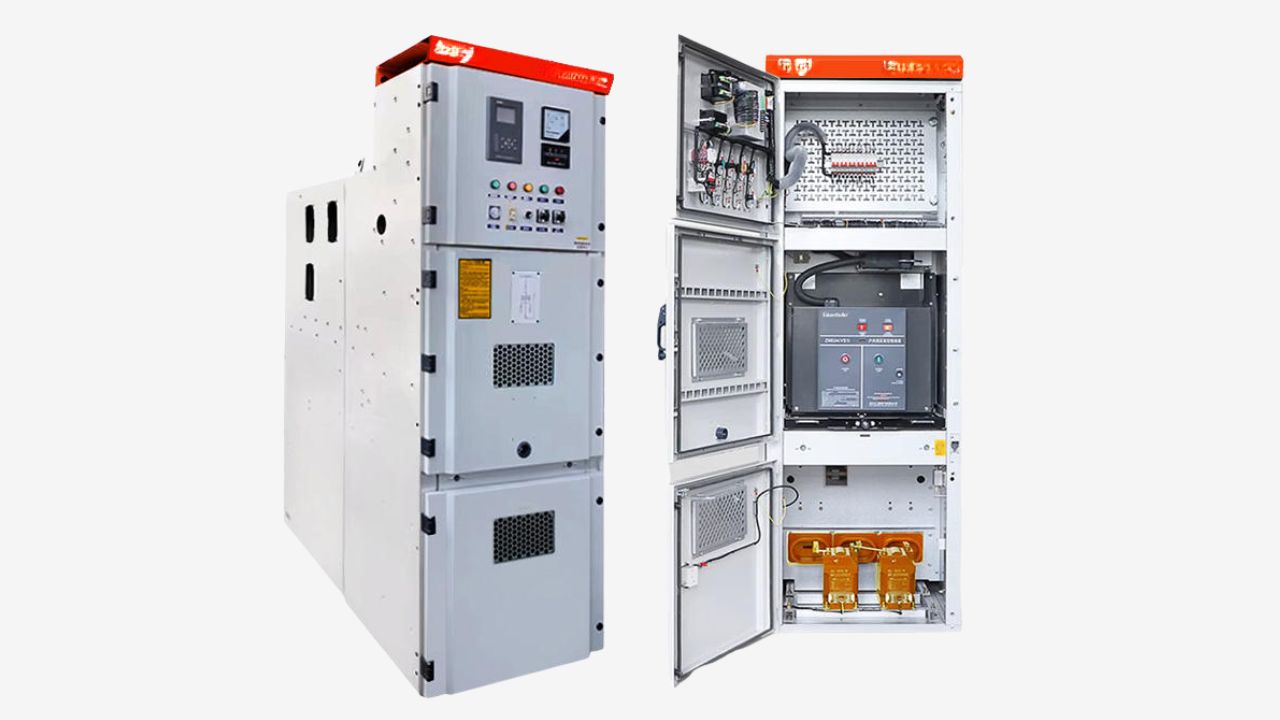
Painéis de distribuição isolados a ar (AIS):
Quando forem necessárias alterações, você apreciará a flexibilidade do AIS. Adicionar compartimentos ou expandir subestações requer apenas a compra e montagem de peças simples. As conexões visíveis facilitam o planejamento. Mas é preciso deixar espaço para o crescimento futuro, algo que muitas vezes é esquecido no projeto inicial. Restrições de tamanho existentes podem dificultar a expansão em áreas já congestionadas.
Subestação Isolada a Gás (GIS):
A expansão funciona da mesma forma que os módulos, mas requer um planejamento mais cuidadoso. Os módulos da fábrica devem ter os mesmos compartimentos de gás e dimensões dos módulos existentes. Adicionar novas baias geralmente significa desativar as áreas adjacentes para que o gás possa ser manuseado. Economizar espaço facilita a reserva de uma sala, mas fazer alterações exige habilidades e ferramentas específicas. Planejar futuras baias durante a instalação inicial, quando as barreiras de gás já estão instaladas, facilita muito o crescimento futuro.
Vida útil e durabilidade
Painéis de distribuição isolados a ar (AIS):
Os sistemas AIS funcionam de forma confiável por 30 a 40 anos se forem mantidos adequadamente. Isoladores, soldas e contatos se deterioram lentamente quando expostos ao ambiente. Componentes como isoladores, para-raios e até mesmo disjuntores inteiros precisarão ser substituídos periodicamente. Edifícios de aço precisam ser protegidos contra corrosão o tempo todo. A durabilidade de um equipamento depende de como ele é cuidado e das condições em que está instalado.
Subestação Isolada a Gás (GIS):
Um bom sistema GIS deve durar entre 40 e 50 anos. A construção selada mantém as peças internas em perfeitas condições por décadas. Sem luz UV, Apesar de condições de poluição ou umidade, as peças principais permanecem tão boas quanto no dia em que foram fabricadas. As vedações se desgastam com o tempo e precisam ser reparadas por um profissional, mas os equipamentos principais duram muito tempo. Sua maior preocupação com a durabilidade será conseguir peças de reposição daqui a décadas, e não que as ferramentas quebrem.
Adequação da aplicação
Painéis de distribuição isolados a ar (AIS):
Este tipo de equipamento de manobra é ideal para subestações rurais com bastante espaço, pátios industriais com área externa e projetos de baixo custo onde o investimento inicial é o fator mais importante. Funciona bem em locais com clima ameno e baixa poluição. Níveis de transmissão de até 800 kV ainda são comuns.
Subestação Isolada a Gás (GIS):
É necessário para subestações urbanas onde o terreno custa mais do que o equipamento. É adequado para instalações internas, redes subterrâneas, plataformas marítimas e iniciativas de energia verde em pequena escala. O GIS pode distribuir tensão média até 1200 kV com espaço mínimo. Quando a confiabilidade, o tamanho reduzido e a baixa manutenção superam o investimento inicial, utilize o GIS.
Tabela de painéis elétricos com isolamento a ar versus painéis elétricos com isolamento a gás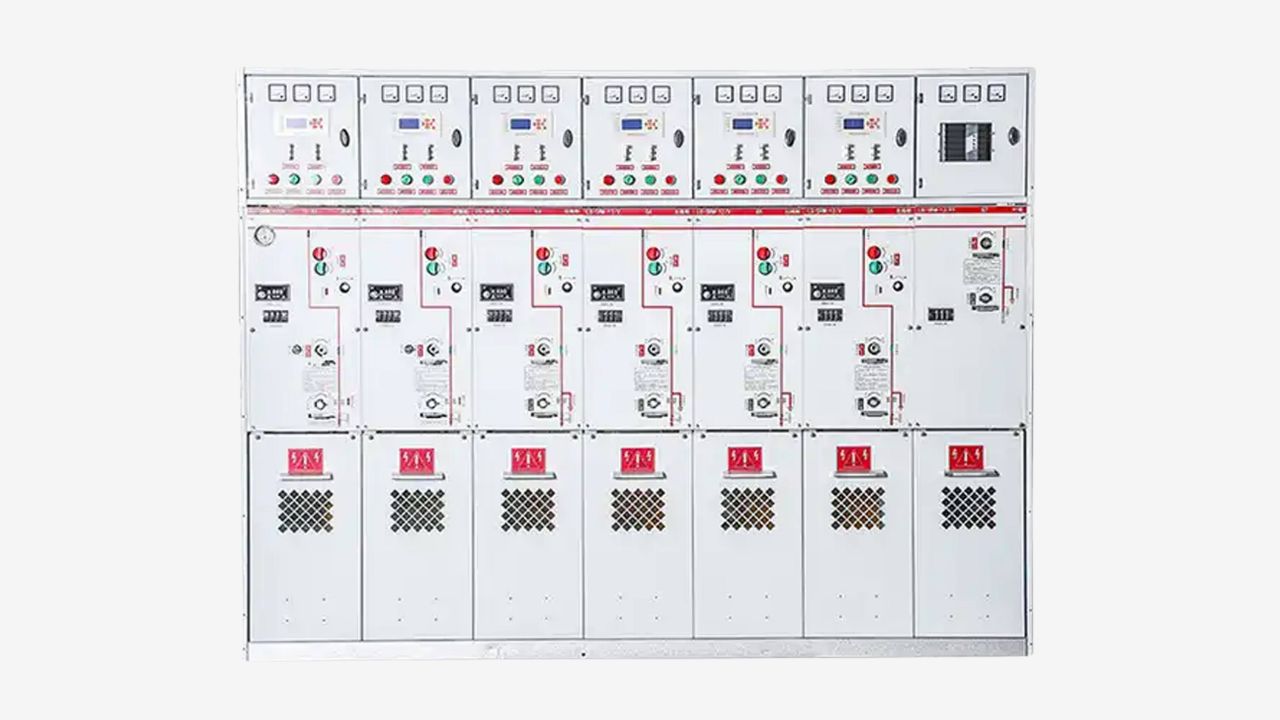
| Parâmetro | AIS | SIG |
| Isolamento | Ar | gás SF₆ |
| Projeto | Aberto, visível | Selado, compacto |
| Custo | Mais baixo | Mais alto |
| Instalação | Mais devagar | Mais rápido |
| Manutenção | Freqüente | Mínimo |
| Confiabilidade | Varia conforme o ambiente. | Consistente |
| Pegada | Grande | Pequeno |
| Vida útil | 30-40 anos | 40-50 anos |
| Ideal para | Rural, ao ar livre | Locais urbanos e inóspitos |
Painéis de distribuição isolados a ar versus painéis isolados a gás — qual escolher?
Sua escolha depende do orçamento, do ambiente e do espaço disponível. Se você tiver área suficiente, clima ameno e um orçamento limitado, as espécies aquáticas invasoras (EAI) têm um bom desempenho a baixo custo. Você precisará fazer manutenção extra, mas a economia compensa.
Se o espaço for limitado, escolha o GIS para subestações urbanas, instalações internas ou plataformas offshore. Se o seu local estiver exposto à maresia costeira, areia do deserto ou altitudes elevadas, o GIS elimina os riscos ambientais. Apesar do investimento inicial maior, o GIS é a melhor opção para projetos que priorizam confiabilidade a longo prazo e baixa manutenção.
Adquira seus painéis elétricos personalizados com a KDM Steel.
Aço KDM Sabemos que cada trabalho é diferente e tem suas próprias necessidades. Oferecemos painéis de distribuição e disjuntores Opções personalizadas para atender às suas necessidades, seja um AIS econômico para o crescimento rural ou um GIS para infraestrutura urbana que ocupe menos espaço. Queremos que você... contato Nossa equipe entrará em contato imediatamente para fornecer um orçamento e discutir o seu projeto.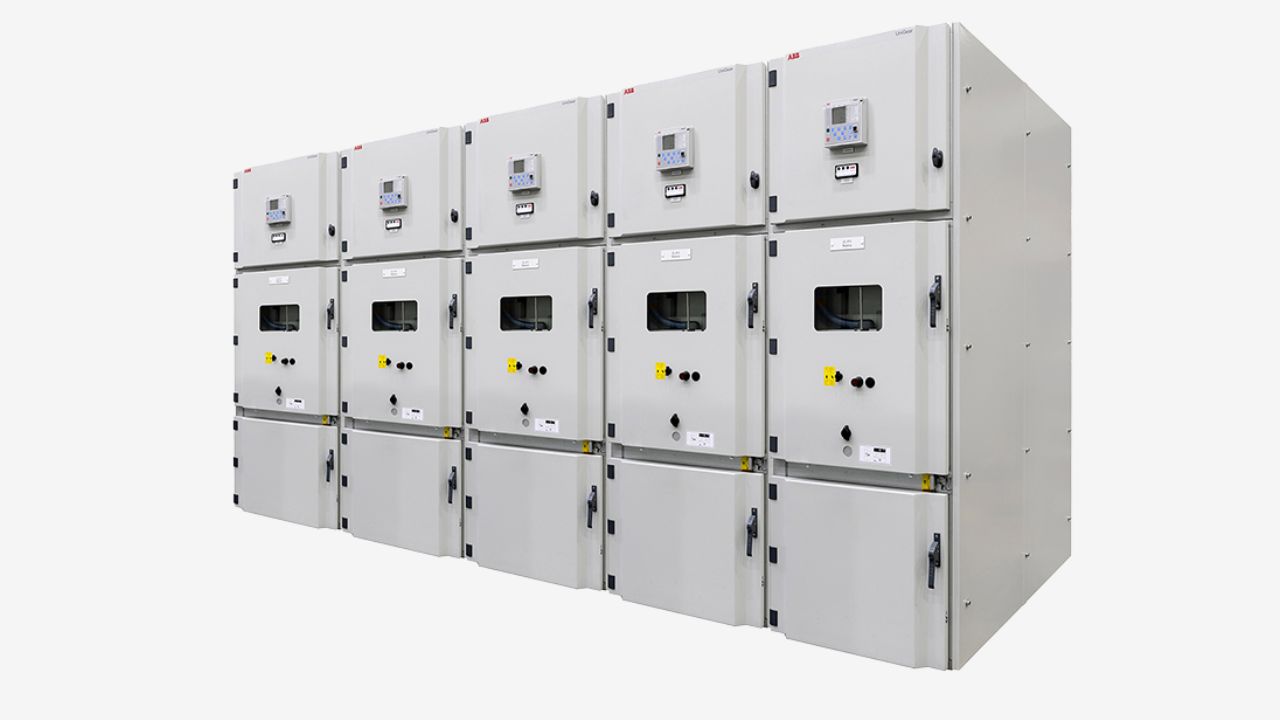
Perguntas frequentes
O SIG é sempre mais confiável que o AIS?
Na verdade não, mas o SIG é menos propenso a falhas, uma vez que os efeitos ambientais foram eliminados. Desde que seja utilizado em ambientes internos e mantido limpo, o AIS pode ser tão eficaz quanto o SIG.
O gás SF₆ é prejudicial em sistemas GIS?
Geralmente, o SF₆ 6 não é tóxico e não inflama. No entanto, é um potente gás de efeito estufa, e a decomposição do arco elétrico produz resíduos tóxicos que devem ser manuseados com cautela.
Será que o GIS é capaz de substituir o AIS nas subestações atuais?
Naturalmente, os sistemas GIS tendem a ser menores, o que implica que podem ser utilizados em regiões pequenas. Ao fazer a transição, será necessário planejar os períodos de inatividade e gerenciar o compartimento de gás.
Quais são os riscos e os principais problemas dos sistemas AIS?
A exposição prolongada a ambientes poluídos, o contato com animais selvagens e a ferrugem contribuem para o risco de descargas elétricas em arcos elétricos. A facilidade de acesso a partes energizadas também aumenta a exposição das pessoas a esse tipo de descarga.
Temos alguma maneira de encontrar uma alternativa ao gás SF₆ em sistemas de armazenamento de energia geotérmica (GIS)?
Sim, já existem empresas que produzem GIS sem SF₆ 6, com interrupção a vácuo e proteção por ar limpo. Isso elimina as preocupações com estufas sem comprometer o desempenho compacto e confiável.
O SIG (Sistema de Informação Geográfica) é capaz de funcionar em condições ambientais adversas?
Sim, o SIG (Sistema de Informação Geográfica) é muito eficaz em áreas desérticas, regiões árticas, plataformas marítimas e terras altas. Caso o edifício esteja fechado, não haverá contaminantes externos que possam atingir o seu interior.
O que significa um sistema de comutação híbrido?
Os painéis elétricos híbridos contêm partes móveis com barramentos isolados a gás e a ar. Isso permite economizar dinheiro, facilitar a expansão dos barramentos e garantir a confiabilidade das funções essenciais.
O SIG (Sistema de Informação Geográfica) é melhor no monitoramento digital em comparação com o AIS (Sistema de Informação Geográfica)?
Sim, a maioria dos SIG (Sistemas de Informação Geográfica) no mundo moderno já está equipada com sensores para ajudar a manter uma vigilância constante. É mais difícil e caro implementar um monitoramento semelhante em SIA (Sistemas de Informação Geográfica) depois que o incidente já ocorreu.
 Portuguese
  English
  Arabic
  French
  Spanish
  Russian
  Japanese
  Korean
  Indonesian
  Chinese