


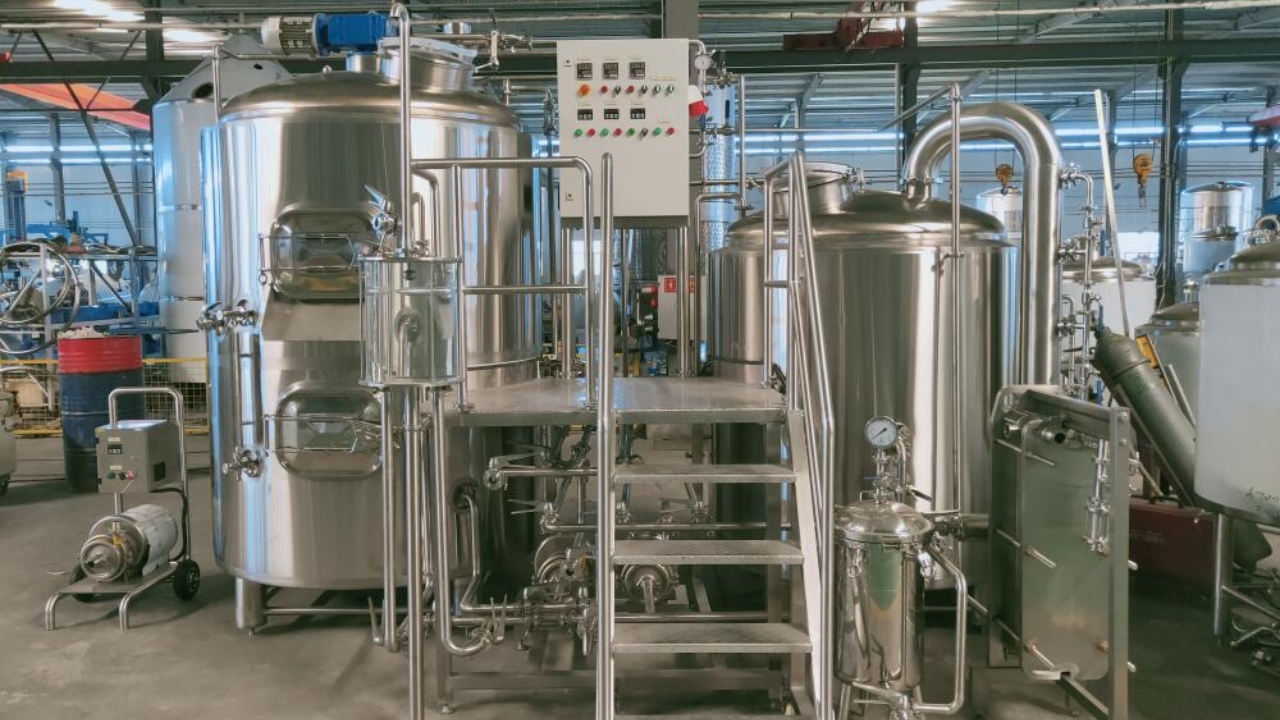
Você precisa escolher o equipamento agora, pois a eficiência e a qualidade da sua cerveja nos próximos anos serão influenciadas pelo equipamento que você escolher agora, seja para expandir sua cervejaria artesanal ou projetar uma nova sala de brassagem. Como são utilizados simultaneamente, suas funções são completamente diferentes. Este artigo ajudará você a diferenciar um tanque de água quente de uma tina de mostura e a escolher a opção mais adequada às suas necessidades.
O que é um tanque de bebidas quentes?
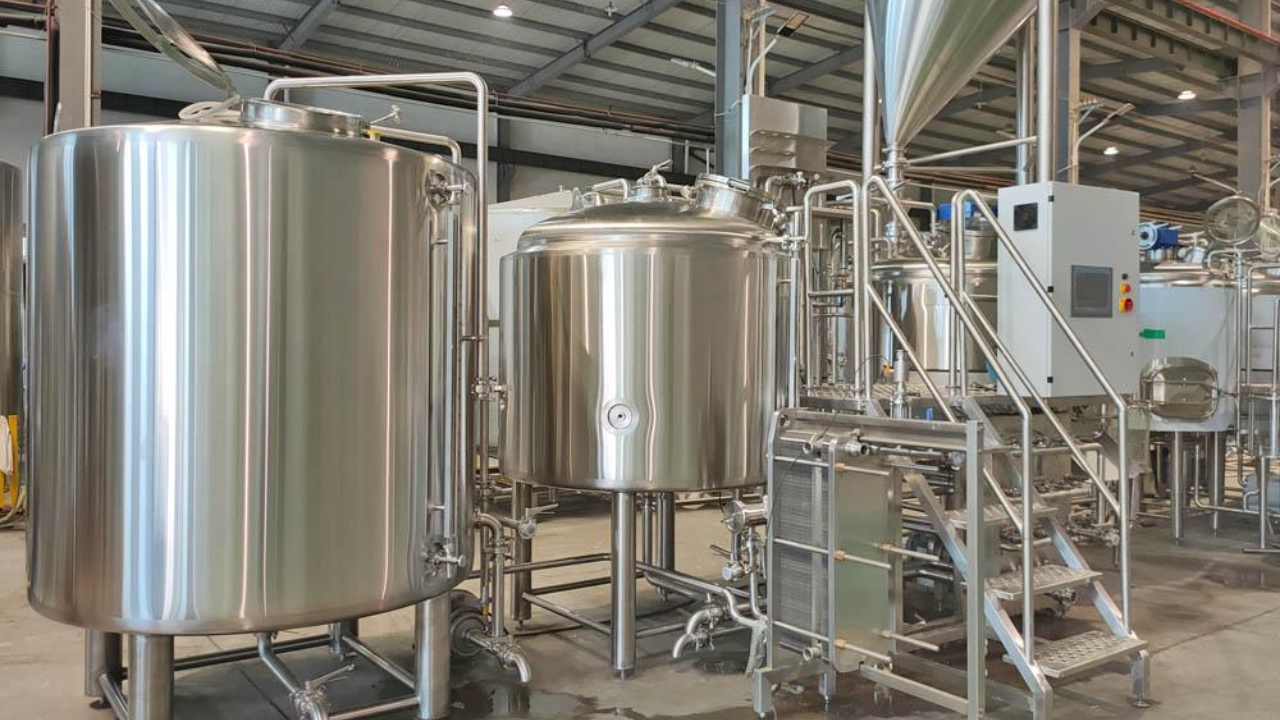
Sua cervejaria possui seu próprio tanque de gerenciamento de água, conhecido como Tanque de Água Quente (HLT). A água utilizada na produção de cerveja é chamada de líquido. Ele serve apenas para aquecer e manter a água em temperaturas específicas, geralmente em torno de 170°C. oF (77 oC) durante a lavagem dos grãos. Um tanque de água quente (HLT) bem projetado permite aquecer a água de mostura e armazenar a água de lavagem simultaneamente, possibilitando a obtenção do volume e da estabilidade de temperatura necessários para cervejas consistentes.
O que é uma tina de mostura?
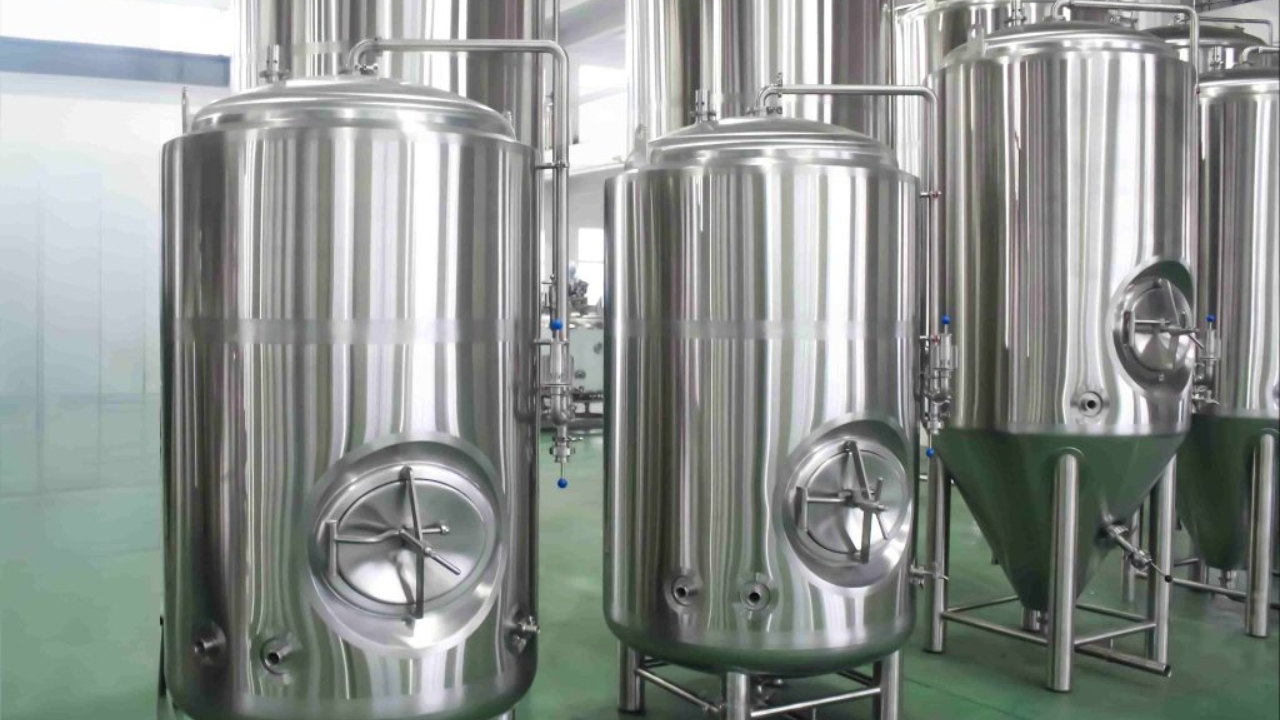
A cuba de mostura é o local onde ocorre a reação química. Você despeja a água quente da mostura, que está no tanque de água quente, na cuba de mostura e a mistura com o grão moído (grist). Essa mistura é preparada para manter essa consistência pastosa, conhecida como mosto, a uma temperatura constante (geralmente entre 145 °F e 145 °C). oF e 158 oF) catalisar enzimas que transformam o amido dos grãos em açúcares fermentáveis. É o núcleo da sua cervejaria e define a base do sabor e do corpo da sua cerveja.
As 10 principais diferenças entre o tanque de água quente e a tina de mostura
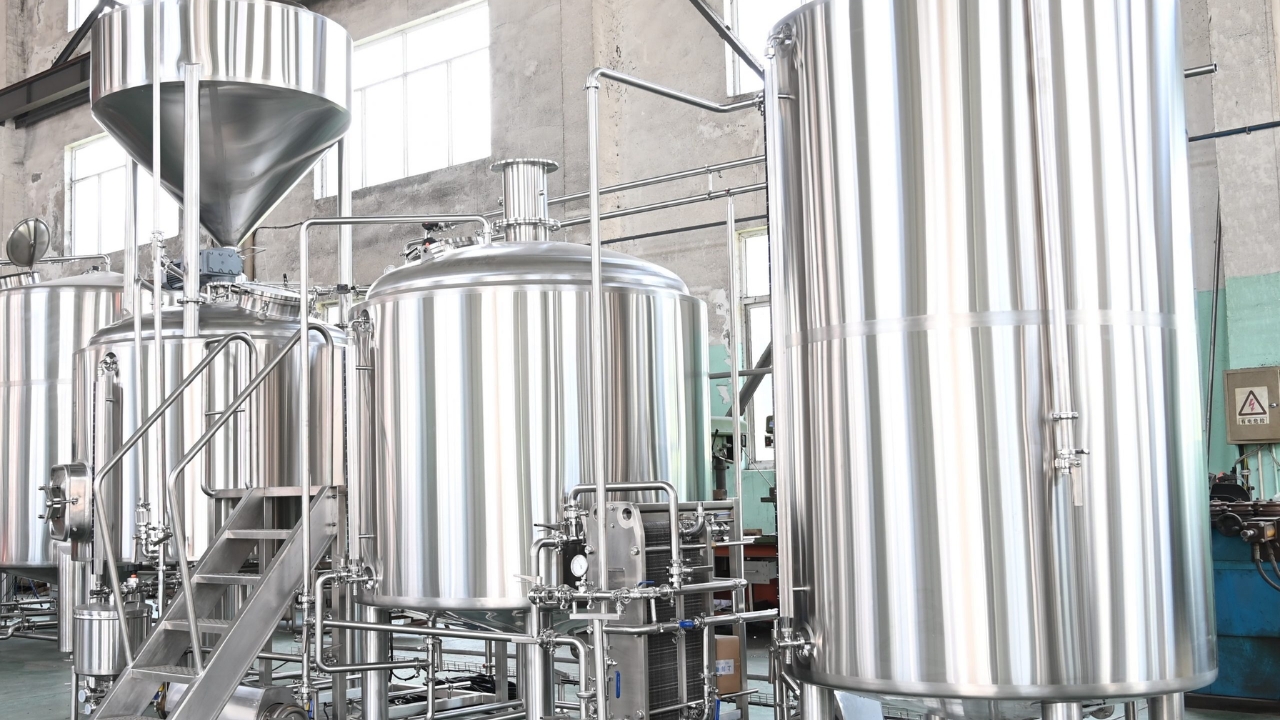
1. Propósito Fundamental
Tanque de líquido quente (HLT)
O tanque de líquido quente (HLT) É um reservatório e aquecedor de água preciso. Considere-o como um sistema de suporte. Ele garante que a quantidade necessária de água, na temperatura adequada, esteja disponível na quantidade exata exigida para o processo de maceração e filtração. Não reage com os grãos ou o açúcar; simplesmente controla a água, que é responsável por essas reações.
Mash Tun
Mash Tun É um reator bioquímico. Trata-se do processo físico de mistura de malte e água para produzir o mosto. Seu objetivo é possibilitar a transformação enzimática do amido em açúcares, o que influencia a fermentação, o teor alcoólico e a sensação na boca.
2. Papel no fluxo do processo de fabricação de cerveja
Tanque de Líquido Quente (HLT)
O HLT (tanque de água quente) é utilizado no início e no meio do ciclo de brassagem. Inicialmente, ele alimenta a tina de mostura com a água de maceração. Posteriormente, durante o processo de lavagem, a água utilizada para remover o bagaço do malte é transferida para o tanque. Ele funciona como um recipiente de entrada, fornecendo água para os demais componentes do sistema.
Mash Tun
A etapa inicial de processamento, que está ativa, é a cuba de mostura. Nela, os insumos (grãos e água) são transformados na base da sua cerveja (mosto açucarado). Assim que a mostura é concluída e a filtração começa, o mosto sai da cuba de mostura para seguir para a fervura, concluindo-se assim sua função principal.
3. Interação com a água versus grãos
Tanque de água quente (HLT)
Este tanque é um tanque limpo. Ele armazena apenas água. Não contém nenhuma substância orgânica em seu interior e, portanto, geralmente é fácil de limpar, e não ocorre extração de taninos ou desnaturação enzimática em suas paredes. Não contém detritos de grãos nem resíduos de açúcar.
Mash Tun
Este tanque é usado para trabalhos pesados. Ele está cheio de cascas de grãos, amido e líquido. O contato físico, neste caso, é extremo; o cervejeiro precisa garantir que a água flua uniformemente para que não haja grumos de massa (áreas secas de farinha) e que a temperatura no leito de grãos seja bastante uniforme para que todo o grão seja fermentado por igual.
4. Foco na temperatura versus conversão química
Tanque de água quente (HLT)
É tudo termodinâmico. É preciso manter uma grande quantidade de água a uma determinada temperatura com variação mínima. Por exemplo, a água de lavagem deve estar quente o suficiente para remover os açúcares (aproximadamente 168-170 °C). oF) mas não tão quente a ponto de remover os taninos adstringentes das cascas dos grãos durante a lavagem.
Mash Tun
O foco é bioquímico. Embora o controle da temperatura também seja importante, ele representa um fim em si mesmo, que é a conversão enzimática. A mosturação a 65 °C (149 °F) favorece o uso da beta-amilase em um mosto mais fermentável, enquanto a mosturação a 69 °C (156 °F) favorece o uso da alfa-amilase em um mosto mais encorpado. A cuba de mosturação cuida do futuro químico da cerveja.
5. Características de design
Tanque de Líquido Quente (HLT)
O tanque de água quente (HLT) foi projetado para ser termicamente eficiente e ter o volume controlado. Ele se caracteriza por um isolamento espesso (que pode ser de poliuretano ou lã mineral) para manter a temperatura com uma pequena perda de energia. Possui visores de nível integrados para indicar o volume correto., Tanques CIP (limpeza no local) e bolas de pulverização para esterilizar, e o encaixe do sensores de temperatura. O aquecimento pode ser fornecido por meio de unidades de imersão elétrica ou geradores de vapor líquido, dependendo do seu sistema.
Mash Tun
Seu tanque de mostura foi projetado para ser interativo e filtrar. Os modelos comerciais possuem um fundo falso com orifícios cortados a laser (aproximadamente 1,5 mm) para reter as cascas dos grãos e permitir a passagem do mosto límpido. Muitos deles contam com um macerador de aço ou rastelos rotativos para misturar o grão com a água e evitar a formação de grumos. Os sistemas mais avançados podem ser inclinados e possuir um dreno central para eliminar espaços mortos onde o mosto açucarado possa ficar retido.
6. Interação física com os materiais de fabricação de cerveja
Tanque de água quente (HLT)
Não há interação física. O tanque de água quente (HLT) é passivo. Ele simplesmente armazena água. Não entra em contato com o grão nem altera a composição química do líquido, a não ser para aquecê-lo. Essa separação é intencional, pois a fonte de água é mantida limpa para evitar contaminação ou transferência de sabor entre lotes.
Mash Tun:
Este é o trabalho manual ou mecânico que ocorre aqui. Você adiciona o grão moído à água ali, completando com água. Uma maceração gradual misturaria qualquer gradiente de temperatura. O leito de grãos funciona como um filtro durante a filtração. Caso você tenha um tanque de filtração dedicado ou um recipiente para mistura, pode usar rastelos para cortar o leito de grãos, delicadamente, a fim de manter o fluxo.
7. Cronometragem do Processo
Tanque de água quente (HLT)
O sistema HLT baseia-se no princípio do "just-in-time", mas pressupõe planejamento prévio. Muitos cervejeiros aquecem o mosto durante a noite para poderem iniciar a mosturação às 7h da manhã. O HLT mantém a água de lavagem em reserva a 77°C (170°F). oC (77 oC) Uma ou duas horas depois, você estará pronto para enxaguar o leito de grãos. Possui um longo ciclo de trabalho intermitente.
Mash Tun
A cuba de mostura opera em um cronograma rigoroso. O repouso da mostura normalmente leva entre 60 e 90 minutos, período em que ocorre a conversão enzimática. Em seguida, vem a filtração, que requer entre 90 minutos (para uma ale normal) e mais de oito horas (para cervejas escuras e viscosas com uma camada de grãos mais espessa). A velocidade do seu dia de produção é determinada pela cuba de mostura.
8. Estágio de Saída
Tanque de água quente (HLT):
O resultado é simplesmente água quente. Durante a primeira etapa, a água de maceração é transferida para o tanque de mostura. Na segunda etapa, a água de lavagem é liberada para o tanque de mostura/filtração. Ela não produz o líquido que vai para a panela de fervura; simplesmente fornece o meio (água) a ser utilizado nas outras etapas.
Mash Tun:
O produto nesta fase é o mosto, o líquido adocicado que será a futura cerveja. Inicialmente, o mosto é turvo devido à presença de proteínas e partículas finas. Este mosto (vorlauf) é recirculado pelos cervejeiros até ficar límpido. Após a clarificação, o mosto é bombeado ou drenado para a caldeira de fervura. Os grãos usados são deixados para trás, sendo descartados (manualmente ou com rastelos) e utilizados como ração para o gado.
9. Natureza Necessária e Opcional
Tanque de água quente (HLT)
Cervejarias profissionais possuem esse recurso, embora um tanque de água quente (HLT) seja opcional, dependendo da instalação. Cervejarias com orçamentos menores aquecem a água diretamente na tina de mostura ou em um reservatório temporário (a caldeira de fervura). Infelizmente, esse método aumenta o tempo do ciclo de produção (especialmente quando o trocador de calor está sobrecarregado com vários lotes em um único dia) e desperdiça energia por não reciclar a água quente. Os tanques de água quente são necessários para a eficiência na maioria das operações comerciais.
Mash Tun
O recipiente será absolutamente indispensável. Uma tina de mostura é necessária para a produção do mosto. Mesmo na produção de cerveja com extrato (onde se utiliza xarope de malte), será necessário um recipiente para a maceração. A produção de cerveja com grãos (all-grain) exige o uso da tina de mostura. A única diferença reside na escolha entre usar uma tina combinada de mostura e filtração ou recipientes separados para cada etapa.
10. Integração de Sistemas
Tanque de água quente (HLT)
O HTL é compatível com quase todos os outros componentes da sua cervejaria. Sua função é alimentar a tina de mostura, conectar-se ao trocador de calor para obter água quente reciclada e alimentar o... tanque CIP Para limpar. Em sistemas mais complexos, o tanque de água quente (HLT) é sifonado diretamente para um coletor de distribuição com tubulação rígida, e você pode direcionar a quantidade de água quente que desejar, simplesmente girando uma válvula. É o centro da área de utilidades da cervejaria.
Mash Tun
O funil de mostura está conectado diretamente ao tanque de água quente (que recebe a água de maceração e lavagem) e à panela de fervura (que envia o mosto). Ele também pode ser conectado a um reservatório (para pré-fermentação) ou a um sistema de monitoramento de temperatura. painel de controle. É mais linear em sua integração - ocorre entre a cadeia de produção, pois recebe entrada do HLT e envia os produtos para a caldeira.
Tabela Resumo: Tanque de Água Quente vs. Cuba de Mostura
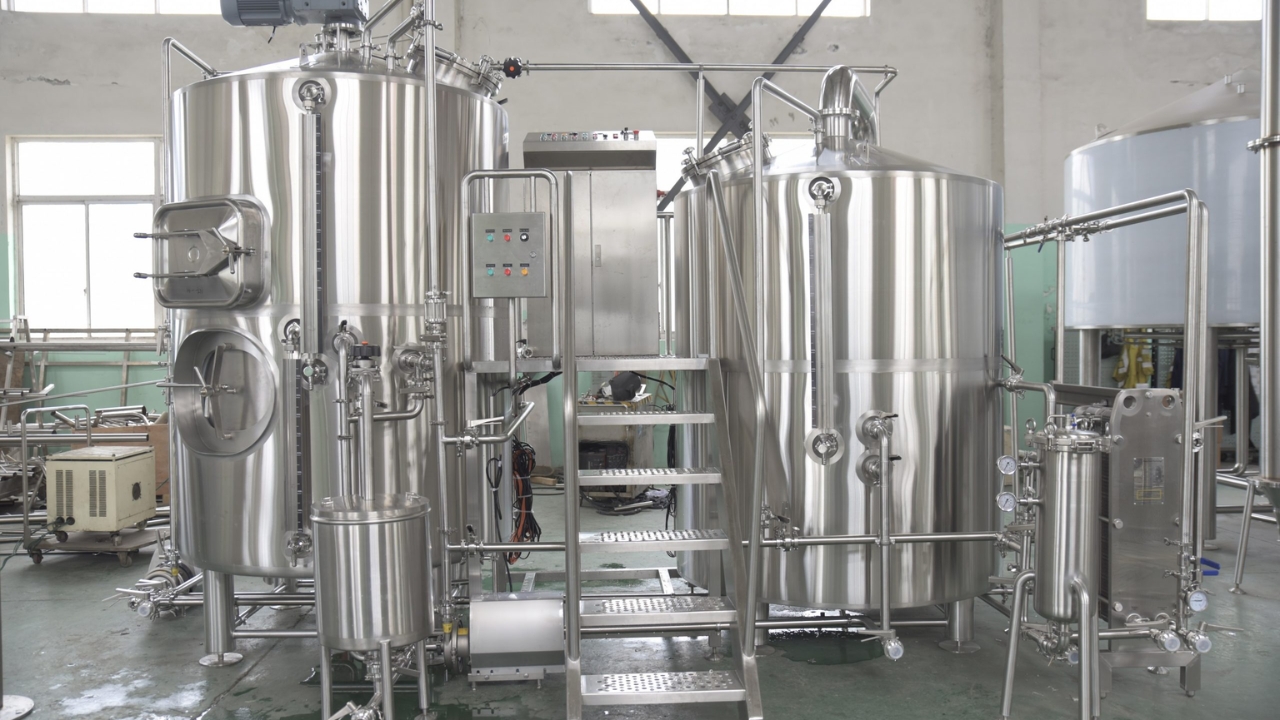
| Recurso | Tanque de água quente (HLT) | Mash Tun |
| Função principal | Aquece e armazena a água utilizada na fabricação de cerveja. | Converte amidos de grãos em açúcares. |
| Interação de Materiais | Somente água | Água + grãos moídos (grãos moídos) |
| Foco no processo | Estabilidade térmica (manutenção de temperatura) | Conversão bioquímica (atividade enzimática) |
| Saída | Água quente de lavagem/espuma | Mosto doce (enviado para a chaleira de fervura) |
| Características de design | Isolamento, visor de nível, elementos de aquecimento | Fundo falso, ancinhos, porta de grãos |
| Necessidade | Opcional, mas recomendado para maior eficiência. | Obrigatório para a produção de cerveja com grãos integrais. |
| Cronometragem do processo | Pré-aquecimento e modo de espera durante a lavagem | 60–90 min de descanso da mostura + tempo de lauterização |
| Função do sistema | Centro de distribuição de água (fornece água) | Núcleo de produção (cria o mosto) |
Tanque de água quente versus tanque de mostura – qual escolher?
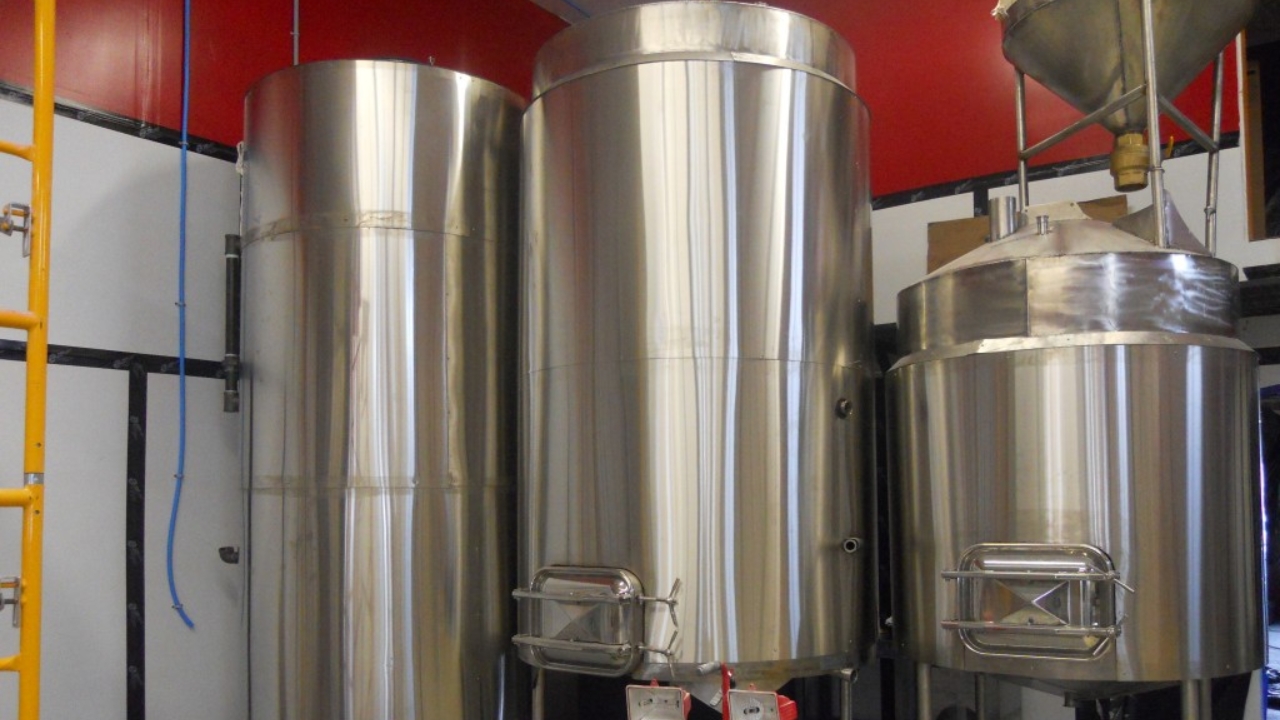
Você não escolhe entre eles; você escolhe como configurá-los. Toda cervejaria comercial que utiliza grãos em larga escala precisa de ambos. É a escolha certa para a configuração da sala de brassagem. Quando você estiver otimizando a produção e precisar programar vários lotes por dia, invista em um tanque de água quente (HLT) específico, bem isolado e com alta capacidade (geralmente 1,5 vezes o tamanho do seu tanque de mostura).
Ao começar pequeno, por exemplo, com uma nanocervejaria e um orçamento reduzido, você pode ter que usar sua chaleira de fervura provisoriamente para aquecer a água, mas precisará adicionar um tanque de água quente (HLT) à medida que crescer. Uma tina de mostura de alta qualidade, com bom controle de temperatura e fundo falso, deve ser a prioridade máxima — este é o equipamento que definirá diretamente a qualidade da extração do açúcar e, consequentemente, a lucratividade a longo prazo.
Tanque de água quente e cuba de mostura personalizados pela KDM Steel
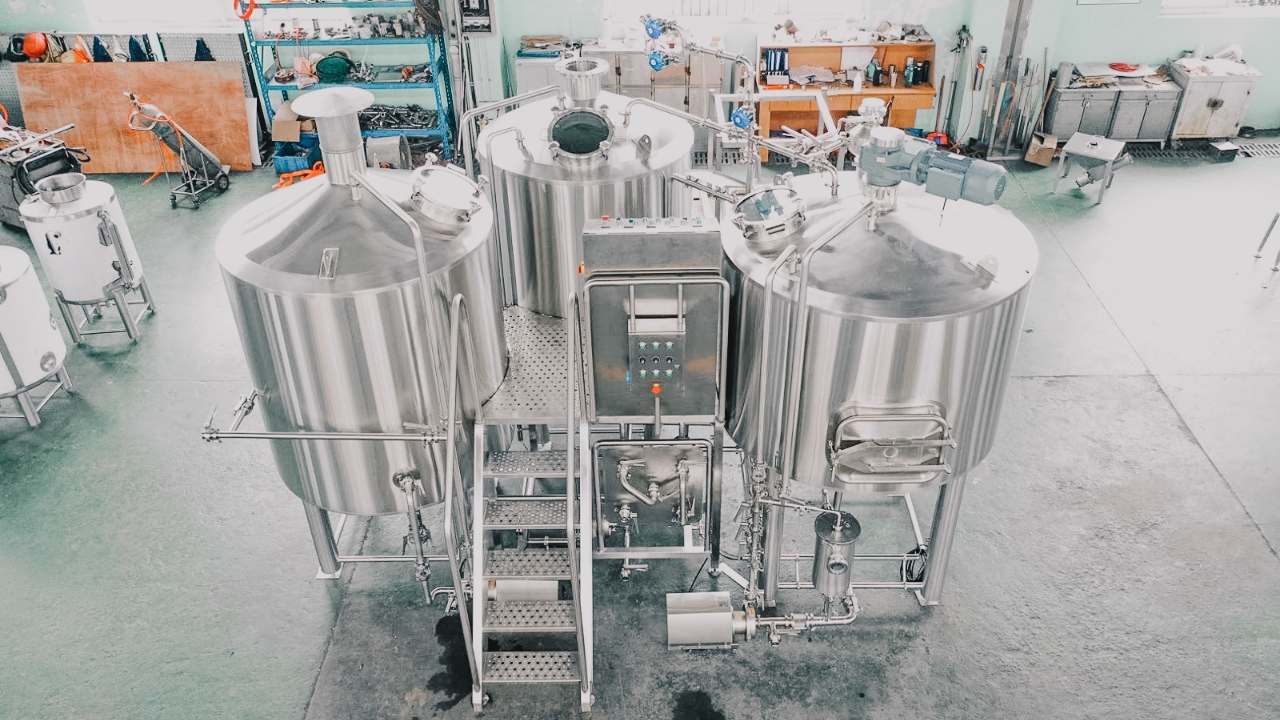
Aço KDM fabrica sob medida tanques de aço inoxidável De acordo com as especificidades da sua cervejaria, você pode precisar de um tanque de água quente vertical que economize espaço, ou de um tanque de mostura com um design específico de fundo falso. Oferecemos soluções em aço inoxidável 304 de qualidade alimentar com controle preciso de temperatura. Contate-nos e descubra mais sobre as necessidades da sua cervejaria.
Perguntas frequentes
É possível aquecer diretamente uma tina de mostura, sem o uso de um tanque de água quente para controlar a temperatura?
Sim. A mosturação por etapas pode ser aquecida diretamente em tanques de mostura com camisa de vapor. Durante a recirculação, os sistemas elétricos RIMS também são capazes de aquecer. No entanto, a queima direta pode reduzir os grãos a cinzas. A maioria das cervejarias utiliza água de tanques de água quente (HLT) para a mosturação, seguida de isolamento térmico.
Existe algum mosto armazenado em um recipiente HLT?
Não. O tanque de água quente (HLT) é apenas para água. Seria péssimo manter mosto na sua água potável. O mosto é bombeado diretamente para a panela de fervura.
A lavagem do mosto é sempre feita na tina de mostura?
Não. Três tanques operam com uma tina de mostura e uma tina de filtração separadas. Isso permite a filtração e a mosturação simultaneamente, aumentando a capacidade de produção da cervejaria.
A temperatura de mosturação influencia o sabor da cerveja?
Sim. Temperaturas reduzidas (65 °C) produzem cervejas secas e com alto teor alcoólico. Temperaturas elevadas (69 °C) retêm os açúcares não digeridos, resultando em maior corpo e doçura. A precisão é fundamental.
A temperatura da água de mostura influencia a temperatura da tina de mostura?
Sim. Se estiver muito frio, não há como converter enzimas. Se estiver muito quente, as enzimas ficam inativas. A temperatura correta do tanque de água quente é a base da sua mostura.
A temperatura inadequada de maceração influencia o desempenho do mosto?
Sim. Os açúcares são retidos pela água fria de lavagem. Os taninos são removidos pela água quente de lavagem (acima de 77 graus Celsius), produzindo sabores adstringentes. Uma temperatura constante no tanque de água quente garante o desempenho e a qualidade.
É possível usar água engarrafada em um tanque de água quente (HLT) na produção de determinadas cervejas?
Sim. Muitos cervejeiros ajustam a química da água para obter o estilo ideal. Antes de aquecer, basta fazer algumas alterações nos minerais para evitar a formação de incrustações nos elementos de aquecimento.
 Portuguese
  English
  Arabic
  French
  Spanish
  Russian
  Japanese
  Korean
  Indonesian
  Chinese