


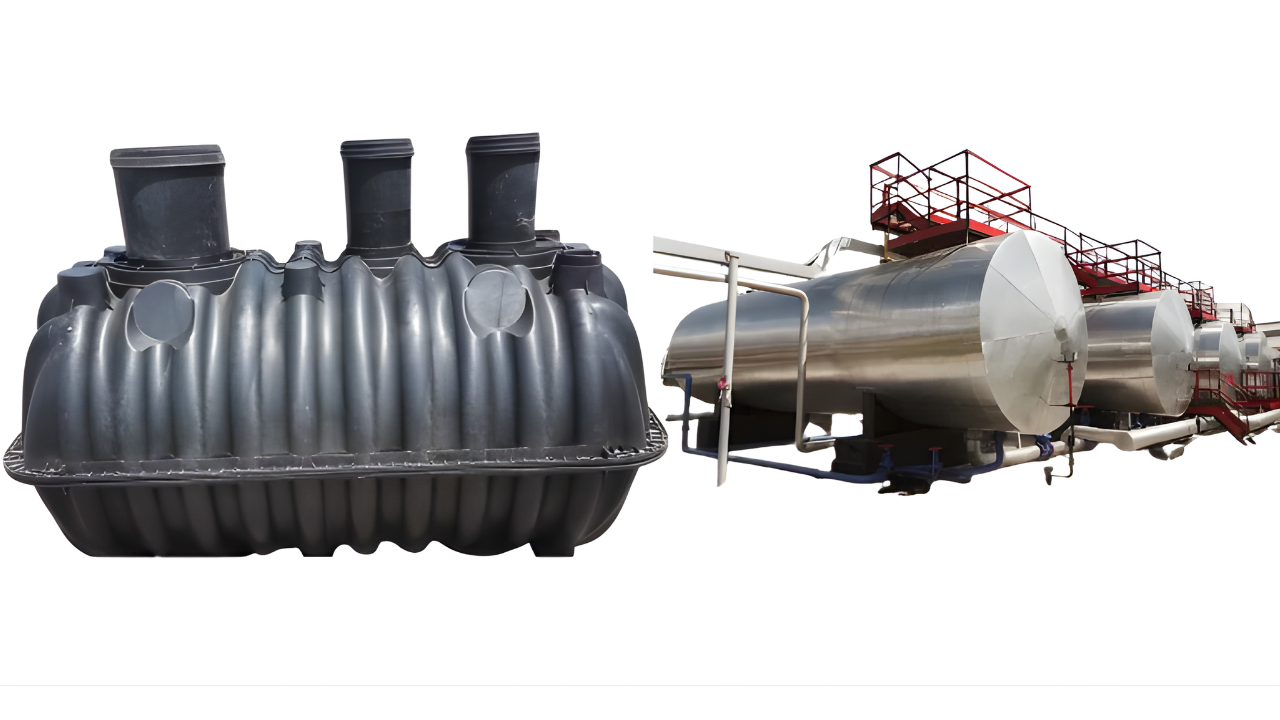
Você está em dúvida sobre o tipo de tanque que precisa? É um tanque industrial ou para esgoto? Ambos parecem ser necessários. tanques de armazenamento de aço inoxidável. Se você instalar o tanque errado, poderá ser reprovado em uma auditoria da FDA ou ter que pagar US$ 40% a mais por recursos que sua empresa química não precisa. Este guia compara os dois tipos de tanques para garantir que você selecione o tanque adequado às suas necessidades.
O que é um tanque sanitário?
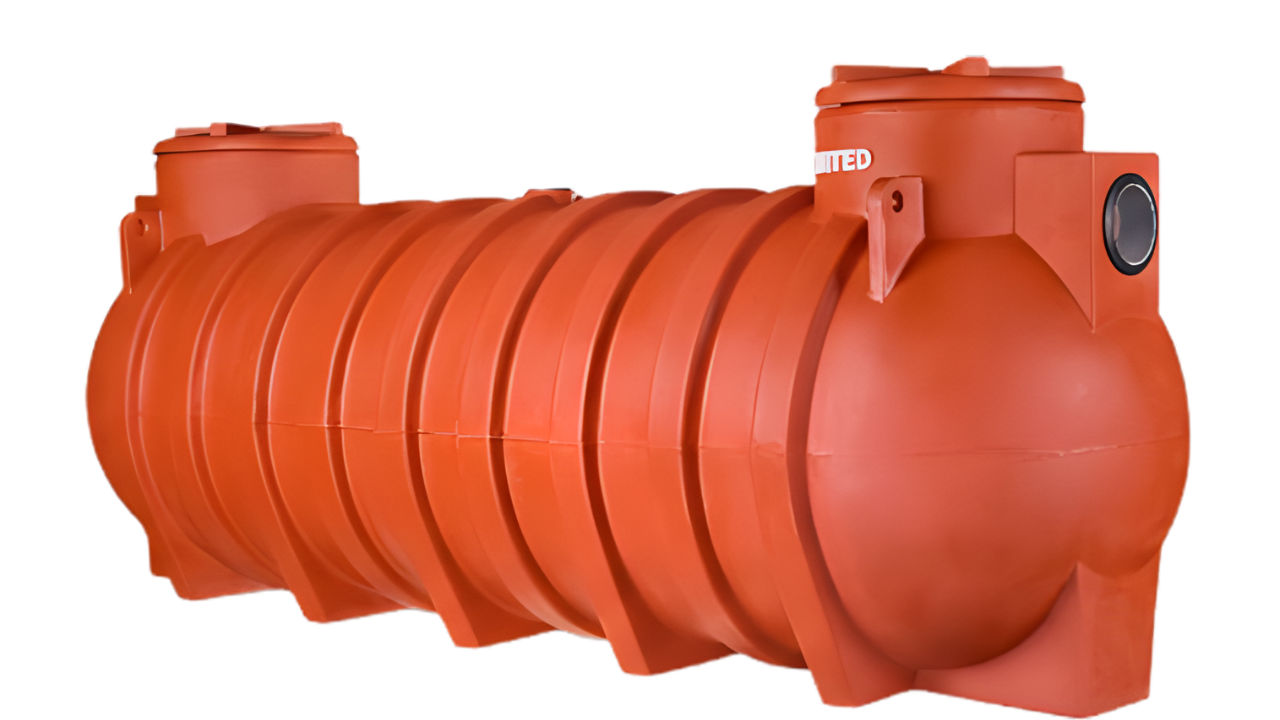 Tanques sanitários são recipientes fechados projetados para bioprocessamento e para o armazenamento de alimentos e bebidas. Possuem soldagem lisa, acabamento interno com rugosidade Ra < 0,8 µm e drenagem completa. O fato de atenderem aos padrões sanitários 3A ou ASME-BPE significa que não retêm germes. São utilizados para armazenar leite, cerveja, vacinas e bebidas para consumo oral.
O que é um tanque industrial?
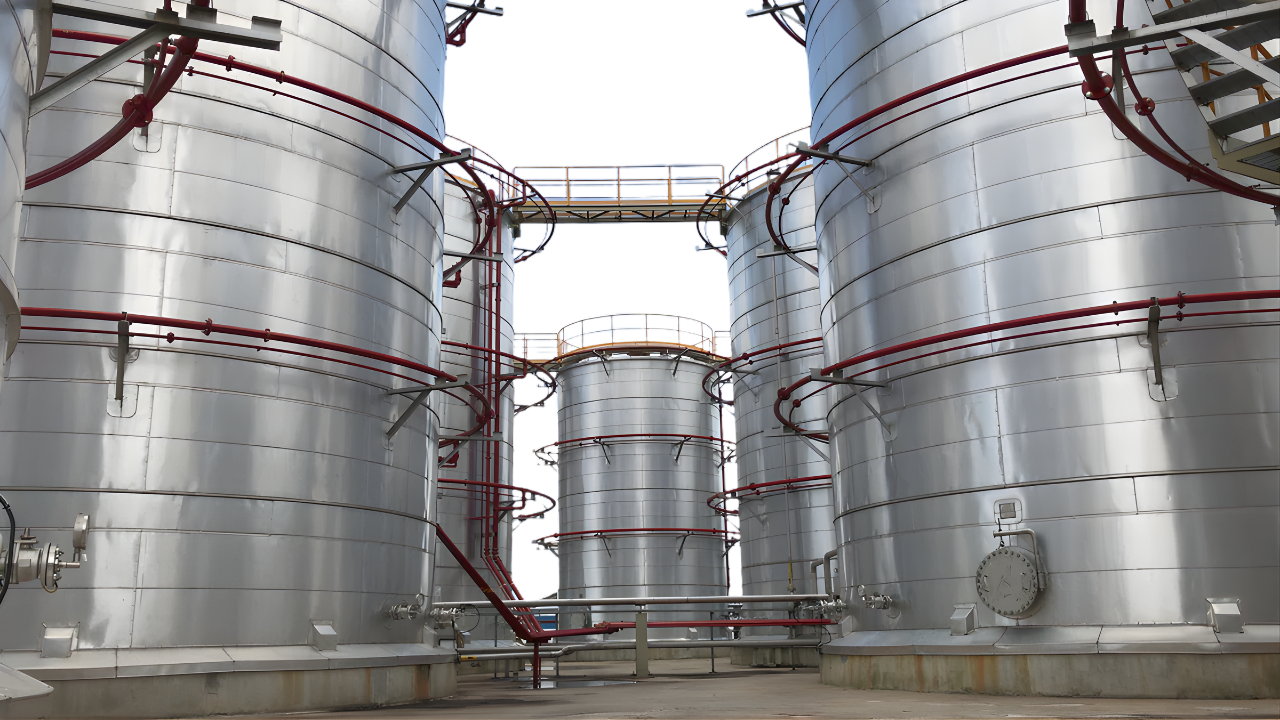
Um tanque industrial é um recipiente robusto projetado para armazenar ou manusear produtos químicos, água, óleo ou produtos intermediários. A esterilidade já não é tão importante quanto a resistência e a durabilidade. O aço carbono ou o aço inoxidável 304/316, mais resistente, são frequentemente utilizados, e o polimento eletrolítico raramente é necessário. Considere aplicações como o armazenamento de ácido, o tratamento de efluentes ou o armazenamento de combustível.
As 10 principais diferenças entre tanques sanitários e tanques industriais.
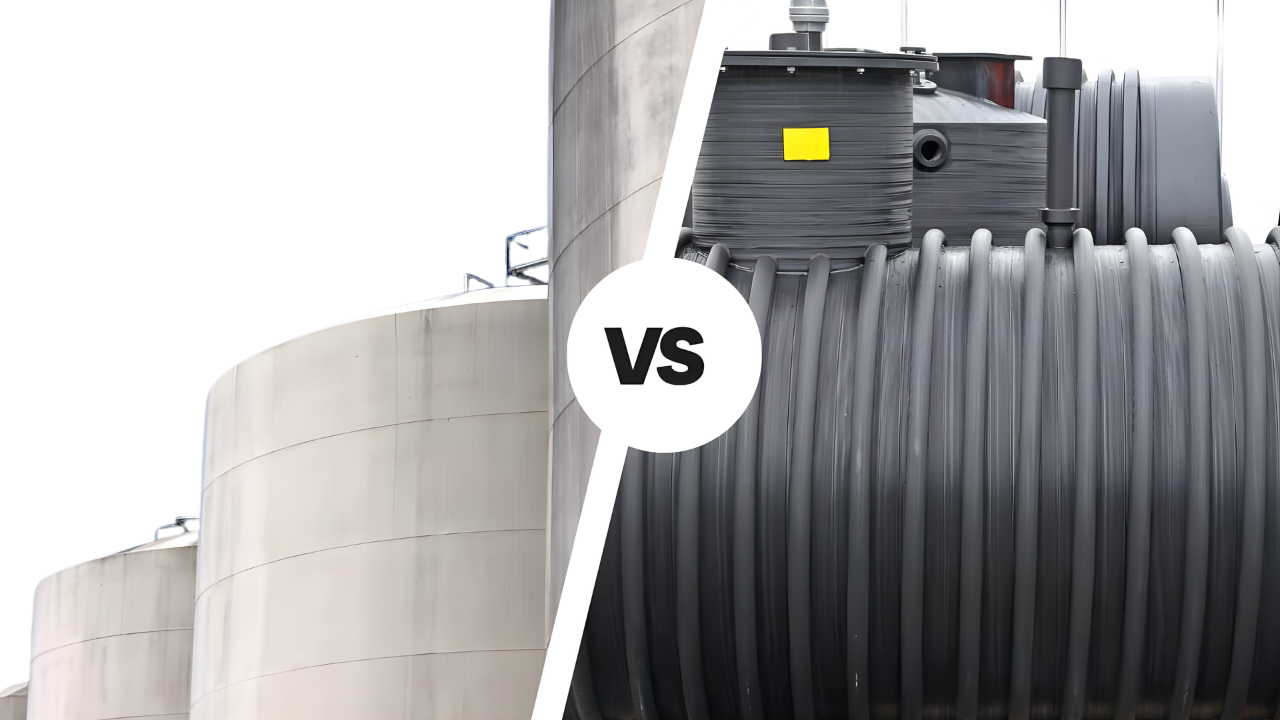
1. Finalidade e Aplicação
Tanques sanitários
Destinados ao consumo humano ou contato parenteral. São utilizados em biorreatores, água para injeção (WFI), fermentação e Tanques CIP ou SIP. Para prevenir o crescimento microbiano, todas as soldas internas são lixadas até ficarem niveladas.
Tanques industriais
Construído para resistir ao desgaste. Aqui são armazenados produtos químicos brutos, óleo ou água de processo intermediário. Como o risco de biofilme não é um fator ao trabalhar com hidróxido de sódio ou óleo líquido, o acabamento da superfície geralmente é um acabamento de fábrica (2B ou 2D).
2. Requisitos de Higiene e Limpeza
Tanques sanitários
Para estes testes, é necessário que não haja pontos mortos ou círculos com raio de curvatura. As gotas devem poder sair pelo bocal de saída sem se acumularem quando o tanque estiver inclinado. A presença de rachaduras não é aceitável. Todas as superfícies internas devem permitir fácil acesso dos produtos de limpeza.
Tanques industriais
Essas estruturas geralmente têm laterais planas, bocas de visita aparafusadas e reforços externos que acumulam poeira. Isso é aceitável em uma fábrica, mas perigoso em uma sala limpa. A drenagem estrutural para manutenção é mais importante do que a limpeza microbiológica.
3. Seleção de Materiais
Tanques sanitários
Na maioria das vezes, utiliza-se apenas aço inoxidável 304L ou 316L. O baixo teor de carbono mantém a pureza da solda e a torna resistente à corrosão. É necessário um certificado de aprovação do material que permita rastrear a origem até a usina. Para garantir a segurança do cliente contra contaminação por metal, você escolhe a classe do aço.
Tanques industriais
Geralmente se utiliza aço carbono revestido com borracha ou resina. Para proteção contra fissuras por tensão induzidas por cloretos, o aço inoxidável duplex é frequentemente usado. Também é possível usar o aço 316L, mas a escolha se baseia em sua resistência a produtos químicos e na pressão que ele suporta, e não em normas de segurança alimentar.
4. Acabamento da superfície
Tanques sanitários
Medições de rugosidade média (Ra) mostram que espaços sanitários precisam ser polidos mecanicamente para menos de 0,8 µm. Diversas normas exigem eletropolimento até um nível de 0,4 µm. A presença de bactérias em áreas rugosas facilita sua limpeza. O polimento elimina esses esconderijos para bactérias.
Tanques industriais
Normalmente, essas peças mantêm um acabamento de laminação 2B ou melhor, o que significa que possuem uma espessura natural de cerca de 0,5 µm após a laminação. Ignore os germes. O que importa é a taxa de fluxo, o acúmulo de carepa e a taxa de corrosão ao longo de muitos anos de uso.
5. Integração de Sistemas de Limpeza e Sanitização (CIP/SIP)
Tanques sanitários
Adicionamos conexões sanitárias, esferas de pulverização e laterais inclinadas especificamente para limpeza no local (CIP). A indústria biofarmacêutica sempre tem a possibilidade de utilizar a limpeza a vapor no local (SIP). Desde o início, o tanque foi projetado em torno do sistema de limpeza.
Tanques industriais
Ocasionalmente, inclua dispositivos de pulverização integrados. Durante as rotações, você pode usar uma mangueira para acessar o tanque ou inserir um jato de limpeza rotativo manualmente. Para garantir a consistência do processo, esses tanques priorizam a drenagem em relação à limpeza estéril entre os lotes.
6. Normas Regulamentares e de Segurança
Tanques sanitários
As normas 3-A, EHEDG e ASME-BPE são as que você deve consultar. Elas definem o comprimento máximo do trecho sem conexão, o raio permitido e as formas de fixação. O objetivo é proteger os consumidores. Para a venda de alimentos, bebidas e medicamentos, a conformidade é imprescindível.
Tanques industriais
As normas a seguir são a Seção VIII da ASME, a API 650 ou a UL 58/142. Essas normas abrangem aspectos como segurança contra incêndio, manutenção da pressão e ventilação. Não o consumidor final, mas sim o seu edifício e os seus funcionários estão protegidos contra explosões ou falhas catastróficas, de acordo com essas normas.
7. Características de design
Tanques sanitários
Observe as pernas externas. Você solicitou pernas tubulares lisas e polidas, sem qualquer travessa horizontal. Travessas não são permitidas porque acumulam sujeira. O fundo do tanque tem uma inclinação acentuada em direção à saída. Em todos os aspectos, a drenagem é priorizada em detrimento de elementos estruturais adicionais.
Tanques industriais
As pernas, feitas de vigas I ou perfis C, são geralmente parafusadas ou soldadas com travessas sólidas. Elas podem suportar enormes quantidades de peso. Seus objetivos de projeto são suportar forte agitação, carga de vento e estabilidade sísmica. Não importa se as pernas têm fossos de terra.
8. Válvulas, conexões e acessórios
Tanques sanitários
Você utiliza conexões Tri-Clamp (TC) juntamente com vedações de engate rápido. Não há roscas. Nem conexões de aperto. A vedação é feita contra a conexão Tri-Clamp e a parede do frasco. Retire a válvula, limpe-a e recoloque-a em minutos, sem a necessidade de ferramentas.
Tanques industriais
Você depende de juntas ranhuradas, conexões roscadas NPT ou conexões flangeadas (ANSI 150#). Os flanges são ótimos para movimentar produtos químicos sob alta pressão, mas não podem ser limpos internamente sem desmontar toda a tubulação.
9. Manutenção e Inspeção
Tanques sanitários
Para encontrar poros e fissuras em soldas, é necessário inspecioná-las com um boroscópio. Para restaurar a camada inativa, os riscos devem ser polidos imediatamente. Se o acabamento interno estiver muito desgastado para ser reparado, será necessário adquirir um novo recipiente. A aparência da superfície é crucial.
Tanques industriais
Você testa a espessura dos materiais com ondas ultrassônicas e procura por ferrugem. Rachaduras podem ser reparadas com massa epóxi ou revestimento metálico. O tanque opera até que o limite de corrosão seja atingido.
10. Considerações sobre instalação e custos
Tanques sanitários
A construção dessas máquinas exige muito trabalho. O uso de soldagem orbital e acabamento manual encarece bastante o preço por galão. Outras, no entanto, costumam ser menores, instaladas sobre plataformas e já com a tubulação pronta. Nesses casos, você não paga apenas pela matéria-prima; paga também pelo acabamento impecável e pela conformidade com as normas.
Tanques industriais
Soldas maciças em campo podem ser usadas para montar essas estruturas no local. O custo por unidade produzida é muito menor. Você move chapas, não vasos de pressão. O dinheiro no seu orçamento é para fundações e equipamentos de içamento, não para eletropolimento. soldagem de invólucro elétrico papelada.
Tanque sanitário versus tanque industrial
| Recurso | Tanque sanitário | Tanque industrial |
| Uso principal | Alimentos, Produtos Farmacêuticos, Biotecnologia | Produtos químicos, água, óleo |
| Acabamento interior | Ra <0,8 µm (Polido/EP) | 2B Moinho ou Inacabado |
| Soldas | Nivelamento do solo, orbital | Reforço aceitável |
| Drenagem | Fundo inclinado, sem ponto morto | Plano ou inclinado; pernas mortas são comuns. |
| Acessórios | ponteiras Tri-clamp | Flangeado ou roscado |
| Limpeza | Integrado CIP/SIP | Pulverizador manual ou mangueira |
| Padrões | 3-A, ASME-BPE, EHEDG | ASME VIII, API, UL |
| Custo | Alto ($/galão) | Moderado ($/galão) |
| Material | Aço inoxidável 304/316L | Aço carbono/aço inoxidável/aço revestido |
Tanque sanitário versus tanque industrial – qual escolher?
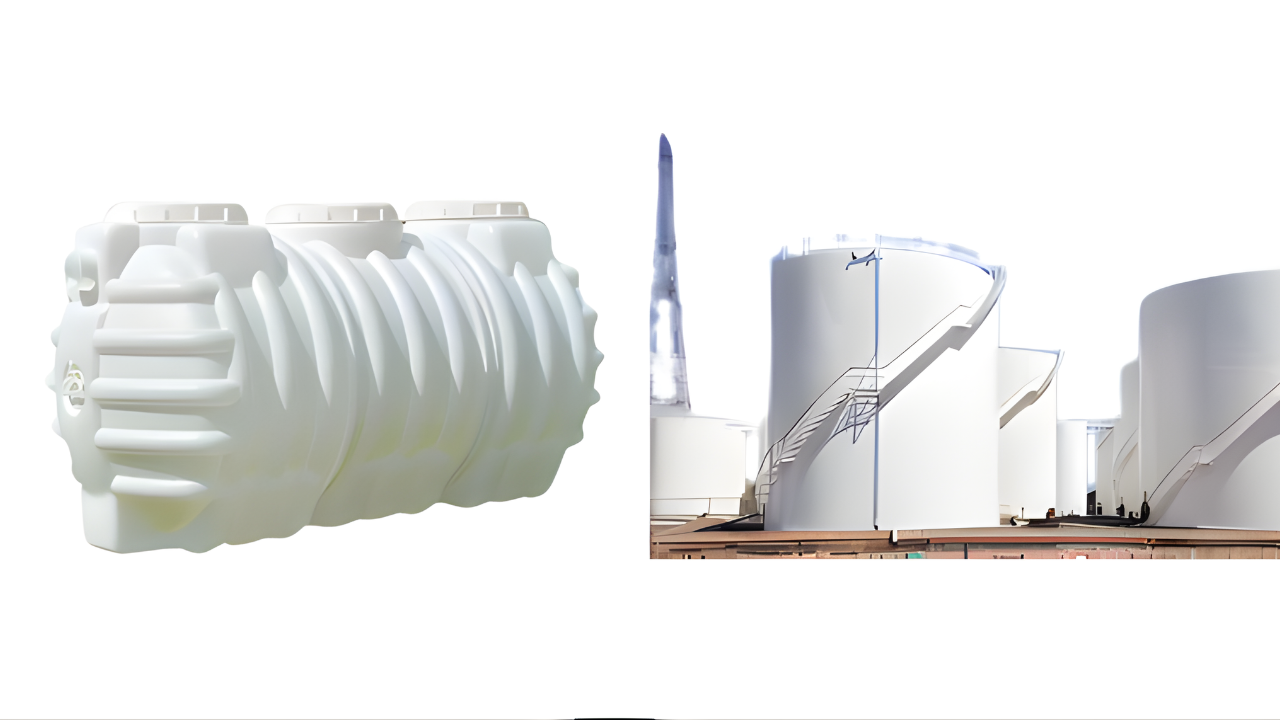
Se o seu produto for injetado, ingerido ou aplicado na pele de pessoas ou animais, a lei exige que você tenha um tanque limpo. Sem exceções. Para obter o melhor custo-benefício, opte por um tanque industrial se você trabalha com gasolina, água não tratada, precursores químicos ou efluentes. Existe uma área cinzenta entre maquiagem limpa e produtos químicos de alta pureza. Nesse caso, um design sanitário híbrido pode ser escolhido para fins de controle de qualidade, mesmo que a FDA não esteja envolvida.
Perguntas frequentes
Qual a diferença entre um tanque sanitário e um tanque de armazenamento comum?
Para impedir a proliferação de bactérias, os tanques sanitários devem ter soldas lavadas, superfícies eletropolidas e conexões drenáveis. Para aproveitar ao máximo o espaço disponível, os tanques de armazenamento geralmente possuem fundo plano e conexões roscadas que não podem ser limpas.
Tanques sanitários são o mesmo que tanques de processo higiênicos?
Sim. A palavra "higiênico" geralmente é usada para laticínios (3-A), enquanto a palavra "sanitário" geralmente é usada para medicamentos (ASME-BPE). Ambos precisam ter extremidades lisas e suportar limpeza CIP, mas tanques farmacêuticos de aço inoxidável'’ As especificações costumam ser mais rigorosas em relação aos trechos sem movimento.
Tanques industriais podem ser fabricados com os mesmos materiais que tanques sanitários?
Sim, o aço 316L pode ser usado para ambos. Mas o acabamento do tecido e os materiais de soldagem são diferentes. Para tanques sanitários, é necessária soldagem orbital certificada com material de enchimento de baixo carbono.
Existem normas universais para tanques industriais?
Não existe uma regra única que se aplique a todos. Depende se o líquido está sob pressão (ASME), armazenado à temperatura ambiente (API 650) ou é inflamável (UL). É importante escolher o código que se aplica à sua região e ao medicamento.
Tanques sanitários podem ser usados como tanques industriais?
Sim. Custa muito mais para obter um tanque limpo. Tecnicamente, é possível usá-lo como água de resfriamento para torres, mas não seria um bom uso do dinheiro.
Tanques industriais podem ser transformados em tanques sanitários mediante modificações?
Não. É preciso remover muito material para "corrigir" um acabamento bruto de fábrica. As soldas mantêm as partes sem vida no lugar. Quase sempre, é mais barato comprar um tanque sanitário do que fazer alterações em um barril industrial.
Os tanques sanitários são adequados para produtos químicos perigosos?
Na maioria das vezes, os tanques sanitários não possuem a espessura de parede ou as classificações de pressão necessárias para produtos químicos de alto risco, a menos que sejam construídos especificamente de acordo com as normas ASME Seção VIII e BPE simultaneamente.
Os reservatórios de água industriais podem ser considerados sanitários?
Se a água for potável (para consumo humano) ou água para injeção (WFI), ela precisa ser tratada. Água industrial, como a usada para resfriamento, combate a incêndio e processos industriais, não é potável e não precisa ser tratada.
Tanques sanitários e industriais personalizados da KDM Steel
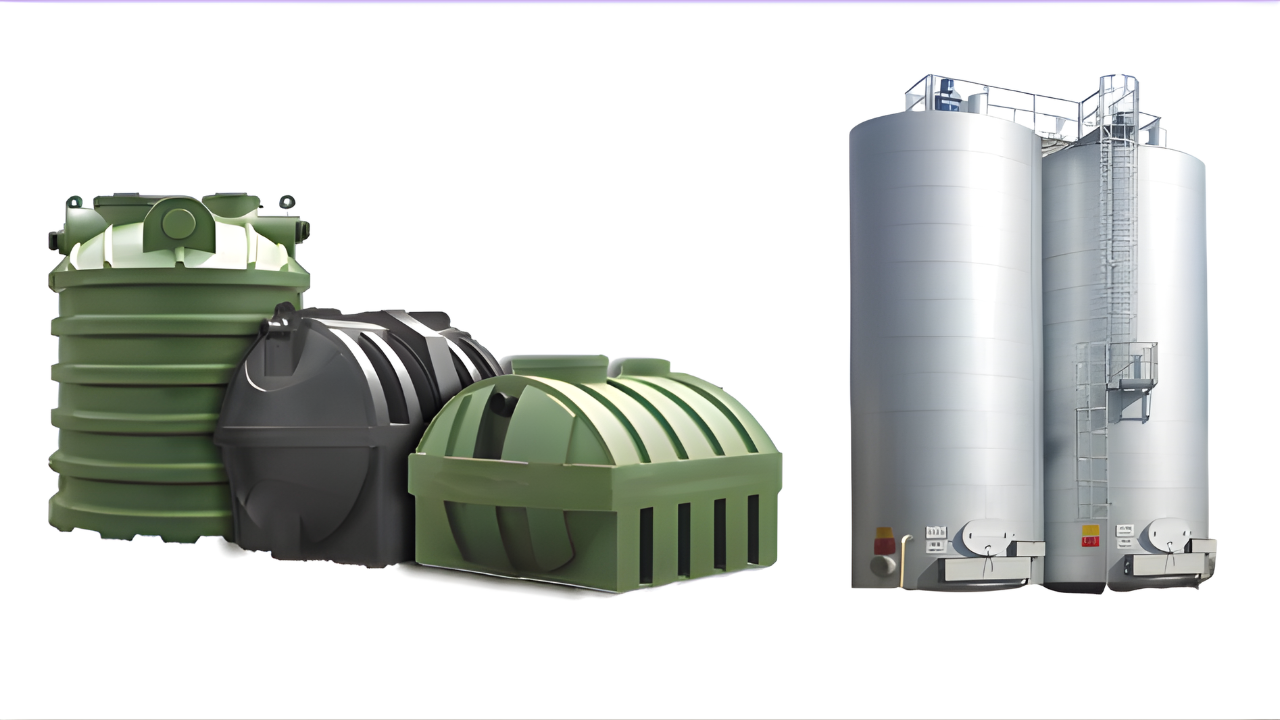 Aço KDM Projetamos internamente ambos os tipos de aço. Podemos construir qualquer coisa que você precise, desde um fermentador ASME-BPE com interior eletropolido até um tanque químico de 50.000 galões revestido com epóxi. Podemos fabricar tanques exclusivos em aço inoxidável e integrar totalmente o seu sistema. Contate-nos e ajudá-lo a encontrar o tanque certo para o seu negócio.
 Portuguese
  English
  Arabic
  French
  Spanish
  Russian
  Japanese
  Korean
  Indonesian
  Chinese