


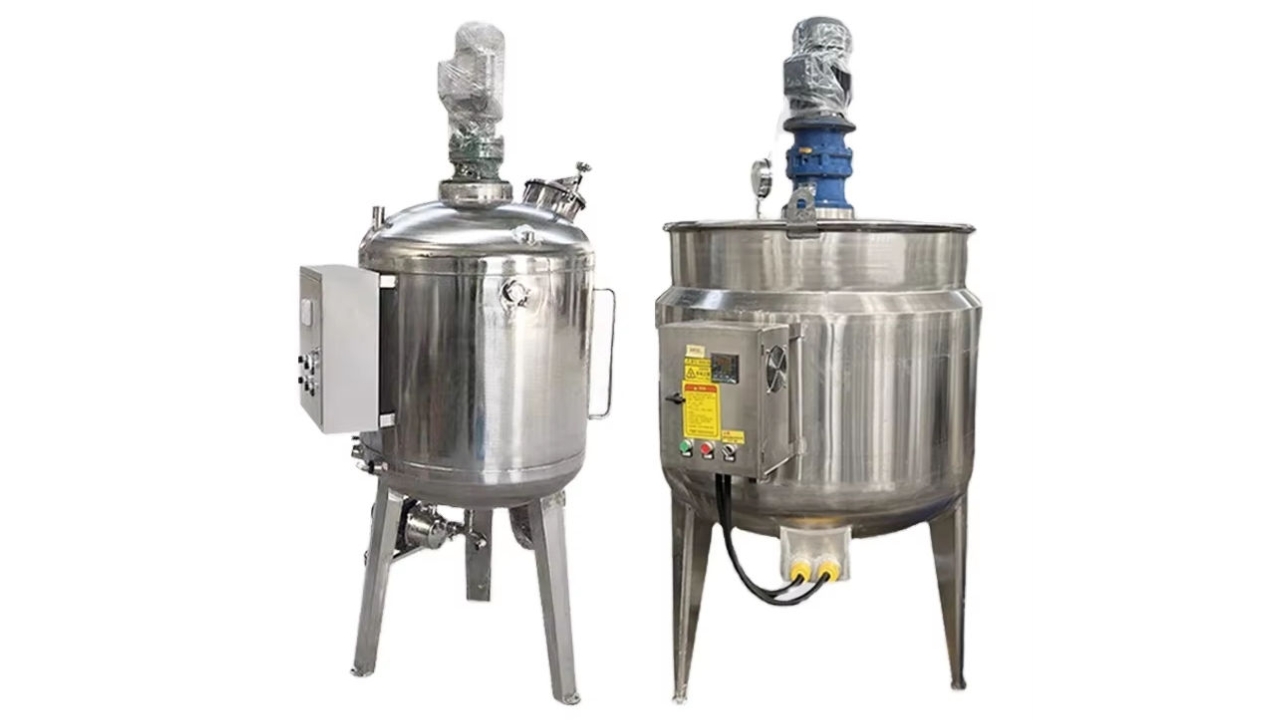
A espessura do material é um dos parâmetros-chave que determinam a qualidade e onde utilizá-lo. tanques de aço inoxidável. É a espessura do tanque de água de aço inoxidável que determina sua durabilidade, resistência e estabilidade.
Portanto, antes de investir em qualquer coisa tanque de água Para o seu próximo projeto, é importante analisar todos os aspectos críticos relacionados à espessura do tanque.
Qual é a espessura de um tanque de aço inoxidável?
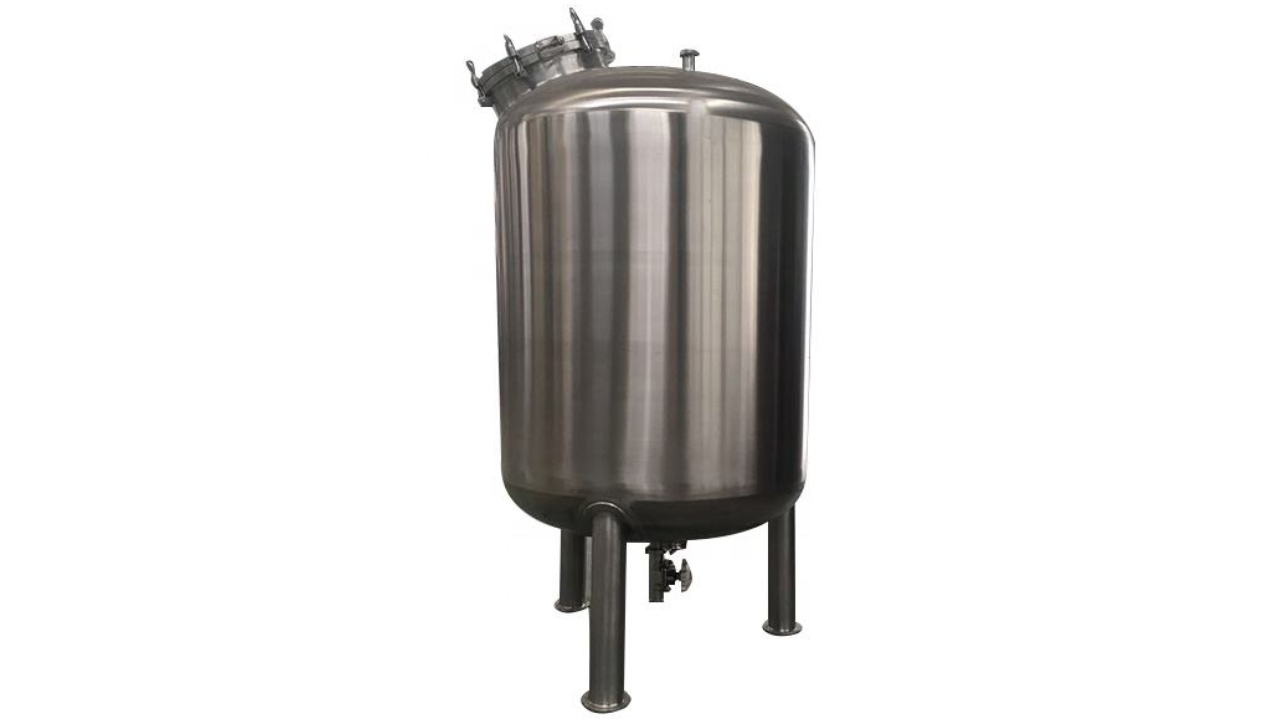
A espessura física do aço inoxidável é o fator determinante da resistência estrutural e da resistência à corrosão de tanques fabricados com as ligas SS304 ou SS316L. Essa espessura varia entre aproximadamente 0,8 mm e mais de 4 mm, dependendo do tamanho e da aplicação do tanque.
Faixas de espessura comuns e exemplos da indústria
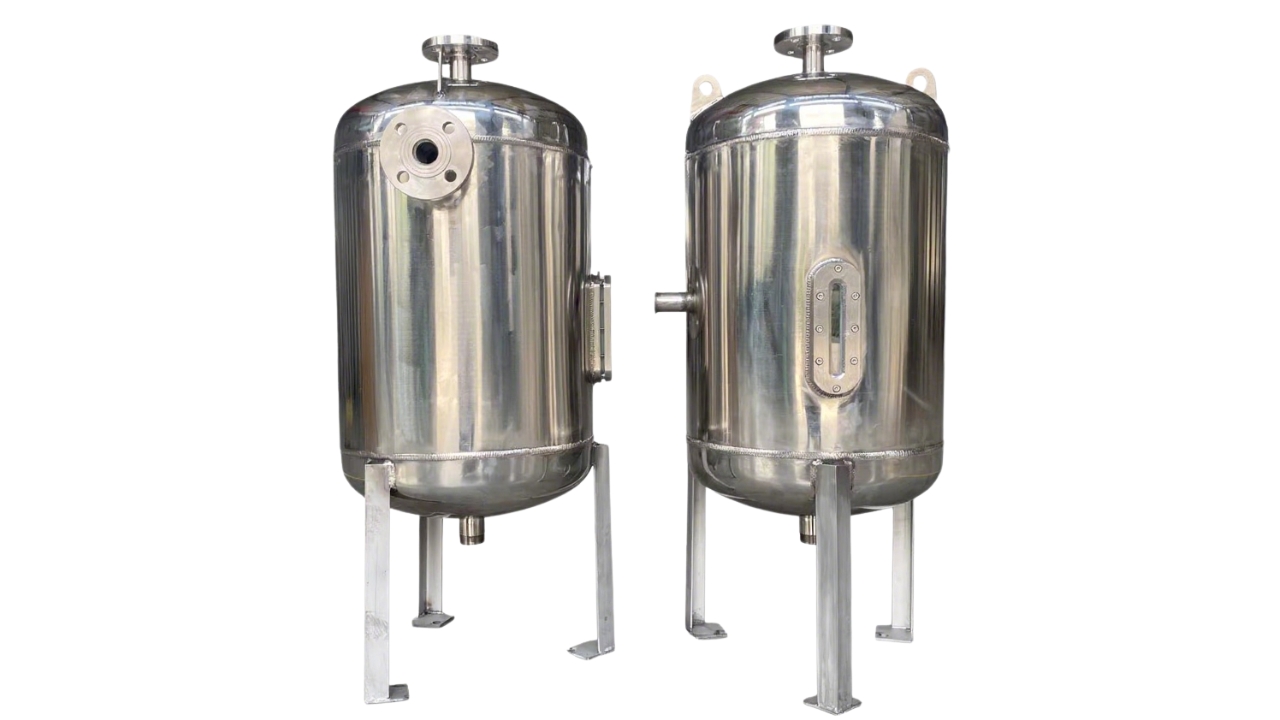
· Tanques domésticos/para uso doméstico
A espessura usual do aço inoxidável em tanques pequenos varia entre 0,5 e 1,8 mm na altura do tanque, que não ultrapassa cerca de 500 litros. Trata-se de aterro por gravidade normal e cargas hidrostáticas baixas, suportadas por níveis normais de reforço.
· Tanques de pequena capacidade (1–5 m³)
Tanques na categoria de 1 a 5 m³ normalmente têm uma espessura de chapa entre 1,5 mm e 3 mm. A seção inferior do tanque costuma ser um pouco mais espessa para suportar a pressão hidrostática.
· Tanques médios (20–50 m³)
Os tanques de água industriais de médio porte são geralmente (a menos que façam parte de uma série de outros tanques) fabricados em aço inoxidável com espessura entre 3 mm e 6 mm. Os projetos podem incorporar o uso de reforços para minimizar a deformação sob carga.
· Grandes tanques industriais
Essas indústrias com área superior a 50 m³ e espessura de 6 mm a 10 mm ou mais oferecem resistência a grandes volumes de água e cargas estruturais.
Fatores que influenciam a seleção da espessura
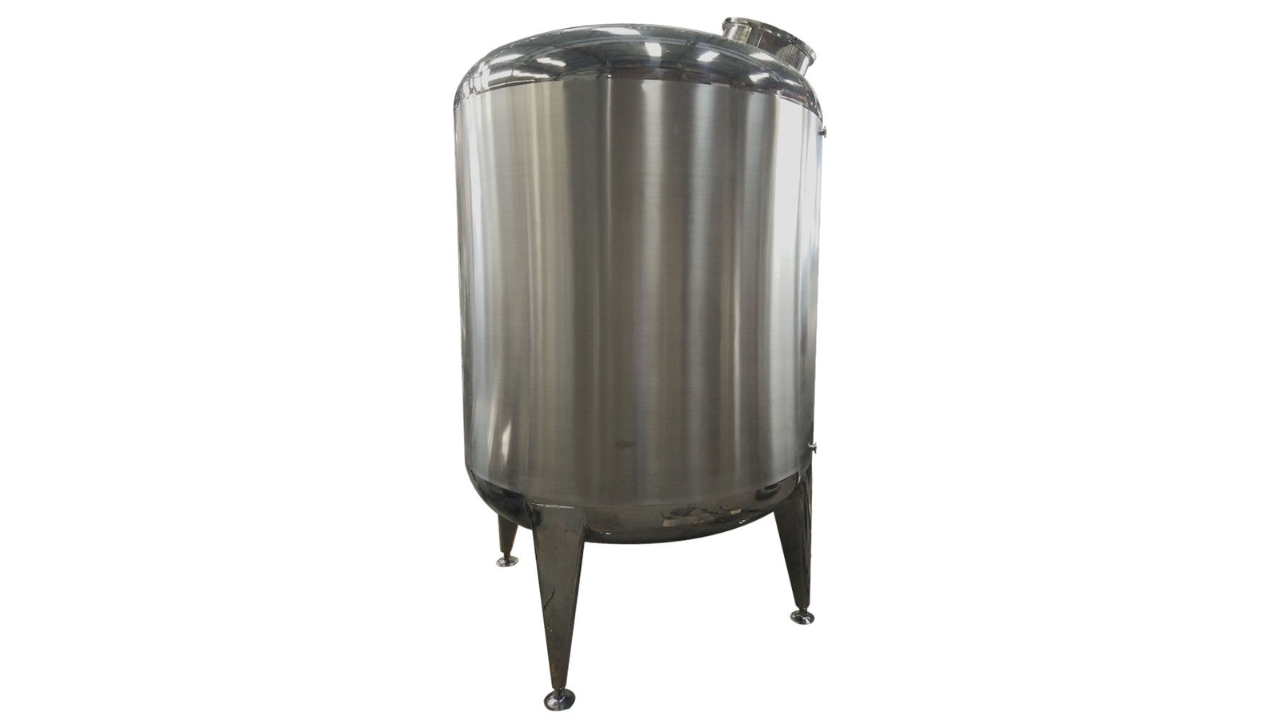
· Capacidade e altura do tanque
Quando a capacidade e a altura do tanque são maiores, a pressão sobre as paredes aumenta. Os projetistas utilizam painéis de aço inoxidável mais robustos, capazes de suportar o peso da água.
· Grau do material
O SS316 é um aço inoxidável de qualidade superior, mais resistente à corrosão. Essas classes permitem a fabricação de peças mais finas em aplicações severas, sem redução da vida útil.
· Condições ambientais
O ambiente expõe a corrosão e o estresse a flutuações externas, costeiras e de temperatura. Essas condições causam uma parede mais espessa ou um aumento na espessura da margem de corrosão.
· Apoio e Reforço
Suportes estruturais e reforços minimizam a deflexão dos painéis durante a aplicação de carga. Os tanques com suportes frágeis exigem maior rigidez.
Como a espessura afeta o desempenho do tanque
· Força e Segurança
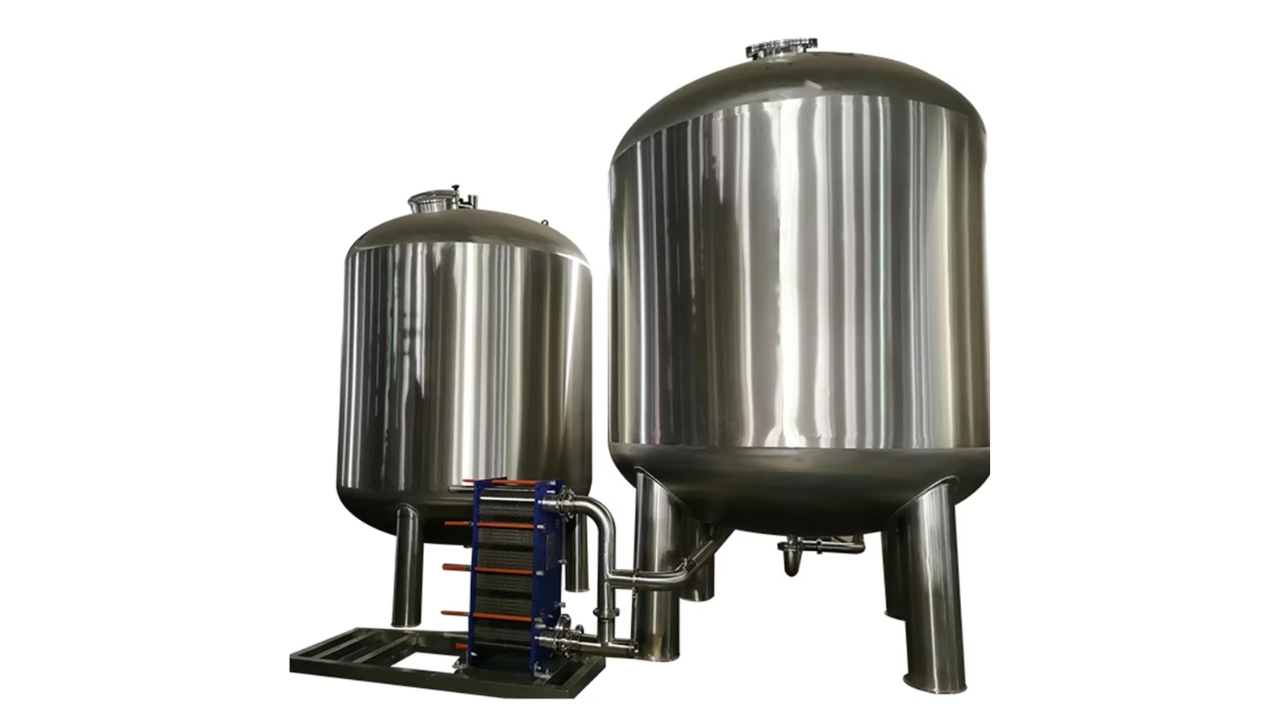
O aumento na espessura do tanque de água de aço inoxidável eleva a rigidez da parede e capacidade de carga hidrostática. Tanques com espessura suficiente não se deformam nem sofrem tensão de pressão durante o enchimento e o uso.
· Longevidade e resistência à corrosão
Paredes mais espessas = maior vida útil: Paredes mais espessas têm mais material disponível antes que a corrosão possa penetrar. Isso retarda a formação de pites e minimiza as chances de vazamentos e falhas estruturais.
· Considerações sobre temperatura e isolamento
Os tanques de aço inoxidável mais robustos são mais resistentes ao estresse térmico e reduzem a deformação causada por variações de temperatura. Além disso, reforçam as camadas de isolamento para estabilizar a água armazenada.
Como escolher a espessura correta
Fatores a considerar:
· Capacidade
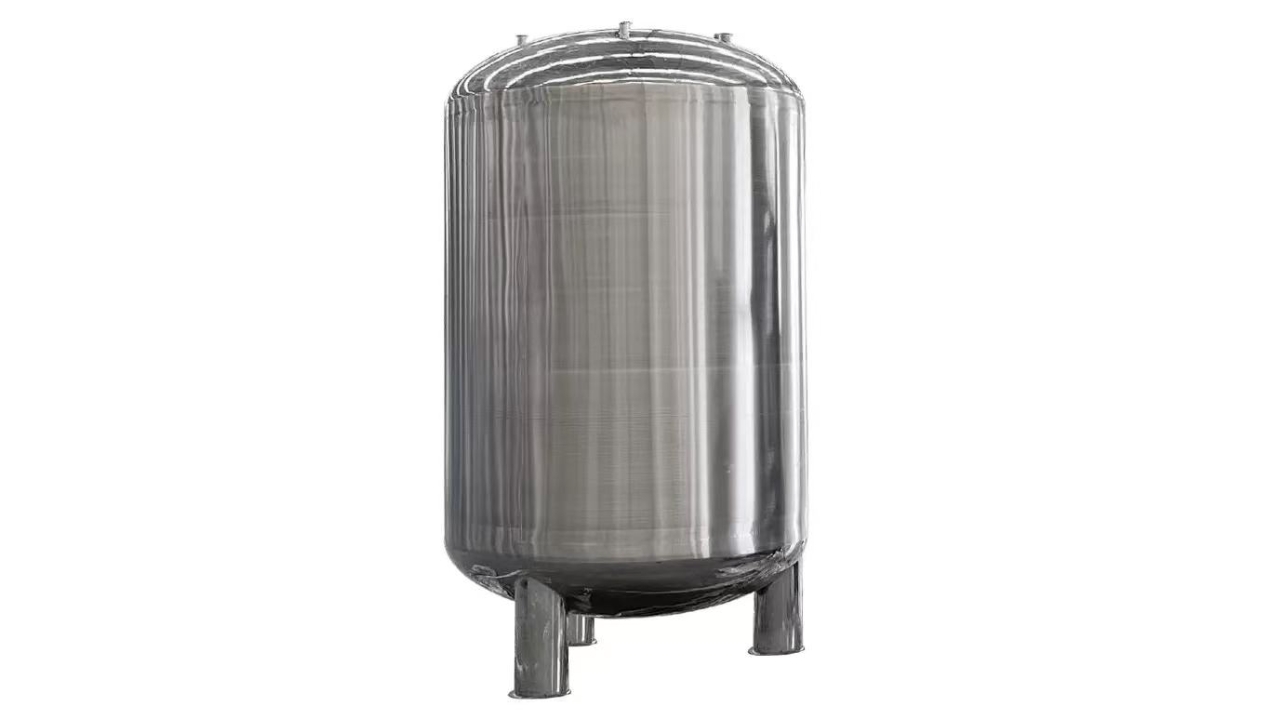
Tanques de maior capacidade exigem paredes de aço inoxidável mais robustas, capazes de suportar níveis mais elevados de pressão hidrostática sem colapsar sob carga máxima.
· Tipo de uso
Em comparação com o armazenamento doméstico simples, o uso industrial e de alta pressão exige aço inoxidável mais espesso, que é estruturalmente mais estável e seguro.
· Ambiente de localização
Ambientes corrosivos ou extremos, como os costeiros, exigem maior espessura ou até mesmo materiais de melhor qualidade para resistir à corrosão e garantir maior durabilidade.
• Preferência por orçamento versus expectativa de vida
Isso ocorre porque, quando as paredes são mais espessas, o custo inicial aumenta, mas os custos de manutenção diminuem e a vida útil do projeto aumenta a longo prazo.
· Padrões e expectativas de garantia
Selecione a espessura que esteja em conformidade com os códigos, certificações e garantias do setor, a fim de garantir a conformidade e o desempenho.
Perguntas frequentes
Qual a espessura ideal do tanque de água de aço inoxidável que devo comprar?
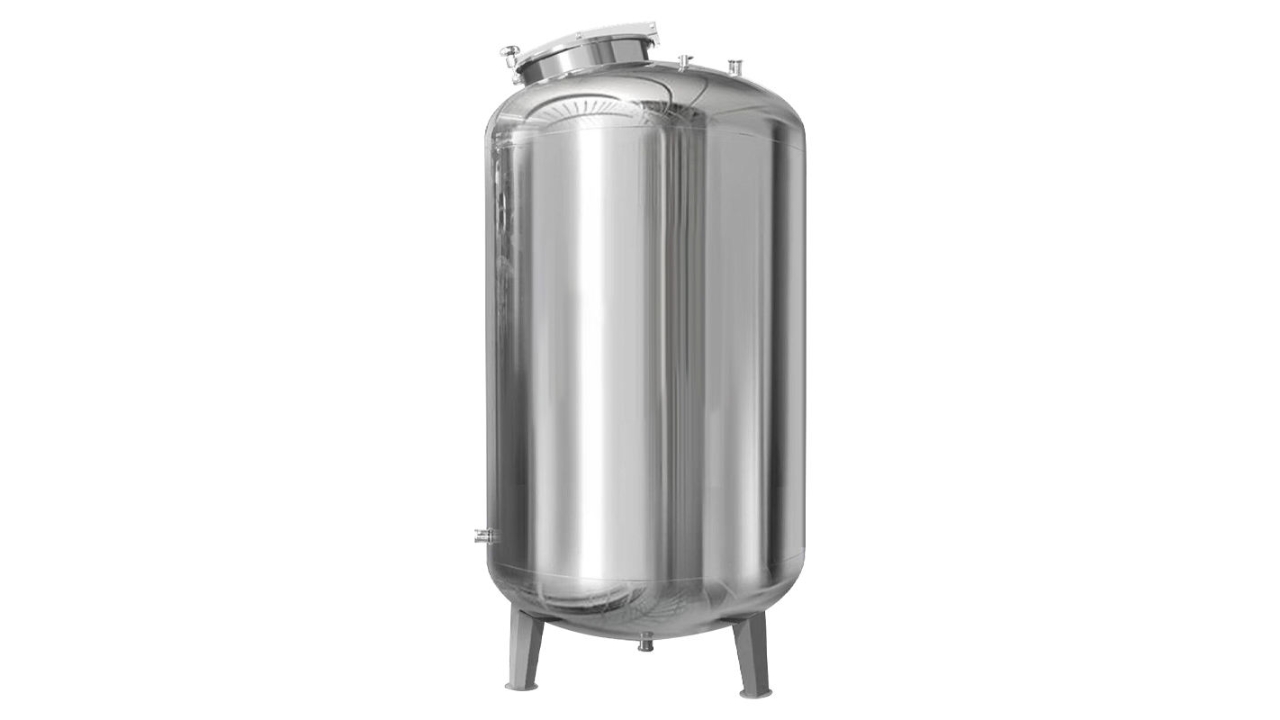
Escolha a espessura de acordo com a capacidade do tanque, o uso, o ambiente e o suporte. Os tanques domésticos geralmente têm entre 0,5 mm e 1,8 mm de espessura, enquanto os tanques industriais precisam de 3 mm ou mais.
Mais espesso significa sempre melhor?
Nem sempre. Ter excesso de peso e espessura excessiva seria caro e pesado. A espessura adequada é baseada em requisitos de pressão, volume e estrutura.
Existe alguma tolerância entre a espessura real e a espessura declarada?
Sim. As tolerâncias de fabricação, quando há uma pequena variação, como ±0,05 mm a ±0,1 mm, são permitidas sem afetar o desempenho.
Qual a espessura recomendada para um tanque de 3000 litros?
Com um tanque de aço inoxidável de 3000 L, a espessura padrão é de 2 mm a 3 mm, dependendo da qualidade e do suporte.
É possível reforçar um tanque mais fino?
Sim. A resistência pode ser aumentada com o uso de reforços, enrijecedores ou suportes sem aumentar a espessura.
A classificação do aço (304 ou 316) afeta a espessura necessária?
Sim. Existem ligas resistentes à corrosão, como a 316, que permitem o uso de paredes ligeiramente mais finas.
Adquira um reservatório de água em aço inoxidável com a espessura desejada na KDM Steel.
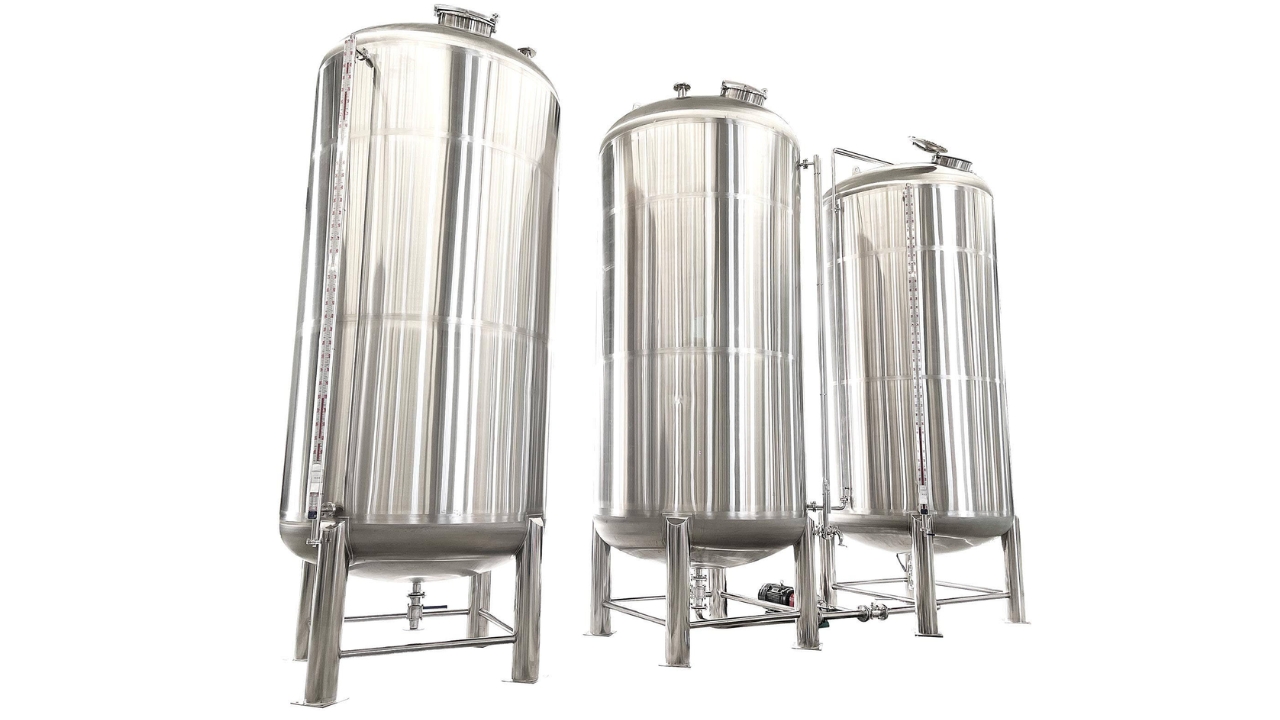
Aço KDM Fornecemos tanques de água em aço inoxidável com uma ampla variedade de espessuras, ideais para aplicações residenciais, comerciais e industriais. Os tanques são fabricados com aços inoxidáveis de alta qualidade, como SS304 e SS316L, garantindo durabilidade, resistência e proteção contra corrosão. Especificações adicionais ou soluções personalizadas podem ser necessárias. entre em contato conosco hoje Para te ajudar.
 Portuguese
  English
  Arabic
  French
  Spanish
  Russian
  Japanese
  Korean
  Indonesian
  Chinese