How to Seal an Electrical Enclosure

UL Standard for Electrical Enclosure

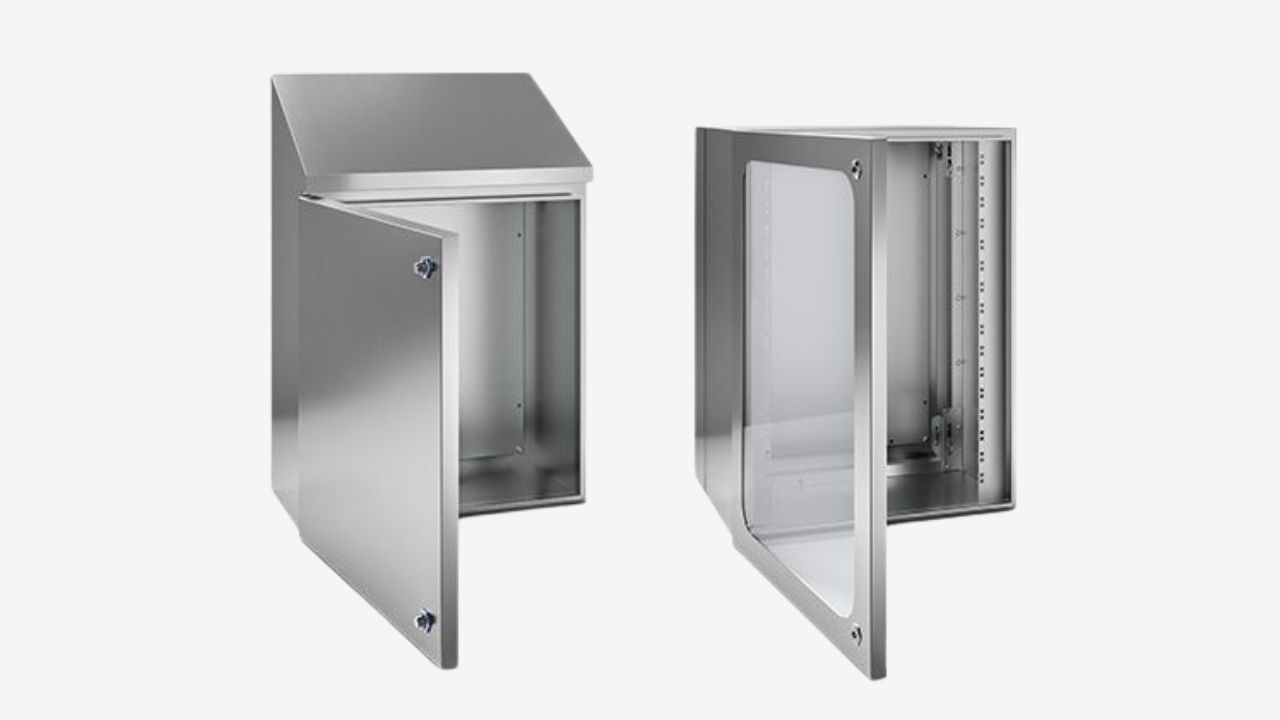
Proper enclosure sealing is essential for ensuring safety, keeping performance, and prolonging the equipment’s lifespan. Sealing can prevent contamination, reduce the short-circuit risk, and help enclosures meet industry standards. This article details the entry points requiring sealing for the electrical enclosure, key components, and sealing procedures. Adhering to the best practices can improve your system reliability and protect your valuable equipment.

Why Does Sealing Electrical Enclosures Matter?Seal an Electrical Enclosure (3)

The electrical enclosure protects key electrical and electronic components, such as サーキットブレーカー, PLCs, terminals, and power supplies. The prerequisite for effective protection is a good seal.

A good seal can prevent moisture and water from entering, prevent dust and solid particles from contaminating, and also prevent corrosion. Besides, a good seal can keep thermal performance, mechanical integrity and service life, and reduce maintenance and downtime. This is also a basic requirement to meet industry standards.

Understanding Enclosure Protection Ratings

The protection ratings of the 電気筐体 directly define the ability to resist environmental hazards. The IP rating and the NEMA rating can provide you with clear design goals and performance criteria.

IP 定格: The IP 定格 is defined by the international standard IEC 60529. It classifies the protection degree provided by the enclosure, including protection against solids and liquids. The IP rank is usually represented by IP+ two digits.

The first digit indicates the ability to protect against solids. The second digit indicates the liquid protection capability. The IP protection rating is mainly applied in European, Asian or international projects.

NEMA 定格: The NEMA 定格 system was developed by the National Electrical Manufacturers Association of the United States. Unlike the IP rating, the NEMA rating should count a wider range of environmental factors, including waterproofing, dustproofing, corrosion resistance, and protection against contact with oil and coolant.

The NEMA rating is expressed as a number, sometimes followed by a letter. The NEMA rating is mainly applied in the United States, Canada, and industrial applications in North America.

These two standards are globally recognised objective criteria, decreasing the ambiguity in descriptions such as dust-proof and water-proof. What’s more, the protection level directly determines the technical path and complexity of your enclosure sealing solution. During the enclosure installation, the protection level also serves as your operational guide. At the same time, they also provide repeatable testing methods to verify your sealing effectiveness.

Common Entry Points that Need SealingElectrical Enclosures (4)

Doors and Covers

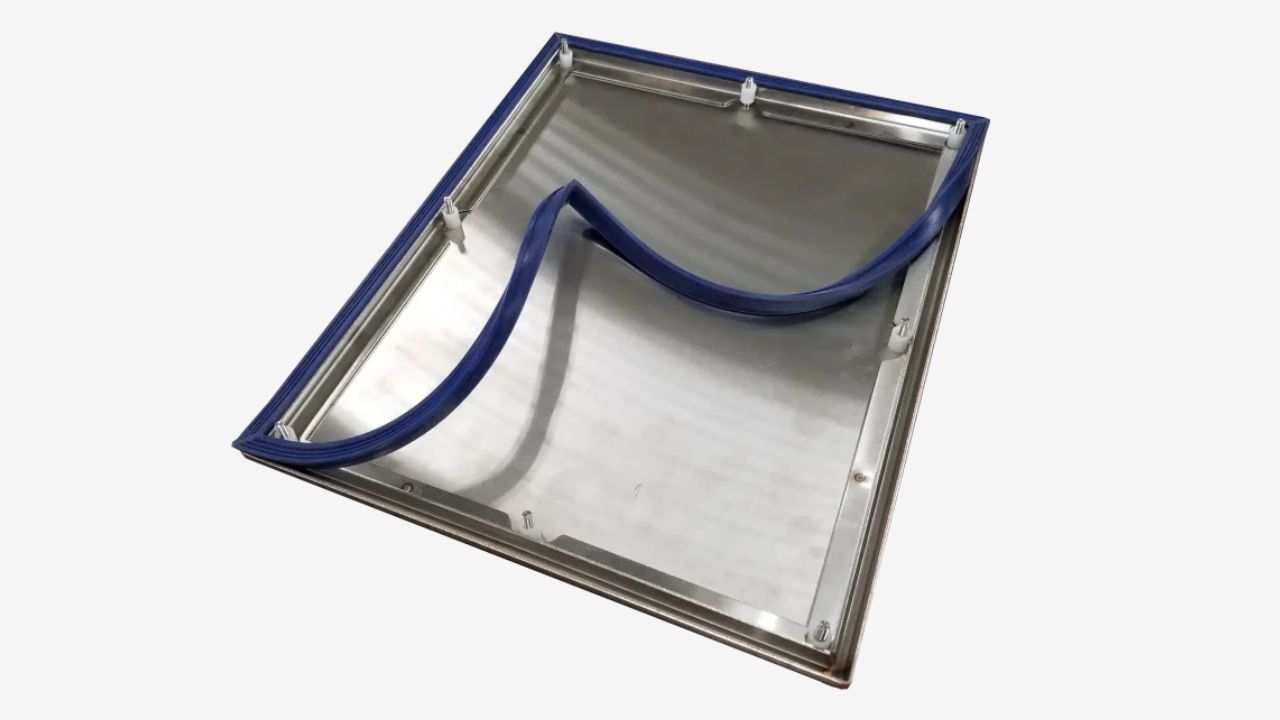
Sealing the electrical enclosure door is very important because it is the largest opening and needs to open and close frequently. The enclosure sealing strip bears repeated compression and friction here. This is a form of dynamic sealing.

The electrical enclosure door is typically sealed with continuous perimeter gaskets and a multi-point latching system to guarantee uniform compression. Furthermore, you should keep the door frame surface and the door clean and flat.

Cable and Conduit Entry Points

The cables must be inserted into the enclosure to connect the power supply and signals. These penetration points will create openings, which are the main latent entry points for liquids and dust. Therefore, it is necessary for you to properly seal them.

Common sealing positions include the bottom plate, overhead cable tray, and conduit system. You can use IP/NEMA-rated cable glands, conduit fittings with sealing rings, multi-cable transit systems, and grommets for sealing.

Knockouts and Unused Openings

Many enclosures are manufactured with pre-punched holes to improve flexibility. If not used, you need to seal them. You can use approved blanking plugs, threaded metal plugs with sealing washers, and sealed cover plates with gaskets.

Ventilation Openings

The electrical enclosure requires air flow for heat dissipation. Sealing these ventilation openings can help you effectively prevent dust and water from entering. You can use IP-rated ventilation filters, louvre vents with sealing membranes, or breather drains with hydrophobic membranes. Well-designed ventilation ports can achieve air exchange while keeping the protection rating.

Panel Seams and Joints

In electrical enclosures and large cabinets, the side panels and the roof panel are joined together. Incomplete seam welding, damaged seam sealant, or mechanical stress causing gaps may contaminate internal components, affect the structure and environmental integrity. If the electrical enclosure is used for a high protection level, you can conduct continuous welding. You can also use seam sealant and compression gaskets.

Key Components Used to Seal an Electrical EnclosureSeal an Electrical Enclosure (2)

The sealed electrical enclosure requires you to carefully select the sealing components and combine them with the enclosure. Each component should be selected based on environmental conditions, protection rating requirements(IP/NEMA), and mechanical design.

ガスケット

The gaskets form the main seal between the enclosure and the door.

Common gaskets material:

EPDM(Ethylene Propylene Diene Monomer): Has excellent water resistance, UV resistance, weather resistance and temperature resistance. It is highly suitable for outdoor applications. EPDM gaskets are commonly found in IP65/IP66 enclosures.

Silicone: It can endure high temperatures and keep its flexibility even in incredibly cold environments, which is suitable for harsh and variable environments. You can use it in the food or pharmaceutical industries.

PU Foam: It is often used as a formed-in-place gasket(FIPFG). It can provide uniform compression. You can apply them indoors, which is more cost-effective.

Neoprene: It has good resistance to oil and chemicals, as well as moderate weather resistance. It is suitable for industrial environments.

According to your requirements, you can choose continuous(one-piece) gaskets, gasket strips and formed-in-place gaskets to seal the electrical enclosure.

Cable Glands

機能: seal against water and dust, provide strain relief and keep grounding continuity.

種類: Plastic(nylon/polyamide): It is more resistant to corrosion.

Brass or stainless steel: used for heavy-duty industries

EMC cable glands: used for electromagnetic shielding

Sealants and Adhesives

In some cases, you can improve the seal with liquid sealant. The common types include silicone sealants, polyurethane sealants and thread sealants. They are always used for threaded fittings, joint reinforcement and minor imperfections repair.

Door Hardware and Latching Systems

The latch system you choose will directly affect the gasket compression. Common latching system types include quarter-turn latches, multi-point latching systems and lever-operated handles. For large enclosures, you can choose multi-point latching to keep even sealing pressure.

Step-by-Step Guide: How to Seal an Electrical Enclosure

Determine the Required Protection Level

First, you need to decide the protection level that the equipment needs, such as IP65, NEMA 4X, etc. Then, you also need to ponder whether the sealed electrical enclosure is for indoor or outdoor use.

Whether the sealed electrical enclosure is exposed to rain, splashing or high humidity environments. Whether the environment is threatened by a large amount of dust. Whether the electrical enclosure is exposed to a chemical and fluctuating temperature environment. The correct protection rating can ensure the selection of proper sealing components.

Inspect the Enclosure Structure

Before sealing, you need to check the door or panel surface of the electrical enclosure, as well as the sealing flange, to see if it is warped or has scratches and dents. Check if the enclosure has any sharp edges that might damage the gasket. Any structural irregularities could cause your seal to fail.

Clean Sealing Surfaces

Remove dust, oil and metal debris and other contaminants from the sealed surface. You can use a lint-free cloth and the appropriate cleaner, guaranteeing the surface is totally dry. At this stage, you need to be particularly careful that small particles may cause gaps in the high-protection-level enclosure.

Install and Inspect the Perimeter GasketSeal an Electrical Enclosure (5)

You need to select the right materials based on the installation environment. You should note that the application must be uniform when you are using sealants. When using sealing strips, they should not be stretched. You need to verify the sealing continuity at the corners of the enclosure, avoiding overlaps and gaps.

Before installation, you also need to detect if the gasket has any cracks, flattening or hardening, and inspect its compression set. If the gasket ages or is damaged, you need to replace it with a properly compressed gasket promptly, which is decisive for effective sealing.

Seal Cable Entry Points

You need to select the cable gland size that matches the cable diameter, making sure that the gland IP rating is the same as the enclosure rating. Then insert the cable and tighten it to the manufacturer’s torque specification. For conduit connections, you need to use sealing hubs or locknuts and guarantee a tight and aligned installation. If necessary, you can also apply thread sealant.

If there are unused openings in your enclosure, you need to use knockout seals and install IP-rated blanking plugs. If necessary, you can also use sealing washers.

Secure the Door or Cover

Next, carefully close the enclosure. You need to ensure that the gaskets are evenly distributed, then gradually tighten the fasteners. Then check if the latch mechanism provides uniform compression. For large enclosures, you also need to check if the multi-point latches are correctly engaged.

After that, you may also need to seal the fasteners and the external mounting points. Besides, you need to manage the moisture in the enclosure for outdoor or high-humidity environments. This requires installing anti-condensation heaters, pressure equalisation vents, etc.

Perform Final Inspection and Testing

Finally, you need to check the gasket’s alignment before the system is put into operation, inspect the cable glands’ tightness and guarantee that all openings are sealed. For enclosures with high IP ratings, you also need to conduct water spray tests or immersion tests. After the tests, check for any leakage and make sure that the sealed electrical enclosure complies with relevant standards.

Inspect Regularly

After installation, you will also need to conduct regular inspections, typically at intervals of 6 months. You should promptly replace the seals that are detected to have cracks or wear.

避けるべきよくある間違い

Even small mistakes can compromise the enclosure’s entire protection rating. The following are the most frequent problems and why they matter.

Using the wrong gasket material: Using foam gaskets outdoors can lead to cracking and UV damage.

Over-Compressing the Gasket: Over-tightening screws or latches can flatten or damage the gasket. It will also reduce the gasket’s ability to rebound.

Ignoring Condensation Risks: Moisture can also form inside the sealed enclosure. Temperature changes cause condensation. A high-humidity environment increases the internal moisture. The moisture can corrode the components and cause electrical failures.

Ignoring manufacturer instructions: Each enclosure and cable gland has recommended installation guidelines. Failure to comply with the specifications will result in the loss of protection rating and warranty.

よくある質問Seal an Electrical Enclosure (4)

What Sealant Should I Use for Electrical Enclosures?

The most commonly used sealants for electrical enclosures mainly include silicone sealants, polyurethane sealants and epoxy sealants. Silicone sealant is more flexible and has weather resistance. Polyurethane sealants have strong adhesion and durability. Epoxy sealants are mainly used for permanent and high-strength sealing. The choice depends on your environmental exposure, temperature range, and whether future access is required.

How do I Seal Cable Entry Points in an Electrical Enclosure?

Cable entry points should be sealed using IP-rated cable glands or conduit fittings. The gland should match the cable diameter and enclosure rating. For unused holes, you can install the sealed blanking plugs. This prevents water ingress, dust accumulation, and cable strain.

How do I Know If My Electrical Enclosure is Properly Sealed?

The sealed electrical enclosure has no visible gaps or damaged gaskets. There is no moisture, dust or corrosion inside the electrical enclosure. It is also equipped with fastened doors and fittings. Besides, the standard documents with IP and NEMA compliance are also strong evidence.

Can I Upgrade the Sealing on an Existing Electrical Enclosure?

Yes, you can upgrade the current electrical enclosure mainly by replacing the worn and low-grade gaskets and installing high-rated cable glands. What’s more, sealing unused openings and adding condensation control accessories are also common upgrade methods. You should be aware that the upgrade cannot exceed the enclosure’s original design limitations.

Final Thought

KDM is a professional manufacturer of custom electrical enclosures. We have many years of experience in customised production and have obtained multiple certifications. We can provide you with various types of electrical enclosures with IP and NEMA certifications to meet your diverse usage requirements. Our produced electrical enclosures have excellent sealing performance and have passed multiple quality inspections. If you have any requirements for custom enclosures, please feel free to お問い合わせ.

jaJapanese
上へスクロール
x
今すぐお問い合わせをお送りください
ファイルをアップロード
x
今すぐお問い合わせをお送りください
ファイルをアップロード