


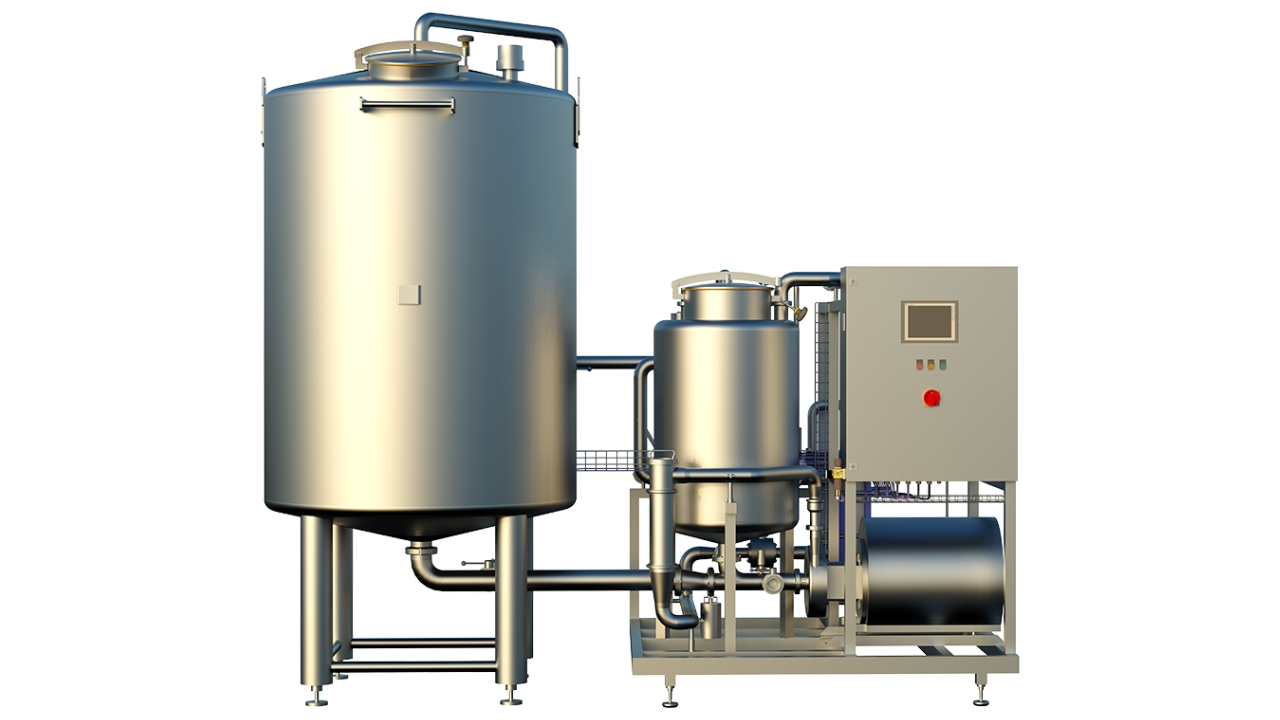
One of the common hygiene practices in the current manufacturing environment is the use of clean-in-place systems. The process engineers and manufacturers of the manufacturing facility use CIP tanks in order to minimize downtime and achieve high sanitation standards. This article defines what a CIP tank is, how it works, key types, major benefits, and how buyers get the right system.
What Is a CIP Tank?
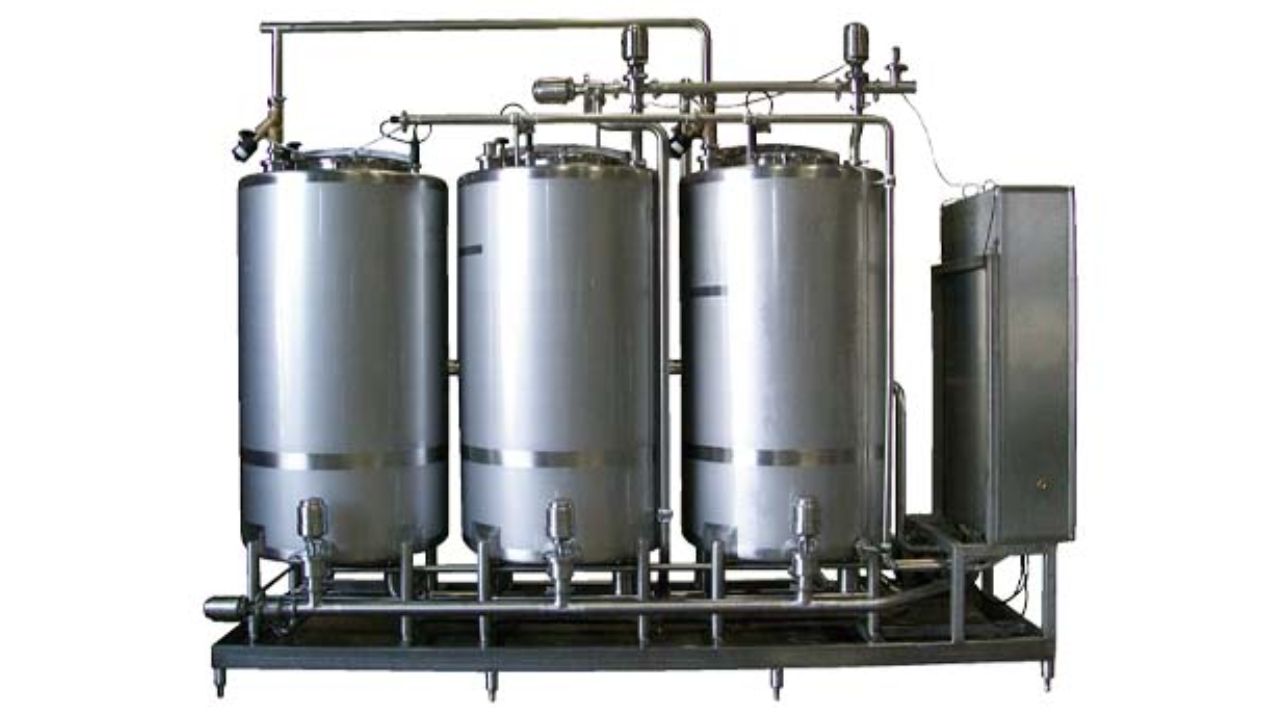
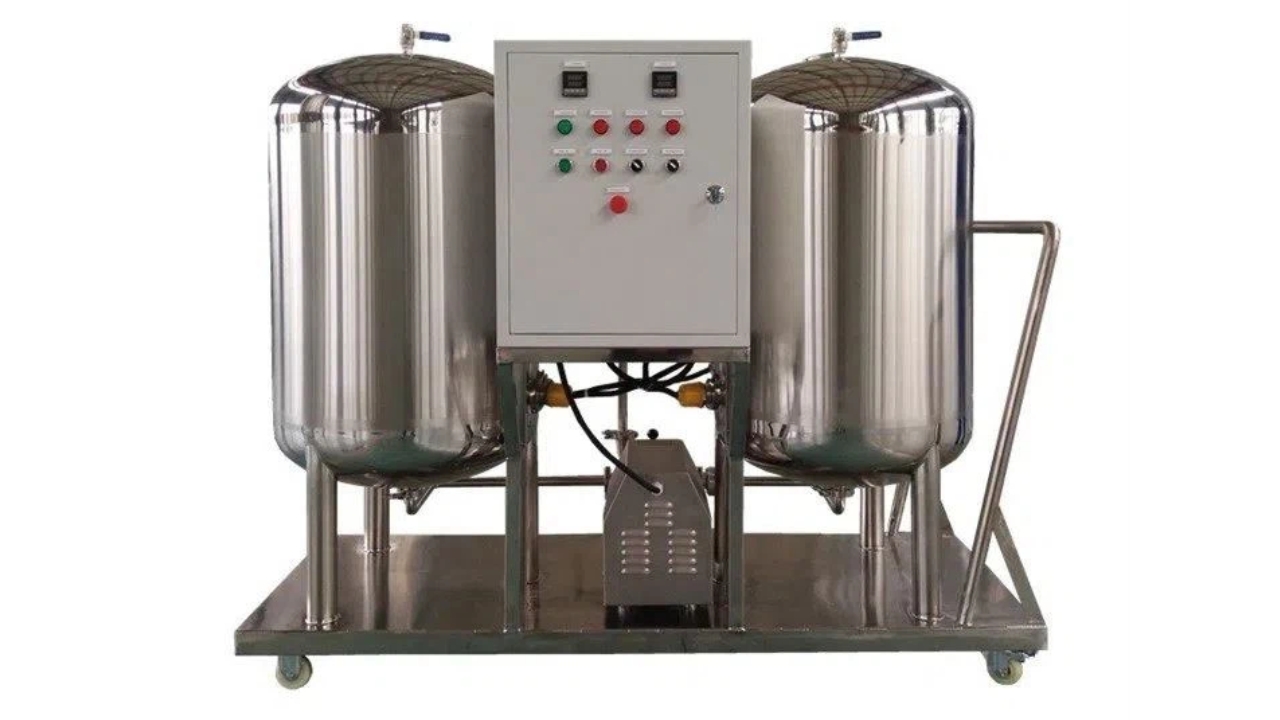
The CIP tank is a stainless cylinder that stores cleaning agents in the clean-in-place system. It feeds a CIP loop using a pump and regulates a concentration with the help of conductivity, temperature, and timed dosing. Return lines are used to bring back used liquid to be recovered or drained so that the system can repeat validated cleaning cycles.
Types of CIP Tanks
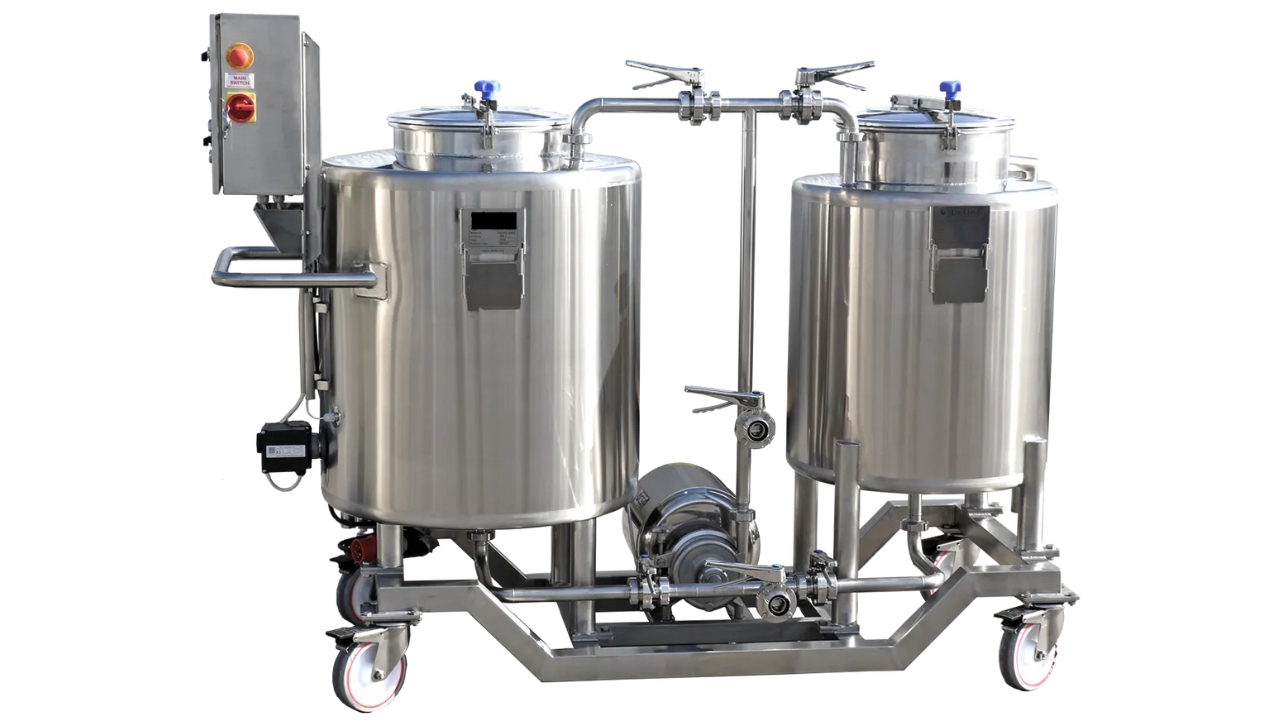
· Single‑Tank Systems
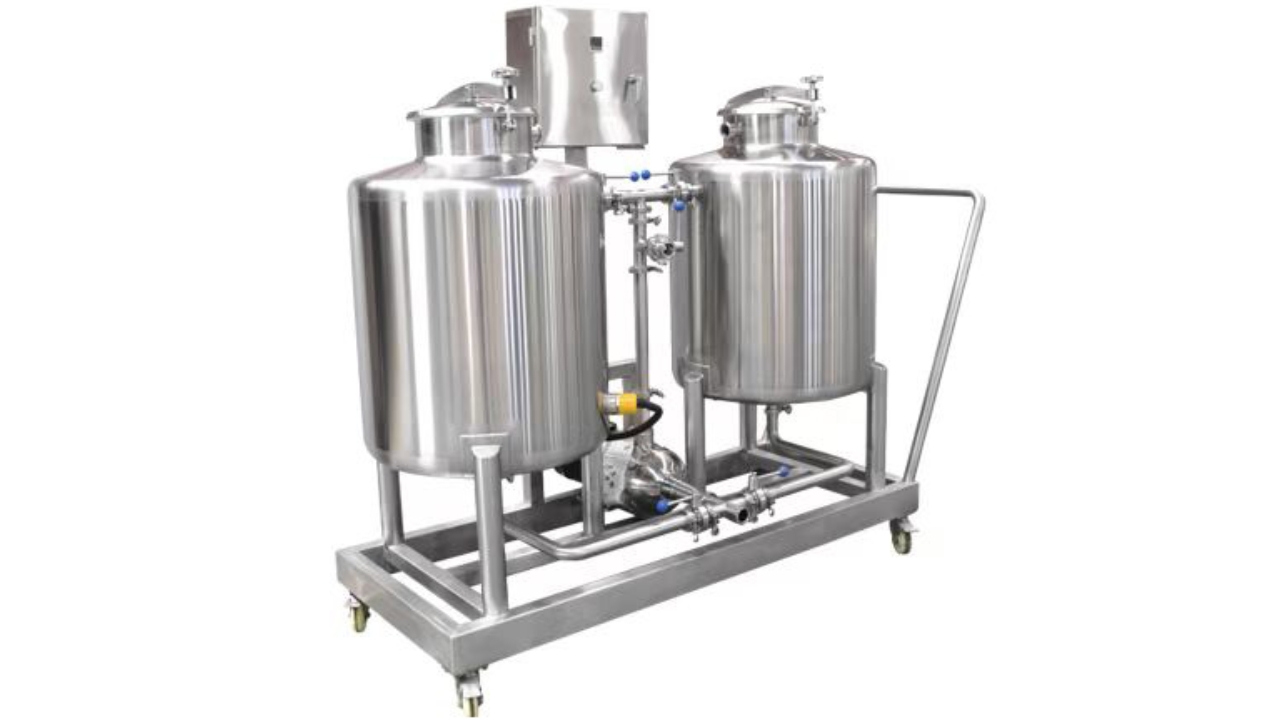
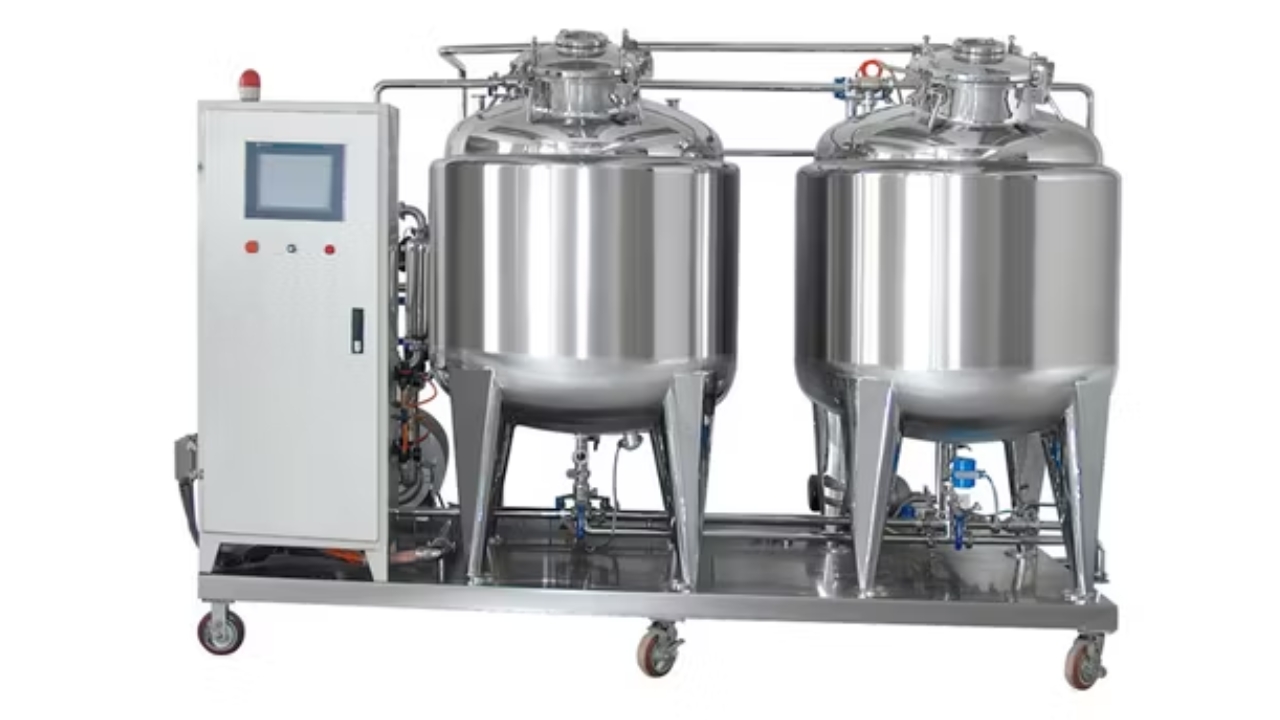
The single-tank CIP systems rely on a single stainless steel tank to provide all the cleaning stages. The tank contains rinse water or detergent, depending on the recipe that is selected. The solution is pumped using a CIP pump into the circuit and it is pumped back into the same tank. Usually, the controllers regulate the temperature and conductivity, keeping the solution within accepted limits. This design is used in the smaller plants with fewer circuits and less chemical storage requirements.
· Multi‑Tank Systems
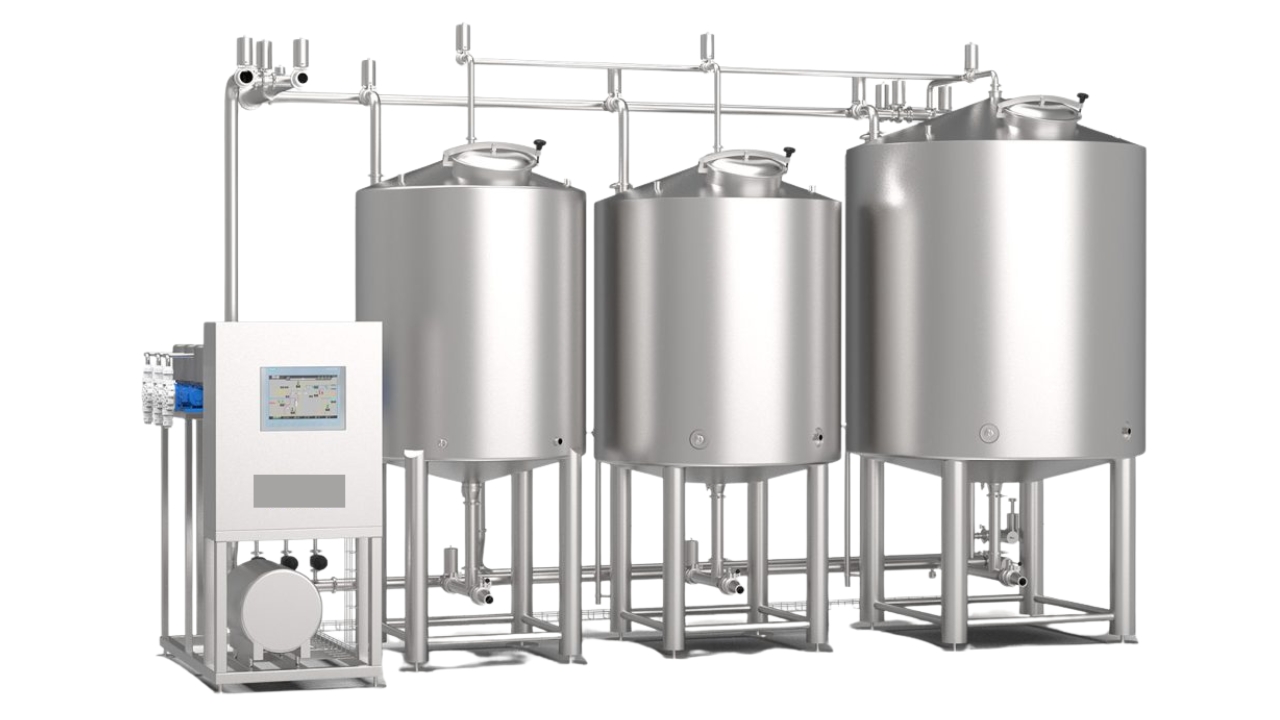
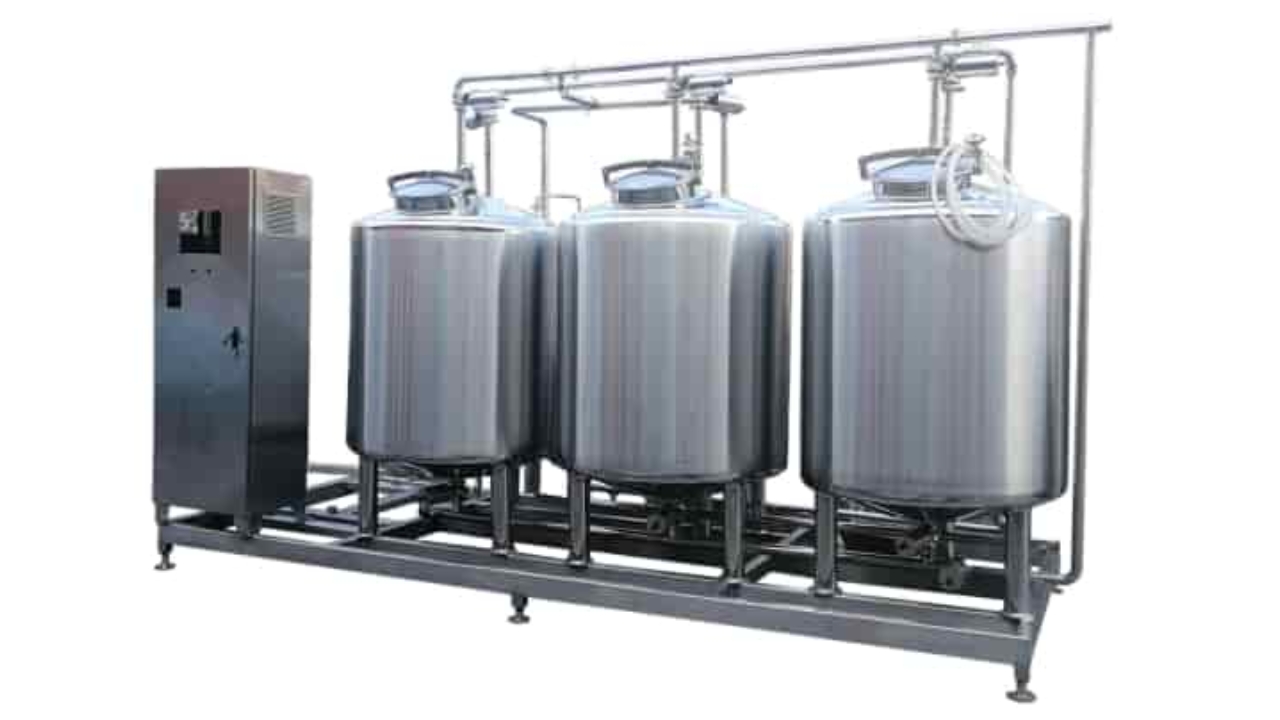
Multi-tank CIP systems have separate rinse water, caustic and acid solution vessels. The tanks have a setpoint concentration and temperature to operate at. Automated valves are used to choose the right tank in each step to prevent improper routing.
At the same time the recovery piping is used in order to reuse the useful solutions and minimize the amount of effluents. This design is appropriate in large locations with numerous routes and extreme hygiene validation demands.
· Recirculation vs Single‑Pass Systems
Recirculation CIP circulates solution to a tank and recirculates solution over a set time. Single pass CIP discharges solution after one circuit pass. Plants select it in areas of allergen control and high-risk zones where the reuse can transmit residues.
| 类型 | Tank Configuration | Solution Use | Best Fit |
| Single-Tank System | One tank for all stages | Reused in the same tank | Small plants with few circuits |
| Multi-Tank System | Separate tanks per solution | Controlled reuse | Large plants with strict hygiene |
| Recirculation CIP | Return to the tank | Multiple cycles | Low soil load processes |
| Single-Pass CIP | No return | Discharged after use | Allergen and high-risk zones |
Components of a CIP Tank System
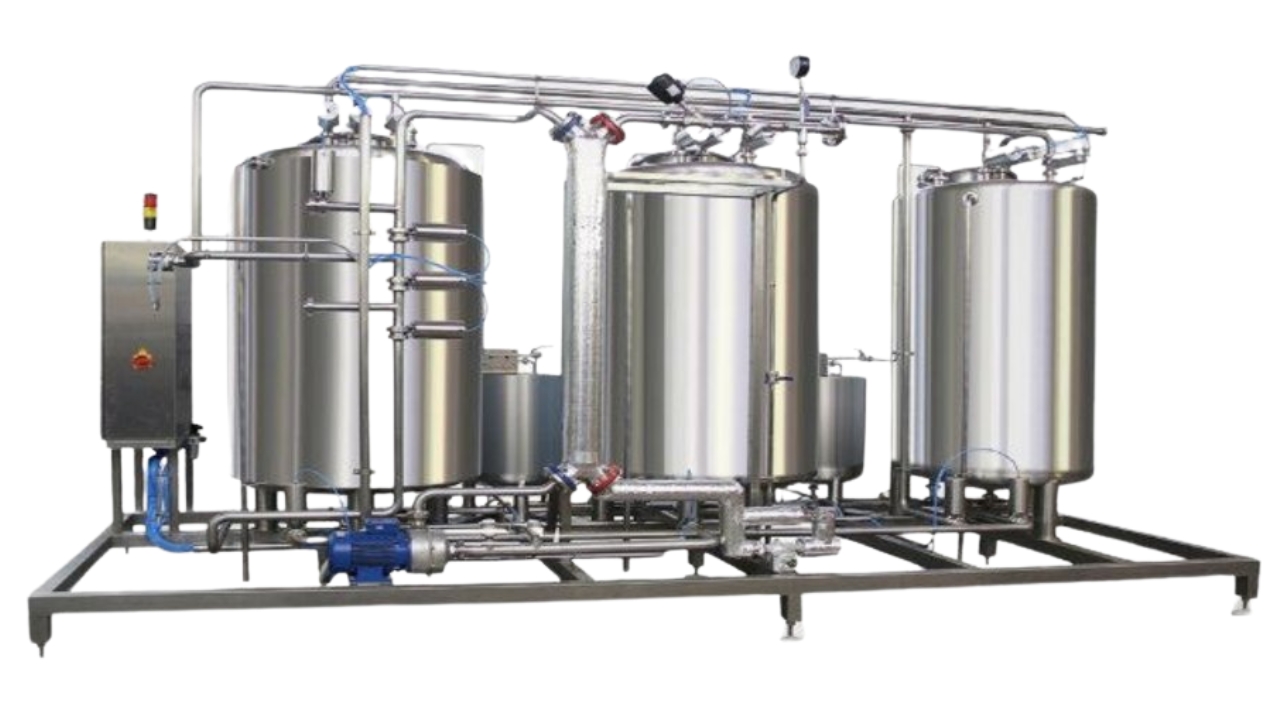
· CIP Tank(s)
Each phase of cleaning entails the storage of cleaning solutions in CIP tanks at variable amounts in pre-established amounts at regulated temperatures. Their construction quality is made of stainless steel to resist the effects of chemicals and facilitate the hygienic standards of manufacturing.
· Pumps and Piping
CIP pumps produce a uniform velocity of flow (typically Reynolds number >10,000) that is needed to loosen contaminants on internal process surfaces. Pipe velocities are commonly maintained between 1.5 and 2.5 m/s, depending on diameter and soil load.
· Spray Balls or Jet Heads
Jet heads or spray balls spray cleaning solution on the inside of the vessels with a hydraulic force.
The effectiveness of cleaning of a system is related to the coverage pattern of the flow rate and the correct positioning of the nozzles.
· Control Systems
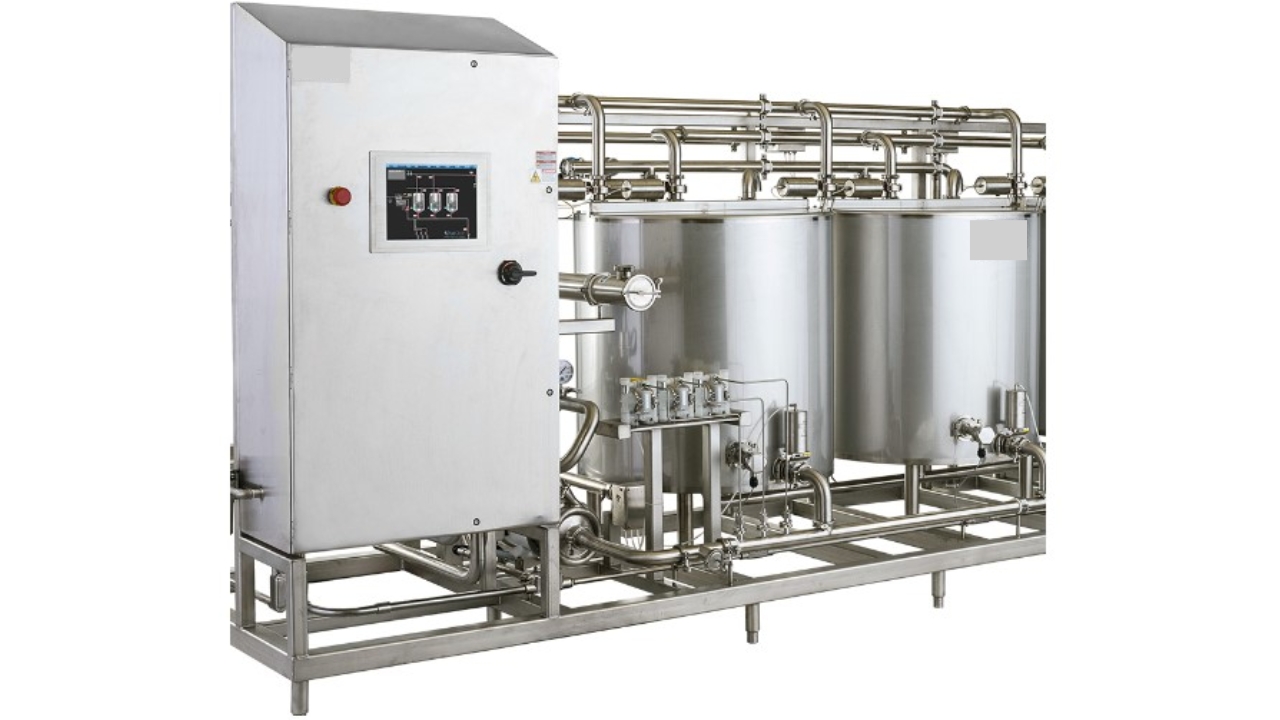
Control systems are automated and use programmable logic controllers and validated cleaning recipes to automate sequences of CIP. They control time, temperature, flow and chemical concentration to attain replicate and obedient cleaning outcomes.
· Heat Exchangers (Optional)
Heat exchangers elevate the temperature of the cleaning solution to enhance the reaction of the detergent and the removal of soil. They offer indirect heating without changing the thermal conditions during the CIP cleaning cycle.
| Component | Primary Function |
| CIP Tank(s) | Store cleaning solutions at controlled volume and temperature |
| Pumps and Piping | Circulate solutions at the required flow velocity through process circuits |
| Spray Balls or Jet Heads | Distribute cleaning solution across internal equipment surfaces |
| Control Systems | Regulate time, temperature, flow, and chemical concentration |
| Heat Exchangers | Increase solution temperature for effective soil removal |
How CIP Tanks Work (Step‑by‑Step Process)
· Pre‑Rinse
The pre-rinse stage involves the removal of loose product residues on the internally mounted equipment surfaces prior to the commencement of the chemical cleaning. The fresh water flowing in the system is controlled with a flow velocity to clean up soils. This measure serves to avoid the dilution of detergents and enhances the effectiveness of the chemical cleaning of the latter in the following cycles of CIP tanks.
· Alkaline Cleaning
Alkaline solutions remove organic soils through saponification, protein hydrolysis and emulsification. Elevated temperature and turbulent flow enhance reaction kinetics and reduce boundary layer resistance, improving soil detachment.
· Intermediate Rinse
The middle rinse removes the leftover alkaline detergent on the equipment surfaces once the caustic cleaning is complete. A predetermined minimum conductivity value is achieved by pumping fresh water and pumping the water mass until reaching predetermined baseline values. This measure eliminates chemical neutralization during acid cleaning and ensures that the equipment materials are not subjected to undesirable interaction with the chemicals.
· Acid Cleaning (Optional)
Acid cleaning is used to remove mineral deposits of inorganic scales and water hardness deposits on internal surfaces. The CIP tank injects acid solution at a limited temperature and exposure time. This measure is used to recover the efficacy of heat transfer and provides protection against long-term fouling in heat exchangers and pipelines.
· Final Rinse and Sanitization
The last rinse is used to remove the chemical traces, and then the sanitization is carried out. The Sanitizing agents or hot water circulate at proven conditions to minimize microbial load. CIP tank manages time and concentration of temperature to guarantee that it is hygienically ready before production is restored.
o Drying / Air Blow
Drying involves the use of filtered compressed air to eliminate the moisture leftovers on equipment after cleaning. Air blow eliminates the development of microorganisms during periods of idle time and ensures sanitary storage conditions. This is an important step when handling an aseptic and high-risk processing environment.
Advantages of Using CIP Tanks
· Consistent Cleaning Quality and Compliance
CIP tanks provide repeatable cleaning cycles of controlled parameters. Validated cleaning performance is guaranteed by automated management of time, temperature, flow and concentration. The consistency assists in the regulatory compliance and audit preparedness within food, pharmaceutical and chemical manufacturing settings.
· Time Saving and Reduced Downtime
CIP tanks wash machines do not break process lines. Automation of circulation saves time and removes the human factor. Quick turnover enhances the availability of production and ensures high throughput production, where products are changed at high frequency.
· Less Labor and Safety Improvements
CIP systems decrease the use of manual work on chemicals and the entry into confined spaces. Automation restricts the contact of operators with hot liquids and harsh detergents. This enhances safety in the workplace and reduces the chances of human error when cleaning is performed.
· Water and Chemical Savings
CIP tanks allow recirculation and recovery loops, which allow controlled reuse of cleaning solutions. Sensors check the strength of the solutions to avoid disposing of them too soon. Optimized usage minimizes the water use, chemical wastes and effluent treatment needs.
· Lower Overall Operational Costs
The effective cleaning cycles minimize the downtime, labor and utility costs. There are controlled doses of chemicals to curb overuse and damage to equipment. These ensure there is a reduction in the total cost of ownership in the lifecycle of the CIP tank system.
Industries That Use CIP Tanks
· Food & Beverage
The food and beverage manufacturers make use of CIP tanks to wash pipes, tanks and fillers without removing them. Systems eliminate fats, sugars, and proteins whilst satisfying hygiene standards. CIP successfully facilitates control of frequent changeovers, allergens and food safety regulations.
· Pharmaceuticals & Biotech
CIP tanks are used to clean process equipment in pharmaceutical and biotech facilities. Residue is controlled by systems, and it prevents the risk of cross-contamination and bioburden. CIP facilitates compliance with regulations and recurrent cleanliness necessary in sterile and non-sterile product manufacturing.
· Chemical Processing
CIP tanks are used in chemical processing plants where the reactors, heat exchangers, and transfer lines are emptied of process residues. Aggressive chemicals and high temperatures are dealt with by systems. CIP enhances the reliability of equipment and manual cleaning exposure to the hazardous atmosphere is lessened.
· Cosmetics & Personal Care Products
CIP tanks are adopted by cosmetics manufacturers to clean up mixer tanks and filling systems that contain viscous mixes. CIP is good for the removal of oils, waxes, and emulsions. Automated cleaning helps in maintaining consistency of product quality and quick changeover of production.
How to Choose the Right CIP Tank: A Buyer’s Guide
· Understanding Your Cleaning Needs
Begin by measuring soil type contamination risk and cleaning frequency of all process circuits. Hygiene level and product composition are determinants of required temperature flow velocity and chemical strength. The definition prevents over- or undersized CIP tank systems.
· Production Volume & Capacity Planning
CIP tank capacity needs to be equal to the total circuit volume and the demand during the cleaning process. Multi-tank or large tanks are needed with high-throughput plants. Small CIP tanks will result in long cycles and delays in full production.
· Budgeting and ROI Expectations
The initial CIP tank price must be equivalent to the long-term operating savings. Effective systems cut down the costs of water, chemicals, labor and non-productive time. Buyers ought to consider lifecycle cost rather than focus on the initial equipment pricing.
· Space and Facility Constraints
CIP tank layout and configuration are affected by available floor space. Remote location or skid-mounted systems of vertical tanks are useful in maximizing congested facilities. Planning at a tender age helps avoid problems during the installation process and provides access to maintenance and validation.
· Material and Certification Requirements
The choice of material is determined by the temperature of exposure to chemicals and regulations. The grades of stainless steel should meet hygienic standards in the industry. Certifications facilitate compliance with food, pharmaceutical and controlled manufacturing settings that demand the recorded material traceability.
· Automation and Software Features
The greater level of automation enhances cleaning accuracy and traceability. Recipes, records and alarms are controlled by control software and data logged. The features help with validation, audit preparedness and uniform cleaning execution on a number of production lines.
Best Practices for Effective CIP Tank Operation
· Monitor & Validate Cleaning Results
The conductivity, temperature and flow data should be used to check the effectiveness of the cleaning process by the operators. Soil removal is checked by visual inspection and residue testing. Record keeping of validation facilitates stability of performance and regulation. The ongoing monitoring can avert the occurrence of undetected cleaning failure when the CIP tank is being operated on a regular basis.
· Use the Right Chemicals and Temperature
The selection of chemicals should be based on the soil type and compatibility with materials. The right temperature enhances the effectiveness of the detergent and lowers the time of cleaning. Too much heat destroys seals and surfaces. The dosing and heating are regulated so that cleaning can be effective without extra degradation of chemicals.
· Ensure Proper Tank Design and Drainability
The design of CIP tanks must avoid dead zones and stagnant fluid areas. Nozzles are hygienic and sloped at the bottom to enhance drainability. A correct design will provide a total solution elimination and minimize the risk of microbial growth between cleaning.
· Regular Maintenance and Calibration
Regular service maintains the valves and sensors of pumps within the specifications. Temperature, conductivity, and flow instruments are calibrated in order to guarantee control. Preventive checks decrease unexpected failures and defend confirmed CIP tank functioning.
常见问题解答
What’s the difference between CIP tanks and regular storage tanks?
CIP tanks are also involved in controlling the cleaning processes by their active management of temperature and dosing of the circulation. The frequent storage tanks contain liquids only and lack cleaning capabilities as well as approved process management.
How often should a CIP tank be replaced?
When properly constructed and maintained, CIP tanks have a lifespan of decades. The replacement is normally a result of process expansion, corrosion damage, or new regulations, as opposed to normal wear.
Can CIP tanks be upgraded later?
Several CIP tanks can be upgraded in the future, including sensor automation or recovery circuitry. The possibility of upgrading is subject to the original size of the tank piping system and pipeline control system design.
Why is stainless steel the preferred material for CIP tanks?
Stainless steel is resistant to harsh chemicals, high temperatures, and frequent cleaning. It offers non-sloping hygienic surfaces that comply with the sanitation standards of regulated industries.
Can CIP tanks clean themselves?
CIP tanks also employ in-house spray jets to clean themselves. This will prevent the accumulation of residue and maintain internal hygiene.
Can a CIP tank be used without automation (manual operation)?
Pumps, valves, and timers can be used to operate manual CIP. Automation enhances consistency, safety, traceability, and validation accuracy.
Is CIP only for food and pharma?
CIP systems are used in the food, pharmaceutical, biotechnology, chemical, and cosmetics sectors. CIP is advantageous in any cleaning process that involves internal cleaning, not necessarily by dismantling.
How long is a typical CIP cycle?
The typical duration of the CIP cycles is between thirty minutes and two hours. Time will be based on the equipment complexity and the level of hygiene of the soil.
Partner with KDMSteel
The use of CIP tanks enhances compliance efficiency and reliability in modern manufacturing processes regarding hygiene. KDM钢铁 designs and produces engineered CIP tanks to be used in controlled industrial setups. We have systems that promote automation of validation and long-term operation performance. 立即联系我们 and talk about your application needs and obtain technical advice.
 Chinese
  English
  Arabic
  French
  Spanish
  Russian
  Japanese
  Korean
  Portuguese
  Indonesian