


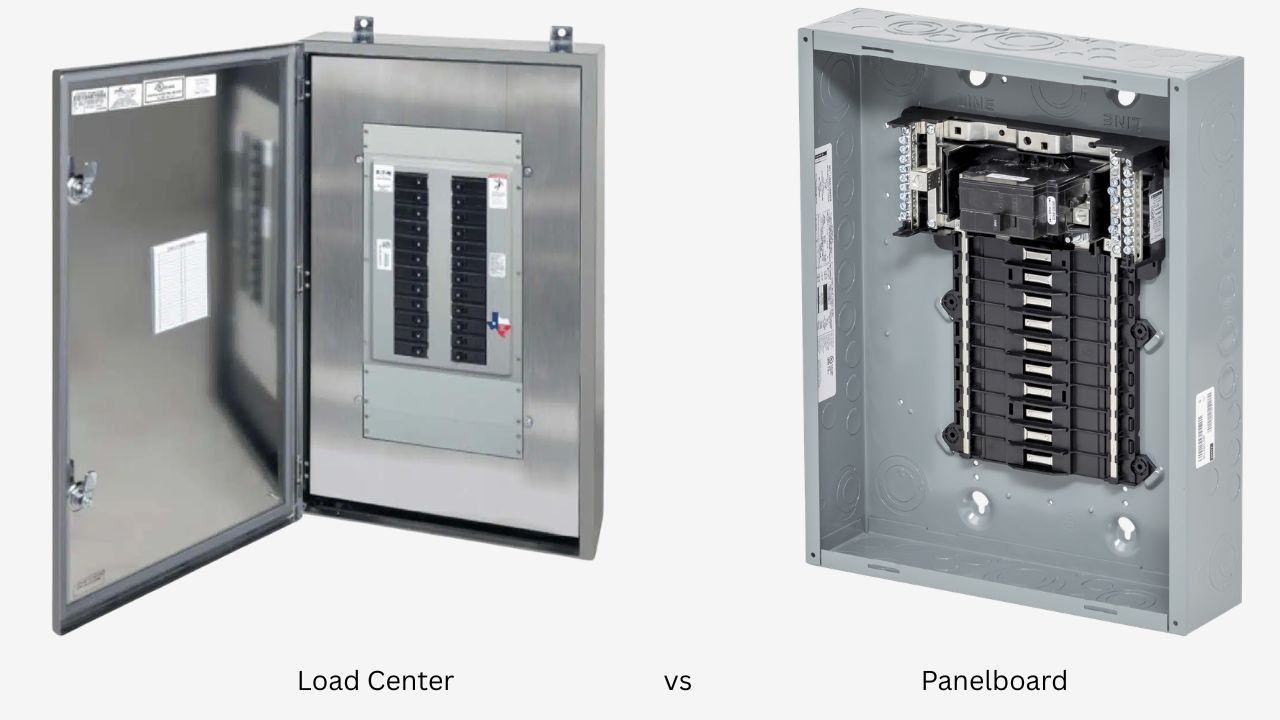
Know the difference between a load center and a panelboard when planning an electricity distribution system. It will save you time, money, and trouble in the future. Even though they look alike, these two power transfer workhorses are used for very different things in homes, businesses, and factories.
What Is a Load Center?
Your home’s electricity control center is a load center, which is also sometimes called a breaker box or distribution panel. It gets electricity from the utility company and sends it to the branch lines in your building. 负荷中心 are mostly made for home and light business use. They can handle up to 400 amps and have plug-on circuit switches that are easy to install.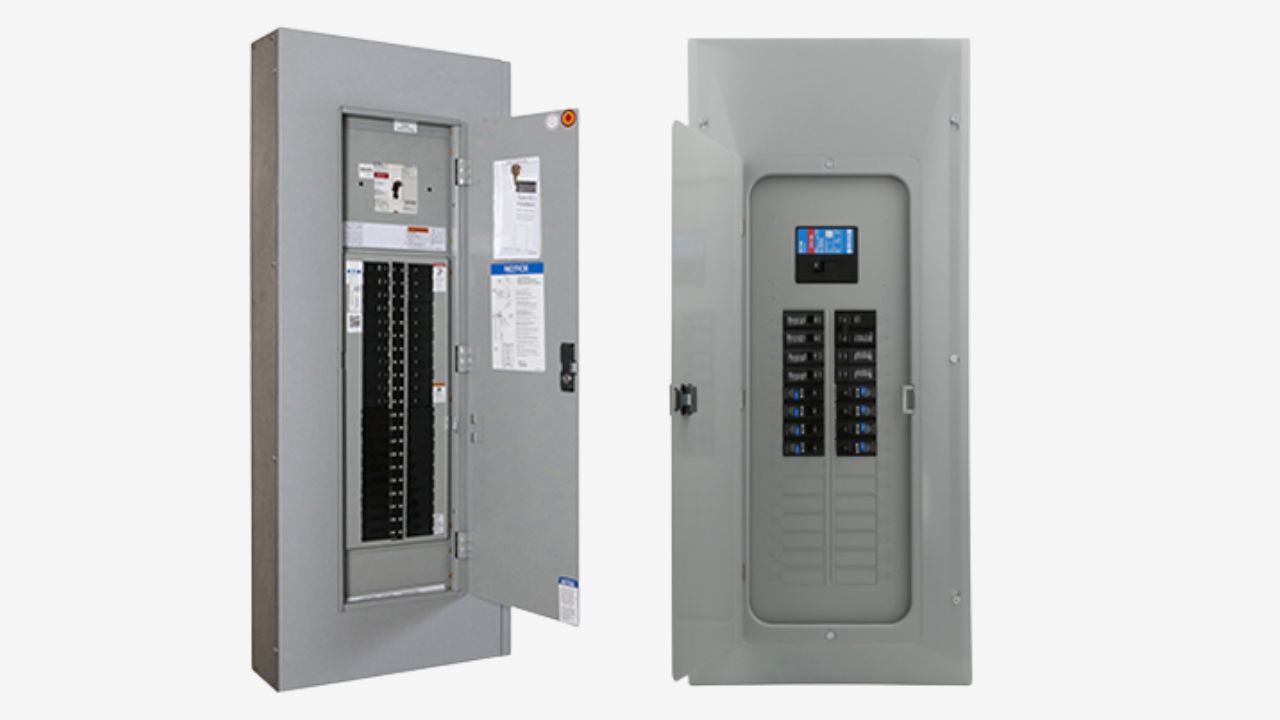
What Is a Panelboard?
The heavy-duty alternative to the load center is the panelboard, which is made for business and factory settings. It splits a main electrical feed into several branch lines and protects against overcurrent. Panelboards are different from home panels, for instance, single-phase and three-phase panelboards, because they can handle up to 1,200 amps, three-phase power at 600V, and both plug-on and bolt-on breakers for more demanding uses.
Top 10 Key Differences between Load Center vs Panelboard
Definition & Industry Terminology
Load Center:
This is not a formal electrical classification; it is just a term used in the business. Some load centers are sold as small, inexpensive delivery equipment that is mostly used in homes. The National Electrical Code does not say what this term means; it is just how makers talk about smaller panelboards that are sold through home improvement stores and electrical distributors for use in homes.
Panelboard:
When compared to load centers, “panelboard” has an official weight. It is clearly described in NEC Article 408 and has been tested to meet UL 67 standards. When you ask for a panelboard, you are asking for equipment that was built to strict commercial and industrial standards. This means that it has deeper enclosures and better building features that meet higher standards for safety and performance.
Electrical Capacity (Amps & Load Handling)
Load Center:
Most household load centers are rated at 100 to 200 amps, but newer models can go up to 400 amps for bigger homes or properties that are wired for electricity. Most of the time, these are used to power things like lighting circuits, outlets, cooking appliances, and HVAC systems. These days, a 200-amp load center is enough for most houses.
Panelboard:
These units deal with a lot of power. Incoming current can reach up to 1,200 amps in standard panelboards, and 2,000 to 5,000 amps or more in industrial-grade models. A panelboard easily meets the needs of your building when it comes to powering heavy machinery, large motor banks, or dense equipment layouts.
Voltage & Phase Capability
Load Center:
Only 120/240-volt single-phase power can be used with these units. And that is exactly what you need to wire a normal house, flat, or small store. But you cannot use a load center for three-phase systems or systems with higher power because the bus structure and internal parts are not made for that.
Panelboard:
This is where panelboards show how useful they are. You can use them with up to 600 volts, and they come in both single-phase and three-phase versions. When you are setting up a commercial building with three-phase equipment or an industrial building with 480-volt equipment, a panelboard that is properly described will do the job.
Breaker Type (Connection Method)
Load Center:
A load center will only have plug-on (or plug-in) circuit switches. You do not need any tools to put these breaks on the bus bars; just line them up and press down hard. This plug-on design makes installation much faster, which is important when you need to wire a lot of apartments or meet tight building deadlines.
Panelboard:
Panelboards let you choose. Some places will take plug-on breakers, but most business and factory settings use bolt-on breakers that are attached with screws or bolts. This bolted link makes the mechanical structure more stable when it shakes, and it guarantees reliable performance in harsh conditions where equipment is used all the time or is put under a lot of mechanical stress.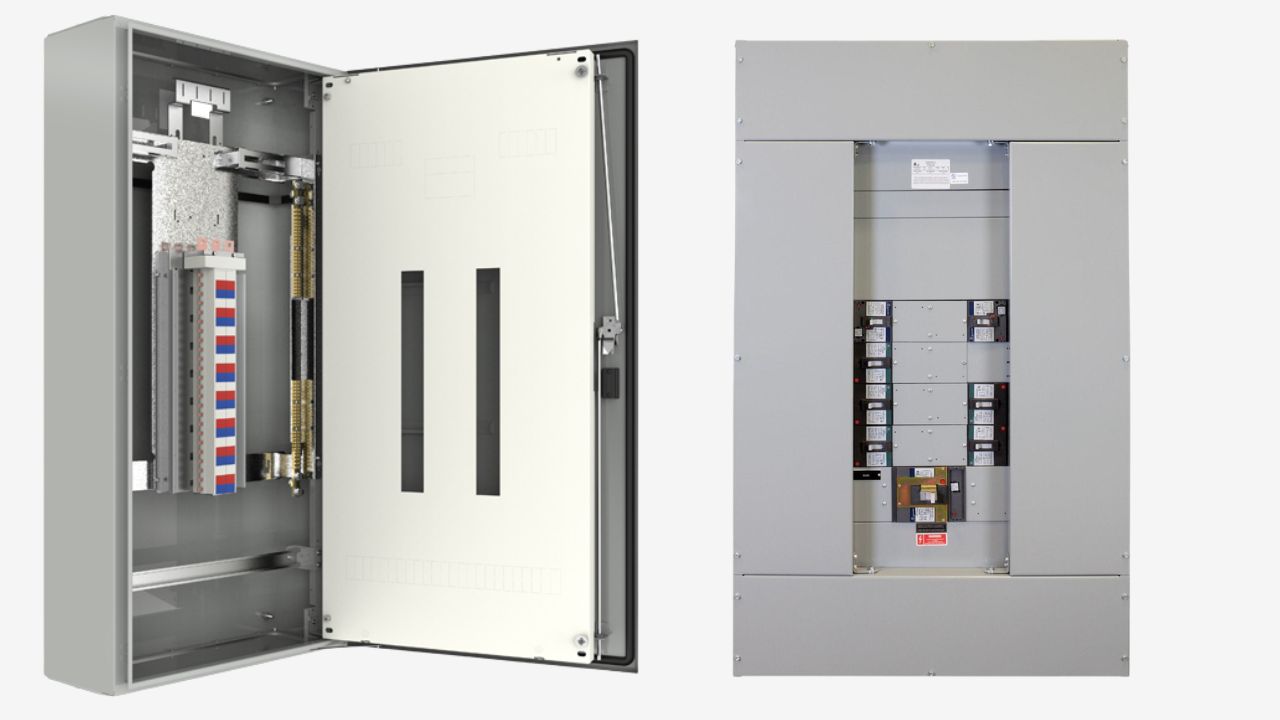
Size & Physical Construction
Load Center:
When built, these are small and shallow. They are usually about 14 inches wide and 4 inches deep. In a residential building, you will mount them flush between wall studs so that they blend in with the finished wall. The lighter construction keeps costs low and makes it easier for residential electricians to move around when they are working in small areas like garages or basements.
Panelboard:
Commercial panelboards usually measure 20 inches wide by 6 inches deep or more, so the sizes you can expect are much bigger. You can place them on the wall or put them in an electrical room where there is plenty of room. The enclosures are made of thicker gauge steel and are reinforced so they can handle the rough conditions of business and industrial settings.
Number of Circuits & Expandability
Load Center:
These have a fixed interior that tells you right away how many circuits they have. Depending on the type, load centers can have anywhere from 2 to 120 circuits. But there are not many ways to expand the field—you usually cannot add subfeed sections or extra gaps after the fact. You might have to get a whole new unit if your electricity needs change a lot.
Panelboard:
The form of panelboards makes them flexible. When your facility grows, you can add subfeed sections, extra drains, and other parts in the field. With frames that can hold anywhere from 12 to 36 circuits in a single section and the option to add more sections, you can buy distribution equipment that can grow with your business.
Durability & Build Quality
Load Center:
The cases of these units are made of minimum-grade painted steel. For indoor NEMA Type 1 installations, the steel is usually cold-rolled steel, and for outdoor NEMA Type 3R installations, it is painted galvannealed steel. The building is made so that it is cost-effective rather than very durable, which is great for homes where conditions are mostly controlled and predictable.
Panelboard:
Industrial-grade structure is what makes panelboards unique. There is heavy-gauge phosphatized steel and hot-dip galvanized steel. For harsh conditions, there are also stainless steel or fiberglass enclosures. Need tools that will not explode? Panelboards with NEMA 4, 4X, 7, 9, and 12 ratings are available for places that are dangerous and normal enclosures would never pass inspection.
Cost & Economic Consideration
Load Center:
The upfront cost is the main benefit for you. Because load centers make a lot of the same thing, prices stay low and stable. When money is tight, and you are building homes, apartments, or light business spaces, a load center gives you reliable performance without over-engineering your electrical distribution.
Panelboard:
It will cost more at first, but think of it as an investment for the long run. Panelboards are made to last for decades in tough conditions, and because they can be expanded, you will not have to buy new ones as your business grows. For business and industry uses, the higher cost up front means lower total cost of ownership over the equipment’s lifetime.
Application (Residential vs Commercial)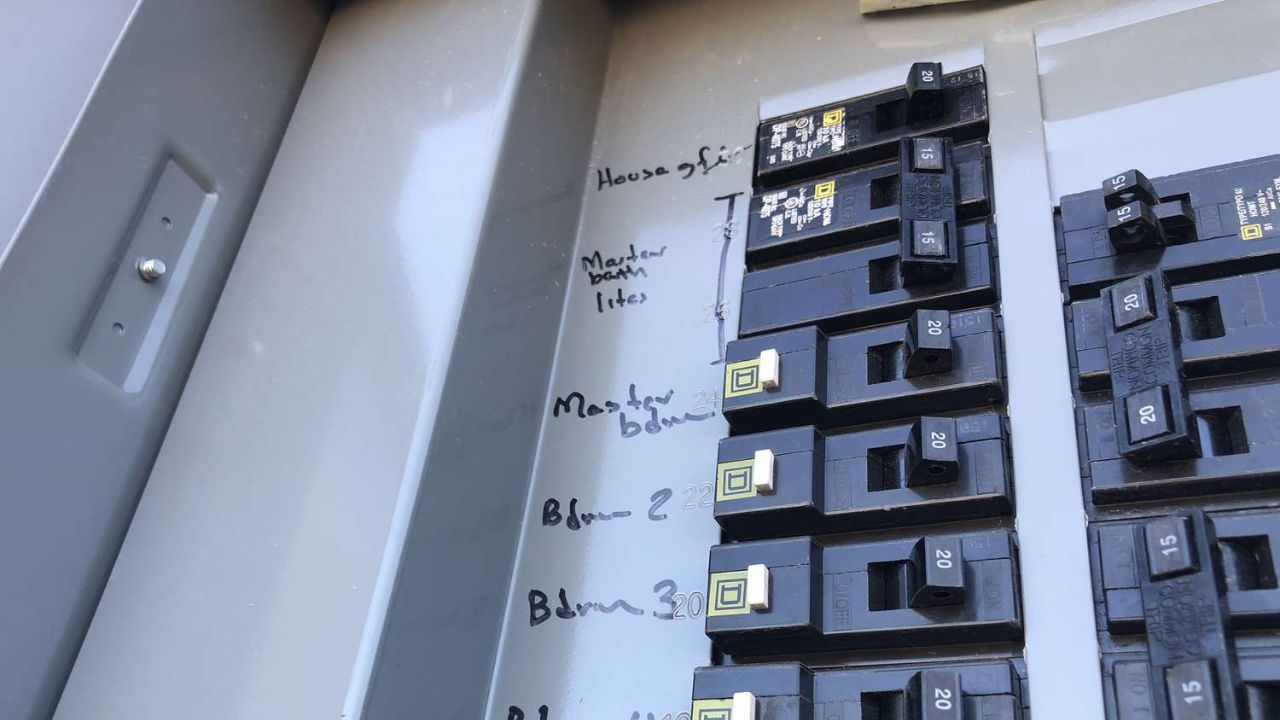
Load Center:
You can use these for single-family houses, apartments with more than one unit, condos, and townhomes. You can also find them in light business spaces with low electricity needs, like small stores, office suites, and warehouses. There are even companies that make load centers for OEMs that need them for uses that require compact distribution.
Panelboard:
Panelboards are used in data centers, schools, hospitals, commercial office buildings, and other places where people work. Lift control, lighting control systems, and branch circuit tracking are all specialized uses for your distribution equipment that need it to do more than just send power from one place to another.
Flexibility & Customization
Load Center:
You can choose from standard configurations and a small number of optional features for the load center. They are made in large quantities with consistent patterns. If your application needs specific parts, like shunt trip breakers or energy tracking, you might have to buy them separately instead of having them built in at the factory.
Panelboard:
One of our main strengths is customization. Panelboards are put together in the factory based on your exact needs. They can come with choices like monitoring the energy in both the main and branch circuits, built-in surge protection, shunt trip breakers, auxiliary switches, and undervoltage release devices. You get the exact configuration your building needs, delivered as a fully assembled and tested unit.
Summary Table:
| 特征 | 负荷中心 | Panelboard |
| Primary Application | Residential, light commercial | Commercial, industrial, institutional |
| 额定电压 | 120/240V single-phase | Up to 600V, single or three-phase |
| Current Capacity | Up to 400A | Up to 1,200A (higher for industrial) |
| Breaker Type | Plug-on only | Plug-on and bolt-on |
| Enclosure Depth | ~3.75 inches | ~5.75 inches and larger |
| Expandability | Limited, fixed interior | Flexible, field-expandable |
| 耐用性 | Standard painted steel | Heavy-duty galvanized, stainless, or fiberglass |
| 成本 | Lower upfront | Higher initial, better long-term value |
| 定制 | Minimal options | Extensive factory customization |
| Applicable Standards | UL 67 | UL 67, NEMA PB1 |
Load Center vs Panelboard — Which One Is Best?
Which option is best depends on the needs of your project. A load center is a safe and cost-effective way to distribute power in a single-phase for homes, apartments, and small businesses that only need power in one direction. A panelboard gives you the flexibility, durability, and capacity you need for business buildings, hospitals, industrial facilities, or any other use that needs three-phase power, higher voltages, or the ability to grow in the future. If you choose the right tools for the job, you can make a distribution system that works well for many years.
Get Your Customized Load Center and Panelboard by KDM Steel
在 KDM钢铁, we make load centers and panelboards that are tailored to your needs. Our engineering team can help you with high-quality solutions that meet UL and NEC standards, whether you need heavy-duty commercial panelboards with custom layouts or residential distribution panels. 联系我们 to talk about your project needs and get a personalized price.
常见问题解答
Is a Load Center vs Panelboard considered the same under NEC?
According to the NEC and UL 67 guidelines, there is no official difference between the two. Both are checked to meet the same safety standards, but in the business world, they are used in different ways.
Are Load Center vs Panelboard interchangeable terms?
Even though they are technically the same under code, they are not used that way in the business. “Panelboard” is used for business and industrial installations, while “load center” is used for residential projects.
How many circuits can the Load Center vs. the Panelboard support?
Depending on the type, load centers can usually handle anywhere from 2 to 120 circuits. Panelboards have sections with 12 to 36 circuits, and you can add subfeed sections to make them bigger if you need to.
Are Load Center vs Panelboard both used for power distribution?
Yes, both serve the same fundamental purpose of distributing power and providing overcurrent protection. The key difference lies in their capacity, construction quality, and intended operating environment.
What is the role of the Load Center vs. the Panelboard in safety?
Both have 直流断路器 inside that trip when there is a short circuit or an overload. Panelboards provide extra safety features, such as explosion-proof and watertight enclosures for places that are likely to be dangerous.
What standards apply to Load Center vs Panelboard?
Both meet the standards of UL 67 and the National Electrical Code (NEC). Panelboards also meet NEMA Standard PB1 and may have extra approvals for use in dangerous areas.
Are Load Center vs Panelboard used together in one system?
Yes, they are often used together in bigger buildings. Downstream load centers that serve certain zones, floors, or tenant areas are usually fed from a main panelboard.
Can the Load Center be upgraded or expanded as compared to the panelboard?
The interiors of the load centers are immobile and have minimal room to expand, and, therefore, when there is a need to increase the space, the load center is typically replaced. It also allows you to add subfeed sections and other subparts in the field that use panelboards with more features.
 Chinese
  English
  Arabic
  French
  Spanish
  Russian
  Japanese
  Korean
  Portuguese
  Indonesian