Wall-Mounted vs Floor-Mounted Distribution Boxes

Choosing between wall-mounted vs floor-mounted distribution boxes can have a big effect on the safety, economy, and bottom line of your project. This guide helps you compare both choices based on installation needs, space limitations, and long-term operating requirements so you can make smart buying decisions.

目录

What Is a Wall-Mounted Distribution Box?

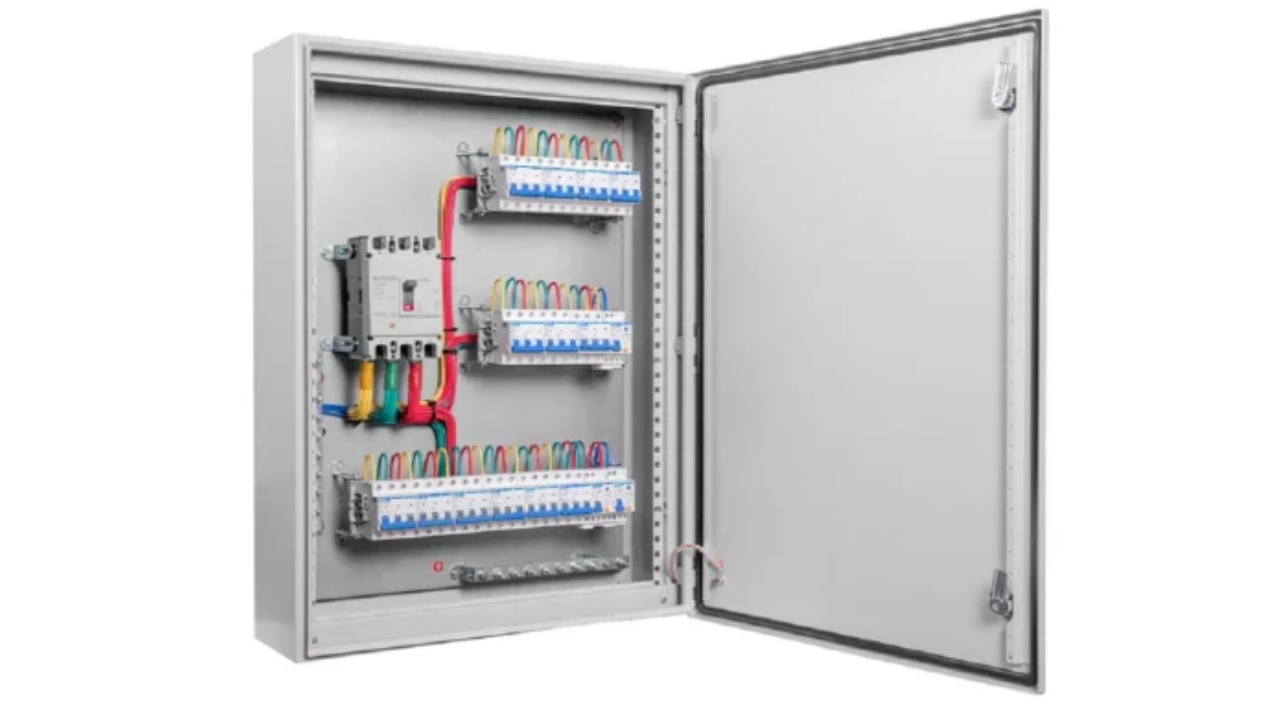
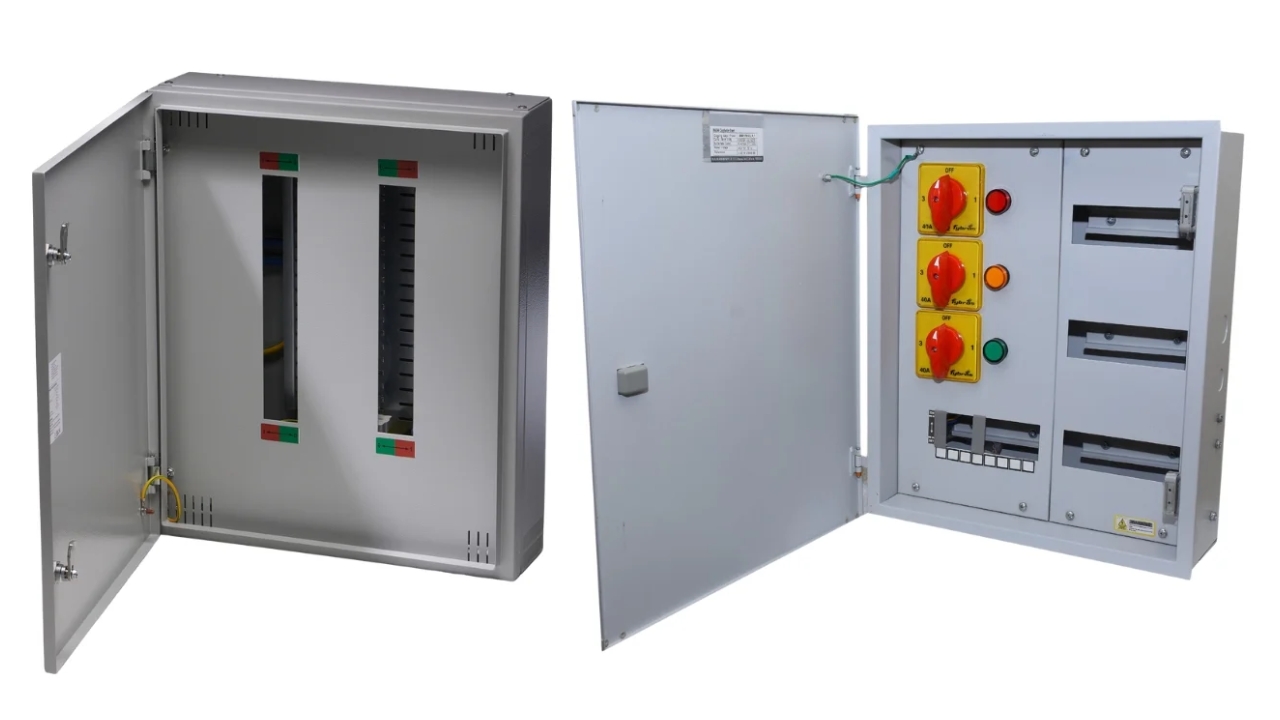
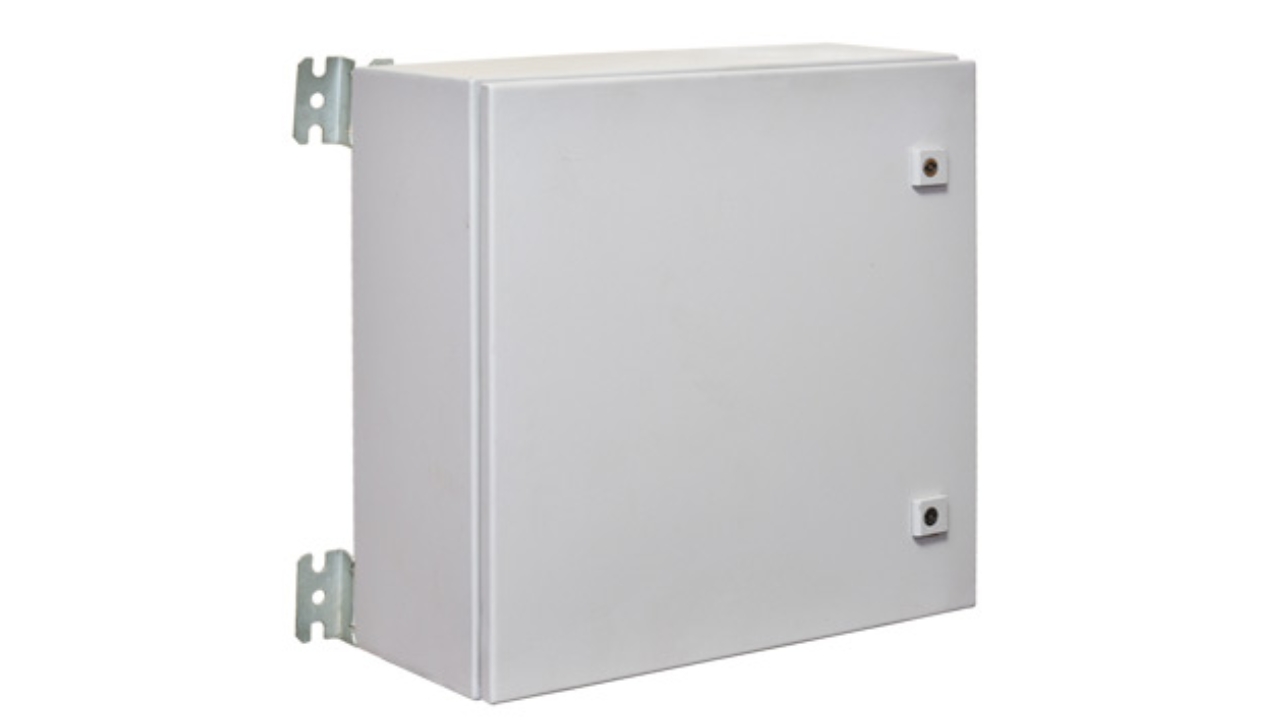
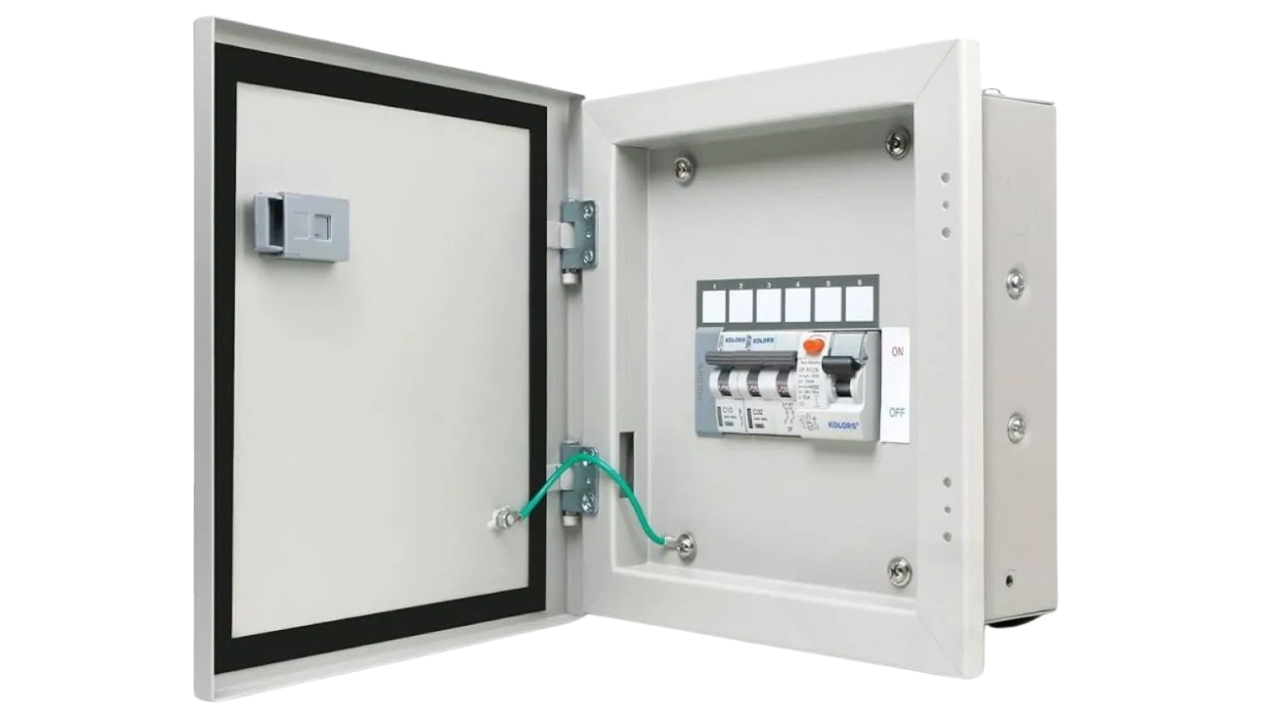
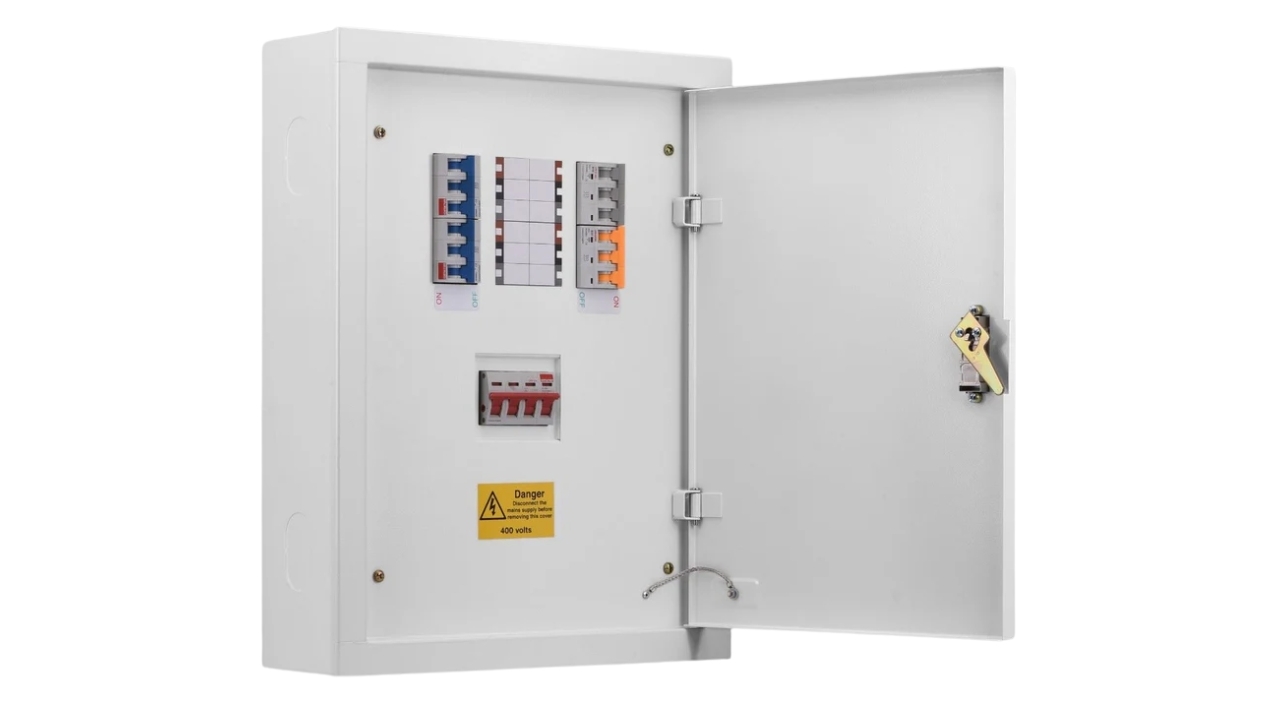
A wall-mounted distribution box is an electrical structure that is attached directly to a vertical surface. It usually holds control devices, 600V DC circuit breakers, and contactors. These small units are sealed on six sides and have pre-designed knockout points for cables to enter. This makes them perfect for spreading power in business and light industrial settings without a central hub.

What Is a Floor-Mounted Distribution Box?

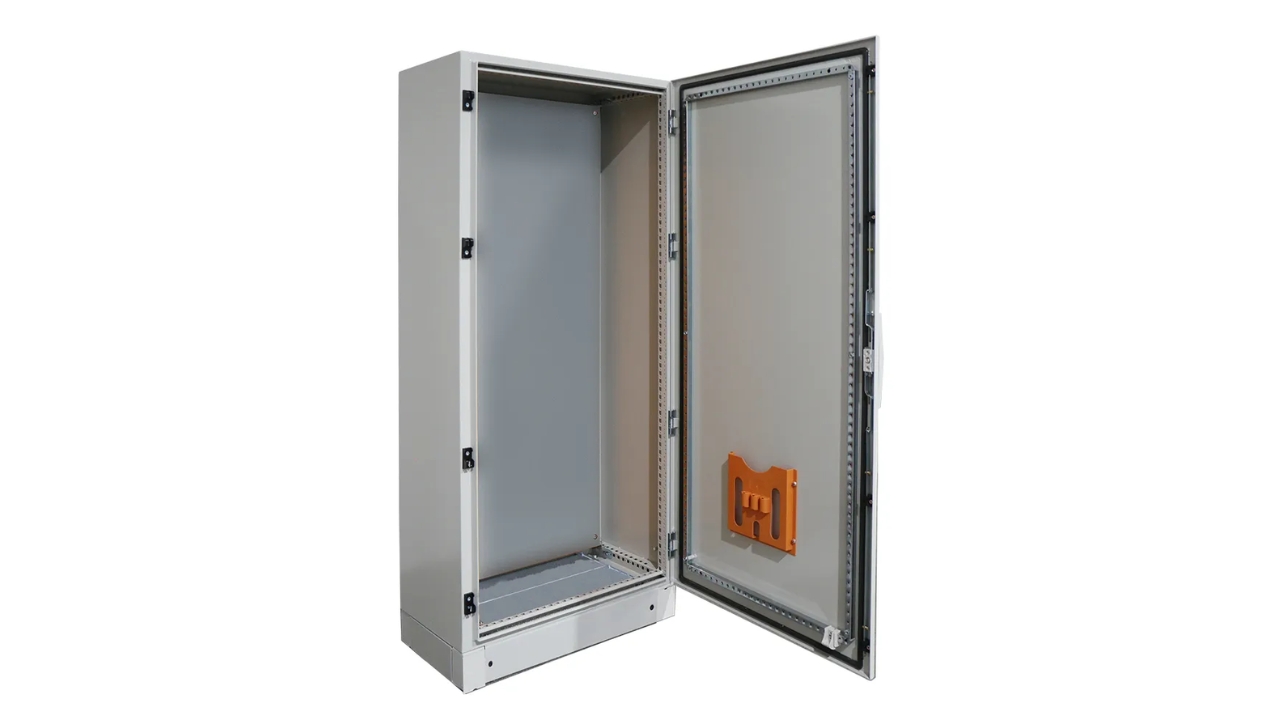
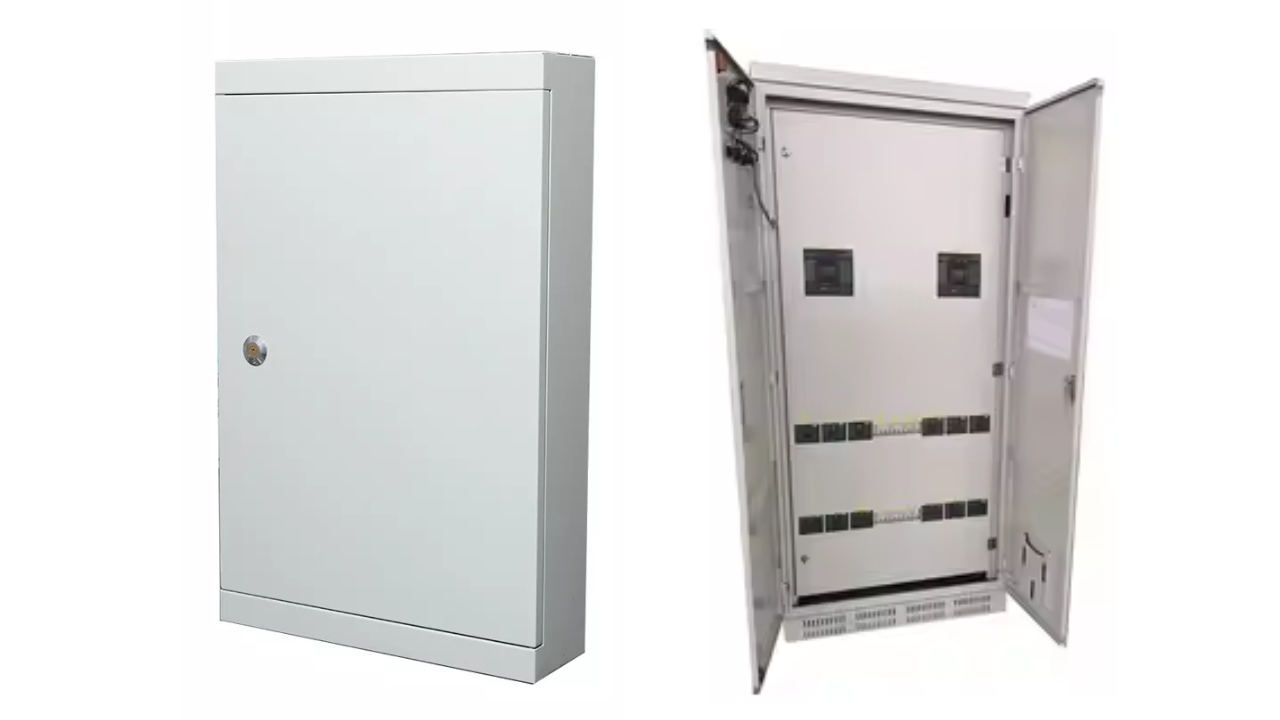
Floor-mounted distribution boxes are enclosures that stand alone and are put on the floor, usually against walls or in electric-only rooms. These strong cabinets have an open bottom and five sides that seal. They can hold bigger electrical assemblies, busbar systems, and high-capacity 开关设备 for industrial buildings’ main power distribution.

Side-by-Side Comparison between Wall-Mounted vs Floor-Mounted Distribution Boxes

Mounting Method & Physical Support

Wall-Mounted Distribution Box

These covers need to be securely attached to the walls of the building using expansion bolts or through-wall fasteners. Before placement, you’ll need to check the wall’s composition and its ability to hold weight. The height of the mounting usually puts the working handles at easy-to-reach heights. Cables enter through the top or bottom knockouts to keep the look clean and organized.

Floor-Mounted Distribution Box

These units stand on their own on floors that have been prepared, with their weight being spread out by base supports, also called plinths. You need to make sure the floor is level and, if possible, think about integrating a higher access floor. The bottom opening design lets large cable formations happen, and units usually need to be 5–10 mm above the finished floor level to keep water out.

Space Utilization

Wall-Mounted Distribution Box

These barriers work great in places where floor space is very valuable. You can save important production areas, aisles, and equipment staging areas by using vertical wall space. They work best in places with a lot of people, like stores, buildings with crowded floors, and places with many floors where every square meter counts for efficiency.

Floor-Mounted Distribution Box

Even though they take up valuable floor space, these cabinets make the most of vertical room by having multiple compartments. You can organize large electrical systems within a single footprint, which is helpful because the systems usually have different sections for control, distribution, and input. When handling complicated power distribution architectures, this consolidation is very helpful.

Capacity & Internal Volume

Wall-Mounted Distribution Box

Standardized sizes usually fall between 250x250x140mm and 1000x800x300mm, which can fit parts with modest densities. These can be used for lighting control, branch circuit distribution, and power sources that are specific to equipment. But as the number of components inside these small enclosures grows, thermal control becomes very important.

Floor-Mounted Distribution Box

With common dimensions of 1910x600x250mm and weight capacities of up to 800kg, these enclosures have much bigger interior volumes. Main switchgear, transformer banks, and large busbar systems can all be put together in one unit. The large interior room makes it easier for the conductors to bend properly, for heat to escape, and for future changes to be made without affecting accessibility.

Load-Bearing & Equipment Weight

Wall-Mounted Distribution Box

You must not go over the weight limits that are written on these boxes. A normal steel wall-mount unit can easily hold up to 40 kg of equipment inside. Heavy parts, like big transformers or a lot of breaker sections, quickly go over these limits. You’ll need to carefully figure out how much weight is being installed and make sure that the way the wall is built gives it enough anchoring power.

Floor-Mounted Distribution Box

Built on heavy-gauge steel frames that are welded together, floor-standing cabinets can hold a lot more weight—often 800 kg or more. Since the weight is directly on the floor, there are no worries about fixing it to the wall. With this much space, you can put huge switchgear, busway systems, and many meter banks inside a single container without affecting its structural integrity.

Accessibility & Maintenance

Wall-Mounted Distribution Box

The operating handles on these units are usually between 1.2 and 1.5 meters above the floor, which makes it easy to work on the parts. With front-access designs, upkeep can be done without having to bend over or stoop. But deep enclosures can make it hard to get to the back parts, and you might have to disconnect the wires just to get to the inside parts.

Floor-Mounted Distribution Box

The best internal design puts vertical busbars on the side (either the left or right) instead of in the back. This side-by-side setup makes it easier to get to connections and lets you use infrared thermography, which is important for preventive maintenance programs. With front-and-rear access configurations, you can fix parts without having to shut down whole areas.

Application Complexity

Wall-Mounted Distribution Box

These work great for simple distribution tasks like branch circuits, lighting panels, and power sources that are specific to equipment. Most of the time, they can handle up to 800A. When used in residential areas, compact designs put safety and good looks first. Modular options can handle a variety of loads in business buildings, such as data, power, and lighting.

Floor-Mounted Distribution Box

Floor-mounted cabinets are the way to go when your project needs major switchgear, large busbar systems, or Form 2b segregation (separating busbars from functional units). They can handle complicated incoming setups (top or bottom feed) and have separate cableways for circuits that are going out. Being able to hold high-voltage devices and handle mechanical stress is helpful in industrial settings.

Aesthetic Integration

Wall-Mounted Distribution Box

Powder-coated finishes (often RAL standard 9016 or 7035) on modern wall-mount cabinets make them look good in business settings. You can recess units into walls for a cleaner look with slim profiles and flush-mount choices. You can keep things looking professional in an office or store without sacrificing usefulness.

Floor-Mounted Distribution Box

People will notice these bigger shelves. Gray RAL 7035 finishes are normal from the manufacturer, but you’ll usually find them in utility rooms or electrical rooms where looks are less important. Their industrial look works well in service hallways and factory floors, but they should be placed carefully so they don’t stand out too much in finished rooms.

Structural & Installation Requirements

Wall-Mounted Distribution Box

Before placing, make sure the wall can hold the weight of the unit. Most main distribution units weigh between 10 and 15 kg when they’re empty, not counting the parts that are inside. Keep the minimum distances between things at least 150 mm above and below, and 50 mm to the right for air flow and work space. Pre-engineered knockouts make it easier for cables to get in, but wall penetration needs to be coordinated with the structure of the building.

Floor-Mounted Distribution Box

Preparing the floor is the first step in installation. For this, you’ll need flat areas that can hold heavy loads. Most of the time, these cabinets need to be 5–10 mm above the finished floor to keep water out. For bottom cable entries, you need to carefully plan how to penetrate the floor or use raised access floor solutions. To link several cabinets together, the sections must be perfectly lined up and connected by busbars.

Cost & Complexity

Wall-Mounted Distribution Box 

These units are usually the more affordable choice because they require less material and are easier to set up. You’ll save money on things like base work, renting a crane, and special rigging. But think about the hidden costs: having a lot of smaller enclosures spread out in different parts of your building may mean longer wire runs and more work to make sure that all the units work together.

Floor-Mounted Distribution Box 

The original cost is higher because it has more materials, heavier steel, and more complex internal busbar systems. For installation, the floor needs to be carefully prepared; there may need to be raised entry flooring, and mechanical handling equipment is sometimes needed. Still, you get long-term value from having easy access to upkeep, fewer copper runs because incoming supplies are centralized, and longer service life because the building is strong.

Flexibility & Scalability

Wall-Mounted Distribution Box

Within the limits of their structure, these enclosures allow for some freedom. You can add breakers to pre-configured train systems or switch out parts, but if you need to expand, you have to add another box because the enclosure can’t hold any more space. This “distributed” method might make phased growth easier for facilities that are getting bigger—just add another wall-mount unit near the new equipment.

Floor-Mounted Distribution Box

This is the best place for floor-standing shelves. Most designs leave 20 to 30 percent of their busbar ratings and compartment room empty in case more circuits are added in the future. By connecting extra cabinets to current ones and extending the busbars through factory-engineered connections, you can add whole sections. Because they are easier to expand, large industrial sites often choose floor-mounted main distribution.

Side-by-Side Comparison Table

特征 Wall-Mounted Distribution Box Floor-Mounted Distribution Box
Mounting Method Secured to vertical structural walls Freestanding on a prepared floor surface
Typical Size Range 250×250×140mm to 1000×800×300mm Up to 1910×600×250mm and larger
承重能力 ~40 kg typical maximum Up to 800 kg or more
Space Utilization Preserves floor space, uses vertical wall area Requires a dedicated floor footprint, optimizes vertical stacking
Typical Applications Branch circuits, lighting panels, and equipment power Main switchgear, busbar systems, and high-capacity distribution
Current Rating Typically up to 800A Can exceed 2000A with busbar systems
安装要求 Wall anchoring, accessible height placement Level floor prep, potential raised access, 5-10mm elevation
无障碍设施 Front access is typical; rear components may be constrained Front/rear access options, lateral busbar placement for easy maintenance
可扩展性 Limited to enclosure volume; add units for expansion Highly scalable; add coupled sections with busbar extensions
Relative Cost Lower initial investment Higher initial investment, greater long-term value
Aesthetic Integration Can blend with interiors; flush-mount options available Industrial appearance, typically located in electrical rooms

Wall-Mounted vs Floor-Mounted Distribution Boxes — Which One Should You Choose?

Your choice will depend on the size of the project and the priorities of the customers. Wall-mounted boxes are best for places with limited floor space, decentralized uses, and current needs that are less than 800A. They are perfect for multi-story buildings, retail spaces, and distributing equipment.

Choose floor-mounted cabinets if you need equipment for the main service entrance, high-capacity busbar systems, or the ability to expand in the future. This is especially important for industrial plants, big commercial complexes, and buildings with centralized power distribution systems. You could also use a hybrid method, with mains that are mounted on the floor and sub-distribution units that are mounted on the walls all over your building.

Customized Distribution Boxes by KDM Steel

Every project has its own problems, like limitations on the building’s space, odd-shaped parts, or special environmental needs. KDM钢铁 makes custom distribution boxes that are built to your exact specs. Our team can help you with CAD-supported engineering and quick production, whether you need wall-mounted enclosures with specific cutouts, floor-standing cabinets with Form 4b segregation, or changes to standard IP-rated designs. Check out our mounting tools and accessories to finish your installation like a professional. 联系我们 to get further details.

常见问题解答

Can a distribution box’s wall-mounted vs floor-mounted design affect safety?

Yes, units that are mounted on the wall need to be securely attached so that they don’t come loose during faults, and cabinets that are mounted on the floor need stable bases so that they can handle the electric forces that come from short-circuits.

Is it easier to place distribution boxes that are mounted on the wall or the floor?

Yes. Standard tools are needed to fix wall-mounted units and connect their cables. For floor-mounted systems, the floor needs to be prepared and leveled, and mechanical handling equipment is often needed.

Do distribution boxes that are placed on the floor need a special base or leveling?

Yes, they do need floors that are flat and strong enough to hold heavy loads. To keep moisture out, many standards call for a 5–10 mm height above the finished floor.

If you put distribution boxes on the floor or the wall, can you use them outside?

Both can if they have the right IP or NEMA ratings look for IP55, IP66, or NEMA 3R/4/4X. Units that are placed on the wall need rain shields, while cabinets that are mounted on the floor need plinth bases to keep water from pooling.

Which is better for growth: a distribution box placed on the wall or the floor?

With their modular design that lets you connect parts and add busbars, floor-mounted cabinets are clearly the winner. When the capacity is used up, wall-mounted units need to be completely replaced or have duplicate enclosures added.

Can the fact that a distribution box is placed on the wall or the floor affect fire safety?

Yes. Floor-mounted units in electrical rooms have their own fire suppression systems, but wall-mounted units that are spread out across the building might not have this safety.

When it comes to wall-mounted vs. floor-mounted distribution boxes, what kinds of materials are most often used?

Both groups are dominated by mild steel that has been powder-coated. Heavy-duty floor-mounted applications usually use 2.0–2.5 mm steel, while normal wall-mounted units use 1.2–1.5 mm steel.

Are there different IP/NEMA standards for wall-mounted and floor-mounted distribution boxes?

Both cover the whole range, from IP40 for indoor use to IP69K for wet areas. Your choice should be based on specific problems, like dust, moisture, high temperatures, or chemical exposure.

Can a distribution box that is placed on the wall handle high-current tasks?

Most of the time, wall-mounted units can handle up to 800A. Besides this, floor-mounted designs give you the space, air flow, and busbar options you need to control temperature.

zh_CNChinese
滚动至顶部
x
立即发送您的询问
上传文件
x
立即发送您的询问
上传文件