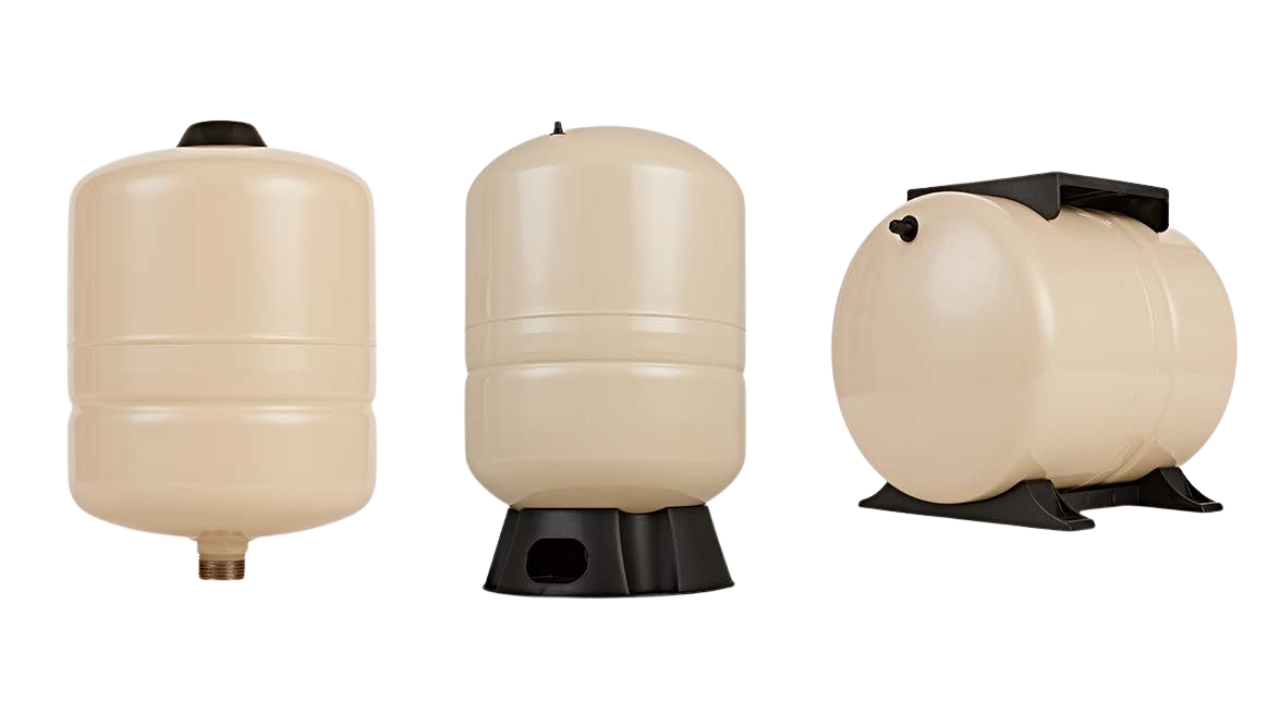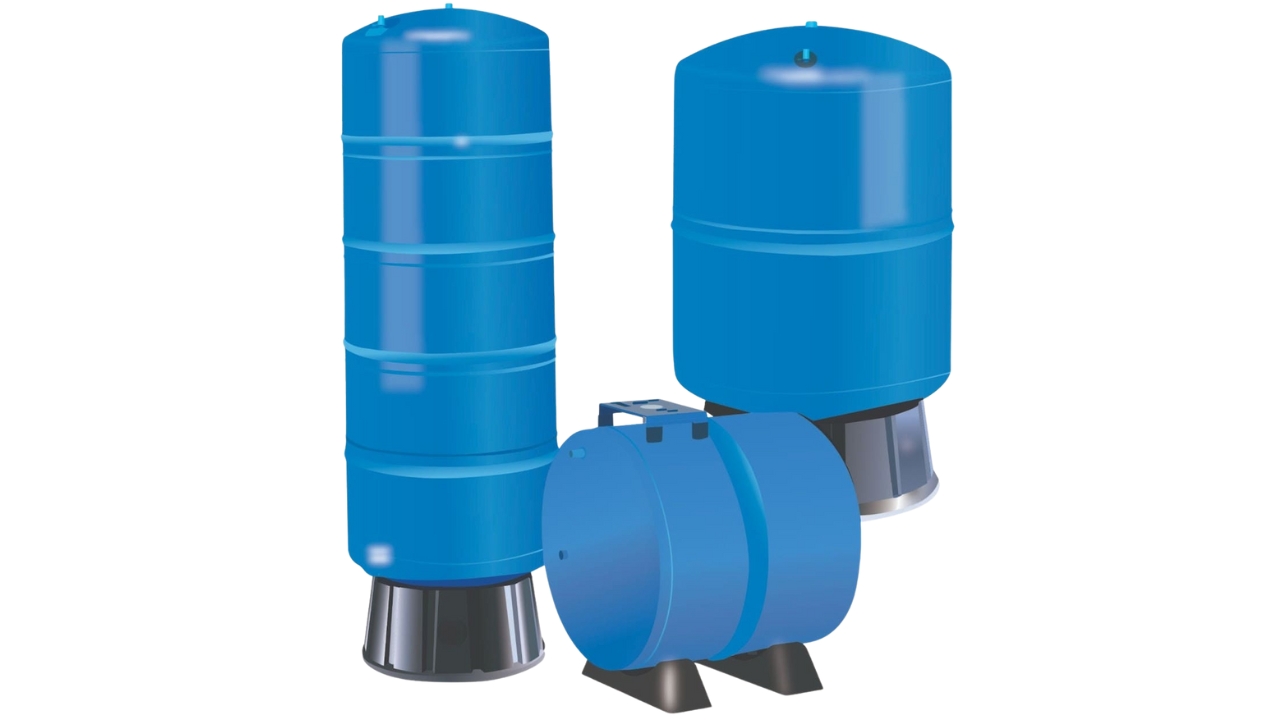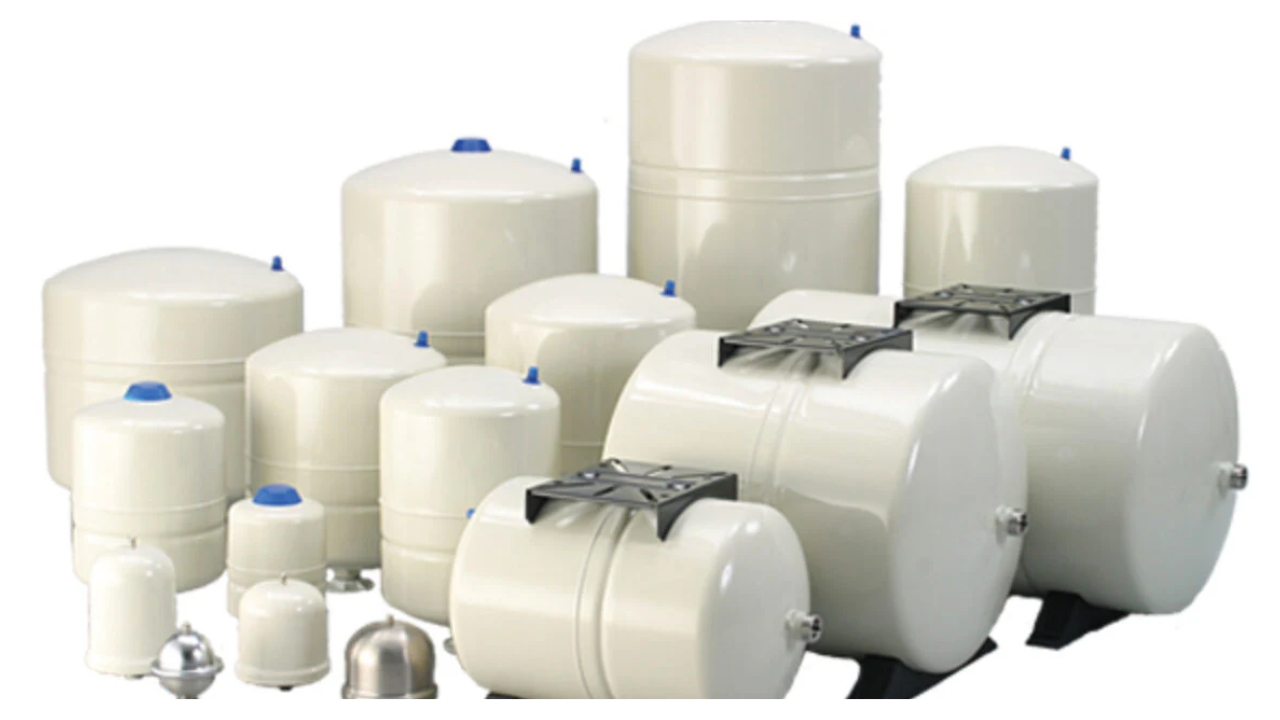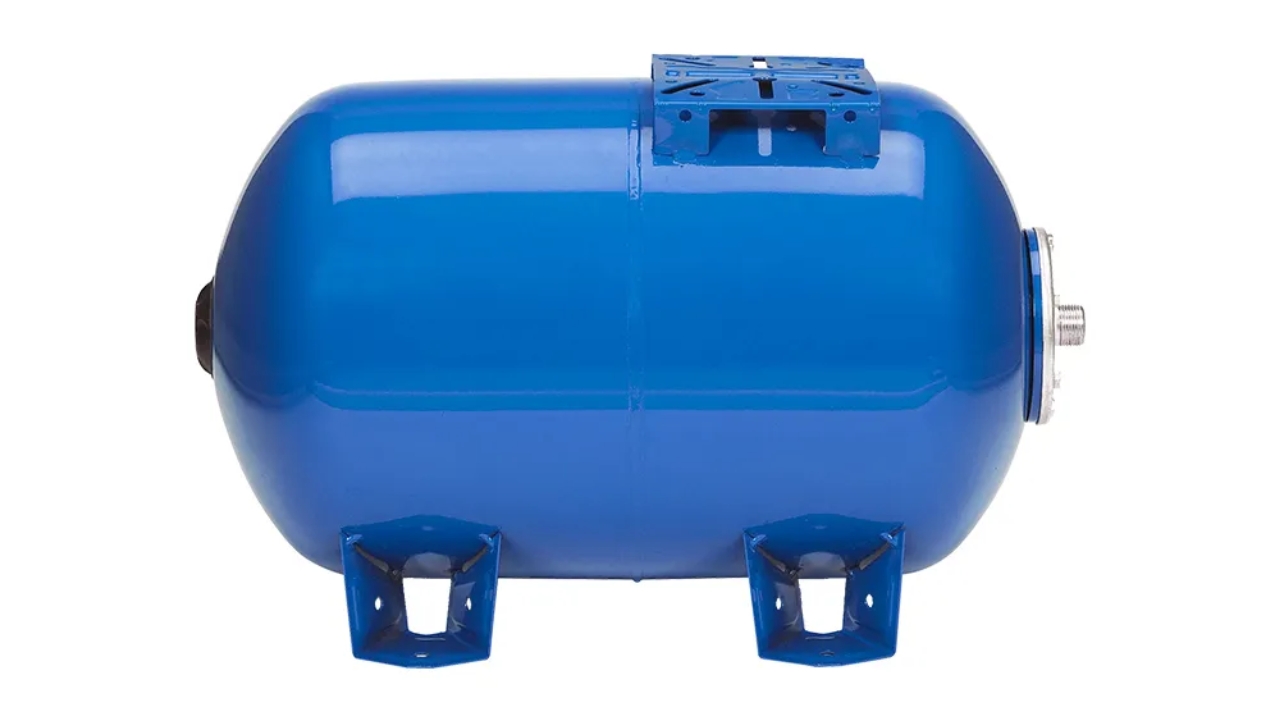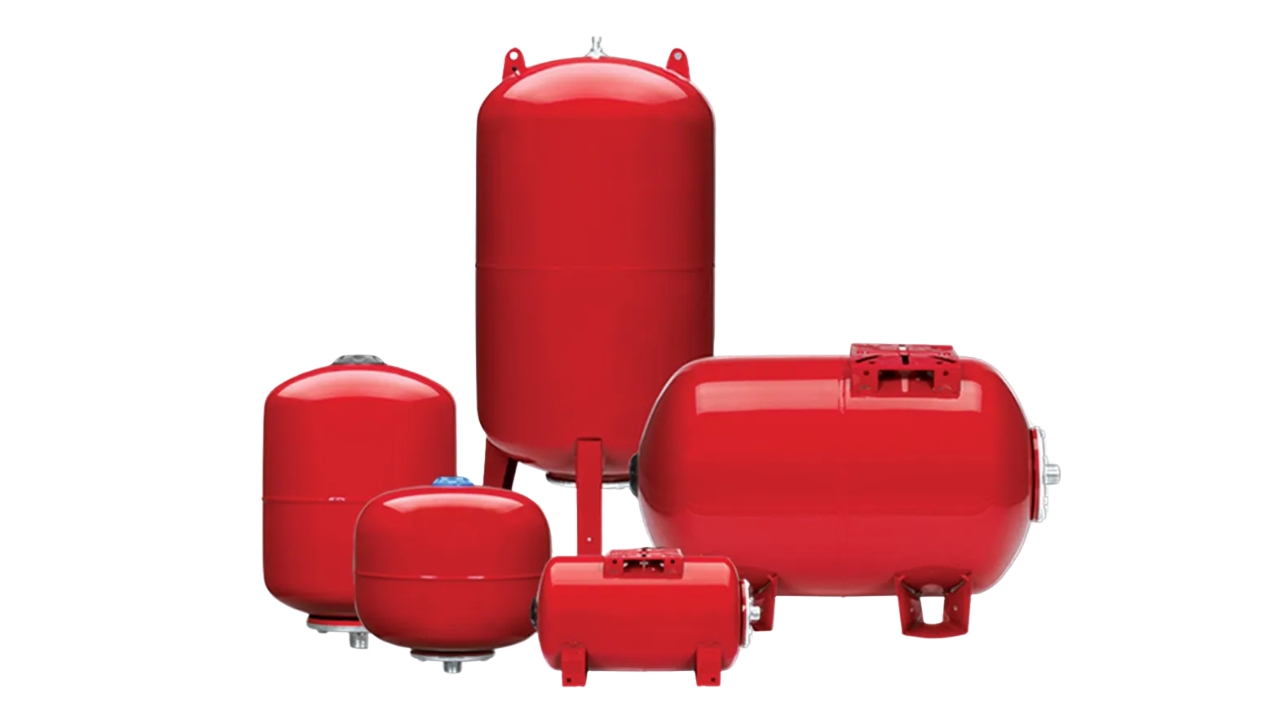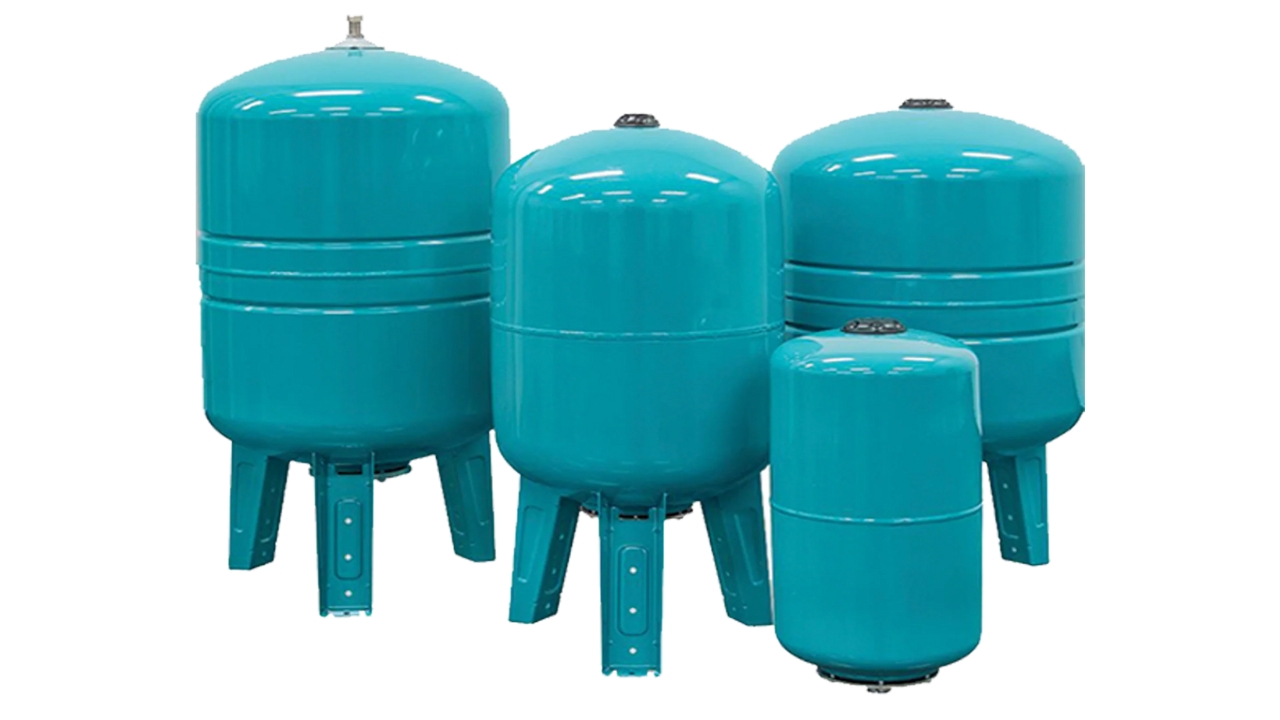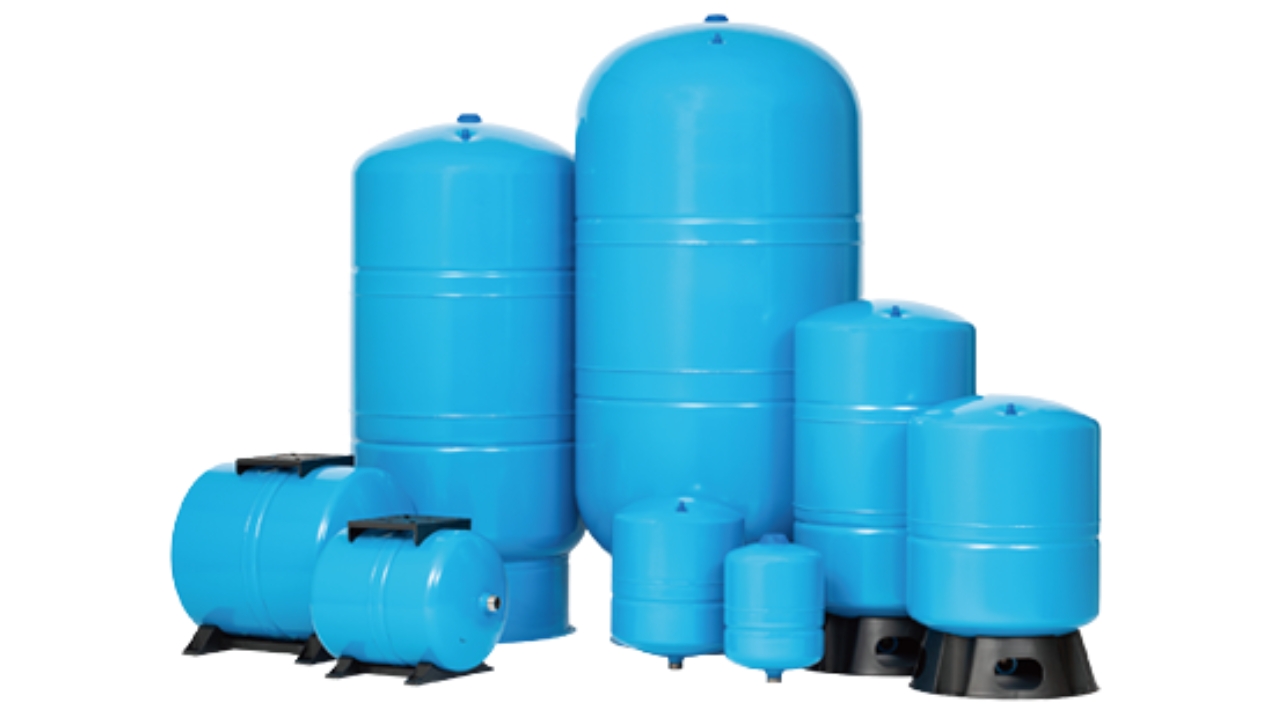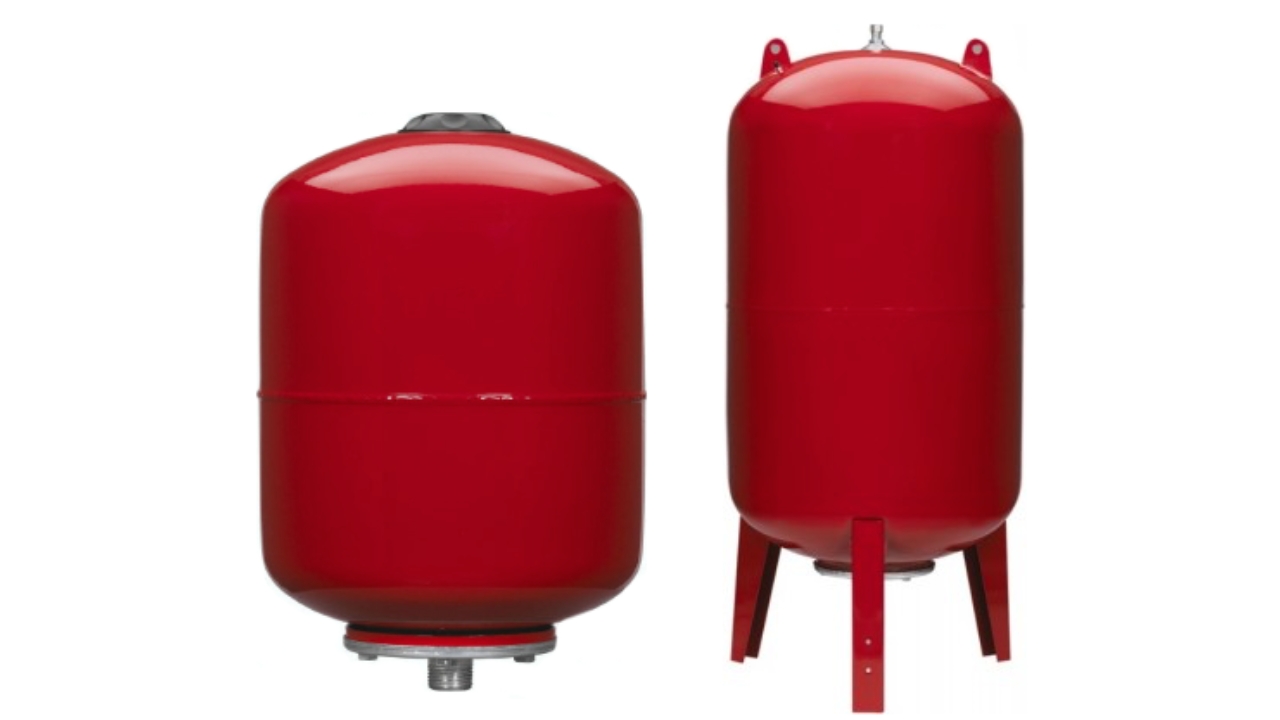
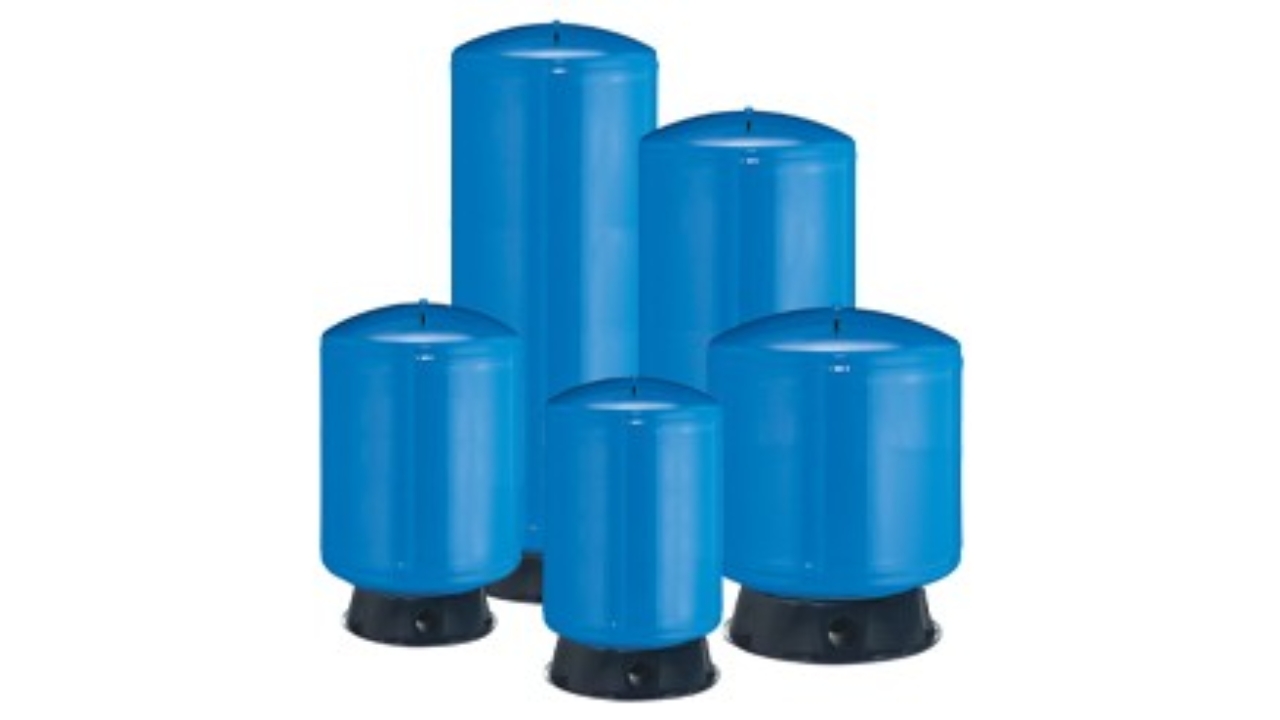
Is your water pump short‑cycling or pressure is inconsistent? Installing the pressure tank properly is the correct solution. A correctly sized and professionally installed pressure tank is the cornerstone of a reliable, efficient water system. This guide shows you how to setup something professionally and clearly, which is important for the system’s longevity and quality.
What is a Pressure Tank?

一个 pressure tank holds water that is under pressure. This allows your well pump work in cycles that are more efficient than turning on and off all the time. It keeps the water flow in your pipes steady and keeps the pump from wearing out too quickly. Think of it as a crucial buffer for your entire water system.
Pre‑Installation Planning

Alerts and system problems are most often caused by installing something quickly without planning it well. Here is where your knowledge really makes a difference in how the project turns out.
Check Local Codes & Safety Precautions
Step one is always to follow the rules. Codes for standardization of electricity enclosures, plumbing and electricity (like UPC, IPC, and NEC) are different for each municipality and are closely enforced. Get the permissions you need. This job has high pressure, power, and heavy tools that could be dangerous.
- Wearing safety glasses and gloves that meet ANSI standards is required.
- Using a multimeter to make sure that the power is off before touching any electrical lines.
- Depressurizing and draining the whole system before taking it apart.
Choosing the Right Tank: It’s All About Drawdown

Choosing a tank that is too small is the most common mistake made during fitting. It’s not as important how much water the tank can hold overall as how much water it can draw down between the pump’s cut out and cut in pressures.
| Pump Flow Rate (GPM) | Typical Service | Minimum Recommended Drawdown Capacity | Common Tank Size (Approx.) |
| 5‑10 GPM | Small Home / Cabin | 3‑7 gallons | 20‑Gallon Tank |
| 10‑15 GPM | Standard Residence | 7‑12 gallons | 30‑44‑Gallon Tank |
| 15‑25 GPM | Large Home / Light Commercial | 12‑20 gallons | 44‑86‑Gallon Tank |
| 25+ GPM | Irrigation / Commercial / Multi‑Unit | 20+ gallons | Multiple Tanks or Large Commercial Tank |
It is safe to use the 10 gallon decline rule as a minimum for most home uses. KDM Steel is an expert at designing and making custom pressure vessels that meet exact flow, pressure, and material requirements for tough commercial, farming, or industrial uses. This makes sure that your system is built to last.
Tools and Materials Checklist
For a job to be done right, you need the right tools. Get these together before you start:
Tools:
- One adjustable wrench
- Two pipe wrenches
- A tube cutter or hacksaw
- Wire strippers and crimpers
- A multimeter
- A tire pressure gauge
- An air compressor.
材料:
- A new pressure tank
- A tank tee union (which is required for service)
- A pressure switch
- A pressure gauge (0–100 psi)
- A drain valve
- A pressure release valve
- Pipes and fittings (copper, pex, or pvc according to code)
- Teflon tape or paste
- A dielectric union (if going from one metal to another).
Step‑By‑Step Installation Guide

Step 1 – Prepare the Work Area
Get rid of all the dirt at the installation site. Make sure there is enough light and air flow. Place the new tank on a strong, level surface, keeping in mind how it will be serviced in the future. Lay out all of the tools and parts for a smooth process.
Step 2 – Shut Off Utilities Completely
- To turn off the well pump or water system, find the circuit breaker and flip it off. Mark it to keep it safe.
- Turn off the main water valve that feeds the machine.
- Open the building’s lowest tap and a hose bib near the tank to drain all the water and lower the pressure in the system. Do not close them.
Step 3 – Disconnect and Remove Old Tank (If Applicable)
With the pipe tools, take the water line off of the old tank. Cap the line for now if you need to. Carefully name the wires that come out of the pressure switch (“Line,” “Load,” and “Ground”). Get rid of the old tank and drain any water that is still in it. Getting rid of it properly is needed.
Step 4 – Inspect and Prepare New Tank
The pre-charge check is very important. Check the air pressure at the schrader valve on the tank using a regular tire gauge. This valve is normally hidden under a blue or black plastic cap. For a 40/60 switch, the standard pre-charge is often 38 PSI.
It needs to be set so that it is 2 to 4 PSI below the cut-in pressure of your pump. Set the pre-charge to 28 PSI for a 30/50 switch. To add or take away air, use an air compressor. This step stops damage to the bladder and system failure right away.
Step 5 – Install Tank Tee and Fittings
Put the tank tee union together on a bench. Put the pressure switch, pressure gauge, drain valve, and pressure release valve on the tee where they belong. On all threads, use a good pipe sealer. With the union joint, you can get service in the future without having to cut the pipe.
Step 6 – Connect to Water Line
Place the tank tee that has been put together on the tank’s outlet. Make it tight with a wrench, but don’t overtighten the brass nipple on the tank. Now, connect the tank tee piece to the pump’s main water line. Use the right pipes and make sure all the links are strong and safe.
Step 7 – Electrical Connections (Pressure Switch)
Once you know the power is off, connect the wires to the new pressure switch. In general:
- Line wires from the switch connect to “Line” or “L1” and “L2” terminals.
- To connect the load wires to the pump, use the connections that say “T1” and “T2” or “Load.”
- The green ground screw is where the ground wire goes.
Make sure the cover is on tight and the wire is in the switch box.
Step 8 – Set Pressure Switch & Final Pre‑Charge Check
There are two movable nuts on springs inside the pressure switch. The cut in/cut out range, such as 30/50, is controlled by the bigger nut. The difference (the spread, usually 20 PSI) is changed by the smaller nut. Set them to the pressure you want. Before you set the new cut-in pressure, check the tank’s air pre-charge one last time to make sure it’s still 2 to 4 PSI below it.
Step 9 – Turn on Water & Power – The Moment of Truth
- Open the main water valve slowly. Let the tank fill up and listen as the open taps push air out.
- Once the open taps have a steady flow of water that doesn’t freeze, close them.
- Look for leaks in every new link and fitting that you make. If you need to, tighten a little and must do stainless steel tank welding before fitting.
- Don’t turn on the power at the circuit switch until you’re sure there are no leaks.
Now the pump should turn on, build up pressure until it hits the stop point, and then turn off. Good job! The work is now complete.
Post‑Install Testing & Troubleshooting

Initial System Test
Pay attention to the first few rounds. Normal decline events, like flushing the toilet, should have a lot of time between pump starts. Use a pressure gauge to make sure that the settings on the switch are correct.
Leak Detection
All the joints, the air valve stem, and the tanks should be checked for water. A mixture of soapy water and water can help find small air leaks at the Schrader valve.
Common Issues & How to Fix Them

The following are the common problems of water tanks:
Waterlogging (Loss of Air Charge)
Issue
The pump turns on and off every 10 to 30 seconds, and the tank feels heavy.
Fix
Empty the system, check the pre-charge, and make any necessary changes. If the bladder inside the tank breaks and the tank can’t hold air or water comes out of the air valve, the bladder inside the tank needs to be changed. This is one of the main reasons why pumps cycle so quickly.
Weird Noises (Banging or Clicking)
Issue
Water hammer is indicated by loud bangs.
Fix
Add a water hammer arrestor to fix the problem. When the switch clicks quickly, it means that the contacts are dirty or the switch is broken.
Rapid Pump Cycling
When there isn’t a lot of water use, if the pump starts and stops too often, it could be because of one of four things:
1) An incorrect tank pre charge
2) A flooded or failed tank
3) A leak in the plumbing system
4) A broken pressure switch.
Professional Maintenance Tips for System Longevity

A pressure tank is not “install and forget.” Proactive maintenance prevents 90% of failures.
Quarterly Pre‑Charge Check
The most important thing to do. Before you check and change the air charge, make sure the pump is turned off and the water pressure is at zero.
Inspect Gauges and Valves
Make sure the pressure gauge is correct and that the pressure release valve is not leaking. Every year, test the relief valve button by hand.
Seasonal & Environmental Checks
Tanks that are not warm must be insulated or drained in cold places. For systems with a lot of sediment, cleaning the tank through the drain valve every so often can make it last longer. The Water Systems Council has great tools for maintenance.
常见问题解答
How often should I check the tank for pressure?
Every three months, make sure the air pre charge is still working well.
What’s letting air out of my pressure tank?
It’s possible that the schrader valve (which works like a tire valve) is broken or that the internal bladder has burst and needs to be replaced.
Do I need to add air to my pressure tank?
Yes, if there isn’t much pre-charge. To get the right PSI, use a tire gauge and an air pump.
What size pressure tank do I need?
It relies on how fast your pump moves the water. As a general rule, the tank should hold 1.2 gallons for every 1 GPM of pump output. If your needs are complicated, you can use the engineering toolbox tank size calculator.
Can I install a pressure tank myself?
A person can do it if they know how to work with tools and follow safety rules and codes. For complicated systems or if you’re not sure, you should hire a pro.
Why is my pump short cycling?
The most typical reason is that the tank wasn’t pre-charged correctly or it was too full of water, which made the pump work too often.
How many PSI should a pressure tank have?
Most of the time, the air pre charge is set 2 to 4 PSI below the pump’s cut-in pressure, like 28 PSI for a 30/50 PSI switch.
Engineered Solutions: Get Your Customized Pressure Tank from KDM Steel

Tanks that are already on the market don’t always work well for specific business, industrial, or agricultural uses. When your project needs special materials (like stainless steel to prevent corrosion), a lot of space, or a certain amount of pressure, you need an engineered solution.
KDM Steel is very good at making custom pressure vessels and stainless steel pressure vessels with great performance. The people on our team will work with you to make a tank that fits your system perfectly, so it works perfectly and lasts a very long time. 联系我们 and get a personalized price right now.