


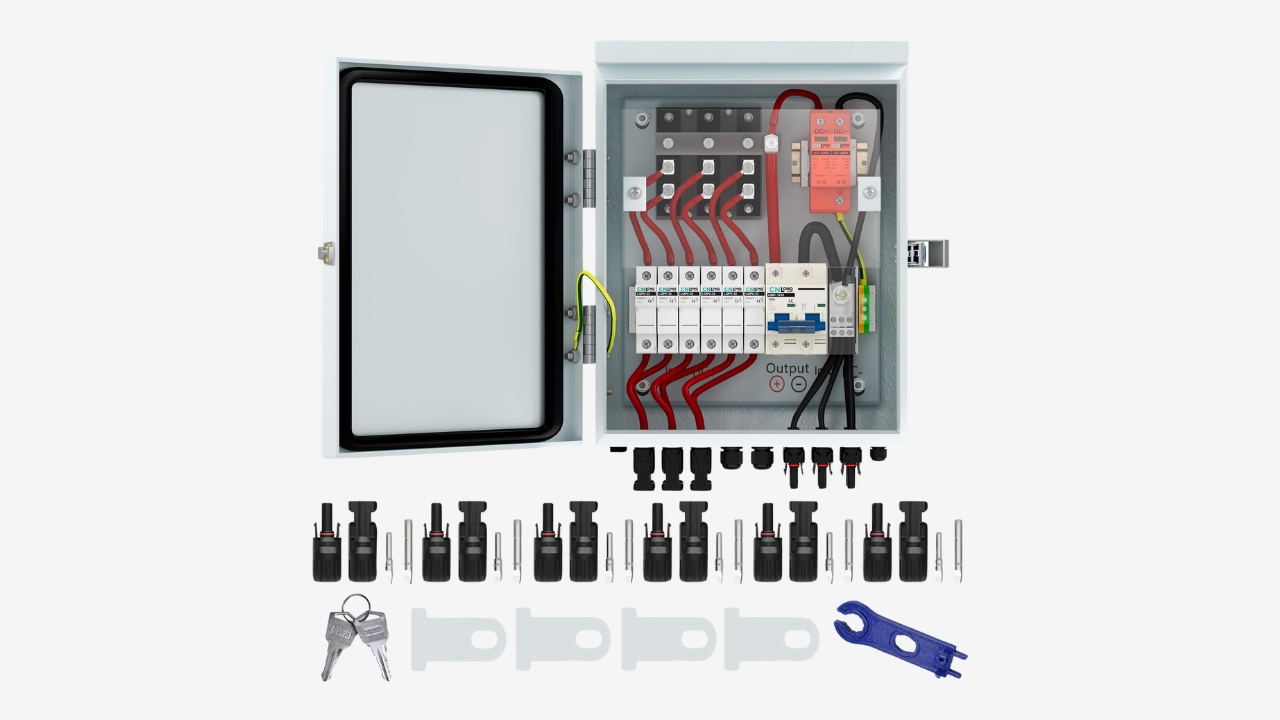
Если вы не уверены, какой распределительный щит для наружного применения подходит для вашего проекта, эта статья призвана предоставить вам исчерпывающее руководство, охватывающее ключевые факторы, типы распределительных щитов и практическое применение, чтобы помочь вам сделать наиболее обоснованный выбор.
Что такое наружный распределительный щит?
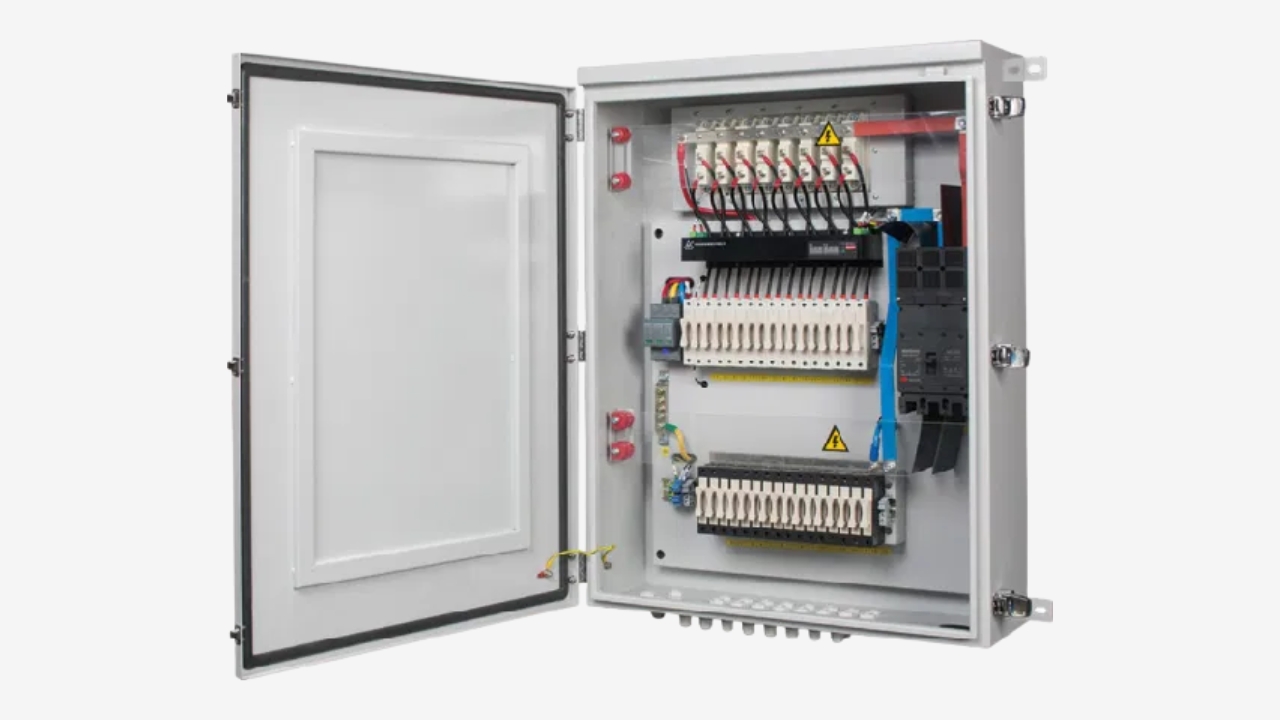
Распределительная панель для наружного применения — это электрический корпус, предназначенный для использования вне помещений. Она используется для распределения электроэнергии и интеграции цепей, обеспечивая стабильную работу электрических систем. Широко применяется на открытом воздухе, в том числе на солнечных электростанциях, базовых станциях связи, промышленных объектах и в проектах муниципальной инфраструктуры.
По сравнению со стандартным внутренним электрооборудованием, наружный распределительный щит обеспечивает лучшую устойчивость к воздействию окружающей среды, например, высоких температур, дождя, пыли и ультрафиолетового излучения.
Основные характеристики наружных распределительных щитов
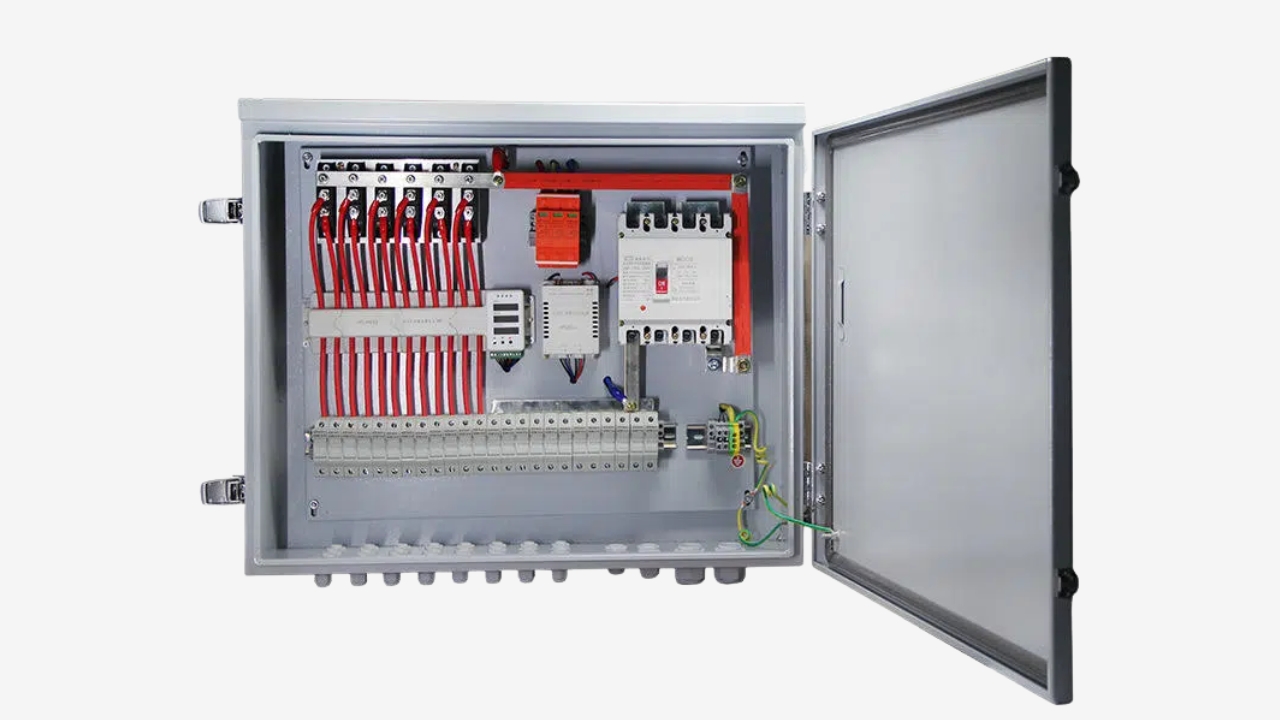
Защита от непогоды
В наружных распределительных щитах для повышения герметичности могут использоваться интегрированные или сварные конструкции корпуса. Наружные распределительные щиты могут быть изготовлены с интегрированными или сварными конструкциями корпуса, а производители также могут устанавливать уплотнительные ленты в местах стыков шкафов, чтобы предотвратить попадание пыли и влаги внутрь корпуса.
Коррозионная стойкость
Выбор коррозионностойких металлических материалов, таких как нержавеющая сталь или оцинкованная сталь, помогает предотвратить коррозию в прибрежных или промышленных условиях. Эти материалы снижают риск коррозии и помогают продлить срок службы оборудования. Нанесение антикоррозионного покрытия на поверхность обеспечивает эффективную защиту от коррозии.
УФ-стойкое поверхностное покрытие
Если вас беспокоит, что ваша наружная распределительная панель может со временем износиться, потрескаться или выцвести из-за длительного воздействия ультрафиолета, вы можете рассмотреть возможность нанесения УФ-стойкого покрытия на внешнюю поверхность корпуса. Такое покрытие помогает защитить панель от повреждений, вызванных ультрафиолетом, и обеспечивает более чистый и долговечный внешний вид.
Вентиляция и охлаждение
Проектирование дренажных каналов внизу или внутри корпуса может помочь распределительному щиту быстро отводить воду, что снизит риск ее накопления даже при незначительном скоплении воды и поможет защитить внутренние компоненты во время эксплуатации на открытом воздухе. Установка теплоотводящих конструкций, таких как вентиляторы или вентиляционные отверстия, может предотвратить перегрев корпуса.
Организованная прокладка кабелей
Для вашей наружной распределительной панели предусмотрены специальные точки ввода кабеля или герметичные кабельные сальники. Такая конструкция повышает безопасность при наружной установке, а также упрощает плановое техническое обслуживание и поиск неисправностей.
Удобный доступ для обслуживания
Съемные панели и специально отведенные места для обслуживания могут упростить обслуживание и осмотр ваших наружных распределительных щитов, что поможет сократить время простоя и риск повреждения внутренних компонентов.
Типы наружных распределительных щитов
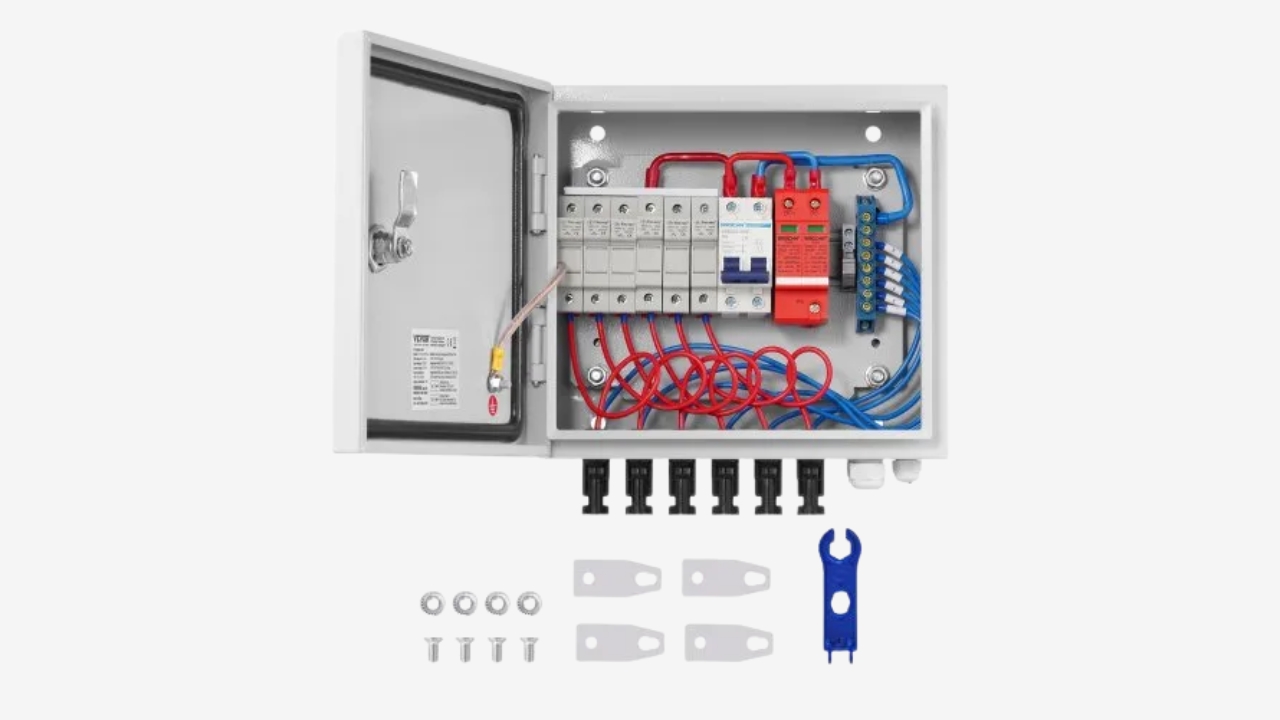
Настенные наружные распределительные щиты
Разработан специально для клиентов, которым требуется наружный распределительный щит с надежной защитой и ограниченным пространством для установки. Настенная конструкция занимает меньше места на полу и обеспечивает более гибкую установку. Это хороший вариант для проектов, включающих коммуникационные станции и зоны по периметру здания.
Отдельно стоящие наружные распределительные щиты
Эти панели обладают огромным внутренним пространством для сложных схем распределения электроэнергии и многоконтурной прокладки кабелей. Они в основном используются в крупных системах электроснабжения на открытом воздухе и на промышленных объектах.
Наружные распределительные щиты для однодверных систем
Одностворчатые панели используются в системах электроснабжения малого и среднего размера, предназначенных для наружного применения. Такая конструкция соответствует стандартным требованиям к проектированию и защите оборудования в системах распределения электроэнергии на открытом воздухе. Для наружных проектов с относительно простой внутренней конфигурацией одностворчатая конструкция упрощает монтаж оборудования.
Наружные распределительные щиты для двухдверных дверей
В отличие от одностворчатых панелей, которые обычно используются в малых и средних системах электроснабжения, двухстворчатые панели могут применяться в крупных наружных системах электроснабжения со сложной внутренней конфигурацией. Двухстворчатая конструкция облегчает прокладку проводов и техническое обслуживание оборудования на месте, обеспечивая достаточное рабочее пространство. Она широко используется на солнечных электростанциях, промышленных объектах и в энергетических проектах.
Распределительные панели для наружного применения, изготовленные на заказ
Распределительные щиты для наружного применения, изготовленные на заказ, разрабатываются с учетом конкретных требований к наружной электросети, включая требования к защите, методы монтажа и схему прокладки кабелей. Индивидуальные конструкции помогают повысить стабильность энергосистем и продлить срок их службы.
Области применения наружных распределительных щитов
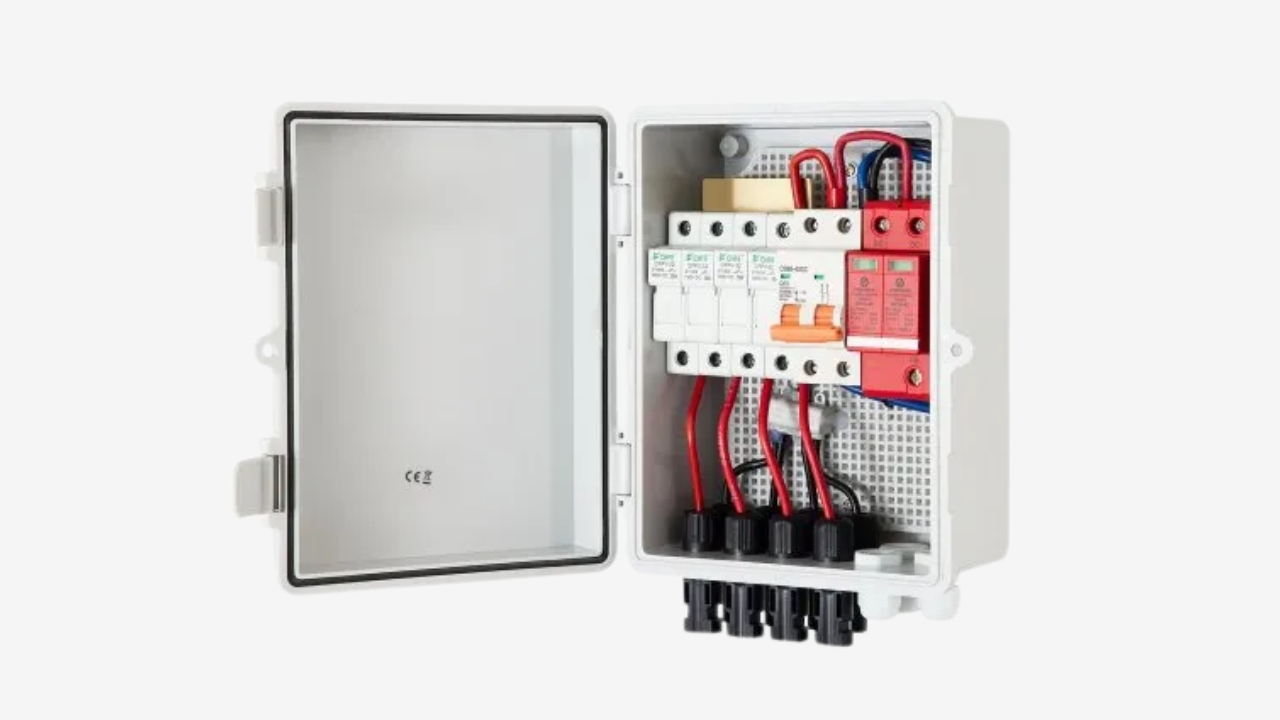
Солнечные электростанции и системы возобновляемой энергии
На солнечных электростанциях и в проектах по возобновляемой энергетике электрооборудование подвергается воздействию высоких температур, дождя и пыли, а также ежедневно проходит более десятка часов непрерывного ультрафиолетового излучения.
Распределительные панели для наружного применения обеспечивают надежную защиту систем электропитания на открытом воздухе и помогают снизить частоту технического обслуживания. К особенностям относятся конструкция с вентилятором охлаждения, рассчитанная на высокие температуры, герметичный корпус, защищающий от дождя и пыли, и УФ-стойкое покрытие, предотвращающее разрушение под воздействием солнечных лучей.
Телекоммуникационные базовые станции
Когда ваш проект связан с системой электропитания базовой станции связи, стабильность оборудования и частота технического обслуживания часто являются критически важными факторами. Наружные распределительные щиты помогают системам связи поддерживать стабильную работу во влажной, высокотемпературной или пыльной среде.
Если вам необходимо установить наружные распределительные щиты в отдаленных районах или в местах, где нет присмотра, поиск надежной защиты корпуса может помочь сократить долгосрочные затраты на техническое обслуживание.
Промышленные предприятия
В системах электроснабжения, используемых в промышленности, часто воздействуют пыль, коррозионные газы и повторяющиеся перепады температуры. Распределительные панели для наружного применения, разработанные для таких условий, обеспечивают коррозионную стойкость и теплоотвод, сводя к минимуму требования к техническому обслуживанию.
Муниципальная и коммунальная инфраструктура
Муниципальная и коммунальная инфраструктура требует наружные электрические шкафы с надежной защитой. Эти наружные распределительные щиты разработаны для установки в сложных городских дорожных и общественных сооружениях, обеспечивая стабильную работу в сложных условиях монтажа и снижая затраты на техническое обслуживание.
Как выбрать подходящий наружный распределительный щит
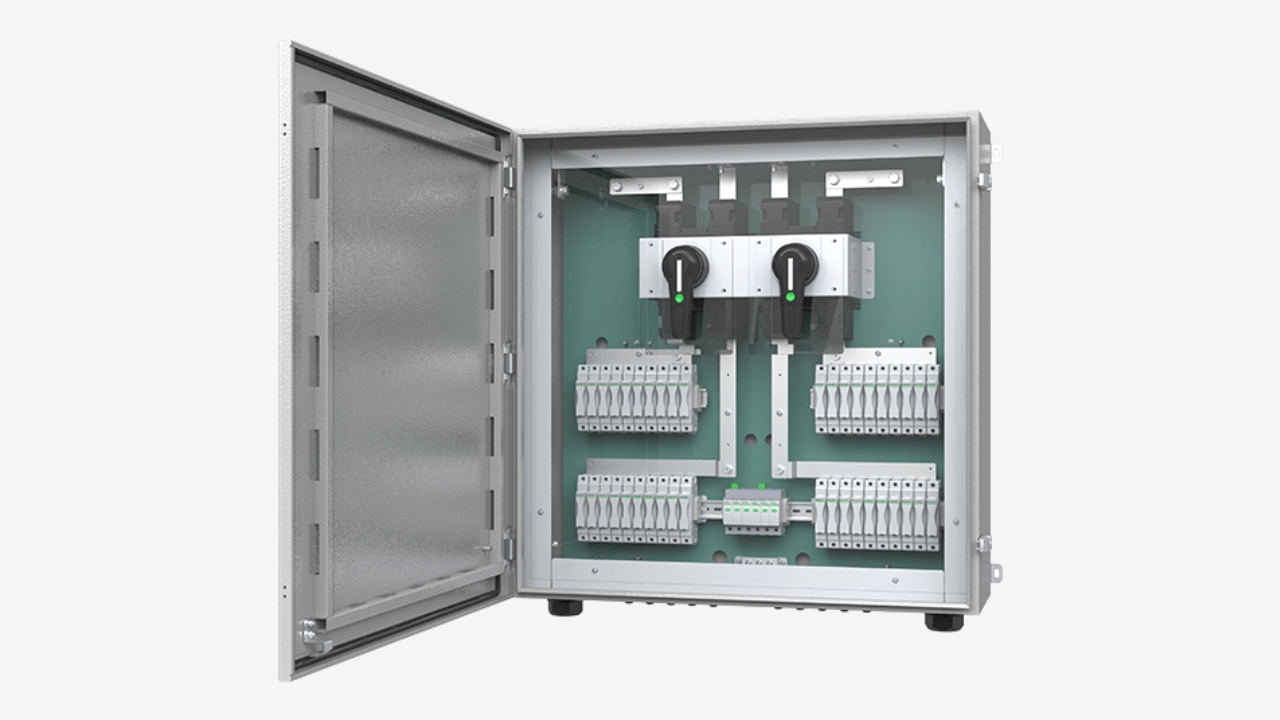
Выбирайте прочные материалы для использования на открытом воздухе.
Если распределительные панели планируется устанавливать в условиях длительного воздействия солнечного света, рекомендуется выбирать корпуса с УФ-стойким покрытием. Это минимизирует деградацию поверхности, вызванную солнечным излучением, предотвращая хрупкость и растрескивание корпуса с течением времени и обеспечивая тем самым его долговечность.
При выборе распределительных щитов для портовых сооружений или прибрежной или речной инфраструктуры основными проблемами являются коррозия металла и проникновение влаги. Для этого наружного электрооборудования мы рекомендуем выбирать нержавеющую сталь или материалы с антикоррозионным покрытием, чтобы обеспечить необходимый уровень защиты корпуса. IP66 или НЕМА 4Х. Для обеспечения безопасности прокладки эффективно предотвращают проникновение влаги.
Для работы в суровых условиях, таких как промышленные зоны и горнодобывающие предприятия, мы рекомендуем использовать антикоррозионное покрытие на распределительных щитах. Также можно выбрать герметичные точки ввода кабелей и кабельные интерфейсы, чтобы предотвратить попадание ветра и песка в оборудование и повреждение электронных компонентов. Вентиляционные отверстия также могут быть оснащены пылезащитной конструкцией для уменьшения попадания мелкой пыли.
Учитывайте требования к охлаждению и вентиляции.
Если ваш проект подвергается воздействию высоких температур и интенсивного солнечного света, например, на открытых площадках с промышленным оборудованием или солнечных электростанциях, следует избегать накопления тепла внутри корпуса, так как это может привести к перегреву внутренних электронных компонентов. Мы рекомендуем оснастить распределительные панели вентиляционными решетками или вентиляторы охлаждения панели Чтобы избежать этой ситуации, следует также учитывать использование жаростойких металлов или стальных пластин, что помогает предотвратить перегрев оборудования.
Учитывайте условия установки.
Условия окружающей среды, в которой устанавливается корпус, влияют как на его производительность, так и на требования к монтажу. Поэтому для разных проектов могут потребоваться различные конструкции корпусов и размеры шкафов в зависимости от условий на объекте.
Для наружных проектов с ограниченным пространством, как правило, наиболее подходящим вариантом является настенное крепление. Крупные промышленные объекты и проекты коммунального хозяйства обычно требуют отдельно стоящие корпуса с большей внутренней вместимостью для сложных электрических систем. Для базовых станций связи, расположенных на вершинах гор, где обслуживание оборудования затруднено, двухдверные или изготовленные на заказ размеры могут помочь упростить осмотр и прокладку проводов.
Выберите правильный уровень защиты.
Для энергосистем, рассчитанных на длительную эксплуатацию, показатели защиты являются важным стандартом для оценки защитных характеристик наружных распределительных щитов. Во многих проектах, реализуемых на открытом воздухе, приоритет отдается наружным распределительным щитам с... IP65, Степень защиты IP66 или NEMA 4X.
Рейтинги IP
Степень защиты IP обычно используется для оценки эффективности защиты от пыли и влаги наружных распределительных щитов.
Для электрооборудования, расположенного на наружных поверхностях зданий или в защищенных от непогоды местах, Корпус IP65 Подходит для базовой защиты от пыли и воды.
Однако для солнечных электростанций или наружных энергосистем, подверженных воздействию сильного дождя и пыли в течение длительного времени, степень защиты IP66 обеспечивает более надежную защиту.
Рейтинги NEMA
Для сложных условий эксплуатации, таких как промышленные предприятия, химические заводы и прибрежные зоны, многие заказчики предпочитают корпуса NEMA 4X. По сравнению с обычными наружными корпусами, более высокий уровень защиты NEMA обеспечивает лучшую устойчивость к агрессивным средам. Этот тип корпусов подходит для проектов, требующих стабильной и длительной эксплуатации на открытом воздухе.
Проверьте отраслевые стандарты и требования соответствия.
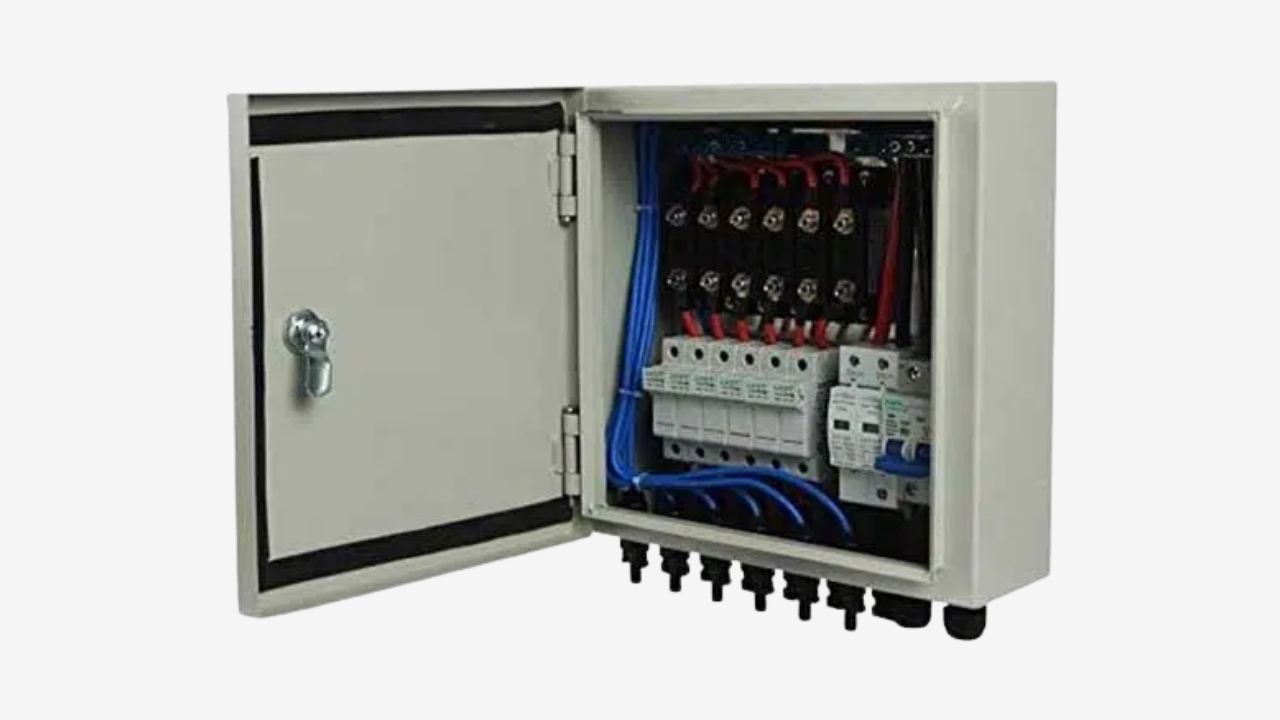
Сертификация на соответствие требованиям может повлиять на то, пройдет ли ваш проект проверку и будет ли соответствовать местным нормам.
УЛ
В промышленных и инфраструктурных проектах, Сертификация UL Этот стандарт часто рассматривается как важный ориентир в вопросах электробезопасности и надежности продукции. Если вы реализуете проект по установке оборудования на открытом воздухе в Северной Америке, выбирайте распределительные щиты для наружного применения, соответствующие стандартам UL, чтобы упростить соблюдение местных норм и инженерных требований.
Соответствие требованиям IEC
В международных проектах или межрегиональных приложениях соответствие стандартам IEC может способствовать лучшей совместимости продукции на различных рынках и в различных промышленных условиях. Соответствие стандартам IEC помогает улучшить совместимость продукции и надежность применения в различных промышленных условиях.
Часто задаваемые вопросы
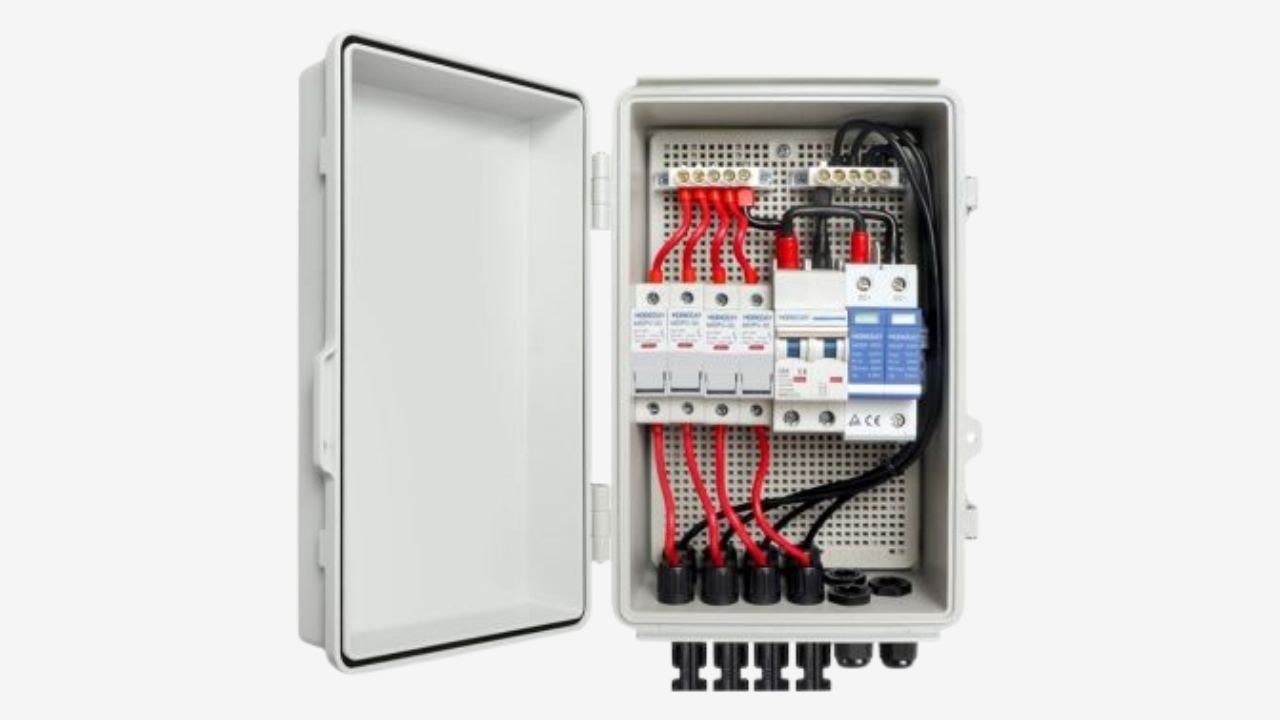
Достаточен ли уровень защиты IP65 для наружных распределительных щитов?
Это зависит от среды установки.
Для зон, прилегающих к зданиям, или защищенных от непогоды наружных установок, обычно достаточно степени защиты IP65, соответствующей основным требованиям к защите от пыли и воды.
Однако, если ваш проект предполагает длительное воздействие сильных дождей, высокой влажности или пыльной среды — например, солнечные электростанции, промышленные зоны или прибрежные объекты — многие клиенты, как правило, выбирают степень защиты IP66 для более надежной и устойчивой защиты на открытом воздухе.
Когда следует выбирать распределительный щит для наружного использования, изготовленный на заказ?
Проекты со специальными требованиями к монтажу, сложными схемами проводки или суровыми условиями эксплуатации часто требуют изготовления распределительных щитов наружного применения по индивидуальному заказу. Высокая коррозионная стойкость, высокая влажность и запыленность также могут потребовать специальных конструкций корпусов и решений по защите. Индивидуальные конструкции позволяют распределительным щитам наружного применения лучше соответствовать условиям монтажа на объекте. Они также могут улучшить доступность для технического обслуживания и поддержать дальнейшее расширение системы.
Как сократить затраты на техническое обслуживание наружных распределительных щитов?
Сокращение частоты технического обслуживания часто зависит от защитной конструкции и выбора материалов наружных распределительных щитов. Герметичные корпуса помогают уменьшить попадание пыли и влаги внутрь. Использование нержавеющей стали и антикоррозионных покрытий снижает риск коррозии в условиях эксплуатации на открытом воздухе. Хорошо организованная внутренняя компоновка также упрощает проведение технического обслуживания и осмотра в будущем. Такие конструкции особенно подходят для наружных проектов, работающих без присмотра в течение длительного времени.
Какой фактор является наиболее важным при выборе наружной распределительной панели?
В большинстве проектов, реализуемых на открытом воздухе, при выборе распределительных щитов для наружной установки учитывается не один фактор. Условия монтажа, уровень защиты, долговечность материалов, теплоотводящие свойства и требования к долгосрочному техническому обслуживанию — все это может влиять на стабильность работы в долгосрочной перспективе. Распределительный щит, соответствующий реальным условиям проекта, обычно является лучшим выбором, чем ориентация только на цену.
Требуют ли наружные распределительные щиты регулярной очистки?
Если ваш объект расположен в пыльной, прибрежной или сильно загрязненной промышленными отходами среде, регулярная уборка, как правило, необходима.
Накопление пыли может негативно влиять на теплоотвод, а длительное воздействие солевого тумана или загрязняющих веществ может ускорить износ корпуса. Поэтому во многих проектах, реализуемых на открытом воздухе, регулярно проверяется чистота поверхностей шкафов, вентиляционных отверстий и кабельных соединений для обеспечения стабильной работы оборудования в течение длительного времени.
Заключительные мысли
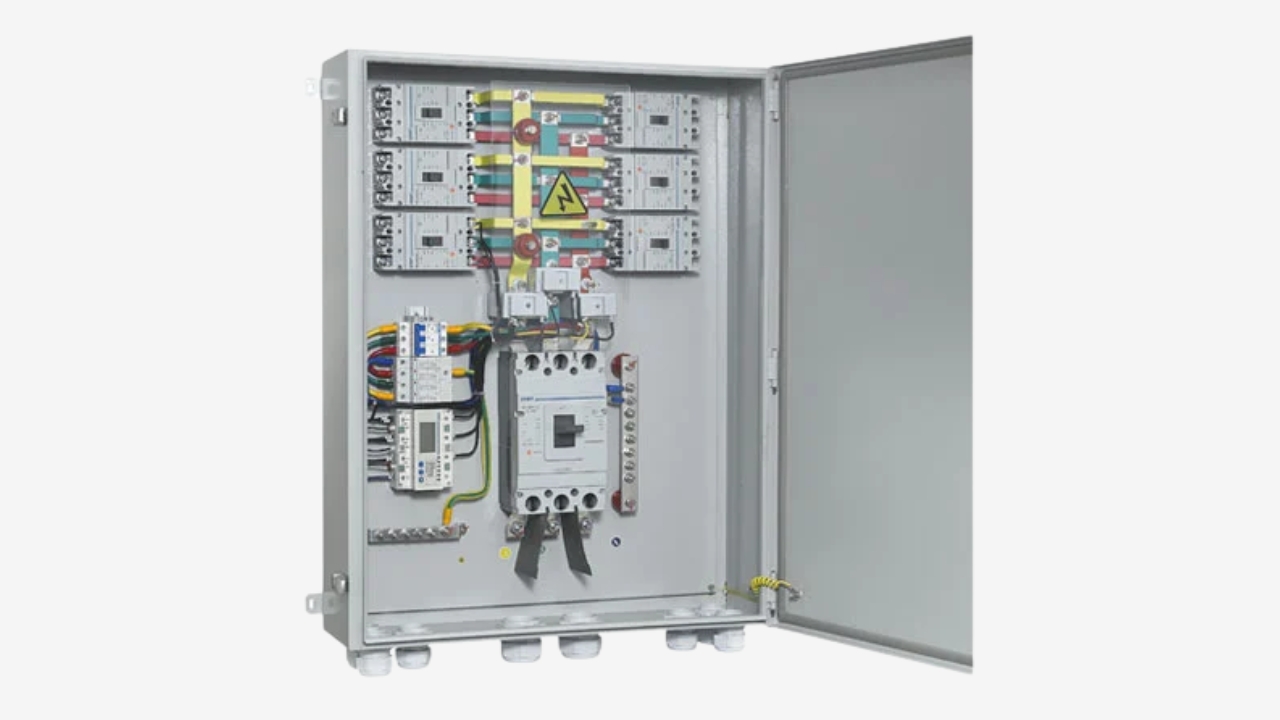
В этой статье представлен всесторонний обзор распределительных щитов для наружного применения и даны рекомендации по их выбору с разных точек зрения. Для проектов, предполагающих использование на открытом воздухе, специально разработанные распределительные щиты для наружного применения могут обеспечить надежную защиту и снизить эксплуатационные проблемы, вызванные условиями окружающей среды.
Если у вас возникнут дополнительные вопросы по поводу наружных распределительных щитов, пожалуйста, свяжитесь с нами. связаться с нами Срочно нужны ответы!
 Russian
  English
  Arabic
  French
  Spanish
  Japanese
  Korean
  Portuguese
  Indonesian
  Chinese