


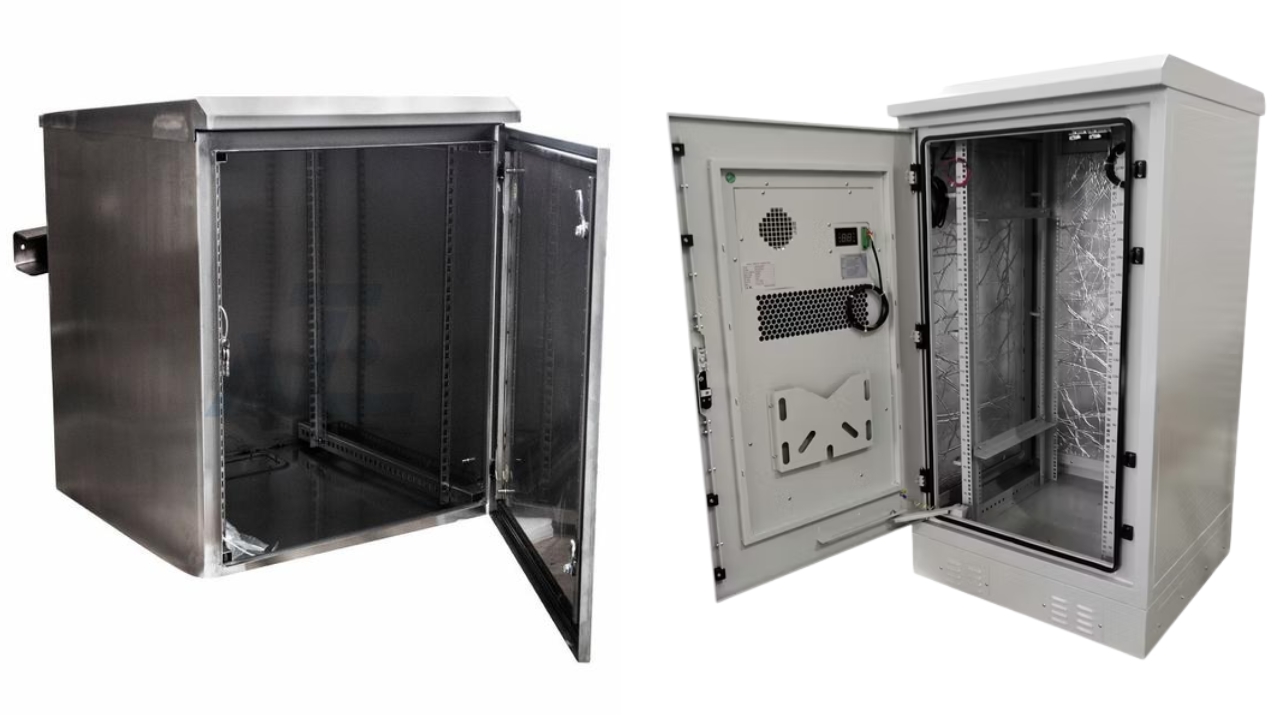
Выбор подходящего материала для вашего наружный корпус Это не просто вопрос вкуса; это напрямую влияет на срок службы вашего оборудования, стоимость его изготовления и надежность в долгосрочной перспективе. Знание разницы между нержавеющей сталью и алюминием поможет вам сделать разумный и экономически выгодный выбор при защите оборудования в прибрежных районах или промышленных системах управления.
Что такое наружный навес из нержавеющей стали?
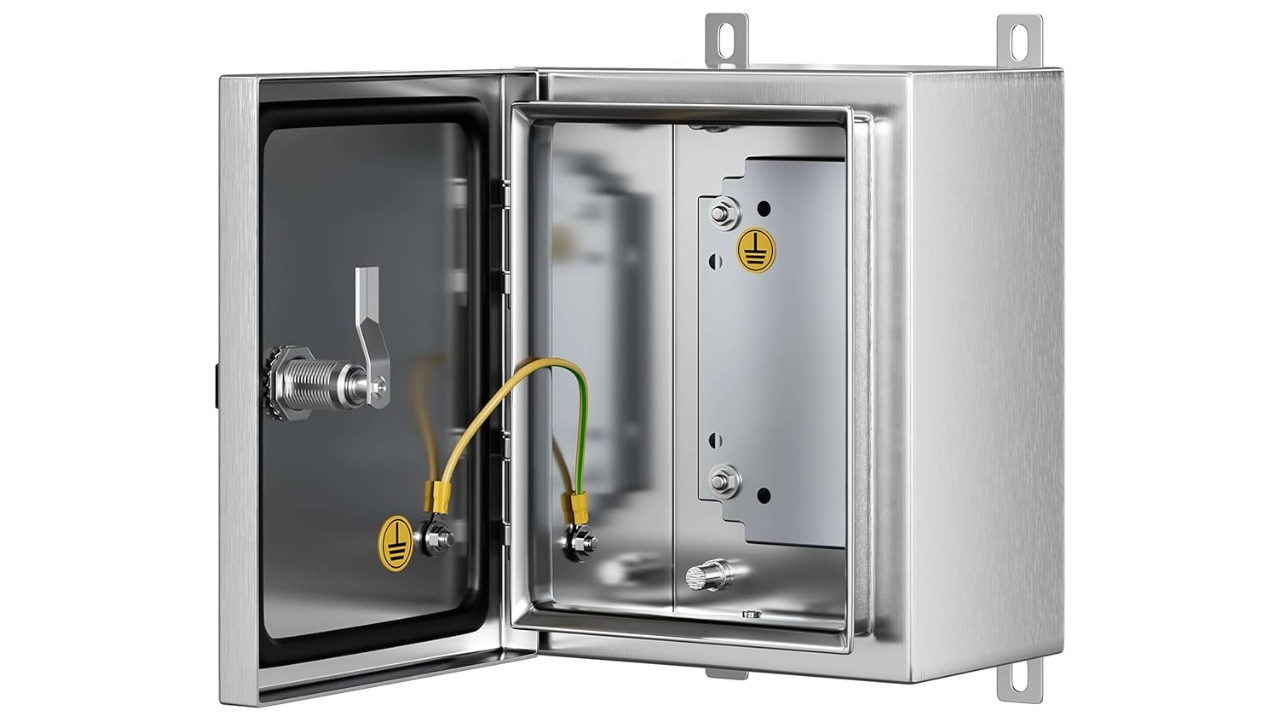
Корпус из нержавеющей стали для наружного применения — это безопасный кожух, изготовленный из стали марок 304 или 316, которая не ржавеет. Эти кожухи защищают электронное и компьютерное оборудование от воздействия химикатов, дождя, пыли и ударов. Благодаря своей прочности и долговечности, они являются лучшим выбором для суровых промышленных и морских условий.
Что такое алюминиевый наружный корпус?
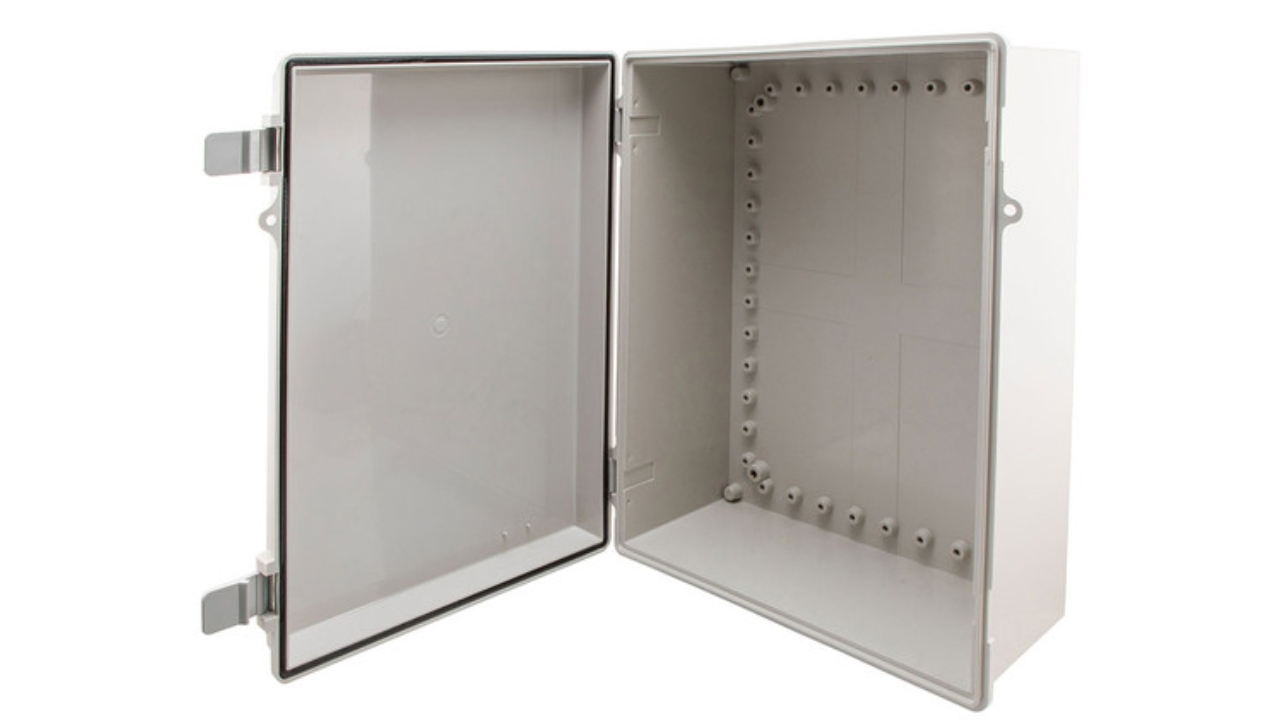
Алюминиевые сплавы, такие как 5052-H32 или 6061-T6, используются для изготовления алюминиевых корпусов для наружного применения, которые безопасны, легки и прочны. Самовосстанавливающийся оксидный слой в этих конструкциях предотвращает коррозию. Они отлично подходят для ситуаций, когда важны снижение веса и отвод тепла. Многие люди используют их для обмена сообщениями, передвижения и использования гаджетов на открытом воздухе.
10 ключевых отличий между наружными ограждениями из нержавеющей стали и алюминия.
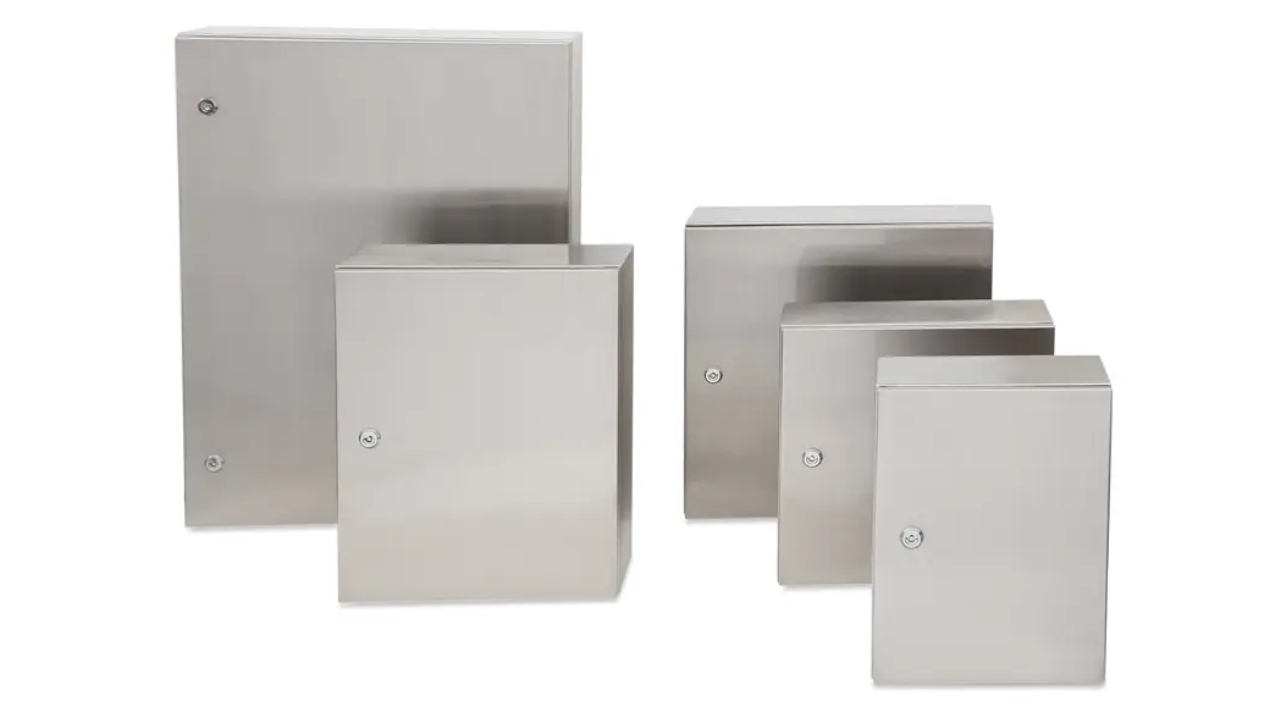
1. Прочность материала и структурная целостность
Наружный корпус из нержавеющей стали
Нержавеющую сталь марки 316L можно растягивать с усилием около 515 МПа, и она не изменит свою форму даже после многократных сильных ударов. Её сложно согнуть в местах скопления людей, таких как рабочие места и общественные зоны, где могут произойти несчастные случаи или повреждения.
Алюминиевый наружный корпус
Алюминиевый наружный электрический шкаф Алюминий прочнее нержавеющей стали по соотношению прочности к весу, несмотря на более низкую прочность на растяжение. При ударе металл деформируется, а не трескается. Это явление известно как “мягкое разрушение”, и оно делает корпус прочным. Марка 6061-T6 прочна, но не слишком тяжела, поэтому отлично подходит для изготовления конструкций на открытом воздухе.
2. Вес и эффективность монтажа
Наружный корпус из нержавеющей стали
Тяжелый вес этих клеток обусловлен содержанием стали около 7,8 г/см³. Из-за этого места крепления должны быть более прочными, стоимость доставки возрастает, а для установки более крупных конструкций часто требуется более одного монтажника или механическое подъемное оборудование.
Алюминиевый наружный корпус
Сталь весит около 2,7 г/см³, а алюминий — примерно треть от этого значения. Это значительно упрощает обращение с ней, снижает стоимость доставки и позволяет устанавливать её на большой высоте или в труднодоступных местах, таких как вышки сотовой связи, солнечные электростанции и оборудование на опорах.
3. Коррозионная стойкость в условиях эксплуатации на открытом воздухе.
Наружный корпус из нержавеющей стали
Этот сплав очень хорошо предотвращает коррозию в чистых промышленных помещениях, поскольку имеет слой оксида хрома. Обычный сплав марки 304, напротив, может покрываться точечными повреждениями и ржавчиной в местах с высоким содержанием хлоридов, таких как прибрежные районы, химические заводы или места, где используются противогололедные соли. Для защиты гораздо лучшим выбором является сплав марки 316 с молибденом.
Алюминиевый наружный корпус
Алюминий образует слой оксида алюминия, который помогает ему самовосстанавливаться при контакте с воздухом. Ржавчина на стали разрушается и распространяется, а этот оксид — нет. Если алюминиевые корпуса покрыть порошковой краской или анодировать, они надолго защитят от коррозии, даже в прибрежных районах и местах с высокой влажностью.
4. Эффективность в суровых и прибрежных условиях.
Наружный корпус из нержавеющей стали
Для использования в прибрежных районах следует использовать только нержавеющую сталь марки 316. Даже в этом случае накопление соли и влажность могут вызвать “чайные пятна” — коричневое изменение цвета поверхности. Это лишь эстетический эффект; он не влияет на конструкцию, но для сохранения привлекательного внешнего вида может потребоваться частая чистка.
Алюминиевый наружный корпус
Алюминий с покрытием или анодированием отлично подходит для использования в прибрежных районах. В соленой среде он часто не ржавеет так легко, как обычная нержавеющая сталь. Сплавы морского класса, такие как 5052-H32, рассчитаны на длительный срок службы в соленой воде и влажной среде.
5. Вопросы стоимости и бюджета
Наружный корпус из нержавеющей стали
Цена на нержавеющую сталь высока. В большинстве случаев сталь марки 316 стоит на 20-25 процентов дороже, чем сталь марки 304, которая и так намного дороже алюминия. Эта разница в первоначальных затратах может существенно повлиять на ваш бюджет, если вы работаете над крупным проектом или над несколькими изделиями.
Алюминиевый наружный корпус
Для корпусов со схожими характеристиками алюминий обычно является более дешевым вариантом, чем нержавеющая сталь. Поскольку материал дешевле, стоимость доставки ниже, а установка проще, алюминий часто является более экономичным выбором для наружного применения, где не требуется высокая ударопрочность.
6. Теплопроводность и рассеивание тепла
Наружный корпус из нержавеющей стали
Нержавеющая сталь имеет теплопроводность около 15 Вт/м·К, что означает, что она удерживает тепло и медленно его теряет. Это может привести к нагреву внутренних частей корпусов, в которых размещены преобразователи частоты, источники питания или большое количество электронных компонентов, что сокращает срок службы находящихся внутри деталей.
Алюминиевый наружный корпус
Алюминий является хорошим теплоотводом, поскольку его теплопроводность составляет около 237 Вт/м·К. Это означает, что он отводит тепло от чувствительных компонентов. Благодаря этой пассивной функции охлаждения часто не требуются вентиляторы или кондиционеры, что снижает как первоначальные затраты, так и количество потребляемой энергии в долгосрочной перспективе.
7. Обрабатываемость и изготовление
Наружный корпус из нержавеющей стали
Резать, сверлить и соединять нержавеющую сталь сложнее. Требуются специальные инструменты, при шлифовке выделяется много тепла, а для получения хороших результатов необходима высокая квалификация. В большинстве случаев внесение изменений по индивидуальному заказу обходится дороже и занимает больше времени.
Алюминиевый наружный корпус
Алюминий легко обрабатывается стандартными инструментами, режется чисто и сваривается с меньшим контролем температуры. Благодаря этому металл идеально подходит для быстрого изготовления прототипов, внесения изменений по индивидуальному заказу и работы над проектами, требующими частых изменений в конструкции. Кроме того, внесение изменений на месте эксплуатации проще без специальных инструментов.
8. Долговечность и ударопрочность
Наружный корпус из нержавеющей стали
резервуары для хранения из нержавеющей стали Корпуса для наружного применения имеют класс ударопрочности IK08 и выдерживают значительные нагрузки без поломок. Это лучший выбор для оборудования, доступного для публики, тяжелых промышленных помещений и мест, где существует реальная опасность кражи или ударов инструментов.
Алюминиевый наружный корпус
Благодаря тому, что алюминий при ударе может гнуться, а не ломаться, ему обычно присваивают класс ударопрочности IK09, что лучше, чем у нержавеющей стали. Он может помяться или погнуться, но не сломается и не образует отверстий, через которые может проникать вода. Это делает его удивительно прочным в местах, где часто происходят акты вандализма.
9. Эстетика и отделка поверхности
Наружный корпус из нержавеющей стали
Нержавеющая сталь от природы блестит, как металл, и выглядит стильно и дорого. Ее можно чистить электрическим током, полировать или придавать ей зеркальный блеск. Но на ней легко заметить пятна от воды, отпечатки пальцев и, возможно, даже шероховатости. Большинство покрытий сохраняют свой внешний вид на протяжении десятилетий.
Алюминиевый наружный корпус
Поверхность алюминия можно изменить множеством способов, например, путем анодирования или порошковой окраски практически в любом цвете. цвет RAL. При анодировании поверхность становится в три-пять раз тверже и ее очень трудно поцарапать. Порошковая обработка может использоваться различными способами для придания изделию другого внешнего вида и дополнительной защиты.
10. Техническое обслуживание и срок службы
Наружный корпус из нержавеющей стали
При правильных условиях клетки из нержавеющей стали не требуют особого ухода. Некоторые места, например, расположенные на побережье или на рабочих местах, нуждаются в более частой чистке, например, каждые один-три месяца, чтобы сохранить их привлекательный вид и избежать пятен от чая. При правильном выборе такие клетки могут прослужить долго.
Алюминиевый наружный корпус
Алюминиевые корпуса для наружного применения с порошковым или анодированным покрытием очень неприхотливы в уходе. Естественный слой железа всегда обеспечивает безопасность и не отслаивается. Они будут хорошо выглядеть и защищать от коррозии на протяжении всего срока службы, при условии регулярной чистки мягким чистящим средством.
Сводная таблица: Наружные корпуса из нержавеющей стали и алюминия
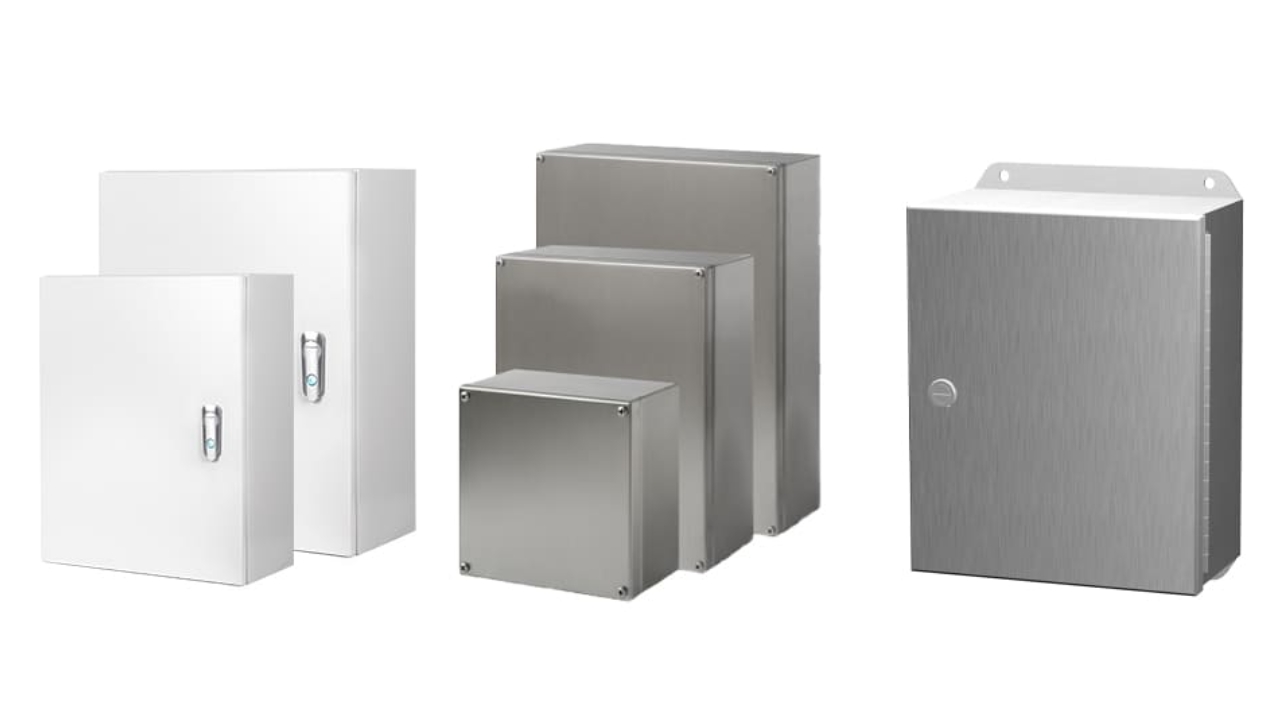
| Особенность | Нержавеющая сталь | Алюминий |
| Плотность | ~7,8 г/см³ | ~2,7 г/см³ |
| Предел прочности на растяжение (304/6061) | 505-515 МПа | ~310 МПа |
| Соотношение прочности к весу | Хороший | Отличный |
| Влияние на поведение | Трещины при высоких нагрузках | Изгибает и деформирует |
| Типичный рейтинг ИК | ИК08 | ИК09 |
| Механизм коррозии | Пассивная хромовая пленка | Самовосстанавливающийся оксидный слой |
| Прибрежные характеристики | Требуется оценка 316. | Отлично подходит для нанесения покрытия. |
| Теплопроводность | ~15 Вт/м·К | ~237 Вт/м·К |
| Относительная стоимость | Высокий | Середина |
| Обрабатываемость | Трудный | Легкий |
| Лучшие приложения | Высокоэффективный, гигиеничный, для тяжелой промышленности. | Легкий, термочувствительный, телекоммуникационный |
Наружный корпус из нержавеющей стали или алюминия – какой выбрать?
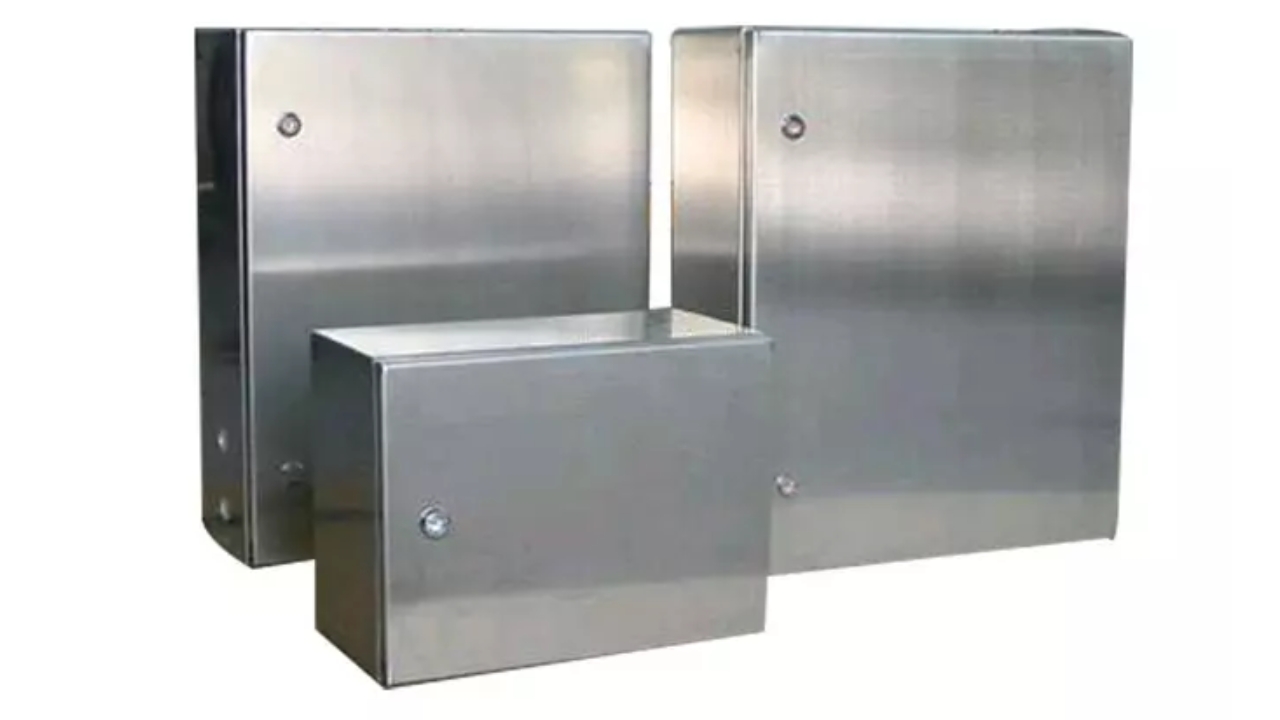
Ваш выбор будет зависеть от того, для чего именно вам это нужно. Если вам необходимы легко моющиеся поверхности для использования в пищевой промышленности или больницах, конструкции, сохраняющие жесткость под большими нагрузками, или материалы, способные выдерживать максимальные удары, выбирайте нержавеющую сталь. Если вес важен для установки, электроника должна быстро отводить тепло, или у вас ограниченный бюджет, выбирайте металл. Оба варианта хороши. нержавеющая сталь 316L Полированный алюминий хорошо подходит для прибрежных районов, но обычно алюминий — более выгодный вариант. Не стоит просто следовать традициям; подберите текст в соответствии с обстановкой.
Закажите корпус нужного вам типа у компании KDM Steel.
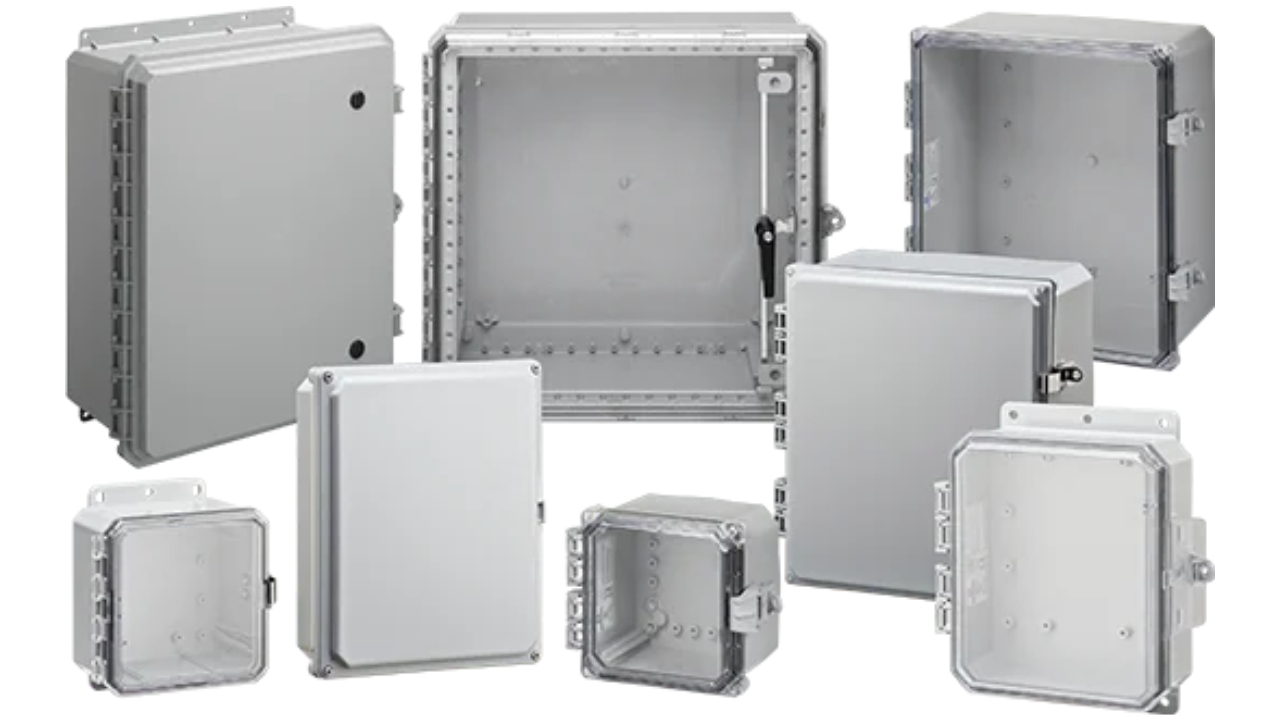
КДМ Сталь Мы — эксперты в изготовлении уличных укрытий из нержавеющей стали и алюминия, которые точно соответствуют вашим требованиям. Наша команда производит качественные конструкции, разработанные для работы в любых условиях, будь то нержавеющая сталь марки 316 для морского применения или легкий алюминий с порошковым покрытием для телекоммуникационных установок. Связаться с нами обсудить потребности вашего проекта.
Часто задаваемые вопросы
Влияет ли прибрежная или морская среда на выбор наружного корпуса из нержавеющей стали или алюминия?
Да, выбор материала очень важен. Хорошо подходят сплавы морского класса и алюминий с порошковым покрытием, но только нержавеющая сталь марки 316 хороша, поскольку сталь марки 304 подвержена точечной коррозии в областях с высоким содержанием хлоридов.
Важно ли выбирать для охлаждения электроники корпус для наружного применения, изготовленный из нержавеющей стали или алюминия?
Да, алюминий гораздо лучше подходит для охлаждения оборудования, потому что он хорошо проводит тепло. Нержавеющая сталь удерживает тепло, поэтому обычно требует дополнительного охлаждения, например, с помощью кондиционеров или вентиляторов.
Сколько времени занимает изготовление наружного ограждения из нержавеющей стали или алюминия?
Благодаря меньшему весу алюминий значительно сокращает время строительства. С ним проще работать, требуется меньше бригады, и гораздо легче устанавливать конструкции на высоте или на значительном расстоянии.
Что лучше подходит для условий интенсивной эксплуатации: наружный корпус из нержавеющей стали или алюминия?
Нержавеющая сталь отлично подходит для применений, требующих выдерживания сильных ударов и больших нагрузок. Но алюминий также удивительно прочен, поскольку имеет класс прочности IK09 и может быть согнут без растрескивания.
В сравнении наружных корпусов из нержавеющей стали и алюминия, может ли алюминий превзойти нержавеющую сталь?
Да, по ряду параметров, таких как вес, теплопередача и соотношение цены и качества. Какой материал “лучше”, в конечном итоге зависит от приоритетов вашего применения.
Как выбор между корпусом из нержавеющей стали или алюминия для наружного применения влияет на стоимость доставки?
Да, тот факт, что металл легче, действительно делает доставку дешевле. Эта разница очень важна для больших укрытий или для перевозки больших объемов грузов на большие расстояния.
Как выбрать между уличным ограждением из нержавеющей стали и алюминия?
Следует учитывать четыре основных момента: окружающую обстановку, ограничения по весу, количество тепла от электроники и риск удара. Вместо того чтобы использовать проверенные методы, адаптируйте материал к своим уникальным потребностям.
 Russian
  English
  Arabic
  French
  Spanish
  Japanese
  Korean
  Portuguese
  Indonesian
  Chinese