



Liquid storage and processing in the industrial and other commercial sectors need stainless steel tanks. The choice of the tank size is an important factor in achieving efficiency, safety, and cost-effectiveness in the manufacturing, food and beverage, and chemical industries. This article will cover the standard tank sizes, key selection considerations, and their uses in the various industries, giving you the knowledge required to make the right decisions.
What Are Stainless Steel Tanks?
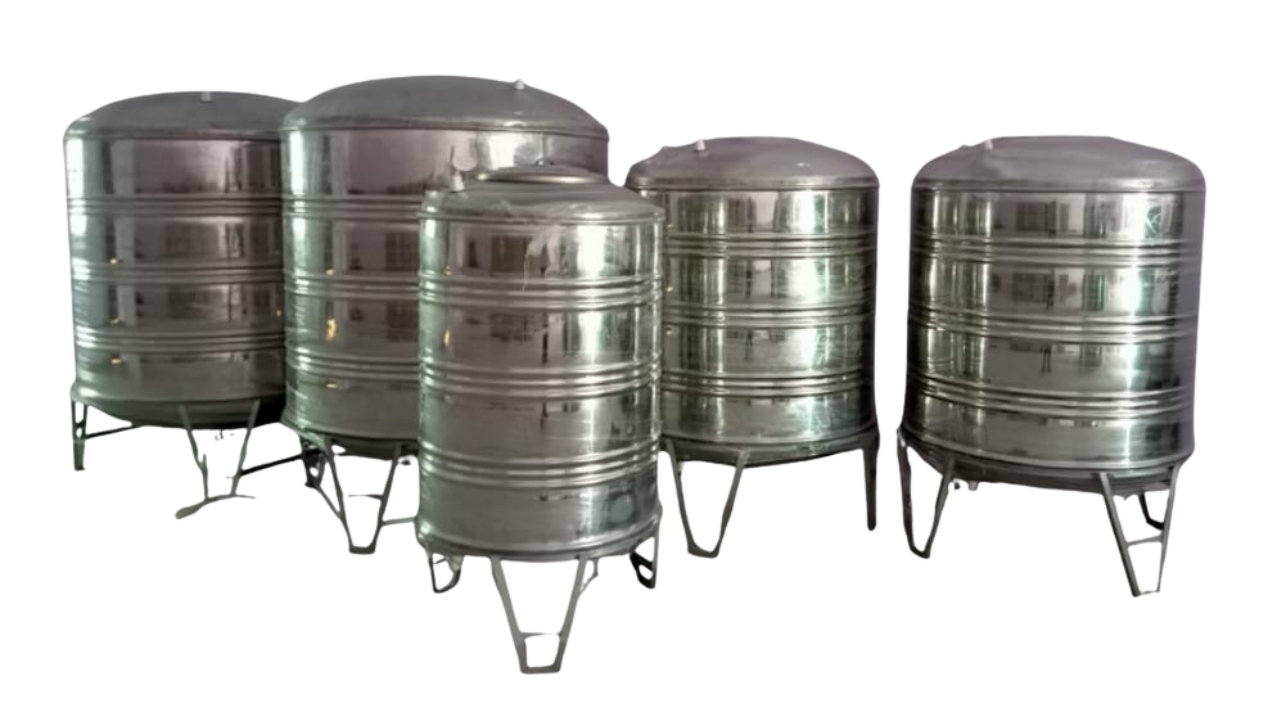
Stainless steel tanks are industrial containers that are utilized to store, process, or mix liquids and solids. They resist the pressure of corrosion and various temperatures in the demanding working conditions. Businesses in food, chemical, water, and agricultural activities use these tanks. The stainless steel tanks are available in different sizes depending on the capacity requirements, safety requirements, and size of production.
Standard Stainless Steel Tank Sizes and Capacities
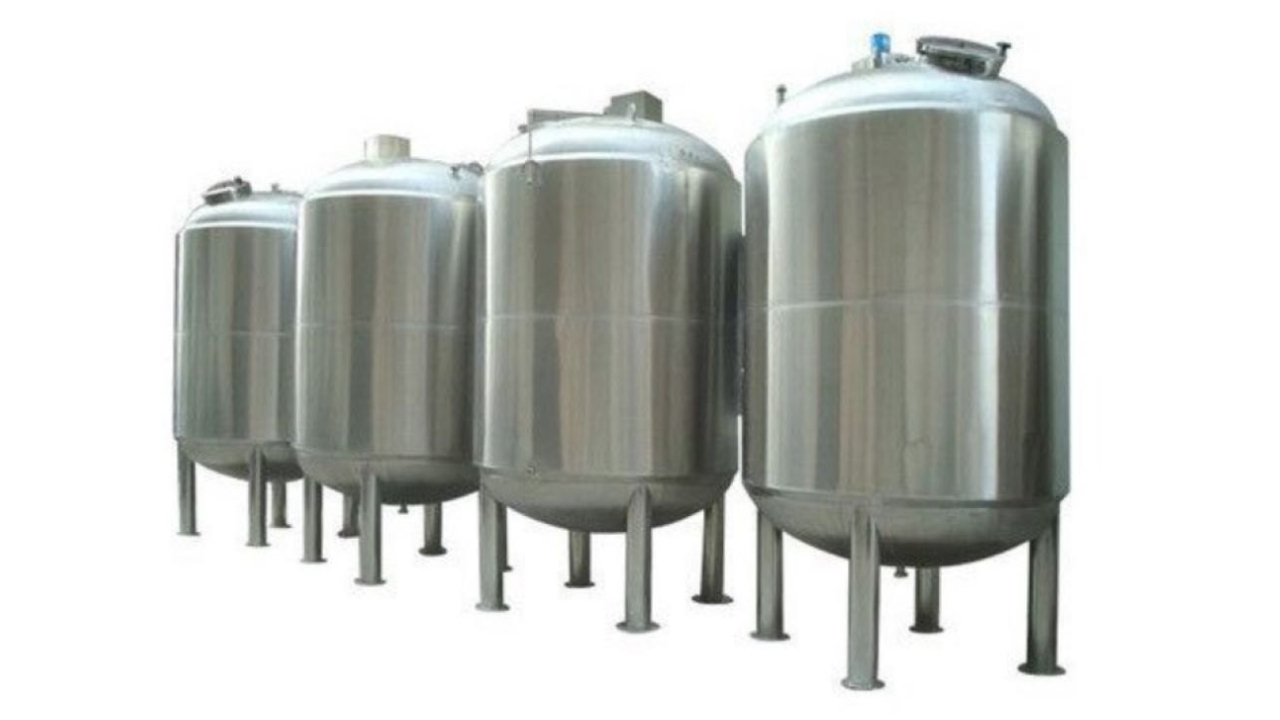
Residential and Small Commercial Sizes
Residential and small commercial stainless steel tanks are usually between 100 gallons and 1000 gallons. They help in storing water, food processing, and handling light processes.
Industrial and Large Scale Sizes
Stainless steel tanks can be used in industries that have a capacity of about 1000 gallons and usually more than 50000 gallons. These tanks are used in manufacturing, chemical processing, water treatment, and bulk storage.
Custom Sizes
Special-purpose customized stainless steel tanks are designed to fit special capacity layout and operational requirements. Their sizes are designed by manufacturers according to the volume space constraint and standards of compliance.
Vertical vs Horizontal Tank Sizing
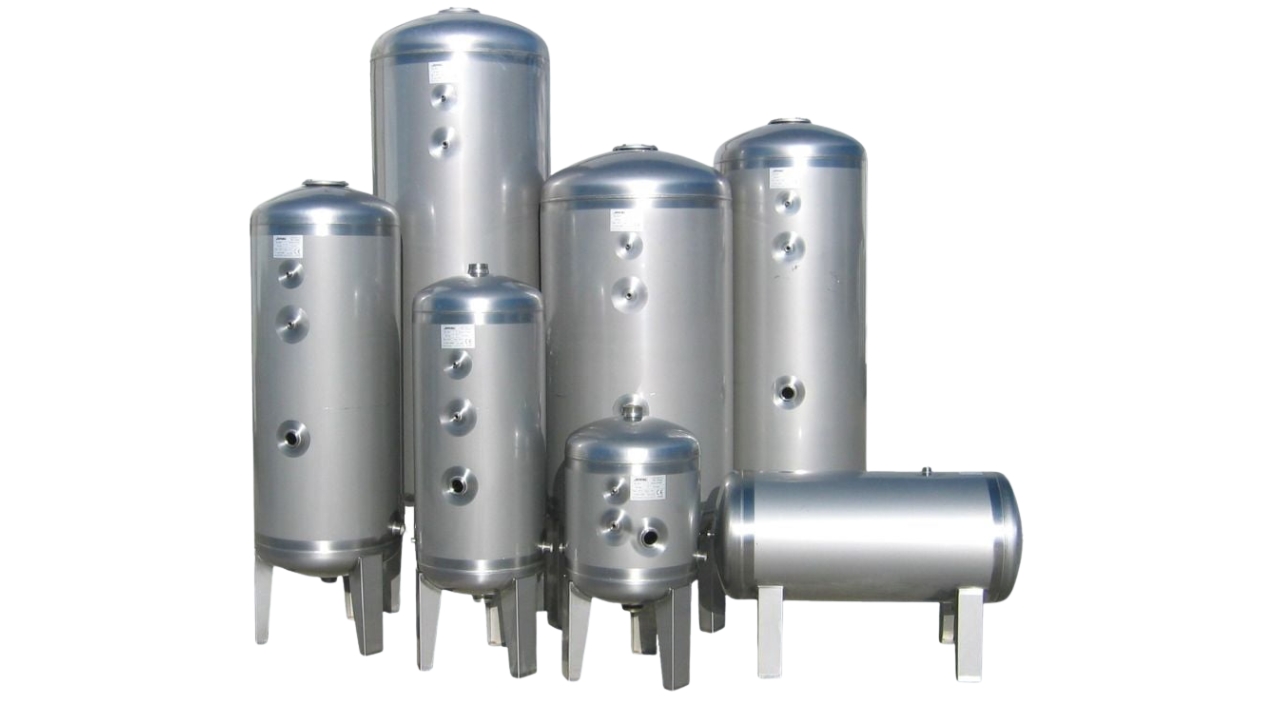
Vertical stainless steel tanks lead to maximum storage space and reduced floor space in manufacturing plants. Horizontal stainless steel tank dimensions are applicable in transport applications, low clearance zones, and mobile storage.
| Tank Type | Capacity Range | 애플리케이션 |
| Residential & Small Commercial | 100 to 1000 gallons | Water storage, food processing, and light processes |
| Industrial & Large Scale | 1000 to 50,000+ gallons | Manufacturing, chemical processing, bulk storage |
| Custom Sizes | Custom capacities | Tailored to specific operational and space needs |
| Vertical vs Horizontal | 없음 | Vertical: space-saving; Horizontal: transport/storage |
How to Determine the Right Stainless Steel Tank Size
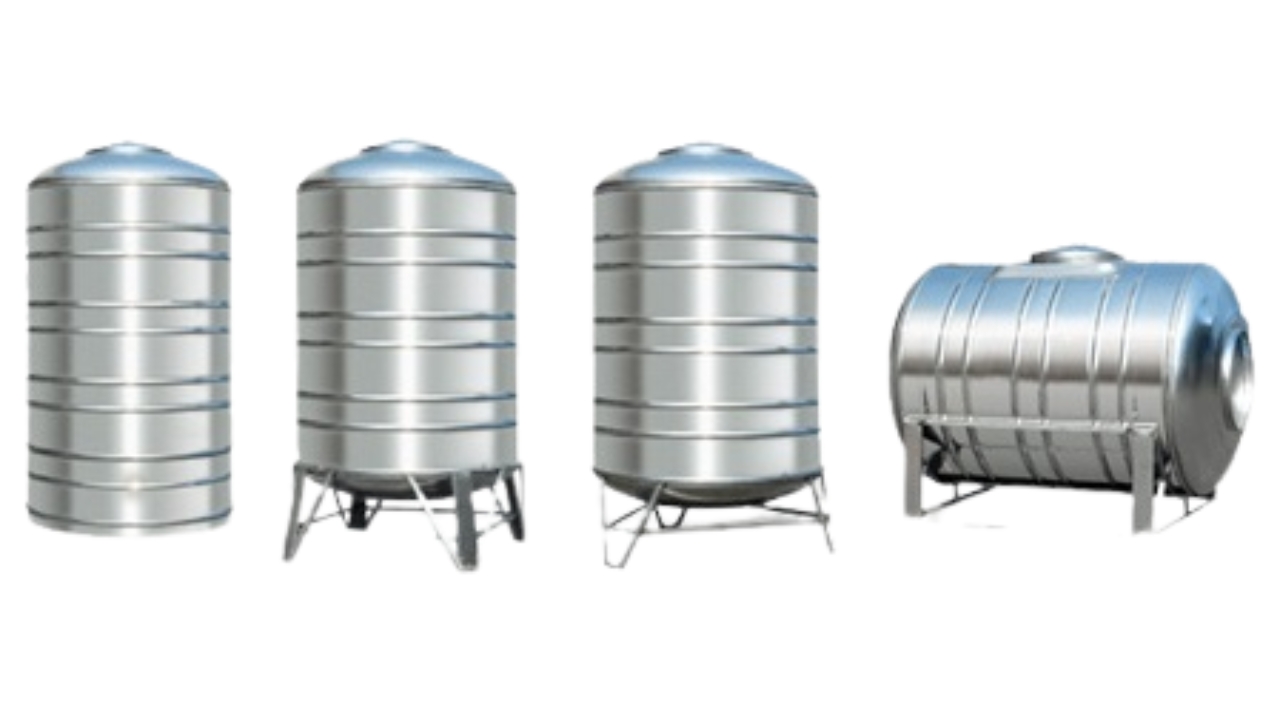
Identify Your Usage Needs
Start with the staging volume requirements each day in storage, processing, or mixing. Standardize tank sizes to match stainless steel with production cycles, peak demand, and future capacity expansion plans.
Consider Available Space
Determine floor height and access points at the point of installation and finalize tank size. Space constraints can compel the use of vertical tanks as the best way of having maximum space without affecting workflow efficiency.
Evaluate Material and Grade Requirements
Select stainless steel grades based on product type, temperature exposure, and corrosion risk. Food, chemical, and water applications demand specific grades to maintain durability and hygiene standards.
Tank Shape and Orientation
The tank shape influences the volume efficiency, ease of cleaning the tank, and structural stability in operation. Their process requirements are supported by vertical, horizontal, or rectangular designs.
Compliance and Regulations
Review industry regulations related to pressure sanitation and environmental safety requirements. Proper sizing ensures compliance with ASME, FDA, and local authority standards during inspections.
Tank Shapes & Size Variations
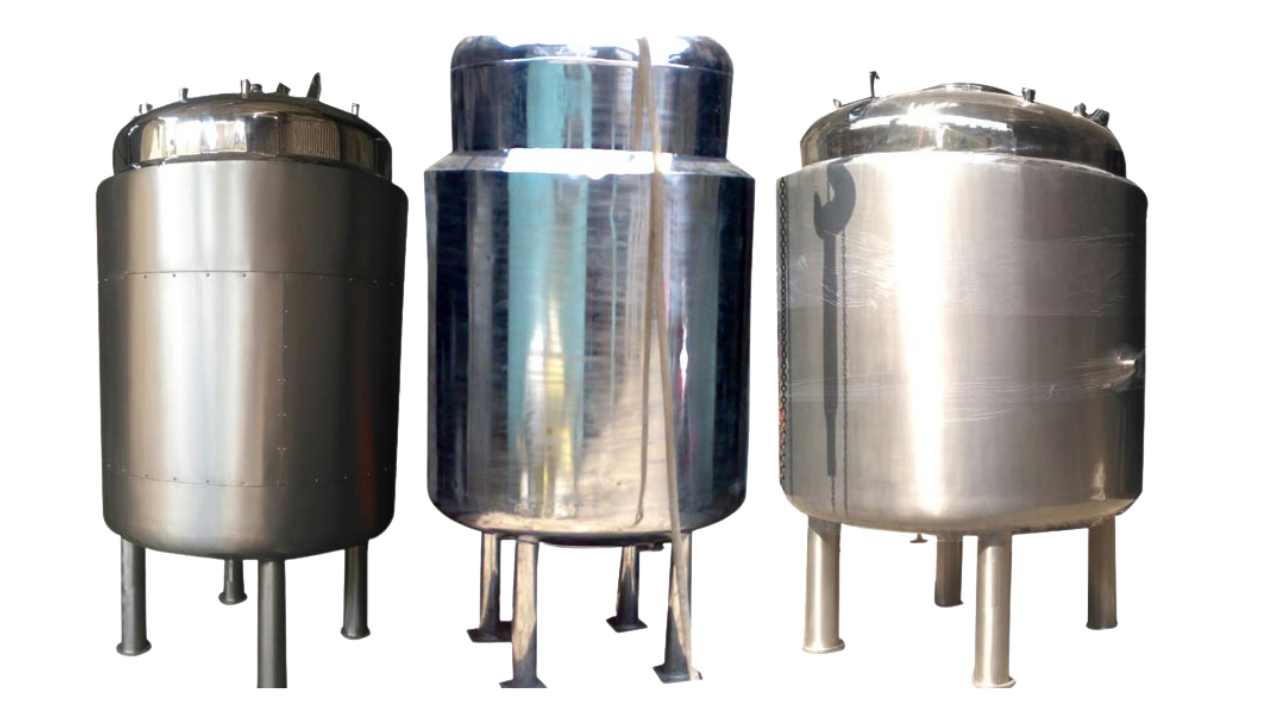
Cylindrical Tanks
Cylindrical tanks support uniform pressure distribution and efficient material flow in industrial storage systems. These designs suit large tanks that are used in food, chemical, and water treatment operations.
Rectangular and Prismatic Tanks
Rectangular and prismatic tanks maximize space efficiency where floor area limits installation options. They promote Stainless Steel Tanks needed in the modular systems and controlled volume storage.
Jacketed and Insulated Tanks
Jacketed and insulated tanks control product temperature during heating or cooling processes. They fit in tanks that are used in food processing, pharmaceuticals, and temperature-sensitive materials.
High-Pressure Vessels
High-pressure vessels handle extreme internal pressures under strict engineering and safety standards. These Stainless Steel Tanks serve chemical processing energy systems and specialized industrial applications.
Common Applications and Recommended Tank Sizes
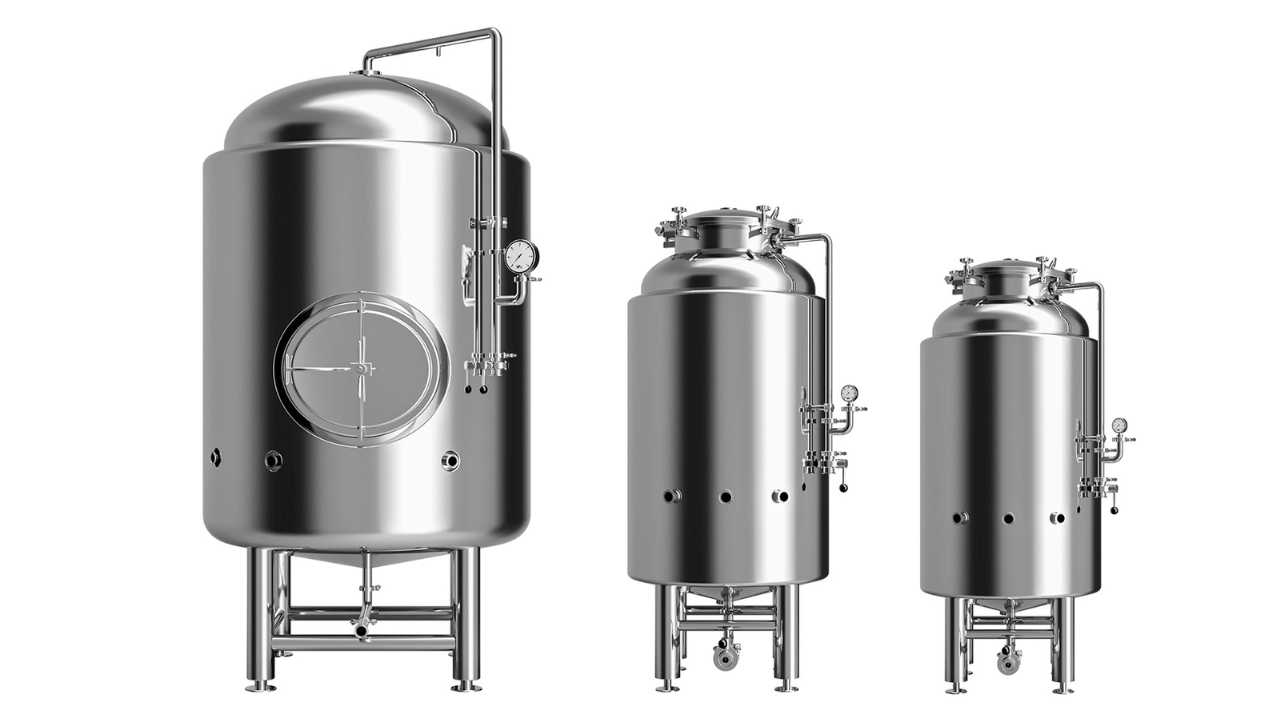
Domestic Water Storage
Clean water is kept in stainless steel tanks to pressurize the residential systems. The typical sizes of these tanks range from 130 to 1,320 gallons (500–5,000 liters). The basis of sizing is determined by the size of daily consumption, occupancy in the building, and backup demands.
Industrial Storage of Chemicals and Oils
The inorganic fluids found in the industrial facilities are put in stainless steel tanks. It is advisable to employ those tanks that have a capacity of about 260 gallons (1,000 liters) and can exceed 13,200 gallons (50,000 liters). The tank size will be based on the volume of materials, safety, and continuous production.
Food and Beverage Fermentation Processing
The fermentation, mixing, and hygienic processing are done by using stainless steel tanks by food producers. The common size ranges are between about 53 and 5,280 gallons (200–20,000 liters). Selection of the capacity facilitates batch control, sanitation, and uniform product quality.
농업용
In agricultural activities, water, fertilizers, and liquid feed are stored in stainless steel tanks. Common tank Sizes used are about 260 to 7,920 gallons (1,000–30,000 liters). The tank capacity is based on the seasonal demand, the size of the irrigation, and the quantity of livestock.
Customized Stainless Steel Tanks from KDM Fabrication
KDM Fabrication is a design and manufacturing company of customized stainless steel tanks to be used in industries and in commercial work. Choosing the right tank size helps you improve efficiency, safety, and cost control. KDM Steel offers customized tanks to meet your specific production needs. If you require technical support during the selection, 문의해주세요. For the design or installation process, we would be happy to assist you.
자주 묻는 질문
What is the most common tank size for residential use?
Residential tanks usually come between 50 and 500 gallons, depending on water or storage requirements.
Does a larger size always mean better efficiency?
Greater tanks are not necessarily more efficient. Sizing requires dependency on process requirements.
How do stainless steel tanks compare with other materials?
Stainless steel tanks offer superior durability, corrosion resistance, and sanitary performance versus plastic or carbon steel.
Can a tank be resized later?
Most stainless steel tanks cannot be resized easily. Custom sizing is recommended during design.
Are there standard dimension charts for tank sizes?
Yes, manufacturers provide charts showing volume, height, and diameter for common stainless steel tank sizes.
Does the size change for a pressurized vs. a vacuum atmospheric stainless steel tank?
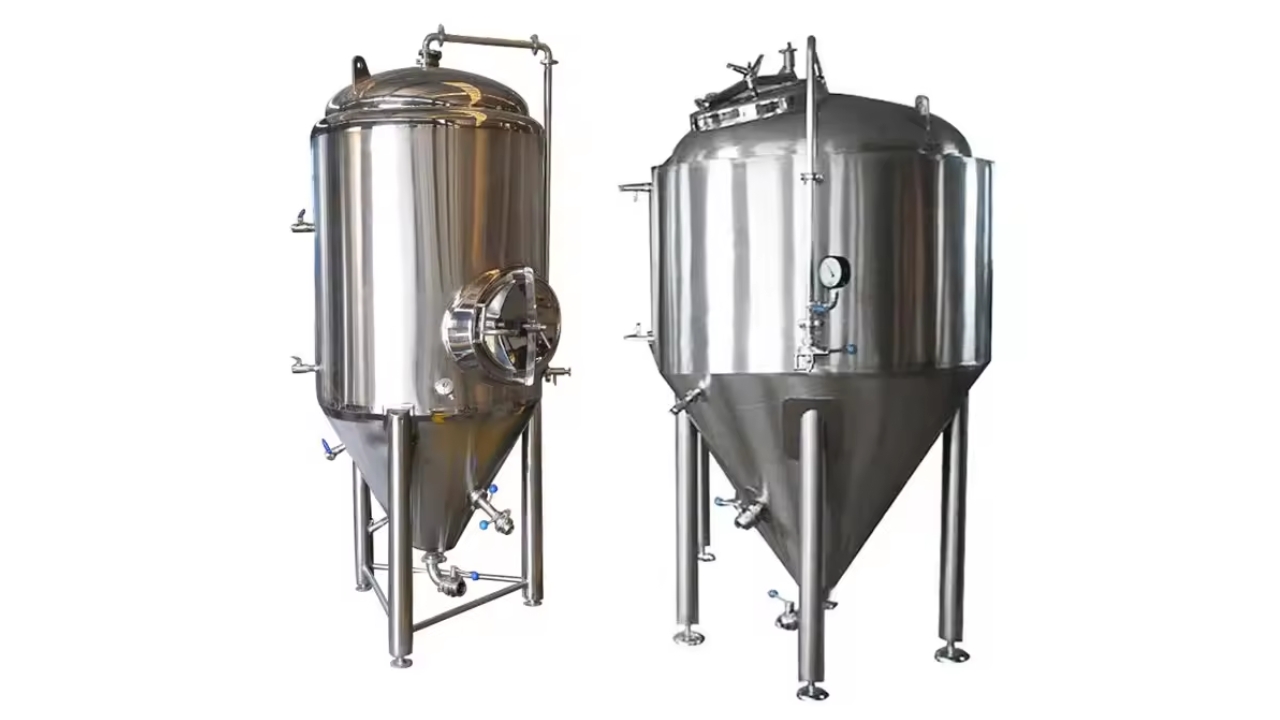
Pressurized tanks often have thicker walls and reinforced structures, but total volume may remain similar.
 Korean
  English
  Arabic
  French
  Spanish
  Russian
  Japanese
  Portuguese
  Indonesian
  Chinese