


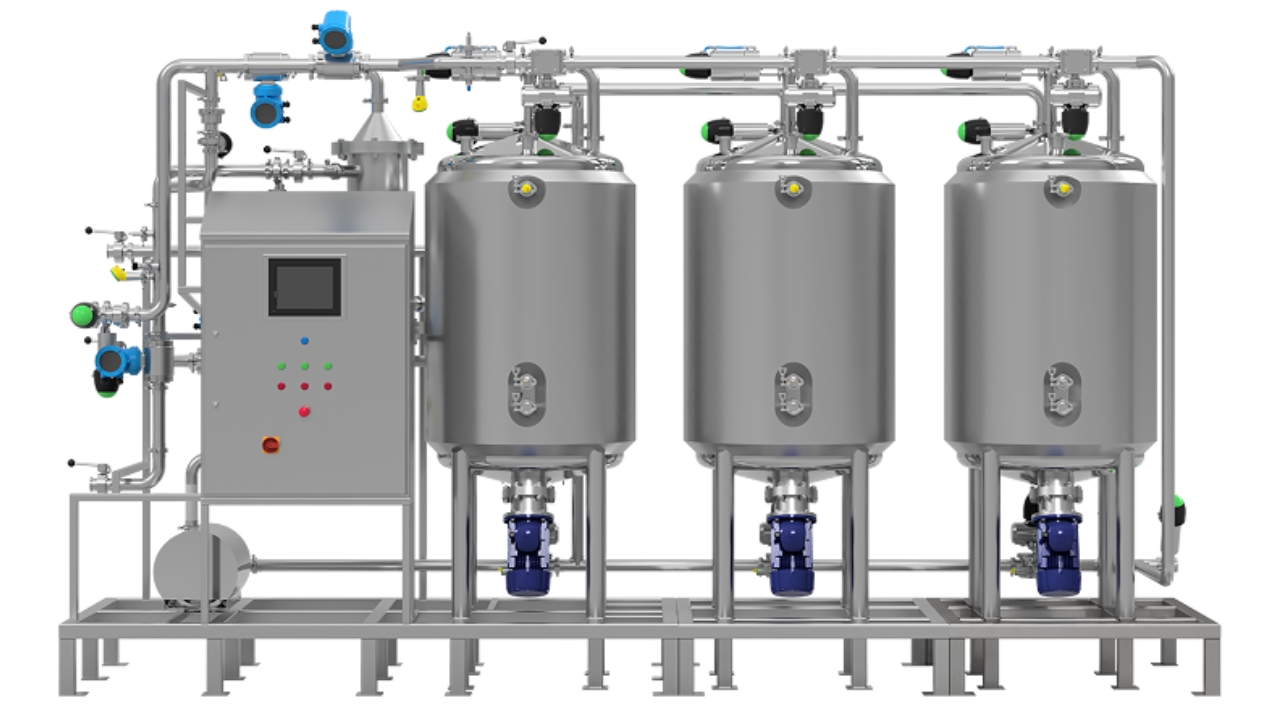
Are you uncertain about whether to select a CIP tank or a SIP tank? It is important to know the difference between Clean-In-Place (CIP) and Sterilize-In-Place (SIP) systems when planning or upgrading clean process lines. This guide explains the differences so you can make smart choices about how to operate your firm efficiently and legally.
What is a CIP Tank?
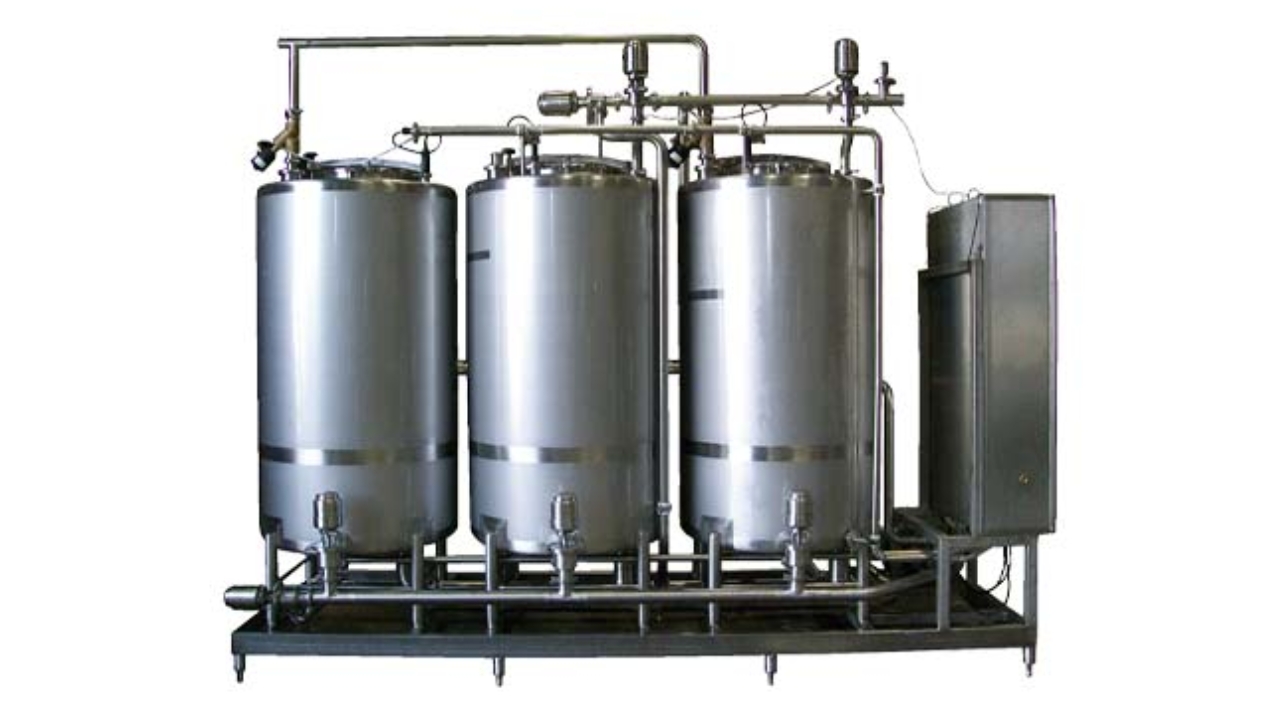
에이 CIP tank is a special container that holds and moves cleaning liquids, like acids and caustics, so that pipes, vessels, and tanks can be cleaned without having to be taken apart. The main goal is to get rid of soil, residues and biofilms so that the equipment is clean for the next production run, both physically and chemically.
What is a SIP Tank?
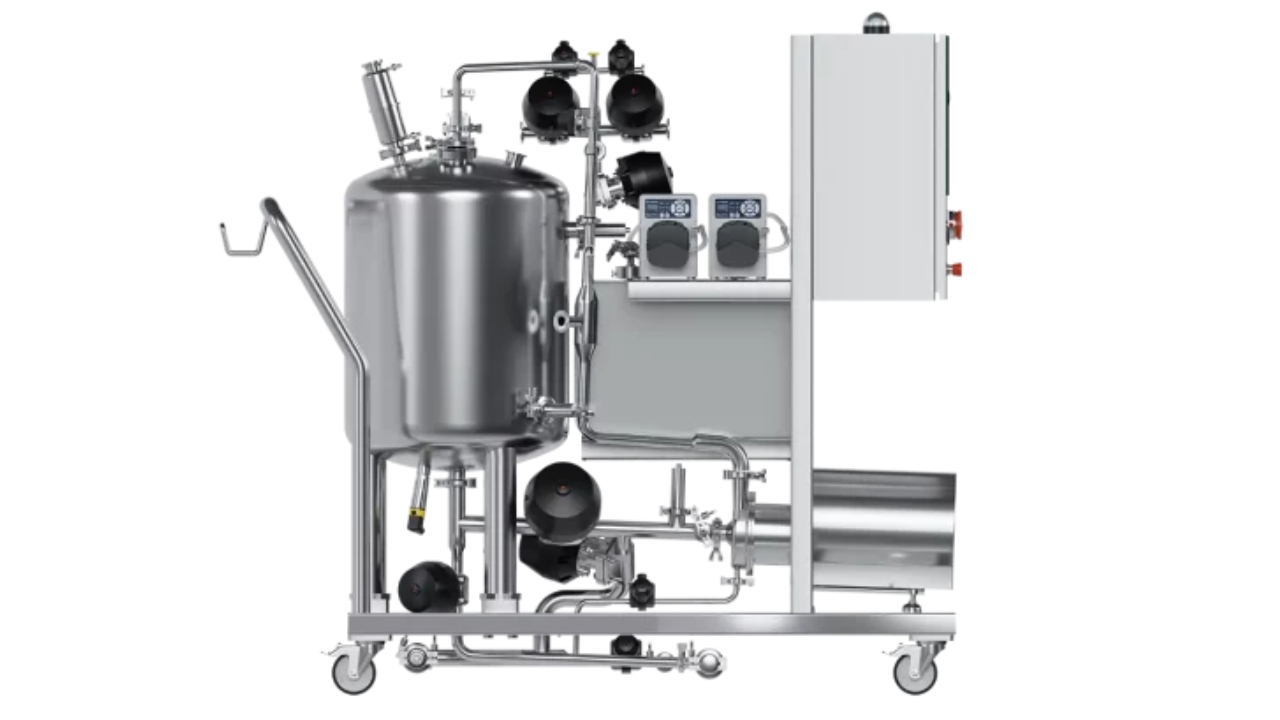
A SIP tank is a special container, usually a pure steam generator or a hot water storage unit, that makes and sends sterile media (like steam or water that is too hot) to clean equipment. The goal is to reach a certain sterility assurance level (SAL) by getting rid of all living germs, such as bacterial spores.
Top 10 Key Differences between CIP Tank and SIP Tank
1. Fundamental Purpose
CIP Tank (Clean-In-Place):
A CIP tank is the most important part of an automated cleaning device. Its main task is to clean the inside of processing equipment like lines, valves, and vessels without taking them apart. To do this, it stores and carefully flows a set of chemical cleaning and rinsing solutions that break down and get rid of all product soil, organic leftovers, fats and inorganic scales.
SIP Tank (Sterilization-In-Place):
The main job of a SIP tank is to make cleaning equipment germ-free. It gives you a known poison—most often, saturated pure steam while keeping the time, temperature and pressure very tightly under control. The system applies this sterilant to all surfaces that come into contact with the product. This kills all microorganisms, even strong bacterial spores, to a specified Sterility Assurance Level.
2. Cleaning vs. Sterilization Objective
CIP Tank (Cleaning Objective):
The goal of a CIP system is to keep things clean by getting rid of all nonmicrobial contaminants. Soil, proteins, carbohydrates, fats and mineral layers that can be seen are all part of this. It is ideal for chemical residue testing (ATP swabs, conductivity), visual inspection and the absence of cleaning agent carryover. A clean environment is necessary for effective sterilization.
SIP Tank (Sterilization Objective):
The goal of a SIP system is sterility, which means getting rid of all living germs. It is a probabilistic kill with a Sterility Assurance Level of 10^-6, which means there is a 1 in 1,000,000 chance that one living microbe will survive. Validation uses biological markers with bacterium spores to show that the cycle is harmful. The goal is not to clean, but to stop biocontamination.
3. Type of Media Used
CIP Tank (Media Used):
Sequences of water-based chemical solutions are used in CIP devices. Hot acids (like HNO₃) and caustics (like NaOH) are used as core media to remove organic dirt, descale, and passivate. Soil is meant to be chemically attacked by the treatments, but they are not always sterile.
SIP Tank (Media Used):
SIP depends on media that kill microbes in a way that can be predicted. Pure steam that is saturated and under pressure is the best because it transfers heat very well. Sometimes, chemical sterilizers like vaporized hydrogen peroxide (VHP) are used on isolation equipment or things that are easily broken. The media must be pure (like Clean Steam) so that they do not add any new toxins.
4. Temperature & Pressure Regimes
CIP Tank (Temp & Pressure):
Some mild temperatures are needed for CIP to work. Acid washes may be a little cooler than caustic washes, which usually range from 60°C to 80°C. The final washing water is usually just room temperature. Mainly, hydraulic pressure is created by pumps to ensure the required turbulent flow (usually 1.5 to 2 m/s speed) through pipelines. The tanks are usually pressurized to atmospheric or low levels.
SIP Tank (Temp & Pressure):
For SIP to work, it needs precise high-temperature conditions. The standard for steam sterilization around the world is 121°C for at least 15 to 20 minutes, but cycles at 134°C are also popular. To reach these temperatures, you need the right amount of full steam pressure. For example, to reach 121°C, you need about 2 bar gauge pressure. SIP is a high-pressure, high-temperature method because the whole system has to keep these conditions the same.
5. Sequence in Process Workflows
CIP Tank (Process Sequence):
The CIP process starts immediately, either after production or during a break that was planned. There is a set order: a pre-rinse to get rid of dirt, a caustic wash, an intermediate rinse (often an acid wash), a final rinse with clean water, and sometimes a sanitizing rinse.
SIP Tank (Process Sequence):
SIP is done after the CIP cycle is finished successfully and before the sterile production effort starts. System preconditioning (often with hot air or vacuum), steam injection and dwell at set point, steam exhaust, cooling and drying, and then steam injection and dwell at set point. It keeps the tools clean before a product is put on the market by acting as a gatekeeper.
6. Equipment Design and Complexity
CIP Tank (Design & Complexity):
The design of a CIP tank puts chemical protection, fluid transfer efficiency, and solution recovery at the top of the list. They have clean connections, spray balls for cleaning the tanks and usually more than one tank set up for recovering caustic, acidic and water. Automation reasoning, concentration monitoring and making sure that solutions do not mix are what make it complicated.
SIP Tank (Design & Complexity):
그만큼 ASME BPVC pressure vessel codes control the design of the SIP tank. The generator or holding vessel for pure steam must be built to these standards. It is very complicated, with accurate steam traps, systems for getting rid of condensation, temperature-sensing grids for testing (thermocouples), and controls to make sure there are no cold spots.
7. Frequency of Operation
CIP Tank (Frequency):
Many CIP cycles are done at the end of each production shift, after each batch, or between product changeover. Continuous cleaning can be done on each unit. The high frequency is needed to keep the dirt from drying out and making it harder to remove, which would have a direct effect on the safety and quality of the product.
SIP Tank (Frequency):
SIP cycles are executed less frequently. They are done before a multi-day sterile production campaign, after any maintenance on the equipment that breaks the system’s sterility, or on a set plan, like once a week. When aseptic processing is used, the sterile boundary set by SIP stays in place for the whole campaign, without having to be renewed.
8. Regulatory & Validation Requirements
CIP Tank (Validation):
CIP validation is all about showing that soil removal is constant. It includes finding the worst places for dirt to be, setting cleaning parameters (like Time, Temperature, Concentration, and Flow) and checking the results using different analytical methods, such as visual inspection, swab testing for residues (like TOC and protein) and rinse water analysis (conductivity).
SIP Tank (Validation):
Installation Qualification (IQ), Operational Qualification (OQ) and Performance Qualification (PQ) are all needed. Within the PQ phase, “heat distribution” and “heat penetration” studies are carried out using a thermocouple grid and biological markers (such as Geobacillus stearothermophilus spores) to show that the SAL is always 10^-6 throughout the whole system.
9. Industry Application Emphasis
CIP Tank (Industry Use):
CIP is used in every business that needs to process things in a clean way. It is the most important part of keeping food, drink and dairy plants clean. In drugs, it is used for equipment that is not meant to be sterile and as the first step in making equipment that is. CIP is used in any process that deals with organic waste or the risk of cross-contamination.
SIP Tank (Industry Use):
With SIP, you can work in fields where microbial poisoning directly threatens the safety of patients or consumers. Aseptic filling lines, biotech fermentation using different types of fermenters and purification suites, and sterile pharmaceutical production (injectables, ophthalmic) are where it is mostly used. This does not happen as often with food because the product itself is often sterilized by heat.
10. Effect on Production Throughput
CIP Tank (Throughput Impact):
Faulty CIP systems cause extra downtime. Continuous cleaning, extended cycle times, and intricate changeovers hinder production. Improving CIP by using the right design, automation, and parameter optimization can directly raise overall equipment efficiency (OEE) and plant capacity by cutting down on time spent cleaning that is not being used for work.
SIP Tank (Throughput Impact):
If the SIP loop fails or lasts too long, production can stop completely. If a SIP cycle fails its biological indicators in sterile manufacturing, the tools cannot be used, which could lead to batch rejection. Long heat-up and cool-down times are also taken into account when planning a strategy.
Difference between CIP Tank and SIP Tank
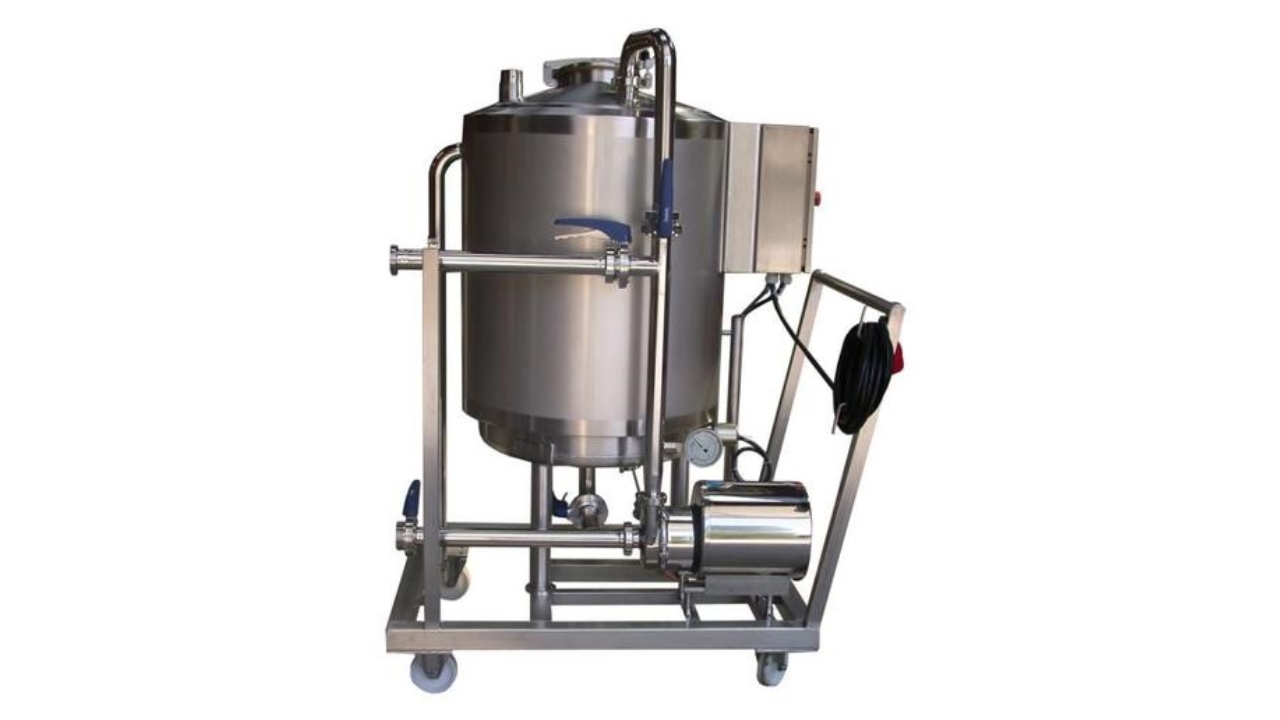
The following are the differences between CIP and SIP Tanks:
| 특징 | CIP Tank | SIP Tank |
| Primary Goal | Cleaning | Sterilization |
| Key Media | Chemical Solutions | Pure Steam / Hot Water |
| Typical Temp | 50°C – 85°C | 121°C – 135°C+ |
| Pressure | Low (Atmospheric to Low-Pressure Pump) | High (Pressure Vessel) |
| Validation Focus | Residue Removal | Microbiological Kill |
| Common Industries | Food, Beverage, Dairy, Pharma | Sterile Pharma, Biotech, Stainless Steel Pharmaceutical Tank |
CIP Tank vs SIP Tank – Which One Is Best?
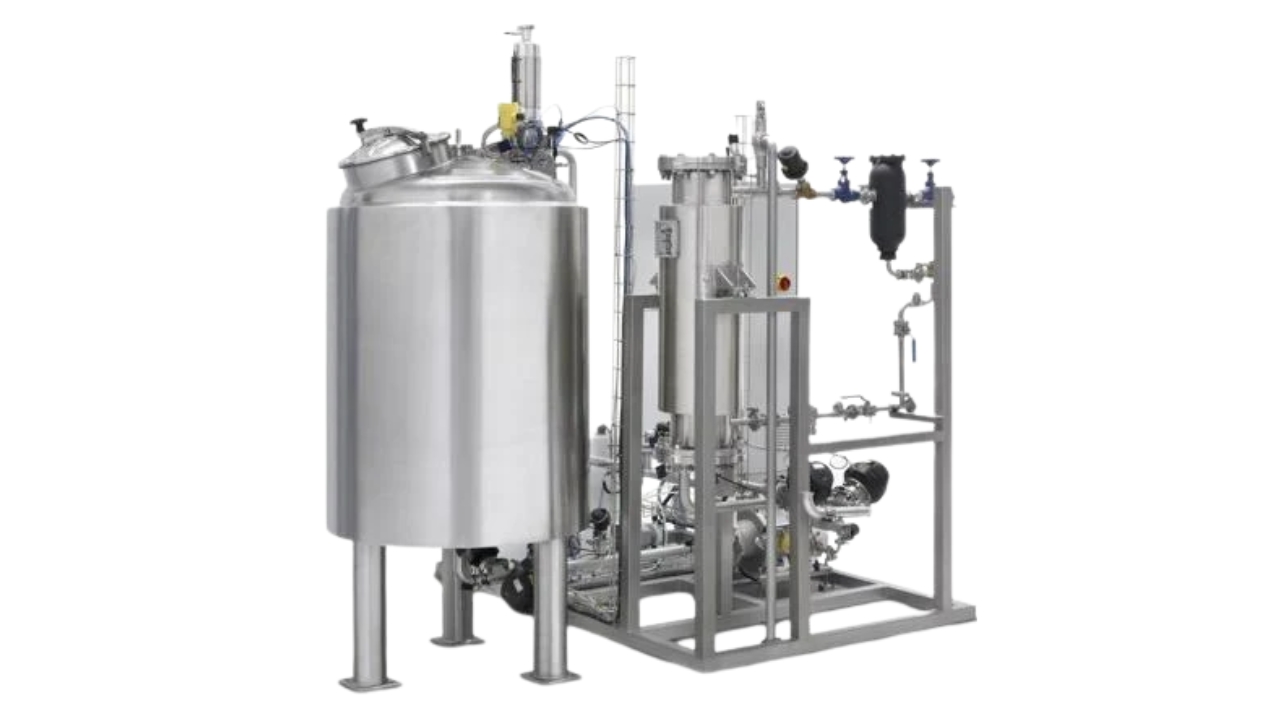
The question is not which is better, but which one does your method need? A lot of food and drink plants need strong CIP. Both are needed for sterile medicinal processes, and the SIP system is the last and most important proof of sterility. Your choice will depend on how sensitive your product is and what the rules say.
Get your Customized CIP and SIP Tanks from KDM Steel
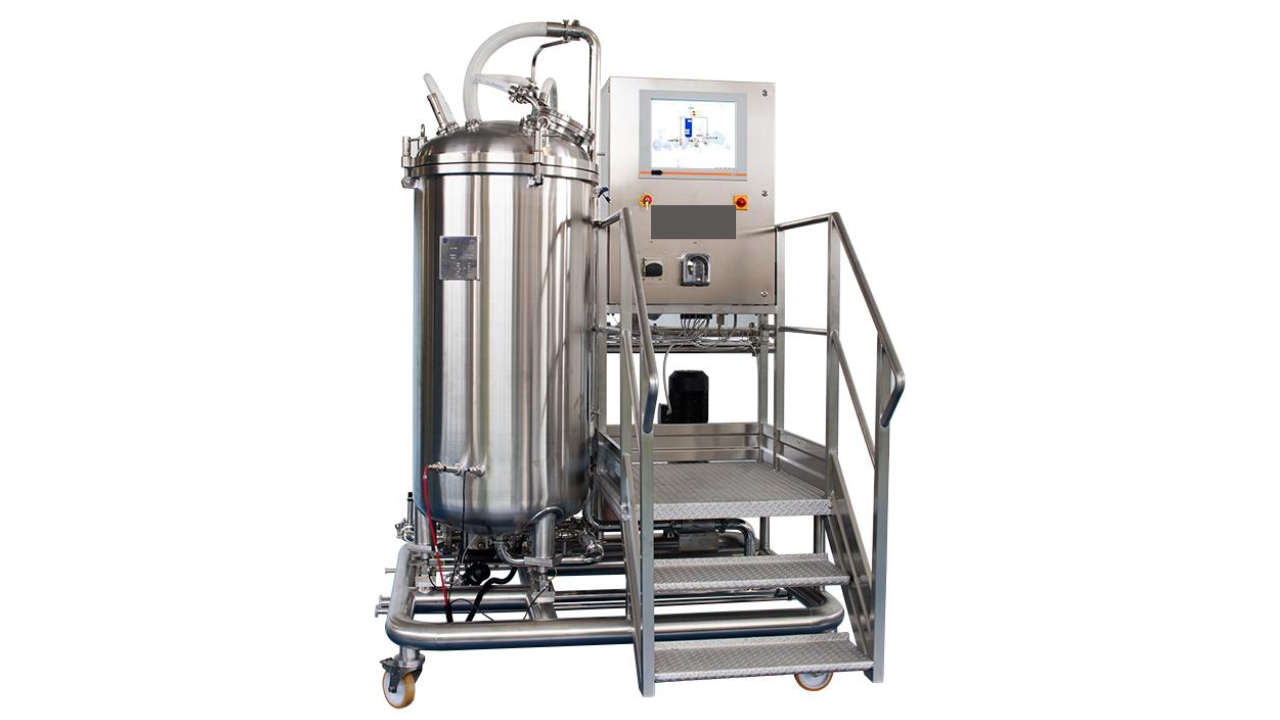
그만큼 KDM스틸 makes precise, clean tanks that can be used for both CIP and SIP. We offer options that are custom-made to meet your process and compliance needs, from choosing the right material (304/316L stainless steel/stainless steel reactor) to getting ASME certification and integrating automated controls. 문의하기 and get your personalized quotes for tanks.
자주 묻는 질문
Can SIP completely take the place of CIP?
No, SIP Tank can not get rid of dust or chemical residues. A clean area is needed for sterilization to work because dirt can hide microorganisms from the sterilizing agent.
Is it possible to make a CIP tank do SIP?
Not often. SIP requires a specifically built pressure vessel, special fittings, and a pure steam supply. A CIP tank is typically a box that contains air. Purchasing a dedicated SIP unit is typically less expensive than retrofitting.
How long does a CIP/SIP run last?
If there is a lot of dirt, the CIP process can take anywhere from 30 to 90 minutes. In most cases, a SIP stays at a temperature for 20 to 30 minutes. However, the whole cycle, which includes heating up and cooling down, can take up to one hour.
Does CIP need a rough flow, and why?
Yes. For CIP to work, the flow must be turbulent (Re > 20,000) so that it can scrub the dust off the pipe walls. Cleaning with laminar flow does not work.
Are there new tools that make CIP/SIP better?
Yes. Pulsed flow CIP, single-use CIP Tanks, and advanced sensor technology for real-time tracking are all technologies that are becoming more popular. Barrier devices (isolators) that use vaporized hydrogen peroxide (VHP) are cutting down on cycle times for SIP.
 Korean
  English
  Arabic
  French
  Spanish
  Russian
  Japanese
  Portuguese
  Indonesian
  Chinese