For data centers and power distribution networks, fire accidents can cause severe equipment damage and expensive downtime. Fire-rated enclosures can control and resist fire within the specified time. This article gives you a clear and practical overview of fire-rated enclosures and helps you choose the right enclosures for your project.
What Are Fire-Rated Enclosures?

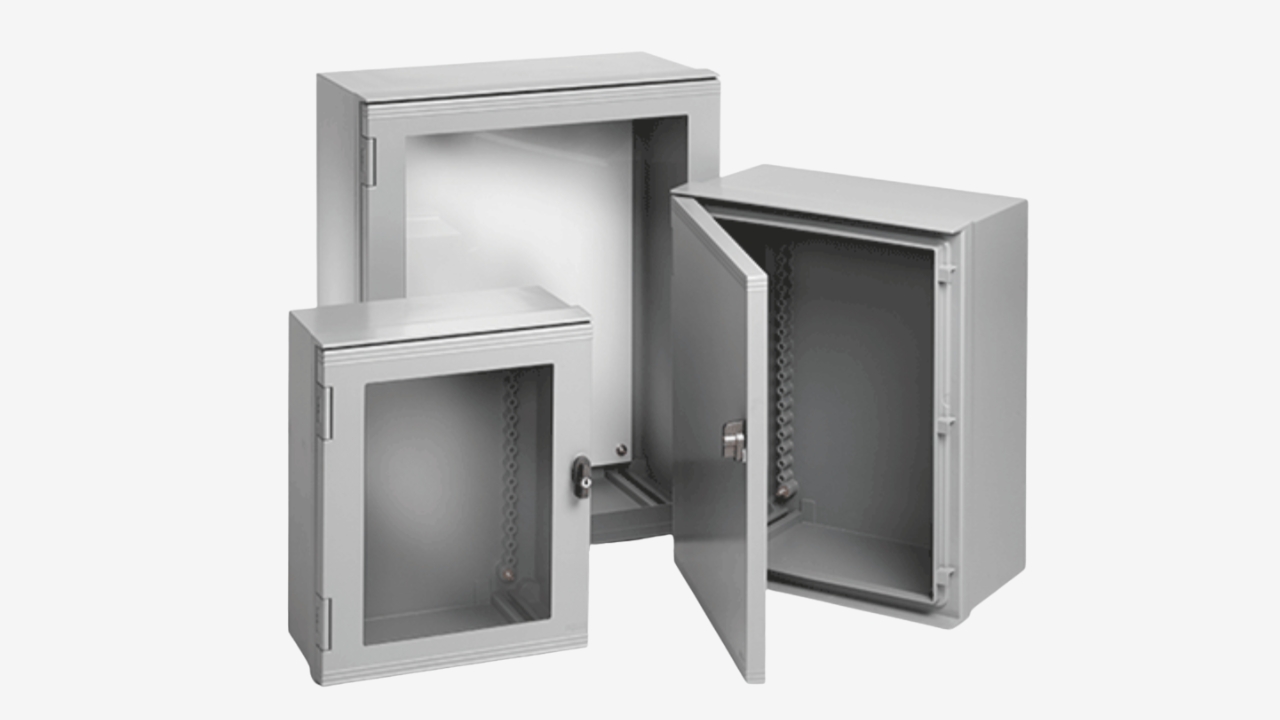
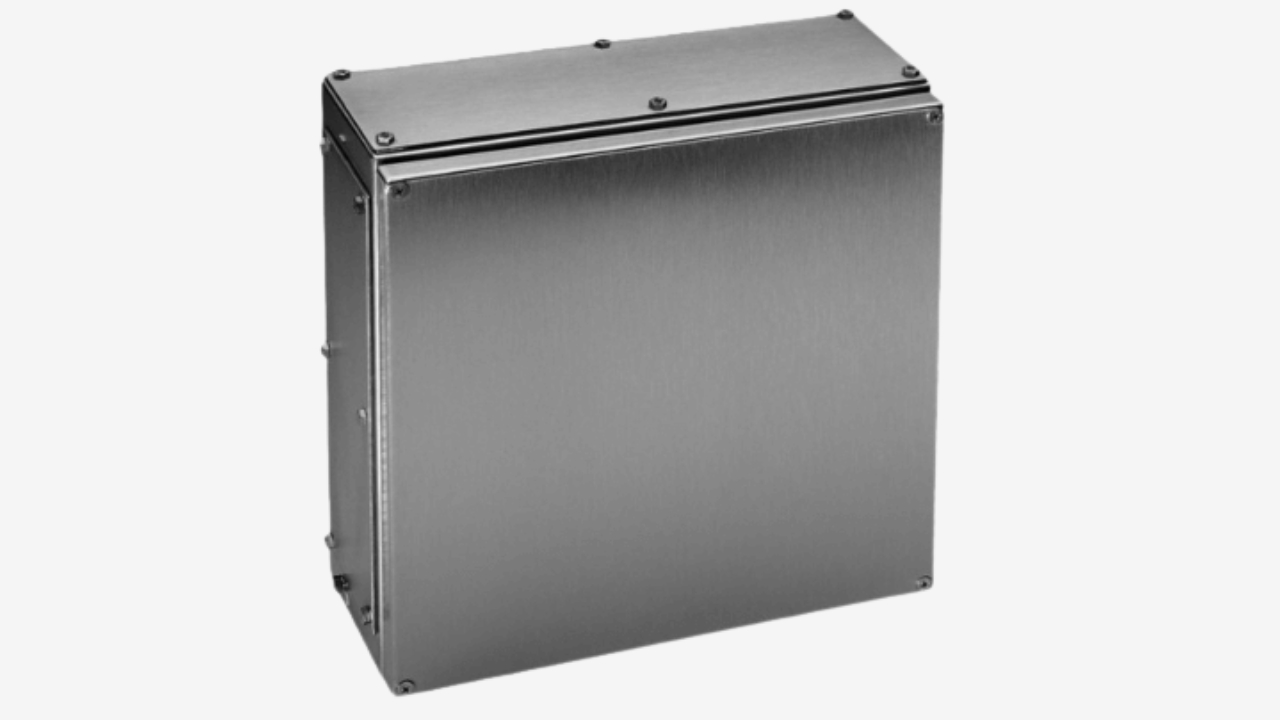
Fire-rated enclosures are protective shields designed with fire-resistant materials. They can resist and prevent the spread of fire within a specified period of time. Their main function is to seal electrical equipment, flammable materials, and important components. This isolates the internal components from external fire sources or contains a fire that starts inside. It can also keep vital systems operating during a fire. They can also give you time for escape and rescue operations.
How Fire-Rated Enclosures Work?

Fire-rated enclosures combine refractory materials, thermal insulation, and heat-activated sealing technology. This delays the spread of fire and limits heat transfer for a specified period of time.
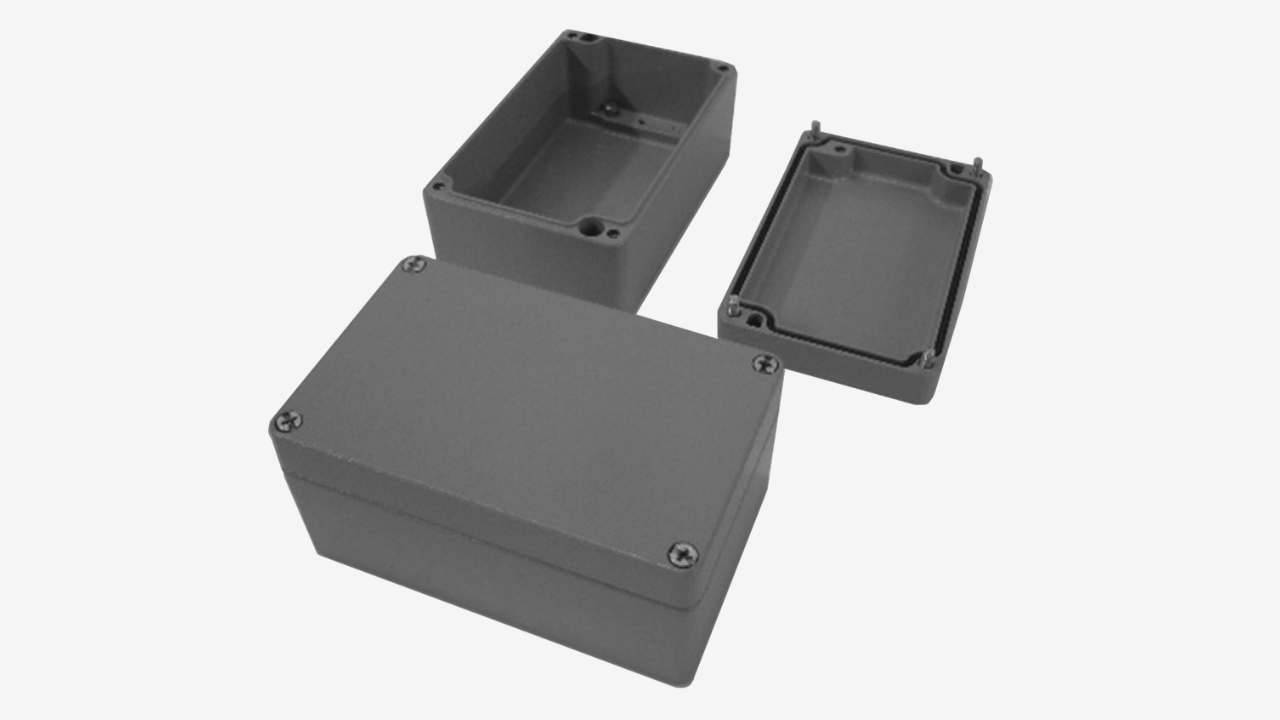
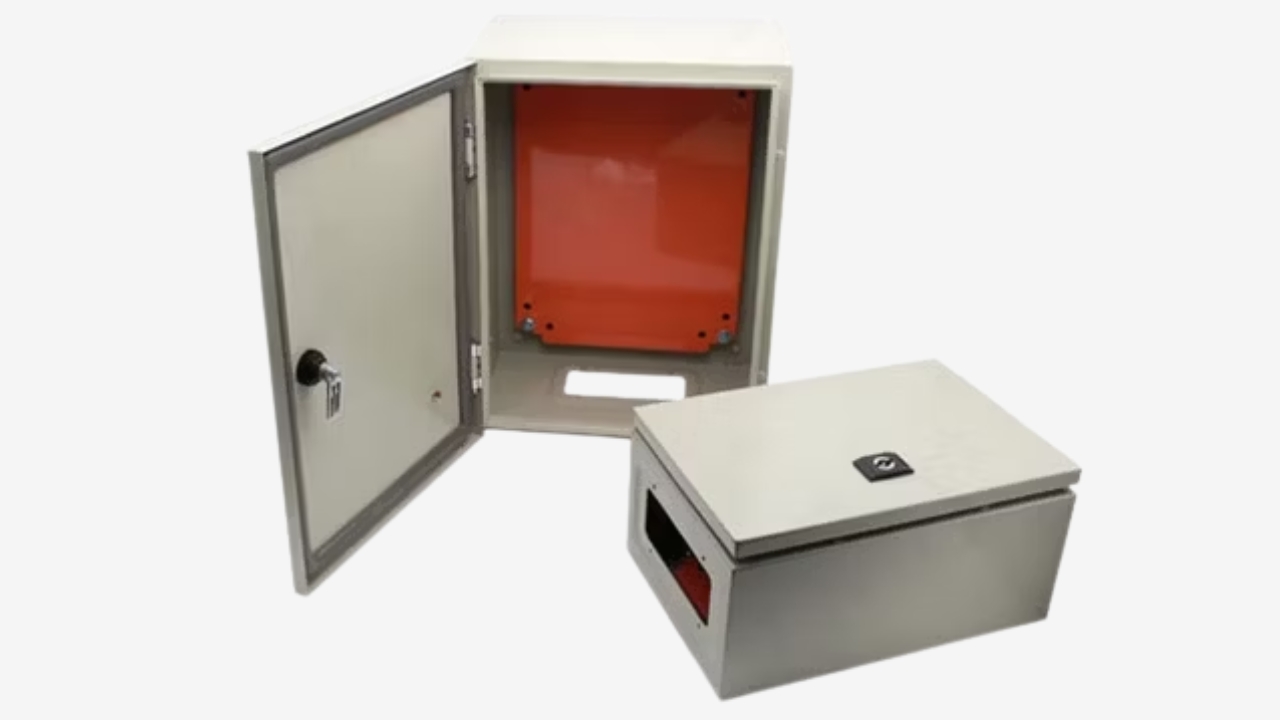
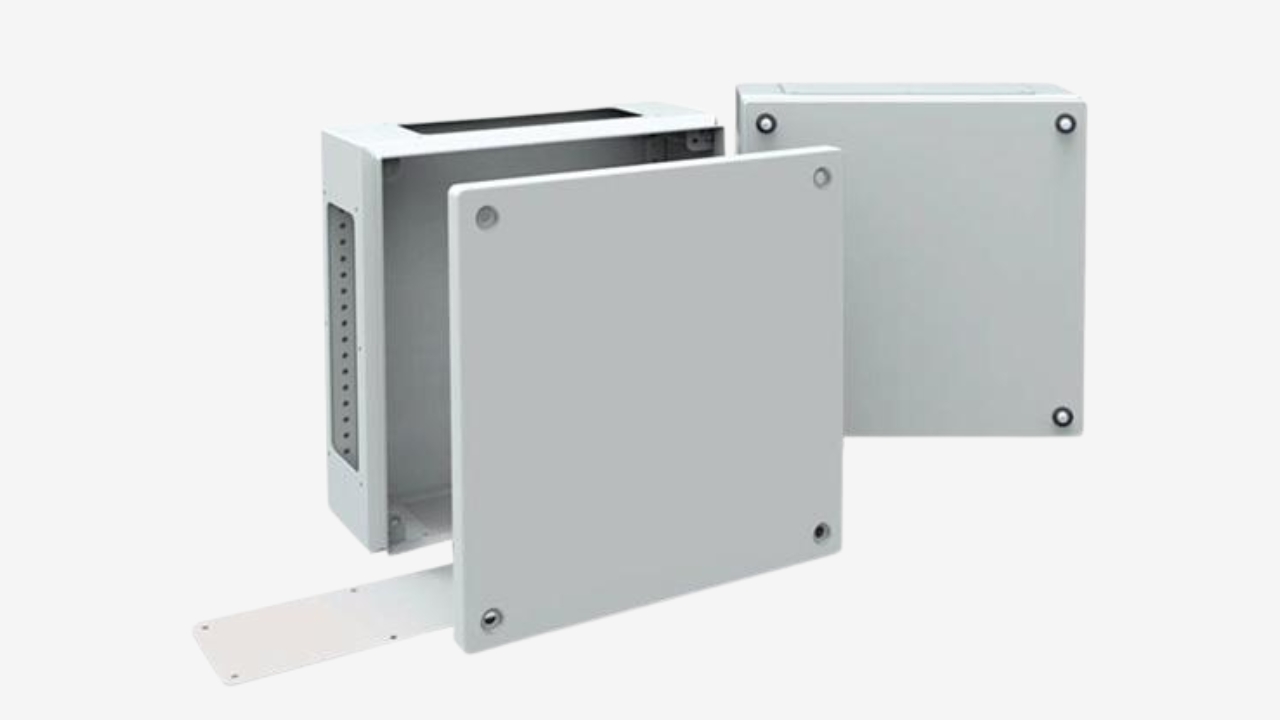
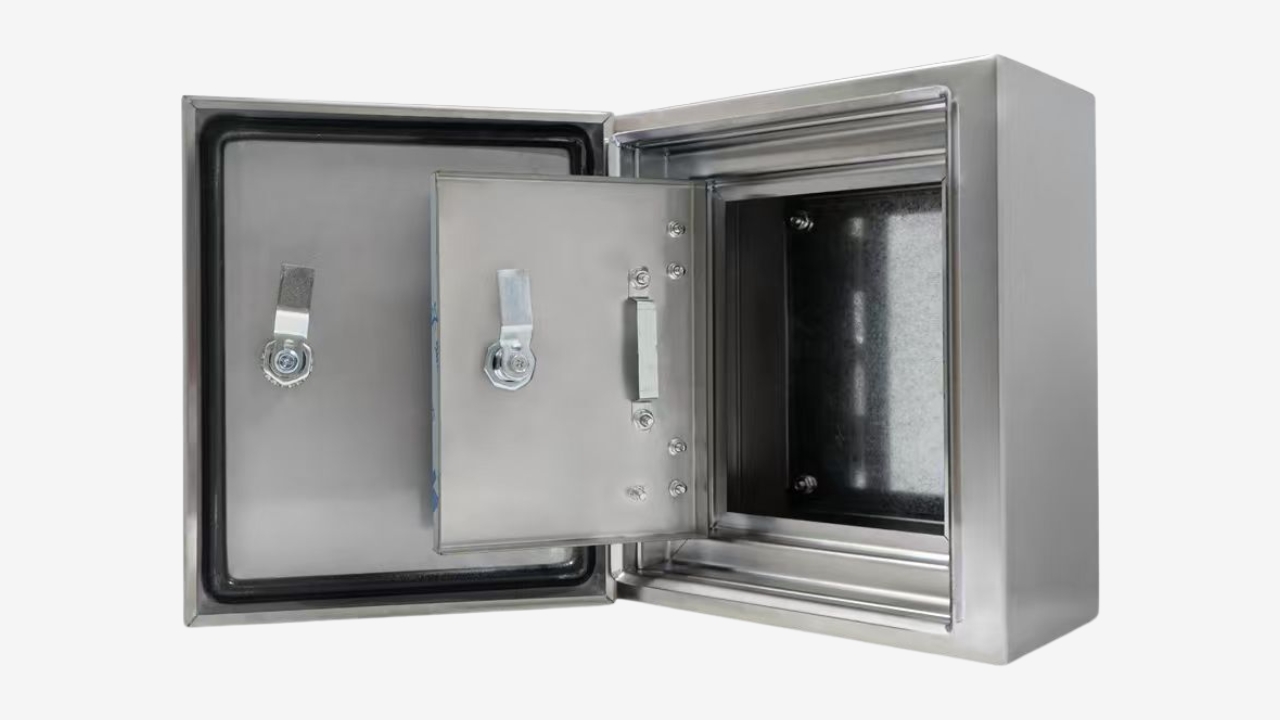
Fire-rated enclosures are a metal box with a multiple-layer structure. Its outer shell uses steel to increase structural strength. The interior of the enclosure also contains internal fire protection panels or thermal insulation. This design absorbs and slows heat penetration. It prevents your device from overheating and failing.
The most important feature inside the enclosure is the application of the intumescent material, including door seals, cable entry points, seams and gaps. These materials expand at high temperatures to seal gaps and openings. This prevents flames, smoke and hot gases from entering or escaping the enclosure.
What’s more, the fire-rated enclosure can keep its shape intact at high temperatures. And it can prevent deformation, cracking or collapse within the rated time. Fire-rated enclosures not only prevent internal equipment from being affected by external fires, but also control internal fires.
Benefits of Using Fire-Rated Enclosures

Improved Fire Safety Protection
If you use fire-rated enclosures, they can protect your important electrical and electronic equipment from external fires. And, the enclosure can also control internal fires, reducing the spread of fire to adjacent systems.
Protection of Equipment and Assets
Fire-rated enclosures can protect sensitive, high-value devices in your infrastructure for long enough. It can reduce the irreversible damage suffered by the equipment to a large extent. It can also reduce systemic damage and help keep some operational continuity. This means you can quickly resume operations.
Increase System Reliability
If your equipment is used in high-temperature/fire-risk environments (oil and gas, manufacturing, energy systems), using fire-rated enclosures can achieve more stable operation. And it can also extend the device‘s service life.
Comply with Safety Standards
Most industries require you to adhere to strict fire safety standards. Using fire-rated enclosures meets building and electrical safety standards and insurance risk requirements. And, it can help you avoid related fines and insurance disputes.
Fire Rating and Relevant Standards

Fire Ratings: The enclosure needs to undergo rigorous testing to obtain the relevant protection rating. The tested enclosures should remain structurally intact, without cracking or opening for a specific period of time.
During the test, the flame cannot pass through the enclosure. The temperature inside the enclosure needs to be kept below the specified limits. This protects your sensitive equipment inside the enclosure. Besides, the enclosure needs to restrict the passage of hot gases and smoke through gaps or joints.
Fire rating is usually expressed in time. Depending on your protection needs, you can choose 30 minutes (used for low-risk environments), 60 minutes (used for commercial and light industrial), or 120 minutes (used for high-risk applications) of fire-rated enclosures.
Fire Testing Standards: The fire-rated enclosures you purchase need to pass the testing standards in your region. The UL standard is widely applied in the United States and Canada. It focuses more on fire resistance and the temperature limit of the enclosure.
The EN standard is used in Europe. And it defines standard fire curves and testing methods. When purchasing, you should purchase fire-rated enclosures with the CE logo.
IEC standards are international standards that focus on electrical safety. The fire performance of the enclosure typically aligns with EN or UL fire testing standards.
Select certified enclosures that follow local regulatory specifications. This also reduces your legal and operational risk.
How to Choose a Fire-Rated Enclosure?
Determining Fire Rating Duration
You need to assess the criticality of your internal equipment and review local fire codes and regulations to decide the fire rating you need. Usually, a 60-90 minute fire-rated enclosure is commonly used in commercial/industrial systems.
Higher levels of protection can provide you with stronger protection. But this also increases your costs and the weight of your enclosure. Therefore, you need to balance your needs and budget better.
환경 조건
Apart from considering the enclosure‘s application, materials, and structure, you also need to consider the operating environment. Are you installing the case indoors or outdoors? Is the case exposed to moisture, dust, or chemicals?
Besides, you also need to check the enclosure‘s IP rating or NEMA rating. You need to make sure that the enclosure will normally operate under normal conditions or in case of fire.
Size and Equipment Compatibility
The case needs to match your device and leave sufficient spacing. The enclosure should also support cable management and leave room for your future expansion. If you’re not sure, you can choose a slightly larger case. An enclosure that is too small can cause overheating, difficulty in maintenance, and reduce fire resistance.
Integration with Cooling and Ventilation Systems
Fire-rated enclosures are tightly sealed. So enclosures often need to be integrated with cooling systems to eliminate heat generated by normal operation. Also, your cooling solution cannot influence the fire rating.
Generally, besides the above factors, you also need to think about the installation requirements of the enclosure. Improper installation can also affect fire resistance. Safety and usability of the enclosure also need to be considered. Choosing the right fire-rated enclosure requires it to meet your safety requirements and integrate seamlessly with your system.
Applications of Fire-Rated Enclosures
Data Centers and Server Rooms
Modern data centers are often equipped with high-density, heat-generating equipment inside. So you need to pay more attention to fire safety. Fire-rated enclosures are typically used in server racks and cabinets, network switches, and storage systems.
Fire-rated enclosure prevents fires from spreading between zones. It also protects your vital data and guarantees business continuity.
Industrial Control Panels
You can apply a fire-rated enclosure to control cabinets, motion control centers, SCADA and automation systems in manufacturing and processing plants. A fire-rated enclosure can minimize costly downtime and equipment damage.
Power Distribution Systems
The most common source of fire in commercial and industrial facilities is the electrical system. Fire-rated enclosures are commonly used in 스위치기어, distribution boards, transformers, and power control units.
It can control fires caused by overload or insulation failure. And, the enclosure also protects adjacent circuits and infrastructure, improving the reliability of the overall power system.
Battery Energy Storage Systems
Thermal runaway in battery systems, especially lithium-ion batteries, poses a serious fire risk. Fire-rated enclosures are widely used in battery cabinets and storage units, as well as energy storage systems in buildings.
Fire-rated enclosures can control battery fires and prevent chain reactions. It also protects surrounding equipment and buildings. This will provide time for your emergency response.
Installation and Maintenance Considerations

Follow certified installation method: You should follow the manufacturer’s installation instructions. And you must use approved components, including seals, glands and fasteners.
Seal all openings: You should use intumescent materials to seal gaps and joints. And you can also use fire-rated glands and firestop systems to seal cable entries. Sealing all openings to prevent flames and hot gases from passing through.
Regular inspection of gaskets and seals: You need to periodically check the intumescent seals for damage, aging, or displacement. And you need to replace worn or degraded parts promptly.
Check Physical Damage: You also need to check for dents, corrosion, or warping. If you find any structural damage to the enclosure, you need to repair or replace the case immediately.
Environmental Maintenance: Clean the enclosure regularly to guarantee that there is no debris around the enclosure. This prevents dust or flammable materials from accumulating around the enclosure.
자주 묻는 질문
What Materials Are Commonly Used in Fire-Rated Enclosures?
Fire-rated enclosures commonly used materials include steel (stainless steel/zinc-plated steel), mineral cotton thermal material, ceramic fiber material, and intumescent seals/coating. The enclosure combines these materials with a multi-layer design to achieve certified fire resistance.
How Do Fire-Rated Enclosures Differ From Fireproof Enclosures?
Fire-rated enclosure is often confused with fireproof enclosure, but they are not the same. Fire-rated enclosure is designed and tested to be fireproof for a specific time (30/60/90/120 minutes). The enclosure can slow fire and heat transfer for the certified time.
The fireproof enclosure indicates that the enclosure has complete, indefinite fire resistance. However, in practice, no enclosure is truly fireproof. Fireproof enclosures don’t have realistic standards and are not recognized in most industries.
How Should Cable Entry Be Sealed to Keep Fire Resistance?
You need to use a certified firestop system to seal the cable entries. For example, you can use intumescent seals/firestop compounds to close gaps. You can also install a fire-resistant cable connector or transit system with the same fire-resistant rating as the enclosure.
Also, you need to check that there are no gaps around the cable, guaranteeing that all openings are completely sealed.
Are Higher Fire Ratings Always Better?
No. Although higher-grade enclosures can provide more durable protection, they also have a higher cost. And this also increases the weight and size of the enclosures. In real-world applications, you also need to solve ventilation and installation challenges that arise during operation.
Final Thought

As a professional customized electrical enclosure manufacturer, KDM provides you with a variety of 인클로저, including fire-rated enclosures. Our products use advanced manufacturing processes and have been tested many times to provide better protection for your device. If you need it, we also provide custom solutions. Contact us now!