Current Transformer vs Potential Transformer: Key Differences Explained

Current Transformer vs Potential Transformer Key Differences Explained

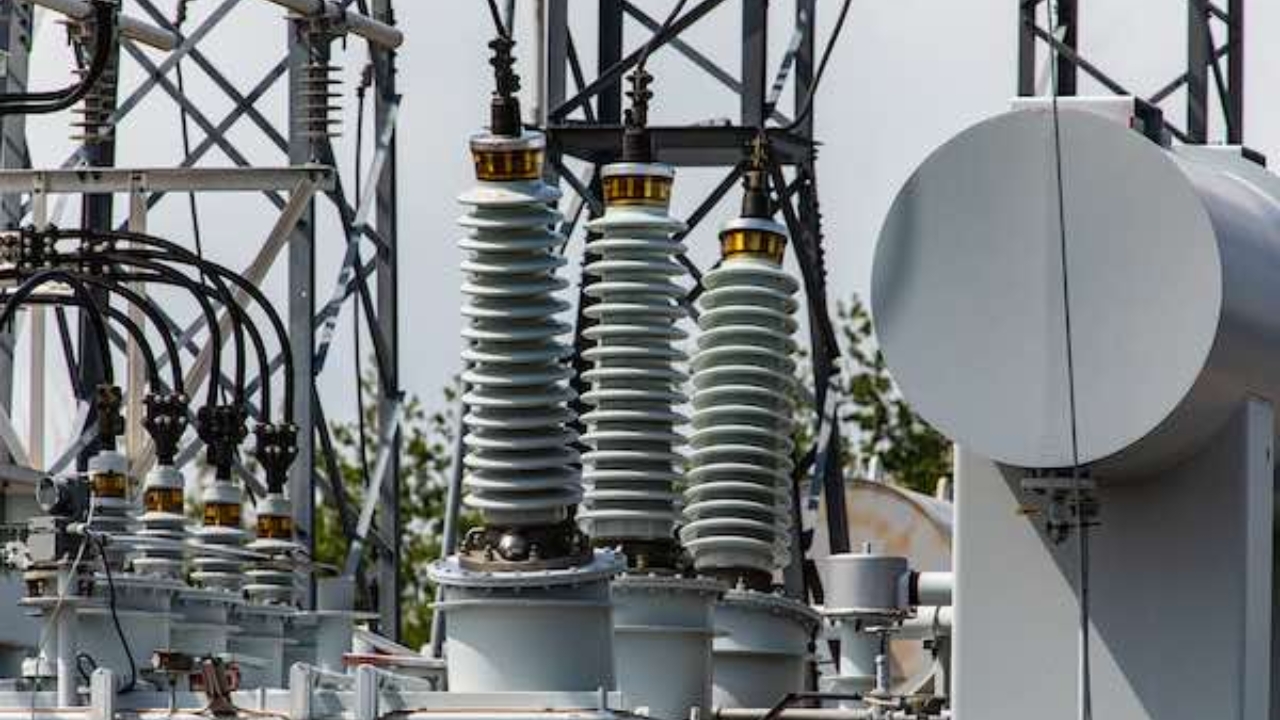
When you’re generating switchgear or taking care of a power substation, you know that accuracy and safety are very important. There is no “better” device between a Current Transformer (CT) and a Potential Transformer (PT). This article will help you to differentiate between current transformers and potential transformers and choose according to your requirements.

What Is a Current Transformer (CT)?

What Is a Current Transformer (CT)

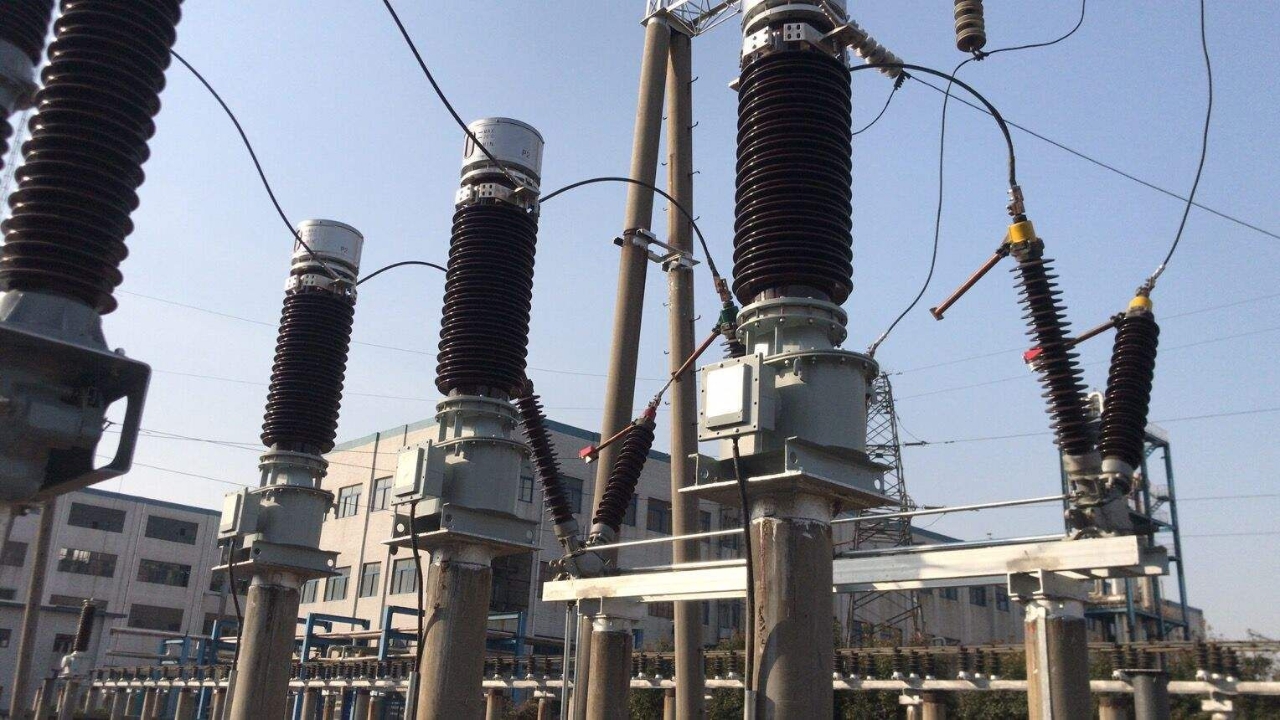
When high primary currents are turned down to a standard, safe level—usually 5A or 1A—for metering and safety relays, this is called a Current Transformer (CT). Putting it in series with the line makes it a “current-reducing” device. It’s like monitoring the flow of amperage, which allows low-voltage meters to watch over high-power lines safely.

What Is a Potential Transformer (PT)?

What Is a Potential Transformer (PT)

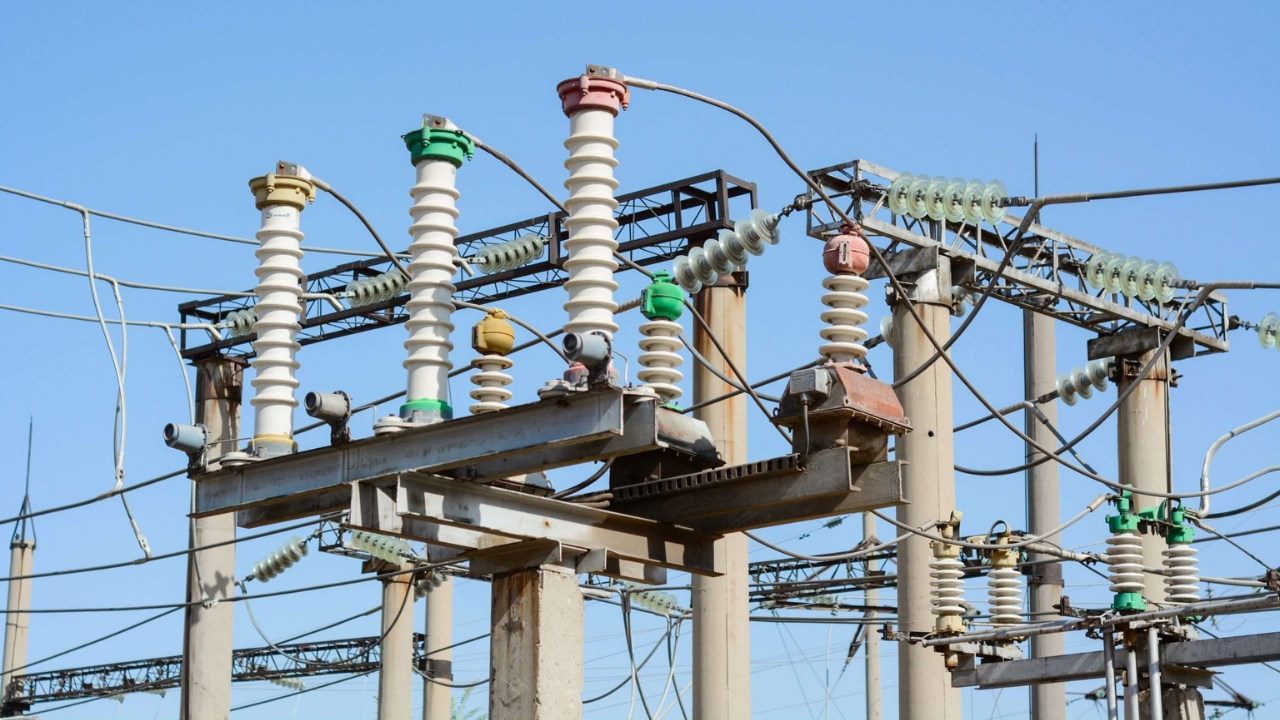
Another name for a Potential Transformer (PT) is a Voltage Transformer (VT). Its job is to lower high system voltages, like 11kV or 33kV, to a normal low voltage of 100V or 110V. After being hooked up in parallel with the power line, it works as a “voltage-reducing” monitor. It protects the electricity from high-voltage dangers and makes sure that meters and switches get accurate voltage readings.

Top 10 Key Differences between Current Transformer vs Potential Transformer

Top 10 Key Differences between Current Transformer vs Potential Transformer

1. Function (Primary Purpose)

Current Transformer (CT)

When the main current is very high, like thousands of amps, the CT steps it down to a standard secondary output of 1A or 5A. You can easily feed this to ammeters, energy meters, and protection relays. Without a CT, the measuring tools you use would be directly exposed to amounts of current that are dangerous. It keeps your eyes on the real flow of water.

Potential Transformer (PT)

The PT lowers high system voltages like 11kV, 33kV, or 132kV to a safe, common low voltage of 110V or 120V. This makes it possible to easily connect voltmeters, frequency meters, and voltage relays. It lets you test things and keeps high-voltage equipment away from your control panels, which is very important.

2. Working Principle Focus

Current Transformer (CT)

A CT works like a series 변신 로봇. Its main job is to keep a correct current ratio even if the system voltage changes. The output of the secondary current is set by the main current. You depend on it to stay linear even when there is a fault. This makes sure that your protection relays get accurate current readings to decide when to trip during short circuits.

Potential Transformer (PT)

A PT works like a shunt transformer. The main goal is to keep the voltage ratio correct, no matter how much current is being drawn by the meters that are attached. The secondary voltage is based on the main voltage. For synchronizing, measuring, and voltage-based protection schemes, you count on it to give you a stable, scaled copy of the system voltage.

3. Connection in Circuit

Current Transformer (CT)

A CT must be connected in series with the wire that has the current you want to measure. The whole line current flows through the main winding or window of the CT. In other words, you can’t put in a CT without turning off the circuit. To do a proper installation, you have to physically break the main conductor path and enter the CT.

Potential Transformer (PT)

You join a PT either next to or across from the power line. It can tap electricity between two phases or between a phase and ground without stopping the main circuit. Putting it together is a lot like connecting a voltmeter: you connect potential leads from the main busbars to the PT primary connections without stopping the flow of primary power.

4. Input Quantity

Current Transformer (CT)

A CT takes in a constant current, which means it has to be able to handle a large dynamic range, from regular load currents to high fault currents, without getting too hot. This range of values must be taken into account in your CT design. The CT still has to send a secondary signal that is proportional to the current, even when there is a short circuit with 20 times the regular current.

Potential Transformer (PT)

A PT takes a fixed voltage as input, and it works best when the voltage is within a small range of ±10% of the system voltage. Your PT works best with this steady power. It doesn’t have to deal with extreme over-voltage situations all the time as a CT does, but it does have to be able to handle short-term surges by having the right insulation design.

5. Output Range

Current Transformer (CT)

Your CT secondary is set to either 1 Ampere or 5 Amperes around the world. Because of this standardization, meters and relays from different makers can be used together without having to be recalibrated. Usually, the distance between the CT and your metering panel determines which one to use: 5A is better for shorter runs, while 1A is better for longer ones to cut down on cable loss.

Potential Transformer (PT)

Your PT secondary output is set to either 110V or 120V, based on the standards in your area. You can use off-the-shelf metering and security devices with this steady output. In IEC-based systems, 110V is the norm, while in ANSI systems, 120V is the norm. This uniformity makes it easier to buy things and replace things across all of your sites.

6. Turns Ratio & Winding Design

Current Transformer (CT)

The main winding of your CT doesn’t have many turns—often, it’s just one busbar or wire going through a window. There are a lot of turns in the secondary wrapping around a core with a high permeability. A current step-down effect is caused by this high turns ratio. The physical design focuses on making the primary installation as simple as possible while still ensuring accurate secondary current scale.

Potential Transformer (PT)

The main winding of your PT is made up of many turns of thin, insulated wire that can handle high system voltage. Less winding is used on the secondary coil to lower the voltage. Careful insulation engineering is needed for this building. The main winding needs to be able to handle both the normal voltage and any short-term over-voltage situations without the insulation breaking down.

7. Transformer Type

Current Transformer (CT)

In a technical sense, your CT is a step-up transformer. In the main, it takes in low voltage and high current. On the secondary, it sends out high voltage and low current. This is why an open secondary is dangerous: the voltage can get so high that it kills you. If you understand this classification, you’ll understand why secondary shorting blocks are necessary safety devices.

Potential Transformer (PT)

The PT you have is a step-down transformer. It takes in high voltage and low current on the main and sends out low voltage and high current on the secondary. Its behavior can be predicted thanks to its standard step-down design. It is safe to connect standard voltmeters and relays as long as you don’t short out the secondary connections.

8. Secondary Circuit Behavior

Current Transformer (CT)

The secondary of your CT must always be shorted or linked to a low-impedance load. When you open the secondary while the primary is still live, the core flux stops moving, sending dangerously high voltages—possibly thousands of volts—across the contacts. This can destroy insulation and put people in real danger. Before taking out any CT secondary wires, you should always use shorting blocks.

Potential Transformer (PT)

It is important that you never short-circuit your PT secondary. A short across the secondary makes a straight path for fault current that is only limited by the internal impedance of the PT. This makes currents that are very high and can quickly melt the insulation around the windings if they get too hot. Fuse or circuit breakers with the right rating should always be used to protect PT secondary lines.

9. Dependency on Load (Burden)

Current Transformer (CT)

The secondary load doesn’t have a big effect on your CT accuracy as long as you stay within the rated VA capacity. But if you add too many devices, the CT core gets too busy and makes mistakes with the ratios. During faults, your safety relays might not work at all or work in the wrong way. Before designing CT circuits, you should always figure out the overall load.

Potential Transformer (PT)

The secondary load has a direct effect on how accurate your PT is. For some reason, the voltage output drops as more meters or switches are connected to a PT. This causes ratio errors that change the accuracy of the meters and the settings for safety. To keep the PT working within its accuracy class, you must carefully control the load that is tied to it.

10. Applications in Power Systems

Current Transformer (CT)

For example, feeding ammeters, power analyzers, energy meters, overcurrent relays, differential safety schemes, and thermal and electrical overload devices are all current-based devices that you only use CTs for. In low-voltage switchgear, CTs are attached to each phase of the lines that bring power in and send it out. They are necessary for both protecting your marketing network and measuring how much money you make.

Potential Transformer (PT)

PTs are used for voltage-based tasks like powering voltmeters, frequency meters, synchroscopes, voltage relays, and safety schemes for when the voltage drops too low. PTs send synchronization signals to generators or grid lines that are connected in parallel in substations. You need both CT and PT inputs on the same instrument to measure power (kW) and set up directional protection systems.

Summary Table: CT vs PT at a Glance

Summary Table CT vs PT at a Glance

특징 Current Transformer (CT) Potential Transformer (PT)
Primary Function Steps down high current to 1A/5A Steps down high voltage to 110V/120V
Connection Series with the line Parallel (across) the line
Primary Turns Few (often a single-phase transformer) Many
Secondary Turns Many Few
Secondary Danger Open Circuit (causes high voltage) Short Circuit (causes high current)
Burden Dependency Low (constant current source) High (accuracy drops with high burden)
Transformer Type Step-up Transformer Step-down Transformer

Current Transformer vs Potential Transformer – Which One Is Best?

Current Transformer vs Potential Transformer – Which One Is Best

Neither is “best”; they each have their own significant tasks to do. You can’t switch from a CT to a PT or the other way around. Your choice is completely based on your needs. There is a CT that you need to measure current for safety relays or meters. A PT is what you need if you need to measure voltage for synchronization or voltmeters. For full power tracking, like figuring out kilowatts, you need both to be working at the same time.

Get Your Customized Transformer by KDM Steel

Get Your Customized Transformer by KDM Steel

We know that each power system has its own needs here at KDM스틸. We offer custom solutions that are made to fit your needs, whether you need precisely built current transformers for safety measures or accurate potential transformers for measuring. Dependability, safety, and efficiency are all guaranteed by our knowledge. 문의하기 right now to talk about your instrument transformer needs.

자주 묻는 질문

Why shouldn’t CT Extra be open?

When you open a CT secondary while the primary is still on, the core becomes saturated, which creates dangerous high-voltage spikes. This is very dangerous because it can cause shocks and destroy insulation right away.

Can CT and PT be used instead of each other?

No, they work against each other—one lowers voltage, and the other lowers current. Their safety requirements, how they are built, and how they are connected are basically incompatible.

When do CT and PT work together?

They are used together in situations where both power and voltage are needed. Power meters, directional overcurrent relays, and utility energy metering screens are some examples.

Which transformer is better for you?

Both are safe to use when done right, but they each have their own risks. CTs are dangerous when they are open, and PTs are dangerous when they are short.

Why are transformers for instruments important?

Standard low-voltage instruments can be used to safely measure and defend high-voltage systems. They keep your control tools safe by separating dangerous primary circuits from them.

ko_KRKorean
위로 스크롤
x
오늘 문의를 보내세요
파일 업로드
x
오늘 문의를 보내세요
파일 업로드