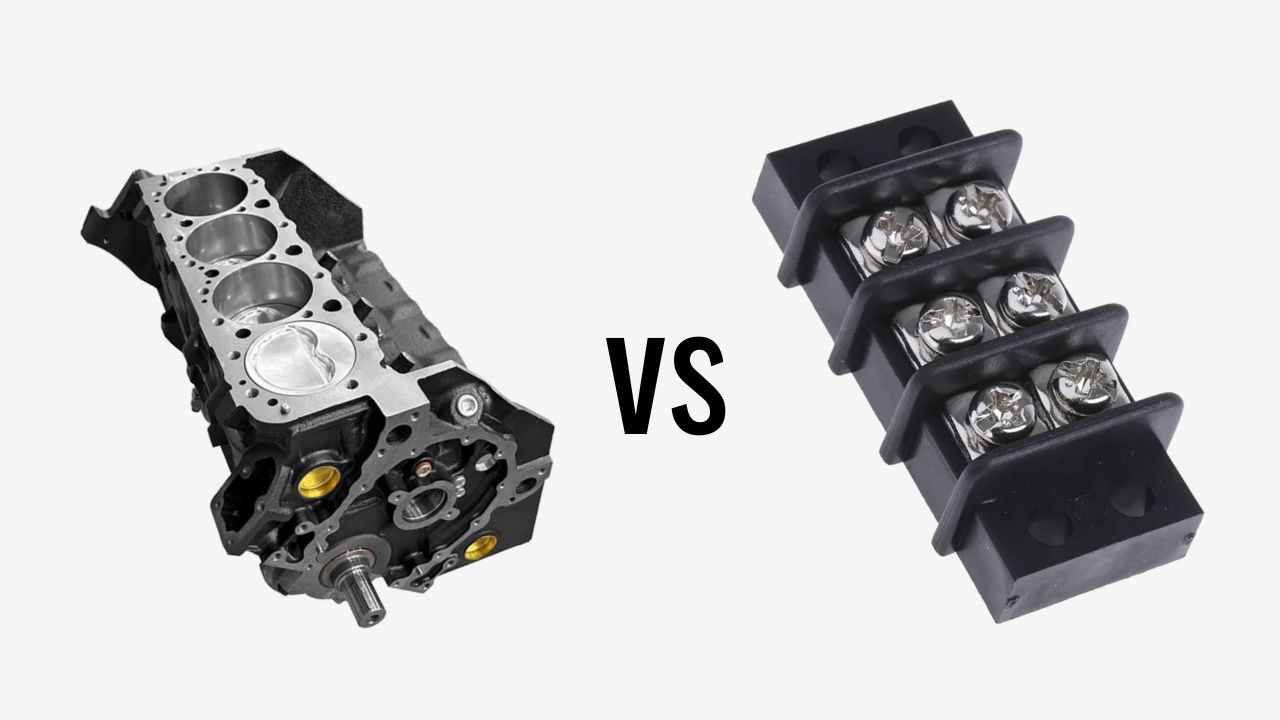
Shorting Block vs Terminal Block: A Complete Comparison Guide

Shorting Block vs Terminal Block

When selecting components to be used in designing industrial control panels, it is essential to select the appropriate block having proper safety and efficiency. When you are trying to choose between a Shorting Block and a Terminal Block, you have two parts, and they have dissimilar tasks. This guide disaggregates their distinct functions, so that you can choose an ideal fit for their electrical installations.

목차

What is a Shorting Block?

A shorting block is a special electrical connector that is used to safely connect circuits. It can be used as the main purpose in isolating current transformers (CTs), which involves a shorting path prior to the circuit being opened to carry out maintenance. In its absence, the opening of a CT circuit causes a high-voltage arc, which is hazardous, and these blocks are necessary to ensure the safety of the instrumentation and meter.Shorting Block vs Terminal Block

What Is a Terminal Block?

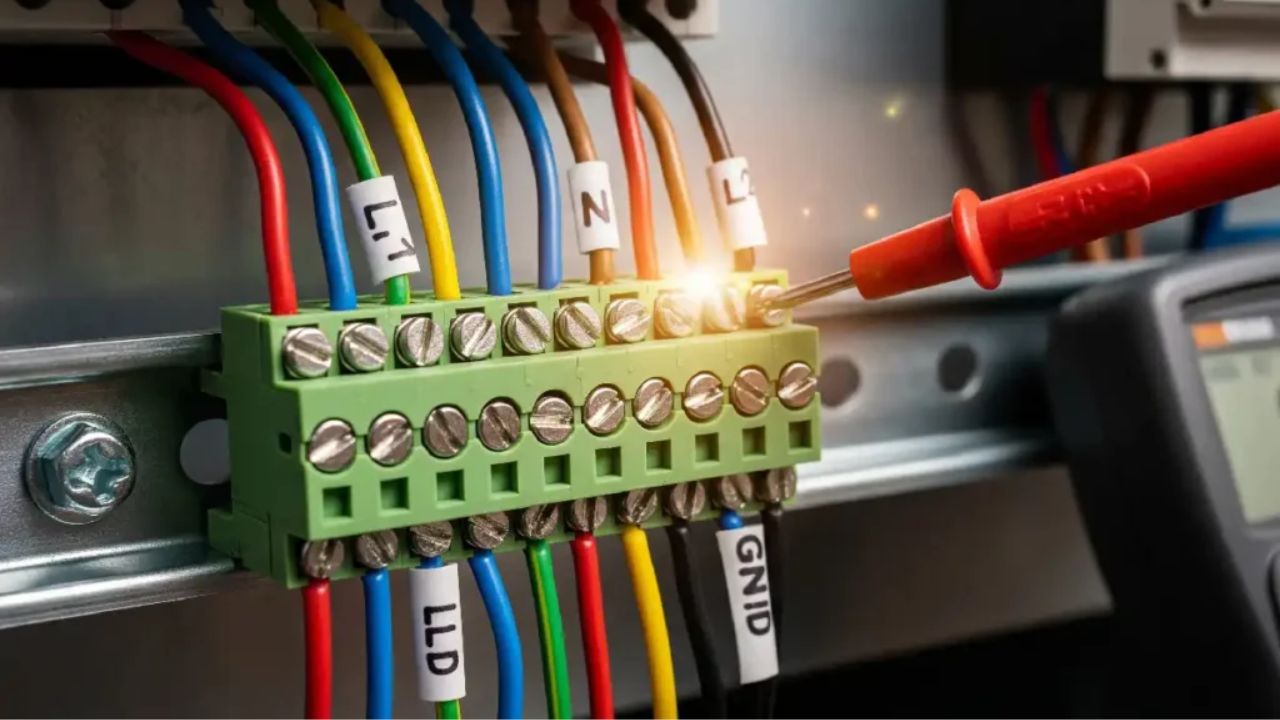
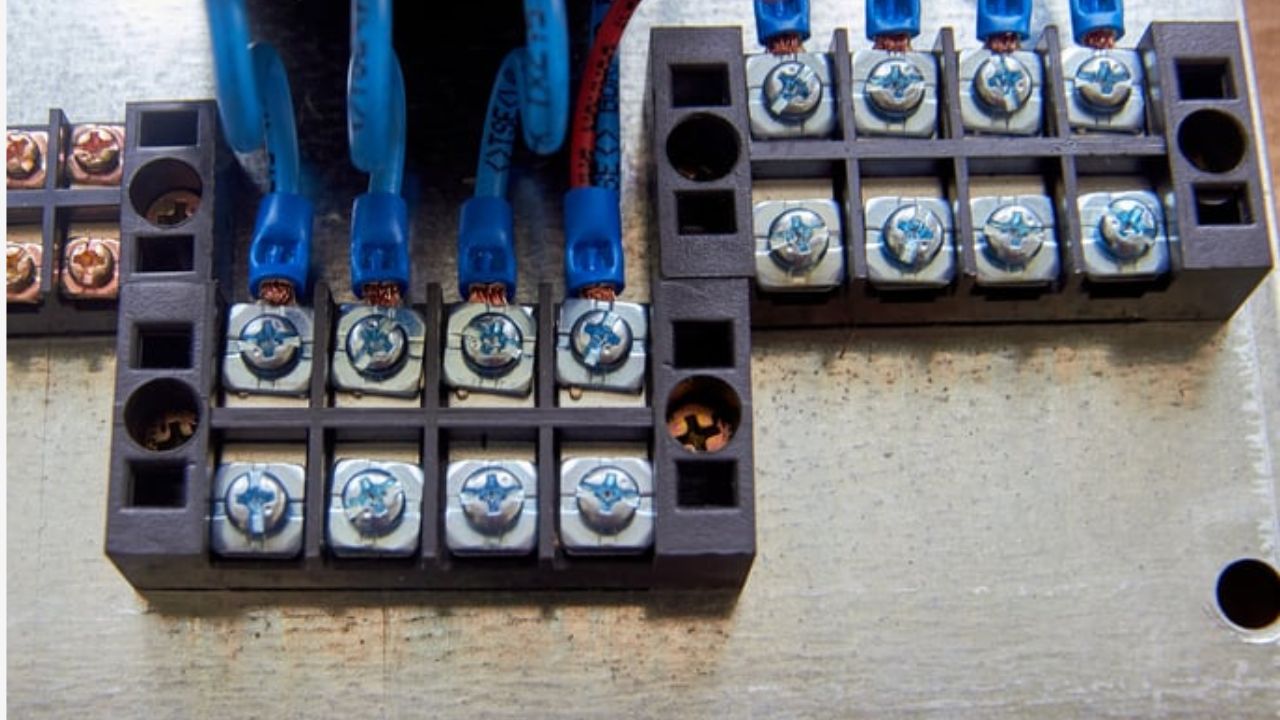
A terminal block is a safety-insulated, modular block that is used to fix and end single wires. Imagine it is a protective junction where two or more conductors come together without being soldered. They are used to organize wiring in panels, simplify the connections in the circuit, and offer test points, and as such, are essential to the layout of all control panels or power 분배 상자.

Side-by-Side Comparison: Shorting Block vs Terminal Block

1. Core Purpose / Primary Function

Shorting Block

Its only purpose is to keep people safe. It makes a short circuit path before you unplug a device, like a meter. It was made to work with current transformer circuits. High-voltage spikes that could hurt people or damage sensitive equipment are stopped by this prior shorting. If this ability isn’t there, opening a CT circuit while it’s loaded is a very serious safety risk. It’s a safety feature first and a link point second.

터미널 블록

Its main tasks are to keep things organized and make sure that connections are stable. It can be used as a standard termination point to connect field wiring to parts inside the panel, join several wires together, or send power to different loads. It makes sure that the wiring system is clean, easy to maintain, and logically laid out by giving each conductor a structured landing place. This makes it easier to fix problems and make changes over the life of the equipment.

2. Connection Behavior

Shorting Block

The “make-before-break” mechanism in the shorting block makes it special. As soon as you take out a test plug or open an integrated sliding link, the shorting contacts inside the device physically connect the circuits before the main measure circuit opens. This keeps the secondary of the current transformer from ever being open, not even for a split second. It keeps the CT’s circuit open while it’s being tested or serviced, which is a basic condition for safe operation.

터미널 블록

A basic terminal block makes a simple “break-before-make” link. To separate a wire, you have to loosen a screw, let go of a spring, or pull a disconnect tab. This opens the circuit right away. There is no new path made after the link is broken. During this process, it doesn’t automatically short neighboring circuits.

3. Typical Usage / Applications

Shorting Block

These are only used in situations where current transformers are involved. They come with income metering panels, switchgear lineups, and protective relay boxes as standard items. A shorting block must be used anywhere that a CT secondary circuit needs to connect to a meter or sensor. They are also used in utility substations and sets for power quality analysis because they provide a safe, standard point for testing and commissioning without cutting off the main power.

터미널 블록

These are the workhorses of the electrical industry and can be found in every business. Every day, you use them to connect sensors like proximity switches, end motor leads, send DC power to PLC I/O cards, and join field device wires. From simple lighting control panels to complicated automation skids, terminal blocks are needed to connect almost all of the wires that go into or out of an enclosure.Terminal Block (4)

4. Operation & Behavior during Testing

Shorting Block

It is designed so that testing can be done with no downtime. Specialized meter test plugs can be safely put into the block while the system is fully charged and working. The internal mechanism of the block makes sure that the CT stays shorted throughout the process, which routes current around the meter that has been removed. This makes it safe to change meters, calibrate them, or figure out what’s wrong without cutting off the main power to the process.

터미널 블록

To safely test or unplug a standard terminal block, the circuit must usually be turned off. Some versions have built-in knife-disconnects or test points for measuring voltage, but they don’t make it easy for CT circuits to live short. When standard blocks are used in a circuit, maintenance generally involves a planned outage. During this time, equipment is turned off safely, wires are lifted, and testing can be done without the risk of arcing or cutting off live current.

5. Physical Design & Features

Shorting Block

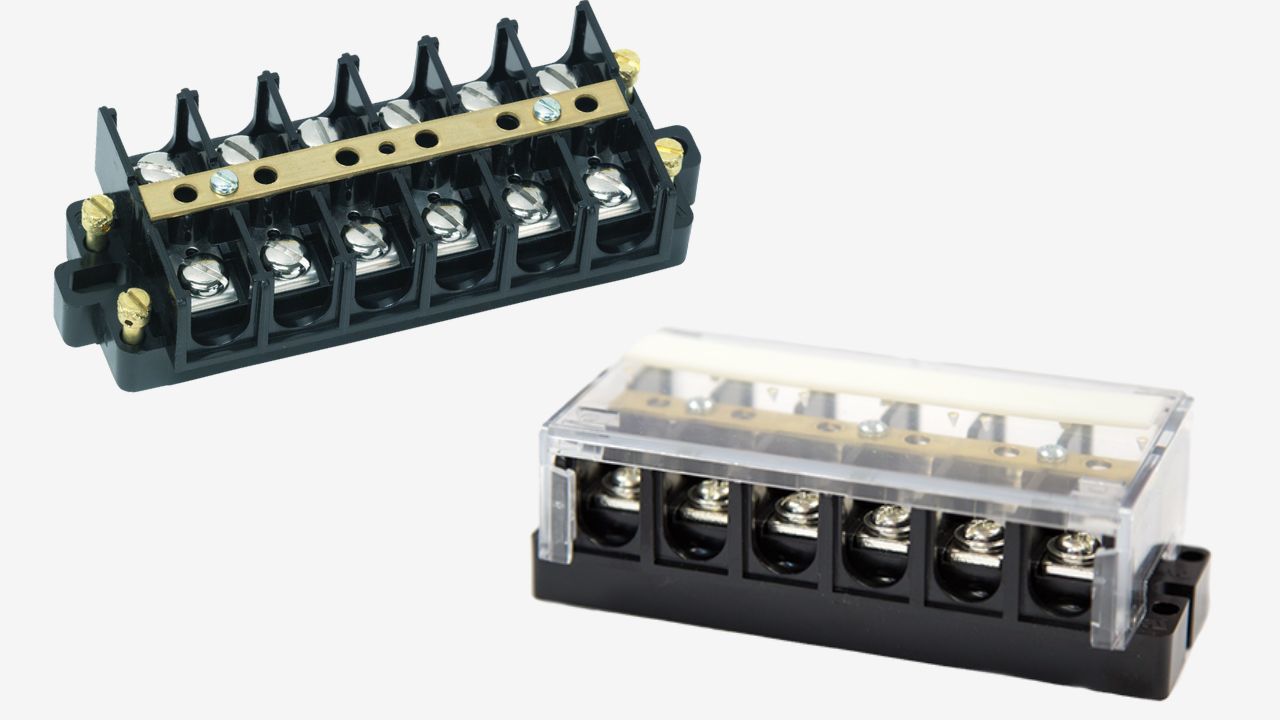
A shorting block usually has a small, insulated body with built-in mechanical parts like a rotary switch, a moving link, or a plug-in design with contacts that short out on their own. Often, the terminals are clearly labeled with numbers and are spaced out just right to take test plug handles made by the manufacturer for short-term connections. This design puts the make-before-break feature first, and it’s built to last so that it can be used over and over again and still perform reliably for the life of the installation.

터미널 블록

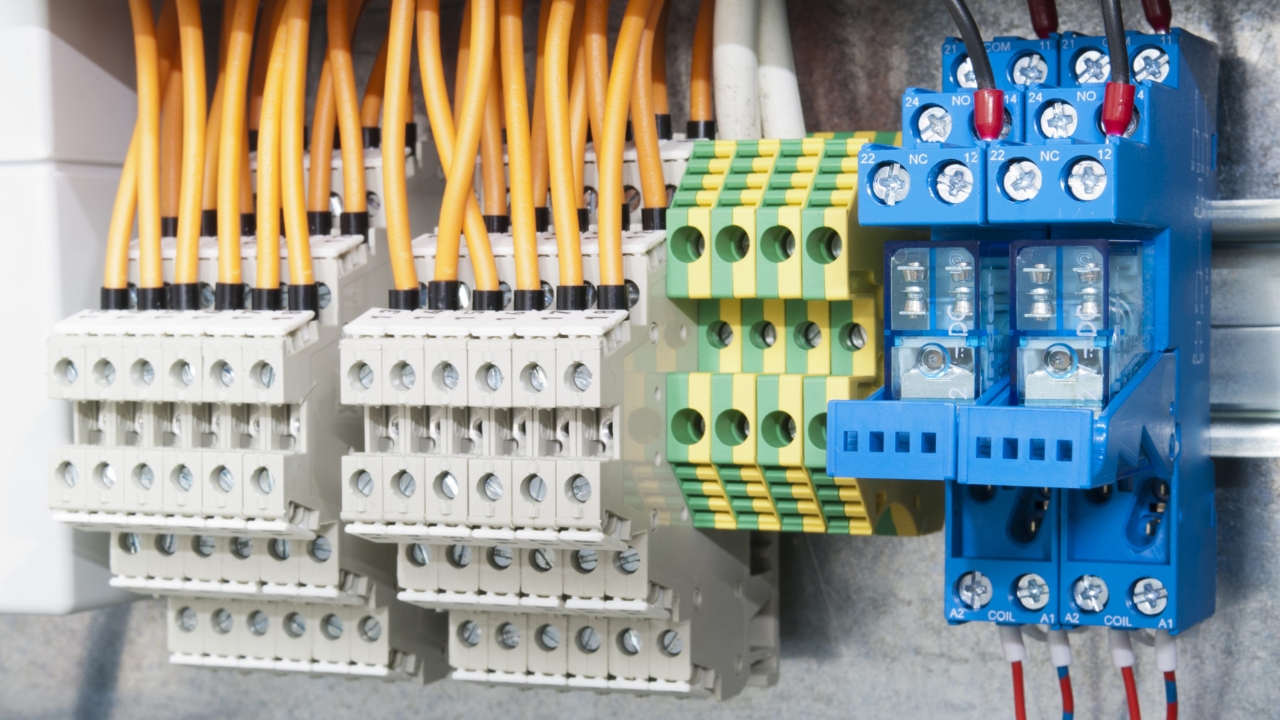
A terminal block usually has a molded, insulating body that holds metal wire bars and clamps. There are different kinds of these clamps, such as screw, tension spring, and push-in, so that they can fit different wiring needs and settings with a lot of vibration. There are many versions of the basic version, such as ground blocks, fuse blocks, surge suppression blocks, and diode-isolated blocks. This gives engineers a lot of design freedom when they need to combine multiple functions into a single DIN rail-mounted part.

6. Modularity & Installation

Shorting Block

This is usually sold as a unit that is already put together and has a set number of poles, usually 4 or 6 poles, to work with normal 3-phase CT circuits. Some makers let you stack several units next to each other on a DIN 레일, but these aren’t as modular as individual terminal blocks. They are usually ordered as a whole unit based on the exact number of circuits that are needed. This makes planning your inventory a little different from when you were just stocking individual pieces.

터미널 블록

It is designed to be very flexible. They come in separate, interlocking pieces that can be snapped onto standard DIN rails. This lets you make custom systems of almost any length or mix of functions. This modularity makes it easier to make changes to the design and very simple to keep track of supplies. As a panel builder, you can keep a few different kinds of individual blocks on hand and make any layout you need right away, which cuts down on waste and wait time for custom panel layouts.

7. Effect on Circuit Integrity

Shorting BlockShorting Block

This part improves the stability of the circuit, especially for CT secondary circuits. By making sure there is a shorting path before any link is broken, it gets rid of the chance of insulation breaking down or arcing, which can happen when dangerous open-circuit voltages are present. It keeps the accuracy of the measuring signals even during testing changes. This stops core saturation or magnetic remanence in the CT, which could happen if the circuit accidentally opens. This keeps the accuracy of the measurements over time.

터미널 블록

It keeps the circuit safe by making an electrical link that is stable, low-resistance, and reliable over time. The materials and clamp designs used to make high-quality terminal blocks keep them from coming away from vibrations, corrosion, and changes in temperature. This makes sure that signals for important processes or power for important loads are sent across the connection point without any loss or interruption. This directly improves the stability and uptime of the control system or power distribution network.

8. Safety Considerations

Shorting Block

Putting up a shorting block is necessary to keep people safe. By making sure CTs are never open-circuited, it keeps electricians and technicians safe from arc flashes and possibly fatal shocks while they work on live metering circuits. In a CT circuit, using a standard terminal block is a big safety violation and an operational risk that could cause harm, damage to equipment, and expensive downtime. The shorting block is the main safety feature that lets you safely work with instruments.

터미널 블록

Physical insulation, clear separation, and secure wire holding are what make this block safe. They are made with shrouded terminals so that they don’t come into contact with live conductors by mistake. They also have clear markings on the wires to keep people from wiring them up wrong, and the clamps that hold the wires in place keep them from pulling out from vibration. However, they don’t have the active, automatic short-circuit protection of a shorting block.

9. Wire Management Role

Shorting Block

The shorting block has a special but important job to do when it comes to managing the wiring of the instrument transformer secondary. As a central test and isolation point, it brings all the CT wires from the switchgear to a single, clearly marked spot in the metering box. This well-organized interface makes wiring multiple CT circuits easier by making sure that each phase and neutral conductor is properly identified and easy for technicians to access for testing, commissioning, and future troubleshooting.

터미널 블록

This is the most important part of professional panel wire handling. As a marshaling point, it turns messy, multi-conductor field wires from sensors and actuators into neat, well-organized terminations with clear labels. This organized method greatly lowers electrical mistakes, makes troubleshooting easier, and makes the panel look professional, which is a sign of good work in industrial automation.

10. How They Are Represented in Systems

Shorting Block

It is clearly marked as an important part in the secondary circuit designs of current transformers, and its terminals are easy to find. This information makes sure that anyone reading the diagram knows what its safety purpose is and doesn’t think it’s just another connection point in the system.

터미널 블록

On panel elevation plans that show the exact location of each block, they are laid out in great detail. Terminal plans give a complete list that shows where each wire in the system starts and stops. This is important for building, commissioning, and maintaining complicated electrical equipment in the future.

Shorting Block vs Terminal Block – Which One Is Best?

Which option is “best” relies on the needs of your circuit. The 터미널 블록 is the best way to organize, modularize, and make sure that your standard power, signal, and control wiring works. The Shorting Block, on the other hand, is not just a choice when wiring Current Transformers; it is a must-have safety device. You should never use one instead of the other. It’s not safe to use a terminal block on a CT circuit, and it’s not possible or cheap to use a shorting block for normal wiring.

Customized Shorting Blocks and Terminal Blocks by KDM Steel

In the business world, KDM스틸 knows that one size doesn’t always work for all situations. We can make Shorting Blocks and Terminal Blocks that are exactly right for your current grades and configurations. We design parts that work perfectly with your perfectly sealed electrical enclosures, whether you need a plan with a lot of components or one that can handle rough conditions. 문의하기 to get your personalized quote and pricing.

자주 묻는 질문

Can a Shorting Block vs Terminal Block be used interchangeably in electrical panels?

No. Using a terminal block for a current transformer circuit is dangerous and can cause lethal voltage spikes, while a shorting block is unnecessary and impractical for standard wiring.

When comparing terminal blocks to shorting blocks, are they always modular?

Yes. Terminal blocks are designed for high modularity on DIN rails, whereas shorting blocks are often fixed-pole assemblies optimized for their specific safety function.

Which is better for high-density wire layouts: the Shorting Block or the Terminal Block?

Because they are thin and modular, terminal blocks are usually better for general high-density plans. However, any CT circuits inside those thick panels still need to have their own shorting blocks.

Could a shorting block ever be thought of as a type of termination block?

Yes, they are often thought of as a special type of test terminal block. In addition to termination, they have the important “make-before-break” safety feature for instrument transformers.

Can a Shorting Block vs. a Terminal Block handle high current loads?

Both can, but they are used for different things. You can get terminal blocks for distributing high-current power, and shorting blocks are made for low-current CT secondaries.

What’s the difference between a Shorting Block and a Terminal Block when it comes to maintenance?

Shorting blocks let you do maintenance on meters while they are running, without cutting the power. Terminal blocks usually need to be turned off ahead of time so that the wire can be safely disconnected or replaced.

When it comes to computer systems, can Shorting Block vs. Terminal Block be used?

Yes, they are both important. Shorting blocks are important for safe CT interfacing in the power tracking parts of automation systems, and terminal blocks connect sensors and I/O.

Can Shorting Block vs. Terminal Block cut down on the time it takes to diagnose?

Both do speed up the diagnosis process. Live testing can happen without any downtime with shorting blocks, and debugging is easier with test points in terminal blocks during outages.

What should technicians know about the difference between a Terminal Block and a Shorting Block?

They need to know that a CT circuit should never be opened while it is loaded, which means they need a shorting block. For all other wiring, just make sure that the values on the terminal block are right for the job.

ko_KRKorean
위로 스크롤
x
오늘 문의를 보내세요
파일 업로드
x
오늘 문의를 보내세요
파일 업로드