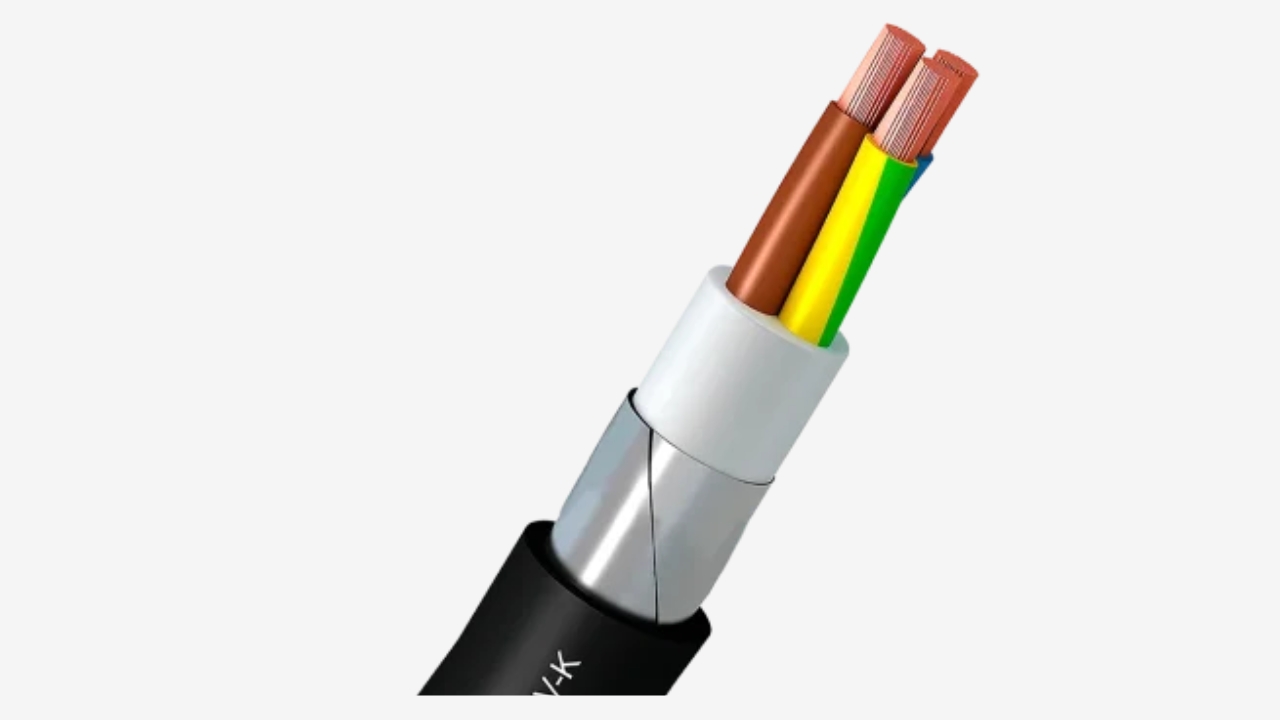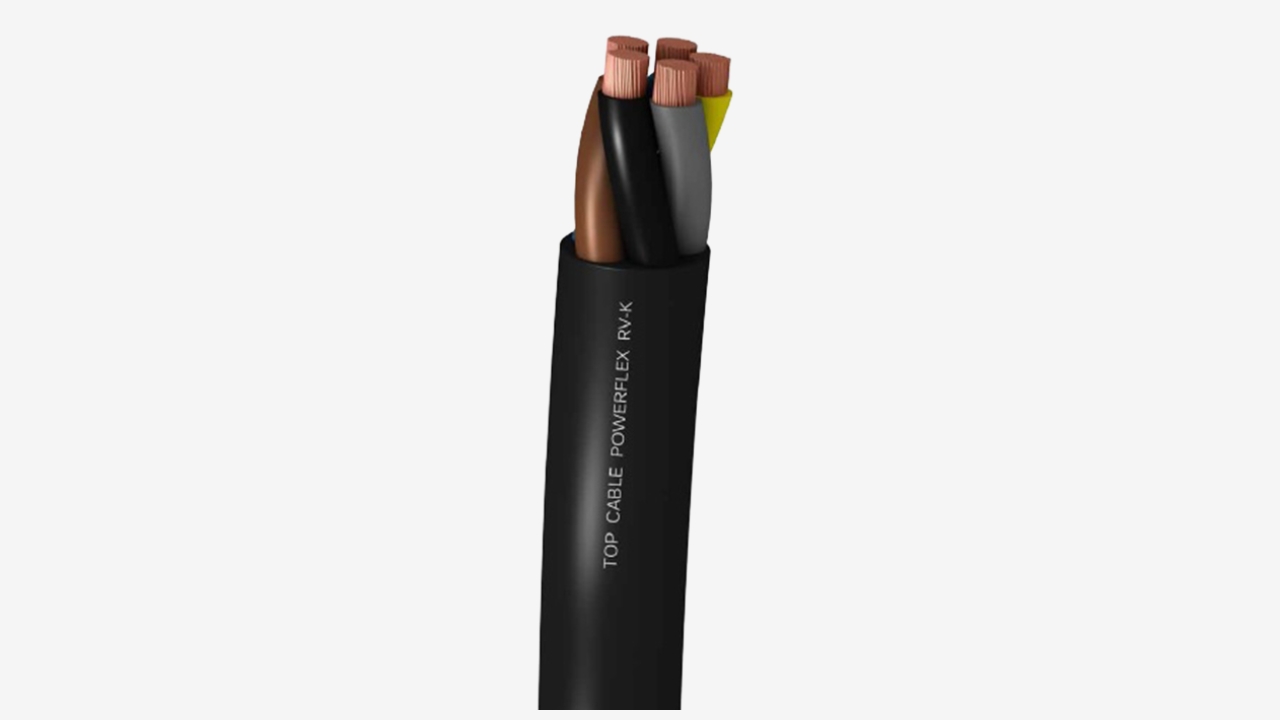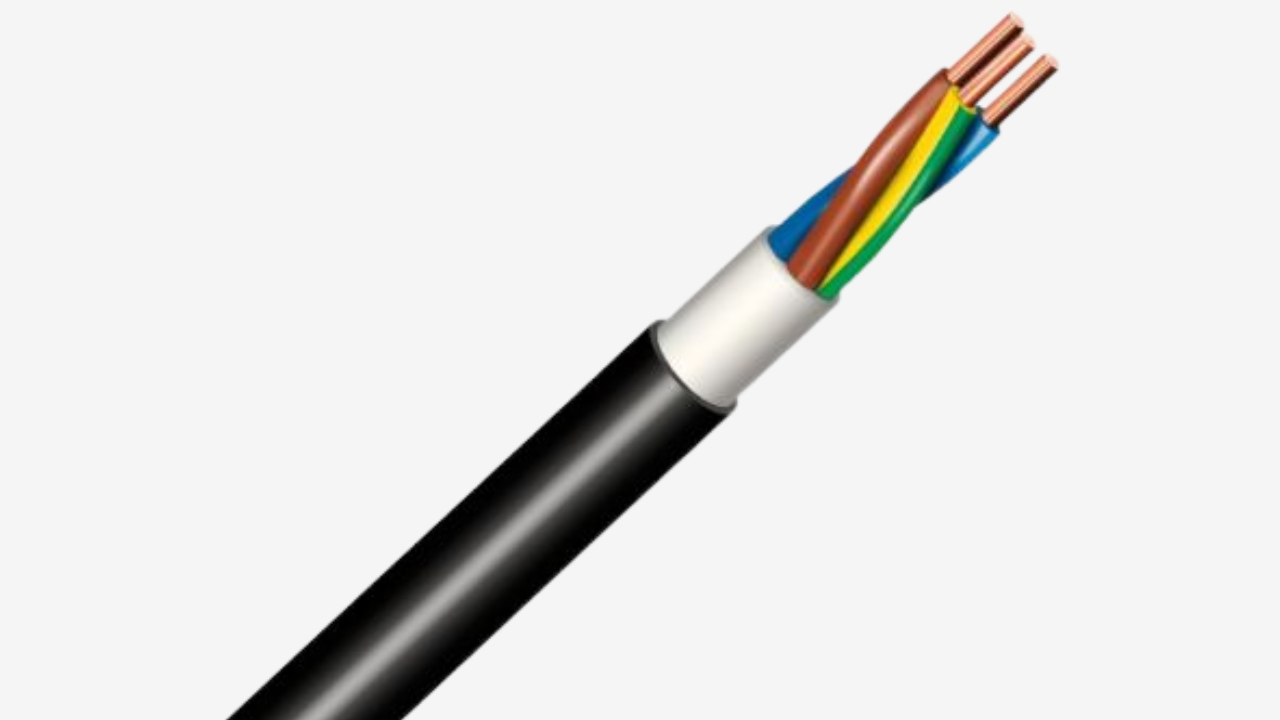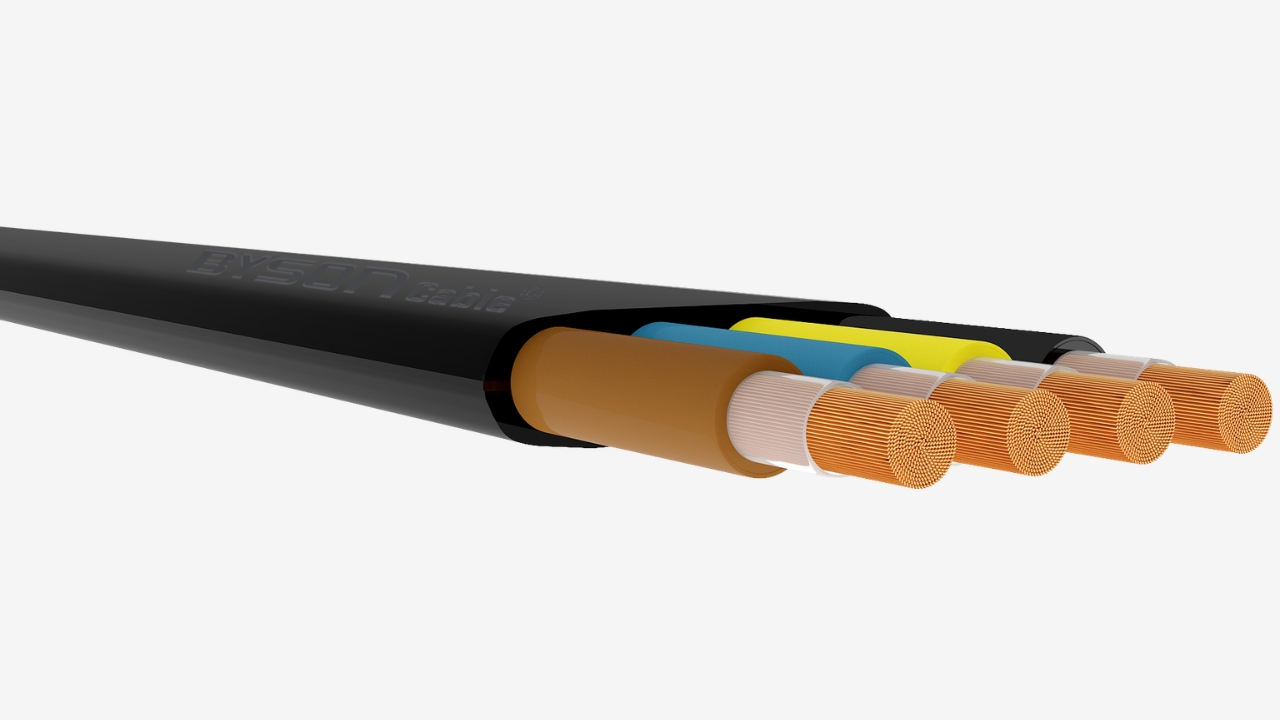
A cable with a voltage rating is not enough for an offshore or shore power installation. The wrong build costs you the spare electrical capacity of a wire, compliance approval and long-term service reliability. This article explains NYY and Powerflex RV-K construction, electrical performance, mechanical durability, regulatory compliance and total cost of ownership so you can specify with confidence.
The Selection Pressure: Why Cable Choice Matters in Offshore & Shore Power

Engineering competence in offshore and Shore power cable selection is reflected in the procurement decisions. The cable you specify tells us that you know what the installation environment is before one single meter is pulled.
NYY and RV-K belong to the same voltage class, but are intended for different operating conditions. One is for fixed, protected routing in controlled environments. The other is specifically engineered for dynamic, exposure-heavy offshore and marine installations where thermal ceiling and mechanical resilience are must-have specification criteria.
In practice, both shore and offshore locations have mixed characteristics — dockside splash zones and dynamic pedestal connections on the land side. A yacht with permanently enclosed interior wiring may be right in taking NYY, whilst they may insist on RV-K. It’s not just where it is shore or offshore, but the exposure profile and mechanical requirement of the specific circuit.
Get this right and your project will cruise through class approval, installation and commissioning with not a single specification challenge.
Construction Breakdown — What the Data Sheet Doesn’t Explain

You get ratings on a data sheet, but it takes cable construction to show you how it really performs in real operating conditions.
· NYY Conductor and Insulation Architecture
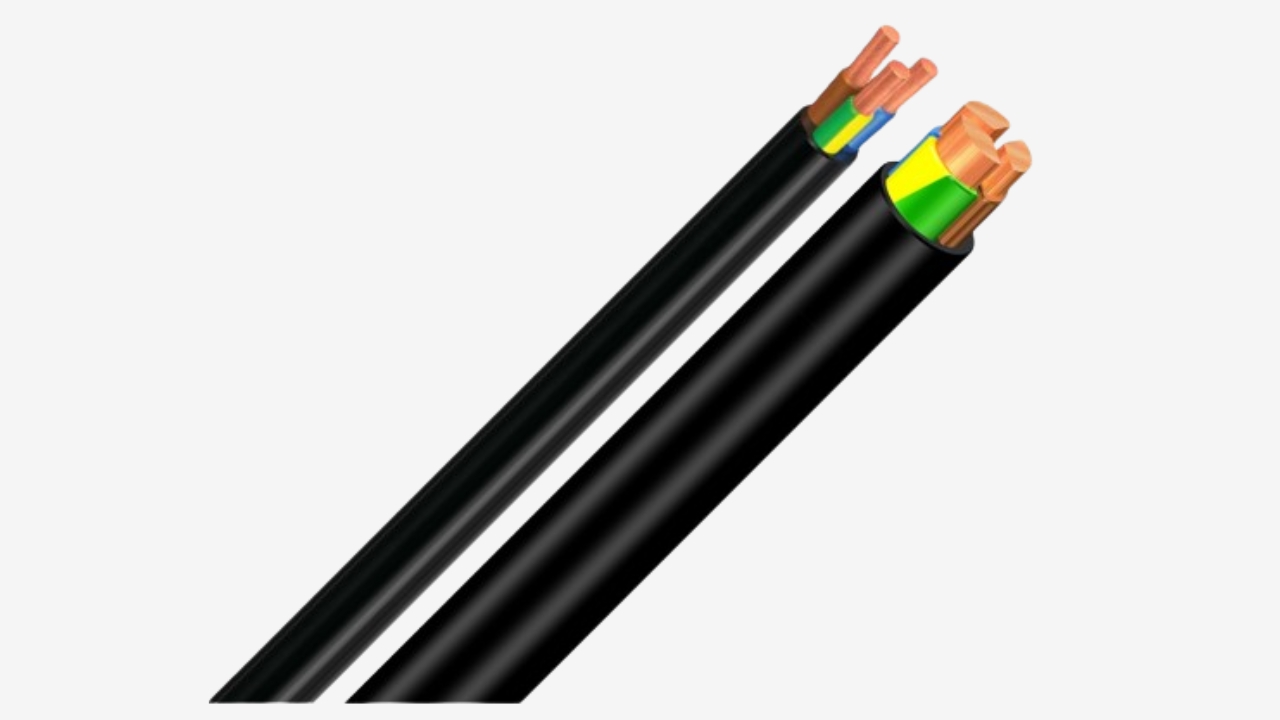
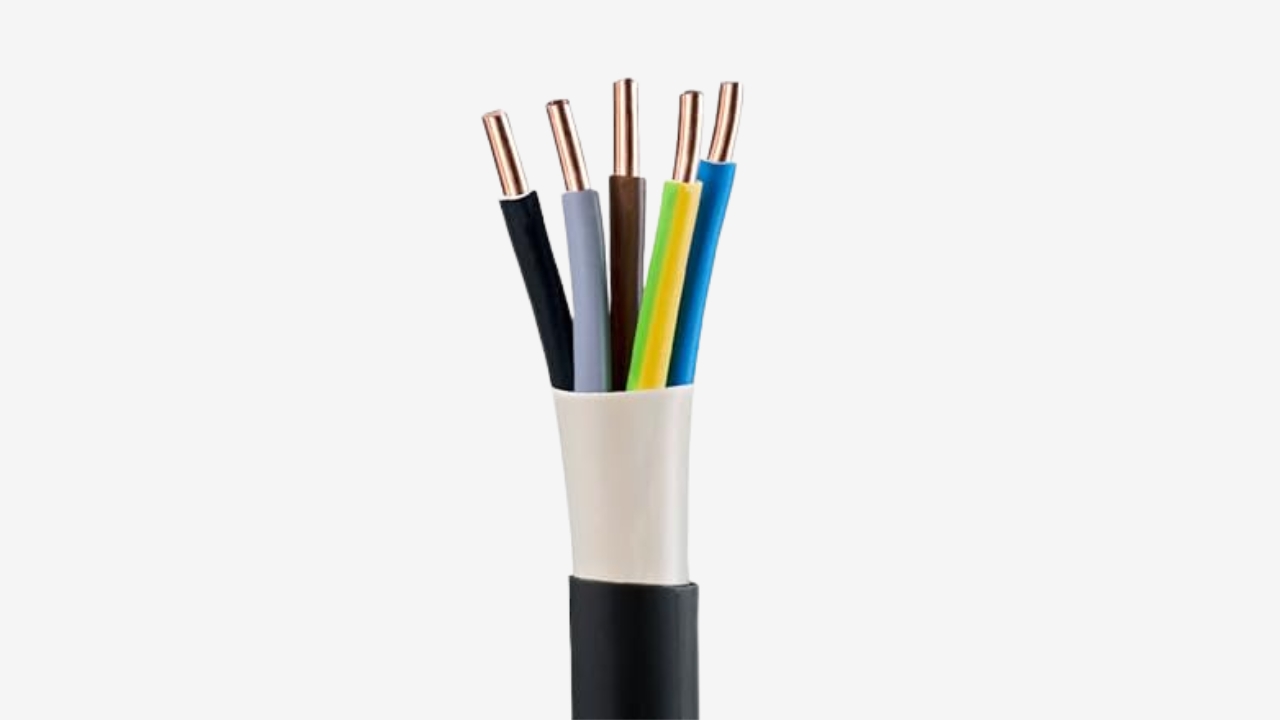
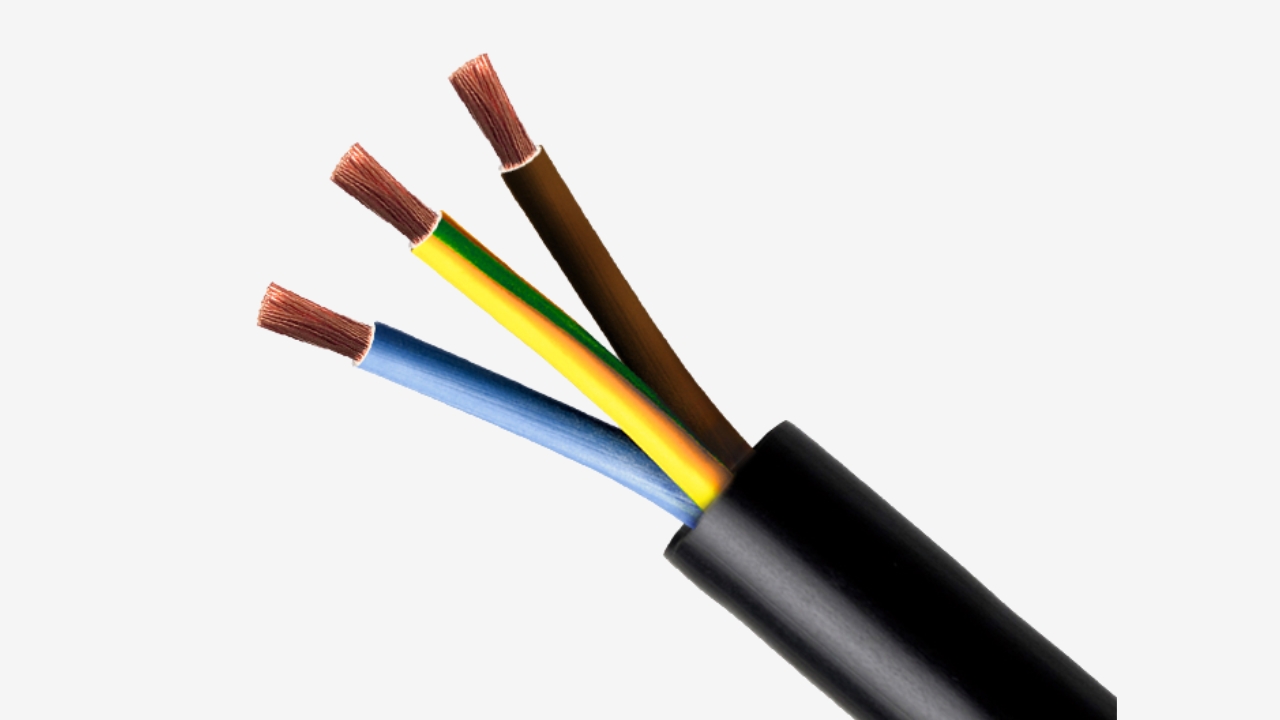
NYY cable is made with a Class 1 or Class 2 copper conductor and is intended for fixed installations where mechanical stability is more important than flexibility. Its PVC insulation has a 70°C (158°F) continuous temperature ceiling which directly limits your ampacity in high-ambient environments.
What the data sheet won’t tell you is how PVC holds up to sustained thermal cycling. The insulation micro-cracking at the conductor interfaces gets worse with time due to repeated expansion and contraction.
Enclosed switchroom feeds are good with NYY. That limitation becomes a spec risk worth pricing for topside marine exposure or dynamic termination points. We can also help you align these variables with the real conditions on your site, before you buy.
· Powerflex RV-K Layer Stack
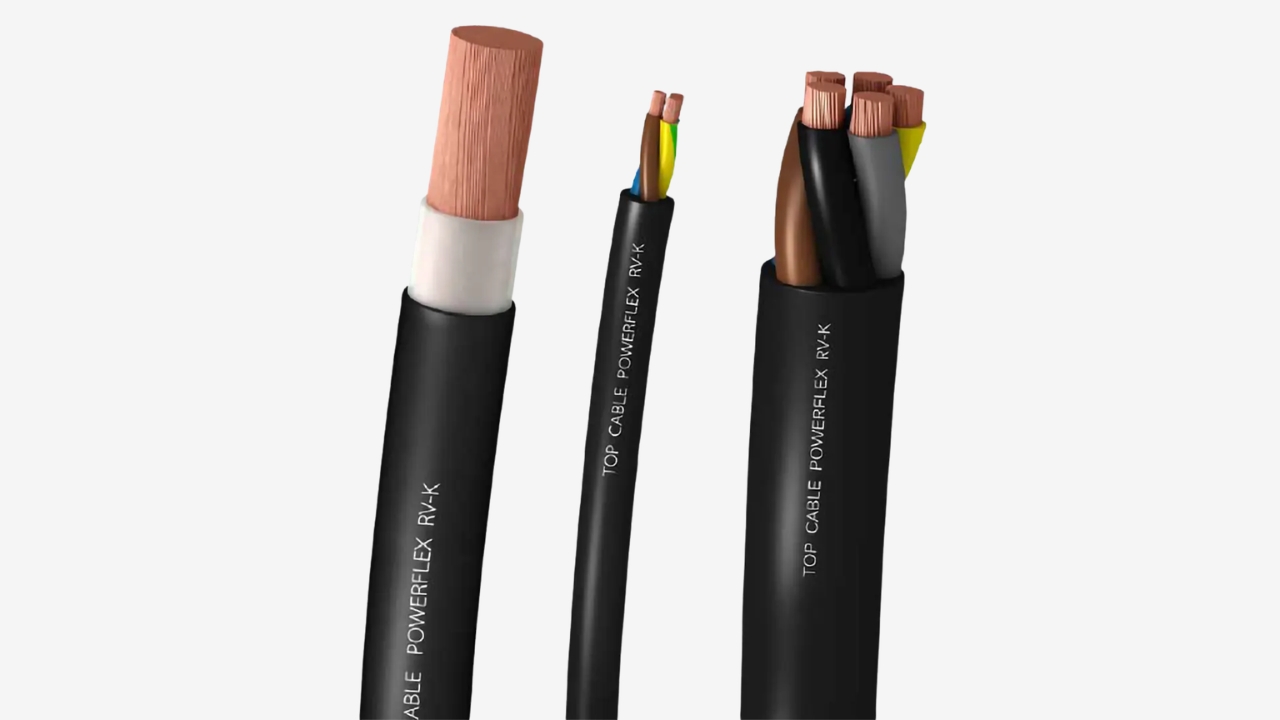
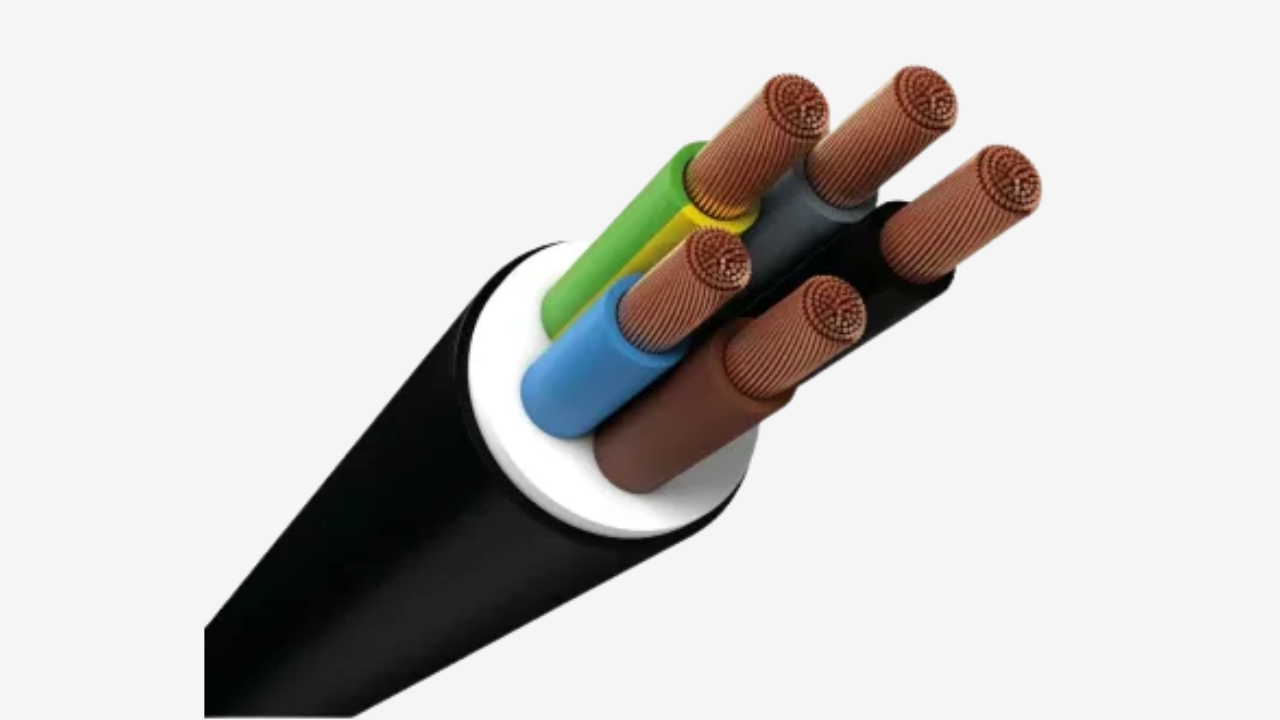
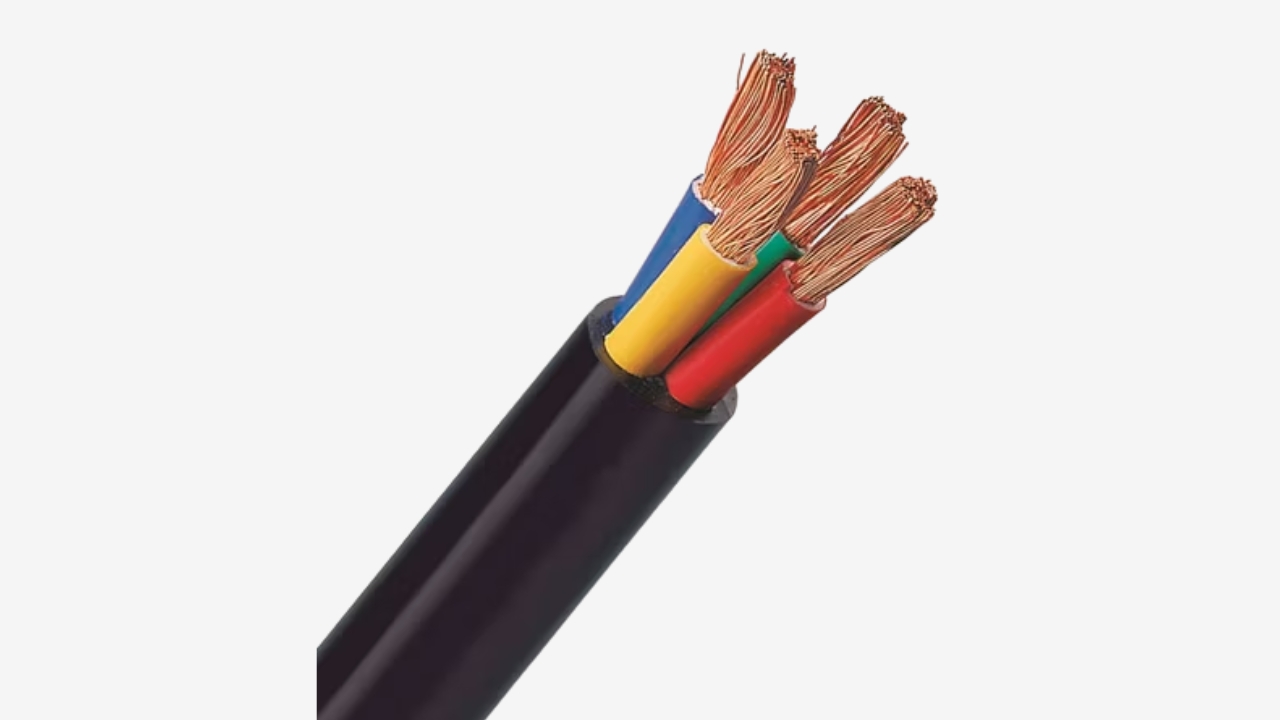
Powerflex RV-K opens where NYY hits its ceiling. Its Class 5, finely stranded conductor helps to reduce the mechanical stress at the point of termination and dynamic connection interface.
The EPR (Ethylene Propylene Rubber) or XLPE (Cross-Linked Polyethylene) insulated variants carry a 90C continuous rating. So you have direct ampacity headroom without increasing the conductor cross-section. Marine grade RV-K cable is constructed with LSZH (Low Smoke Zero Halogen) sheathing which meets both IEC 60754 halogen emission, IEC 61034 smoke density and IEC 60332-3 bundled flame performance. However, standard PVC-sheathed RV-K remains halogen-rich and does not meet these requirements.
That compliance is structural, not an add-on. That distinction has real operational weight for FPSO (Floating Production Storage and Offloading) topsides or personnel-exposed environments.
Electrical Performance Under Offshore Conditions

A data sheet’s ratings are controlled-condition numbers. Here’s how both cables actually perform with your ambient temperatures, run lengths and grouping factors factored in.
· Current Capacity and Derating Reality
The first limitation is the offshore conditions of the PVC-insulated RV-K variant and PVC NYY cable 70C conductor ceiling. Ambient temperatures in enclosed machinery spaces or sun-exposed topside trays are often in the 45 to 55C range which creates derating factors that can reduce the usable ampacity by 15 to 25% over the standard published tables.
EPR or XLPE-insulated Powerflex RV-K models come with a 90C continuous rating that gives it a direct ampacity advantage over both NYY and standard PVC-based RV-K at the same conductor cross-section. For procurement managers, this means fewer decisions on conductor up-sizing and tighter cable tray fill budgets on high-load shore power runs.
· Voltage Drop Over Long Shore Power Runs
So for NYY cable runs greater than 100 meters, you need to be aware of voltage drop. The 70 C maximum conductor temperature limit means that the resistance numbers will be higher under load. Published catalogue resistance figures reference 20°C. When you are at full operating temperature your actual conductor resistance goes up and your voltage drop calculation changes accordingly.
Some of the RV-K cable models with 90°C rating can operate at a higher thermal baseline. Per IEC 60228, Class 5 flexible conductors actually carry marginally higher DC resistance per unit length than Class 1/2 conductors of the same cross-section. It is due to stranding twist allowance and inter-strand contact losses.
Never use the standard reference figure. Always recalculate voltage drop for the actual operating temperature, for both cable types, before finalizing your conductor cross-section, especially for long distribution runs.
We can check your drop calculations with real conductor resistance data. This will help you select the appropriate cross section for your run length and load profile.
· Performance Comparison Table
| パラメータ | NYY | Powerflex RV-K |
| Max. conductor temp (continuous) | 70°C | 70°C (PVC) / 90°C (EPR or XLPE) |
| Max. conductor temp (short circuit) | 160°C (≤5s) | 160°C (≤5s) for PVC / 250°C (≤5s) for EPR/XLPE |
| Conductor class | Class 1 / Class 2 | Class 5 (flexible) |
| Minimum bending radius (installation) | 12 × O.D. (multicore) | 5 × O.D. |
| Flame/halogen performance | IEC 60332-1 (single cable); IEC 60332-3 (bundled) for marine-grade variants; standard PVC sheath contains halogens | IEC 60332-1 (single cable); IEC 60332-3 (bundled) for marine-grade variants; LSZH variants: Cl < 15%; standard PVC variants: halogen-rich |
| UV resistance (standard) | Yes, black PVC sheath as per EN 50525-1. HDPE/modified polymer encased NYY variants for better chemical and splash resistance | Yes, UNE 211605 for expert variations; basic PVC RV-K has low chemical tolerance. |
Procurement teams often don’t see the short-circuit temperature gap. NYY’s 160°C ceiling matches that of PVC-insulated RV-K variants, while EPR/XLPE-insulated RV-K reaches 250°C. It is a distinction that is directly relevant to your k-factor calculation for protective device coordination.
EPR/XLPE-insulated Powerflex RV-K model 250°C short-circuit tolerance is a significant safety margin for offshore power systems. That’s an advantage that does not apply to PVC-insulated RV-K variants. Need a second set of eyes on your protection coordination data? Our technical team can assist with your k-factor and conductor sizing verification.
Mechanical Durability: What Marine Environments Actually Demand from Your Cable

Knowing your cable’s physical limits before installation in a marine environment will save your project timeline and maintenance budget.
· Flexibility and Flex-Fatigue at Connection Points
NYY cable is a Class 1 or Class 2 conductor construction for fixed, static applications. The repeated movement at dynamic connection points, vessel-side terminations, pedestal interfaces or any other such location causes the rigid stranding to build up mechanical stress over time. One known failure mode in static cables for dynamic applications is conductor work-hardening at termination points.
Powerflex RV-K is designed with a class 5 finely stranded conductor that is able to withstand repeated flex cycles without suffering fatigue fracture. The 5× O.D. bend radius of RV-K enables a more aggressive routing geometry in dynamic and space-constrained applications. The greater 12× O.D. radius of NYY is an intended design feature of its fixed-install design.
Its Class 1/2 conductors withstand long-term terminal creep and loosening, a recognized failure risk when fine multi-stranded Class 5 conductors are permanently terminated in static connections. RV-K cable is recommended for applications requiring frequent movement of cables or cycling of connections where conductor integrity must be maintained throughout the life of the installation.
· Chemical and Environmental Exposure
The PVC sheath of NYY cable can be used in protected, enclosed environments. The sheath is stiffened and protective performance is impaired by the accelerated migration of PVC plasticizers due to prolonged exposure to hydrocarbon vapors, deck cleaning chemicals or salt-laden moisture.
However, NYY variants with HDPE or modified polymer sheaths offer considerably higher chemical and offshore splash protection and should be considered if exposure conditions demand it.
Specialist RV-K variants with EPR or XLPE insulation and oil resistant sheathing offer good chemical and UV protection, certified to UNE 211605, with water resistance to AD7 partial immersion. But regular PVC-sheathed RV-K is chemically vulnerable in the same way as standard PVC NYY. Before assuming a given sheath compound is appropriate for hydrocarbon splash zones or wet deck situations, you can check with our team.
If your installation crosses multiple exposure zones, you must map the correct cable specification to each section of your run.
Regulatory and Classification Society Compliance

A non-compliant cable can result in vessel detention, a failed survey and project restart. This is what compliance is all about.
· SOLAS, IEC 60092 and Halogen Rules
SOLAS (Safety of Life at Sea) demands flame retardant cable for all shipboard installations and full compliance under IEC 60092 which includes more than single cable flame testing. It needs to be tested for packaged flame performance to IEC 60332-3, halogen content to IEC 60754 and smoke density to IEC 61034.
Standard PVC-sheathed NYY and standard PVC-sheathed RV-K do not meet IEC 60754 and IEC 61034 criteria and should not be presumed compliant for maritime usage in that form. NYY is however not flatly banned for shipboard installations. NYY structures with LSZH sheathing are type approved by DNV, ABS and LR for fixed, static onboard cabling under IEC 60092 and are commonly used for this application.
It’s not the wire that defines it. It’s the nature of the circuit. Properly certified LSZH NYY can be used correctly on fixed static shipboard routes. Flexible Class 5 construction of marine-grade LSZH RV-K is required for dynamic and bending circuits, such as vessel-side shore power connections and pedestal interfaces.
· Type Approval and Class Notation Requirements
Type approval is the confirmation that independent testing has been undertaken to maritime standards and without this certification a cable cannot be put on a classed vessel. LSZH NYY variants are ABS, DNV and LR approved for fixed shipboard wiring; not all RV-K is marine certified. Always check the accepted product registry of your classification society when specifying .
Our marine cables are manufactured to IEC 60092-353/354 and are type approved by 8 major classification societies. You can check these certifications on our website.
Installation Engineering Implications for NYY and Powerflex RV-K

The selection of cable determines tray sizing, gland selection and termination costs over the whole of your installation. Here’s what each cable needs on the ground.
· Cable Tray Sizing and Fill Factor Impact
In complex marine cable tray configurations, the 5× O.D. bend radius of RV-K provides a more economical routing geometry and improved tray fill efficiency. For fixed enclosed installations, NYY’s 12× O.D. radius is no practical drawback – its robust conductor structure actively fights terminal creep and connection loosening over service life.
· Termination and Gland Selection
NYY cable is suitable for standard compression glands for fixed, static terminations. Powerflex RV-K requires glands for flexible cable entry, supporting the sheath without restricting movement. A frequent installation mistake is the application of a rigid-cable gland to an RV-K flexible power cable termination which will affect the mechanical seal and the conductor integrity.
If you wish to cross check your installation design before procurement we are able to help with your gland and termination selection.
NYY vs. Powerflex RV-K: Total Cost of Ownership

Supply cost is a single line item. The number that really matters is the cost of your project over its lifetime for its financial performance. Here’s a comparison of the two cables over the full ownership cycle.
· Supply Cost vs Lifetime Cost Breakdown
The lower unit purchase price of the NYY cable is a real and justifiable cost advantage for enclosed, fixed installations such as switch room panel feeds or protected inland runs. When you get into dynamic, exposed or compliance sensitive environments, the prices change.
In those applications the temperature ceiling of 70°C for NYY results in upsizing of conductors to compensate for lost ampacity. This also reduces its initial price advantage. Its PVC insulation also needs replacement cycles earlier when used under prolonged thermal and chemical environments.
LSZH-sheathed EPR/XLPE Powerflex RV-K variants cost more upfront. That premium is justified in dynamic, exposed or high-ambient offshore applications. Thermal headroom, flex fatigue resistance and halogen-free compliance all deliver measurable lifecycle value in those conditions.
For fixed static indoor circuits, Class 1/2 NYY typically costs less to maintain over service life. Solid conductors resist strand spreading and terminal loosening. These are active failure risks when Class 5 RV-K is permanently terminated in static connections.
| Cost Factor | NYY | Powerflex RV-K |
| Unit supply cost | より低い | より高い |
| Conductor upsizing likelihood (high-ambient offshore) | Higher in high-ambient offshore environments; negligible in enclosed ambient-temperature installations | より低い |
| Compliance retrofit risk | Eliminated when LSZH NYY is specified at procurement; high only if standard PVC NYY is incorrectly applied | ミニマル |
| Lifetime cost — fixed static indoor circuits | Lower — solid conductor resists terminal loosening and strand faults | Higher — Class 5 strands require active management to prevent compression creep in static terminations |
Matching the Right Cable to the Right Installation

Each application scenario has its own exposure profile, compliance requirement and mechanical demand.
| アプリケーションシナリオ | Recommended Cable | Key Driver |
| Shore power umbilical Exposed topside run |
Powerflex RV-K | Flexibility, UV resistance Halogen-free compliance |
| Shore power panel feed Enclosed switchroom |
NYY | Fixed installation Cost efficiency No halogen exposure risk |
| Terminal-side pedestal feed (port infrastructure) | NYY | Protected enclosure Static routing Lower supply cost |
| FPSO topsides power distribution | Powerflex RV-K | 90°C rating 耐薬品性 IEC 60092 compliance |
| Inland barge shore connection Freshwater port |
NYY | Benign environment Enclosed routing Cost-justified |
| Offshore supply vessel Machinery space |
Powerflex RV-K | High ambient temps Halogen-free mandate Flex fatigue resistance |
Hybrid Specification Strategy
Both cables are typically needed for large offshore and shore power projects. Specify Powerflex RV-K for all exposed topside runs, dynamic connection points, machinery space feeds where IEC 60092 compliance and thermal headroom are the driving project variables. For static shipboard circuits where flexibility is not required, suitable certified LSZH NYY is still an IEC 60092 compliant choice.
結論

Use of Both NYY and Powerflex RV-K Cables depends on the environment. The key to a good (or bad and expensive or not) specification is matching construction, compliance and performance to your actual site conditions.
We deliver a range of certified shore and offshore power cables. Contact our sales representative today to place your order.
よくある質問
What is the difference between NYY and RV-K cable insulation systems?
NYY cable insulation is made of PVC with a temperature rating of 70°C. The RV-K cables are available with PVC insulation (70°C rating) or XLPE/EPR insulation (90°C rating). You can choose any according to your requirements. That 20°C difference directly affects ampacity, derating calculations and suitability for high-ambient marine environments.
Does Powerflex RV-K comply with IEC 60092 for marine and offshore use?
Marine-grade LSZH Powerflex RV-K variants are manufactured to IEC 60092 and are the correct specification for dynamic and flexing shipboard circuits. IEC 60092 also permits rigid Class 1/2 NYY construction for fixed stationary shipboard wiring — only continuously flexing dynamic circuits mandate flexible Class 5 RV-K architecture.
Not all RV-K products carry marine type approval; always verify the specific certificate against your classification society’s accepted product register before specifying either cable type.
What makes Powerflex RV-K suitable for offshore cable installations?
Class 5 stranded conductor, 90°C rating, halogen-free sheath options and AD7 water resistance make it the construction that ticks off all the major offshore environmental and compliance variables at the same time. These properties are variant specific and should be confirmed against the product data sheet prior to specifying
How does conductor stranding class affect shore power cable selection?
Class 5 stranding is flexible and fatigue resistant. This makes it ideal for dynamic shore power applications with repetitive movement or cycling. Class 1 or Class 2 conductors are preferable for permanently fixed static terminations as fine multi-stranded Class 5 conductors are more susceptible to compression creep under long term clamping load.
Which cable type offers better ampacity in high-ambient offshore environments?
Powerflex RV-K has greater ampacity for the same cross section of conductor. It’s high temperature rating minimizes the derating effects of high ambient temperatures. This gives you more usable current capacity without upsizing the conductor. PVC-insulated RV-K versions rated at 70°C have the same derating penalties as NYY and are not advantageous in high-ambient situations.