


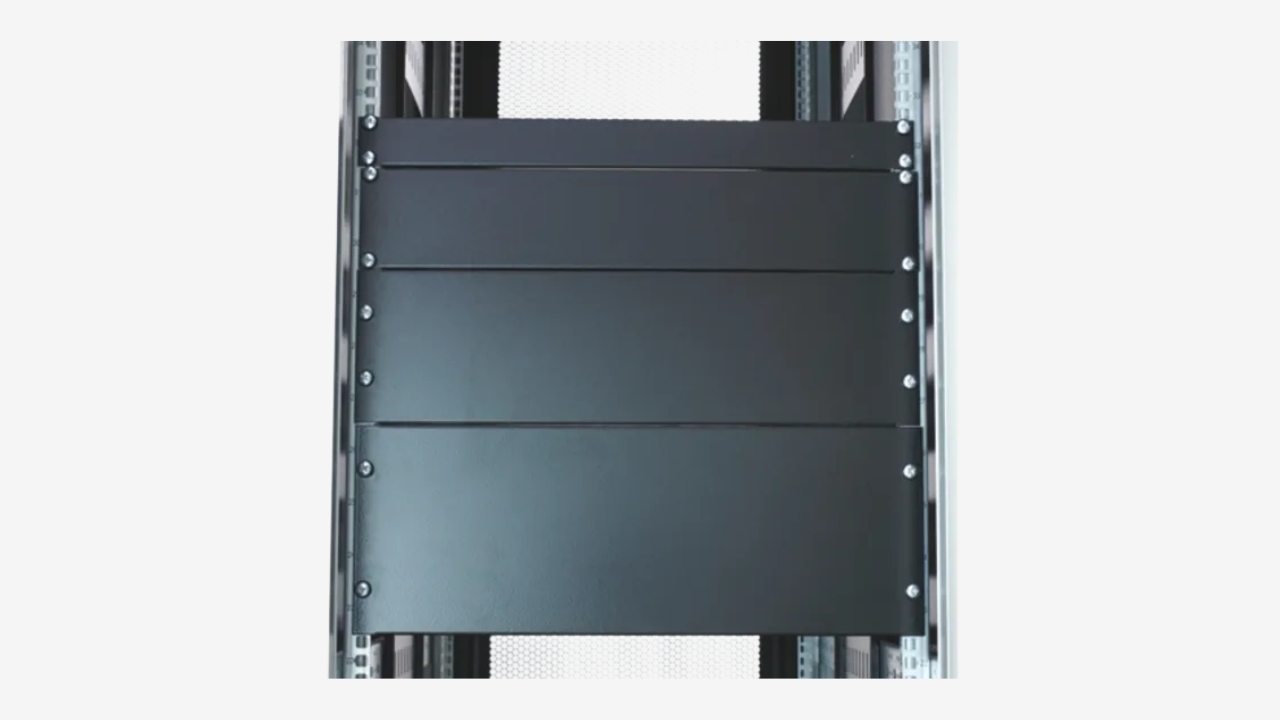
最新のデータセンターやサーバーラックにおいて、ブランキングパネルは、エアフローを管理し、システム効率を向上させるための費用対効果の高いソリューションです。この記事では、ブランキングパネルがサーバーラックやデータセンターにとって不可欠な理由、そしてプロジェクトの信頼性とエネルギー効率の向上にどのように役立つかを詳しく解説します。.
ブランキングパネルとは何ですか?
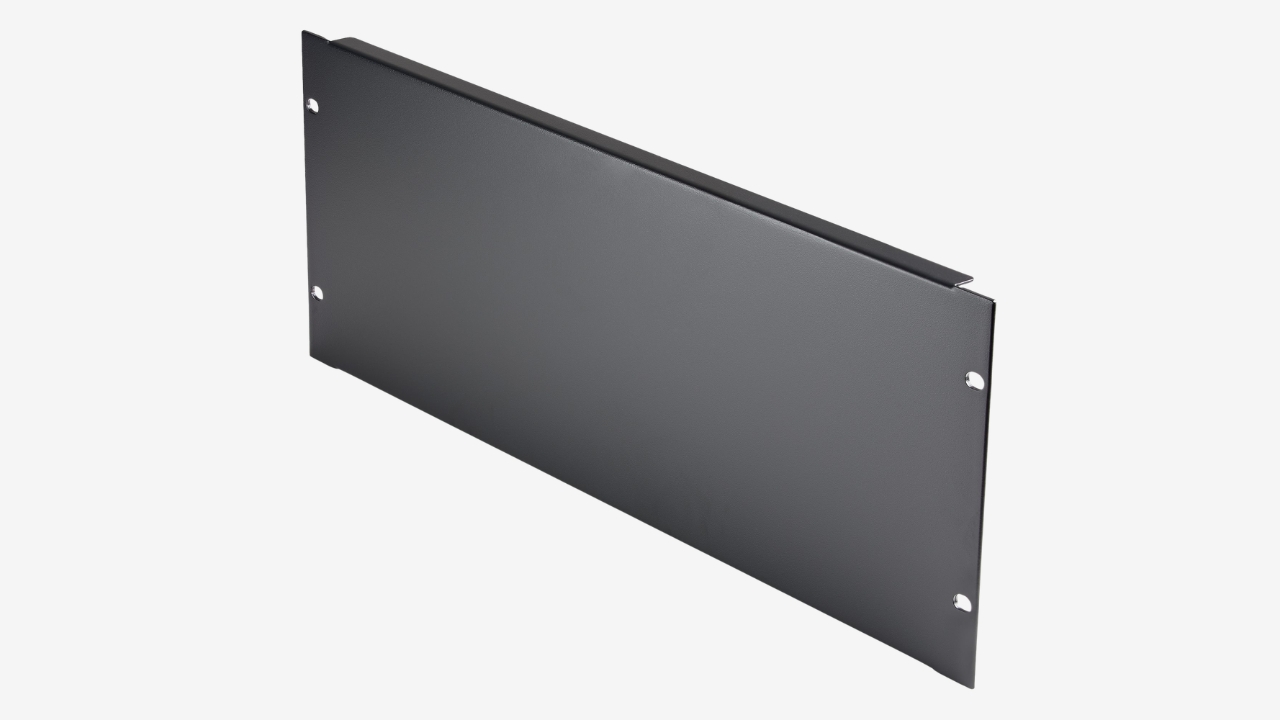
ブランキングパネル(フィラーパネルとも呼ばれる)は、サーバーラックの未使用のラックユニット(Uスペース)を覆うために取り付けられるシンプルな部品です。ブランキングパネルは通常1Uまたは2Uサイズで、ほとんどの19インチサーバーラックに対応しています。これらは通常、機器間の空きスロットに取り付けられます。これにより、機器の周囲ではなく、機器内部に空気が流れるようになります。.
さまざまな種類のブランキングパネル
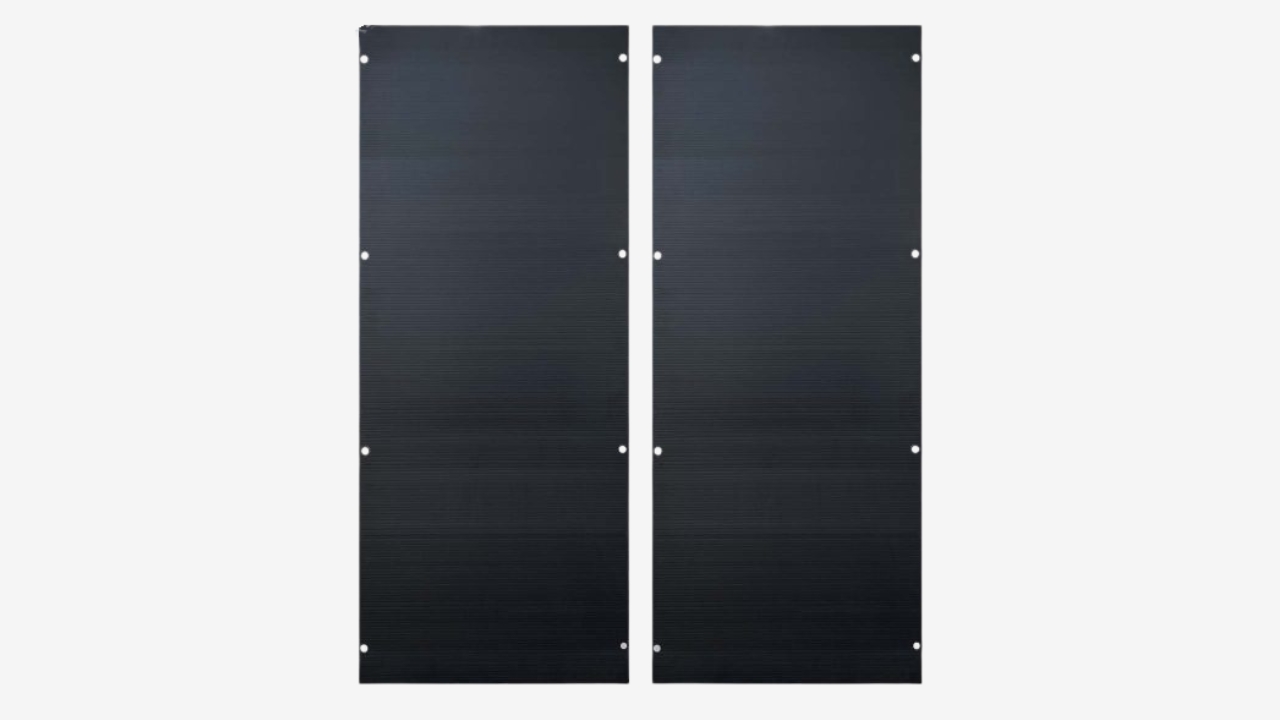
プラスチック製ブランキングパネルと金属製ブランキングパネルの比較
プラスチックパネル(ABS樹脂製)は、軽量で安価、断熱性に優れ、設置も容易です。また、プラスチックパネルは調整や変更も迅速に行えます。一般的なサーバーキャビネットや、中小規模のデータセンターに適しています。.
金属製のブランキングパネル(鋼鉄/アルミニウム)は、強度と耐久性に優れています。耐火性も高く、工業環境や高密度設置環境に最適です。.
工具不要のブランキングパネルとネジ止め式ブランキングパネル
工具不要のブランキングパネルはクリップ式で、素早く簡単に取り付け・取り外しが可能です。頻繁に構成変更が行われるダイナミックなデータセンターにも最適で、時間と労力の削減に貢献します。.
ネジ止めパネルは、ネジで固定する従来型のパネルです。より安全で安定性に優れており、高度なセキュリティ環境や長期インフラへの適用に適しています。.
上記以外にも、ソリッドタイプ、通気孔付きタイプ、ブラシパネル、モジュラーパネルなど、様々なタイプのブランキングパネルがあります。ラックやデータセンターに最適なブランキングパネルをお選びいただけます。.
サーバーラックおよびデータセンターにおけるブランキングパネル使用の主なメリット
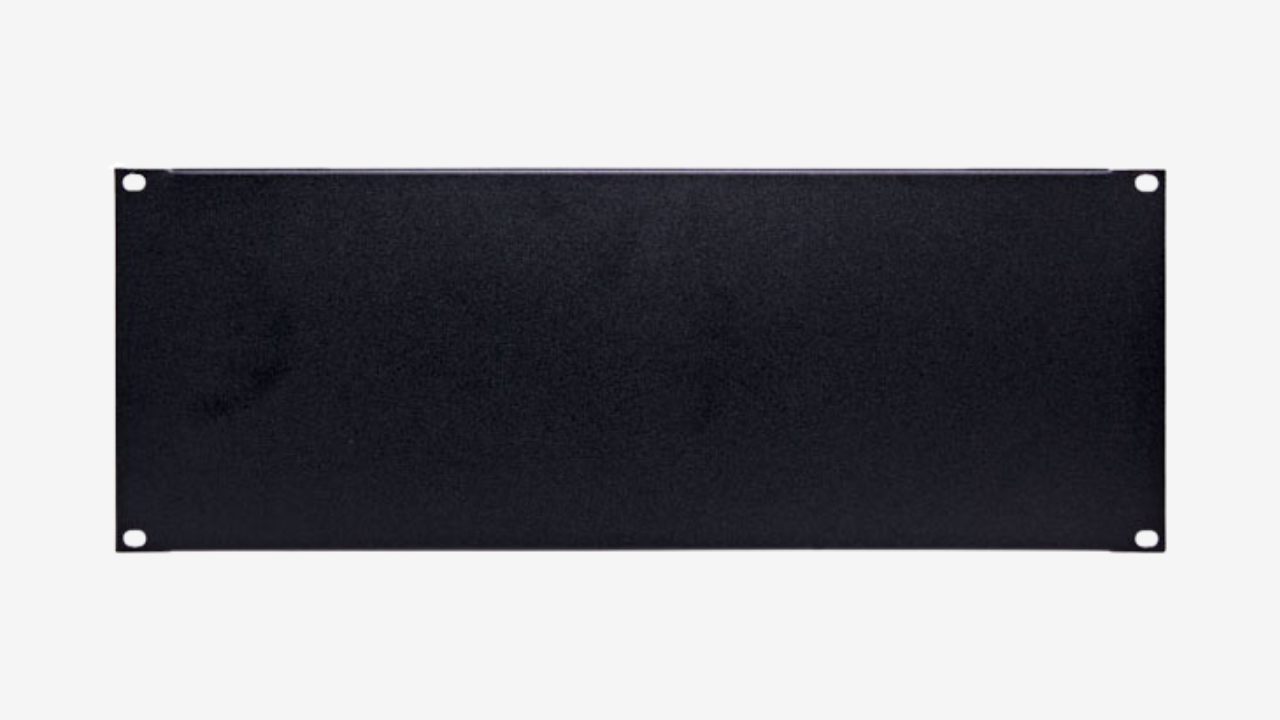
冷房とエネルギー効率
冷却効率の向上
ブランキングパネルは、空いているラック空間を通して冷気が機器を迂回するのを防ぎます。これにより、冷気がサーバーやネットワーク機器を通過して冷却が必要な場所に到達することが保証されます。これは、冷却効率全体を向上させるのに役立ちます。.
エネルギーコストの削減
ブランキングパネルは、空気の流れを一定に保つことで冷却装置の不要な動作やファンのオンオフサイクルを削減します。冷却効率の向上により、消費電力と運用コスト全体が削減されます。データセンターでは、わずかな空気の流れの改善でも、大規模なコスト削減につながります。.
PUE(電力使用効率)の低減
ブランキングパネルは、空気の流れを最適化し、冷却に必要なエネルギーを削減することで、データセンター/ラックの冷却負荷を軽減します。冷却効率の向上により、総エネルギー消費量が削減され、結果としてPUE(電力使用効率)が改善されます。.
信頼性と保護性能の向上
ホットスポットを解消する
ラックにU字型の開口部がある場合、空気の流れは通常、最も抵抗の少ない経路を通ります。空気は自然と抵抗の少ない経路を選び、狭い機器の通路よりも大きな開口部を通ります。そのため、ホットスポットが発生しやすくなります。.
ブランキングパネルを使用することで、空気の再循環を防ぎ、デバイスの温度を一定に保つことができます。そのため、ブランキングパネルを使用することで、ハードウェアへの負荷や故障のリスクを軽減することもできます。.
粉塵や破片の削減
データセンターでブランキングパネルを使用することで、制御されていない気流によって埃や微粒子が運ばれるのを防ぐことができます。ラック内部への埃の侵入を減らすことで、機器の故障率を低減できます。さらに、工具やケーブルなどが稼働中の機器内部に落下してショートを引き起こすのを防ぐことも可能です。.
オープンラックの背面は露出していることが多い。そのため、ブランキングパネルを使用することで、保守担当者が空いているスペースにあるケーブルやコンセントに誤って触れてしまうことを防ぐことができる。.
機器の信頼性の向上
ブランキングパネルを サーバーラック, これにより、空気の流れが改善され、熱の蓄積が軽減されます。さらに、過熱を防ぎ、熱サイクルによるストレスを軽減します。また、サーバーやコンポーネントの寿命を延ばすことにもつながります。.
データセンターの運用においては、ダウンタイムと故障率を削減し、機器の交換コストも削減できます。.
美観とメンテナンス性の向上
ラック内の空きスペースには、未使用の領域やケーブル、その他の雑然としたものが露出していることがよくあります。これは見た目が悪いだけでなく、メンテナンス効率にも悪影響を及ぼします。.
ブランキングパネルを使用すれば、ケーブルや空いているUスロットを隠すことができます。これにより、サーバーラックやデータセンターをプロフェッショナルで整然とした状態に保つことができます。また、ケーブル管理を容易にし、運用効率の向上にも役立ちます。.
ブランクパネルがない場合、何が起こるのか?
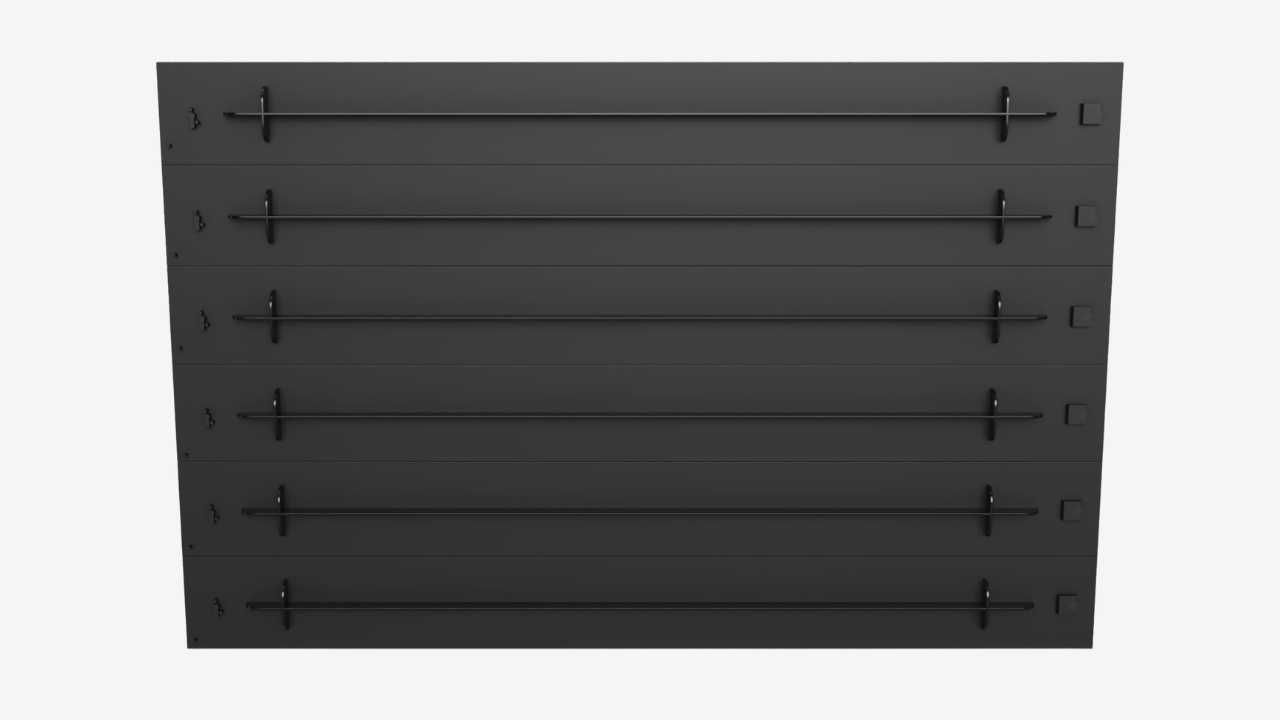
非効率な空気の流れと無駄な冷却
ラック内の空いているUスロットは、空気の流れを妨げる経路となります。冷気がIT機器を迂回するため、重要なコンポーネントに到達できません。これにより、空気の流れが制御不能になり(温風と冷風が混ざり合い)、冷却効率が低下します。このような状況では、冷却装置による冷却効果は十分に発揮されません。.
ホットスポットと不均一な温度分布
空気の流れが不均一だと、ラック内部の一部が過度に高温になることがあります。温度が不均一な機器はホットスポットを発生させ、ホットスポットはシステムアラームやシステム停止の原因となる可能性があります。.
機器の寿命が短くなる
温度変化や過度の熱は、IT機器に負荷をかけます。これにより、部品間の摩耗が促進され、IT機器の寿命が短くなります。また、機器の故障率やダウンタイムも増加します。.
冷房コストの上昇
冷却効率が不十分だと、冷却システムへの負荷が増加します。それに伴い、エネルギー消費量と運転コストも増加します。しかし、運転コストの上昇は、より大きなリスクを伴います。.
サーバーラック/データセンターに最適なブランキングパネルの選び方とは?
ラックのサイズと互換性
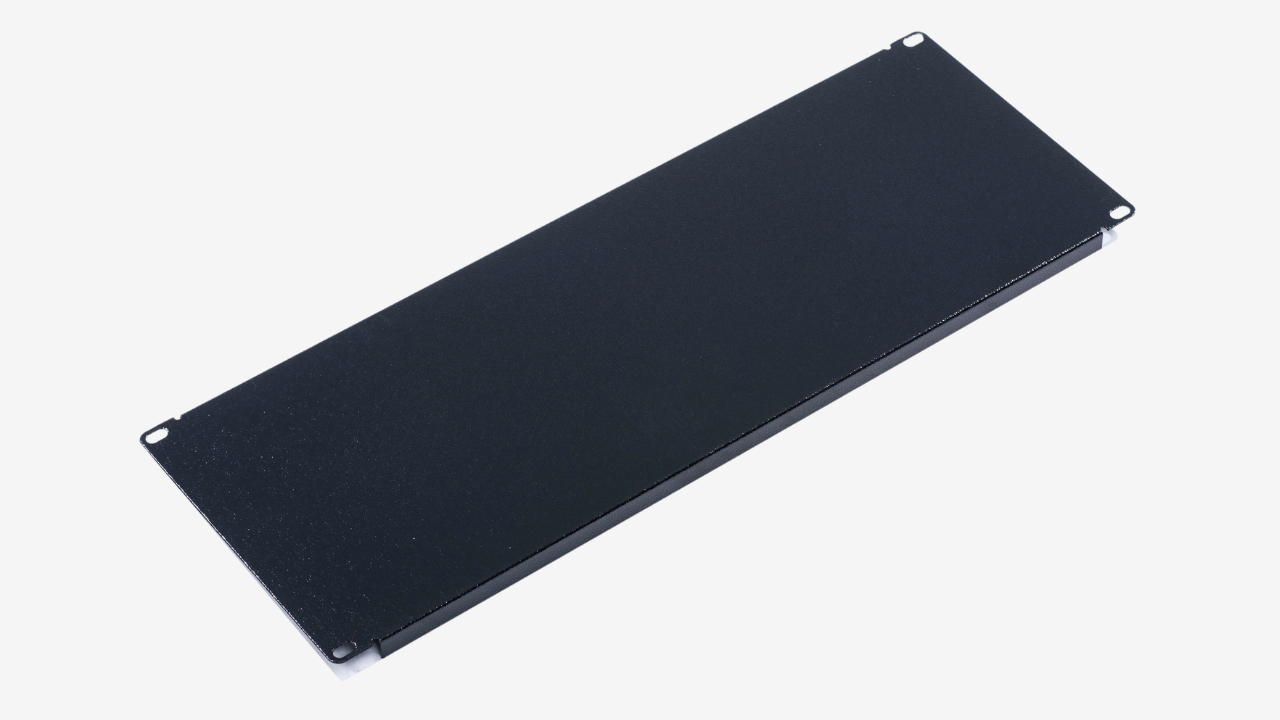
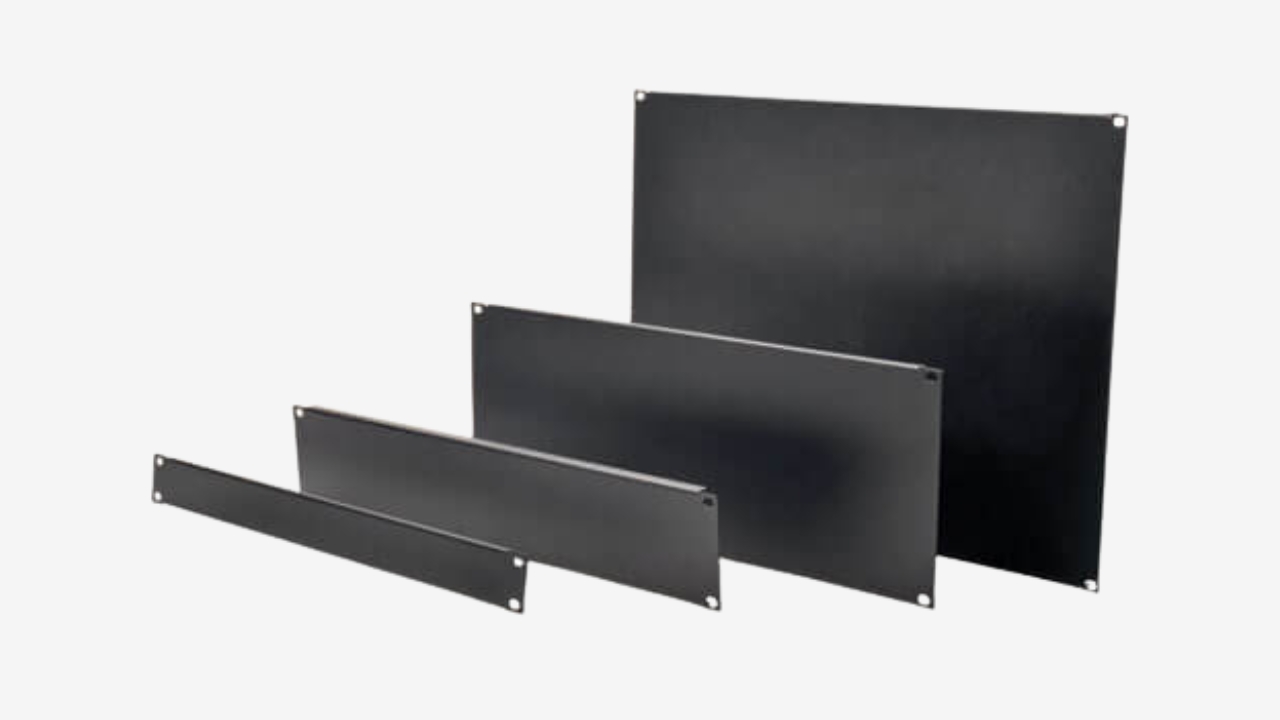
ブランキングパネルはラックと互換性がある必要があります。通常、標準的なラック位置は 19インチ. ラックのサイズに合わせて、適切なブランキングパネルの高さを選択できます。例えば、1U、2U、4Uなどがあります。選択する前に、設置場所のスペースを測定する必要があります。適切なサイズを選ぶことで、空気の流れを妨げる隙間を効果的に塞ぐことができます。.
適切なタイプを選択してください
エアフロー戦略に基づいて、適切なパネルタイプを選択する必要があります。ほとんどのデータセンターでは、ソリッドパネルが適しています。ソリッドパネルはエアフローの隙間を完全に遮断できるため、冷却効率の向上に役立ちます。また、コストに応じて、金属またはプラスチック製のブランキングパネルを選択することもできます。プラスチック製のブランキングパネルは軽量で手頃な価格であり、ほとんどの環境に適しています。.
メンテナンス要件を検討してください
ラックのレイアウトを頻繁に変更する必要がありますか?素早いアクセスが必要ですか?もしそうなら、モジュール式のブランキングパネルを使えば、変更作業がより簡単になります。.
火災安全および標準要件
データセンターやサーバーラックによっては、より高いセキュリティ基準が求められる場合があります。そのため、ブランキングパネルは耐火性があり、現地の業界規制に準拠している必要があります。.
よくある質問
工具不要のブランキングパネルは、ネジ止め式のものより優れているのか?
これは、お客様の具体的な使用状況によって異なります。工具不要のブランキングパネルは、取り付けと取り外しが簡単です。頻繁に交換されるラックや段階的に使用されるラックに適用できます。これにより、時間と人件費を大幅に節約できます。ネジ止め式のブランキングパネルは、より安全で安定しており、固定設置や高振動環境に適しています。.
ブランキングパネルは投資する価値があるのか?
はい。ブランキングパネルは低コストながら高効率な部品です。冷却効率を大幅に向上させ、省エネルギーにも貢献します。ラック内の空隙を密閉することで、空気漏れや熱気の循環を防ぎ、冷却負荷と運転コストの削減にもつながります。.
ホットアイル/コールドアイルの封じ込めには、ブランキングパネルが必要ですか?
ホットアイル/コールドアイルの隔離は厳密には必須ではありません。厳密に言えば、ブランキングパネルはホットアイル/コールドアイルの隔離の代替品ではありません。しかし、隔離措置が実施されている場合でも、ブランキングパネルの使用を強くお勧めします。なぜなら、ラック内部での空気のバイパスを防ぎ、隔離システム全体の有効性を向上させるからです。.
ホットアイル/コールドアイル分離方式は、高温の空気と低温の空気を分離します。これにより、高温の空気と低温の空気が混ざり合うのを防ぎ、分離効率の低下も防止します。.
ブランキングパネルの欠落は機器の故障の原因となることがありますか?
はい。ブランキングパネルがないと、間接的に機器の故障につながる可能性があります。ブランキングパネルがない場合、機器は高温の排気を発生させ、それがラックの前面吸気口に再循環します。機器の吸気温度が安全範囲を超えるため、サーバーやコンポーネントの過熱、サーマルスロットリングなどが発生する可能性があります。また、予期せぬシャットダウンや故障が発生する可能性も高まります。.
ブランキングパネルは、あらゆるタイプのサーバーラックで使用できますか?
はい。ブランキングパネルはほとんどのサーバーラックで使用できます。ただし、互換性を確認する必要があります。ほとんどのデータセンターやIT環境では、標準的な19インチラックが使用されています。ブランキングパネルは、そのようなラック専用に設計されています。.
機器の電源を切らずにブランキングパネルを取り付けることはできますか?
はい。ブランキングパネルは、機器の電源を切らずに取り付けることができます。ブランキングパネルは通常、稼働中の機器ではなく、空いているラックスペースに取り付けられます。また、ブランキングパネルの取り付けには電気的な接続は必要ありません。ブランキングパネルは、稼働中の機器と直接接触することはありません。.
最後に
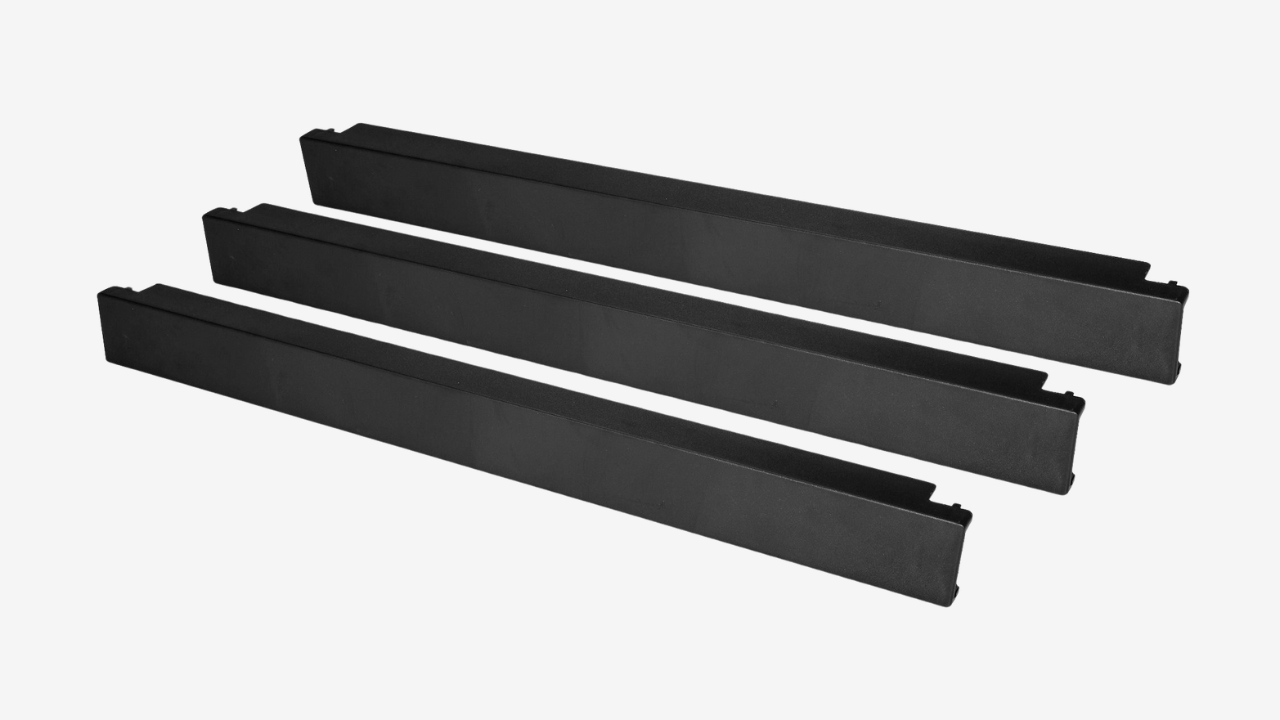
KDMは長年の製造経験を持つカスタム電気エンクロージャーメーカーです。 電気筐体 様々な素材、サイズ、設置方法、互換性のあるブランキングパネルをご用意しております。ご要望に応じて、専門チームがお客様に合わせたソリューションをご提供いたします。皆様のご利用をお待ちしております。.
 Japanese
  English
  Arabic
  French
  Spanish
  Russian
  Korean
  Portuguese
  Indonesian
  Chinese