


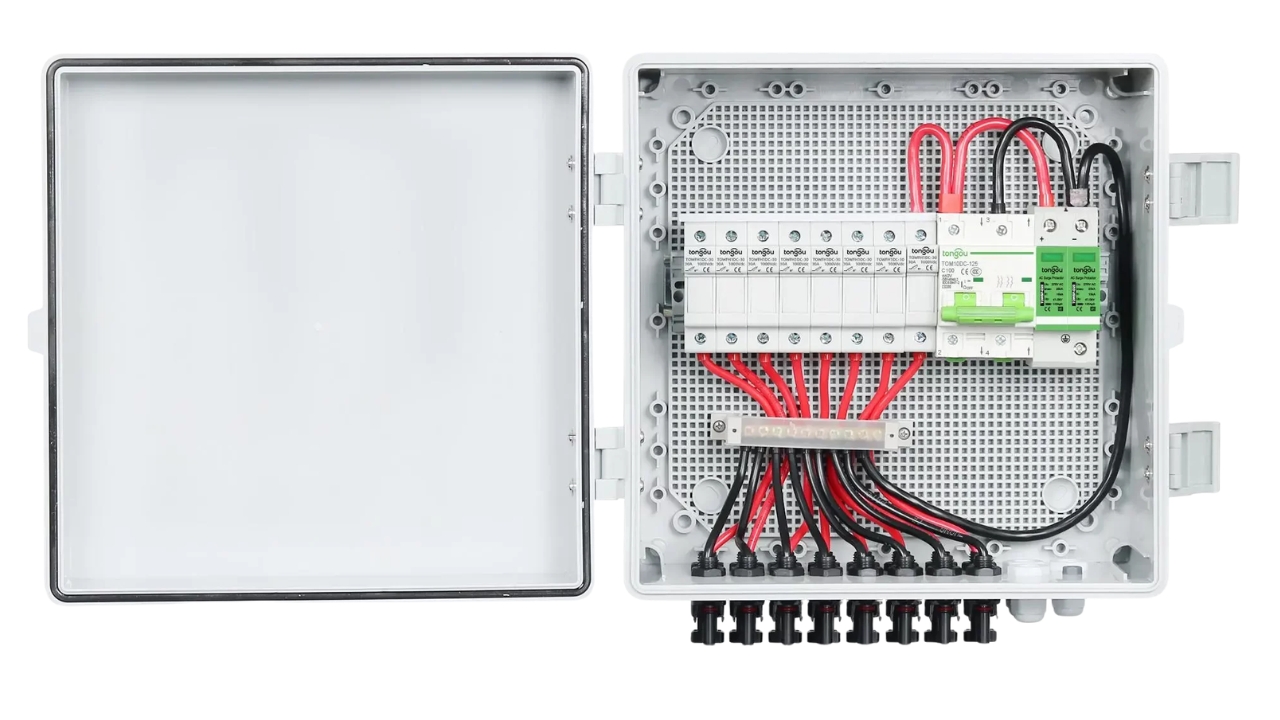
適切な選択 DCまたはACソーラーコンバイナーボックス インバーターにパネルを追加するだけではなく、システムが安全で長持ちし、規則に従っていることを確認することも重要です。 太陽 電力会社向けの農場用、または住宅の屋根用など、用途に応じて適切なソーラーコンバイナーボックスを選択するために、重要な仕様を知っておくことが重要です。.
ソーラーコンバイナーボックスとは何ですか?
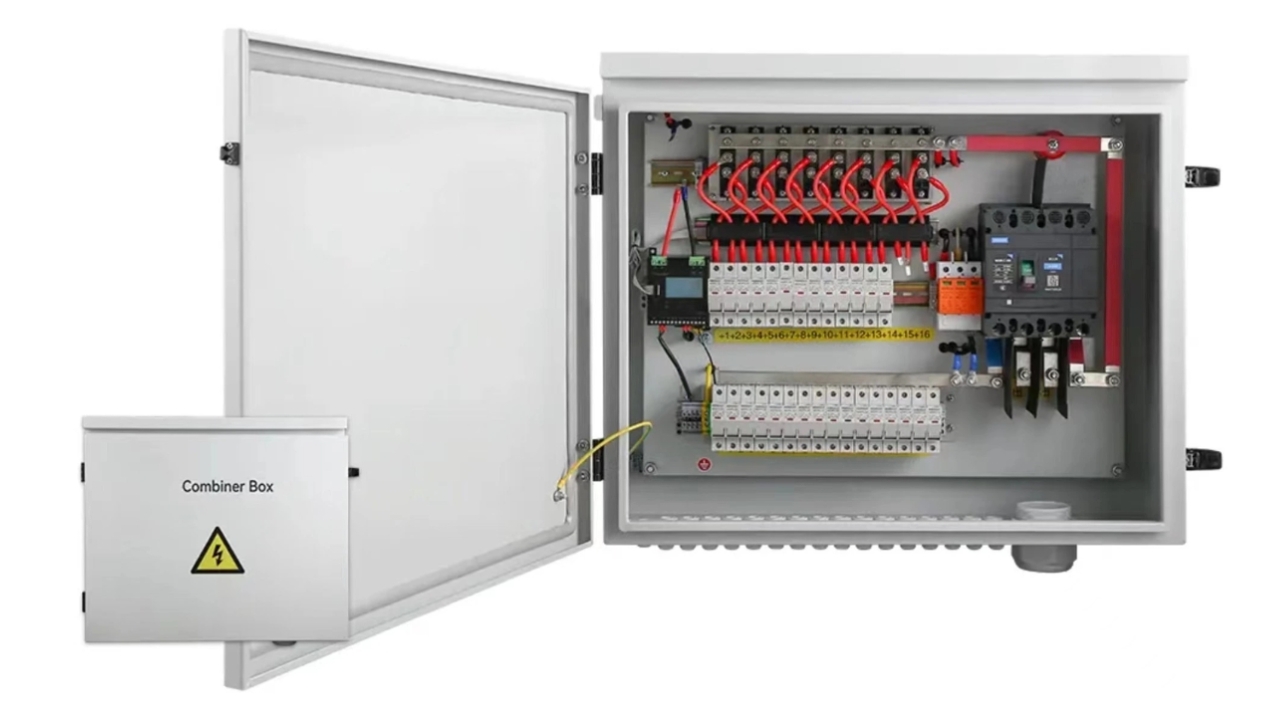
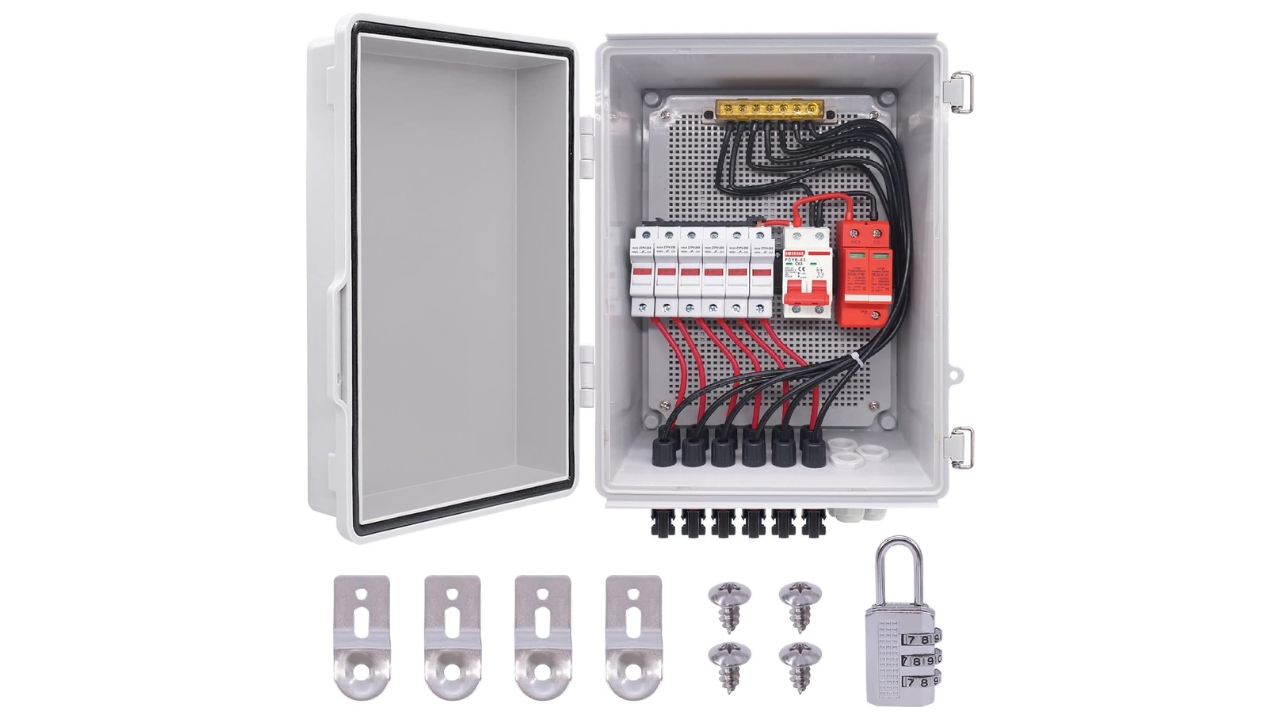
インバーターに電力が供給される前に、ソーラーコンバイナーボックスとは何かを知っておくことが重要です。ソーラーコンバイナーボックスは、複数の太陽光発電ストリングからの入力をまとめて単一の出力を生成する場所です。安全ゲートのようなもので、サージプロテクタ、ヒューズ、または回路ブレーカーが内蔵されており、修理や緊急時に電源を安全に遮断できる場所となっています。.
太陽光発電用コンバイナーボックスの種類
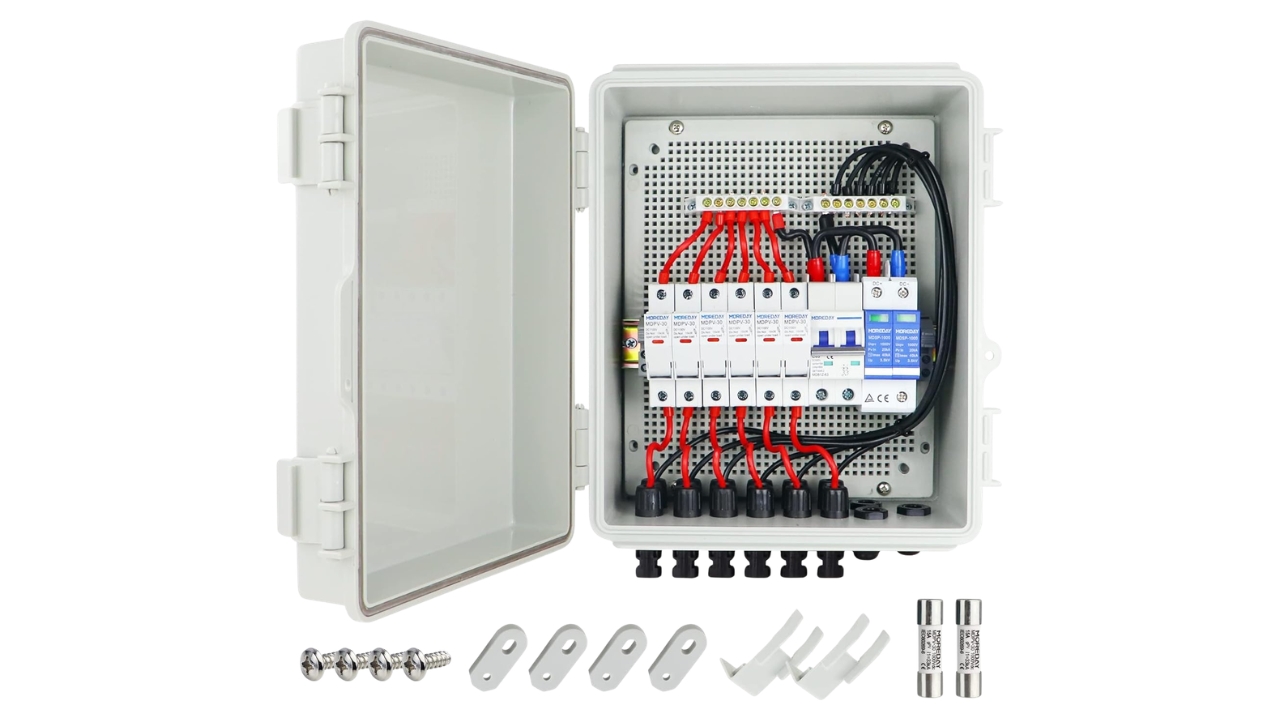
DCコンバイナーボックス
これは、すべてのストリングインバーターシステムが果たすべき役割です。複数の太陽光発電ストリングからの直流電源を統合し、過電流やサージから保護します。これらは通常、商業用地上設置型太陽光発電プロジェクトや、集中型直流制御が必要な住宅用屋上設置型太陽光発電システムで採用されています。.
ACコンバイナーボックス
DCからACへの変換後、ACコンバイナボックスはマイクロインバーターやパワーオプティマイザーの設計に必要なAC出力を加算します。これによりDC配線の安全性が向上し、パネルレベルでのトラッキングが可能になり、複雑な屋根構造や傾斜角度が異なる設置環境に最適です。.
文字列結合器と配列結合器の比較
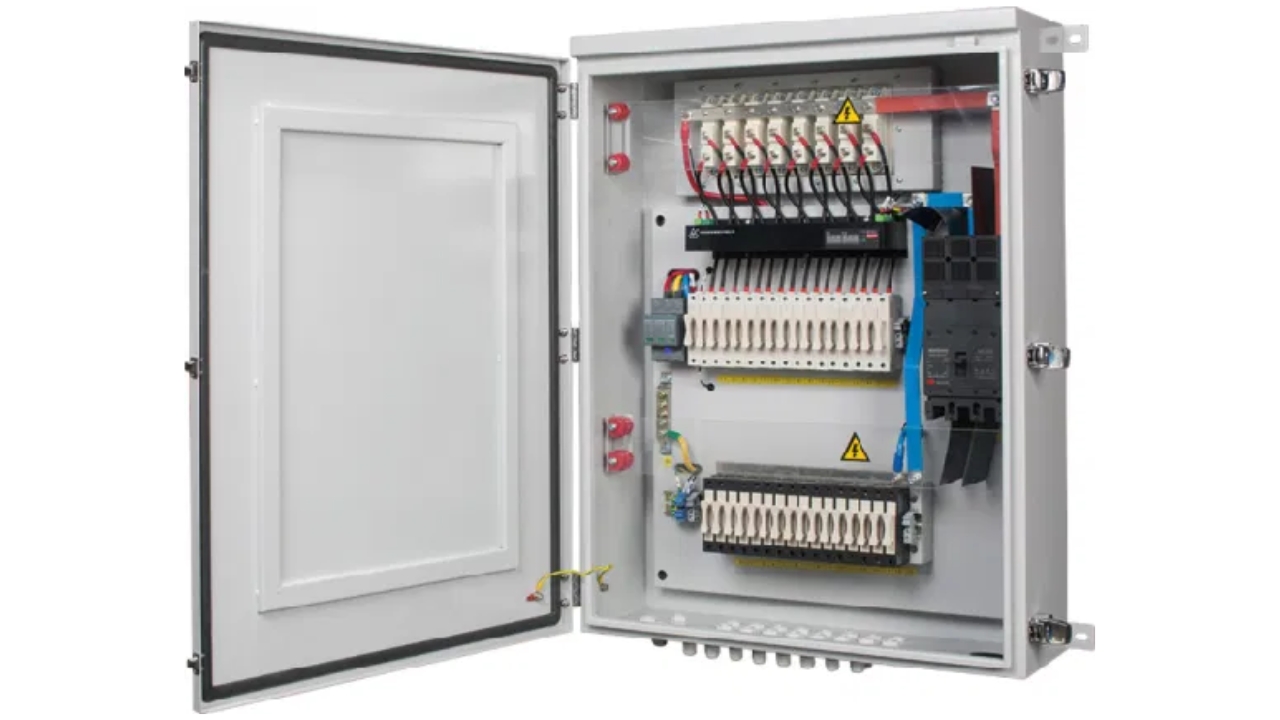
ストリングコンバイナは小規模なシステムで使用され、2~12個の入力回路を処理できます。大規模なシステムで使用する場合、アレイコンバイナ(リコンバイナとも呼ばれる)は、複数のストリングコンバイナの出力を結合します。アレイコンバイナは、数十個の回路を高度な協調制御で管理することで、電力会社レベルの信頼性を確保します。.
監視あり vs 監視なし
標準的なコンバイナーボックスは基本的な安全性を確保します。スマートボックスには電流センサー、Modbus接続、遠隔監視機能が備わっています。リアルタイムのストリングレベルデータにより、問題を早期に発見し、処理速度を向上させ、太陽光発電設備全体のダウンタイムを削減できます。.
比較表:ソーラーコンバイナーボックスの種類
| 特徴 | DCコンバイナー | ACコンバイナー | ストリングコンバイナー | アレイコンバイナー | 監視付き |
| 入力タイプ | PVストリングからのDC | マイクロインバータからの交流 | 2-12 DC弦 | 複数のストリングコンバイナ出力 | 直流または交流 |
| 主な用途 | ストリングインバータシステム | マイクロインバータシステム | 小型から中型のアレイ | 大規模公益事業プロジェクト | システム最適化と診断 |
| 保護 | ヒューズ、SPD、遮断器 | ブレーカーズ、SPD | ヒューズまたはブレーカー | 高度な連携 | すべての標準保護機能とセンサー |
| 監視 | オプション | オプション | レア | 通常含まれる | 内蔵型リモートモニタリング |
| 標準スケール | 住宅から商業へ | 住宅から商業へ | 居住の | 電力会社(1MW超) | 商業用から公益事業用まで |
太陽光発電システムに適したコンバイナーボックスの選び方
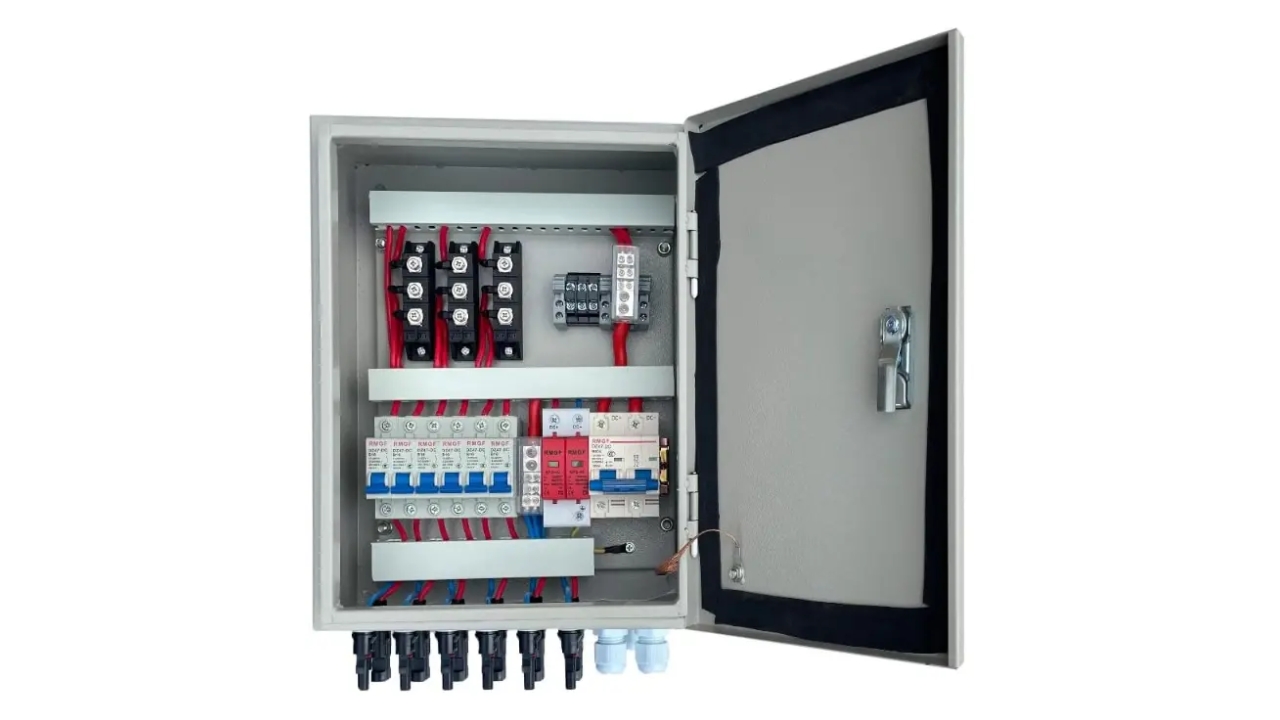
PVストリングの数(最も重要)
まず、すべての太陽光発電ラインを書き出してください。各ラインには、過電力から保護するための入力回路が必要です。コンバイナーボックスの入力機能が計画に適合するかどうかを確認してください。ほとんどの業務用プロジェクトでは8~16個の入力が必要ですが、家庭用の小規模システムでは2~6個の入力で十分です。リスクが低すぎると、安全性が不十分になります。.
定格電圧(重要安全係数)
コンバイナボックスには、システム全体の電力よりも大きな電力が必要です。これには、温度によって変化する開放電圧(Voc)も含まれます。家庭用機器では、ほとんどの場合600V DCのボックスが使用されます。1000V DCまたは1500V DC定格のボックスは、性能が向上し、寿命が長いため、産業用および電力会社向けのシステムでますます多く使用されています。.
定格電流および負荷容量
NECの規定に従い、各ストリング出力に1.25を加えて合計することで、最大電流を求めます。各ストリングのヒューズは、Iscの1.56倍のサイズにする必要があります。つまり、出力バスバーは過熱することなく、余分な電力を処理できなければなりません。適切な安全マージンとしては、サイズよりも20~25%大きい値が必要です。.
過電流保護(ヒューズとブレーカーの比較)
ヒューズは、アーク放電を確実に遮断し、価格も手頃なため、直流用途に最適です。通常の交流ブレーカーは直流回路には絶対に使用しないでください。そのため、直流定格ブレーカーを選ぶ際には注意が必要です。直流ブレーカーは再起動が容易です。セキュリティの種類は、メンテナンス方法や地域の法律に基づいて選択してください。.
サージ保護(SPDタイプ)
変圧器は落雷や電力網の変化によって損傷を受ける可能性があります。 IEC 61643-31 サージ保護デバイス(SPD)について、タイプ1+2またはタイプ2のSPDが必要であると述べられています。落雷が頻繁に発生する場所への設置には、遠隔地に信号を送信できるSPDを選択してください。そうすることで、誰かが保護装置を突破した際にそれを知ることができます。.
筐体およびIP規格
屋外で使用する場合は、頑丈な筐体が必要です。最低限、IP65は粉塵や噴流水から保護し、 IP66 非常に強力な水流から保護します。. 316Lステンレス鋼 錆びないその他の材料は ネマ4X. これらの素材は、沿岸地域で塩水噴霧によって物が急速に劣化するのを防ぎます。.
インストール環境
コンバイナーボックスを建物の屋上、地面、または壁のどこに設置するかを選択する必要があります。高温に耐えられる部品は、通常-25℃から+60℃の範囲であるお住まいの地域の定格温度に適合している必要があります。標高が2,000メートルを超えたら方向転換する必要があります。工業環境で作業する場合は、粉塵、化学物質、または直接的な衝撃から保護するための追加の安全対策が必要になる場合があります。.
コンプライアンスと認証
十分な数の認証バッジを必ず入手してください。北米ではUL 1741、その他の国ではIEC 61439を探してください。また、NEC第690条を厳守してください。TÜV、ULなどの第三者機関による認証は、訴訟リスクからあなたを守り、機器が安全基準を満たしていることを保証します。.
将来の拡張能力
太陽光発電システムはますます大型化しています。将来的に配線を追加する予定がある場合は、端子スロットが多く、複数のモジュールで構成されたコンバイナーボックスを選択してください。アレイが大きくなると、小型ユニットを再構築したり、2つ目のコンバイナーを追加したりするよりも、今少し大きめのボックスを購入する方がはるかにコストがかかりません。.
監視機能とスマート機能
クラウドに接続し、RS485またはModbus接続を備え、電流センサーを内蔵したスマートコンバイナーボックスにより、メンテナンスはもはや事後対応型ではなく、事前対応型へと進化しました。ストリングレベルのトラッキングにより、動作不良のパネルをすぐに特定できます。これにより、問題解決にかかる時間が数時間から数分に短縮され、システムの稼働時間を延ばすことができます。.
システム規模に応じたソーラーコンバイナーボックスの選択
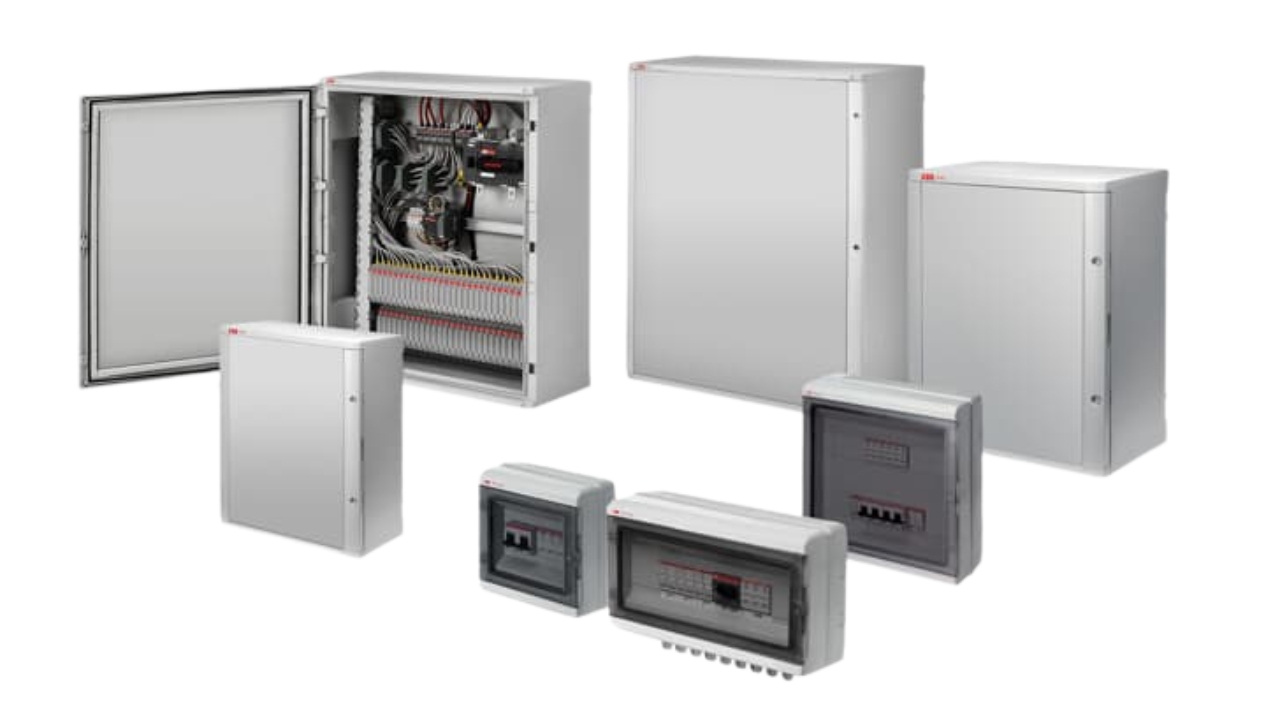
住宅用システム(15kW以下)
家庭用システムであれば、600V DCに対応できる小型の2~6入力DCコンバイナーボックスで十分です。小型でシンプルなヒューズ安全機構を備えたIP65規格の筐体を探してください。高度な監視機能は不要でも、長期的な信頼性を確保するためには、ほとんどの家庭でサージ保護機能を内蔵しておく必要があります。.
商用システム(15kW~1MW)
ビジネスプロジェクトには、8~16個の入力と1000V DCまたは1500V DCの定格を備えたセットが必要です。ロック可能な強力な遮断器を備えたNEMA 3Rまたは4規格のボックスを選択してください。統合監視機能は、屋上または地上設置の複数の機器のパフォーマンスを追跡するのに役立ちます。NEC 2017/2020の急速停止規則が遵守されていることを確認してください。.
公益事業規模システム(1MW超)
電力系統の設置には、1500V DCアーキテクチャを備えた24個以上の入力コンバイナボックス(リコンバイナとも呼ばれる)が必要です。高い短絡電流定格(SCCR)、高度な保護協調機能、およびRS485またはModbusによる完全なリモートトラッキング機能が求められます。NEMA 4XまたはIP66規格の筐体は、過酷な現場環境でも数十年にわたって使用できます。.
コンバイナーボックスを選ぶ際に避けるべきよくある間違い
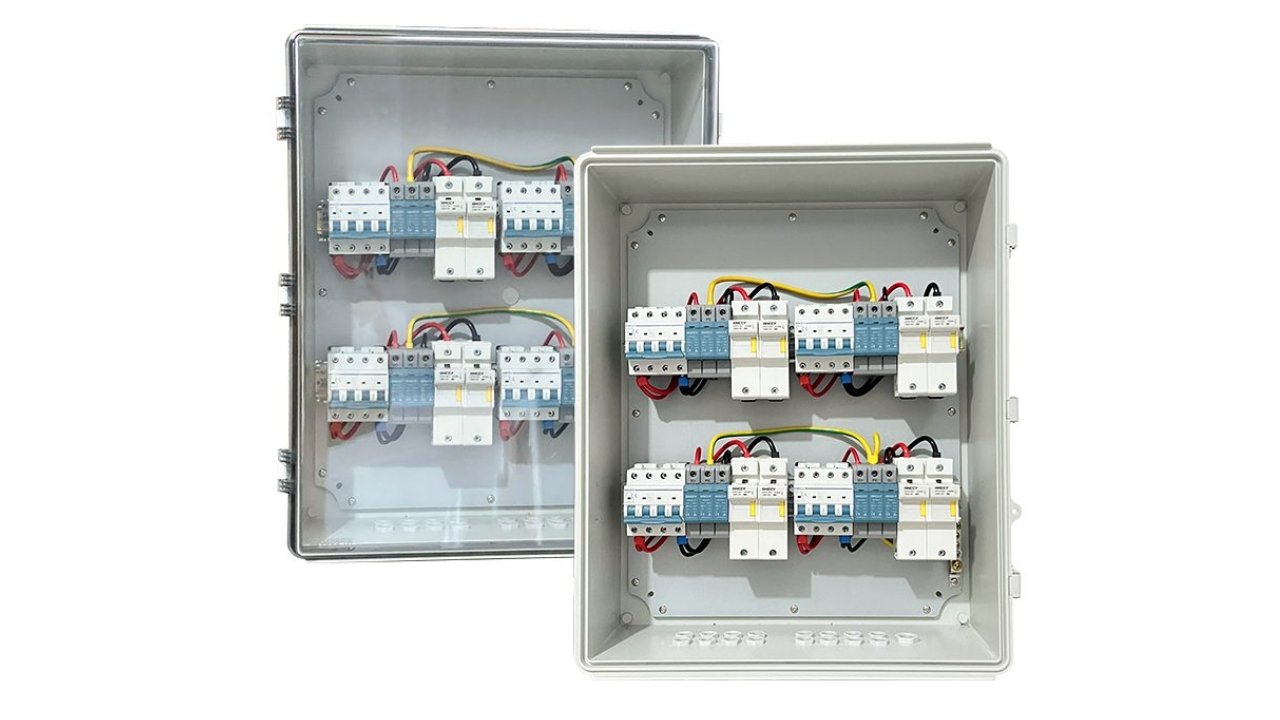
定格電圧を無視する
システムの最高電圧よりも低い定格のボックスを選択すると、致命的な故障が発生します。必ず温度調整済みの開放電圧(Voc)を計算し、安全マージンを加えてください。定格電圧が低すぎると保証が無効になり、火災の危険にさらされる可能性があります。.
現在の状況を過小評価している
電流容量が不足すると、焼損、頻繁なトリップ、部品の早期故障の原因となります。NEC(米国電気工事規程)で規定されている125%定負荷率に従い、将来の拡張に備えてバッファを追加してください。バスバーとスイッチは、実際の使用環境で確実に動作する必要があります。.
サージ保護機能なし
高価なインバーターにサージ保護装置を使用しないと、損傷する可能性があります。近くに落雷が一度でも発生すると、数千ドル相当の機器が損傷する恐れがあります。系統連系機器には、安全対策として少なくともタイプ2のサージ保護装置(SPD)を設置する必要があります。.
低いIP評価を選択する
屋内用ボックスを屋外に設置すると、すぐに故障します。水が接続部に浸入すると腐食が進み、安全性が低下します。屋外に設置する場合は、IP65で十分です。海岸付近や湿度の高い地域では、IP66またはNEMA 4Xが必要です。.
拡張計画なし
今、容量不足のパネルを選んでしまうと、後々修理費用がかさんでしまいます。空きスロットのないコンバイナーボックスにパネルを追加する場合、パネルを交換するか、並列接続で追加するしかありません。最初から、将来の拡張を見越して余裕を持たせておくことが重要です。.
認証されていない製品の購入
承認されていないコンバイナーボックスは、重要な安全試験を省略しています。そのため、検査に不合格になったり、機器の保証が無効になったり、危険にさらされる可能性があります。UL、IEC、またはTÜVの認証を受けたシステムであれば、確立された安全基準を満たしていることが保証されます。.
最適なコンバイナーボックスを選ぶための専門家のアドバイス
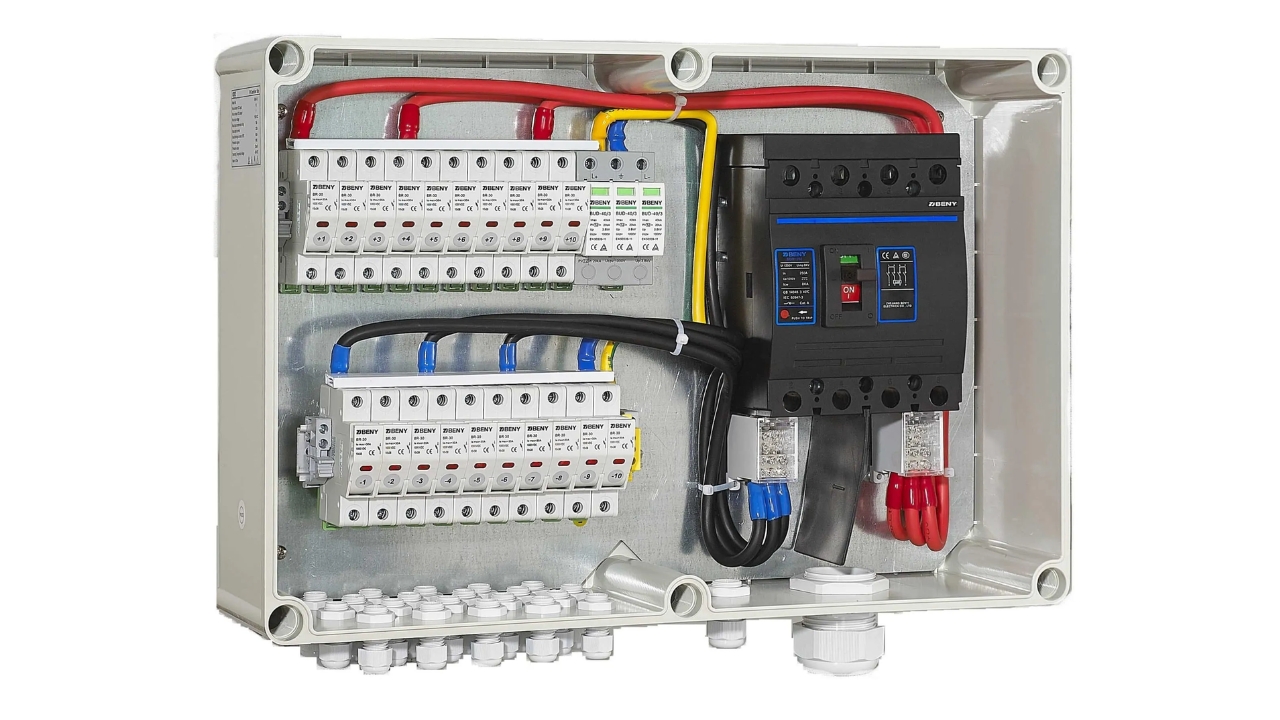
安全のため、常に少し大きめのサイズを選びましょう。
現在のグレードと投入容量の両方に、20~25パーセントの余裕を持たせてください。この安全バッファにより、急な追加投入、高温、部品の摩耗などに対応でき、性能や信頼性に影響を与えることなく運用できます。.
認定ブランドを選びましょう
第三者機関による認証を受けた製品を提供している企業を選びましょう。熱性能、絶縁耐力、耐故障性などにおいて、認証を受けた企業は多くの試験を受けています。信頼できる製品は、企業のイメージにとって非常に重要です。.
インバーターの互換性を確認する
コンバイナーボックスとインバーターが同じ電圧、通信方式、およびクイックシャットダウンに対応しているかどうかを確認してください。部品が一致しないと、組み立てが困難になるだけでなく、メーカー保証や建築基準に違反する可能性もあります。.
雷エリアではSPDを使用してください
設置場所が雷雨の多い地域の場合は、遠隔表示機能付きのタイプ1+2 SPD(サージ保護装置)を設置してください。これにより、システム全体を保護できるだけでなく、保護部品の交換時期を把握できます。.
大規模システムについては太陽光発電エンジニアにご相談ください
システムの規模が100kWを超える場合は、コンバイナーボックスを選ぶ前に、経験豊富な太陽光発電エンジニアに相談することをお勧めします。専門家のサポートを受けることで、適切な保護機能が連携され、関連法規が遵守され、お客様のシステム構成に最適な性能を発揮できるようになります。.
KDM Steel製のカスタムコンバイナーボックスを手に入れよう
私たちは、すべての太陽光発電プロジェクトには独自のニーズがあることを知っています。 KDMスチール. 弊社がカスタム設計するコンバイナーボックスは、入力数や筐体の種類から、トラッキング機能や認証に至るまで、お客様のニーズに完全に適合するように作られています。. 接触 お客様のプロジェクトのニーズに合ったソリューションをご提供するために、弊社のチームが尽力いたします。.
よくある質問
小型太陽光発電システムには何が必要ですか?
NEC(米国電気工事規程)の規定によれば、理論的には3ストリング以下のシステムであればインバータで配線を結合できます。しかし、コンバイナーボックスを追加することで、重要なサージ保護機能、中央遮断器、そして配線整理のより良い方法が得られます。.
どのサイズのコンバイナーボックスが必要ですか?
ボックスのサイズは、使用する弦の数と、それぞれの弦が処理できる電力によって異なります。弦の入力位置を見つけるには、弦の数を数え、将来の拡張のために2~4個の予備スロットを追加してください。.
コンバイナーボックスには何本の弦を収納できますか?
家庭用コンバイナーボックスのほとんどは2~6本のストリングを収容できますが、業務用ユニットは8~16本を収容できます。電力会社向けのコンバイナーは、1つのボックスに最大52本、24本、または36本のストリングを収容できます。.
最適な出力レベルはどれくらいですか?
標準的なパネルを使用する家庭用システムには、600V DCのコンバイナーボックスが必要です。より長いストリングを配線し、経済性を高めるには、商業用および公益事業規模のプロジェクトで1000V DCまたは1500V DC定格がよく使用されます。.
コンバイナーボックスを屋外に設置してもいいですか?
はい、ただし、少なくとも IP65 またはNEMA 3R規格。海岸沿いや過酷な気候の地域にお住まいの場合は、錆びない素材を使用したIP66またはNEMA 4X規格の製品をお選びください。.
間違ったコンバイナーボックスを選んでしまったらどうなりますか?
過熱、火災の危険性、インバーターを損傷するサージ、チェックの不合格など、様々な問題が発生する可能性があります。誤った選択をすると、保証が無効になり、プロジェクトの遅延や新しい工具の購入に多額の費用がかかるリスクも伴います。.
 Japanese
  English
  Arabic
  French
  Spanish
  Russian
  Korean
  Portuguese
  Indonesian
  Chinese