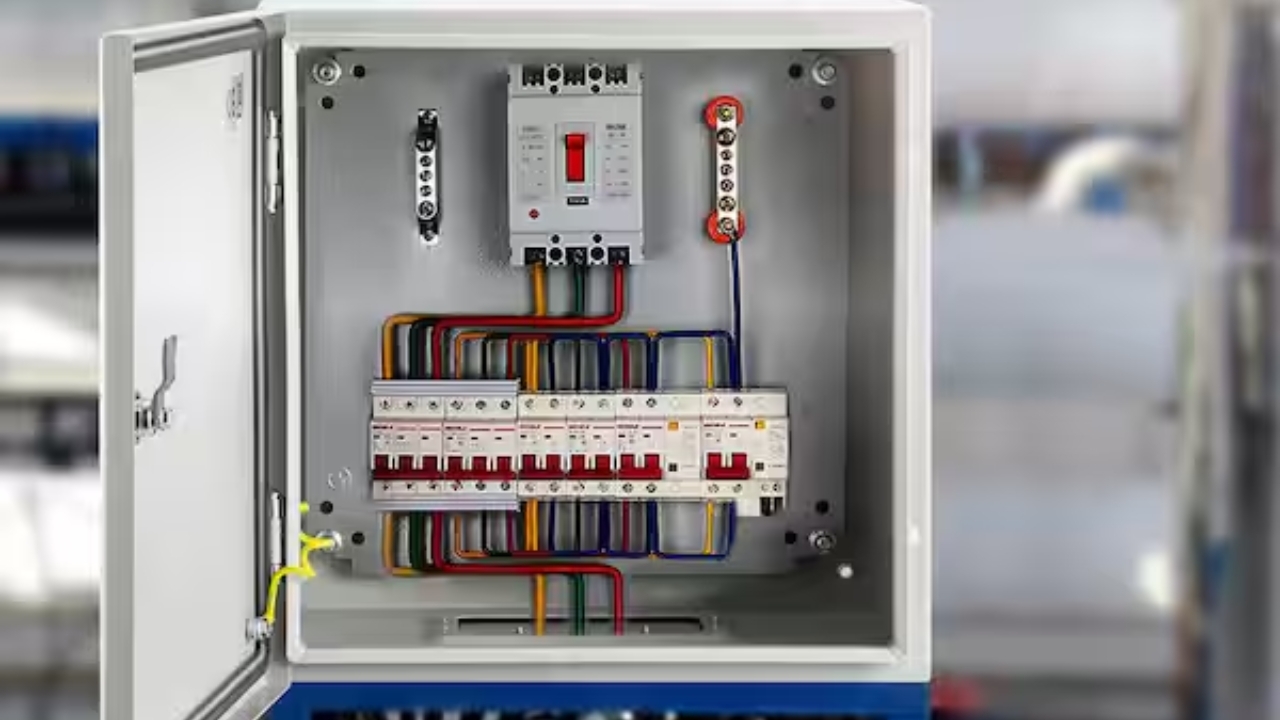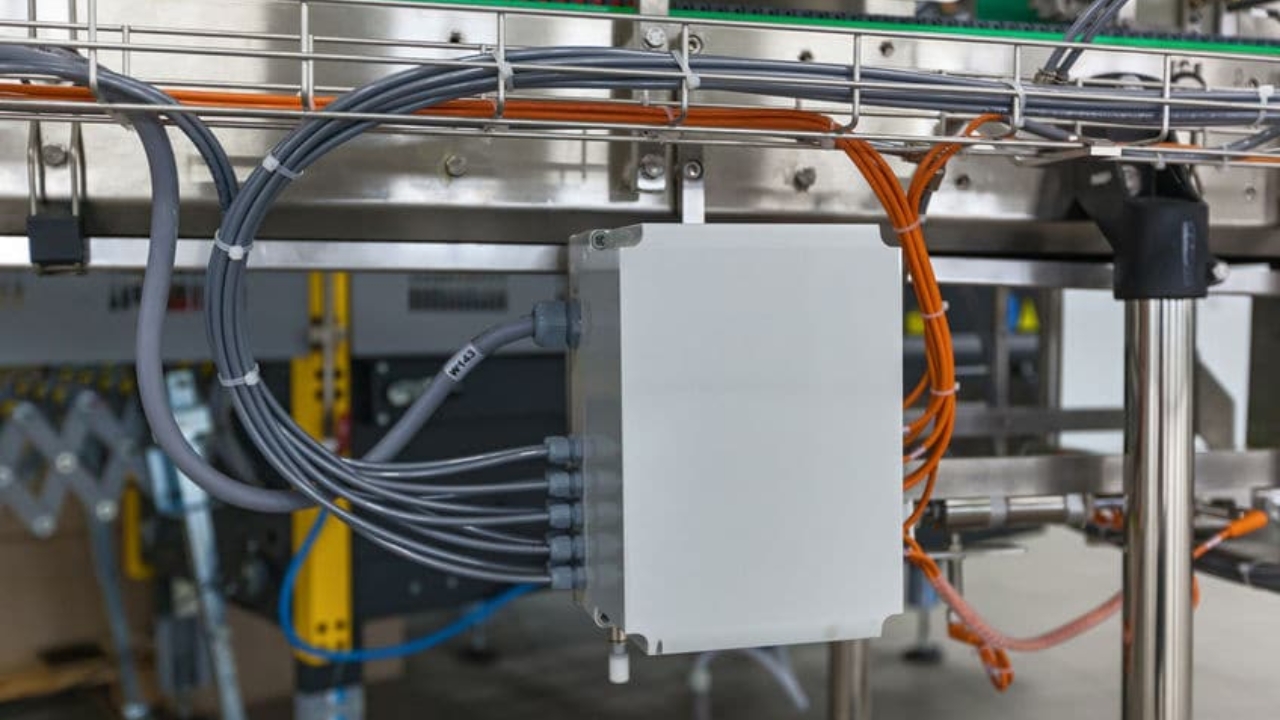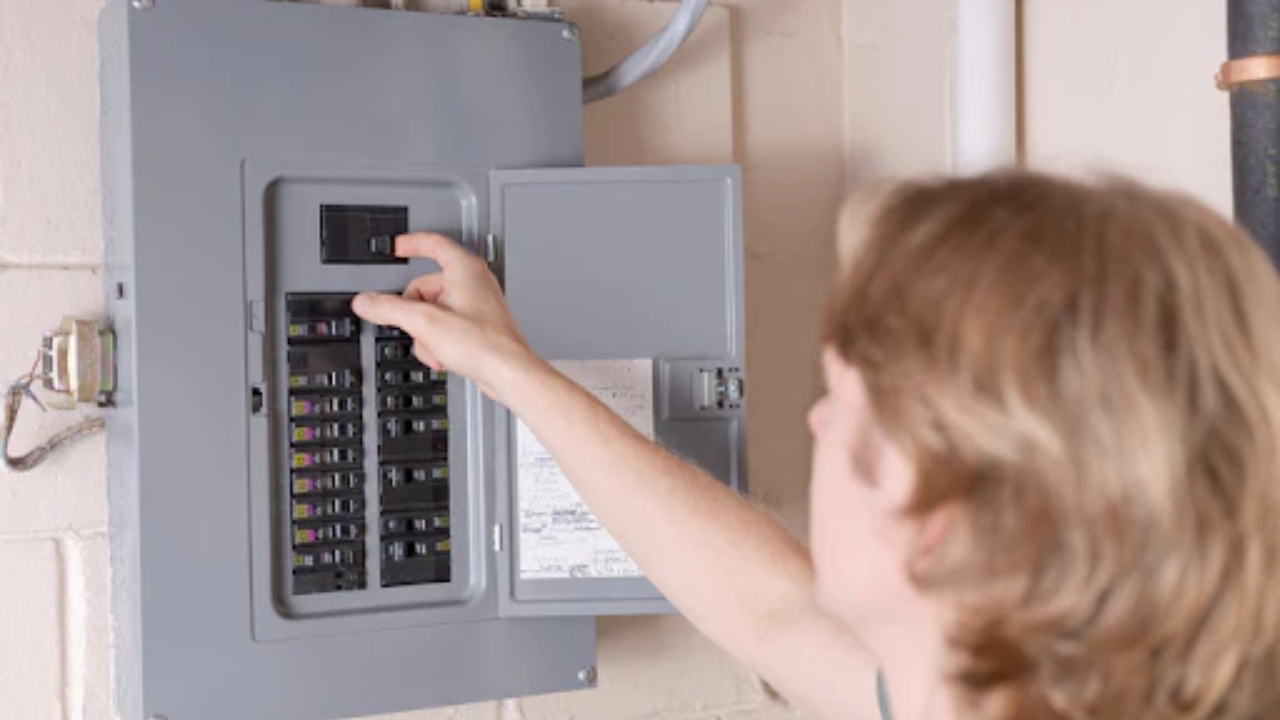
Junction Box in Attic: Everything You Need to Know

The proper selection and installation of attic junction boxes directly impact the safety and reliability of electrical distribution systems. This article helps electrical engineers and system integrators understand the attic junction box types, the correct installation methods, and related standards, helping you make better decisions in your projects.

What Is a Junction Box?

ジャンクションボックスとは

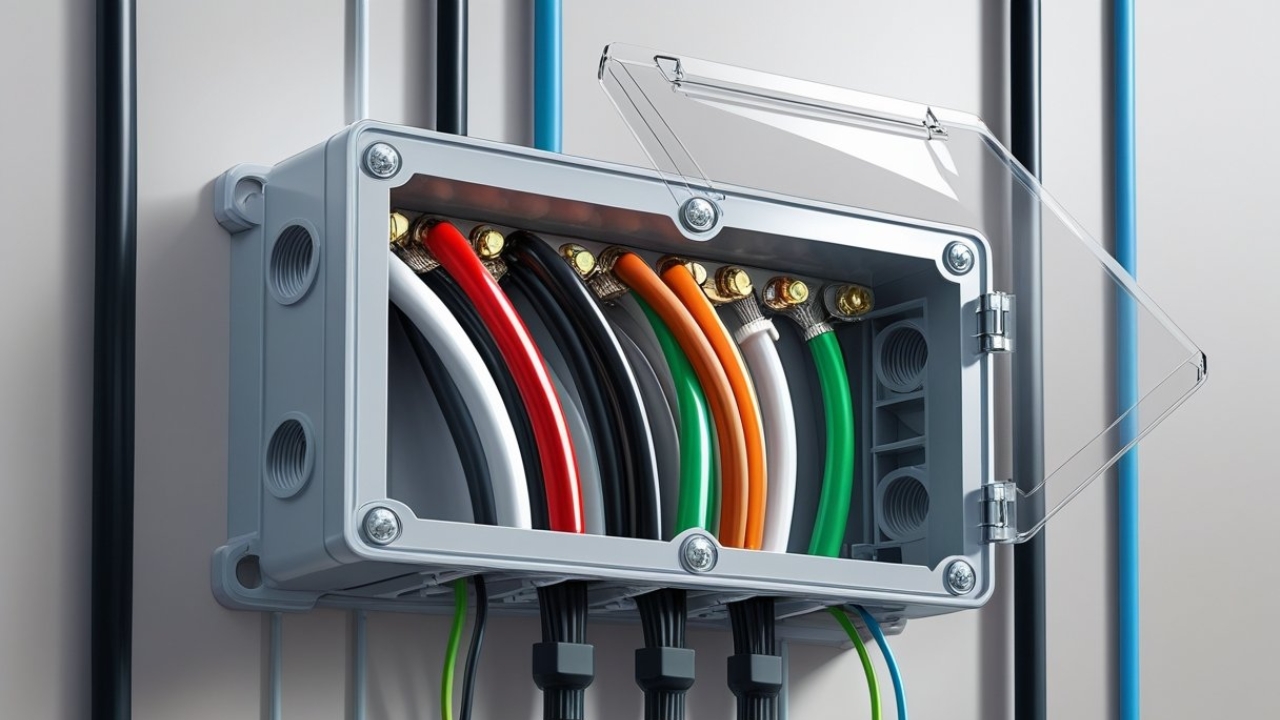
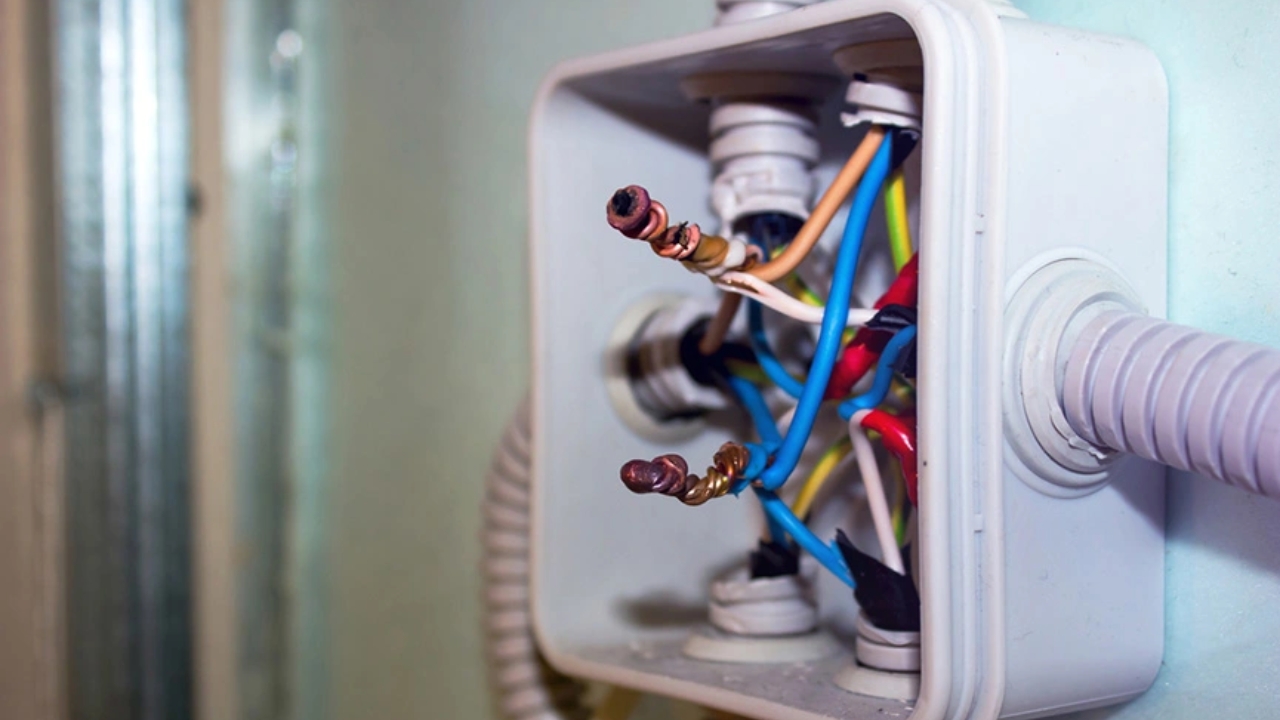
ジャンクションボックス is an electrical enclosure used to accommodate, protect, and organize the wire connections within a circuit. It serves as a safe point for connecting multiple conductors, protecting the connections from mechanical damage, dust, moisture, and accidental contact.

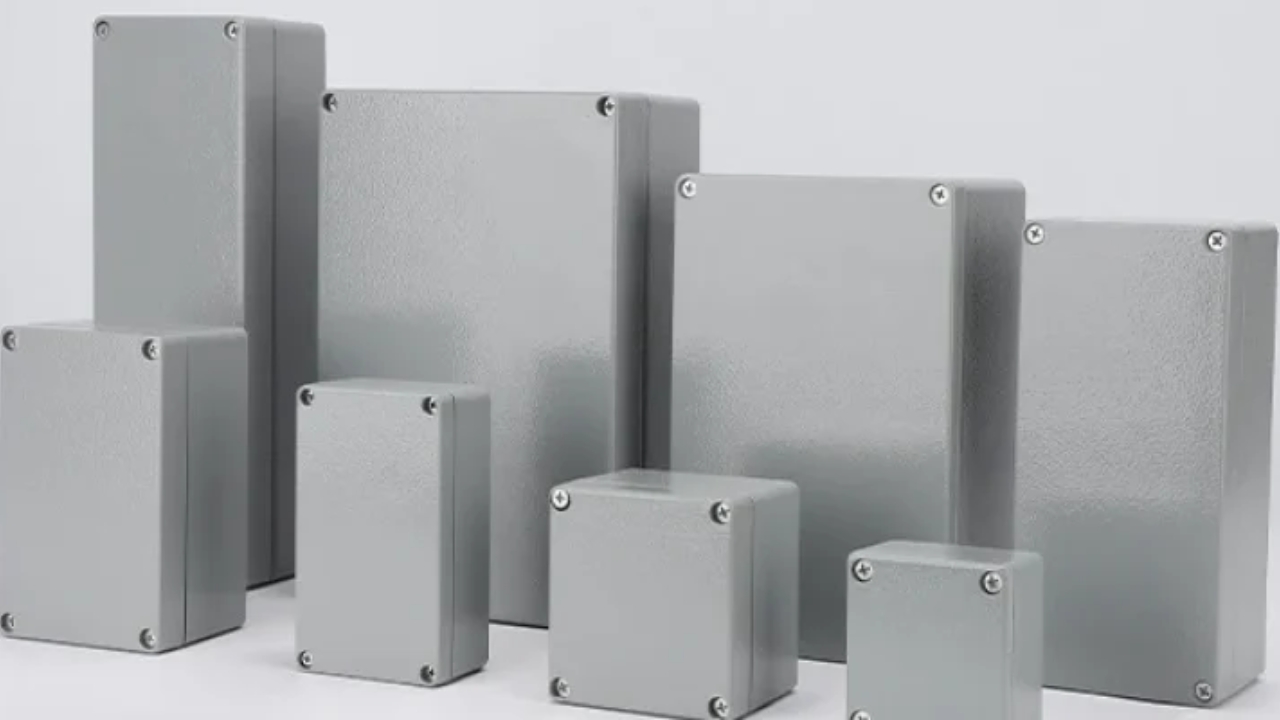
Junction boxes are usually made of metal and plastic. They are widely used in commercial and industrial electrical systems, including in attic installations where safe extension or distribution of wiring is required.

Types of Attic Junction Box

Types of Attic Junction Box

Installing junction boxes in the attic is a common practice for expanding or modifying electrical circuits. Choosing the appropriate attic junction box mainly depends on materials, structure, protection level and your application. Here is a detailed description of attic junction box types:

By Material:

Plastic Junction Box

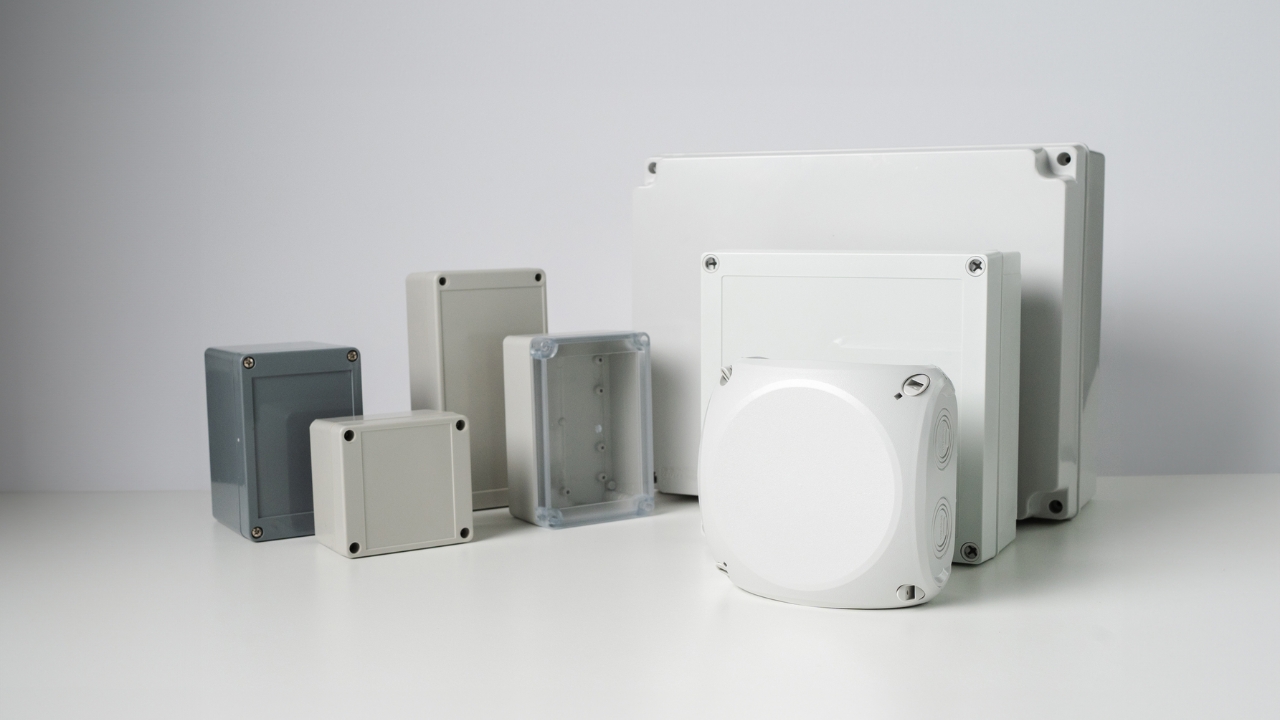
The plastic junction box is lightweight and corrosion-resistant, making it an excellent choice for you to install in the attic.

It has notable advantages: it is non-conductive and requires no grounding, provided no metal components are exposed. Also, it is rust-proof and moisture-proof, easy to install and cost-effective, and is suitable for non-metallic (NM) cables in dry environments.

However, compared to metal junction boxes, its heat resistance is lower and it is not suitable for use in high-load or commercial applications.

金属ジャンクションボックス

If you need a junction box that combines durability and fire resistance, a 金属製接続箱 is your first choice. It has excellent strength and impact resistance, as well as better heat resistance. Moreover, in metal conduit systems, metal junction boxes are often required to keep grounding continuity.

Metal junction boxes must be properly grounded when you use them. The installation process is also more complex and is more suitable for commercial, industrial or high-load attic installations.

By Protection Level:

Standard Square/Octagonal Boxes

Standard square/octagonal junction boxes are the common shapes used for general wiring and lamp connections. Square boxes are mostly 4 inches in size, providing more internal space and are suitable for multiple wiring connections. Octagonal junction boxes are typically used for lighting fixtures, often found in ceiling or attic lighting circuits. Both types of junction boxes are available in metal and plastic options for your choice.

Weatherproof Junction Boxes

Weatherproof or sealed junction boxes are usually equipped with gaskets and tight seals, making them an ideal choice for applications in harsh attic environments.

Depending on attic conditions, weatherproof enclosures such as  ネマ3R, IP65, IP66 may be required to protect against moisture and dust. These junction boxes can also provide anti-condensation protection and are durable.

However, this often means higher costs and requires you to use cable glands for proper sealing.

By Application:

Ceiling-Mounted Boxes

The ceiling-mounted box requires you to install it directly onto the joists or structural members. You need to install the box visible and removable above the insulation. It is safe to install and complies with relevant specifications. This installation also reduces the risk of mechanical stress on the wires.

During the installation process, you need to position it correctly. It is suitable for standard attic installations of barrier-free boxes for stability.

Fan-Rated Junction Boxes

The fan-rated junction box supports dynamic loads, such as ceiling fans. It has a reinforced structure to handle vibration and weight, and is rated to support heavier fixtures. When installing, you often need to install brackets and braces.

The fan-rated junction box is more expensive than the standard junction box. If you only use it for simple wiring, it is not suitable. You can apply it in applications involving movement or heavy fixtures.

How to Install a Junction Box in the Attic?

How to Install a Junction Box in the Attic

Preparation for Installation Kits

Before starting the installation, you need to turn off the power supply of the target circuit and prepare the necessary tools and materials, including junction boxes, wire connectors, cable clamps, electric drills, drywall saw, screwdrivers, etc.

What’s more, you can choose the appropriate type of junction box based on the above types. At the same time, you should make sure that the box size is appropriate, which relates to the number of wires that your box can accommodate.

Choose the Proper Location

The junction box should be located where it is easy to repair. Generally, you can install it on a sturdy structural member, and a stud finder can be used to assist in positioning.

If the location you choose cannot directly accommodate a structural member, you can also use appropriate installation hardware. Guarantee that the junction box is not buried under insulation or hidden behind the structure.

Mount the Junction Box Securely

If the junction box is to be recessed, you can cut an opening in the ceiling or plywood surface that matches the box sizes.

Securely attach the junction box to the joist or structural member. And you can use screws and brackets to install it stably. Avoid making the box loose or placing it on insulation.

Route and Secure Wires

Feed the cable through the specified knockouts. Ensure that the cable has enough slack to be easily connected inside the junction box. Then you can use cable clamps/connectors to fix the cable, guaranteeing it receives proper support. Wires cannot bend sharply or suffer mechanical stress.

Make Electrical Connections

Using the approved connector to strip the insulation to the correct length and connect the wires. Then, correctly connect the wires according to the electrical connection diagram. Guarantee all wires are tightly connected and guarantee insulation. If there is a grounding wire, it should connect all ground wires and connect with the grounding screw/grounding terminal.

Install Junction Box Cover

Place all cables safely in the junction box and fasten the cover plate with screws to protect the cables from damage. Guarantee the junction box is within reach and not covered by other materials.

Final Inspection and Restoration

At this stage, you should inspect all wires whether they are tightly connected and cable clamps are tight. After the inspection is completed, restore the power supply to make sure that the circuit can operate normally.

Code Requirements for Junction Boxes in Attics

Code Requirements for Junction Boxes in Attics

The electrical specifications have set strict rules for the attic junction boxes, which guarantee your electrical distribution system’s safety and reliability. The following are the detailed requirements of the electrical specifications for attic junction boxes:

Accessibility Requirement(NEC 314.29): The junction box must be easily accessible and should not be concealed behind walls, ceilings or permanently covered structures.

Mounting and Support Requirements: The junction box must be firmly fixed to the structural element, and the cables entering the box must be securely fixed using clamps.

Conductor Splicing Requirements: It is necessary to use approved connection methods, including wire connectors or terminals. The connection guarantees mechanical safety and right insulation.

Compliance with Applicable Standards: Your project should comply with local electrical standards, such as NEC (North American) and IEC (International).

Cost of Junction Box Installation in Attic

Cost of Junction Box Installation in Attic

Attic installation of junction boxes typically costs between $100 and $300, depending on labor difficulty, type of material, and wiring complexity.

The passage in the attic is limited and is accompanied by high temperatures and insulation issues, so the labor time will be longer. If you use metal/fan-rated boxes and new wiring, the cost will usually be higher.

In summary, labor costs are the most dominant factor in attic junction boxes installation. The materials choice and project range will also influence the final price.

よくある質問

Can a Junction Box Be Covered with Attic Insulation?

Yes. The junction box can be covered with the attic insulation, but it must remain accessible. The junction box must be easy to inspect. The junction box needs to have clear markings, located above the insulation, or be easily identifiable without removing the building materials.

Can Old Attic Junction Boxes Be Reused During Upgrades?

Yes. The old junction boxes in the attic can only be reused if they are intact and meet the current electrical code requirements. If the old junction box is damaged, corroded or does not comply with the new electrical standards, you need to replace it with a new one to guarantee safety and compliance.

How Does Humidity Affect Attic Junction Boxes?

Humidity in the attic can cause condensation inside junction boxes, which can rust metal components, reduce wire insulation, and increase short-circuit risks and connection failures. The junction box reliability will decrease and trigger safety hazards over time.

How Do You Locate a Hidden Junction Box in an Attic?

You can locate the junction box by tracing the cable lines. You can seek unusual wire junctions, splices/cable path changes. And check areas near fixtures or circuit branches also can help you locate. Besides, using a circuit tracer can also help you locate the junction box.

Final Thought

Final Thought

As a professional electrical enclosures manufacturer, KDM can provide you with a variety of junction boxes. All of our products are made with high-quality raw materials and advanced production techniques. Besides, we have a professional team to provide you with customized services. お問い合わせ to get your customized solution.

jaJapanese
上へスクロール
x
今すぐお問い合わせをお送りください
ファイルをアップロード
x
今すぐお問い合わせをお送りください
ファイルをアップロード