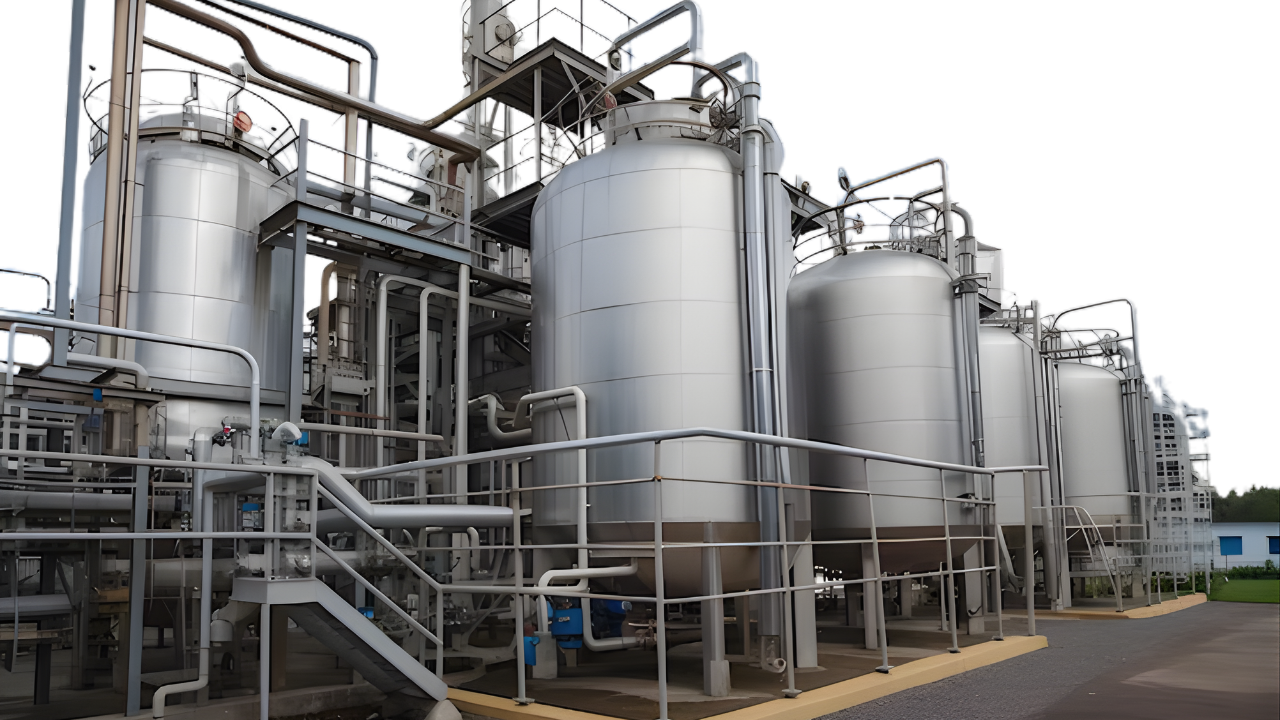
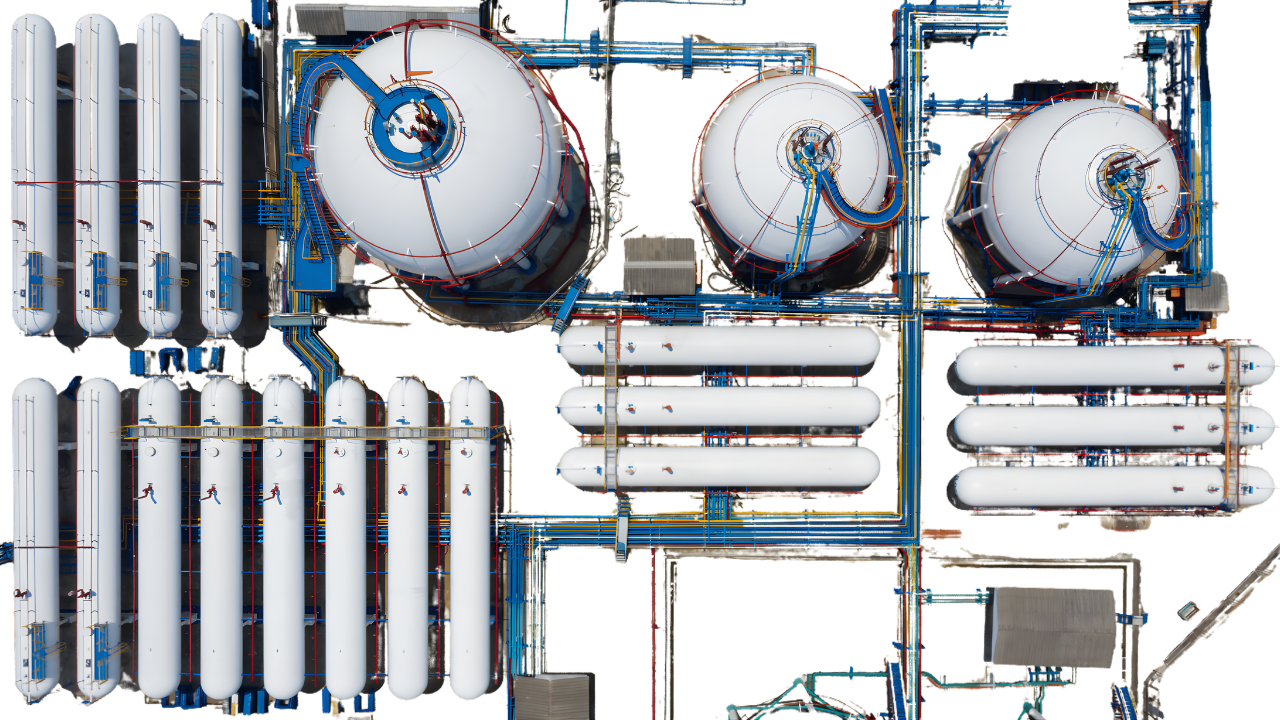
Liquids in atmospheric tanks and pressure tanks are stored at very dissimilar operating conditions. Industrial purchasers and engineers must select the tank based on process requirements and safety codes. Incorrect selection increases lifecycle costs and downtime. This article compares the two tanks with respect to practical engineering requirements.
What is an Atmospheric Tank?

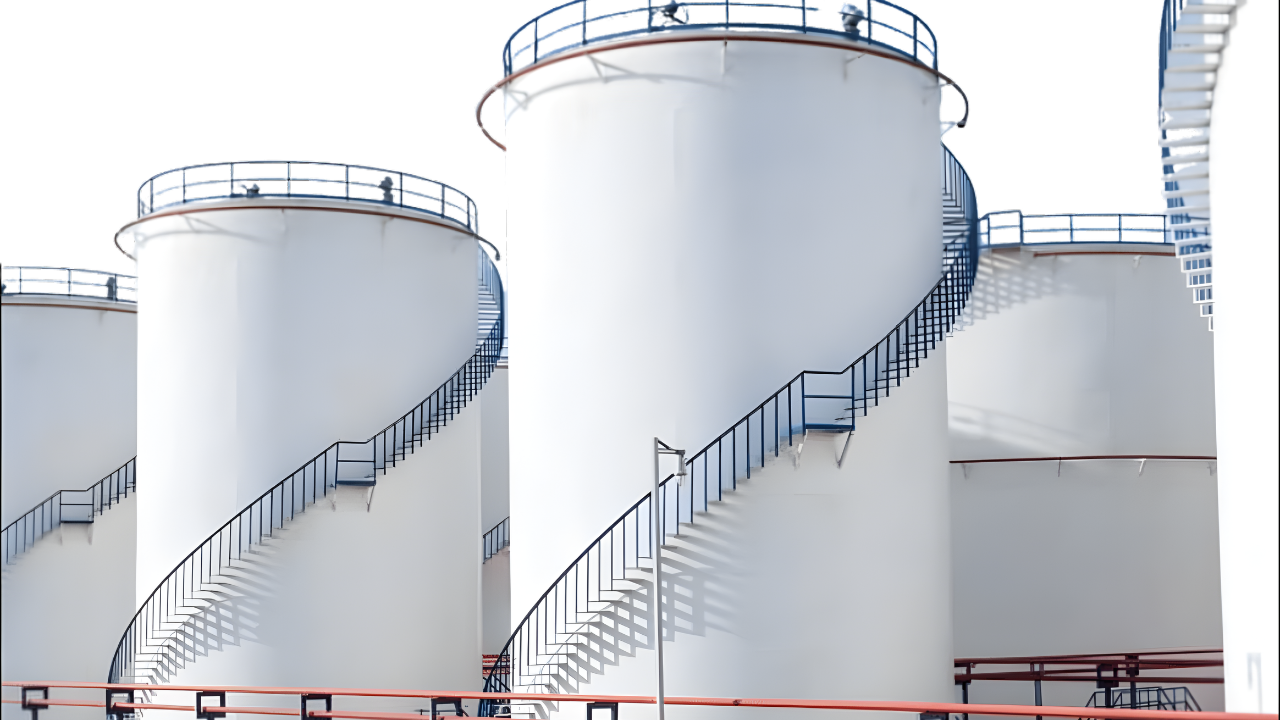
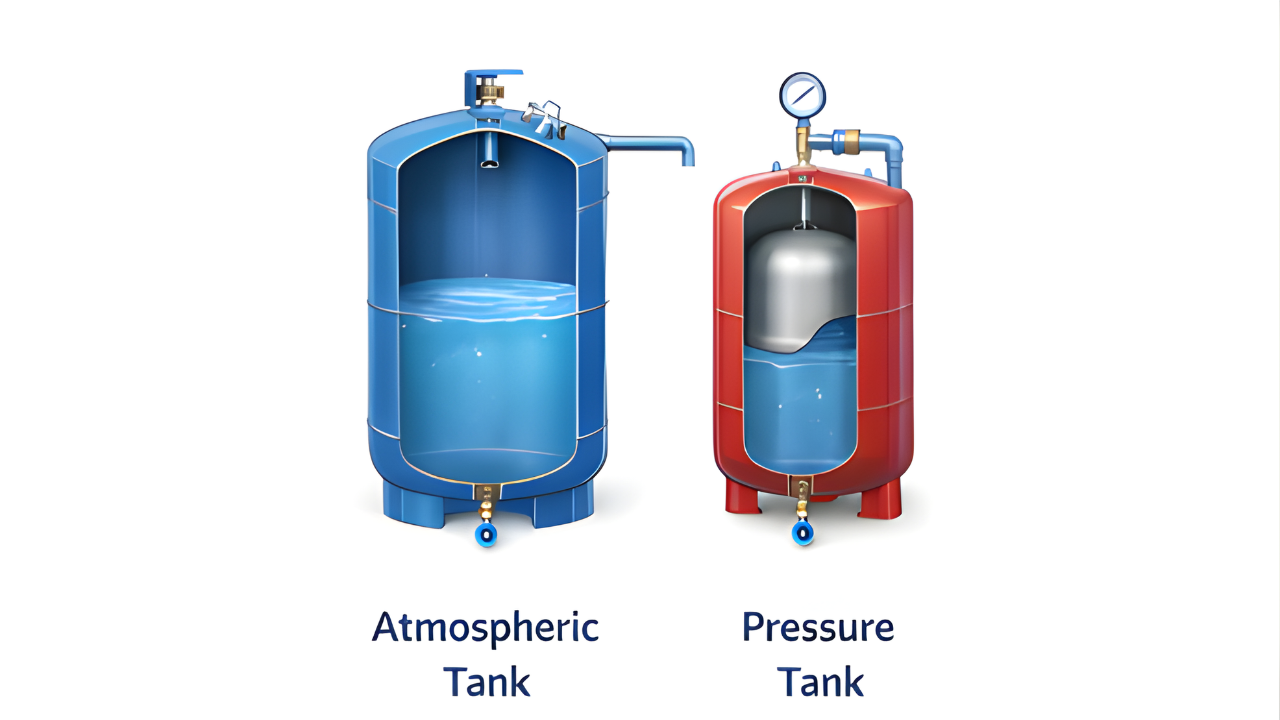
The liquids are held at atmospheric pressure in an atmospheric tank. It operates at or near atmospheric pressure, typically below 1 psi, and up to 2.5 psi when designed per API 650 Appendix F. Venting systems are applied by designers to avoid overpressure or temperature variations. Engineers use atmospheric tanks to store water, fuels, and chemicals that do not require pressurized storage.
What is a Pressure Tank?

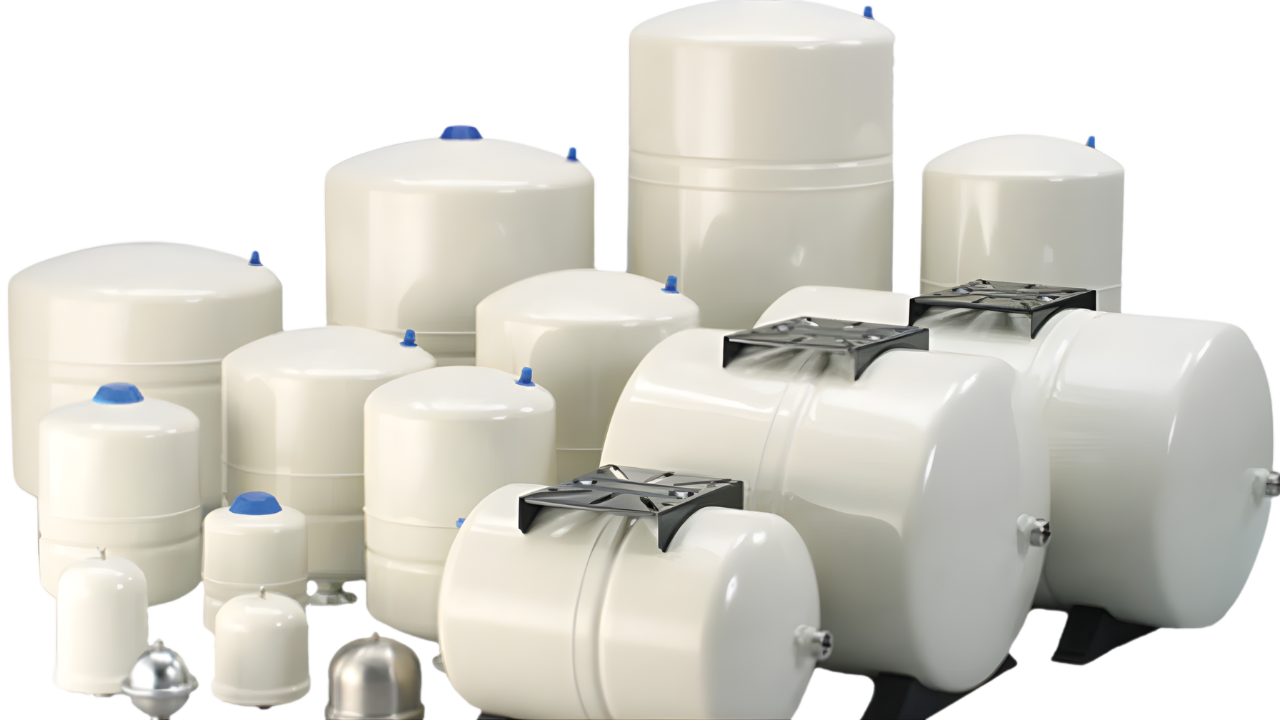
Fluids are held in a pressure tank at much higher pressures than the atmospheric pressure. Under normal service conditions, it operates at pressures exceeding 15 psi. Engineers provide pressure tanks with reinforced shells to safely manage the stresses that occur inside the tank. These tanks handle gases, steam, and volatile liquids in accordance with ASME pressure vessel codes.
Major Differences between Atmospheric Tank and Pressure Tank

1. Operating Pressure
- Atmospheric Tank:
Atmospheric tanks are operated at near-ambient pressure, and the design pressure is kept below 1 psi. The shell is only stiffened to resist loads of hydrostatic heads. The design codes do not have to put atmospheric tanks under high sustained internal pressure, since the tanks are designed to contain low-volatility liquids.
- Pressure Tank:
Pressure tanks operate at pressures above atmospheric and are assigned a Maximum Allowable Working Pressure (MAWP). Hoop and longitudinal stresses are caused by internal pressure and must be calculated based on shell thickness and joint efficiency. Codes make the tank be designed at a set of MAWP that is maintained at normal operation.
2. Design and Construction Standards
- Atmospheric Tank:
Atmospheric tanks are designed in accordance with API 650. The code assumes negligible internal pressure during normal operation. The calculations of the shell thickness are based on the specific gravity of the liquid and the fill height. The roof structures only cope with uplift caused by wind loads and thermal expansion. Stress calculations for wind and seismic loads are required, but internal pressure stress formulas are not applicable.
- Pressure Tank:
Pressure tanks are built according to the ASME Boiler and Pressure Vessel Code of construction. The main design load considered in the code is internal pressure. Allowable stress values and joint efficiency factors are used in the calculation of shell thickness. Fabrication requires qualified weld procedures and mandatory hydrostatic testing.
3. Venting vs Sealing
- Atmospheric Tank:
Atmospheric tanks are equipped with normal and emergency vents to prevent internal pressure from exceeding design limits. Emergency venting is considered fire input heat as indicated by API 2000. Blocked vents can cause roof uplift even at low differential pressure.
- Pressure Tank:
Pressure tanks have closed systems and relief valves that are not below MAWP. The relief devices open only on overpressure events that are beyond the design limits. ASME regulations mandate certified sizing of valves to prevent an increase in pressure in case of upset and fire conditions.
4. Material and Structural Requirements
- Atmospheric Tank:
Carbon steel plates with adequate yield strength (e.g., ≥250 MPa) are commonly used. Structural design is resistant to the hydrostatic head wind and seismic loads. The thickness of plates is augmented by increasing the height of the liquid and not the pressure stress calculations.
- Pressure Tank:
Pressure tanks are made of pressure-rated carbon or alloy steels with regulated tensile and impact characteristics. Choice of materials is based on permissible stress levels that are determined by design temperature. Shell thickness is determined by internal pressure, allowable stress, and joint efficiency. Hydrostatic head is a secondary consideration.
5. Safety and Risk Profile
- Atmospheric Tank:
Tanks in the atmosphere are less vulnerable to the aspect of internal pressure but more vulnerable to the release of vapors. These are roof uplift, shell buckling, and rim seal fires. Low operating pressure results in the design minimizing stored energy.
- Pressure Tank:
Due to their high operating pressures, pressure tanks store significant internal energy. Failure may involve rapid decomposition, fragmentation, and blasting. Codes demand the provision of safety factors, pressure relief systems, as well as regular examination to manage catastrophic rupture and risks of fatigue.
6. Installation and Support Systems
- Atmospheric Tank:
Atmospheric tanks are supported on ringwall or slab foundations designed for hydrostatic loads. The foundation design is determined by the large tank diameters through the use of the differential settlement limits. Wind girders are resistant to lateral wind forces, as internal pressure does not offer structural stiffening.
- Pressure Tank:
Pressure tanks are mounted on skirts, saddles, or lugs that are used to carry pressure thrust loads and thermal loads. The support systems withstand the seismic accelerations and axial pressure forces. Anchor bolts hold back uplift caused by internal pressure in normal and upset operating conditions.
7. Shape and Structural Form
- Atmospheric Tank:
Atmospheric tanks consist of a large-diameter thin-wall cylindrical shell having flat cone or dome roofs. Height-limited designs are permitted by low internal pressure. The stability of shells is not based on the stress distribution of pressure but on the ratios between diameter and thickness and the hydrostatic head.
- Pressure Tank:
Pressure tanks use cylindrical or spherical geometry to efficiently contain internal pressure. Spherical shapes provide uniform stress distribution; cylindrical shells require dished heads to minimize stress concentrations at ends. Dished heads eliminate stress concentration at shell junctions. With reduced diameter to thickness ratios, high internal pressure can be safely contained with a predictable deformation behavior.
8. Regulatory and Inspection Requirements
- Atmospheric Tank:
Atmospheric tanks are inspected in accordance with API 653. Inspections can be done on shell corrosion, floor thinning, and settlement. The internal inspections are done at a longer period since operating pressure is less than 1 psi, and the stored energy levels are low.
- Pressure Tank:
The inspection of the pressure tanks is in accordance with ASME Boiler and Pressure Vessel Code requirements and jurisdictional regulations. The inspection covers pressure boundary assessment and testing of relief valves. Higher operating pressure requires shorter inspection intervals and more rigorous integrity assessments.
9. コストの考慮
- Atmospheric Tank:
Atmospheric tanks are cheaper because of low design pressure and finer thickness of the shell plates. The common thickness of plates is between 6 and 25 mm. It is welded without full radiography. Less frequent inspection minimizes the maintenance and compliance expenses in the long term.
- Pressure Tank:
The use of thicker shells that can be in excess of 30 mm at high pressure makes pressure tanks more expensive. High-grade materials and combined efficiency demands are other factors that make fabrication more complicated. The cost of radiography, hydrostatic testing, and relief systems is mandatory and increases the initial cost and long-term inspection costs.
10. Typical Uses and Applications
- Atmospheric Tank:
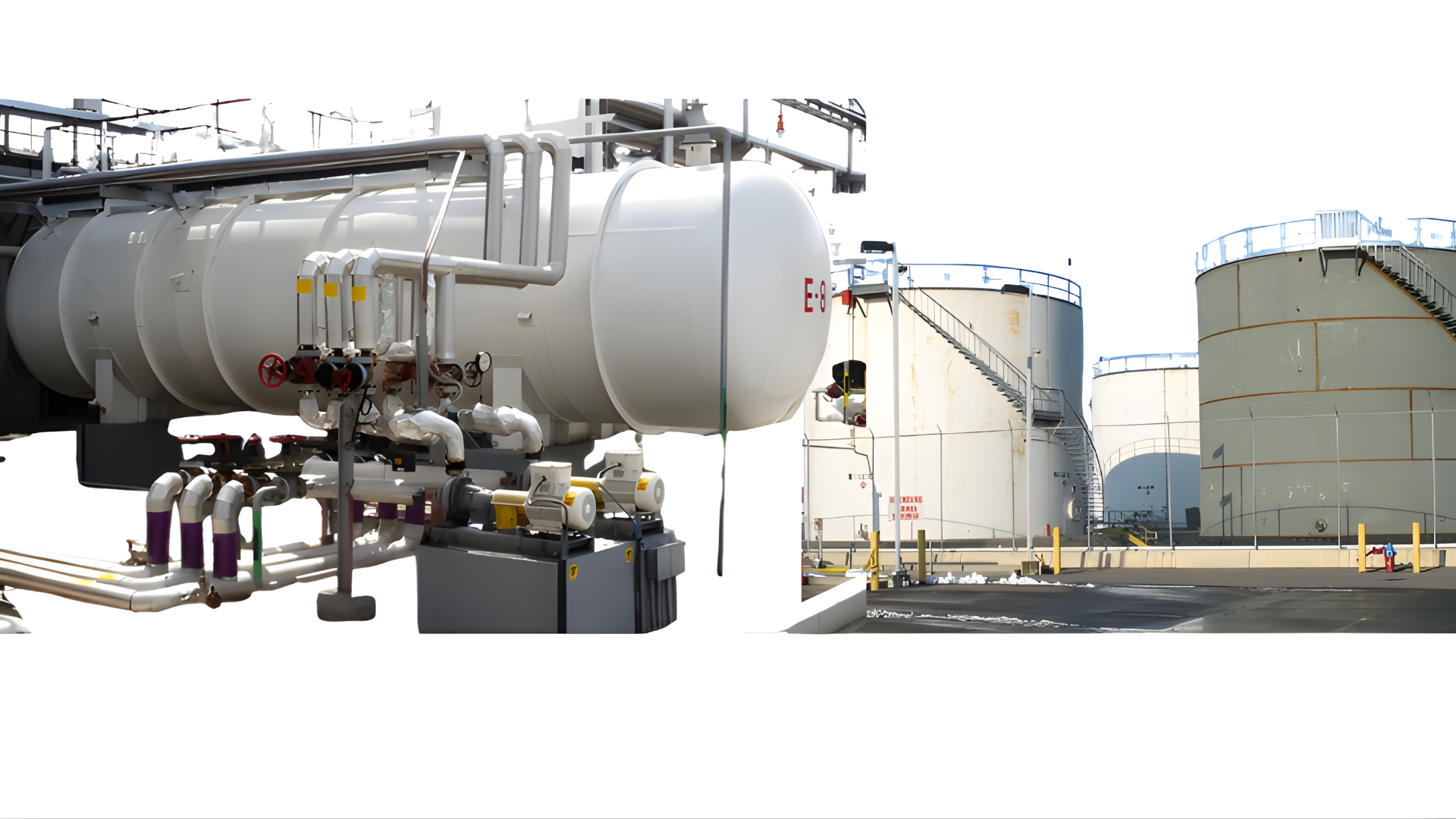
Atmospheric tanks will help you in storing high quantities of low-volatile liquids like chemicals, crude oil, water, etc. Below 1 psi operating pressure. They are applicable in bulk storage with constant flow rates and no pressure containment.
- Pressure Tank:
Engineers will find pressure tanks in those areas and processes that have pressure storage of gases, steam, and volatile liquids, where maximum control is needed. It is frequently operated under pressure of more than 15 psi. Moreover, it can be used as reactors and surge vessels, where pressure containment is required.
| Parameter | Atmospheric Tank | Pressure Tank |
| Operating Pressure | Near atmospheric (≤1–2.5 psig) | Above 15 psig |
| Governing Design Load | Hydrostatic liquid head | Internal pressure stress |
| Design Code | API 650 | ASME Section VIII |
| Venting | Open/vented system | Closed system with relief valves |
| Shell Thickness Basis | Liquid height & specific gravity | MAWP & allowable stress |
| Structural Form | Large-diameter, thin-wall | Thick-wall cylindrical/spherical |
| Stored Energy | Low | High |
| Inspection Standard | API 653 | API 510 / NBIC |
| Fabrication Complexity | Moderate | High (NDT & hydrotest required) |
| Typical Service | Bulk liquid storage | Gas/volatile fluid containment |
Atmospheric Tank vs Pressure Tank – Which One Is Best?

An atmospheric tank performs best when storage responsibility entails low volatility liquids and negligible internal pressure. These tanks are specifically developed to minimize pressure related to stress and minimize failure energy. High-volume storage using large-diameter construction has less complex fabrication requirements. They are widely used in applications in which venting control, corrosion allowance, and settlement tolerance are the factors controlling performance and not pressure containment.
The design of pressure tanks is made to secure the handling of stored energy through calculated shell thickness and relief systems. They allow a small design and high accuracy of control. They will be selected based on the margins of pressure duty, safety, and regulatory compliance requirements.
よくある質問
· Can an atmospheric tank be considered a pressure vessel?
Atmospheric tanks are to be built at pressures limited to 1 psi, although they can be as high as 2.5 psi when built to API 650 Appendix F.
· What shapes are common for pressure vessels?
You will mostly find pressure vessels in cylindrical shapes with dished ends or spherical ends. The reason for these shapes is evenly distributed internal pressure stresses.
· Are there atmospheric tanks controlled?
Yes. In API 650, atmospheric tanks are governed, and in API 653, inspected.
· Can an atmospheric tank require special permits?
Yes. Atmospheric tanks might need special permits, which depend upon the size, location, and type of liquid to be stored.
· Why do pressure tanks need pressure relief devices?
Relief devices will help you in preventing internal pressure from exceeding the MAWP during fire exposure.
· Can temperature affect pressure inside a storage tank?
Particularly in the closed pressure tanks, if you increase the temperature, the vapor pressure and internal pressure will increase.
· How often are atmospheric tanks inspected?
Atmospheric tanks should be inspected every 5 to 10 years. It totally depends on the rate of corrosion and service provisions.
· Can all the tanks that are not within the pressure vessel category be used safely in high-pressure environments?
いいえ。 The tanks, which are not able to withstand the pressure and which lack structural support, will fall down when the pressure exerted on them is more than the design limits.
Get Your Customized Tanks by KDM Steel

KDMスチール designs and builds atmospheric and pressure tanks to the precise design codes and process standards. We provide solutions that are adherent to industrial requirements. We provide reliability in terms of performance and requirements in design review, fabrication, and delivery. 接触 私たち and speak about your projects.